
A suspected listeria outbreak linked to Coco & Carmen, a high-end restaurant in Stockholm’s Östermalm district, has resulted in multiple hospitalizations and widespread concern. Health authorities report that at least 15 individuals have been treated or are under observation, with four diagnosed with sepsis—a severe immune system reaction that can be life-threatening. While most of the affected individuals are not seriously ill, none have required intensive care so far. The outbreak has prompted an extensive infection tracing effort, initially focusing on diners from September 25 to 27 but later expanded to include those who visited the restaurant on September 23 and 24. Maria Rotzén Östlund, an infectious disease physician, advised anyone experiencing symptoms such as fever, vomiting, or diarrhea to seek immediate medical attention. Regional health officials have warned that a significant number of people may have been exposed, particularly vulnerable groups like pregnant women, older adults, and those with weakened immune systems. According to state broadcaster SVT, 80 people have reported food poisoning through a city tracking tool, and 400 have been contacted for infection tracing. Coco & Carmen has voluntarily closed its doors pending an investigation, emphasizing its commitment to guest safety and cooperation with authorities. The restaurant, which has a history of passing food safety inspections, hopes to reopen on October 7. Chef and co-owner Joakim Almquist expressed deep remorse, stating, ‘The only thing I can do is sincerely apologize, because I suffer with these people.’ Listeria, a bacterium found in soil, water, and animals, can contaminate food, especially when stored in cold conditions for extended periods. While most infections cause mild, flu-like symptoms, severe cases can lead to meningitis or sepsis, with an incubation period ranging from several days to three weeks.
分类: health
-

When Beijing makes a climate pledge, the world should listen
In a revealing exchange at a climate conference, a Chinese delegate once explained why Beijing chose ‘carbon neutrality’ over more fashionable terms like ‘climate neutrality’ or ‘net zero’: ‘Because we know what it means.’ This response underscores China’s pragmatic approach to climate commitments—unlike many nations that set lofty goals without clear plans. China’s latest pledge, to cut greenhouse gas emissions by 7-to-10% by 2035 as part of its Paris Agreement commitments, is more significant than it might appear. While other countries often rely on aspirational targets to drive climate discussions, China’s track record suggests it only promises what it can deliver. Having pledged to peak emissions this decade, barely 50 years after industrialization, China is on track to achieve this and emerge as a global leader in renewable energy and electric vehicles. A recent study published in *Nature Communications* by climate scientists Junting Zhong and colleagues provides context for China’s announcement. Their ‘reality-aligned scenario’ outlines a plausible pathway for global emissions, with China’s carbon dioxide emissions peaking soon and nearing zero by 2060. The study highlights the importance of understanding China’s contributions to global temperature goals, particularly through methane reductions and land-use changes. Despite its relevance, the study received little attention, overshadowed by a controversial U.S. Department of Energy review. This oversight is a missed opportunity, as China’s targets are grounded in practicality and intent, setting a precedent for others to follow. President Xi’s call to ‘do better’ applies not just to nations but to scientists and policymakers worldwide, urging them to focus on actionable solutions rather than distractions.
-

No more scribbling: Indian court tells doctors to fix their handwriting
The Punjab and Haryana High Court in India has issued a landmark ruling emphasizing the critical importance of legible handwriting in medical prescriptions, declaring it a “fundamental right” that can mean the difference between life and death. This decision came during a case unrelated to handwriting, involving allegations of rape, cheating, and forgery. Justice Jasgurpreet Singh Puri, while reviewing a medico-legal report, expressed shock at the illegibility of the doctor’s handwriting, stating it “shook the conscience of the court.” The court has mandated that all doctors write prescriptions clearly in capital letters and has called for the integration of handwriting lessons into medical school curricula. Additionally, a two-year timeline has been set for the implementation of digitized prescriptions. While urban areas have largely transitioned to digital prescriptions, rural regions still face challenges. Dr. Dilip Bhanushali, president of the Indian Medical Association, acknowledged the issue, attributing poor handwriting to the overwhelming workload in overcrowded government hospitals. He urged doctors to adhere to guidelines ensuring prescriptions are readable. This is not the first time Indian courts have addressed the issue; previous rulings in Odisha and Allahabad have also criticized doctors’ handwriting. Studies have not conclusively proven that doctors’ handwriting is worse than others, but experts stress that ambiguous prescriptions can lead to severe, even fatal, consequences. A 1999 report by the Institute of Medicine highlighted that medical errors, including those caused by illegible handwriting, resulted in an estimated 44,000 preventable deaths annually in the U.S. In India, similar incidents have led to health emergencies and fatalities. Pharmacists continue to receive poorly written prescriptions, particularly in rural areas, underscoring the urgent need for systemic change.
-

Australia sunscreen scandal grows as more products pulled off shelves
A growing sunscreen scandal in Australia, the world’s largest skin cancer hotspot, has escalated with 18 products now withdrawn from shelves due to safety concerns. The issue came to light in June when a consumer advocacy group revealed that several popular and high-priced sunscreens failed to deliver the protection levels advertised by their manufacturers. One such product, Ultra Violette’s Lean Screen Skinscreen, marketed as SPF 50+, was found to offer only SPF 4 and was voluntarily recalled last month. Further investigations by the Therapeutic Goods Administration (TGA) have identified around 20 additional sunscreens from various brands that share a problematic base formula, raising serious doubts about the integrity of a US-based testing laboratory, Princeton Consumer Research Corp (PCR Corp). The TGA’s preliminary testing suggests that the base formula may not exceed SPF 21, with some products potentially as low as SPF 4. Wild Child Laboratories Pty Ltd, the manufacturer of the base formula, has ceased production. Of the 21 products flagged by the TGA, eight have been recalled or halted, ten have paused sales, and two are under review. One product, though made in Australia, is not sold domestically. The scandal has sparked significant consumer outrage in Australia, with experts warning of potential global repercussions. The TGA is now scrutinizing SPF testing standards, which it describes as ‘highly subjective,’ and has expressed concerns about PCR Corp’s testing practices. The BBC has reached out to PCR Corp and Wild Child Laboratories for comment. Australia, which has the highest skin cancer rates globally, enforces some of the strictest sunscreen regulations worldwide.
-

Gaza’s children face genetic harm ‘for generations to come’ from Israel’s genocide
In the war-torn Gaza Strip, 22-month-old Rewan Aldreini’s life is a stark illustration of the devastating impact of conflict and malnutrition. Born in November 2023, just a month after the Israeli siege began, Rewan has never tasted her mother’s milk. Her mother, grappling with depression and post-traumatic stress disorder (PTSD), stopped producing milk due to the trauma of relentless bombardment and displacement. The family fled their home in Beit Lahia, moving first to Gaza City and then to Khan Younis, where they now struggle to survive. Rewan’s father, Mohamed Aldreini, can only afford rice to feed his daughter, who suffers from severe malnutrition, a weak immune system, heart problems, and developmental delays. At just 7kg, her health continues to deteriorate under what her father describes as “engineered starvation.”
Rewan’s plight is not unique. Scientists warn that the ongoing crisis in Gaza is creating an epigenetic disaster, with long-term health consequences for future generations. Epigenetics, the study of how environmental factors like stress and malnutrition alter gene expression without changing the DNA sequence, has shown that such conditions can leave lasting genetic imprints. Research from historic famines, such as the Dutch Hunger Winter and the Rwandan genocide, reveals that trauma and starvation can lead to increased risks of chronic diseases, mental health disorders, and developmental issues in children and their descendants.
Professor Tessa Roseboom, a biologist at the University of Amsterdam, explains that stress hormones in mothers can affect babies’ bodies and brains. Similar findings were observed in Holocaust survivors and their children, where gene changes were directly linked to parental trauma. In Gaza, the combination of starvation, displacement, and ongoing violence is creating a perfect storm for epigenetic damage. Dr. Leon Mutesa of the University of Rwanda, who studied the epigenetic legacy of the 1994 genocide, warns that the symptoms in Gaza—fear, stress, and high cholesterol—are early indicators of epigenetic changes.
According to Palestinian health officials, at least 20,000 children have been killed since the war began, and over 50,000 have been injured or killed. In August alone, 12,800 children were identified as acutely malnourished, a condition the UN has confirmed as famine. Experts like Professor Hassan Khatib of the University of Wisconsin–Madison predict that the epigenetic damage in Gaza will be catastrophic, affecting not only current generations but also future ones. Khatib emphasizes that the crisis is particularly harmful to pregnant women and adolescent boys, whose developing bodies are more vulnerable to genetic alterations.
While the damage already inflicted may be irreversible, scientists agree that immediate action can mitigate further harm. Ending the war, providing access to food, healthcare, and safe living conditions, and offering psychological support are critical steps. “We need action from the international community to stop the suffering in Gaza,” says Roseboom. “This conflict isn’t just about the present moment; it’s creating life-long consequences for children like Rewan, and potentially for generations to come.”
For Mohamed Aldreini, the hope for a normal life remains. “I still dare to dream this genocide will end,” he says. “That we can return to a normal life—as human beings.”
-

How doctors are responding to Trump’s autism announcement
Former President Donald Trump’s recent assertion that taking Tylenol during pregnancy increases the risk of autism in children has sparked widespread concern and confusion among expectant mothers. Speaking at a press conference alongside Health Secretary Robert F. Kennedy Jr., Trump advised pregnant women to ‘tough it out’ rather than use acetaminophen, the active ingredient in Tylenol, for pain or fever relief. This statement has drawn sharp criticism from medical professionals, who argue that it lacks scientific evidence and could endanger maternal and fetal health. Dr. Dallas Reed, Chief of Genetics and OBGYN at Tufts Medical Center, reported receiving numerous inquiries from anxious parents questioning whether their child’s autism could be linked to Tylenol use during pregnancy. She emphasized that current research does not support a conclusive connection between the two. The Autism Science Foundation also refuted Trump’s claim, stating that existing data does not provide sufficient evidence to establish such a link. However, the foundation cautioned that all medications during pregnancy should be used judiciously and under medical supervision. Acetaminophen remains one of the few pain relievers deemed safe for pregnant women, as alternatives like ibuprofen have been associated with birth defects. Public health experts attribute the rise in autism diagnoses to improved awareness and testing rather than medication use. Despite this, Trump’s remarks have fueled unnecessary fear and guilt among parents. Dr. Allison Bryant, a high-risk obstetrician at Massachusetts General Hospital, expressed concern that women might avoid necessary medications, potentially leading to untreated fevers or pain, which pose significant risks to pregnancy. Dr. Elizabeth Langen, a maternal-fetal medicine specialist, stressed that untreated pain can trigger stress responses harmful to both mother and baby. The FDA has issued a cautious statement, noting that a causal relationship between Tylenol and autism remains unproven, and advised physicians to limit acetaminophen use only for low-grade fevers. Medical professionals continue to recommend acetaminophen as a safe option for pain and fever relief during pregnancy, urging patients to consult their healthcare providers for personalized advice. Dr. Langen lamented that the controversy detracts from addressing other critical health issues, underscoring the need for evidence-based guidance in prenatal care.
-
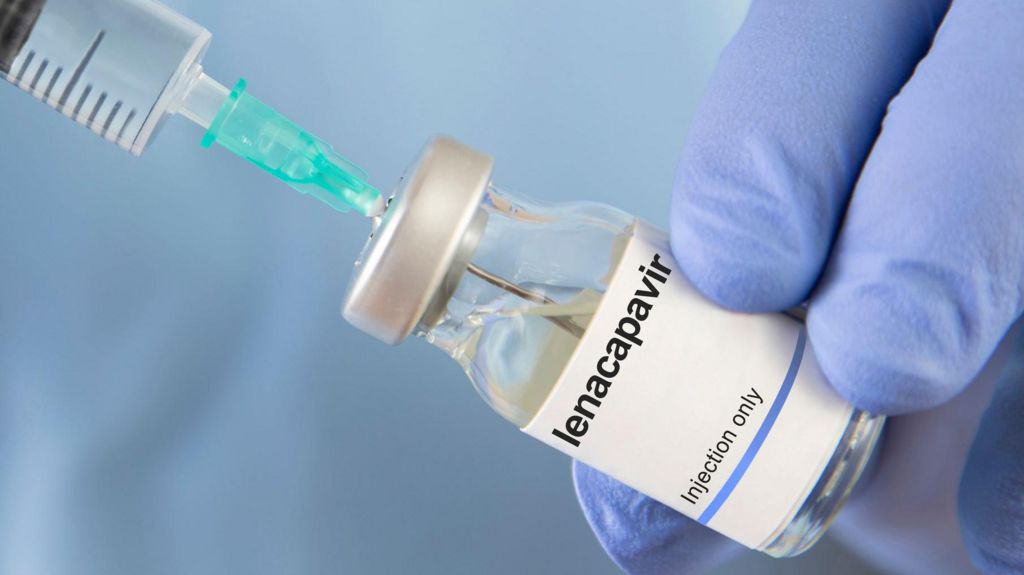
Landmark deal paves way for cheaper HIV protection jab
In a groundbreaking development for global health, the World Health Organization (WHO) has endorsed Lenacapavir, a revolutionary HIV prevention drug, marking a significant step toward combating the HIV/AIDS epidemic. This long-acting injectable, administered twice annually, offers six months of protection against HIV infection and has shown remarkable efficacy in clinical trials.
-

Fact-checking claims Trump made about autism
US President Donald Trump has sparked significant backlash from health experts following his assertion of a link between the widely used painkiller Tylenol (paracetamol in some countries) and autism. Speaking alongside Health Secretary Robert F Kennedy Jr, Trump suggested that doctors would soon be advised against recommending the drug to pregnant women. This claim has been met with strong opposition from medical professionals. The American College of Obstetricians and Gynaecologists labeled the announcement ‘unsettling’ and lacking ‘reliable data,’ while the UK’s National Autism Society called it ‘dangerous, anti-science, and irresponsible.’
During a White House press conference, Trump cited statistics indicating a rise in autism diagnoses in the US, claiming the rate had increased from ‘one in 10,000’ 18 years ago to ‘one in 31’ by 2025. While the latter figure is accurate according to 2022 data from the Centers for Disease Control and Prevention (CDC), the rate of increase was significantly less dramatic than Trump suggested. Experts attribute the rise in autism diagnoses primarily to improved diagnostic methods and greater awareness.
Trump also claimed that California has a ‘more severe problem’ with autism, citing CDC data showing one in 12 eight-year-old boys in the state had autism. However, the CDC noted that California’s proactive screening initiatives likely contributed to higher identification rates. Additionally, Trump suggested that the mumps, measles, and rubella (MMR) vaccine should be administered separately rather than as a combined shot, a claim that experts fear could lead to reduced vaccination rates and the resurgence of preventable diseases.
The president’s comments echoed long-debunked theories linking vaccines to autism, which originated from a discredited 1998 study by Andrew Wakefield. Multiple studies, including a 2019 Danish study involving over 650,000 children, have found no such link. Trump also cited the Amish community as having ‘virtually no autism,’ attributing this to low Tylenol use. However, limited research on autism in the Amish population makes this claim unsubstantiated.
Trump’s remarks have reignited concerns about the spread of misinformation and its potential impact on public health. Health experts urge the public to rely on evidence-based medical advice rather than unverified claims.
-

Pennsylvania pharmacist keeps vaccine Superman suit on hand
Dr. Mayank Amin, a Pennsylvania-based pharmacist who became a local hero during the COVID-19 pandemic by dressing as Superman to deliver vaccines, has once again donned the iconic suit. Amin, owner of Skippack Pharmacy in Lansdale, Pennsylvania, has been administering thousands of COVID-19 shots in September as patients rushed to get vaccinated amid concerns over shifting U.S. government policies that could affect eligibility. While Amin has largely retired the Superman costume, he still uses it for special clinics, particularly for children who request it. ‘It’s kind of like how a firefighter’s costume hangs at the station,’ Amin remarked. ‘It’s better that it stays on the wall.’ The surge in demand for vaccines has been fueled by uncertainty surrounding health insurance coverage and the upcoming recommendations from the CDC’s advisory panel. The FDA recently narrowed its approval for COVID-19 vaccines to individuals aged 65 and older or those at risk for severe disease. Meanwhile, Pennsylvania and 16 other states have granted pharmacists the authority to follow medical organizations’ recommendations, further complicating the landscape. Skippack Pharmacy has extended its hours to meet the demand, with Amin noting, ‘We had calls and messages and people waiting outside, just like the old COVID days.’
-
Exclusive: FDA nicotine pouch pilot to ease manufacturers’ research burden, transcript shows
The U.S. Food and Drug Administration (FDA) has announced a significant shift in its regulatory approach to nicotine pouches, a popular smoking alternative, through a new pilot program. Internal meeting transcripts reveal that the FDA will no longer require manufacturers to conduct costly, product-specific studies to assess their impact on public health. Instead, the agency will rely on existing general research to evaluate the effectiveness and safety of these products. This move marks a departure from the FDA’s historically stringent review process, which has been a major hurdle for companies like Philip Morris International, Altria, and British American Tobacco, whose brands Zyn, On!, and Velo are expected to benefit from the pilot. The FDA’s decision aims to streamline the approval process while maintaining a focus on public health, particularly in helping smokers transition away from traditional cigarettes. However, experts have raised concerns about the potential risks, including the possibility of increased youth usage and the lack of product-specific data to ensure the safety and efficacy of individual offerings. The pilot program, while still in its early stages, could set a precedent for future regulatory changes in other nicotine product categories, such as vapes. The FDA has emphasized that the program does not lower scientific standards, but critics argue that the move may compromise public health safeguards.