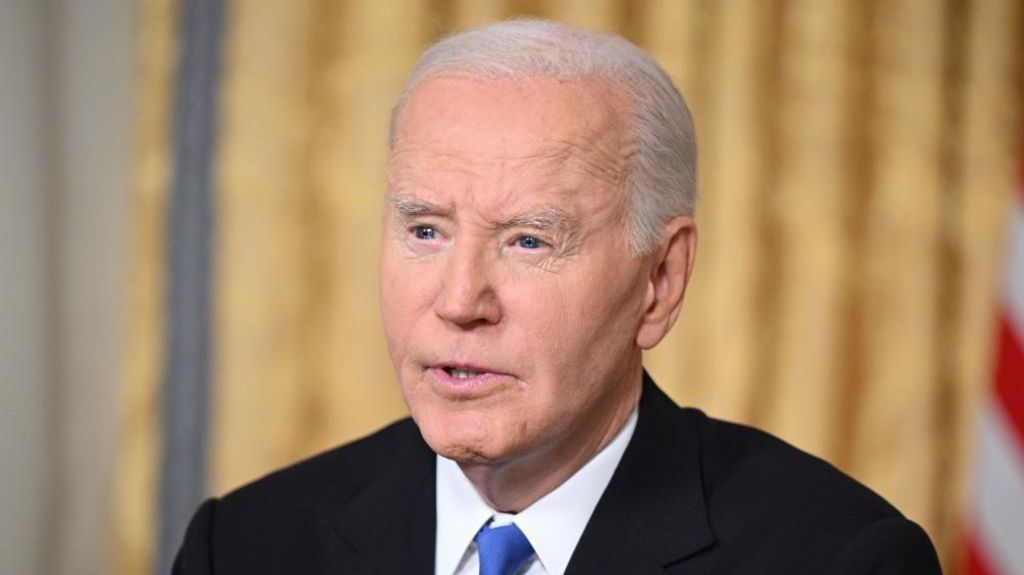
Former U.S. President Joe Biden has commenced radiation therapy as part of his ongoing treatment for prostate cancer, according to a statement from his spokesperson. The 82-year-old is also receiving hormone therapy, though specific details regarding this treatment remain undisclosed. A source familiar with the matter revealed to NBC News that the radiation therapy is expected to last five weeks, marking a significant phase in his medical care. Biden was diagnosed in May with an aggressive form of prostate cancer, which had metastasized to his bones. The diagnosis followed urinary symptoms that prompted medical examinations, leading to the discovery of a small nodule on his prostate. At the time, Biden’s office described the cancer as having a Gleason score of 9 (Grade Group 5), indicating a high-grade, fast-spreading form of the disease. However, the cancer is hormone-sensitive, which allows for effective management. Biden, who left office in January as the oldest serving U.S. president in history, faced persistent health concerns during his first term, ultimately leading him to withdraw from the 2024 re-election campaign. His former vice president, Kamala Harris, subsequently ran as the Democratic presidential candidate but lost to current President Donald Trump.
分类: health
-
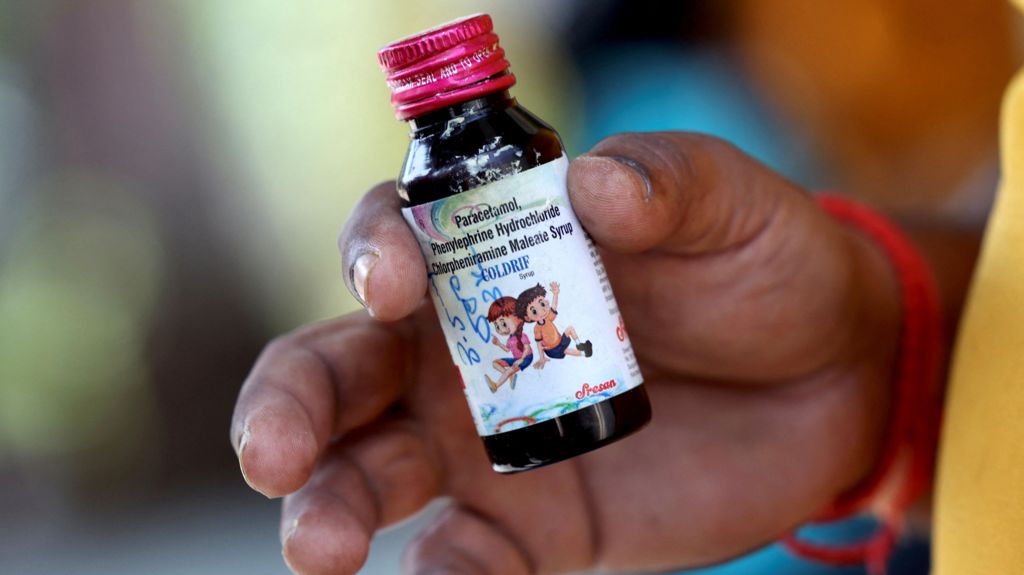
WHO flags regulation gaps after India child deaths from cough syrups
The World Health Organization (WHO) has expressed profound concern regarding lapses in India’s drug safety regulations following the tragic deaths of at least 20 children linked to contaminated cough syrups. The fatalities, reported in Madhya Pradesh and Rajasthan over the past month, have been traced to three specific syrups—Coldrif, Respifresh, and ReLife—found to contain diethylene glycol (DEG), a toxic chemical commonly used in industrial solvents. The Indian government has responded by arresting the owner of Sresan Pharmaceuticals, the manufacturer of Coldrif, halting production, and initiating a comprehensive investigation. The WHO has also warned that these tainted medicines could potentially reach other countries through unregulated distribution channels. In Tamil Nadu, health authorities have permanently revoked the manufacturing license of Sresan Pharmaceuticals after an inspection revealed 364 violations, including unhygienic storage conditions, substandard water quality, and lack of quality assurance protocols. The incident has sparked national outrage and raised concerns among parents, as oral syrups are commonly administered to children in India. This is not the first time Indian-made cough syrups have come under scrutiny; similar cases in The Gambia and Uzbekistan in 2023 resulted in the deaths of 88 children. The recurring issue highlights systemic failures in India’s pharmaceutical regulatory framework and underscores the urgent need for stricter oversight and accountability.
-
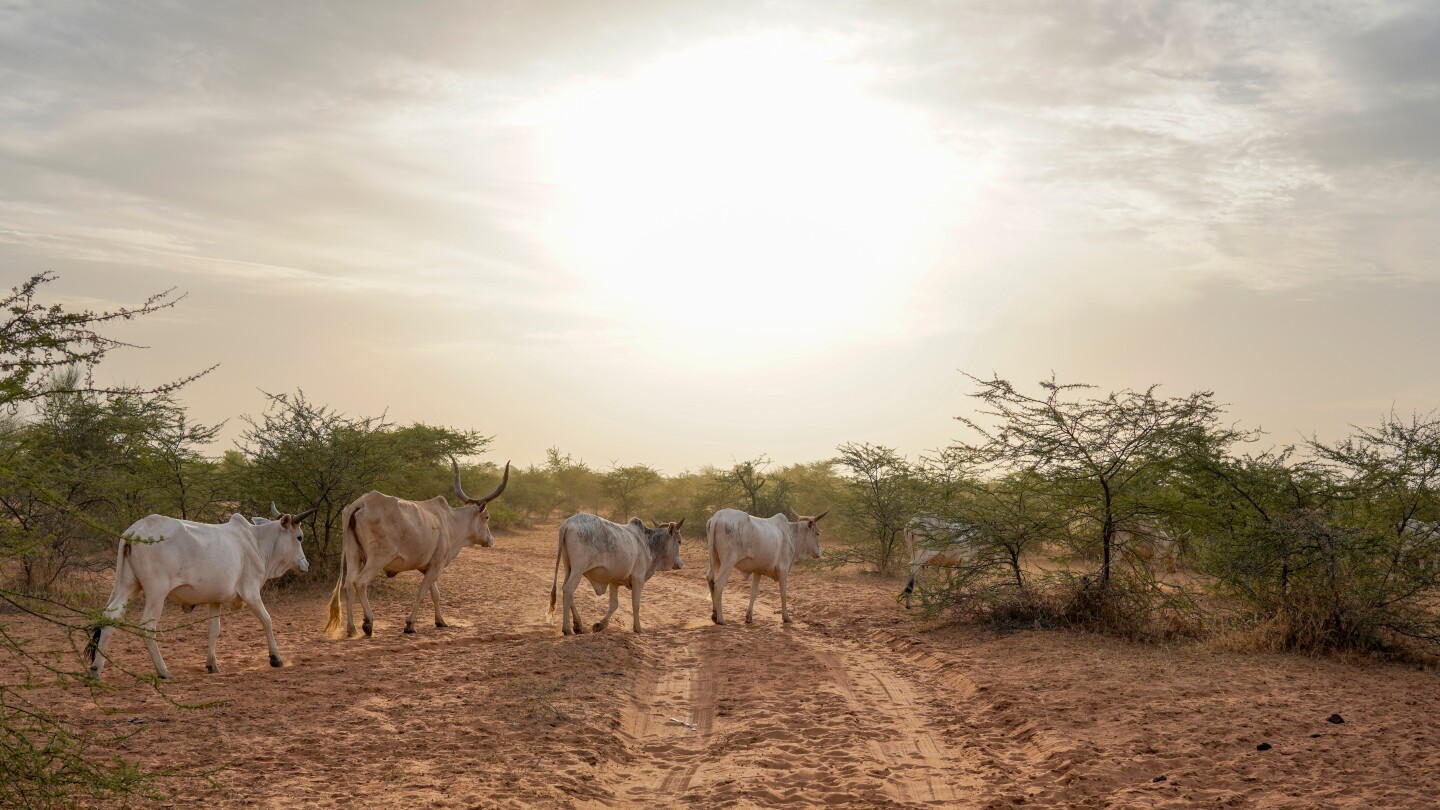
Senegal records 17 deaths in rare major outbreak of Rift Valley Fever
Senegal is grappling with a severe outbreak of Rift Valley Fever (RVF), a viral disease that has claimed 17 lives and infected 119 individuals, according to health officials. The outbreak, primarily concentrated in the northern livestock-producing region, marks the country’s most significant RVF crisis since the late 1980s. Dr. Boly Diop, head of RVF surveillance at Senegal’s health ministry, expressed concerns about the potential for further spread, emphasizing the unprecedented scale of the current outbreak. RVF, which primarily affects animals, can be transmitted to humans through mosquito bites or direct contact with infected livestock. While most human cases are mild or asymptomatic, severe infections can lead to eye damage, brain swelling, or fatal hemorrhagic fever, as reported by the World Health Organization (WHO). High-risk groups include herders, farmers, and slaughterhouse workers, who are often exposed during animal handling. The current outbreak was officially declared on September 21, with experts linking its resurgence to climate change, which creates favorable conditions for disease-carrying vectors. Dr. Merawi Aragaw Tegegne, an epidemiologist with the Africa Center for Disease Control and Prevention, highlighted the role of extreme weather patterns, such as torrential rains and floods, in facilitating RVF transmission. Preventive measures, including livestock vaccination and mosquito control, are crucial to curbing the disease’s spread. Historically, RVF has caused significant fatalities in Africa, with outbreaks in Kenya and Somalia in 1998 claiming over 470 lives. In 2000, the virus expanded beyond Africa, reaching Saudi Arabia and Yemen and raising global concerns about its potential spread to other continents.
-
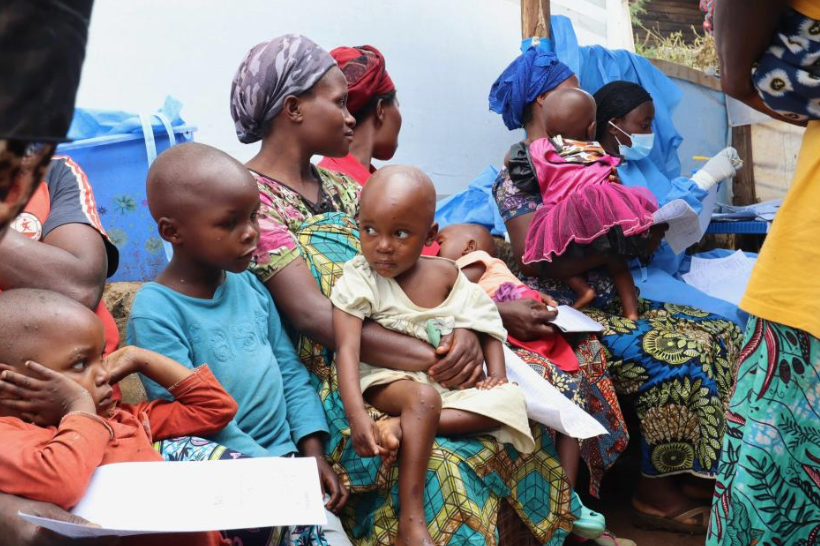
Red Cross warns of worsening health crisis in eastern DR Congo
The International Committee of the Red Cross (ICRC) has issued a stark warning about the deteriorating healthcare system in the conflict-ridden eastern regions of the Democratic Republic of the Congo (DRC). A recent study conducted in September 2025 across 240 health facilities in North and South Kivu provinces revealed alarming shortages: 85% of these facilities have exhausted their supplies of essential medicines, and nearly 40% reported that healthcare workers have fled due to insecurity and insufficient funding. This crisis is forcing civilians, including women and children, to traverse dangerous combat zones to seek medical care, often only to find clinics devoid of qualified staff and necessary treatments. The ICRC’s deputy health coordinator, Hippolyte Ten, emphasized the dire situation, noting that over 70% of the surveyed facilities have treated weapon-related injuries this year, with hospitals in Beni, Goma, Bukavu, and Fizi reporting a 160% increase in such cases compared to 2024. Additionally, the first half of 2025 saw 948 cases of sexual violence requiring medical and psychosocial support. Francois Moreillon, head of the ICRC delegation in the DRC, highlighted the collapse of humanitarian assistance, leaving 80% of facilities in the Kivu region without partner support. He stressed the urgent need for the delivery of medicines, safe patient transfers, and the protection of medical staff. The ICRC has also called on all conflict parties to adhere to international humanitarian law and safeguard medical personnel and infrastructure. The security situation in eastern DRC has significantly worsened since January, with renewed fighting involving the March 23 Movement rebel group, which has captured several key towns, including Goma and Bukavu. This escalating violence has displaced hundreds of thousands of civilians, exacerbating an already critical humanitarian crisis.
-
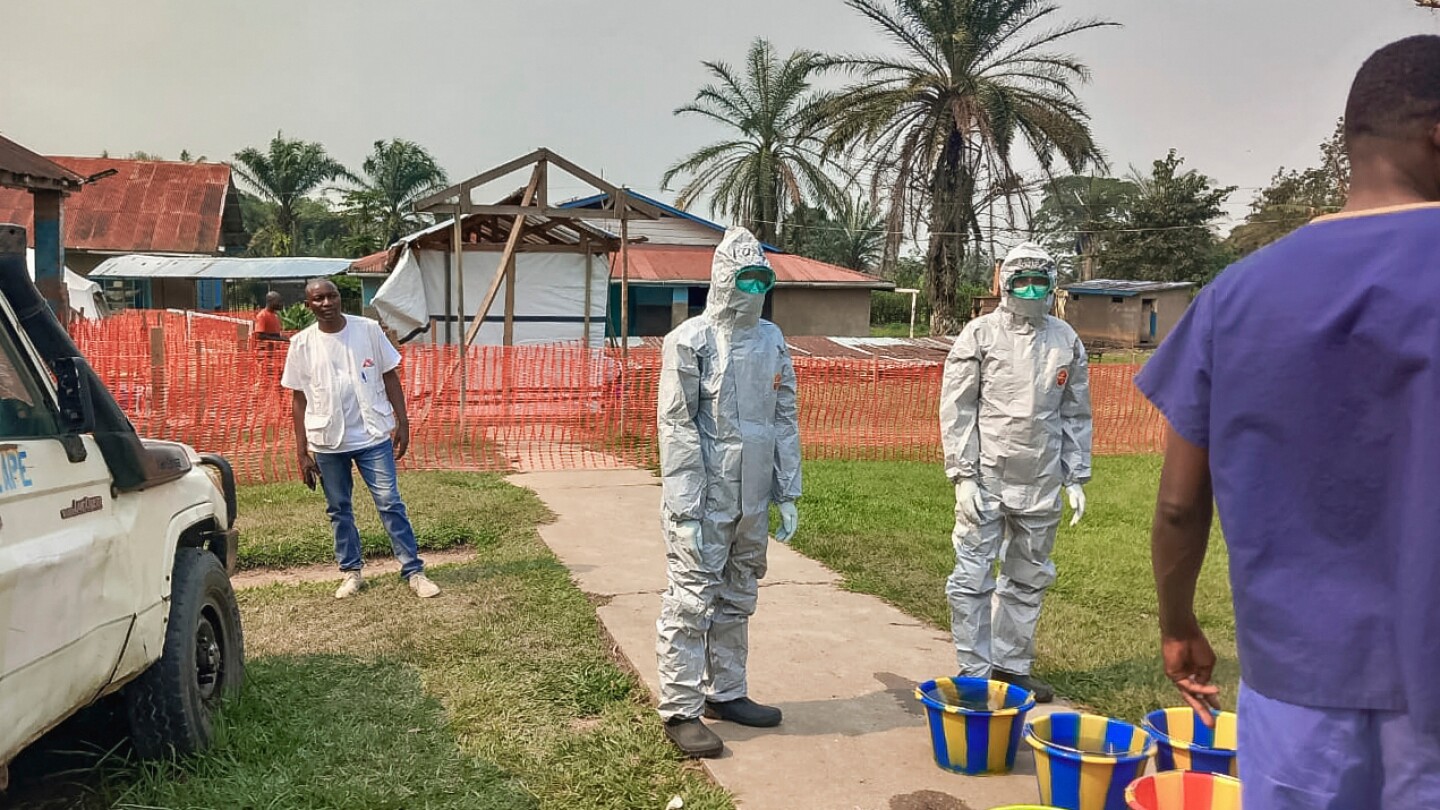
Ebola outbreak in southern Congo shows signs of containment with no new cases, WHO reports
The World Health Organization (WHO) announced on Wednesday that the recent Ebola outbreak in southern Congo is showing signs of containment, with no new cases reported since October 1. As of October 5, 2025, ten consecutive days have passed without any new infections, suggesting that transmission in the affected regions may be under control. The outbreak, which was declared by Congolese authorities on September 4, marks the first Ebola incident in 18 years in the remote Kasai Province, located over 1,000 kilometers from the capital, Kinshasa. To date, the WHO has recorded 64 cases, including 53 confirmed and 11 probable, alongside 43 deaths, with 32 confirmed and 11 probable. Despite initial concerns over insufficient funding and resources, enhanced logistics and field operations, such as helicopter and ground deliveries of medical supplies and the decontamination of three health facilities, have played a crucial role in curbing the outbreak. The WHO emphasized that the decline in transmission and improved case management are the results of coordinated efforts led by the Congolese Ministry of Health, supported by the WHO and other partners. However, the agency urged continued vigilance, as nearly 2,000 contacts—individuals potentially exposed to the virus—are still under monitoring. A single oversight in tracking these contacts could reignite transmission chains, particularly in areas with high population mobility or limited community surveillance.
-

The deadly dose: Inside India’s cough syrup obsession
In a distressing recurrence of events, India is grappling with yet another wave of child fatalities linked to contaminated cough syrups. Recent reports from Jammu reveal the deaths of at least 12 children under five years old, allegedly caused by toxic ingredients in locally manufactured cough remedies. This tragedy echoes similar incidents in Madhya Pradesh and Rajasthan, where children succumbed to kidney failure after consuming syrups laced with diethylene glycol, a hazardous industrial solvent.
-
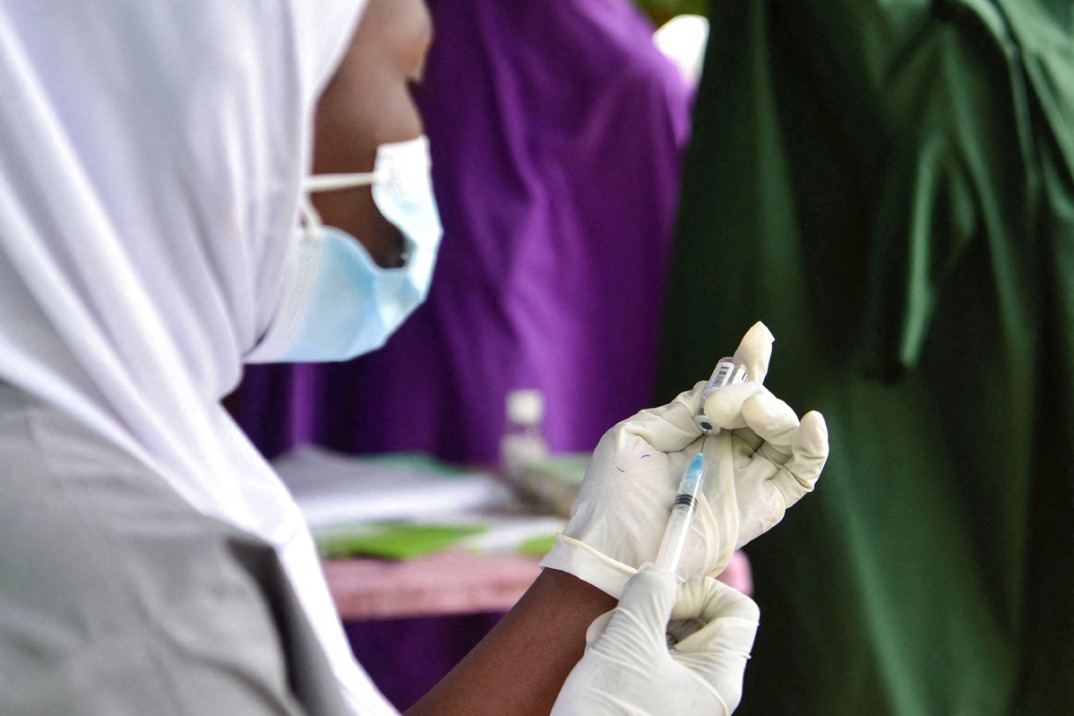
Nigeria launches massive vaccination campaign for children
Nigeria has embarked on an unprecedented nationwide vaccination campaign, one of the largest in its history, aiming to safeguard approximately 106 million children against measles, rubella, and poliomyelitis. This integrated initiative combines multiple vaccines and essential child health services into a unified effort, ensuring efficient and comprehensive protection across the country. Children aged 14 and below will receive measles and rubella vaccines, while those under five will be immunized against polio. The campaign is being rolled out in two phases: the first, launched on October 7, 2025, targets 20 high-risk northern states and Oyo state in the southwest, while the second phase, scheduled for January 2026, will cover the remaining southern states. Gavi, a global health organization, is supporting the campaign with a $103 million investment, collaborating with federal and state governments to strengthen health systems, share expertise, and ensure long-term sustainability. The initiative leverages years of investment in Nigeria’s health infrastructure, including cold chain systems, workforce capacity, and digital tools, while also utilizing data and technology to enhance decision-making, track progress, and boost public engagement.
-

Third person dies from methanol poisoning in Brazil
A methanol poisoning crisis in Brazil’s São Paulo state has claimed its third victim, 30-year-old Bruna Araújo de Souza, who succumbed after consuming a vodka-based drink at a local bar. This tragic incident follows the deaths of two men, Marcos Antônio Jorge Júnior and Ricardo Lopes Mira, both of whom died after ingesting tainted alcohol. Health authorities have confirmed 225 cases of methanol poisoning nationwide, with the majority concentrated in São Paulo. In response, officials have shut down 11 businesses and seized over 10,000 bottles of alcohol suspected of contamination. The source of the methanol, a toxic substance commonly used in industrial products, remains under investigation. Authorities are urging the public to avoid unlabeled or unsealed alcoholic beverages. The crisis has sparked widespread concern, with Brazilian rapper Hungria among those hospitalized. Health Minister Alexandre Padilha has labeled the situation as unprecedented in the country’s history.
-
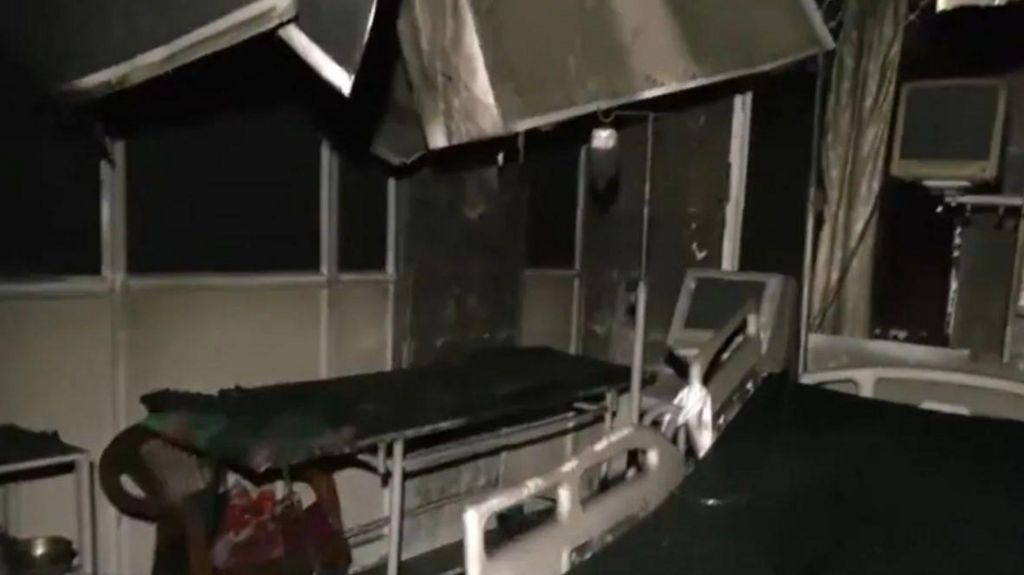
Six patients killed in a fire at an ICU ward of India hospital
A devastating fire at the intensive care unit (ICU) of Sawai Man Singh Hospital in Jaipur, Rajasthan, has resulted in the deaths of six critically ill patients. The blaze, believed to have been caused by a short circuit, erupted late on Sunday night in the ICU’s storage area. At the time of the incident, eleven patients were in the unit, with two women and four men among the victims. Relatives of the deceased have accused hospital staff of negligence, a claim vehemently denied by hospital authorities. Rajasthan Chief Minister Bhajanlal Sharma announced an investigation into the tragedy, emphasizing that all measures are being taken to ensure patient safety and care for those affected. The fire, which started in the hospital’s trauma center just before midnight, quickly spread, forcing the evacuation of fourteen patients from a nearby ICU ward. Firefighters battled the flames for nearly two hours before gaining control. Families of the victims have expressed outrage, alleging that staff ignored initial warnings and that the hospital lacked essential firefighting equipment. Hospital Deputy Superintendent Jagdish Modi refuted these claims, stating that staff members risked their lives to evacuate patients. Prime Minister Narendra Modi expressed his condolences on social media, wishing a speedy recovery to the injured. This incident is part of a troubling pattern of hospital fires in India, with a 2024 fire in Jhansi claiming the lives of ten newborns. A 2023 analysis by The Indian Express revealed that 11 major hospital fires since 2019 have claimed 107 lives, often due to safety lapses and inadequate firefighting systems.
-
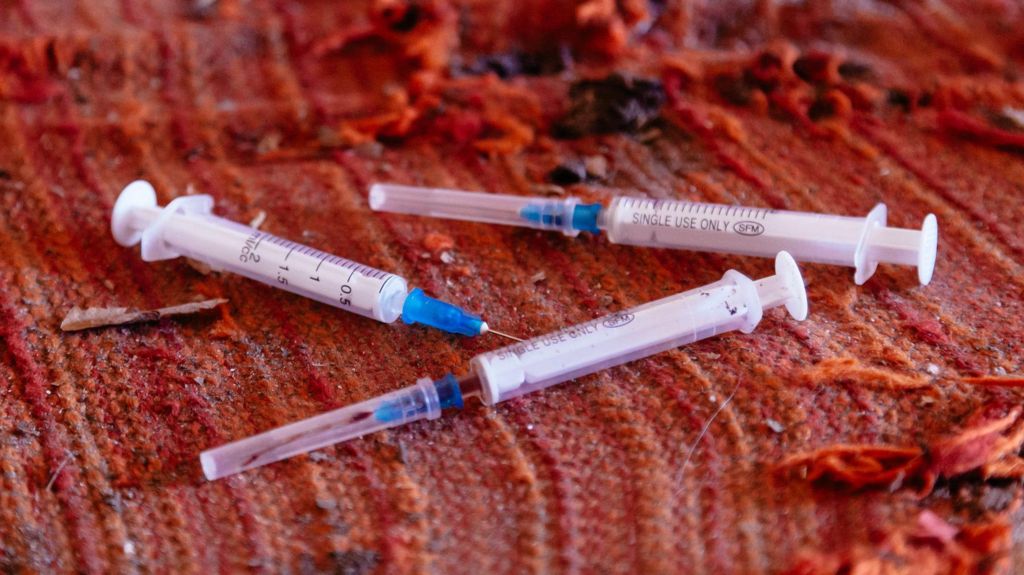
‘They’re not just sharing needles, they’re sharing blood’: How HIV cases soared in Fiji
Fiji, a small South Pacific nation, is grappling with one of the world’s fastest-growing HIV epidemics, driven largely by intravenous drug use. Over the past decade, the number of HIV cases has surged from fewer than 500 in 2014 to nearly 5,900 by 2024, marking an elevenfold increase. In 2024 alone, Fiji recorded 1,583 new cases, with 41 of them involving individuals aged 15 or younger. The youngest known case, a ten-year-old boy, highlights the alarming spread of the virus among youth.