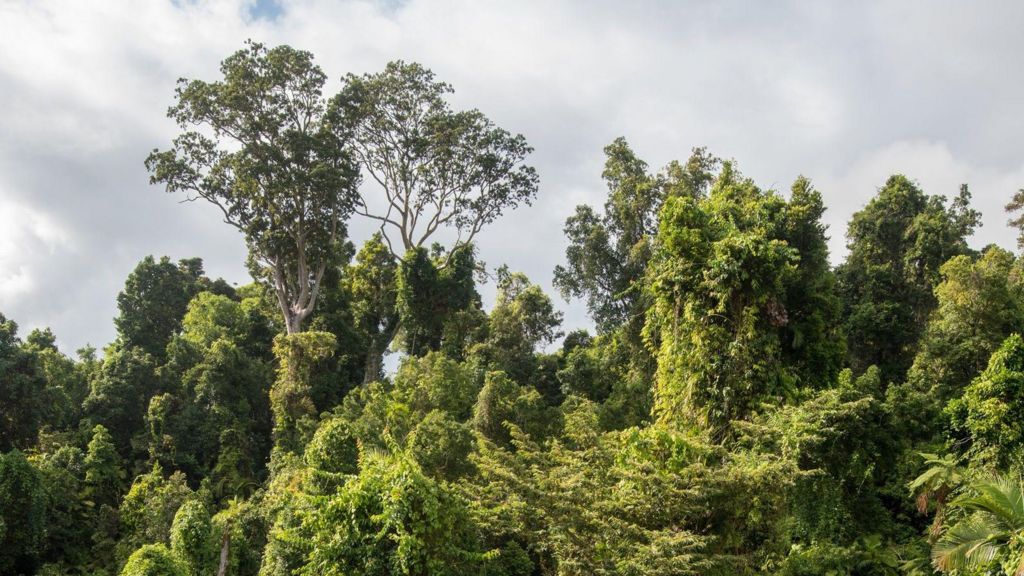
In a groundbreaking study published in the journal Nature, Australia’s tropical rainforests have been identified as the first globally to transition from carbon sinks to carbon emitters, a shift attributed to the escalating impacts of climate change. Traditionally, rainforests function as carbon sinks, absorbing more carbon dioxide than they release, with new tree growth offsetting emissions from decaying vegetation. However, research analyzing data from Queensland’s forests reveals that extreme temperatures have accelerated tree mortality, disrupting this balance. Dr. Hannah Carle of Western Sydney University, the study’s lead author, emphasized that these findings challenge existing models that overestimate tropical forests’ capacity to mitigate fossil fuel emissions. The study, spanning 49 years of data from 20 Queensland forests, highlights that increased tree deaths have turned woody biomass—dead trunks and branches—into carbon sources rather than absorbers, a trend that began approximately 25 years ago. Dr. Carle warned that forests, which play a critical role in mitigating climate change by absorbing carbon dioxide, are now under threat. The research also links rising tree mortality to climate-driven factors such as extreme heat, atmospheric dryness, and prolonged droughts. Additionally, the study notes that more frequent and severe cyclones have further exacerbated tree loss and hindered new growth. Dr. Carle described Australia’s rainforests as a ‘canary in the coal mine,’ signaling a potential global trend. Senior author Patrick Meir echoed these concerns, suggesting that other tropical forests may follow suit, though further research is needed for a comprehensive assessment. Australia, one of the world’s highest per capita polluters, recently pledged to reduce emissions by 62% from 2005 levels by 2033. However, the nation continues to face criticism for its reliance on fossil fuels, exemplified by the government’s approval of a 40-year extension for Woodside’s North West Shelf gas project. A recent climate report also revealed that Australia has already surpassed 1.5°C of warming, with communities facing escalating climate risks. This study underscores the urgent need for global action to address the dual crises of deforestation and climate change.
分类: health
-

The world is heading to add 57 superhot days a year, but study indicates it could have been worse
A groundbreaking study released on Thursday reveals that the world is on track to experience nearly two additional months of dangerously superhot days annually by the end of the century. The research, conducted by the international climate science group World Weather Attribution and U.S.-based Climate Central, highlights the disproportionate impact on smaller, poorer nations compared to major carbon-emitting countries. Using advanced computer simulations, the study underscores the critical role of the Paris climate agreement in mitigating the crisis. Without the emissions reductions initiated a decade ago, Earth would face an additional 114 days of extreme heat annually. The report, though not yet peer-reviewed, employs established climate attribution techniques to project future scenarios. If current emissions pledges are met, global temperatures will rise by 2.6°C (4.7°F) by 2100, adding 57 superhot days. However, the pre-Paris trajectory of 4°C (7.2°F) warming would double this figure. The study defines superhot days as those exceeding 90% of temperatures recorded between 1991 and 2020. Since 2015, the world has already gained an average of 11 such days annually. The report warns of severe health impacts, with heat waves already causing thousands of deaths yearly. Small, ocean-dependent nations like the Solomon Islands, Samoa, and Panama are projected to bear the brunt, experiencing up to 149 additional superhot days despite contributing only 1% of global emissions. In contrast, major polluters like the U.S., China, and India will see far fewer additional days. The findings underscore the inequities of climate change, with developing nations facing disproportionate suffering. Experts emphasize the urgent need for increased climate action to avert a catastrophic future.
-

UAE: Over 800,000 samples collected under Emirati Genome Programme; focus on longevity
The Department of Health in Abu Dhabi has achieved a significant milestone in its Emirati Genome Programme, collecting over 800,000 samples to date. This initiative, which focuses on advancing personalized, predictive, and preventive healthcare, aims to enhance wellness and extend longevity for future generations. Faisal Khalil Hassan Abdulla Haji, a leading figure in healthcare strategy at the Department of Health, emphasized the transformative impact of genomics and biotechnology on global healthcare during his address at Gitex Global 2025 in Dubai. He highlighted Abu Dhabi’s commitment to moving beyond traditional healthcare models by integrating genomics into everyday medical practices. Key initiatives include premarital genetic screening, newborn genetic screening, precision medicine for oncology and cardiovascular diseases, and pharmacogenetic programmes. These efforts leverage artificial intelligence and genetic data to improve diagnostic accuracy, treatment precision, and overall patient outcomes. Shahrukh Hashmi, Director of Research, noted that 85% of the local population has consented to participate in the programme, with over 100,000 expatriates also contributing. The Emirati Genome Programme positions Abu Dhabi as a global leader in life sciences and health innovation, offering insights that benefit patients worldwide.
-
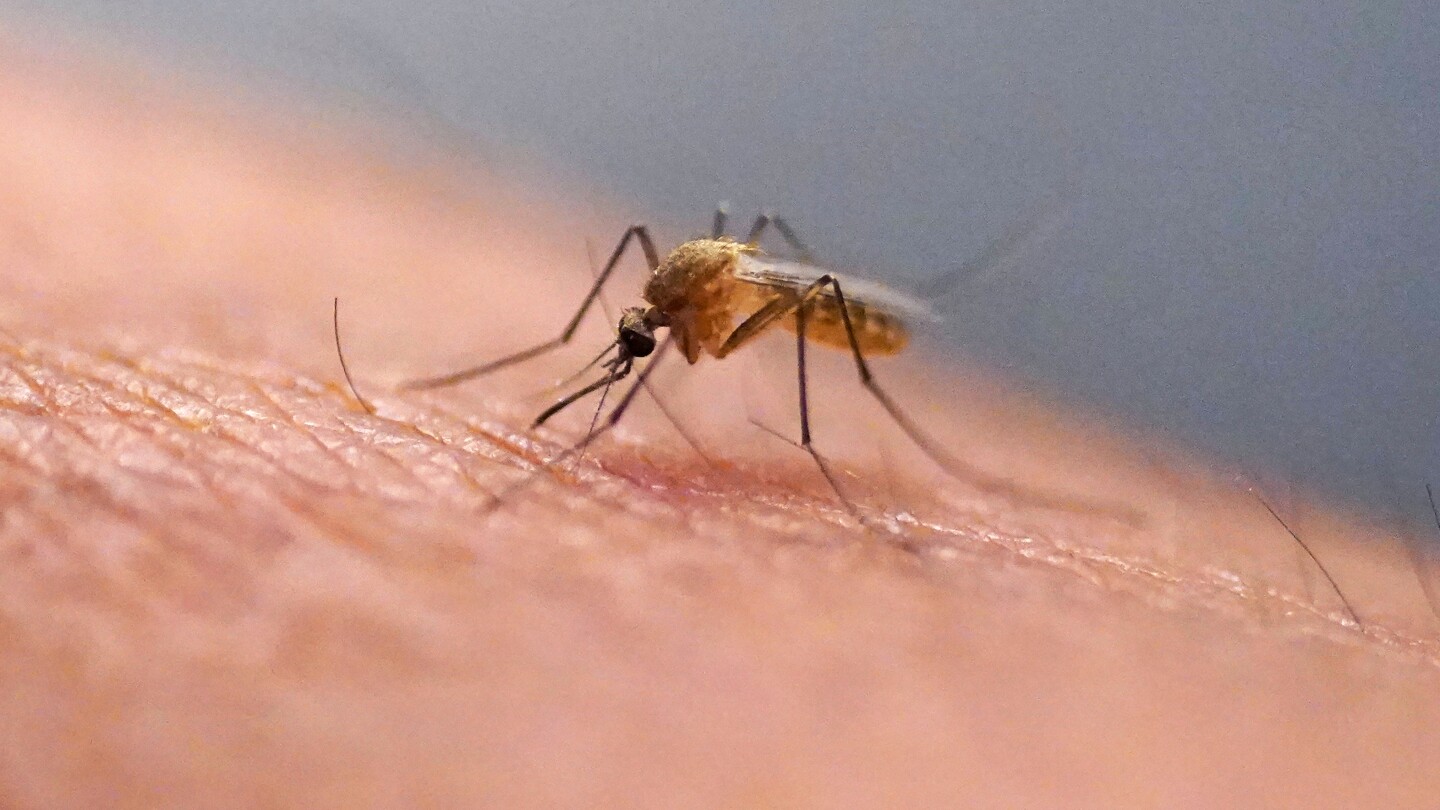
What is the chikungunya virus now transmitted in the US for the first time in years?
A resident of New York’s Long Island suburbs has tested positive for chikungunya, a mosquito-borne virus typically prevalent in South America. This marks the first locally acquired case in the U.S. mainland since 2015, raising concerns among health officials. The patient, who began experiencing symptoms in August, had recently traveled within the country but not internationally. While the exact location of the mosquito bite remains unclear, the virus has not been detected in local mosquito populations, and it is not transmitted directly between humans. Chikungunya, first identified in Tanzania in 1952, derives its name from the Makonde language, meaning “that which bends up,” due to the severe joint pain it can cause. Symptoms include fever, muscle pain, nausea, fatigue, and rash, with rare cases leading to prolonged joint pain or organ damage. Although severe cases and fatalities are uncommon, they primarily affect infants and the elderly with underlying health conditions. There is no specific treatment for chikungunya, but symptom management includes fever reducers and pain relievers. Two vaccines are approved in regions like Europe and Brazil but are not widely available in highly affected areas. Globally, chikungunya outbreaks have surged since 2000, with over 317,000 cases and 135 deaths reported in 2024 alone, primarily in Brazil, Bolivia, Argentina, and Peru. Health officials attribute the rise in mosquito-borne diseases like chikungunya, dengue, and Zika to climate change and urban expansion. In New York, the Aedes albopictus mosquito, known to transmit the virus, is present in downstate areas, though current cooler temperatures reduce transmission risks. The CDC has recorded 199 travel-related cases in 2024, highlighting the need for vigilance in mosquito prevention measures.
-

New Africa CDC platform boosts regional health manufacturing
The Africa Centres for Disease Control and Prevention (Africa CDC) has introduced the African Manufacturing Market Intelligence & Network Analysis (AMMINA) platform, a groundbreaking initiative designed to enhance health manufacturing, innovation, and self-reliance across the continent. Launched during the African Healthcare Manufacturing Trade Exhibition and Conference in Accra, Ghana, the platform aims to bolster health sovereignty and reduce Africa’s dependency on imported medical supplies. Jean Kaseya, Director-General of Africa CDC, emphasized that AMMINA will provide comprehensive data on manufacturers, production capacities, product portfolios, and market trends, enabling informed decision-making and fostering industrial growth. Initially, the platform maps data from over 700 manufacturers and 2,500 health products across 18 African Union (AU) Member States, with plans to expand coverage to all 55 Member States. AMMINA is expected to stimulate intra-African trade, attract sustainable investments, and drive innovation in local production of vaccines, medicines, and diagnostics. Africa CDC, in collaboration with AU institutions and partners, envisions AMMINA as a pivotal tool to unlock Africa’s manufacturing potential and secure the continent’s health future. This initiative comes as African nations strive to build a resilient health ecosystem, particularly in the wake of the COVID-19 pandemic, which highlighted vulnerabilities in global supply chains.
-
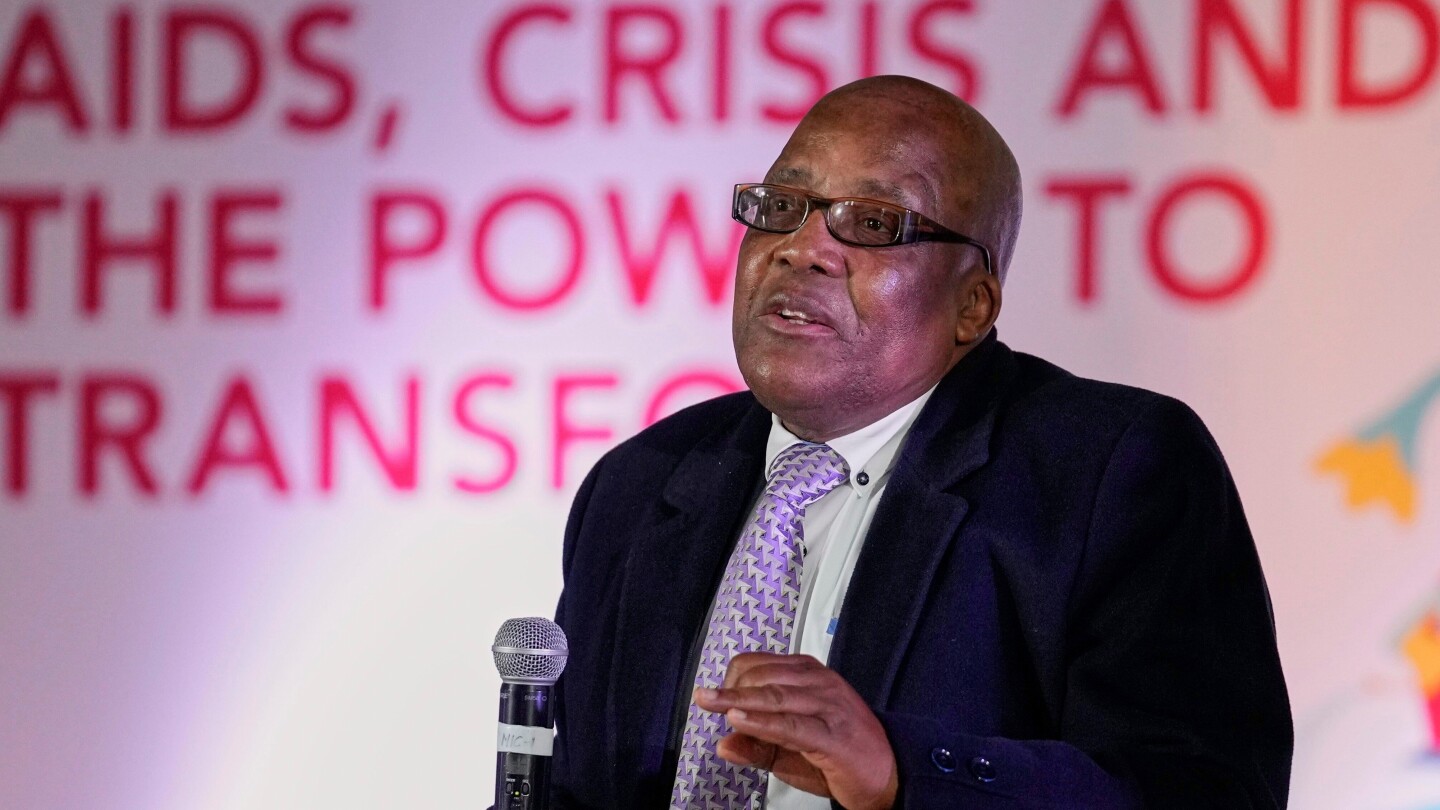
South Africa’s health minister hails new HIV prevention jab but warns of limited supply
South Africa’s Health Minister, Aaron Motsoaledi, has hailed the introduction of lenacapavir, the world’s first twice-yearly HIV prevention injection, as a groundbreaking development in the fight against the disease. However, he cautioned that the initial supply, funded by a $29.2 million Global Fund grant and an additional $5 million from the Networking HIV and AIDS Community of Southern Africa (NACOSA), will be limited to nearly half a million people in the country with the highest HIV prevalence rate. The rollout is scheduled to begin in April 2026, targeting 23 high-incidence districts across six provinces and 360 high-performing public clinics. Motsoaledi emphasized that prioritizing vulnerable populations in high-burden areas would maximize the impact in preventing new infections. The announcement follows the U.S. government’s recent pledge to purchase 2 million doses of the drug for low-income countries. Despite the optimism, Motsoaledi warned against complacency, citing the severe impact of abrupt funding cuts from USAID and other U.S. sources in early 2025 on HIV/AIDS and tuberculosis programs. While Gilead Sciences has reduced the annual cost of lenacapavir to $40 per person, South Africa aims to fund the program independently, with long-term sustainability dependent on integrating the drug into local systems. The World Health Organization has endorsed lenacapavir as an additional prevention option, and Gilead is expediting its registration in 18 high-incidence countries, including South Africa, until generic versions become available in 2027. However, the exclusion of South African manufacturers from Gilead’s voluntary licensing agreements has sparked criticism, with civil society leaders accusing the company of neglecting principles of fairness and inclusivity. Despite these challenges, UNAIDS has welcomed the investment, highlighting the potential of long-acting injectable medicines to reduce barriers to HIV prevention and expand choices for at-risk populations.
-
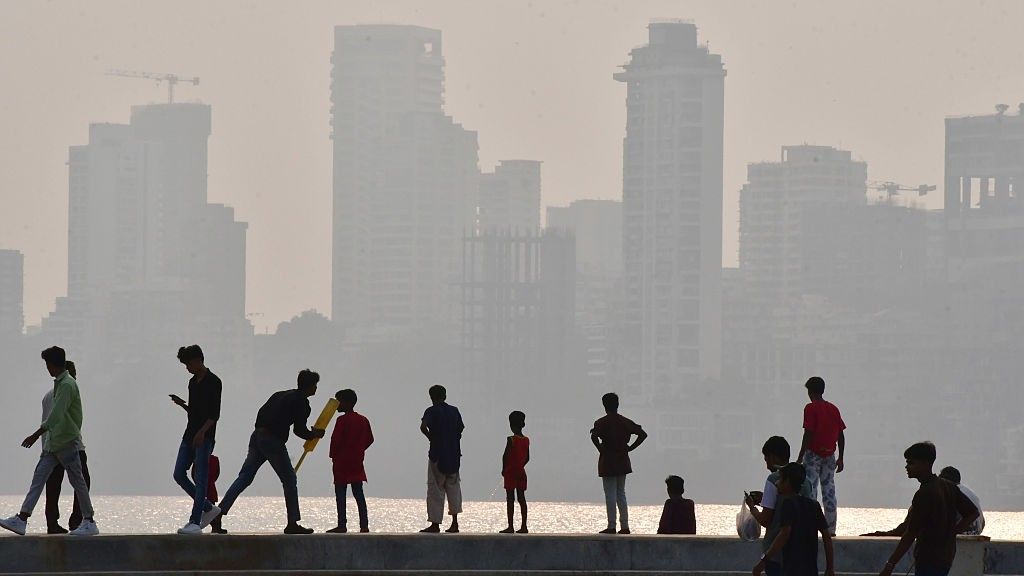
Foul skies, fading light: How air pollution is stealing India’s sunshine
India is grappling with a severe air pollution crisis, now ranking among the world’s top 10 most polluted countries. A recent study by six Indian scientists reveals that sunshine hours—the duration of direct sunlight reaching the Earth’s surface—have steadily declined across most of India over the past three decades. Published in *Scientific Reports*, the study analyzed data from 20 weather stations between 1988 and 2018, showing a nationwide reduction in sunshine hours, with only the northeast region experiencing mild seasonal relief. The steepest declines were observed in northern inland cities like Amritsar and Kolkata, as well as along the Himalayan belt and the west coast, particularly Mumbai. Seasonal patterns revealed significant increases in sunshine from October to May, followed by sharp drops from June to July in six of India’s nine regions. This decline is linked to India’s long-standing air pollution crisis, driven by rapid urbanization, industrial growth, and biomass burning, which have increased aerosol emissions and cloud formation. Aerosols have reduced sunlight reaching the ground by 13%, while clouds accounted for an additional 31-44% drop in surface solar radiation between 1993 and 2022. The study highlights concerns for agriculture, daily life, and India’s solar energy ambitions, with air pollution reducing solar panel output by 12-41% and costing an estimated $245-835 million in lost power generation. Cleaner air could boost India’s annual solar energy production by 6-28 terawatt hours, enough to power millions of homes. However, the impact of pollution extends beyond energy, causing significant crop yield losses in rice and wheat. While global trends show a rebound in sunlight due to cleaner air, heavily polluted countries like India are missing out, risking their renewable energy goals and overall development.
-

‘A lifeline’ – Americans fear spike in healthcare costs, making Republicans nervy
Shana Verstegen, a fitness trainer from Wisconsin, has been grappling with anxiety over the potential loss of her family’s health insurance subsidies under the Affordable Care Act (ACA). Alongside her husband, who also works as a fitness trainer, Verstegen relies on ACA premium tax credits to afford their health insurance, saving them approximately $800 monthly. However, these subsidies are set to expire at the end of the year, placing them at the center of a heated political battle amid the ongoing U.S. government shutdown. Democrats have refused to support any spending deal unless Republicans agree to renew the subsidies, leaving millions of Americans like Verstegen in limbo. Health policy experts warn that the expiration of these credits could lead to a significant spike in insurance premiums, making coverage unaffordable for many. Leighton Ku, a professor at George Washington University, estimates that premiums could double for the roughly 24 million Americans who rely on the ACA Marketplace, with up to seven million potentially dropping their coverage altogether. The impact would be particularly severe in Republican-leaning states that have not expanded Medicaid eligibility, disproportionately affecting working-class families who do not qualify for government assistance. Elizabeth Fowler, a scholar at Johns Hopkins, warns of a ‘death spiral’ in the insurance market, where rising premiums drive healthier individuals out, further increasing costs for those who remain. While some Republican leaders, including Senator Lisa Murkowski, have proposed extending the subsidies, the broader party remains divided. The looming November 1 open enrollment deadline adds urgency to the situation, as insurers have already adjusted rates in anticipation of the subsidies’ expiration. For families like Verstegen’s, the financial consequences could be devastating, forcing them to make significant sacrifices to maintain coverage. The political fallout from this issue could also be substantial, with experts suggesting that rising insurance costs in Republican districts may become a liability for the party in future elections.
-
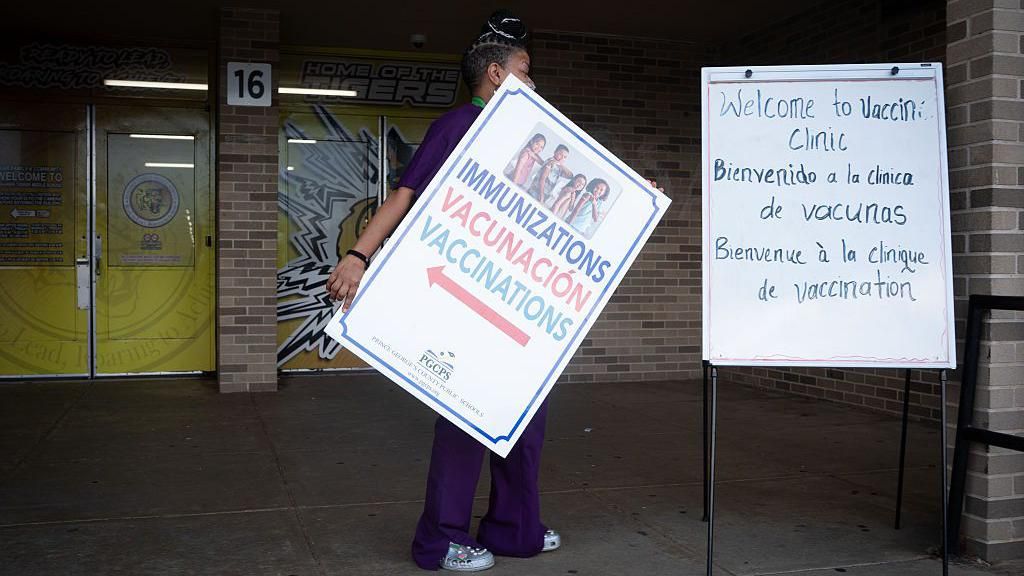
More than 150 schoolchildren quarantined as US measles cases hit 33-year high
In a concerning development, more than 150 unvaccinated schoolchildren in South Carolina have been placed under a 21-day quarantine following exposure to measles, according to state health officials. The affected students, who attend Global Academy of South Carolina and Fairforest Elementary in Spartanburg County, were forced to miss school due to their lack of immunizations during the period of potential disease transmission. This incident marks the latest in a series of measles outbreaks across the United States, with South Carolina reporting its eighth confirmed case in two weeks in Greenville County. The state’s Department of Public Health emphasized the urgency of measles vaccinations, citing active community transmission in the Upstate region. The MMR vaccine, which is 97% effective against measles, mumps, and rubella, remains the most reliable defense against the disease, which can lead to severe complications such as pneumonia, brain swelling, and even death. Meanwhile, measles cases are also surging in Utah and Arizona, with 55 and 63 cases reported, respectively. Nationwide, the U.S. has confirmed 1,563 cases this year—the highest in over three decades, according to the Centers for Disease Control and Prevention (CDC). This alarming trend follows earlier outbreaks in Texas and New Mexico, where hundreds were infected, and three fatalities occurred. The majority of cases involve unvaccinated individuals, highlighting the critical role of immunization in preventing the spread of this highly contagious disease. Globally, measles outbreaks have been reported in 100 countries over the past five years, with Canada experiencing a particularly severe surge, logging 5,024 cases—more than triple the U.S. total despite its smaller population. The situation has raised questions about the effectiveness of containment efforts and the impact of vaccine skepticism.
-

Shamans openly using psychedelic drugs for treatment in South Africa
In the lush outskirts of Cape Town, a clandestine yet burgeoning industry thrives despite stringent legal prohibitions. Psychedelic substances such as psilocybin and MDMA, though illegal in South Africa, are being openly utilized by self-proclaimed healers and shamans for therapeutic purposes. These practitioners, operating in a legal grey area, offer treatments that they claim can address a spectrum of mental health issues, from depression to PTSD.