Sichuan Province has reported its first-ever case of HIV-2, a rare strain of the human immunodeficiency virus (HIV) that is uncommon in China. The case was identified in a 67-year-old woman from Meishan city, who initially tested positive for HIV in January 2025. Advanced confirmatory testing and genetic sequencing later revealed the infection to be caused by HIV-2, as detailed in a study published in the Chinese Journal of AIDS & STD. HIV is categorized into two types: HIV-1 and HIV-2. While HIV-1 is more globally prevalent and highly pathogenic, HIV-2 is less transmissible and progresses more slowly. This discovery underscores the importance of vigilant monitoring and advanced diagnostic techniques in identifying rare viral strains. Health authorities are now focusing on understanding the transmission pathways and implementing targeted prevention measures to curb the spread of this less common variant.
分类: health
-
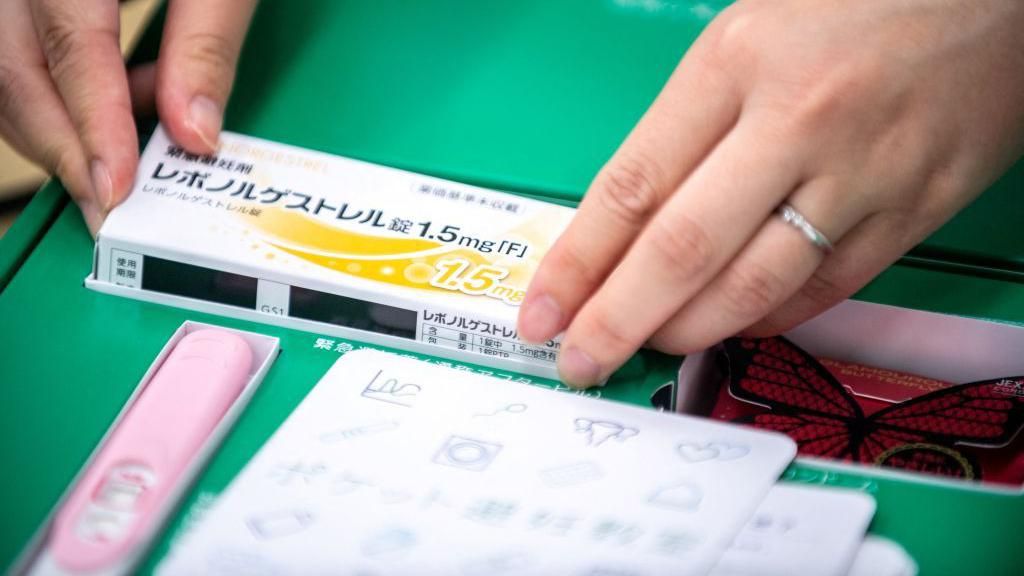
Japan allows over-the-counter ‘morning after’ pill
In a landmark decision, Japan has approved the over-the-counter (OTC) sale of an emergency contraceptive pill, marking a significant shift in the country’s approach to reproductive health. ASKA Pharmaceutical, the manufacturer of the pill, announced that the medication, branded as Norlevo, will now be accessible without a prescription, empowering women to take control of their reproductive choices. While a specific launch date remains undisclosed, the pill will be classified as ‘medicine requiring guidance,’ necessitating that women take it under the supervision of a pharmacist. This development aligns Japan with over 90 countries where such pills are already available without a prescription. The decision follows years of advocacy by rights groups, who argued that prescription requirements deterred younger women and rape victims from accessing timely contraception. A health ministry panel first discussed OTC sales in 2017, with public consultations revealing widespread support. However, concerns about potential misuse delayed approval until now. Norlevo, and its generic counterpart levonorgestrel, are most effective within 72 hours of unprotected intercourse, with an efficacy rate of 80%. This move is seen as a step forward in addressing Japan’s conservative views on abortion and women’s reproductive rights, rooted in traditional patriarchal norms.
-
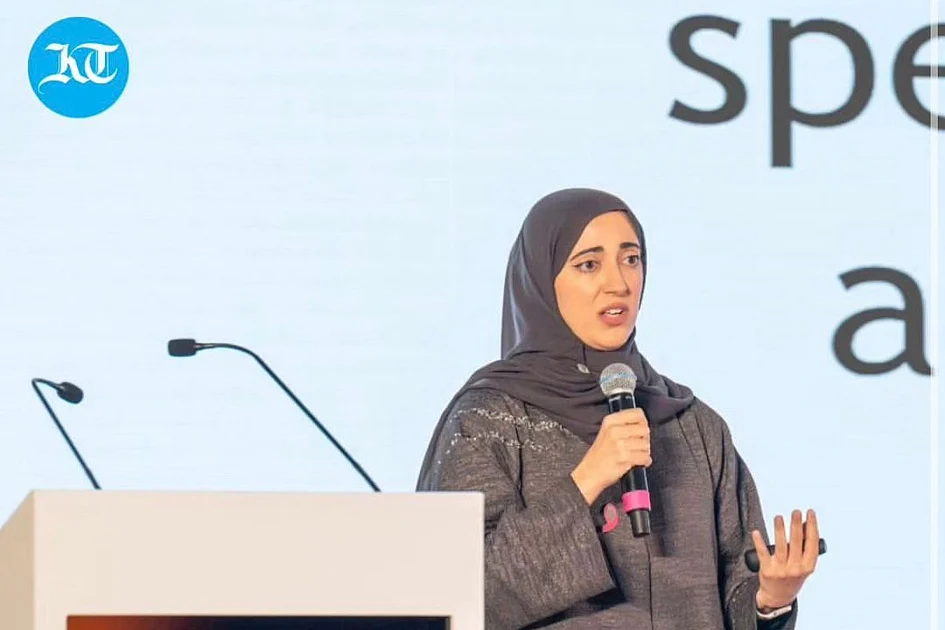
How a dying patient’s wish to see female doctor led UAE woman to become cancer specialist
Dr. Aydah Alawadhi, a trailblazing Emirati oncologist, has transformed her career into a humanitarian mission, inspired by a poignant encounter with a young patient. Now the head of the Oncology and Hematology Department at Sheikh Shakhbout Medical City (SSMC) in Abu Dhabi, Dr. Alawadhi’s journey began with a moment that reshaped her life. During her training in the emergency department, she met a young woman who had delayed seeking medical care due to her discomfort with male doctors. The patient’s plea, ‘If only you were an oncologist,’ resonated deeply with Dr. Alawadhi, who vowed to dedicate her life to cancer care. This encounter not only defined her career but also instilled in her a profound belief that every cancer patient deserves compassion, support, and hope. Dr. Alawadhi’s achievements extend beyond her clinical role. She heads the Scientific Committee and the Breast Cancer Working Group at the Emirates Oncology Society and serves on the Gulf Oncology Society Committee. Despite the UAE’s advancements in breast cancer diagnosis and treatment, she emphasizes the ongoing need for awareness about early detection, as many women still hesitate to seek medical help. Dr. Alawadhi credits her family for their unwavering support, particularly her husband, who stood by her through the emotional and professional challenges of her career. Balancing her demanding profession with motherhood, she underscores the importance of work-life balance, finding solace in travel, nature, and time with loved ones. Dr. Alawadhi’s story is a testament to resilience, empathy, and the transformative power of a single moment.
-

UAE: Premature baby survives life-threatening condition seen in 0.1% cases worldwide
In a remarkable medical triumph, a premature baby born at just 27 weeks and weighing less than a kilogram has survived an extremely rare and life-threatening condition known as Amyand’s hernia. The infant, Sid Elian Mattheus Casino, underwent a complex surgery at Burjeel Hospital in Abu Dhabi, defying the odds to recover from a condition that occurs in only 0.1% of cases worldwide. Amyand’s hernia involves a perforated appendix trapped in the inguinal canal and extending into the scrotum, a condition almost unheard of in premature infants. For first-time parents Stewart John and Isabel Mari Casiño, Sid’s early arrival was both a joyous and terrifying experience. Isabel first met her baby 12 hours after delivery in the Neonatal Intensive Care Unit (NICU), surrounded by machines and wires. “My heart was breaking and overflowing at the same time,” she recalled. “I wished I could just hold him and protect him.” Three weeks later, when Sid developed swelling in his belly and scrotum, doctors diagnosed the hernia. Despite initial fears, Isabel placed her trust in Professor Dr. Amulya Saxena, a consultant pediatric surgeon at Burjeel Hospital, who assured her that Sid would survive. The emergency surgery, performed by Dr. Saxena and his team, involved removing the perforated appendix and preserving the tiny testicle while ensuring no contamination or infection. Sid’s recovery in the NICU was slow but steady, and after ten weeks of intensive care, the family finally took him home. At discharge, he weighed 1.8 kilograms, and a month later, his weight nearly doubled to 3.3 kilograms. “Every day is a win for us,” said Isabel. “My baby has shown me what true strength is.” Dr. Saxena attributed Sid’s recovery to prompt diagnosis, meticulous surgical work, and coordinated care. “Seeing him healthy and thriving today is the most rewarding outcome for our entire team,” he said.
-

‘It’s scary to think I could have died’: How Americans are coming back from fentanyl addiction
Kayla, a young woman from North Carolina, recalls her harrowing journey into fentanyl addiction, which began at the age of 18. ‘I felt amazing. The voices in my head just went silent. I got instantly addicted,’ she says. The blue pills she consumed, likely smuggled from Mexico, carried an unpredictable and deadly dose of fentanyl, a synthetic opioid 50 times more potent than heroin. ‘It’s scary to think I could have overdosed and died at any moment,’ she reflects. In 2023, the U.S. witnessed over 110,000 drug-related deaths, with fentanyl driving the crisis. However, 2024 marked a turning point, as fatal overdoses dropped by 25%, saving nearly 30,000 lives. North Carolina, Kayla’s home state, led this decline with a 35% reduction in overdose fatalities, thanks to innovative harm reduction strategies. These strategies prioritize health and recovery over criminalization, offering programs like Law Enforcement Assisted Diversion (LEAD), which redirects substance users toward treatment and support. Kayla, now a certified nurse assistant, credits LEAD and methadone treatment for her recovery. ‘This is the longest time I’ve been clean,’ she says. Across North Carolina, over 30,000 people are enrolled in similar programs, with clinics like the Morse Clinics providing medication-assisted treatment (MAT) to help patients stabilize their lives. Dr. Eric Morse, who runs nine MAT clinics, emphasizes harm reduction: ‘Even if patients still use street drugs occasionally, their survival rate increases significantly.’ However, not everyone supports this approach. Mark Pless, a Republican state representative, advocates for abstinence-based programs, arguing that medications like methadone merely replace one addiction with another. Despite such criticisms, naloxone, a life-saving overdose reversal drug, has been administered over 16,000 times in North Carolina, preventing countless deaths. Governor Josh Stein has also played a pivotal role, securing $1.5 billion from a $60 billion national opioid settlement to fund prevention, treatment, and harm reduction initiatives. Yet, challenges remain, particularly for marginalized communities and states like Nevada and Arizona, where overdose rates remain stubbornly high. Kayla’s story is one of hope and resilience, but the fight against the opioid epidemic is far from over.
-
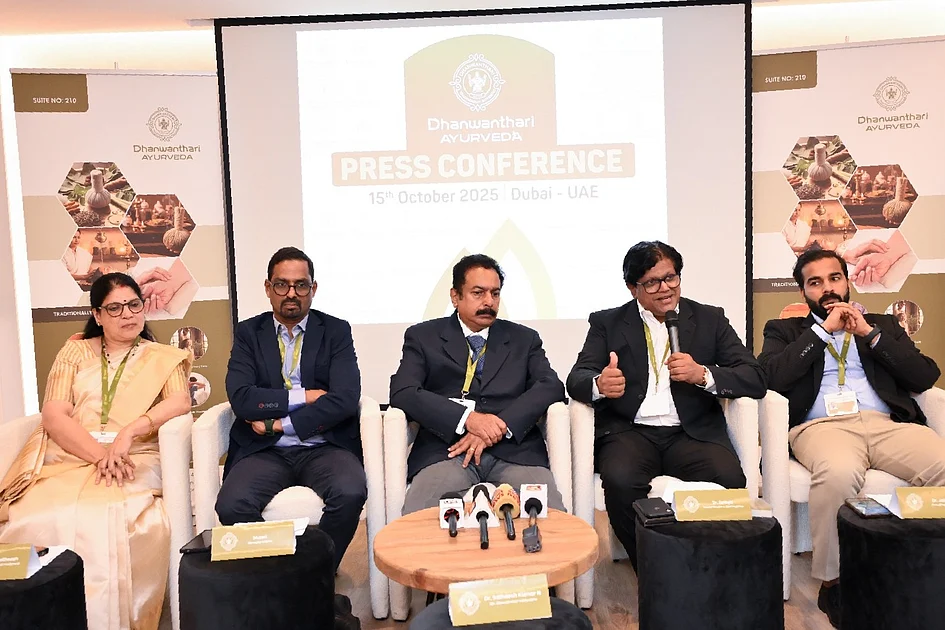
Kerala’s 93-year-old Ayurvedic legacy arrives in Dubai with first global centre
Dhanwantari Vaidyasala, a renowned Ayurvedic institution from Kerala, has inaugurated its first international centre in Bur Dubai, marking a significant milestone in its 93-year history. Founded in 1933, the Kerala-based institution has long been a beacon of authentic Ayurvedic healing and wellness. The new facility in Al Ain Center aims to make its acclaimed treatments more accessible to UAE residents, many of whom previously travelled to India for care. This expansion is part of a broader vision to establish a global presence under the banner of ‘Dhanwantari Global.’ Dr Satheesh Kumar Namboothiri, the managing director, revealed ambitious plans to open new centres in Bahrain, Qatar, Oman, the Philippines, Germany, and Australia by 2026. The Dubai centre will focus on addressing modern health challenges, including diabetes and chronic diseases, through authentic Ayurvedic methods. Dr Sathya K Pillai, the medical director, emphasized the facility’s advanced diagnostic systems and specialised treatments for conditions like neuropathy, eye ailments, and skin and hair care. Additionally, Dhanwantari UAE plans to expand its footprint across the Gulf, with 10 direct outlets, franchise models, and kiosks set to open within the next three years. The brand has already integrated into the local community by acquiring the Ayur Sathya clinic and will soon introduce long-term treatment packages for regular clients.
-
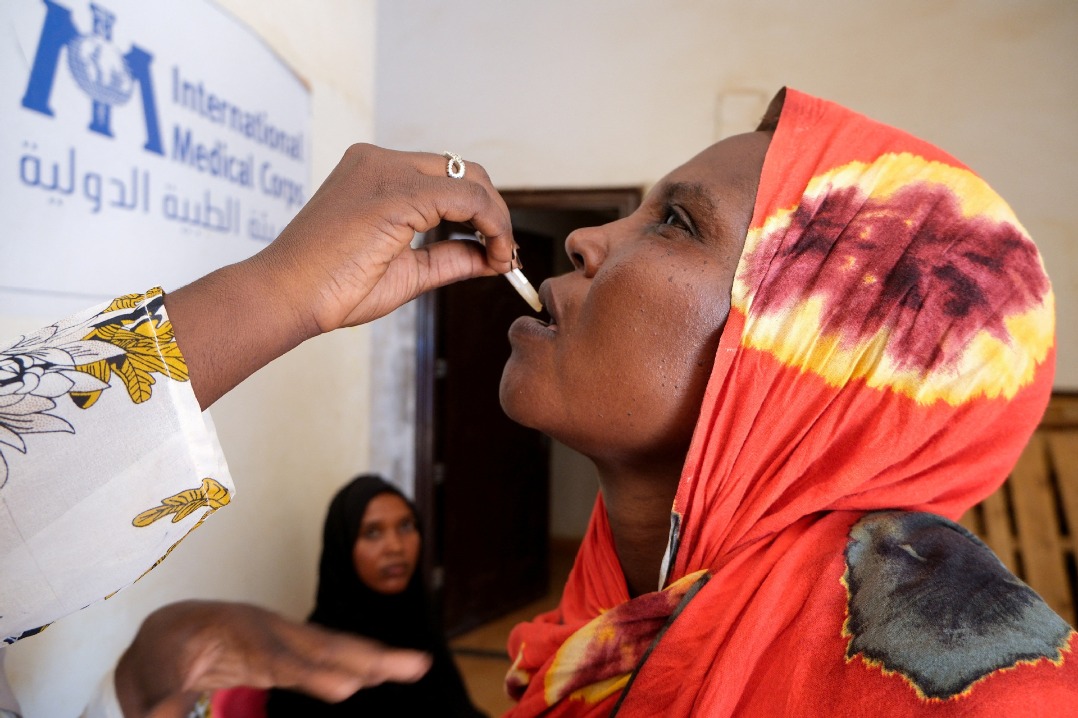
Sudan’s cholera outbreak worsens amid conflict and heavy rains
Sudan is facing an escalating cholera crisis, exacerbated by ongoing conflict, mass displacement, and relentless heavy rains. The World Health Organization (WHO) has raised alarms over a ‘concerning case fatality rate’ of 2.8 percent, nearly triple the emergency threshold of 1 percent, signaling an urgent need for a robust response. As of October 13, Sudan’s Ministry of Health reported over 120,000 cholera cases and more than 3,300 deaths nationwide. In Darfur alone, 17,246 cases and 570 deaths have been recorded across all five states since the outbreak began in Nitega, South Darfur, in May. The international humanitarian organization CARE highlighted that the conflict has displaced millions, forcing families into overcrowded camps with limited access to clean water and collapsed sanitation systems. Cholera is spreading rapidly through communities already on the brink of survival, with women, children, and the elderly bearing the brunt of the crisis. The situation is further compounded by the destruction of over 75 percent of health facilities, making healthcare increasingly inaccessible. CARE Sudan warned that the humanitarian response is severely underfunded and overstretched, with shortages of medical supplies, chlorine, hygiene kits, and insufficient water trucking capacity hampering efforts to reach affected communities. The lack of sustained funding threatens to undermine ongoing interventions, potentially worsening the crisis as the rainy season persists.
-

China, Laos, and Vietnam ramp up collaboration regarding cross-border infectious diseases
In a significant move to bolster regional health security, China, Laos, and Vietnam have intensified their collaboration to combat cross-border infectious diseases. This initiative was highlighted during a joint emergency drill held on October 15-16 in Jiangcheng county, Yunnan province, China. The drill simulated an outbreak of a newly emerging acute infectious disease in the border regions of the three nations, encompassing practical exercises, static displays, and strategic discussions. Sun Yang, deputy director of the National Disease Control and Prevention Administration, emphasized the drill’s meticulous planning, which showcased professionalism and a scientific approach. Shi Guoqing, director of the Health Emergency Center of the Chinese Center for Disease Control and Prevention, noted that the drill effectively tested capabilities in early detection, rapid response, and international collaboration. This marked the first comprehensive, end-to-end emergency drill of its kind among the three countries. Nguyen Thi My Ha from the Vietnam Administration of Disease Prevention underscored the drill’s importance in enhancing information sharing and coordination mechanisms. Over recent years, the neighboring nations have coordinated through various meetings, seminars, and training sessions, focusing on epidemic monitoring and border health quarantine. Viengsavanh Kittiphong, deputy director of Laos’ Department of Communicable Disease Control, highlighted the improved efficiency and timeliness of data sharing between China and Laos, which has led to faster responses to outbreaks, including COVID-19, malaria, dengue fever, measles, and rubella. Moving forward, Yunnan province and its neighboring regions in Laos and Vietnam will prioritize the prevention and control of diseases such as chikungunya, dengue fever, and plague, while deepening joint mechanisms for major infectious disease outbreaks and enhancing measures like regular consultations and information sharing.
-
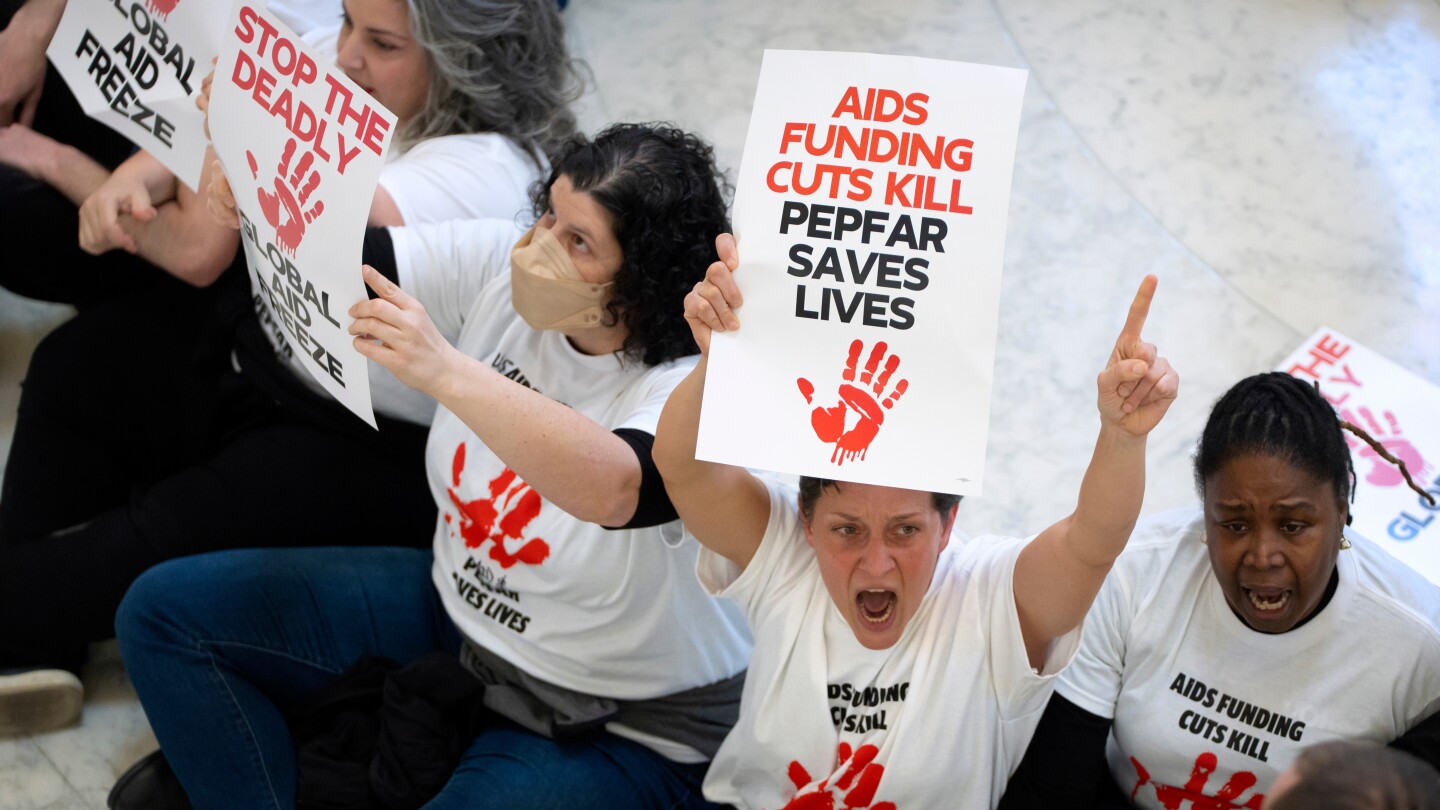
South Africa welcomes $115M US bridge plan to sustain its HIV programs for 6 months
South Africa has expressed gratitude for a $115 million U.S. bridging plan that ensures continued funding for HIV treatment and prevention programs until March. The initiative, part of the U.S. President’s Emergency Plan for AIDS Relief (PEPFAR), is seen as a positive step in bilateral relations despite recent strains. PEPFAR, credited with saving over 25 million lives globally, has been a lifeline for South Africa, which has the world’s highest number of people living with HIV. Earlier this year, U.S. President Donald Trump suspended foreign aid to South Africa, including PEPFAR, leading to job losses and service disruptions. Over 8,000 health workers were laid off, and 12 specialized HIV clinics funded by USAID were closed. South African Minister Khumbudzo Ntshavheni highlighted the bridge plan as a solution to the abrupt funding halt, emphasizing its role in maintaining bilateral ties. However, relations remain tense, with Trump accusing South Africa’s government of mistreating minority white Afrikaners and imposing tariffs on its exports. Health Minister Aaron Motsoaledi noted that the U.S. is revising its approach to PEPFAR, offering transition periods of up to five years before complete funding cessation. While the bridge plan provides temporary relief, uncertainties linger over long-term HIV program sustainability.
-
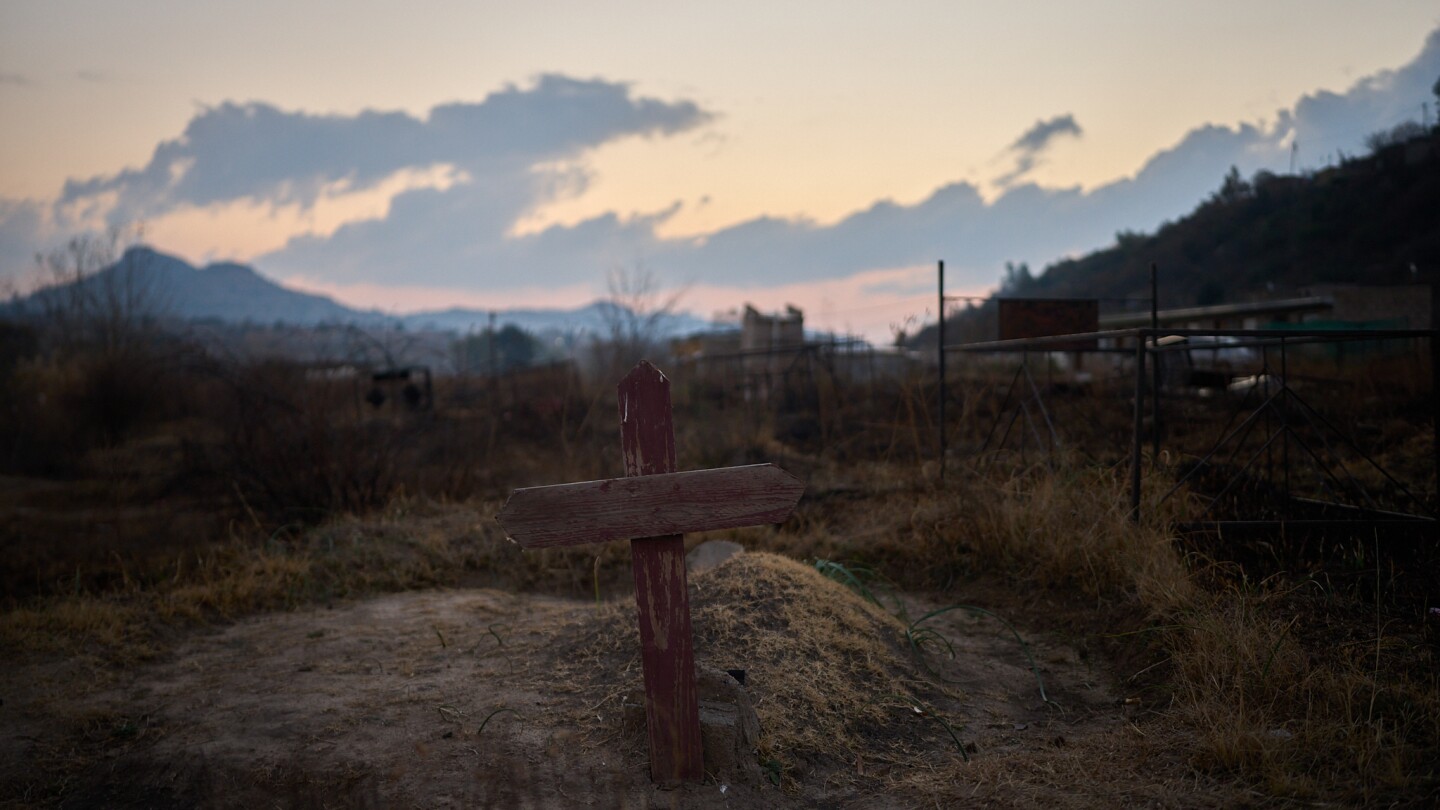
US aid cuts deal a massive blow for the small African nation of Lesotho: Takeaways from AP’s report
The small southern African nation of Lesotho, long plagued by one of the world’s highest HIV infection rates, is grappling with a deepening crisis following significant cuts to U.S. foreign aid. For years, nearly $1 billion in American assistance helped Lesotho build a robust health network that effectively slowed the spread of HIV. However, the decision by former U.S. President Donald Trump to freeze foreign aid and dismantle the U.S. Agency for International Development (USAID) has left the country in chaos. Clinics have shut down, healthcare workers have been laid off, and patients have abandoned treatment, leading to a crumbling healthcare system. Despite the temporary reinstatement of some U.S.-funded programs, the damage has been severe, with experts warning of a potential resurgence of the epidemic. The impact of these cuts is felt most acutely by Lesotho’s 260,000 HIV-positive residents, who now face uncertainty and fear for their futures. Key prevention programs, such as those targeting mother-to-child transmission and high-risk groups, have been halted, and healthcare workers are struggling to provide care through informal networks. The situation has been described as a ‘crime against humanity’ by some advocates, who stress that the progress made over the past two decades is at risk of being undone. While Lesotho’s government has been urged to move toward self-reliance, the immediate need for international support remains critical to prevent further loss of life and to sustain the fight against HIV.