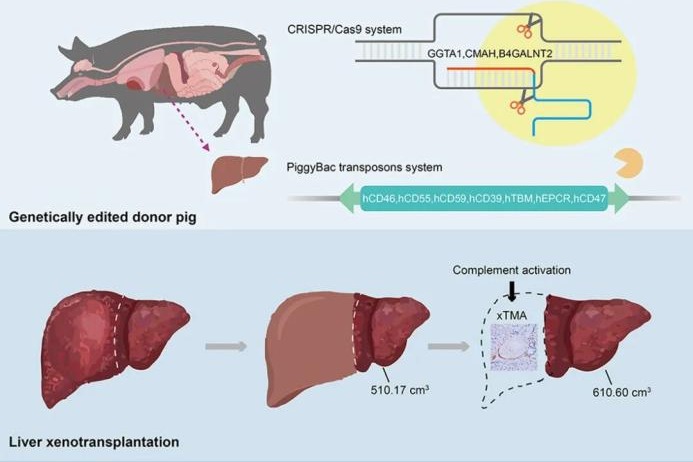
In a groundbreaking medical achievement, Chinese surgeons have successfully performed the world’s first transplant of a gene-edited pig liver into a living human patient, who survived for 171 days post-operation. This historic procedure, detailed in the Journal of Hepatology, represents a significant step forward in addressing the critical shortage of human donor organs. The operation was conducted by a team from the First Affiliated Hospital of Anhui Medical University, utilizing a pig liver developed by researchers from Yunnan Agricultural University. The donor pig underwent rigorous pathogen screening and a complex 10-gene modification process, which included knocking out three genes responsible for rapid antibody-mediated rejection and inserting seven human genes to enhance immune acceptance and prevent blood clotting complications. The transplant was performed on May 17, 2024, on a 71-year-old patient with an unresectable liver tumor. The pig liver was transplanted as an auxiliary organ to support the patient’s native liver. Initial post-surgery results were promising, with no signs of acute rejection for the first 31 days. However, complications arose on day 38 due to blood clots in the small vessels of the transplanted organ, leading to its removal. The patient later experienced recurrent upper gastrointestinal bleeding and passed away on day 171. Despite the limited survival, this case demonstrates the potential of xenotransplantation as a bridge therapy for patients awaiting human liver transplants. The review article in the journal emphasizes that while this operation does not yet enable widespread clinical use of pig livers, it establishes proof-of-concept that such grafts can function in humans.
分类: health
-

Early winter flu surge predicted
Health authorities in China are bracing for an earlier-than-usual flu season this winter, driven by a different strain from last year’s dominant virus. Experts are urging the public, particularly high-risk groups, to get vaccinated promptly to mitigate the potential impact. The Chinese Center for Disease Control and Prevention (CDC) reports a rise in flu activity in southern China, while northern regions remain relatively unaffected. Typically, flu season peaks between late November and February, but this year’s outbreak is expected to arrive sooner, mirroring trends observed in several Asian and European countries. Dr. Li Tongzeng, chief physician of the infectious disease department at Beijing You’an Hospital, highlighted that Japan declared the start of its flu season on October 3, five weeks earlier than usual. Similarly, South Korea issued a nationwide flu advisory on October 17, two months ahead of last year’s timeline. Europe is also experiencing a surge, with the UK, Italy, and Germany reporting increased flu cases. The H3N2 strain of influenza A, which dominated recent outbreaks in Australia, New Zealand, and Europe, accounts for over 90% of flu samples tested in China from October 6 to 12. Dr. Li warned that since last year’s primary strain was H1N1, the public may have reduced immunity to H3N2, necessitating heightened precautions. The H1N1, H3N2, and influenza B strains are the main culprits behind seasonal flu epidemics, causing symptoms like fever, cough, sore throat, fatigue, and headache. Dr. Li advises the public to get vaccinated promptly, stock essential medications, and seek early testing and antiviral treatment if symptoms arise. Jiang Jianmin, a researcher at the Zhejiang Provincial CDC, emphasized that individuals aged 60 and above, those with chronic illnesses, and infants over six months old are priority groups for vaccination. Healthcare workers, nursing home staff, and caregivers of infants under six months are also urged to get vaccinated. The early flu surge underscores the importance of proactive measures to curb the spread and protect vulnerable populations.
-

Taiwan reports its first case of African swine fever and culls scores of pigs
Taiwan has reported its first-ever cases of African swine fever, prompting immediate action from authorities to contain the outbreak. On Wednesday, the Ministry of Agriculture confirmed that samples from dead pigs at a farm in Taichung, a coastal city, tested positive for the virus. In response, 195 pigs were culled as a preventive measure, and a 3-kilometer (1.9-mile) control zone was established around the affected farm. The area underwent thorough cleaning and disinfection to mitigate further risks. Additionally, a five-day island-wide ban on the movement and slaughter of pigs was enforced starting Wednesday noon. Agriculture Minister Chen Junne-jih emphasized the urgency of implementing stringent measures, stating that while virus isolation takes two weeks, immediate action was necessary to control the suspected outbreak. Taiwan plans to isolate the virus strain before officially reporting it to the World Organization for Animal Health. Chen highlighted that the virus likely entered Taiwan through illegally imported pork products, which could have reached pig farms via food waste systems. This incident marks a significant concern for Taiwan, which has strict regulations prohibiting the import of uninspected meat products, with fines up to 1 million Taiwan dollars (approximately $32,500). African swine fever, which is fatal to pigs but does not affect humans or other animals, has previously caused widespread culling in Asia, including millions of pigs in China and Vietnam in 2019. Currently, South Korea is the only Asian country with an ongoing confirmed outbreak, while 12 European countries are also grappling with the virus.
-
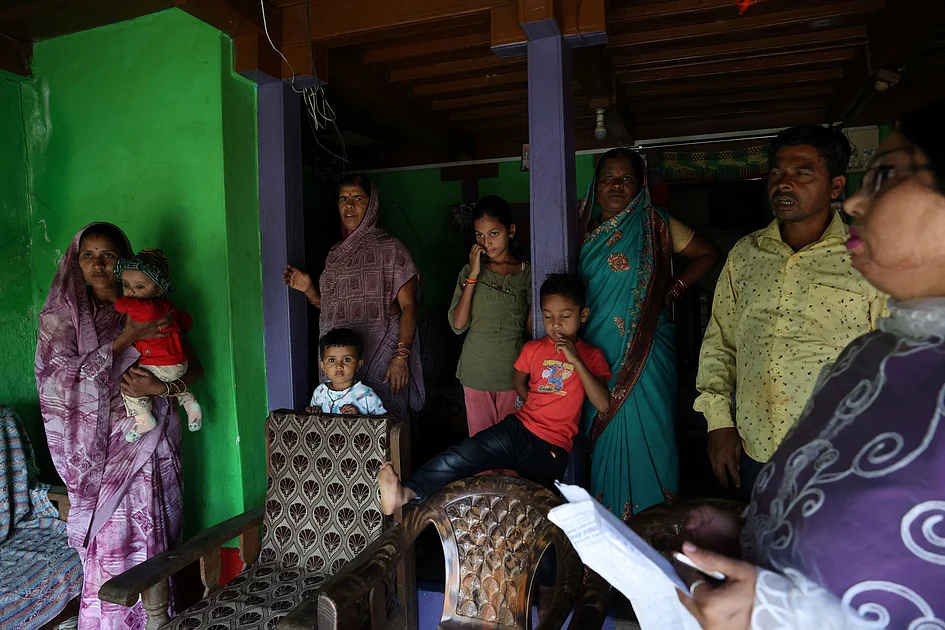
WHO says India has much to do on toxic cough syrup despite some progress
The World Health Organization (WHO) has called on India to intensify its efforts to prevent the sale of toxic cough syrup, despite acknowledging some advancements in the country’s pharmaceutical regulations. This comes after at least 24 children died from consuming Coldrif cough syrup, produced by Sresan Pharma, which contained diethylene glycol at levels nearly 500 times the permissible limit. The tragedy follows a global pledge made two years ago to tighten safety measures after similar incidents linked to Indian and Indonesian-made syrups claimed the lives of over 300 children worldwide. Rutendo Kuwana, WHO’s team lead for substandard and falsified medicines, noted that while India has introduced a new rule requiring export medicines to be tested for contaminants like diethylene and ethylene glycol, no such regulation exists for domestically sold syrups—a significant regulatory gap. Kuwana emphasized that India’s pharmaceutical market is vast, with tens of thousands of manufacturers and multiple states to oversee, making enforcement a complex challenge. Recent reports suggest India plans to scrap the export testing rule once companies upgrade their facilities to international standards by year-end. However, the WHO has stressed that medicines should be tested at every stage of production, not just the final product. Kuwana also highlighted a lack of accountability for previous incidents, describing it as a ‘big disappointment’ that no one has been jailed in India despite the deaths abroad. ‘This is not just selling fake shoes,’ he said. ‘It’s a moral issue, but if you don’t follow the rules, it’s criminal, because it has devastating consequences.’
-
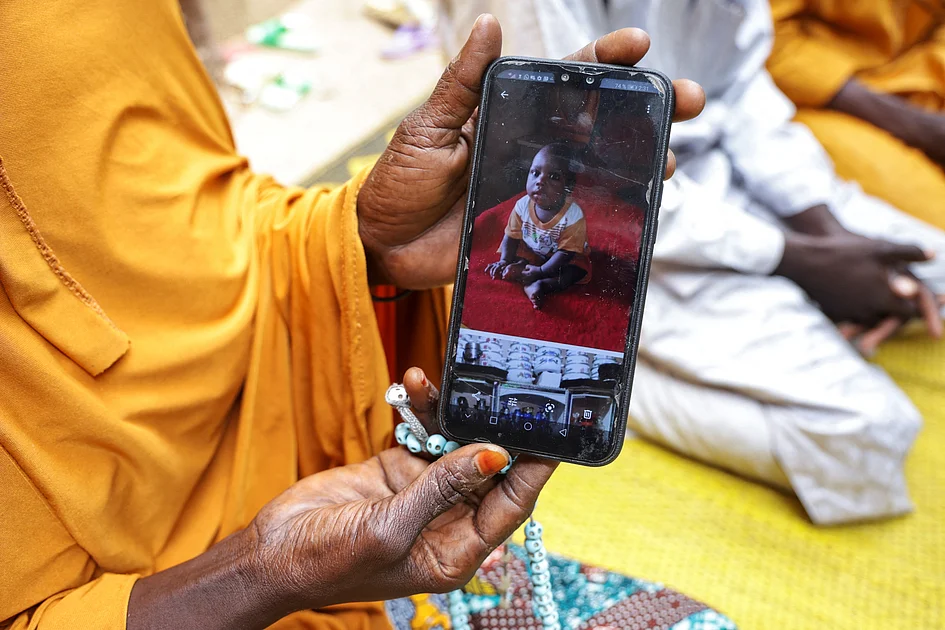
Climate change, population growth threats as malaria fight stalls
The global fight against malaria has hit a critical roadblock after two decades of significant progress, with climate change and population growth emerging as major threats to the eradication of this deadly disease. Campaigners have raised alarms over insufficient funding for increasingly expensive prevention programs, which could result in hundreds of thousands of lives lost and billions of dollars in economic damage. The African Leaders Malaria Alliance (ALMA) and Malaria No More UK highlighted these concerns in a recent report, emphasizing that Africa, which accounts for 95% of global malaria cases, would bear the brunt of this resurgence. In 2023, malaria claimed 590,000 lives worldwide, with 263 million cases reported—an increase of 11 million from the previous year. Climate change has exacerbated the issue, with rising temperatures and heavy rainfall creating more mosquito breeding sites, even at higher altitudes in regions like Rwanda. Additionally, the spread of the Anopheles stephensi mosquito from Asia into Africa and increasing insecticide resistance have further complicated efforts. While new-generation prevention methods, such as dual-insecticide mosquito nets and drone-dispersed larvicides, have shown promise, their high costs and the need to cover a rapidly growing population pose significant challenges. Malaria remains a leading cause of worker and student absenteeism, cognitive disruption in children, and household poverty. Campaigners stress that eliminating malaria would yield substantial economic benefits, including increased productivity and tourism. However, without adequate funding and global cooperation, the situation could worsen dramatically. Funding models predict that halting all prevention efforts could cost Africa $83 billion in lost GDP by 2030, alongside 525 million additional cases and 990,000 more deaths. The report was released ahead of a crucial meeting in South Africa to secure contributions to the Global Fund to Fight AIDS, TB, and Malaria, which currently covers 59% of malaria spending.
-

UAE: Jaw ache, fatigue? Doctors flag unusual symptoms of women’s heart attacks
Cardiovascular diseases (CVD) remain the leading cause of death among women worldwide, responsible for nearly 30% of female fatalities—twice the number caused by cancer. Despite this, heart disease in women is often under-recognized, under-diagnosed, and under-treated, largely due to the misconception that it predominantly affects men. In the UAE, medical experts are highlighting the atypical symptoms women may experience during a heart attack, urging greater awareness and timely intervention.
-

China OKs world’s first functional cure for hepatitis B
China has made a groundbreaking advancement in the global fight against hepatitis B by approving the world’s first domestically developed drug designed to achieve a functional cure for the chronic liver infection. The drug, named Pegbing, was developed by Amoytop Biotech, a company based in Xiamen, Fujian province. According to a recent notice from the National Medical Products Administration, Pegbing is approved for use in combination with antiviral medication to achieve sustained clearance of the hepatitis B surface antigen in adults with chronic hepatitis B. This approval marks the first time a drug aimed at achieving a functional cure for hepatitis B has received market authorization globally, heralding a new era in the battle against the viral infection. Hepatitis B affects approximately 254 million people worldwide and is responsible for over 1 million deaths annually. In China alone, there are about 75 million chronic hepatitis B patients. A functional cure for hepatitis B is defined as the sustained loss of the hepatitis B surface antigen after treatment ends, contrasting with conventional therapies that suppress viral replication but do not eliminate the virus entirely. Data from the Chinese Foundation for Hepatitis Prevention and Control indicates that more than 92 percent of liver cancer cases in China are caused by hepatitis B infection. The incidence of liver cancer can be reduced to 10.7 percent among patients receiving antiviral treatment, compared with nearly 15 percent among those who do not. For those who achieve a clinical cure, the rate drops to just 1 percent. ‘Such a significant difference underscores the critical importance of achieving clinical cure for hepatitis B patients,’ the foundation stated. In a clinical trial evaluating the efficacy and safety of Pegbing combined with antiviral treatment, 31.4 percent of patients achieved a clinical cure 24 weeks after discontinuing all medications, a rate significantly higher than that observed in patients following conventional treatment regimens. According to an action plan released last month by the National Disease Control and Prevention Administration and eight other government departments, China aims to raise the antiviral treatment rate for newly reported cases to at least 80 percent by 2030. The plan also emphasized intensified efforts in innovative drug research and development and the exploration of new solutions for the functional cure of hepatitis B.
-

Rise of bio-aesthetics: How regenerative science is redefining health, beauty and dentistry
A groundbreaking shift is underway in the realms of health, beauty, and dentistry, as bio-aesthetics emerges as a transformative force. This science-driven movement emphasizes working in harmony with the body’s natural systems, moving beyond traditional reactive medicine to embrace regenerative and holistic approaches. Spearheaded by experts like David Roze, founder of ROZE BioHealth, bio-aesthetics is redefining what it means to achieve true wellness and beauty. Unlike conventional methods that focus on superficial fixes, bio-aesthetics delves deeper, prioritizing cellular health, tissue regeneration, and systemic balance. This philosophy is rooted in the belief that true health and beauty stem from within, where balanced systems and healthy cells lay the foundation for lasting vitality. Regenerative medicine is at the forefront of this movement, with stem-cell-based therapies leading the charge. Dental pulp stem cells, ethically sourced from deciduous and wisdom teeth, are particularly promising. These versatile cells can transform into bone, cartilage, nerve, and connective tissues, offering immense potential for both oral and systemic regeneration. Biological dentistry is also evolving, with biomimetic ceramics and bio-integrative compounds replacing traditional metals and synthetics. These materials mimic natural tissues, preserving tooth structure and promoting long-term biological harmony. Ozone therapy, myofunctional therapy, and energy-based treatments like red-light therapy and vagus nerve modulation are further enhancing patient outcomes. These therapies address root causes, improve cellular function, and support overall well-being. In Dubai, the demand for bio-aesthetic treatments is surging as individuals seek sustainable, health-aligned solutions. The future of bio-aesthetics is highly personalized, with advancements in AI diagnostics and cellular mapping enabling tailored treatments that offer precise, preventive, and regenerative results. Ultimately, bio-aesthetics is not just about enhancing appearance but about nurturing biology to achieve health and beauty that is both visible and deeply life-enhancing.
-

Brazil grants oil exploration licence in Amazon region
Brazilian President Luiz Inácio Lula da Silva has expressed his support for a future without fossil fuels but emphasized that the world is not yet ready to abandon them. This statement comes amid the approval of a controversial oil exploration project near the Amazon River. Brazil’s state-owned oil company, Petrobras, has been granted a license to conduct exploratory drilling in the Amapá region, approximately 500 kilometers from the Amazon River’s mouth on the Brazilian Equatorial Margin. The project has sparked significant environmental concerns, particularly regarding potential oil spills that could threaten the Amazon’s rich biodiversity, home to 10% of the world’s known species. Conservation groups, including Greenpeace, have warned that the project could undermine Brazil’s climate leadership, especially as the country prepares to host the COP30 climate summit in Belém in November 2025. The International Energy Agency has also reiterated that no new oil projects should be approved if the global goal of net-zero emissions by 2050 is to be achieved. Petrobras has defended the project, stating that it has robust environmental protection measures in place and that the drilling, set to begin immediately, will last five months. The company aims to assess the economic viability of oil and gas reserves in the area but has clarified that no commercial production will occur at this stage. Brazil’s Environment Minister, Marina Silva, has opposed the project, citing environmental risks. However, President Lula has supported it for economic reasons, arguing that Brazil must utilize its natural resources responsibly. Other international oil companies, including ExxonMobil and Chevron, have also acquired exploration blocks in the region and are awaiting licenses. Petrobras has emphasized its commitment to ensuring Brazil’s energy security and supporting a just energy transition while maintaining environmental safeguards.
-

Abu Dhabi: 25-week-old foetus undergoes spine surgery in mother’s womb
In a remarkable medical breakthrough, a 25-week-old foetus weighing just 800 grams underwent a successful fetoscopic surgery to repair spina bifida while still in the mother’s womb. The procedure, performed at Sheikh Khalifa Medical City (SKMC) in Abu Dhabi, lasted 90 minutes and utilised a minimally invasive technique involving a tiny camera and miniature instruments inserted through three small incisions in the mother’s abdomen and uterus. Spina bifida, a congenital condition where the spine and spinal cord fail to develop properly, can lead to severe neurological complications and long-term disabilities if left untreated. The surgery, part of Abu Dhabi’s Visiting Physicians Programme, aimed to correct the defect prenatally, significantly improving the baby’s chances of walking independently and leading a healthier life. The procedure’s precision and minimal invasiveness ensured a faster recovery for the mother and preserved the uterine environment, allowing the pregnancy to continue safely until the planned delivery date. This milestone underscores Abu Dhabi’s growing reputation as a global healthcare hub, driven by innovation and collaboration with international medical experts. Dr Adel Ali Al Junaibi, Consultant Paediatric Surgeon at SKMC, emphasised the long-term benefits of prenatal repair, stating that early intervention reduces the risk of paralysis and the need for multiple surgeries post-birth. Dr Werner Gerhard Diehl, Consultant in Fetal Medicine at Seha Corniche Hospital, highlighted the complexity of the procedure, which requires meticulous planning, advanced training, and a multidisciplinary approach. The Foetal Medicine Centre at Seha Corniche Hospital has performed over 500 therapeutic interventions, achieving outcomes that meet global standards and positioning the UAE as a leader in foetal care.