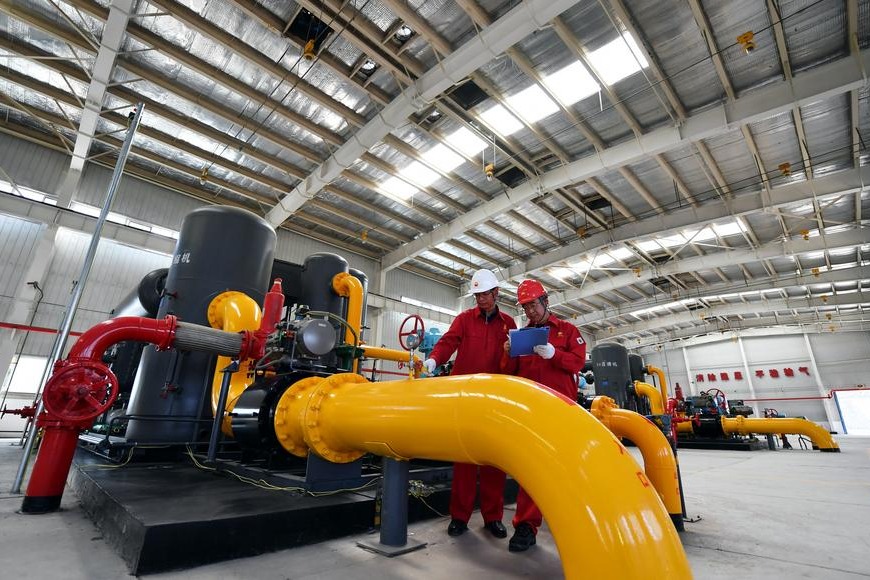
China is accelerating its efforts to control emissions of non-carbon dioxide greenhouse gases, including methane, nitrous oxide, and fluorinated gases, as part of its 2035 Nationally Determined Contributions (NDCs). Xia Yingxian, director of the Ministry of Ecology and Environment’s department of climate change, highlighted that this marks the first time China’s NDCs explicitly include non-CO2 gases in its total emission control framework. Recent years have seen steady progress in reducing these emissions through targeted policies. In late 2023, the ministry issued an action plan for methane emission control, leading to advancements in energy, agriculture, and waste treatment sectors. Improvements include better utilization of coal mine gas, progress in livestock manure recycling, and enhanced control of methane emissions from rice paddies. China has also shared its methane control achievements at global platforms like the United Nations Climate Change Conference and the 2024 Global Methane Forum. Additionally, an action plan for nitrous oxide emissions in the industrial sector was released in August, aiming to guide future control efforts and accelerate the transition to greener industries. The ministry is leveraging the voluntary greenhouse gas emissions trading market to encourage companies to reduce non-CO2 emissions, with six methodologies related to these gases set to be issued by the end of 2025. Xia emphasized that China will further strengthen the implementation of these plans and expand cross-sector cooperation to contribute to global climate action.
分类: environment
-
Deforestation in S.E. Asia causes more deaths than in other tropical areas
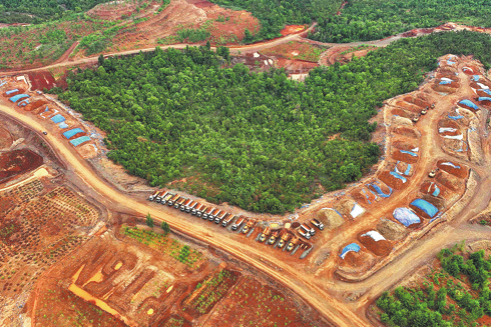
A groundbreaking study reveals that deforestation in Southeast Asia is causing significantly more heat-related deaths compared to other tropical regions, despite losing a smaller total area of forest. Published in *Nature Climate Change*, the research highlights that between 2001 and 2020, Southeast Asia lost approximately 490,000 square kilometers of vegetation, while tropical Central and South America lost around 760,000 square kilometers. However, the higher population density in Southeast Asia has resulted in an annual death toll of 15,680 rural residents due to heat-related complications, far exceeding the 9,890 deaths in Africa and 2,520 in the Americas. The study, led by Carly Reddington from the University of Leeds, attributes this disparity to the combined effects of deforestation and climate change, which have increased regional temperatures by 0.72 degrees Celsius over two decades. Forests play a critical role in cooling the environment by providing shade and releasing water vapor, akin to human sweating. When trees are removed, the loss of these cooling mechanisms leads to localized warming, sometimes surpassing the effects of global climate change. The research underscores the vulnerability of rural and indigenous communities, who often reside near deforested areas and lack access to resources to mitigate heat risks. Reddington emphasizes the urgent need for tropical nations to strengthen forest protection laws, invest in reforestation, and implement heat management solutions, such as shaded workspaces and improved healthcare access. The study also calls for climate finance to prioritize forest conservation and health resilience in tropical regions, where risks are greatest and resources are limited. Experts like Kimberly Fornace from the National University of Singapore and Winston Chow from Singapore Management University stress the importance of localized studies and public awareness to address the growing threat of heat-related mortality.
-

‘Circle Dubai’ aims to reduce daily waste by nearly half a kg per resident
Dubai has unveiled an ambitious new initiative, ‘Circle Dubai,’ aimed at significantly reducing daily waste generation across the emirate. Spearheaded by Dubai Municipality, the program targets a reduction from 2.2 kilograms of waste per person per day to 1.76 kilograms, marking a pivotal step toward sustainable waste management and the transition to a circular economy. This initiative comes in response to Dubai’s status as one of the world’s highest per-capita waste generators, producing approximately 13,000 tonnes of waste daily. Through ‘Circle Dubai,’ authorities aim to curb waste production, enhance recycling rates, and foster widespread community participation across various sectors. Key strategies include the installation of smart recycling bins in public and residential areas, along with the distribution of waste segregation containers to institutions. The initiative aligns with the Dubai Integrated Waste Management Strategy 2041 and the broader Dubai Urban Plan 2040, which envision a 100% diversion of solid waste from landfills by 2041. Eng. Mohammed Alrayees, Director of the Waste Strategy and Projects Department at Dubai Municipality, emphasized the program’s focus on transforming waste into a valuable resource. ‘Waste is no longer just waste — it’s a resource,’ he stated, highlighting the importance of proper waste segregation and community engagement. To drive participation, Dubai Municipality has introduced the Learning Material System (LIMS), enabling residents to become DM Ambassadors and promote door-to-door waste segregation. The initiative underscores Dubai’s commitment to sustainability, innovation, and global leadership in circular economy practices.