分类: entertainment

  • Kanye West controversies – how did we get here?

    Kanye West controversies – how did we get here?

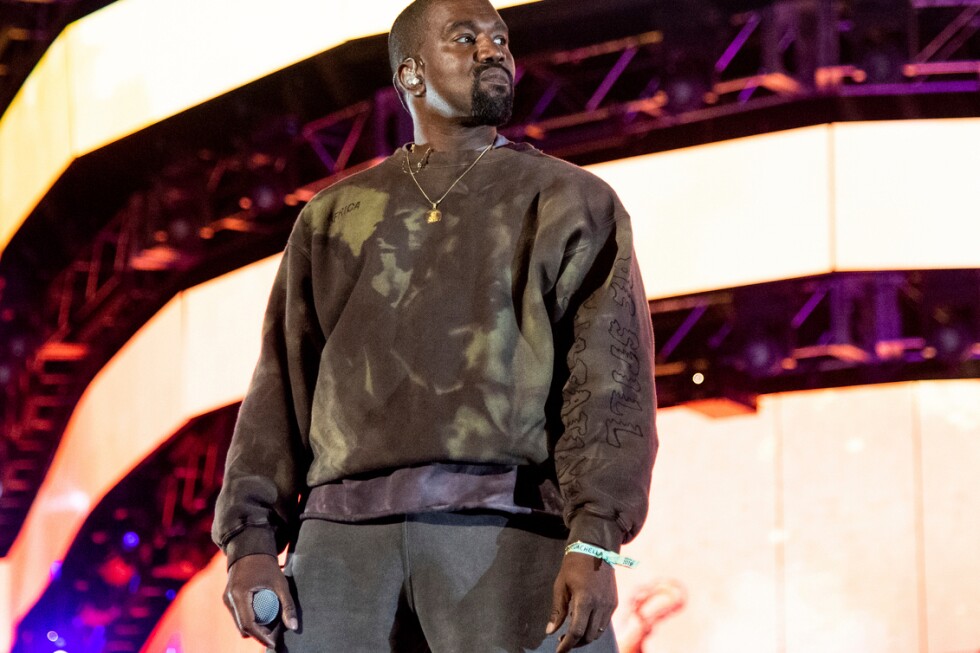
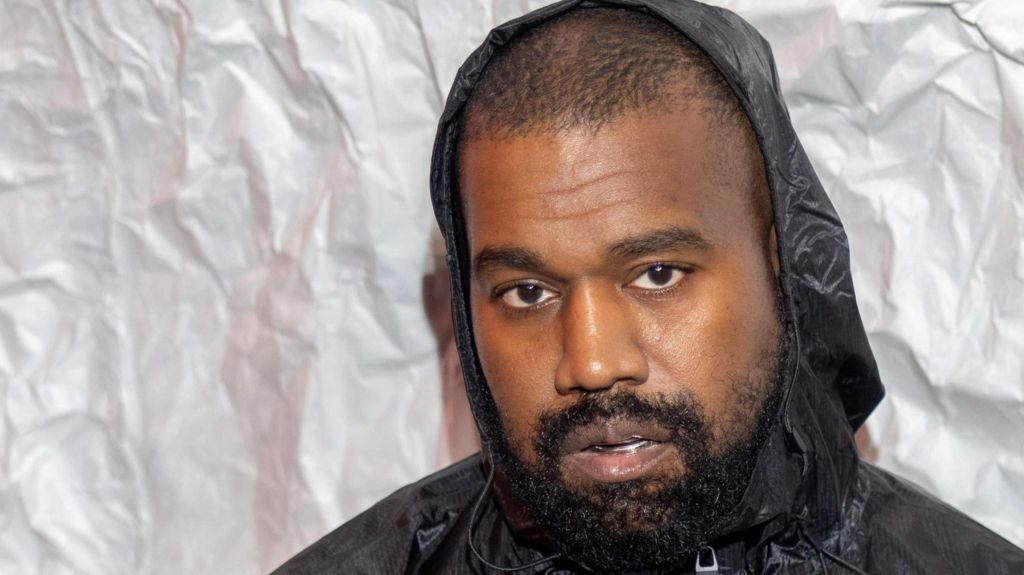
    Once hailed as one of the most transformative and groundbreaking hip-hop artists and producers of the 2000s and 2010s, Kanye West — who now goes by the name Ye — has built a decades-long career marked by unparalleled creative innovation and a seemingly endless string of damaging, offensive controversies. Now, that history of bigotry has led to the cancellation of one of the UK’s most anticipated summer music events after the British government barred the rapper from entering the country.

    West launched his career behind the scenes, crafting chart-topping production for A-list stars including Jay-Z and Alicia Keys before stepping into the spotlight as a solo artist. His 2003 debut single *Through the Wire* became an instant classic: written from a hospital bed and recorded with his jaw wired shut after a near-fatal car crash, the track announced West as a bold new voice in rap. Over the next 15 years, he cemented his legacy, pushing creative boundaries with hits like *Stronger*, *Gold Digger*, and *Heartless* that redefined what hip-hop could sound like. But for almost as long as he has been in the public eye, his career has been repeatedly derailed by impulsive behavior, offensive rhetoric, and hateful statements that have alienated fans and destroyed professional partnerships.

    Controversy has followed West since the early days of his fame. In one of the most infamous moments in awards show history, he interrupted Taylor Swift’s 2009 MTV Video Music Awards acceptance speech to insist Beyoncé deserved the honor for Best Female Video. Four years before that, he deviated from his script during a Hurricane Katrina relief telethon, famously stating that then-President George W. Bush “doesn’t care about black people” — a comment that while divisive, resonated with many who shared the sentiment. But as time went on, West’s statements grew more shocking and harmful. In 2016, he drew widespread backlash for a social media post declaring “BILL COSBY INNOCENT !!!!!!!!!!” at a time when the comedian faced dozens of allegations of drugging and sexual assault. Cosby was later convicted of one count of sexual assault (though the conviction was later overturned), and in March 2026, a civil court ordered him to pay $59.25 million in damages to a victim assaulted more than 50 years prior.

    Two years later, West sparked global outrage during an appearance on TMZ when he claimed that centuries of chattel slavery of African Americans “sounds like a choice.” The comment, which ignored the brutal, forced history of chattel slavery in the United States, led to widespread calls for accountability, with many social media users urging the rapper to revisit basic American history. West later attempted to walk back the comment, claiming his words had been misinterpreted and that he was referring to ongoing mental oppression, but the damage was done.

    A 2022 fashion show in Paris marked a turning point in the erosion of West’s professional standing. The artist, who had built a second high-profile career as a fashion designer with his Yeezy brand, walked out at his SZN 9 show wearing a t-shirt emblazoned with the “White Lives Matter” slogan, a phrase widely recognized as a direct rebuke of the Black Lives Matter movement. Anti-racism organizers condemned the display, and a subsequent photo of West alongside conservative commentator Candace Owens, both wearing the shirts, amplified the outrage.

    The controversy quickly escalated when West published a private text exchange with fellow hip-hop icon Sean “Diddy” Combs, in which he claimed Combs was “controlled by Jewish people” — echoing centuries-old harmful antisemitic conspiracy theories. The post got West’s Instagram account suspended, prompting him to move to Twitter (now X) where he declared he would go “death con 3 On Jewish people.” The comment got him banned from the platform as well, with both social media companies citing violations of hate speech policies. By the end of 2022, nearly all of West’s major professional partners had cut ties: fashion house Balenciaga, talent agency Creative Artists Agency, JPMorgan Chase, Gap, and long-time footwear partner Adidas all dropped the rapper. Adidas reported that ending the partnership would cost the company a net loss of £217 million in 2022.

    West’s ex-wife Kim Kardashian addressed the controversy at the time, acknowledging West’s bipolar disorder diagnosis and noting that “those who are close with Kanye know his heart and understand his words sometimes do not align with his intentions.” However, medical experts have pushed back on framing West’s hate speech as a product of his mental illness. “Bipolar disorder is absolutely not synonymous with racism and there’s nothing about mental illness that creates racism or hate,” Amy Elizabeth West, a professor of clinical pediatrics and psychology at USC Keck School of Medicine, explained in 2022. “Those are all entirely separate behaviours that he happens to have in addition to having bipolar disorder.”

    Later in 2022, West announced he would run for U.S. president in 2024, a bid that never materialized after his 2020 presidential run earned him just 60,000 votes nationwide. Months later, he appeared on a podcast hosted by far-right conspiracy theorist Alex Jones, where he declared “I see good things about Hitler” and claimed the Nazi leader had added value to the world. The comment drew universal condemnation, and West was again banned from Twitter. Just months later, he was banned once more after posting a symbol combining a swastika and the Star of David.

    West first issued an apology to the Jewish community in December 2023, posting a statement in Hebrew to Instagram saying he “sincerely apologise[s]” and that it was “not my intention to hurt or demean, and I deeply regret any pain I may have caused.” But the apologies did not end the controversy. In February 2025, West drew new outrage after starting to sell t-shirts printed with swastikas, prompting commerce platform Shopify to shut down his online store. Three months later, he released a track titled *Heil Hitler*, claiming that a child custody battle and frozen assets had pushed him toward Nazism. The track was banned from all major streaming platforms and in Germany under the country’s strict hate speech laws, but it spread widely on social media, and West was subsequently barred from entering Australia over the content.

    In January 2026, West issued a second public apology, taking out a full-page ad in *The Wall Street Journal* stating “I am not a Nazi or an antisemite” and “I love Jewish people.” He attributed his past harmful actions to bipolar disorder, writing that episodes of the condition left him “disconnected” and unable to recall many of his offensive statements, adding “It does not excuse what I did though.”

    Months later, event organizers announced West would headline London’s 2026 Wireless Festival, a three-night headline set scheduled for July that sparked immediate public and political backlash. In response, West updated his *Wall Street Journal* open letter, saying he would “be grateful” to meet with members of the British Jewish community “to listen” and that he would “show change through my actions.” The Board of Deputies of British Jews said it was open to a meeting, but on the condition that West cancel his planned performances.

    The controversy ultimately led to the full cancellation of the 2026 Wireless Festival after the UK government formally blocked West from entering the country over his history of hate speech and offensive behavior.
  • UK government blocks Kanye West from London music fest

    UK government blocks Kanye West from London music fest

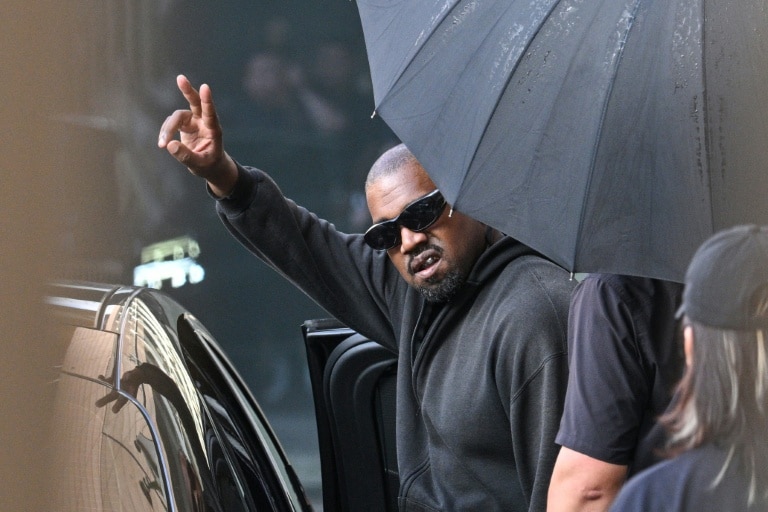
    In a decisive move that caps days of growing public and political outrage, the United Kingdom Home Office announced Tuesday it has rejected US rapper Kanye West’s visa application to enter the country, forcing the immediate cancellation of his much-debated headline slot at London’s Wireless Festival. The 48-year-old, who now goes by the name Ye, had been scheduled to perform three consecutive nights at the July event as part of a contested European comeback tour, following years of repeated antisemitic incidents that have derailed his career.

    Citing the rapper’s long pattern of harmful antisemitic rhetoric and actions, Home Office officials told the BBC that West’s presence in the UK would run counter to the public good, justifying the visa refusal. Wireless Festival organizers confirmed the cancellation via Instagram hours after the decision was announced, noting that all ticket holders — who only gained access to purchase tickets earlier that same day — will receive an automatic full refund for their purchases.

    The ban comes after a cascade of withdrawals from major corporate sponsors in the lead-up to the announcement. Drinks industry giants PepsiCo and Diageo pulled their sponsorship support for the London festival once public backlash against West’s booking intensified, putting increasing pressure on organizers and government officials to act.

    In a last-minute attempt to defuse mounting controversy, West took out a full-page advertisement in the Wall Street Journal headlined “To Those I’ve Hurt” ahead of the visa decision. In the ad, he framed his planned London performance as a showcase of personal change, writing, “My only goal is to come to London and present a show of change, bringing unity, peace, and love through my music.” He also extended an offer to meet in person with members of the British Jewish community to address concerns over his past remarks, adding, “I know words aren’t enough — I’ll have to show change through my actions. If you’re open, I’m here.”

    West’s controversial 2025 release of a song titled “Heil Hitler”, timed to the 80th anniversary of Nazi Germany’s defeat in World War II, reignited global condemnation of his antisemitic views. He has previously attempted to frame his past antisemitic outbursts as a symptom of his bipolar disorder, a framing that drew sharp rebuke from UK Health Secretary Wes Streeting Tuesday. Streeting called West’s attempt to use his mental health diagnosis to justify his harmful actions “appalling” in remarks to British broadcasters.

    Prime Minister Keir Starmer had already publicly voiced concern over the booking over the weekend, noting that it was troubling that West had been confirmed to perform given “his previous antisemitic remarks and celebration of Nazism.”

    Leadership of British Jewish organizations have reacted to the ban with mixed but broadly supportive stances. Phil Rosenberg, president of the Board of Deputies of British Jews, had previously said the group would be open to meeting with West only if he canceled his Wireless Festival appearance. Ahead of the ban, Rosenberg noted that “the Jewish community will want to see genuine remorse and change before believing that the appropriate place to test this sincerity is on the main stage at the Wireless Festival.”

    The Campaign Against Antisemitism, which had publicly called on the UK government to block West’s entry, praised the decision as a victory for efforts to root out antisemitism in public life. “For once, when it said that antisemitism has no place in the UK, it backed up its words with action,” the group said in a statement. It added: “Someone who has boasted of making tens of millions of dollars from selling swastika T-shirts and who released a song called ‘Heil Hitler’ just months ago clearly would not be conducive to the public good in the UK.” The organization urged remaining potential sponsors to continue to avoid any partnership with events involving West.

    The visa ban is the latest in a string of setbacks for West’s attempted European comeback. Earlier this year, the mayor of Marseille, France, publicly declared that the rapper was “not welcome” to perform a scheduled June concert in the city, mirroring the UK government’s stance that West’s harmful views make him an inappropriate guest for major public events.

  • Carnival fever hits Lagos as locals celebrate Afro-Brazilian heritage

    Carnival fever hits Lagos as locals celebrate Afro-Brazilian heritage

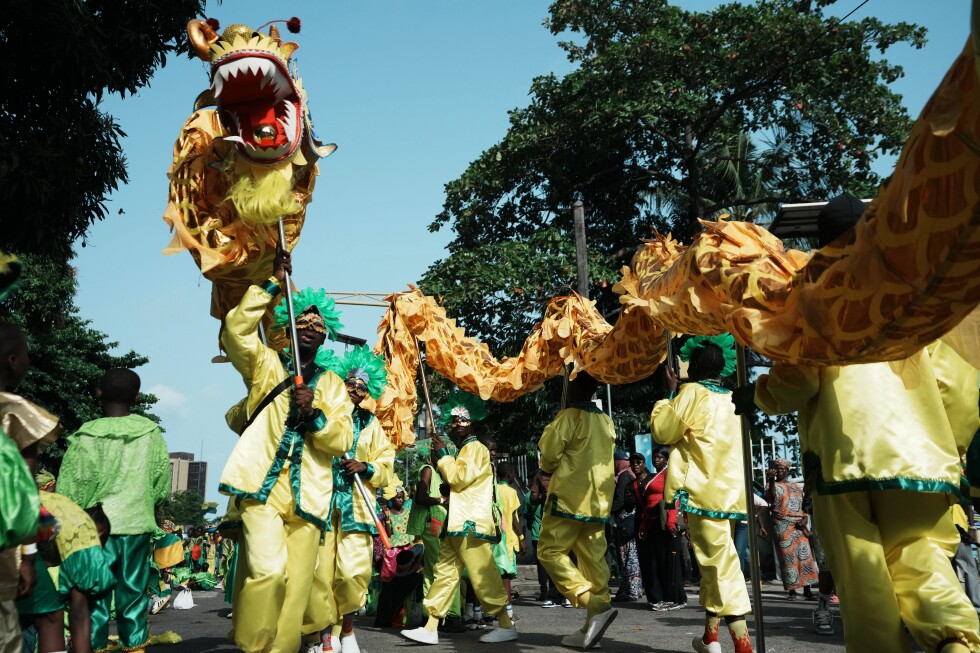
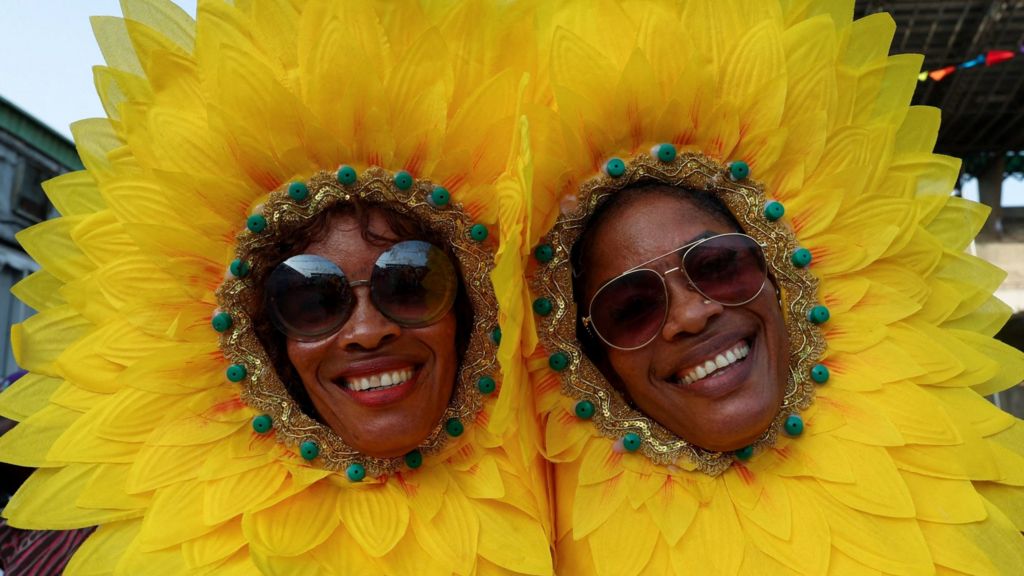
    On a bustling Monday this April, the streets of Nigeria’s Lagos Island transformed into a vibrant tapestry of color, sound, and celebration as the annual Fanti Carnival kicked off its 2026 iteration. For over two centuries, this beloved festival has turned Lagos’ central financial hub into a stage for cultural joy, drawing attendees from across the country and beyond to honor a unique shared history.

    The roots of the Fanti Carnival stretch back to the 19th century, when hundreds of formerly enslaved Africans and their descendants chose to resettle on the African continent after generations living in Brazil and Cuba. Many of these Afro-Brazilian returnees put down roots on Lagos Island, bringing with them a rich tapestry of new cultural traditions, performance styles, and community practices that had evolved during their time in the Americas.

    Over decades, these imported customs blended seamlessly with the longstanding cultural traditions of Nigeria’s majority Yoruba people, giving birth to a one-of-a-kind celebration that cannot be traced to either origin alone. As carnival organizers put it, the Fanti Carnival is “neither wholly Brazilian nor wholly Yoruba, but entirely its own.”

    This year’s event lived up to its storied reputation, featuring a packed lineup of spectacles that wowed onlookers. Booming live musical performances echoed between island buildings, while elaborately costumed stilt walkers danced through crowds alongside ornately decorated horses and giant, vibrant dragon displays. Seven historic community associations, each rooted in a different neighborhood of Lagos Island, have carried the responsibility of organizing and sustaining the carnival for generations, with each group identifiable by its own distinct signature color palette. The Lafiaji association, for example, sticks to a iconic red and white color scheme that sets its participants apart during processions. One attendee even designed a custom eye-catching outfit emblazoned with the names of all seven organizations to honor their work.

    For attendees, the carnival is far more than just a street party: it is a vital link to shared history that must be preserved for future generations. “I love the energy, the artistic splendour, the creativity” of the event, Glamour Sandra, a first-time attendee, told the Associated Press on the sidelines of the parade. Longtime participant Ademola Oduyebo emphasized the cultural importance of the annual gathering, noting: “It is important that we preserve this, so that… generation after generation everybody will get to understand the importance of this and how Brazilians and Lagos came to be.”

    That commitment to intergenerational transmission was on clear display Monday, as dozens of children and teenagers joined the processions, decked out in handcrafted creative costumes that reflected the event’s traditions. After days of celebration wrapping up this week, organizers have already confirmed that the beloved festival will return to Lagos Island next April, continuing a legacy that has endured for more than 200 years.

  • Thousands flood Lagos’ vibrant Fanti Carnival to celebrate Afro-Brazilian heritage

    Thousands flood Lagos’ vibrant Fanti Carnival to celebrate Afro-Brazilian heritage

    LAGOS, Nigeria — Against the bustling backdrop of Nigeria’s coastal megacity Lagos, thousands of celebrants from across the region packed the streets this year for the long-standing annual Lagos Fanti Carnival, a vivid cultural celebration honoring the unique Afro-Brazilian legacy of the Aguda community—descendants of formerly enslaved people who resettled in West Africa from Brazil in the 19th century.

    In recent years, the vibrant gathering has been held during the Easter season, and has grown to become one of West Africa’s most high-profile cultural festivals, drawing comparisons to Brazil’s world-famous Rio Carnival, the largest public celebration on the globe.

    The roots of the carnival stretch back to the arrival of the returning formerly enslaved people, the majority of whom made their new homes in Lagos alongside the city’s existing Yoruba community. Rather than abandoning the cultural traditions they adopted during their time in Brazil, these returnees wove Brazilian and Portuguese cultural practices into their daily lives, leaving enduring marks on local music, cuisine, architecture, religious traditions and social customs. Over generations, this blended cultural identity gave rise to the Fanti Carnival that continues to draw crowds today.

    For long-time attendees, the carnival is far more than a street party—it is a critical act of historical preservation for Lagos. “If you know the history of Lagos, you will understand how this carnival is important to the city and its history,” shared Ademola Oduyebo, a first-time attendee this year. “It is important that we preserve this for our children.”

    This year’s celebration, held under the official theme “A Homecoming of Heritage”, culminated in a grand procession where community groups from across Lagos marched to the iconic Tafawa Balewa Square in the city center. The procession included Aguda descendants of all age groups, reflecting the intergenerational bond of the community’s shared history.

    Revelers turned out in eye-catching, culturally rooted attire that nodded to their blended Afro-Brazilian identity: many danced on foot in vibrant patterned costumes, while others paraded through the streets on horseback. Artists and performers from across the continent wore elaborate ensembles adorned with handcrafted beads and flowing feathers, and some participants decorated their bodies with bright, symbolic body paint, all moving to the hypnotic beat of traditional Yoruba rhythms.

    Glamour Sandra, a frequent attendee who has also joined Rio Carnival celebrations in Brazil, says the Lagos event holds a special place on her annual calendar. “I love the energy, the artistic splendor that they create,” she said of the Fanti festival.

    Unlike large national-scale festivals, the Fanti Carnival remains deeply rooted in local community leadership: community associations representing the original Aguda settlements play a central role in organizing the event every year, ensuring the celebration stays true to its historical and cultural origins.

  • Generations leap: 50 years of the unbroken lion

    Generations leap: 50 years of the unbroken lion

    Fifty years ago, a Chinese master named Wan Chi Ming carried a centuries-old cultural inheritance across continents and planted its roots in the heart of New York City. This year marks the golden anniversary of that momentous journey, and the legacy Wan brought to the United States remains as vibrant and resonant as ever: the roar of the traditional Chinese lion dance still echoes across New York’s communities, unbroken by five decades of change.

    Wan’s line of transmission stretches all the way back to the legendary Chinese martial artist Wong Fei-hung, a icon of kung fu and folk culture whose legacy has been preserved carefully through successive generations of practitioners. When Wan chose to build a new life in New York after being born and raised in China, he did not leave his cultural heritage behind. Instead, he committed himself to sharing this centuries-old tradition with new audiences in the United States, and to passing his skills and knowledge down to a new generation of learners rooted in American life.

    Today, half a century after Wan first brought the legacy to New York, that commitment has borne lasting fruit. Young New Yorkers from different backgrounds now step into the role of the lion, learning the intricate movements, the cultural significance, and the core values that have defined the tradition for hundreds of years. For these new practitioners, the lion dance is far more than a performance art—it has become a space to connect with their cultural roots, to build community, and to discover their own sense of identity. What began as one man’s promise to preserve his ancestral tradition has grown into a living, evolving practice that continues to thrive across generations, proving that authentic traditional spirit never fades when it is nurtured and passed forward.

  • Ye offers to meet UK Jewish community as calls mount for him to be ditched from Wireless Festival

    Ye offers to meet UK Jewish community as calls mount for him to be ditched from Wireless Festival

    LONDON — A growing political and corporate firestorm has erupted over the scheduled headline appearance of rapper Ye, formerly known as Kanye West, at London’s 2025 Wireless Festival, with a top British cabinet member publicly declaring Tuesday that the artist has no place taking the stage at the event.

    The controversy stretches back to 2023, when Ye sparked global outrage with a series of unapologetic antisemitic comments, public praise for Nazi leader Adolf Hitler, the release of a track titled “Heil Hitler”, and the sale of swastika-branded apparel through his personal website. In January 2024, the 48-year-old artist issued a public apology via a full-page Wall Street Journal advertisement, attributing his harmful actions to a four-month manic episode driven by his bipolar disorder, claiming the period of psychotic, paranoid and impulsive behavior upended his public and personal life.

    Ye is currently set to perform across three sold-out nights from July 10 to 12 at Finsbury Park’s open-air Wireless Festival, where he is expected to draw a combined crowd of roughly 150,000 music fans. Since the artist was confirmed as a headliner, event organizers Festival Republic have faced mounting pressure from political leaders and corporate partners to scrap the booking. Three major festival sponsors — Pepsi, Rockstar Energy and Diageo — have already withdrawn their partnerships and financial support in response to the announcement. Prime Minister Keir Starmer has also publicly labeled the decision to book Ye “deeply concerning”.

    In a new statement released this week, Ye extended an olive branch to the British Jewish community, saying he would welcome the chance to meet in person to listen to concerns about his past actions. “I know words aren’t enough — I’ll have to show change through my actions,” the rapper said. “If you’re open, I’m here.”

    Despite widespread backlash, Festival Republic has stood firm in its commitment to keep Ye on the lineup. In a statement released Monday, managing director Melvin Benn called on the public to extend “forgiveness and hope” to the artist, arguing that the festival is only providing a stage for him to perform hit tracks that already receive regular rotation on UK radio and streaming platforms, where they are enjoyed by millions of listeners.

    That defense was quickly rejected by UK Health Secretary Wes Streeting, who called the organizers’ position “absurd” and reiterated that Ye “absolutely not” be allowed to perform at the festival. Streeting also confirmed that Home Secretary Shabana Mahmood is currently reviewing whether to bar Ye from entering the United Kingdom by revoking his entry visa. Benn acknowledged the Home Secretary’s full authority to make that decision, telling BBC on Tuesday: “If she does, she does, and then the issue is over.”

    As of Tuesday afternoon, a representative for Ye had not responded to requests for additional comment on the ongoing controversy.

  • AI-generated artists break through in country music

    AI-generated artists break through in country music

    The rise of artificial intelligence has sent ripples through nearly every creative industry in recent years, but few could have predicted that one of its most notable breakthroughs would be in the heart of Nashville’s country music scene. Today, multiple fully AI-created artists regularly rank among the most streamed country acts in the United States, a trend that has sparked heated debate among songwriters, producers and industry analysts about the future of a genre built on personal storytelling and human emotion.

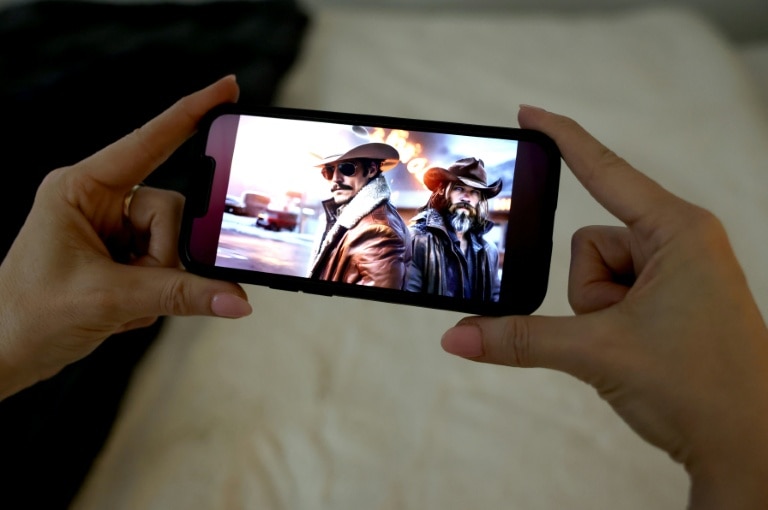
    Unlike human country stars who build fanbases through years of touring and live performances, these AI acts — including Breaking Rust, Cain Walker, Aventhis, and Outlaw Gospel — are entirely digital creations. Every part of their public persona, from their stage names and visual likenesses to the melodies and lyrics of their charting tracks, is generated by machine learning models. Even their signature vocal performances, which lean into the genre’s classic raspy, gravelly baritone archetype, are indistinguishable to many listeners from those of human singers. The viral hit “Whiskey & Water,” credited to AI act Cain Walker featuring Cade Winslow, stands as one prominent example of how far this technology has advanced.

    For many human songwriters working in the genre, this rapid shift has been unsettling. “That’s a phenomenon I didn’t see coming. I thought AI was going to be curing cancer or something,” said Jennie Hayes Kurtz, a member of the country group Brother and The Hayes. Kassie Jordan, who performs with her husband as the duo Blue Honey, echoed that concern, noting how easy it has become for amateur creators to generate full tracks by typing a few prompts into a chatbot. “As a songwriter, it’s kind of like, is anyone going to even think I really wrote this?” she questioned.

    Industry analysts point to a long-running shift in mainstream country music that cleared the way for AI to gain a foothold. Berklee College of Music professor Joe Bennett explained that the modern iteration of country, which rose to mainstream prominence in the early 2000s, has increasingly leaned into a polished, pop-influenced sound built on repetitive melodic structures and formulaic lyrical themes. Many observers argue that mainstream country has grown progressively more formulaic as it chased broader mainstream audiences in recent decades, setting the stage for AI to replicate its signature sound with surprising accuracy. After years of being outperformed by rap and Latin music on streaming platforms, country has staged a major mainstream comeback over the past five years, with stars like Morgan Wallen and Zach Bryan claiming spots among the top 10 most streamed artists on Spotify in 2023. But that commercial comeback has come with a tradeoff, critics say: much of today’s top-charting country prioritizes broad appeal over the raw, personal storytelling that defined the genre’s roots.

    “A big portion of popular country music has become kind of shallow, so that is pretty easy to duplicate,” Jordan explained. Bennett’s analysis backs that up: an early review of top AI-generated country tracks found that even very basic, vague text prompts are enough to generate a song that fits the mold of modern mainstream country.

    So far, the industry has been slow to address the influx of AI-generated content. None of the creators behind the top AI country projects responded to requests for comment from AFP, and only one major streaming platform — Deezer — currently requires clear labeling for AI-generated music. Bennett argues that the industry must move quickly to implement reliable AI detection tools, noting that consumer demand for transparency around AI content is already growing.

    Not all industry insiders are pessimistic about the trend, however. Many note that country music has long evolved with changing technology, and the current shift may ultimately reinforce the value of human-created art. Hayes Kurtz points out that the listener base is split: casual passive streamers may not care whether a track is AI-generated, but the core audience of active country fans — those who attend live shows, buy artist merchandise, and follow artists closely — deeply value the authenticity and personal connection that comes with human-created music. “That audience seems to really care if the music is made by the actual humans they are going to see,” she said.

    Jordan remains optimistic that the genre will retain its human core, pointing to a growing movement of new artists returning to the genre’s traditional, storytelling-focused roots. “There’s another wave of country artists that are coming that is really into doing it the old school way and showing emotion,” she said. “That will be harder for AI to duplicate. That might save the genre.”

  • ‘Hacks’ has ‘perfect’ ending after 5 seasons, says star Smart

    ‘Hacks’ has ‘perfect’ ending after 5 seasons, says star Smart

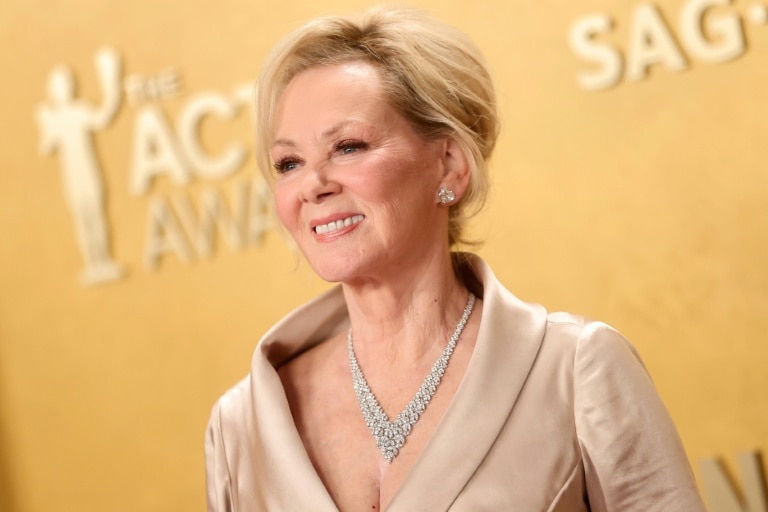
    After five critically acclaimed, award-studded seasons, the beloved HBO comedy series ‘Hacks’ is preparing to draw its curtain, and lead star Jean Smart says the story’s final chapter delivers a conclusion that could not have been more fitting. Smart, who has taken home the Emmy Award for Outstanding Lead Actress in a Comedy Series four consecutive times for her portrayal of iconic aging comedian Deborah Vance, opened up about wrapping up the groundbreaking series in a recent press briefing ahead of the fifth and final season’s launch.

    When co-creators Lucia Aniello, Paul W. Downs, and Jen Statsky first walked Smart through their planned ending for Vance and her sharp-witted mentee Ava Daniels, played by rising star Hannah Einbinder, the veteran actress admitted she had initial uncertainties about how the narrative would land. “I didn’t really have an idea of how it would end. I wanted to be surprised,” Smart told reporters, adding that she had embraced unforeseen narrative turns throughout her five years on the project. “I’ve loved being surprised every episode for all these years.”

    Smart shared that she was initially taken aback by the creative team’s final plot direction for the two core characters. “I was not sure,” she confessed. “But I said: ‘Hey, I trust you guys. Always have, always turns out great.’ And it did. And now I think it was perfect.”

    Since making its debut on HBO Max in May 2021, ‘Hacks’ has earned near-universal critical praise, cementing its status as one of the most celebrated comedy series of recent years. Across its first four seasons, the show dominated awards circuits, racking up multiple Emmys and Golden Globe Awards, with honors recognizing not just its lead performances but also sharp writing and innovative directing.

    Co-creator Paul W. Downs explained that the series finale wraps up the core theme that anchored the show from its very first episode: legacy and what a person leaves behind after their career comes to a close. “It is about what we set out in the very first episode, which is your legacy and what you leave behind,” he said. “We’re leaving behind a series, and we’re thinking about that for ourselves and for our characters.”

    For the cast, saying goodbye to the show and characters they have lived with for four years has brought a mix of joy and sadness. Einbinder, who has portrayed Ava throughout the character’s entire journey of personal and professional growth, said she could not have asked for a more satisfying conclusion to the story. The 30-year-old actress noted that it has been a privilege to grow alongside her character, and that every evolution the pair underwent across five seasons felt earned and purposeful. “I think every evolution that these characters have undergone has felt warranted and earned,” she said. “Everything that I would hope for them has been achieved.”

    For 74-year-old Smart, the reality of the show ending sank in slowly as the cast filmed final scenes on each of the series’ iconic sets. The actress joked that production allowed her to take small mementos from each set as keepsakes to remember her time on the groundbreaking comedy.

    Viewers will get to see the highly anticipated final chapter when the fifth and final season of ‘Hacks’ premieres on HBO Max on April 9.

  • Lil Nas X assault case to be dismissed if he completes mental health programme

    Lil Nas X assault case to be dismissed if he completes mental health programme

    Grammy-winning hip-hop artist Lil Nas X, born Montero Lamar Hill, has received court approval to join a court-monitored mental health diversion program, resolving the legal aftermath of his August 2025 arrest in Los Angeles where he faced felony charges for assaulting police officers. The 26-year-old rapper, best known for his breakout hit *Old Town Road*, was taken into custody late one night on Ventura Boulevard, found wandering the street wearing only underwear and cowboy boots. Upon arrest, he was charged with assault on a police officer and resisting arrest, and was immediately transported to a local hospital over concerns of a potential drug overdose. Following the incident, a formal diagnosis of bipolar disorder was made, and Hill entered a not guilty plea to all charges last year.

    Before the Monday hearing, Hill had already completed a two-month residential mental health treatment program at a facility in Arizona, addressing the underlying mental health challenges that preceded the incident. In a post-hearing interview with BBC News, Hill’s defense attorney Christy O’Connor shared details of Judge Alan Schneider’s ruling. The judge emphasized that Hill’s behavior at the time of arrest represented an abnormal departure from his typical conduct, noting that the artist has shown significant progress in his treatment journey. “He appears to be doing very well,” Judge Schneider stated, adding, “when treated, he is much better off, and society is much better off.”

    Under the terms of the diversion agreement, all pending felony charges against Hill will be dismissed if he successfully completes the mandated treatment program and maintains compliance with all state and federal laws over the next two years. Without this alternative sentencing path, a conviction on the felony charges would have carried a maximum sentence of up to five years in state prison.

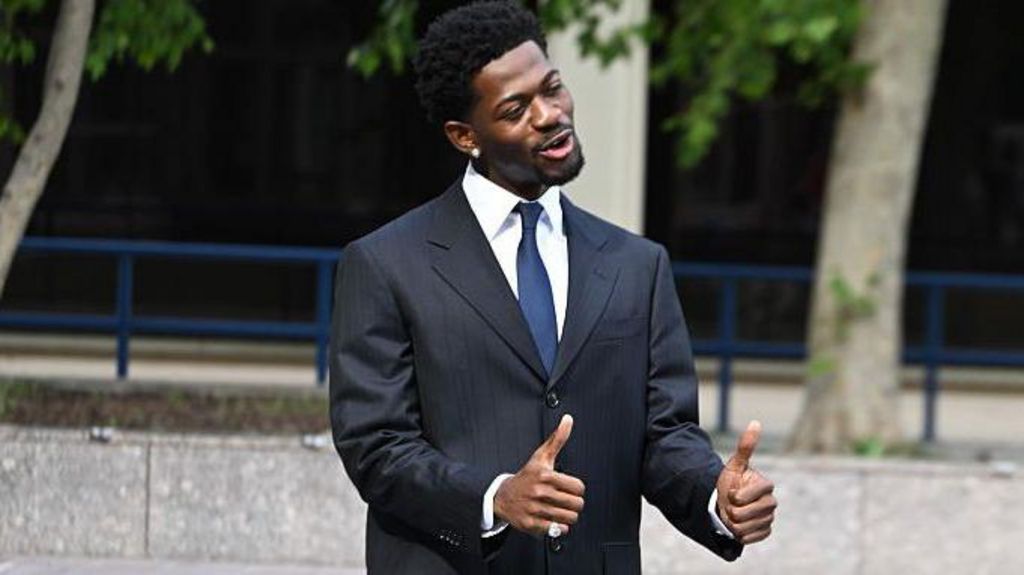
    Shortly after the ruling was issued, a visibly relieved Hill spoke with Rolling Stone, telling reporters, “I’m thankful. Just very thankful. It could have been much worse.” Photographers captured the rapper smiling and giving a thumbs-up to assembled media outside the courthouse, a public display of his relief at the outcome.

    Mental health diversion programs are structured criminal justice alternatives designed to connect people with diagnosable mental health conditions to treatment rather than imposing traditional jail or prison sentences. The programs aim to address the root causes of illegal behavior while reducing the burden of incarceration on both offenders and the justice system.

    In comments to *The Times* of the United Kingdom following Hill’s arrest last year, the artist’s father Robert Stafford opened up about the personal pressures that contributed to his son’s mental health crisis. Stafford explained that Hill had been deeply affected by his mother’s long-running struggle with addiction, compounded by the stress of being the primary financial provider for his extended family at a young age. “For a 26-year-old to have to deal with what he’s dealing with — to be a breadwinner for a lot of people, the inability to change his mother’s situation and the pressure he puts on himself,” Stafford said. “That can weigh heavily on your heart.”

  • Ladysmith Black Mambazo’s ‘wise elder’ dies aged 77

    Ladysmith Black Mambazo’s ‘wise elder’ dies aged 77

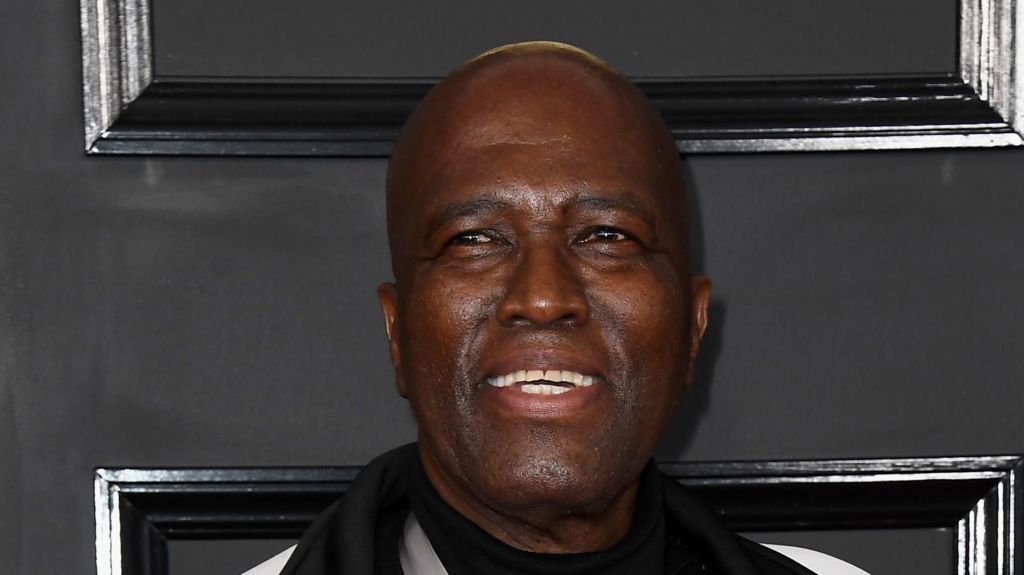
    The global music community is mourning the loss of Albert Mazibuko, a core member of the iconic South African choral ensemble Ladysmith Black Mambazo, who passed away at the age of 77. The group confirmed via an official Facebook post that Mazibuko died on Sunday following a brief, unexpected illness, closing out a more than 50-year career with the legendary vocal group.

    Born and raised in uMnambithi — the eastern South African town formerly known as Ladysmith — Mazibuko’s path to music began under unusual circumstances. He left formal schooling at a young age to take up full-time work on a local farm, long before his cousin and the group’s founder, Joseph Shabalala, invited him to join Ladysmith Black Mambazo in 1969. From that point on, he became an integral part of the ensemble’s artistic identity and global rise.

    Ladysmith Black Mambazo carved its unique niche by blending indigenous Zulu musical and dance traditions with isicathamiya, a distinctly South African a cappella style defined by soft harmonies and gentle, shuffling dance movements. Just one year after Mazibuko joined, a breakout 1970 radio performance landed the group their first major recording contract. By 1973, they released *Amabutho*, the first album in African music history to reach gold sales status.

    The ensemble’s global breakthrough came in 1986, when American singer-songwriter Paul Simon tapped Ladysmith Black Mambazo to feature on his critically acclaimed, multi-platinum album *Graceland*. The collaboration catapulted the group to international fame, though it also sparked controversy: Simon faced widespread criticism for violating the global cultural boycott of apartheid-era South Africa. Throughout the brutal decades of state-enforced racial segregation, Mazibuko and his bandmates used their platform to spread messages of hope and unity, pushing back against the oppression of the apartheid regime.

    In a 2015 interview with the BBC’s *Soul Music*, Mazibuko opened up about the daily fear and hardship of life under apartheid. Recalling his time working at a local cotton factory, he described constant police harassment centered on the pass laws — the apartheid system’s tool for restricting Black South Africans’ movement. “If you don’t carry it, you’re arrested. In my life I was so afraid of being arrested… even now I’m afraid,” he shared.

    Over his decades-long tenure, the group earned five Grammy Awards and cemented its status as one of South Africa’s most celebrated cultural exports. In tributes shared publicly this week, current and former band members remembered Mazibuko as a generous, warm-hearted mentor to the group’s younger generation. “He loved traveling the world, spreading the mission and music of Ladysmith Black Mambazo,” the group’s official statement read. “He never tired of talking about the group’s history and its desire to spread ‘peace, love and harmony’ everywhere people had ears to listen.”

    At the time of Mazibuko’s death, the current Ladysmith Black Mambazo lineup — a mix of veteran and emerging young musicians — was in the middle of a cross-country U.S. tour that launched in February. Their final scheduled U.S. performance of this run is set to take place this coming Friday.