分类: entertainment

  • Novel follows 5 lives changed forever by Iran Islamic revolution

    Novel follows 5 lives changed forever by Iran Islamic revolution

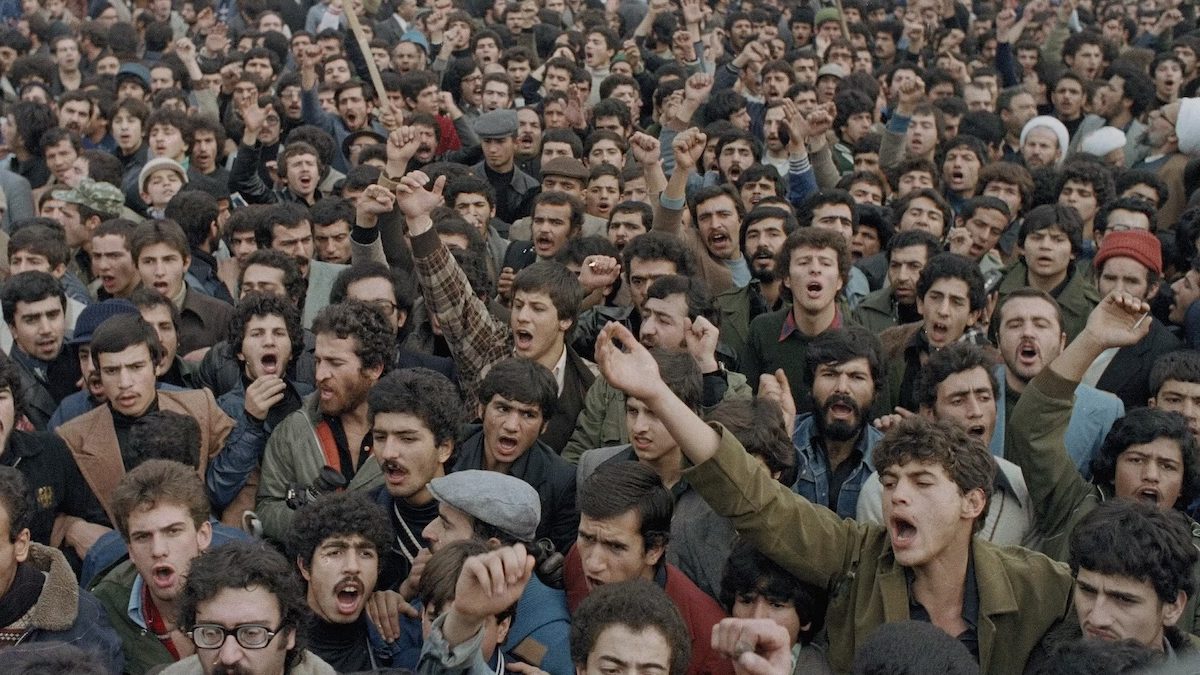
    Nominated for the 2026 International Booker Prize, Shida Bazyar’s *The Nights Are Quiet in Tehran* uses the 1979 Islamic Revolution not as a backdrop for grand historical drama, but as the quiet, unrelenting force that reshapes the fates of five ordinary family members across generations. Translated by Ruth Martin and published by Scribe, the multi-voiced, polyphonic narrative skips across decades between its four chapters, opening with a prologue that holds out hope for a free Iran in a not-too-distant future. Unlike many historical works centered on major political upheavals, this novel prioritizes the stories that official records often erase — stories that would disappear entirely without the framework of fiction.

    The story opens in the early aftermath of the revolution, following young communist teacher Behzad and his two political allies, Sohrab and Peyman, who all dream of building what they call the “real revolution” — a people-driven transformation of Iran’s core institutions that would deliver a prosperous, sovereign nation. But the divide between Peyman’s worldview and that of his comrades lays bare the roots of Iran’s repeated failed attempts at democratic reform.

    Peyman, an artist by instinct who always carries a camera, only turned to politics after the 1979 upheaval. Before that, he cared little for the ideological texts and flyers his friends championed. A pragmatic realist, he argues that the only foundations for a meaningful people’s revolution are basic needs: food, clean water, and accessible education. When the shah’s portraits are removed from classroom walls, he rejects the idea of hanging any individual’s image in their place. Behzad and Sohrab, by contrast, envision new portraits of Marx, Engels, Mao, and Lenin — ideological figures far removed from the daily lives and beliefs of most Iranians.

    Behzad, an atheist who approaches ideology with the fervor of a true believer, devotes himself to studying past revolutions and advocating for armed struggle. He dismisses the general Iranian population as uneducated and superstitious, claiming he and his comrades already understand the people — and that they themselves are the authentic voice of the people. He argues that violence is a necessary tool for political change, failing to recognize that violence committed in the name of “the people” is no different from violence committed in the name of God: both ultimately serve to prop up illegitimate power. It is only a decade later, living in exile in Germany, when Behzad learns that Peyman has been executed that he finally confronts the true human cost of the violence he once championed. Peyman’s death — of a man who understood rational truth but could not persuade others to follow him — becomes a haunting metaphor for the death of reason itself in a nation where ideological believers of all stripes treat violence as the only solution.

    As the story shifts to life in German exile, the narrative moves to Behzad’s wife Nahid, whom he married before the couple fled persecution. Plagued by a suffocating, constant loneliness as she struggles to adapt to what she calls the “cold language” of her new home, Nahid’s experience echoes the words of Polish poet Czesław Miłosz: “Language is the only homeland.” Her deep melancholy stems from the untranslatable nature of culture and identity — a rift that even her own daughter, Laleh, recognizes, once saying “I really don’t want to know what it feels like to be Mama.” Just as a poem can never retain all its nuance when moved to another language, migrants can never fully integrate into a new culture without losing a core part of themselves. Nahid reflects that a translated poem of the 14th-century Persian poet Hafez, exiled to a foreign tongue, mirrors her own exile: even if the words are there, the essence is lost. A once-educated and confident woman, she feels like a child again in Germany, unable to navigate the unspoken rules of her new society and even afraid she will pass on mistakes to her daughter while helping with homework.

    This intergenerational rift of identity and belonging deepens with Laleh’s perspective. In 1999, when a reformist Iranian president opened the country to limited travel, Laleh returns to Iran with Nahid. Though she is welcomed and cherished by her extended family, she feels like an outsider. Even in Germany, the only country she has ever truly known, she faces constant small reminders that she does not fully belong: a magazine seller questions whether she can read German; she worries others dismiss her father because of his grammatical mistakes; she fears strangers will recognize the family as foreigners and set fire to their car on a road trip. While she does not experience the crippling loneliness her mother endures, her identity is fractured between two worlds, with no single place that feels fully like home.

    As with any work of historical fiction, the novel carries small inconsistencies that readers familiar with Iranian culture and history will notice. For example, a passing claim that premarital sex carries the death penalty in Iran is inaccurate, as capital punishment for sexual offenses is only applied to adultery and rape. Another anecdote about a schoolgirl having her fingernails pulled out for wearing nail polish feels exaggerated outside the context of political imprisonment, and a small scene of a young man courting Laleh in a cafe lacks logical consistency. But these minor flaws do little to undermine the novel’s core power.

    Novelist Toni Morrison once wrote that official historical accounts erase the interior lives of ordinary people, and that fiction acts as a form of “literary archaeology” — a practice that can reconstruct lost pasts and revive the voices of those silenced by larger political forces. That is exactly what Bazyar achieves with her sharp, incisive prose in *The Nights Are Quiet in Tehran*. This book does not just tell a story of revolution and exile: it gives voice to the people history forgets.

  • Ariana Grande sues hackers who leaked music and videos

    Ariana Grande sues hackers who leaked music and videos

    Global pop superstar Ariana Grande has launched a high-profile legal action against two unknown hackers, accusing them of orchestrating a years-long scheme to steal and leak her unreleased creative work, including dozens of unheard songs and private studio footage. The lawsuit, filed in Los Angeles and first reported by major U.S. entertainment outlets, details how the defendants have systematically targeted the digital accounts of Grande’s collaborators—including producers, photographers and production team members—to access confidential content that they later sold for large sums on the dark web. Court documents outline a clear pattern of escalating illegal activity spanning more than a decade, stretching all the way back to the early years of Grande’s music career. Since her public debut in 2011, the filing claims, hundreds of separate leaks of her unreleased material have taken place, with 45 unfinished songs stolen and released online in 2023 alone. The most recent alleged breaches took place in 2024 and 2025: in 2024, the hackers created a fake email account impersonating a professional photographer who works with Grande, tricking a digital technician into turning over private, unreleased photos of the artist. The following year, they gained unauthorized access to a collaborating producer’s mobile device, pulling out unreleased song masters, demo recordings and behind-the-scenes video from Grande’s recording sessions. Grande has long been vocal about her frustration with the ongoing leaks, and has previously called out bad actors for stealing her work. During a 2024 interview on the Zach Sang Show, she spoke publicly about the unauthorized leak of an unreleased track called *Fantasize*, which she wrote with legendary pop producer Max Martin. The track went viral on social media after it was leaked, and Grande joked at the time, “Before I left for Wicked – [there were] a few studio sessions that I did which are all over TikTok, thank you so much, I’ll see you in jail. Literally. Those were all written for a TV show, for something that was not for me, so Fantasize comes out, crazy, was stolen… These pirates, crooks, illegal!” In her legal filing, Grande emphasizes that the leaks have violated the intimate, trusting bond between her and her fanbase, an outcome she describes as particularly harmful. She is pursuing the case on multiple counts, including invasion of privacy, violation of California state computer fraud and hacking laws, and civil conversion of stolen property. Her legal team argues that the repeated malicious intrusions into her private creative work have caused substantial, irreparable harm to both her privacy and her professional career. The lawsuit comes at a pivotal moment for Grande, who is balancing a major world tour with the upcoming release of new music and a high-profile acting project. After a multi-year hiatus from recording to film the two-part film adaptation of the hit Broadway musical *Wicked*, Grande returned to music this year. Her eighth studio album, *Petal*, is scheduled to drop this Friday, just days after the court filing was made public. Currently, she is in the middle of her *Eternal Sunshine* world tour, which is scheduled to bring shows to the United Kingdom starting in August. Grande has previously hinted that this run of concerts will be her last for an extended period. Appearing on Amy Poehler’s *Good Hang* podcast, she shared, “I’m going to give it my all and it’s going to be beautiful. I think that’s why I’m doing it because I’m like: ‘One last hurrah’ – for now.” The primary goal of the current legal action, Grande’s legal team confirms, is to uncover the true identities of the two hackers behind the leaks, putting an end to the ongoing pattern of digital theft that has disrupted her career for more than a decade.

  • Brazil’s Amazonia theaters earn UNESCO World Heritage status

    Brazil’s Amazonia theaters earn UNESCO World Heritage status

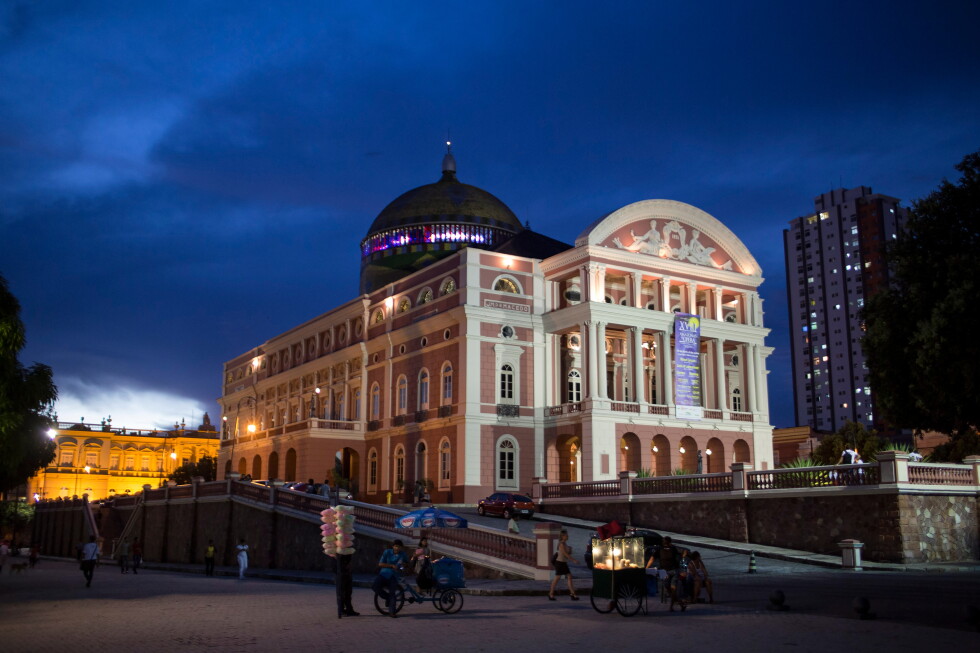
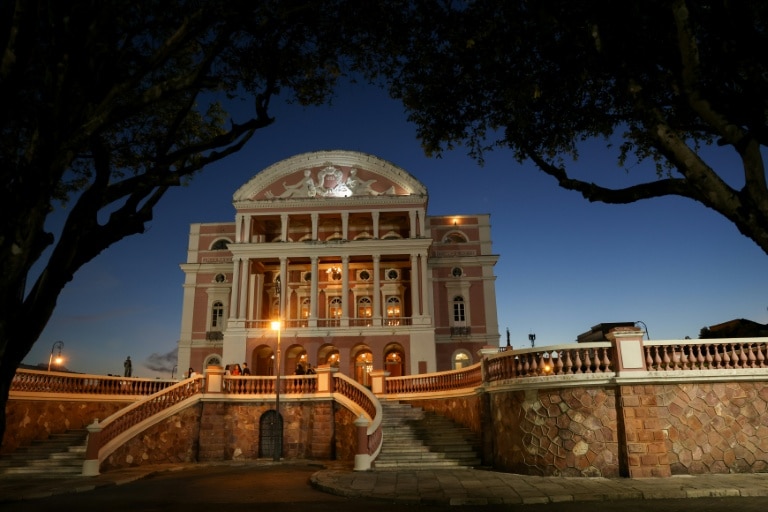
    In a landmark announcement made Monday, the United Nations Educational, Scientific and Cultural Organization (UNESCO) has officially inscribed two historic Brazilian performance venues — Theatro da Paz in Belém and Teatro Amazonas in Manaus — onto its coveted World Heritage List. The pair of French-inspired architectural landmarks stand as enduring cultural and physical legacies of the Amazon region’s so-called “Golden Age,” the era of the massive rubber boom that reshaped the area between 1879 and 1912.

    Both theaters occupied central roles in the rapid economic and social transformation of the Amazon during this period, when the global demand for rubber flooded the world’s largest tropical rainforest with unprecedented levels of economic growth and capital. UNESCO notes that the theater complexes, which also include their adjacent public squares — Praça da República in Belém and Largo de São Sebastião in Manaus — were purpose-built to embody the political and urban development ambitions of regional leaders at the height of the boom.

    Per UNESCO’s official designation, Theatro da Paz and its surrounding public square cemented Belém’s strategic importance as a key commercial port and the capital of the Brazilian state of Pará. For Manaus, Teatro Amazonas was a core component of the city’s large-scale urban expansion that accompanied the rubber trade’s expansion. While the designation celebrates the architectural and historical significance of the two sites, historical context surrounding the rubber boom remains complex. Historians widely note that the economic expansion of the period was fueled in large part by forced labor practices that caused catastrophic population decline among the Amazon’s Indigenous communities.

    The UNESCO recognition not only preserves these iconic cultural landmarks for future generations but also highlights the layered history of the Amazon region, balancing celebration of its architectural heritage with acknowledgment of the human cost of the rubber boom that made the construction of these grand theaters possible.

  • Prague’s rare 70 mm IMAX draws thousands of Europeans for Nolan’s ‘The Odyssey’

    Prague’s rare 70 mm IMAX draws thousands of Europeans for Nolan’s ‘The Odyssey’

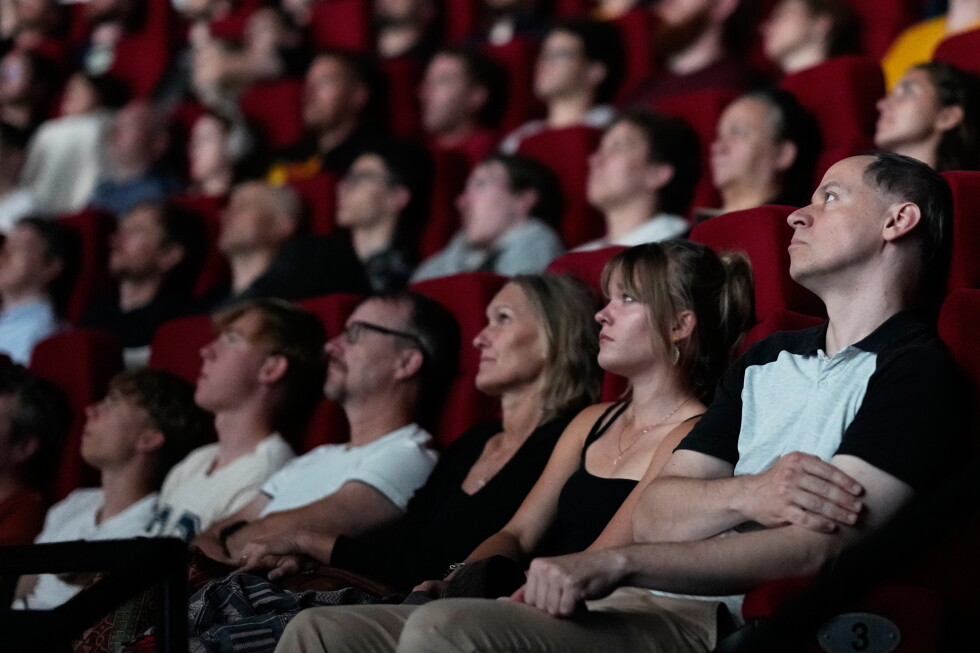
    When Christopher Nolan’s highly anticipated new feature *The Odyssey* hit global box offices and smashed opening weekend records, it sparked an unexpected tourism boom in the heart of Central Europe. Thousands of movie enthusiasts from across the continent are flocking to the Czech capital Prague, home to one of the EU’s only two working 70mm IMAX screens — the gold standard of analog film projection Nolan champions as the ultimate viewing experience for his first feature shot entirely on IMAX film cameras.

    Only 41 operational 70mm IMAX screens exist worldwide, the vast majority concentrated in North America. Across the European Union, just two other cities — Montpellier, France and Brussels, Belgium — host the rare equipment, with an additional three screens located in the United Kingdom. That leaves Prague’s Screen 7 at Cinema City as a rare destination for dedicated fans eager to see Nolan’s latest work as the director intended.

    For many lovers of large-format film, the trip is worth every mile of travel. Daniel Jung, a visitor from Norway, spent three days driving across Denmark and Germany with his two teenage sons just to secure access to the rare screening. His son Leo, who had followed the cinema’s social media and coordinated with staff via email six months ahead of the July 16 premiere, snapped up premium central seats the moment tickets went on sale.

    “Everything was so much larger than the small screens we have back home,” Leo explained after the screening. “This is an experience I’ll remember forever.” Even with the long round trip, his brother Felix noted the effort was fully worthwhile, even without the side sightseeing stops the family added along the route. Polish visitor Nicolas Walak, who had already watched *The Odyssey* on a standard digital screen, echoed that sentiment, saying the 70mm IMAX format completely transformed his appreciation of the film.

    To keep up with overwhelming cross-regional demand, Cinema City’s Prague branch has ramped up programming, scheduling four to five screenings daily — including a late midnight showing — and the vast majority of showings have sold out completely. As of the first Monday following the premiere, more than 22,000 moviegoers from roughly 15 European countries, ranging from Scandinavia in the north to Spain in the south, had already seen the film at the venue.

    The rarity of 70mm IMAX screenings today stems from steep operational costs and logistical hurdles that pushed most theaters to swap analog projection for digital equipment starting in the late 2000s. IMAX film cameras are notoriously heavy, and custom modified low-noise models had to be developed specifically for *The Odyssey*. The finished film print itself weighs roughly 660 pounds and stretches 11 miles long, requiring it to be shipped and assembled in multiple segments. The projection room must be strictly climate-controlled to protect the film, and only projectionists certified by IMAX are allowed to operate the equipment.

    What makes Prague’s rare screen possible is a lucky decision by former venue staff more than a decade ago. When cinemas around the world began replacing analog projectors with digital systems in 2008, the Prague Cinema City team opted not to discard the original 70mm IMAX hardware. The projector was stored in a back corner for three years, before being pulled back into service for Nolan’s 2012 blockbuster *The Dark Knight Rises*. It has since been used to screen every one of Nolan’s subsequent large-format features, including 2014’s *Interstellar* and 2023’s *Oppenheimer*. For current certified projectionist Tomáš Vyšinský, that decision to preserve the equipment is one the global film community owes the previous team gratitude for.

    As *The Odyssey* continues to post record-breaking box office numbers — notching an $87 million haul in its second weekend, the strongest second-weekend performance of Nolan’s entire career — the stream of traveling film fans to Prague shows no sign of slowing down, proving that for dedicated cinephiles, the analog film experience is irreplaceable.

  • UNESCO adds Brazil’s Amazonia theaters to the World Heritage List

    UNESCO adds Brazil’s Amazonia theaters to the World Heritage List

    In a landmark decision announced on Monday during the ongoing World Heritage Committee session in Busan, South Korea, UNESCO has inscribed two iconic Brazilian Amazonian performance venues to its coveted roster of sites of outstanding global value. The dual addition brings Brazil’s total number of World Heritage sites to 26, marking a new milestone for the country’s cultural preservation efforts.

    The two newly listed sites, collectively named the Amazonia Theaters, are the Theatro da Paz in the northern Brazilian city of Belem, Para state, and the famous Teatro Amazonas in Manaus, capital of Amazonas state. Both cultural landmarks were constructed in the late 1800s, at the peak of the global rubber boom that transformed the Amazon region into a major global commercial hub. Built at a time of unprecedented economic growth in the rainforest, the two structures embody the era’s political and urban development ambitions, blending cutting-edge European architectural design trends with locally sourced materials and region-specific symbolic motifs that root the buildings firmly in the Amazonian landscape.

    Theatro da Paz, which opened to the public in 1878, was designed to cement Belem’s status as a critical strategic port for the global rubber trade, while Teatro Amazonas, inaugurated nearly two decades later in 1896, mirrors the explosive urban growth that turned Manaus into one of South America’s wealthiest late 19th-century cities. Brazil submitted a joint nomination for the two venues, arguing that they share a cohesive historical context and represent a unified 19th-century project to modernize the Amazon region and integrate it into global commercial and cultural networks.

    “Architecturally and artistically, they blended imported influences and materials with local woods and forest-inspired motifs, creating a distinctive aesthetic that was at once cosmopolitan and deeply Amazonian,” the Brazilian government noted in its official nomination statement.

    UNESCO’s annual World Heritage designation is one of the most prestigious cultural recognitions in the world. Sites granted the status join an elite list that includes some of humanity’s most celebrated cultural landmarks, from China’s Great Wall and Egypt’s ancient pyramids to India’s Taj Mahal and New York’s Statue of Liberty. Beyond the symbolic honor, World Heritage status typically delivers significant long-term benefits, including expanded global tourism opportunities and formal international protections to preserve the sites for future generations.

    This year’s committee session, which runs through Wednesday in Busan, has already added several major global sites to the list. On Sunday alone, the body added France’s Normandy D-Day landing beaches and Greece’s iconic Mount Olympus, among other sites from around the world.

    Beyond the two newly inscribed theaters, the Brazilian Amazon is already home to another UNESCO World Heritage site: the Central Amazon Conservation Complex, a vast protected area located at the confluence of the Negro and Solimoes rivers in Amazonas state. UNESCO recognizes the complex as one of the most biodiverse places on Earth, hosting a wide range of Amazonian ecosystems including intact upland rainforests and seasonally flooded varzea lowland forests that support thousands of endemic plant and animal species.

    This coverage, reported by The Associated Press, receives funding from multiple private foundations for AP’s climate and environmental reporting, with AP retaining full editorial control over all content.

  • Rapper Yung Filly testifies at his rape trial in Australia

    Rapper Yung Filly testifies at his rape trial in Australia

    High-profile British rapper Yung Filly has taken the witness stand at his ongoing rape trial held in Australia, telling the court that interactions between himself and the woman who has brought the accusation against him were entirely positive following a nightclub performance.

    The performer, who has built a significant global fanbase through his music and online content, appeared before the court to give his account of the encounter in question. According to his testimony, the atmosphere between him and the alleged victim was relaxed and mutually enjoyable after he finished his set at the local nightclub venue. His statement marks the first public account of the incident from the artist himself since the legal proceedings began.

    The trial, which is being held at an Australian court, is ongoing as prosecutors and the defense present their respective evidence and witness accounts to the jury. Legal processes continue to move forward as the court works toward a final verdict in the case.

  • Musk takes ‘crusade’ to Europe with Armie Hammer film

    Musk takes ‘crusade’ to Europe with Armie Hammer film

    In late June, a low-budget, widely panned violent thriller called *Citizen Vigilante* exploded from obscurity into global streaming charts, propelled not by marketing budgets or critical acclaim, but by a single boost from the world’s richest person: Elon Musk. The film, from German director Uwe Boll and starring Armie Hammer, follows an American vigilante on a killing spree across an unnamed European country. His targets include dozens of police officers, judges, a gang of rapists, a random civilian, and an entire refugee Muslim family – all framed as a righteous crusade against Muslim migration and so-called “woke” government elites. Long after German film regulators refused to grant it an official rating, the movie would have likely faded into obscurity if Musk had not stepped in, making it free to view for 48 hours on his social media platform X, formerly Twitter. The sudden flood of attention pushed the film to the top of streaming leaderboards on major platforms including Apple TV and Amazon Prime, turning a schlocky, little-seen project into a flashpoint for discussions about Musk’s growing entanglement with far-right politics across Europe.

  • Millions see leaked copy of The Odyssey movie on X

    Millions see leaked copy of The Odyssey movie on X

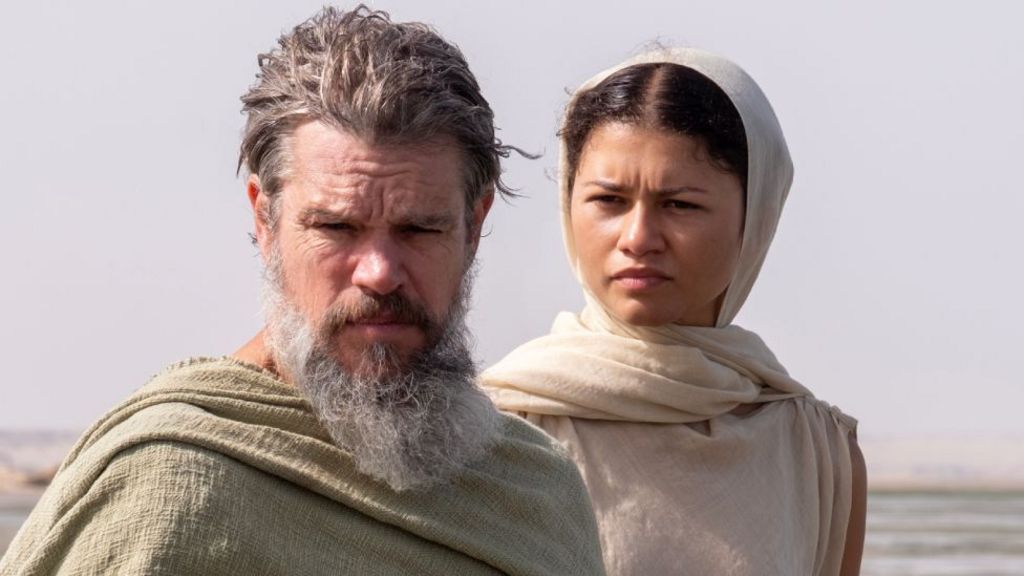
    One of the most anticipated film releases of the year, Christopher Nolan’s big-budget epic *The Odyssey* starring Matt Damon and Zendaya, has become the center of an unusual high-profile copyright incident days after hitting theaters. The auteur director, famous for his commitment to analog film and premium theatrical experiences, has repeatedly emphasized that audiences should experience the three-hour feature on the largest possible screen — a vision that was upended when a full HD copy of the movie was illegally posted to the social platform X over the weekend.

    Per entertainment industry publication Variety, the embedded video of the entire film racked up 2.1 million views in just two and a half hours on Saturday before the account responsible for the leak was suspended by platform moderators. The unexpected leak sparked waves of reaction across social media, with one user posting a wry joke playing on Nolan’s theatrical ethos: “The full odyssey movie in a tweet, as nolan intended.” Another user posted their surprise at the leak, writing, “Someone leaked *The Odyssey* in HD. I thought it was fake but it’s true.”

    A day after the initial high-quality leak, industry outlet *The Hollywood Reporter* confirmed that a lower-resolution copy of the film was also posted to X on Sunday. That copy amassed nearly 50,000 views over two hours before it was removed from the platform.

    *The Odyssey* is a landmark release for both Nolan and Universal Studios. It is the first full theatrical release ever to be shot entirely on IMAX 70mm film, a large-format high-resolution analog stock that delivers unmatched clarity and scale designed specifically for giant theater screens. Nolan opted to shoot the entire three-hour runtime on the premium format to double down on his long-running advocacy for the theatrical moviegoing experience.

    In an official statement responding to the leak, Universal Pictures, the studio behind the production, confirmed that it moved quickly to address the unauthorized content. “We became aware of the unauthorised posting of the film and immediately initiated takedown protocols,” the studio said. “We take copyright infringement seriously and will pursue all appropriate remedies to protect our content and intellectual property rights.”

    Industry analysts do not expect the leak to meaningfully damage the film’s commercial performance, which has remained robust in its second week in theaters. *The Odyssey* added $215 million (£160 million) to its global gross over its second weekend in release, pushing its total worldwide box office haul to $640 million (£480 million) — a strong figure that suggests the film is on track to become one of the year’s highest-grossing original releases.

  • Lucas Museum to display unseen ‘Star Wars’ pieces, curator says

    Lucas Museum to display unseen ‘Star Wars’ pieces, curator says

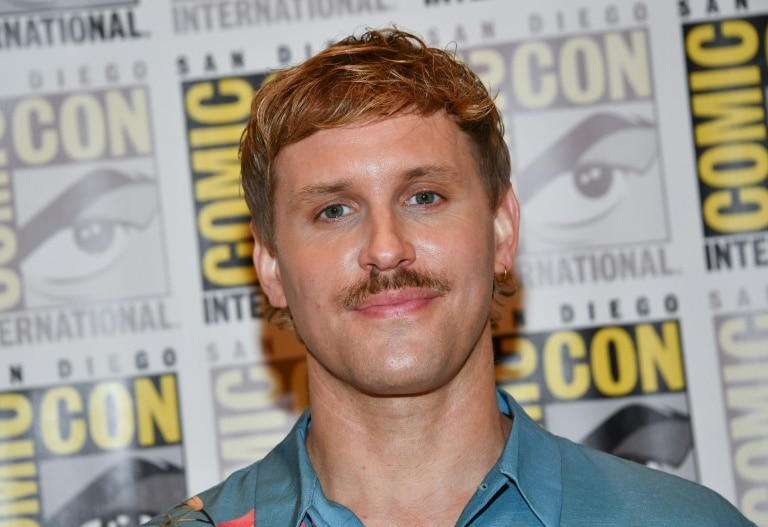
    When the long-awaited Lucas Museum of Narrative Art opens its doors to the public in Los Angeles on September 22, it will bring with it a trove of never-before-displayed treasures from the cultural phenomenon that is *Star Wars*, its lead curator has confirmed. Speaking exclusively to AFP on the sidelines of this year’s San Diego Comic-Con, curator Ryan Linkof shared new details about the institution, a passion project decades in the making from *Star Wars* creator George Lucas and his wife, business leader Mellody Hobson.

    Housed in a striking futuristic building spanning more than 9,200 square meters, the museum will distribute over 1,300 collected works across 33 dedicated galleries. While the institution’s collection spans the full breadth of narrative art — from iconic illustrations by Norman Rockwell, Jessie Willcox Smith, and N.C. Wyeth to fine art pieces by Frida Kahlo, Jacob Lawrence, Charles White, and Robert Colescott, and original cartoon works from legends including Winsor McCay, Jack Kirby, and Frank Frazetta — it is the unshown *Star Wars* material that is poised to captivate fans around the world.

    As the official home of the Lucas Archives and all Lucasfilm production materials, the museum will host a dedicated *Star Wars* exhibition featuring one-of-a-kind items that have never been put on public display before. Linkof noted that narrative art, the category the museum centers, is often overlooked by traditional cultural institutions, with few major art museums dedicating space to collecting or exhibiting this popular, accessible art form. As a result, much of the material set to go on display is extremely rare, making the museum a unique cultural destination.

    For many *Star Wars* fandom members, however, the Lucasfilm production archives will remain the crown jewel of the institution. Linkof also opened up about the challenges the project has faced over its decades-long development, including significant disruptions caused by the global COVID-19 pandemic. Despite these hurdles, the curator frames the museum as the culmination of Lucas’s celebrated 60-plus-year career, echoing Hobson’s framing that Lucas has two defining legacies: his first was creating *Star Wars*, and his second is building this museum to share his collection with the public.

    Now 82 years old, Lucas remains actively involved in every step of the project’s final preparations ahead of opening. Linkof confirmed that the legendary filmmaker is deeply pleased with how the institution has come together. Last year marked Lucas’s first ever visit to Comic-Con’s iconic Hall H, where he traveled specifically to share updates on the museum with pop culture fans. This year, Linkof took the stage at the convention alongside guests including actor Keke Palmer and DC Comics President Jim Lee to preview the coming attraction.

    Lee, who joined the museum’s panel at Comic-Con, shared his enthusiasm for the institution’s mission. “I think that if you go to this museum, you will see art that you will recognize and have seen your entire life, through commercials, through comic books, but you will see it in a different way that will hopefully enlighten and inspire you,” Lee said. “This is amazing art, we have it all around us, how lucky are we?”

  • Ryan Gosling to join Marvel Cinematic Universe as Ghost Rider

    Ryan Gosling to join Marvel Cinematic Universe as Ghost Rider

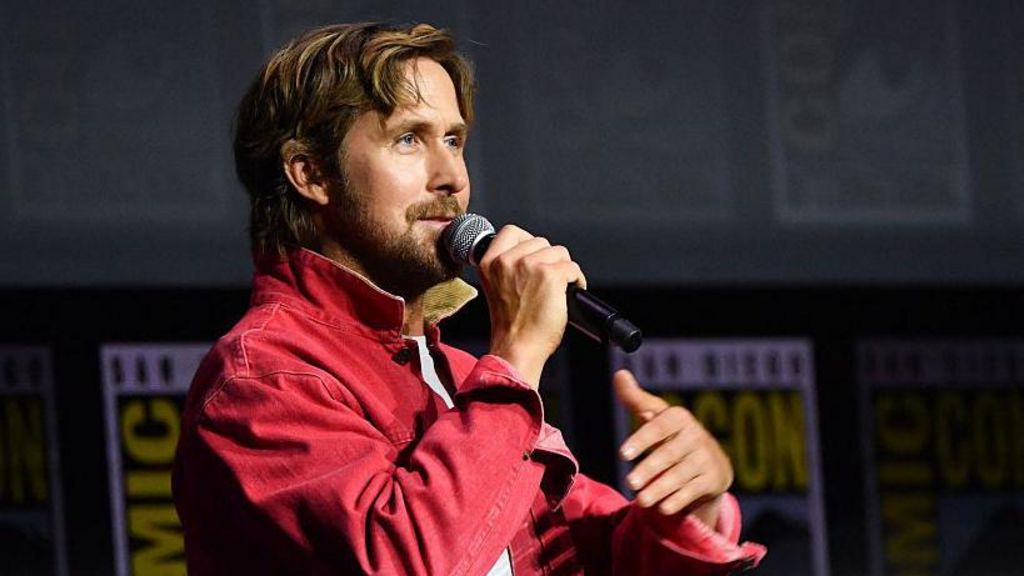
    In a dramatic, fan-fueled reveal at the 2026 San Diego Comic-Con, Marvel Studios has officially announced that Academy Award-nominated actor Ryan Gosling will be joining the iconic Marvel Cinematic Universe as the titular anti-hero in an all-new standalone Ghost Rider feature film, slated for a 2028 theatrical release. This upcoming installment will mark the third big-screen iteration of the flame-wreathed, motorcycle-riding character, following the 2007 original *Ghost Rider* and 2011’s *Ghost Rider: Spirit of Vengeance*, both of which starred Nicolas Cage in the lead role.

    The surprise announcement was opened by Marvel Studios president Kevin Feige, who took the stage to address a long-running question from fans and media alike: when would Ryan Gosling, one of Hollywood’s most in-demand stars, finally make his MCU debut? After Feige teased the big news, the stage went abruptly dark. When house lights rose again, Gosling walked out to meet a roar of cheers and screams from thousands of packed convention attendees.

    For Gosling, the role of Ghost Rider is the culmination of a years-long personal desire to bring the character to life. “Wow, is this really happening?” the actor told the cheering crowd, echoing his long-stated public interest in the part. As far back as March of this year, Gosling already confirmed during an appearance on Josh Horowitz’s *Happy Sad Confused* podcast that he had been holding active discussions with Marvel executives about joining the franchise for this specific project.

    For those unfamiliar with the character’s core lore, Ghost Rider is the supernatural anti-hero alias of Johnny Blaze, a skilled motorcycle stuntman. Blaze’s origin story centers on a fateful deal he strikes with the demonic villain Mephisto to save the life of his terminally ill surrogate father; in exchange, Blaze becomes bonded to Zarathos, the powerful Spirit of Vengeance, granting him otherworldly superpowers tied to justice and retribution.

    Helming the new Ghost Rider film will be director Shawn Levy, a frequent collaborator of Gosling’s who the actor called the “only” person fit to steer the project. Levy already has extensive MCU experience, most recently coming off the high-profile release of *Deadpool & Wolverine*, and is currently in production on *Star Wars: Starfighter* alongside Gosling, which is scheduled to hit theaters in 2027. Levy shared with the Comic-Con crowd that the idea for the Ghost Rider film grew organically out of casual conversations between him and Gosling during downtime on the *Star Wars: Starfighter* set. “As Ryan started talking about his vision for this character, we started riffing, and I finally said, ‘bro, let’s ride,’ so guys, we’ll see you in 2028,” Levy told the excited audience.