分类: business

  • Huaihai fashion season ignites consumption vitality in Shanghai’s iconic area

    Huaihai fashion season ignites consumption vitality in Shanghai’s iconic area

    Shanghai’s prestigious Huaihai Road commercial district has inaugurated an ambitious cross-season fashion event designed to stimulate economic activity through immersive retail experiences. The Huaihai Fashion Season, officially launched Wednesday at Xintiandi, will continue through February 2026, offering residents and visitors an extended program of commercial and cultural attractions.

    Under the guidance of Huangpu District Commerce Commission and organized by the Huaihai Road Economic Development Promotion Association, the initiative represents a coordinated effort among district retailers to create sustained consumer engagement. More than two dozen shopping complexes are participating in nearly 100 scheduled events featuring limited-edition product launches, thematic markets, cultural displays, and interactive art installations.

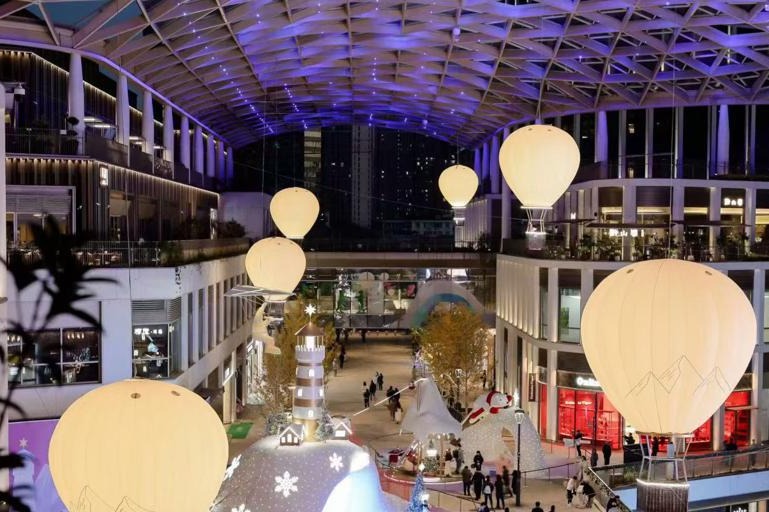
    Li Zhenhui, Senior Commercial Director of Shui On Xintiandi, identified the recently upgraded Xintiandi Dongtaili complex as the festival’s central hub. The development has incorporated winter-themed attractions including simulated aurora displays, seasonal performances, and an artisanal market showcasing creative merchandise, gourmet foods, and designer toys. The programming strategically combines winter aesthetics with commercial offerings to create a multidimensional shopping experience.

    The extended timeline, spanning multiple seasonal transitions, reflects Shanghai’s approach to creating sustained commercial vitality rather than limited-duration shopping events. By coordinating across multiple retail establishments, the district aims to establish Huaihai Road as a continuously evolving destination that merges commerce, culture, and entertainment.

  • UAE wealth evolution: Entrepreneurs embrace family offices for growth

    UAE wealth evolution: Entrepreneurs embrace family offices for growth

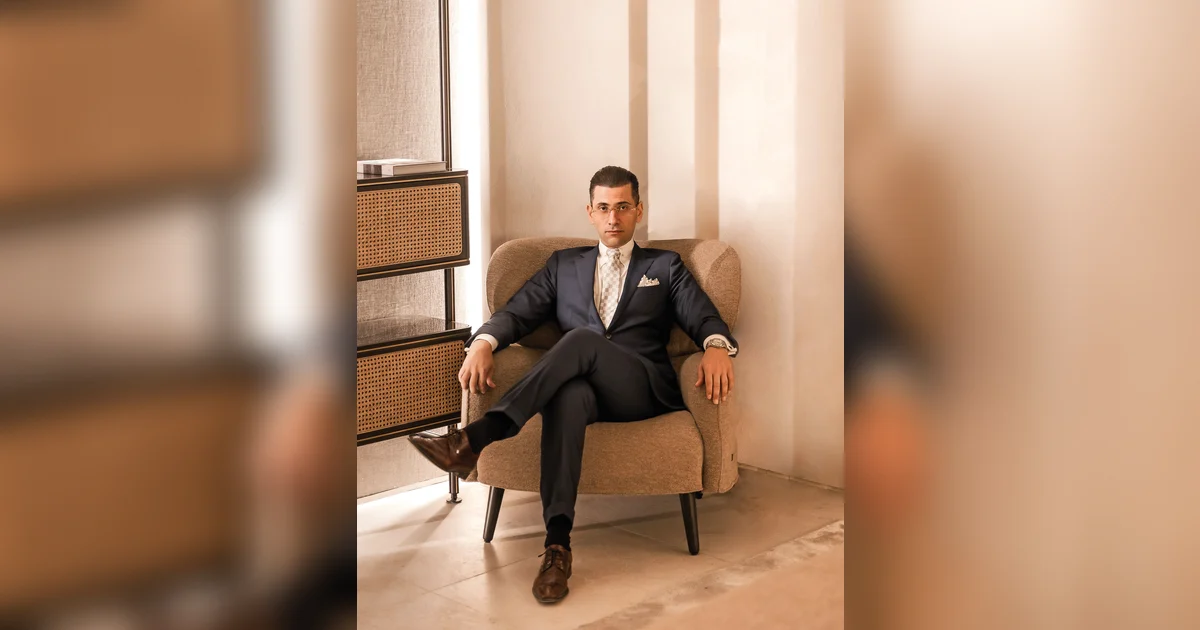
    The United Arab Emirates is witnessing a significant transformation in wealth management strategies as its burgeoning class of successful entrepreneurs increasingly adopt family office structures to navigate complex financial landscapes. This evolution represents a fundamental shift from traditional investment approaches toward comprehensive, multi-generational wealth preservation and growth frameworks.

    With the rapid expansion of founder-led businesses across the Emirates, entrepreneurs face increasingly sophisticated financial decisions involving personal wealth management, business reinvestment strategies, global asset allocation, and long-term family priorities. Conventional investment channels—including venture capital and private banking services—typically address isolated aspects of this journey but fail to provide holistic solutions.

    Family offices have emerged as the preferred mechanism for addressing these comprehensive needs. Originally developed for established business dynasties, these structures have been adapted by modern entrepreneurs seeking greater control, flexibility, and long-term perspective. The UAE’s stable regulatory environment, attractive tax policies, and maturing private-market ecosystem have accelerated this transition, positioning Dubai and Abu Dhabi as magnets for both regional and international family offices.

    The appeal of family offices lies in their unique ability to provide long-term alignment with entrepreneurial objectives. Unlike traditional investors operating within fixed fund cycles, family offices invest with generational horizons, allowing entrepreneurs to pursue sustainable growth strategies, complex ventures, and market expansion without short-term exit pressures.

    Beyond capital deployment, these institutions offer strategic depth through decades-old networks spanning real estate, technology, logistics, and healthcare sectors. For founders entering new geographic markets or industries, access to these relationships proves invaluable for establishing partnerships, distribution channels, talent acquisition, and regulatory navigation.

    The comprehensive service spectrum of family offices—encompassing wealth planning, investment structuring, estate management, philanthropy, governance frameworks, and next-generation education—provides entrepreneurs with integrated support that reduces fragmentation in decision-making processes.

    A distinctive trend has emerged with the rise of entrepreneur-led family offices, where founders transition from operating single companies to managing diversified investment portfolios. These dynamic structures typically demonstrate more hands-on approaches, greater innovation openness, and active engagement in opportunity identification—characteristics that align perfectly with the UAE’s expanding technology, advanced industries, and private markets.

    The UAE’s distinctive combination of regulatory clarity and global connectivity—evidenced through DIFC and ADGM’s family-wealth frameworks, residency incentives, and streamlined investment structures—has established the nation as a premier hub for family offices seeking Middle Eastern footholds. This ecosystem fosters increasingly collaborative relationships between entrepreneurs and family offices, transforming them from mere investor-beneficiary arrangements into partnerships that shape long-term economic development.

    As Emirati founders continue expanding across borders, diversifying assets, and planning generational transitions, family offices provide the structural foundation to support these ambitions. In a region characterized by growing innovation, capital concentration, and entrepreneurial energy, these institutions are quietly emerging as powerful drivers behind the next chapter of wealth creation and business development.

  • Key economic sectors powering the UAE’s new business elite

    Key economic sectors powering the UAE’s new business elite

    The United Arab Emirates is witnessing the emergence of a formidable class of corporate leaders as key economic sectors demonstrate remarkable resilience amid global market uncertainties. Unlike many international counterparts struggling with trade disruptions, UAE-based enterprises are reporting robust revenue performance, enhanced policy clarity, and growing confidence in cross-border expansion.

    Manufacturing has evolved into a cornerstone of non-oil economic development, transitioning from basic assembly operations to sophisticated production facilities. Companies are implementing multi-country manufacturing strategies, particularly strengthening production links with South Asia. Approximately 31% of UAE firms have increased output in India, with parallel expansion occurring in Sri Lanka—far exceeding global averages.

    The logistics sector has transformed from a support function to a strategic growth engine, leveraging the UAE’s geographic position as a trade corridor connecting Asia, Africa, and Europe. Freight operators, customs technology firms, and logistics platforms are capitalizing on the reorganization of global trade routes, building flexible networks adaptable to tariff shifts and geopolitical changes.

    Financial services have emerged as critical enablers of economic expansion, with Dh167.6 billion in foreign direct investment recorded in 2024. Banking institutions and fintech platforms are developing sophisticated solutions to support increasingly complex international business operations, structuring capital around growth and cross-border scalability.

    Real estate development has matured beyond speculative cycles, with successful firms focusing on infrastructure that supports trade, logistics, and manufacturing. Industrial zones, logistics-linked developments, and mixed-use business districts are attracting substantial long-term investment, creating operational ecosystems rather than standalone projects.

    Wholesale and retail sectors have transcended domestic limitations, utilizing Comprehensive Economic Partnership Agreements with Asia, Europe, and Africa to scale rapidly across borders. This expansion, combined with free zone ecosystems and streamlined licensing, has enabled mid-sized firms to achieve unprecedented growth.

    Technology functions as a multiplicative force across all sectors, with supply chain analytics, customs automation, and industrial software embedding deeply into the UAE’s economic framework. This integration has contributed to dramatic business formation growth, with operating companies surpassing 1.3 million—a significant increase from approximately 400,000 in 2020.

    This sectoral strength reflects deliberate policy alignment including regulatory reform, full foreign ownership provisions, competitive free zones, and strategic infrastructure investment. As HSBC’s Deyana Cherneva notes, UAE companies are proactively reshaping operations to capture opportunities rather than merely adapting to change, creating an ecosystem where confidence is engineered through structure, policy, and execution.

  • Tiger Properties launches “Tiger Downtown Ajman” with $10 billion investment

    Tiger Properties launches “Tiger Downtown Ajman” with $10 billion investment

    In a landmark move for UAE real estate, Tiger Properties has announced the launch of Tiger Downtown Ajman, a transformative $10 billion mixed-use development in the Al Aaliya area. This ambitious project marks the developer’s strategic expansion into Ajman following its established successes in Sharjah, Dubai, and Abu Dhabi.

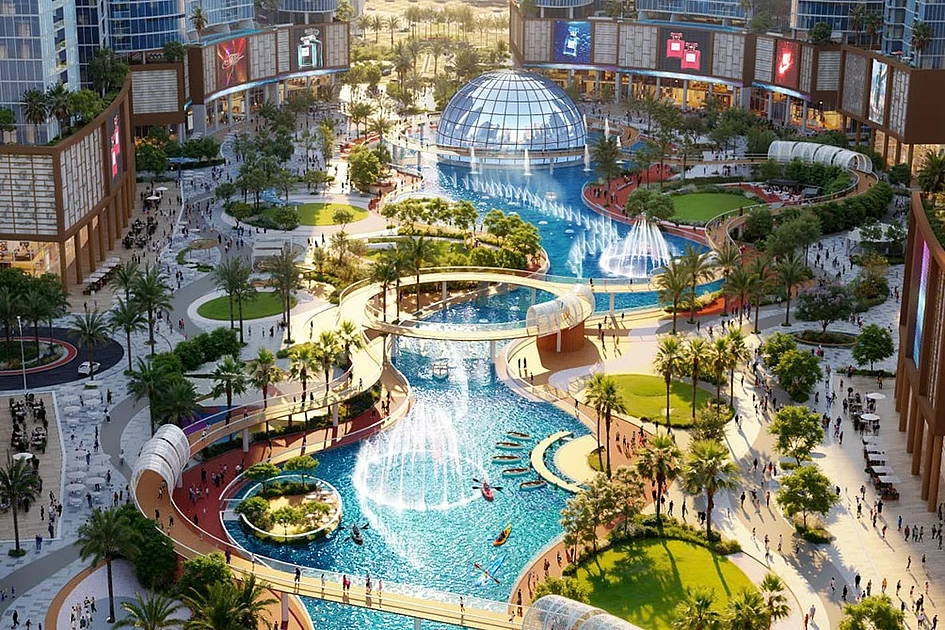
    Encompassing a vast 4.27 million square meters, the master-planned community is conceived as a fully integrated waterfront city featuring contemporary architectural designs. The residential portfolio will include comprehensively furnished studios, one-bedroom and two-bedroom apartments, duplexes, and luxury penthouses, all designed to offer spacious living with panoramic views.

    The development’s centerpiece will be an intricate lagoon system weaving throughout the property, creating a unique aquatic living environment. Residents will have access to an extensive suite of over 25 premium amenities, including a multi-purpose dome, waterfront restaurants, an elevated walkway, an interactive plaza, sports courts, an amphitheater, landscaped gardens, and signature art installations. Luxury wellness facilities will feature a jacuzzi, sauna, massage room, and cold plunge pool.

    The inaugural phase will introduce Orchid Towers 1 and 2, with units available to all nationalities through flexible payment plans extending up to five years. CEO Engineer Amer Waleed Al Zaabi emphasized the project’s response to growing ownership and investment demand, citing its prime location, modern amenities, and competitive pricing as key differentiators.

    Construction is projected to span three years, with unit handovers anticipated for the fourth quarter of 2028. Al Zaabi expressed strong confidence in both the resilience of the UAE real estate market and Ajman’s capacity to sustain growing market demand, reinforcing the company’s commitment to elevating residential experiences and meeting client aspirations through quality execution and innovative design.

  • Trump Media to merge with nuclear fusion firm in $6bn deal

    Trump Media to merge with nuclear fusion firm in $6bn deal

    In an unexpected strategic pivot, Trump Media & Technology Group (TMTG) has announced a landmark merger with California-based energy firm TAE Technologies, creating a combined entity valued at over $6 billion. The agreement, unveiled Thursday through a joint statement, marks TMTG’s dramatic transition from social media and financial services into the advanced energy sector.

    The newly formed organization will position itself as one of the world’s first publicly traded nuclear fusion companies, with ambitious plans to commence construction of the inaugural utility-scale fusion power plant as early as next year. This venture represents a significant bet on fusion energy—a cutting-edge technology that generates power through nuclear fusion reactions, potentially producing enormous energy output with minimal radioactive byproducts.

    Under the merger terms, both companies will maintain equal 50% ownership stakes upon deal finalization, anticipated by mid-2026 pending regulatory reviews and shareholder approvals. TAE Technologies brings to the partnership substantial expertise in energy storage systems and power delivery solutions for batteries and electric vehicles, alongside its subsidiary TAE Life Sciences which focuses on cancer treatment technologies.

    Devin Nunes, CEO of TMTG, characterized the move as a transformative step toward securing American energy dominance through revolutionary technology. He emphasized that his organization would provide crucial capital markets access and financing to accelerate the commercialization of TAE’s fusion technology.

    The timing coincides with resurgent interest in reliable clean energy solutions, particularly driven by soaring electricity demands from artificial intelligence data centers. This energy crunch has revitalized nuclear power investments globally, including reactor restarts, facility expansions, and development of small modular reactors.

    TAE Technologies has previously secured more than $1.3 billion in funding from prominent investors including Google and Goldman Sachs, underscoring the technological credibility behind this unconventional partnership between political media and advanced energy innovation.

  • The UAE is a land of limitless opportunities

    The UAE is a land of limitless opportunities

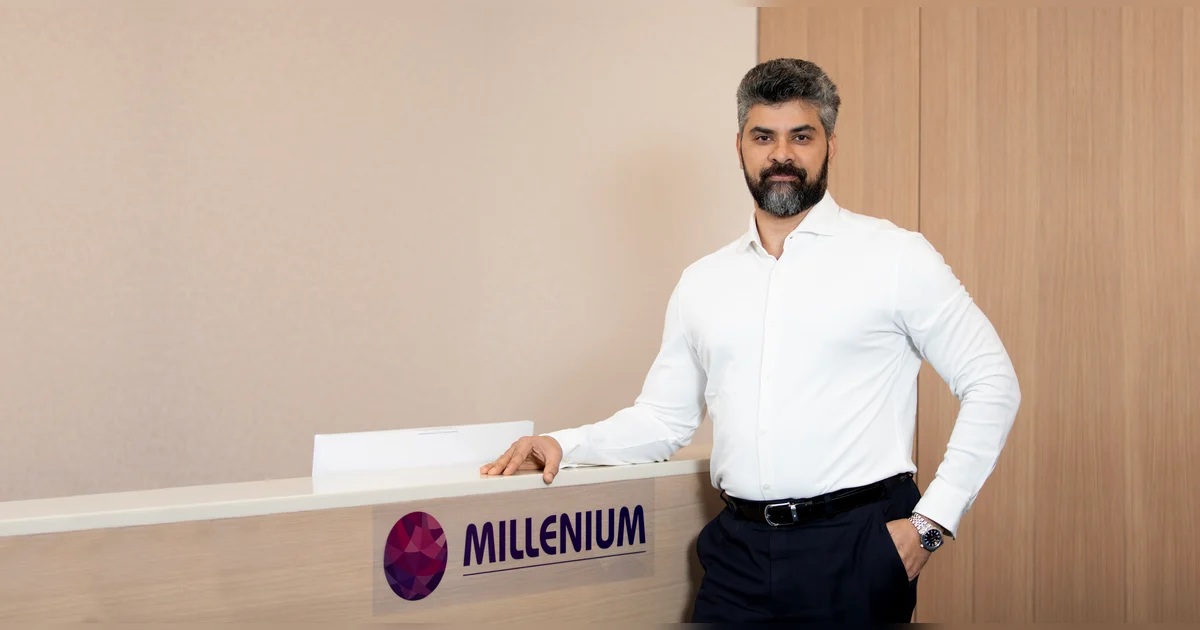
    The United Arab Emirates is positioning itself as a global hub for next-generation industrial development, with technology and sustainability driving its economic transformation. According to Hareeish Kumar, CEO of Millenium, the nation’s business landscape is being reshaped by artificial intelligence, smart logistics, and green technology innovations that create unprecedented opportunities for growth-oriented enterprises.

    In a comprehensive executive interview, Kumar revealed how the UAE’s unique ecosystem fosters entrepreneurial success through its culture of openness, ambition, and tolerance. The country’s pro-business environment and world-class infrastructure have enabled companies like Millenium to embrace innovation while maintaining ethical business practices and global-standard professionalism.

    The CEO outlined ambitious expansion plans into food ingredients, specialty chemicals, manufacturing, and logistics sectors, strategically aligning with national priorities including industrial transformation, sustainability initiatives, and supply-chain localization efforts. This direction supports the UAE’s broader economic diversification goals and its ‘Make it in the Emirates’ industrial strategy.

    Addressing sustainability commitments, Kumar emphasized that environmental responsibility is integrated throughout operations—from responsible sourcing and waste reduction to product innovation and energy efficiency. The company collaborates with global partners to introduce sustainable ingredients and eco-friendly chemical solutions, supporting the UAE’s Net Zero 2050 vision.

    Technological adoption has been crucial to growth, with supply-chain automation, digital operations, and data-driven insights enabling expansion. Future industrial trends will be defined by AI-enabled manufacturing, digital traceability systems, and advanced e-commerce infrastructure according to the executive.

    Networking and strategic partnerships have proven vital in the UAE’s multicultural business environment, with transparent collaborations built on trust and shared value creation driving success. Kumar’s advice to emerging entrepreneurs emphasizes ethical foundations, investment in human capital, and leveraging the UAE’s innovation-friendly ecosystem to overcome inevitable challenges.

    The executive’s insights highlight how the UAE’s strategic vision creates a platform where determined visionaries can achieve extraordinary success through resilience and adaptation to market dynamics.

  • Good Goods with good vision

    Good Goods with good vision

    BANGKOK – Central Group, Thailand’s premier retail conglomerate, is strategically expanding its socially-conscious brand Good Goods through an innovative approach to rural economic development. Executive Director Pichai Chirathivat draws inspiration from the ancient Chinese proverb about teaching fishing rather than giving fish, applying this philosophy to transform Thailand’s rural economies.

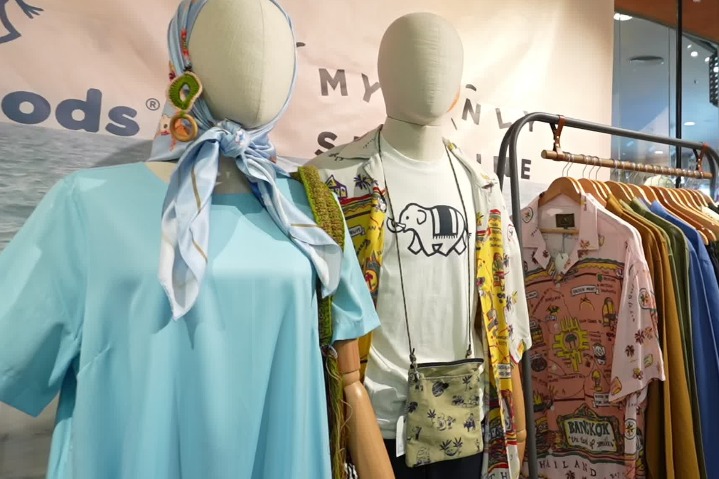
    The initiative, launched eight years ago, serves as a sustainable marketplace connecting rural Thai producers with both domestic and international consumers. Good Goods has systematically developed supply networks across approximately 40 of Thailand’s 77 provinces, with 15 provinces now established as regional learning centers and tourism destinations alongside their production roles.

    Pichai’s vision extends beyond traditional retail by positioning Good Goods at the intersection of cultural preservation and commercial innovation. The brand specifically focuses on products that embody Thailand’s cultural heritage while ensuring contemporary market relevance.

    Looking toward international expansion, Pichai identifies China as a priority market. Rather than pursuing pure e-commerce, he envisions a comprehensive market entry strategy beginning with physical retail locations in major cities like Shanghai or Beijing, complemented by online sales channels to deliver a complete brand experience.

    The product portfolio is also evolving, with plans to introduce furniture and home decor items that reflect Thai craftsmanship. This expansion represents both a business growth strategy and a mechanism to support additional artisan communities throughout Thailand.

  • Price increases in the US ease in November

    Price increases in the US ease in November

    Recent economic indicators reveal a notable cooling of inflationary pressures across the United States, with official data confirming a deceleration in price growth for November. According to the Labor Department’s delayed Consumer Price Index (CPI) report, prices increased by 2.7% annually through November, marking a discernible decline from September’s 3% rate and falling below many economic forecasts.

    The moderation was driven by declining costs across multiple consumer categories including hotel accommodations, dairy products such as milk, and select apparel items. This development occurs against a backdrop of mounting public frustration over persistent price escalations that have placed political pressure on the Trump administration to deliver economic relief.

    Market analysts interpreted the data as potentially strengthening the Federal Reserve’s rationale for continuing its interest rate reduction strategy. Art Hogan, Chief Market Strategist at B. Riley Wealth, noted that the November figures reflected aggressive retail discounting during the early holiday shopping season, though he cautioned about drawing sweeping conclusions due to data limitations.

    The statistical release faced unprecedented delays caused by the recent federal government shutdown, which also disrupted the collection of October economic data. This gap complicates trend analysis, creating what Hogan described as ‘statistical errors that might have been present in today’s report.’ Despite these irregularities, the overall trajectory suggests a moderating inflationary environment that could shape both monetary policy and political discourse in coming months.

  • Dubai real estate evolution: Building for a changing future

    Dubai real estate evolution: Building for a changing future

    Dubai’s property sector represents one of the world’s most dynamic and rapidly evolving markets, continuously transformed by visionary policies, technological innovation, and strategic national planning. Manuel Gallo, Associate Director at AQUA Properties, has built his career on interpreting these changes since his first encounter with the emirate in 2005.

    Gallo’s entrepreneurial journey began when he witnessed Dubai’s extraordinary transformation, recognizing that iconic projects like the Burj Khalifa symbolized much more than architectural achievements—they represented the nation’s future trajectory. This perspective has shaped his business philosophy: anticipating trends, adapting swiftly, and aligning with the UAE’s long-term vision.

    The UAE’s business environment, characterized by transformative policies such as freehold ownership and 100% foreign business ownership, has fundamentally influenced Gallo’s approach. He describes these measures not merely as regulatory changes but as intentional signals of the nation’s direction. This has cultivated an operational style that is decisive, globally connected, and deeply attuned to the underlying narratives behind governmental decisions.

    Addressing market challenges, Gallo emphasizes the necessity of synchronization with Dubai’s rapid evolution. He references Marshall McLuhan’s ‘extension effect’ concept, explaining how his business grows in harmony with the city rather than resisting change. Early recognition of transformations, he notes, often proves more valuable than perfect execution in response.

    Sustainability and social responsibility form integral components of Gallo’s business model, reflecting Dubai’s regulatory framework where environmental consciousness is embedded in infrastructure and national strategy. His company prioritizes transparency, responsible growth, and solutions that actively contribute to the UAE’s ecological and social objectives.

    Technology represents another critical dimension of Gallo’s strategy. He observes that technological integration has moved beyond accessory status to fundamentally reshape urban functionality. Emerging trends include AI-driven irrigation systems, climate-adaptive vegetation, smart shading solutions, and bio-engineered green corridors—all designed to create healthier, human-centric communities.

    Gallo also identifies a significant shift toward ‘Made in Dubai’ and ‘Made in the UAE’ initiatives, indicating reduced import reliance and growing capabilities in manufacturing, sustainable materials, and advanced production. These developments are positioning Emirati products to compete with, and potentially surpass, traditional global standards.

    Networking and partnerships have played architectural roles in Gallo’s journey, connecting diverse people, capital, and ideas within the UAE’s multicultural ecosystem. For emerging entrepreneurs, he offers decisive advice: build with intentionality, interpret the signals embedded in Dubai’s development, and align business strategies with the nation’s visionary trajectory for sustainable success.

  • The elusive dream of rock-bottom US interest rates

    The elusive dream of rock-bottom US interest rates

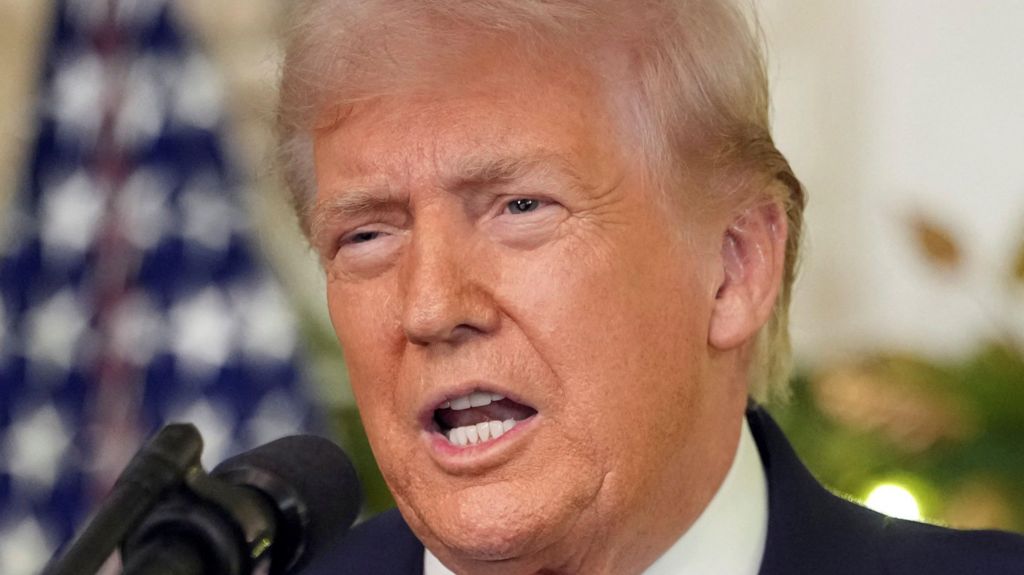
    As President Donald Trump prepares to appoint a new Federal Reserve Chair to succeed Jerome Powell in the coming months, expectations of dramatically lower interest rates for agricultural and business borrowers may prove overly optimistic. Despite Trump’s well-documented preference for substantially reduced rates—having previously suggested the federal funds rate should sit between 1% and 2%—structural and institutional constraints within the Federal Reserve system present significant obstacles.

    The Federal Open Market Committee (FOMC), which determines interest rate policy, comprises 12 voting members. Only six are presidential appointees subject to Senate confirmation, serving protected 14-year terms removable only ‘for cause.’ The remaining five voting members are regional Federal Reserve bank presidents selected by their respective boards, with voting privileges rotating annually among all 12 regional presidents.

    Recent FOMC deliberations reveal substantial resistance to aggressive rate cuts. The December meeting saw a 9-3 vote approving merely a quarter-point reduction, with dissents coming from both directions—one member advocating for a half-point cut while two others preferred maintaining current rates. The Fed’s latest ‘dot plot’ projections indicate that 11 of 19 committee members anticipate no further cuts in the coming year, while four foresee no more than one additional reduction.

    Market analysts note that current rates appear to be approaching what economists call R-star—the neutral interest rate that neither stimulates nor restrains economic growth. While estimates vary between 2% and 3%, most FOMC members project the federal funds rate will remain near or above the current 3.25%-3.5% range through 2026. Even if Trump appoints a chair sympathetic to his views, that individual would need to persuade a majority of committee members whose longer terms insulate them from presidential pressure.

    Attempts to dramatically reshape the Fed’s composition through legislation or executive action could backfire, potentially spooking bond markets and driving up long-term rates precisely opposite to Trump’s objectives. Historical precedent also suggests appointed chairs may not automatically align with presidential preferences, as demonstrated by Trump’s ongoing dissatisfaction with his own appointee Jerome Powell.