分类: business

  • GCC set for stronger growth in 2026 as economies gain momentum

    GCC set for stronger growth in 2026 as economies gain momentum

    The Gulf Cooperation Council (GCC) economies are positioned for a notable growth acceleration in 2026, with projections indicating a robust expansion despite persistent challenges in global oil markets. According to the latest analysis from Oxford Economics, regional GDP growth is forecast to reach 4.4% in 2026, marking a significant improvement from the anticipated 4% growth in 2025.

    This optimistic outlook follows two years of subdued performance characterized by oil production constraints and volatile global economic conditions. The projected acceleration signals a fundamental strengthening across Gulf economies, driven primarily by resilient non-energy sectors, vigorous consumer activity, and gradually recovering hydrocarbon output.

    Consumer spending has emerged as a cornerstone of the region’s economic resilience. Favorable conditions including low inflation, tight labor markets, and growing disposable incomes are creating powerful tailwinds for household expenditure. With unemployment rates hovering at record lows and continued foreign investment inflows supporting diversification initiatives, consumer-led economic activity is expected to dominate the regional growth narrative throughout 2026.

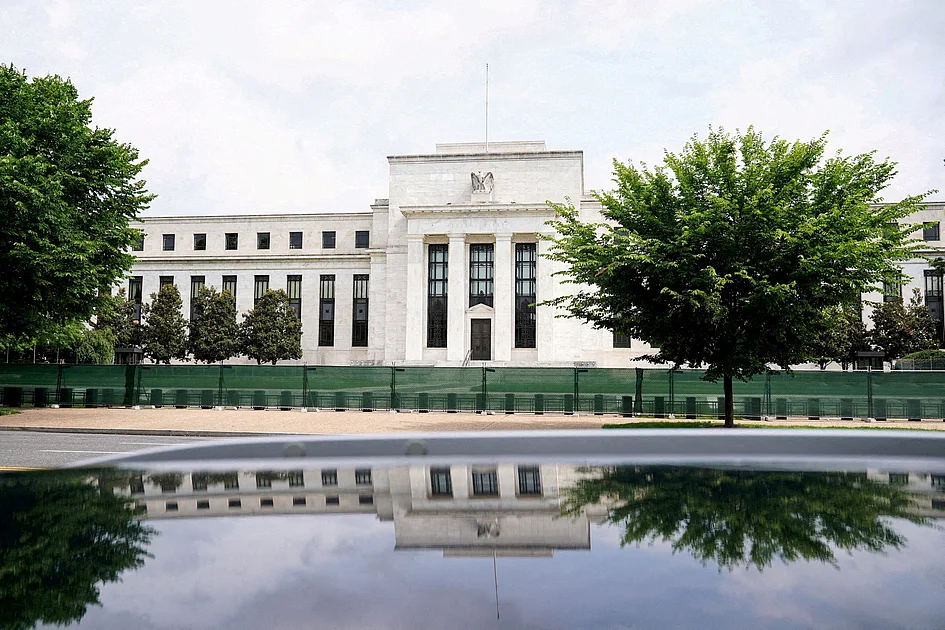
    Financial sector dynamics are further supporting this expansion. GCC central banks, maintaining their dollar peg policies, are anticipated to mirror expected Federal Reserve rate cuts, thereby reducing borrowing costs across the region. This monetary environment is likely to sustain elevated credit growth while encouraging both household spending and business investment.

    The hydrocarbon sector presents a more complex picture. OPEC+ production constraints are expected to persist through the first half of 2026 amid elevated global inventories and softer oil prices, potentially dipping below $60 per barrel early in the year. This temporary limitation may particularly affect economies with higher dependence on oil extraction. However, analysts project a production rebound in the latter half of 2026 as inventory levels normalize and global demand strengthens. Qatar stands out as a regional exception, with substantial expansions in liquefied natural gas production expected to drive exceptional economic performance.

    Fiscal policies across the GCC are demonstrating strategic divergence in response to evolving revenue conditions. Saudi Arabia has outlined a 2026 budget featuring a 6% reduction in capital expenditure as part of deficit reduction efforts. Conversely, more diversified economies including the UAE are pursuing expansionary fiscal measures, with the federation’s 2026 budget envisioning a substantial 29% increase in both spending and revenues, reflecting confidence in non-oil sector performance and commitment to long-term economic transformation.

    Despite near-term risks associated with oil price volatility and global demand uncertainties, the GCC’s economic foundation appears increasingly solid. The convergence of consumer resilience, non-energy sector vitality, improving hydrocarbon dynamics, and strategic fiscal management suggests the region is entering one of its most balanced growth phases in recent years, with clear upward momentum in overall economic expansion.
  • XDC Network hosts ADFW leaders’ as institutions accelerate blockchain adoption

    XDC Network hosts ADFW leaders’ as institutions accelerate blockchain adoption

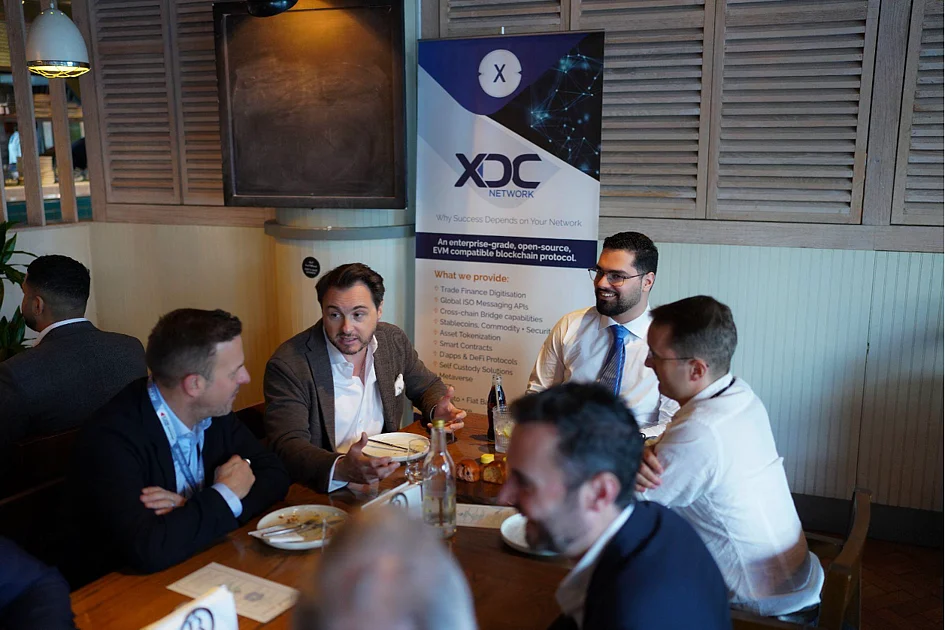
    Abu Dhabi has emerged as the epicenter for institutional blockchain integration as XDC Network, in collaboration with Zodia Markets, convened an exclusive gathering of financial titans during Abu Dhabi Finance Week (ADFW). The private luncheon, titled “Capital OnChain,” assembled senior representatives from Citi, State Street, Coinbase, Circle, Galaxy, Bitgo, Standard Chartered, and other leading institutions to advance strategic dialogues on distributed ledger technology.

    The closed-door forum facilitated candid discussions on three critical industry priorities: enhancing cross-border settlement efficiency, overcoming institutional adoption barriers, and developing frameworks for real-world asset tokenization. This high-level convergence signals a significant acceleration in blending traditional finance with blockchain infrastructure.

    Atul Khekade, Co-Founder of XDC Network, emphasized the transformative momentum: “The integration of distributed ledger technology into global capital markets requires precisely this type of collaborative environment where major institutions and blockchain innovators can forge essential partnerships.”

    Hosted by Abu Dhabi Global Market (ADGM), ADFW has rapidly established itself as a cornerstone of global financial leadership, attracting institutions managing over $42 trillion in assets. The event featured participation from regulatory bodies including VARA, alongside prominent market participants such as Brevan Howard, Further Ventures, DRW, Selini Capital, and 3iQ Corp.

    Industry participants highlighted the UAE’s evolution into a global digital asset hub, underpinned by ADGM’s clear regulatory frameworks and strong governmental support for financial innovation. The discussions reflected a growing institutional shift toward on-chain finance solutions that promise enhanced operational efficiency, reduced costs, and innovative financial product development.

    The consensus among attendees confirmed that such exclusive forums are instrumental in accelerating blockchain adoption within traditional finance, positioning infrastructure platforms like XDC Network as foundational elements in the evolving digital asset ecosystem.

  • Ajman Bank launches digital extension scheme to boost smart services

    Ajman Bank launches digital extension scheme to boost smart services

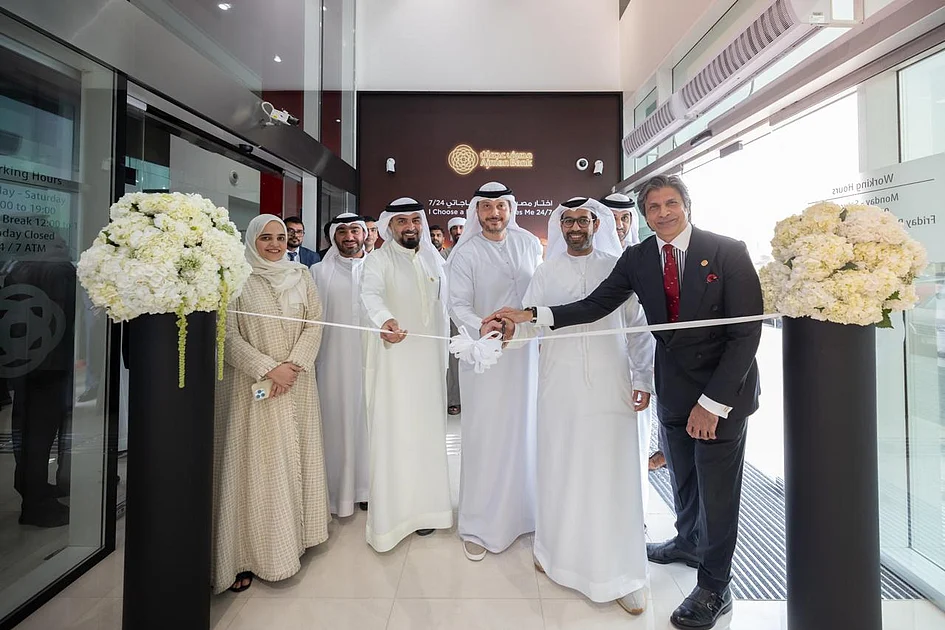
    Ajman Bank has inaugurated a groundbreaking Digital Extension initiative, marking a significant advancement in its portfolio of intelligent, customer-focused financial services. This innovative platform is engineered to deliver seamless access to essential banking operations through a technologically sophisticated environment, enhancing both efficiency and convenience while upholding rigorous standards of service quality and Shariah compliance.

    The Digital Extension facilitates instantaneous account openings via iPad-enabled onboarding systems, provides smart digital assistance, and enables customers to execute numerous critical banking transactions digitally. Available services encompass IBAN certificate issuance, liability and clearance certificates, reference letters, detailed bank statements, and SWIFT message confirmations. Additionally, customers can digitally update personal information including email addresses and mobile numbers, and submit postponement requests through a fully streamlined digital process.

    Faizal Kundil, Head of Consumer Banking at Ajman Bank, emphasized the practical implications of this development: ‘This launch signifies a tangible evolution in our service delivery methodology. We are dedicated to simplifying routine banking, minimizing processing durations, and ensuring customers can conduct essential transactions with maximum efficiency, all while maintaining robust governance, security, and Shariah compliance.’

    The initiative incorporates automation and intelligent technologies to navigate customers through their banking requirements, resulting in accelerated turnaround times, improved consistency, and an elevated overall experience. This digital expansion complements the bank’s physical branch network while supporting its comprehensive transformation strategy across digital services and operational frameworks.

    Mohammed Mardas, Head of Distribution at Ajman Bank, noted the paradigm shift in retail banking: ‘Contemporary customers demand immediacy, transparency, and autonomy whether opening accounts, requesting documentation, or managing daily banking activities. By integrating instant account opening, intelligent digital assistance, and an extensive array of self-service transactions, we empower customers to complete crucial procedures seamlessly, eliminating reliance on physical counters or manual processing.’

    This strategic move reflects Ajman Bank’s commitment to modernizing service delivery mechanisms and responding to dynamically evolving customer expectations regarding speed, accessibility, and user experience.

  • UAE cements position among world’s fastest-growing economies in 2025

    UAE cements position among world’s fastest-growing economies in 2025

    The United Arab Emirates has solidified its status as one of the world’s premier economic growth stories in 2025, demonstrating remarkable resilience and diversification beyond its traditional oil sector. According to recently released data, the nation’s non-oil foreign trade surged by an impressive 24.5% during the first half of the year, reaching Dh1.7 trillion—a growth rate approximately fourteen times faster than the global average.

    This economic transformation stems from multiple strategic factors including robust foreign and domestic investment, business-friendly regulatory reforms, and a flexible economic environment. The UN Conference on Trade and Development’s World Investment Report 2025 positioned the UAE tenth globally for inbound foreign direct investment, recording Dh167.6 billion in 2024.

    Financial institutions have responded positively to the UAE’s economic trajectory. The International Monetary Fund upgraded its 2025 growth forecast to 4.8%, while major rating agencies including Fitch, Moody’s, and S&P Global reaffirmed the country’s sovereign ratings, highlighting strong economic performance and prudent fiscal management.

    The Central Bank of the UAE reported substantial growth in banking sector assets, which climbed to Dh5.19 trillion by September 2025, with gross credit expanding to Dh2.47 trillion. Simultaneously, the institution launched the National Financial Inclusion Strategy 2026–2030 to enhance financial service accessibility and strengthen systemic stability.

    Real GDP expanded by 4.2% year-on-year to Dh929 billion in H1 2025, with non-oil GDP growing even faster at 5.7% to Dh720 billion. This represents a significant structural shift, with non-oil activities now constituting 77.5% of real GDP while oil-related contributions account for just 22.5%.

    The government has further demonstrated its commitment to economic development through the approval of a record Dh92.4 billion Federal Budget for 2026. Industrial development received a major boost through the Ministry of Industry and Advanced Technology’s agreements with national banks, securing over Dh40 billion in financing. The “Make it in the Emirates” platform concluded its fourth edition with industrial projects valued at more than Dh11 billion and unprecedented attendance exceeding 122,000 visitors.

    Strategic vision documents approved in 2025 include the National Investment Strategy 2031, featuring twelve programs and thirty initiatives designed to increase annual foreign investment inflows from Dh112 billion in 2023 to Dh240 billion by 2031. The strategy aims to expand the UAE’s total foreign investment stock from Dh800 billion to Dh2.2 trillion. Complementary initiatives include the establishment of a National Investment Fund with initial capital of Dh36.7 billion and the UAE Strategy for Islamic Finance and Halal Industry to cement the country’s global hub status.

    Entrepreneurship and business formation have flourished, with the launch of the “UAE Future 50” initiative across fifteen sectors and a national campaign positioning the country as a global capital for entrepreneurs. The program targets the training and incubation of 10,000 entrepreneurs. Business registration data reveals extraordinary activity, with over 220,000 new companies established between January and November, accompanied by more than 36,000 new trademarks—a 48.2% increase from the previous year.

    The UAE has additionally strengthened its position as an international trade gateway through expanded comprehensive economic partnership agreements. The introduction of the “UAE Global Centre of Trade” program targets the world’s top 1,000 international trading companies, while a new digital gateway connects thousands of UAE exporters to global markets. Intellectual property protection has seen remarkable growth, with 402,311 registered national and international trademarks by September—including nearly 20,000 registered in the first half of 2025 alone, representing a 129% year-on-year increase.

  • Return of ‘Make Europe Great Again’ trades hinges on German comeback

    Return of ‘Make Europe Great Again’ trades hinges on German comeback

    The much-anticipated ‘Make Europe Great Again’ (MEGA) trade momentum faces critical tests as investors await concrete evidence of Germany’s fiscal stimulus effectiveness and potential Ukraine peace developments. Despite recording substantial inflows exceeding $86 billion into European equities throughout 2025, investment patterns have significantly moderated with merely $23 billion entering markets during the past six months according to Barclays-tracked EPFR data.

    European markets initially outperformed U.S. counterparts during early 2025, fueled by collective defense spending increases, Germany’s groundbreaking borrowing rule revisions, and dampened confidence in American assets following Trump administration tariffs. This convergence created the ideal conditions for the MEGA phenomenon that investors had long anticipated.

    However, as tariff concerns gradually diminished, European equities resumed their traditional pattern of underperformance relative to U.S. markets. The euro similarly retreated from its September peak near $1.20, remaining below this four-year high watermark.

    Market analysts identify Germany’s March fiscal policy overhaul as a potential game-changer for the European economy. The nation, representing approximately one-quarter of the EU’s collective GDP, significantly relaxed spending constraints to accelerate infrastructure and defense investments. Yet concerns emerge regarding allocation priorities, with current expenditures favoring social spending over transformative infrastructure projects that would generate more durable economic benefits.

    Zurich Insurance Group’s euro zone market strategy head Ross Hutchison noted budgetary plans appear ‘not as ambitious as we would have liked,’ reflecting widespread investor caution. Execution risks remain substantial given Germany’s historical underdelivery on investment commitments, recently prompting three leading economic institutes to downgrade 2026 growth forecasts citing limited spending momentum and sluggish structural reforms.

    Valuation metrics reveal pervasive pessimism, with German stocks showing zero gains during the second half of 2025 despite a 20% annual advance. European equities currently trade at approximately 35% discount to U.S. counterparts based on forward earnings—hovering near record disparity levels.

    Schroders fund manager Dominique Braeuninger acknowledges this creates substantial upside potential, noting ‘the bar is very low’ for positive surprises. Additional momentum could emerge from projected STOXX 600 earnings recovery following 2025 contractions, based on LSEG I/B/E/S estimates.

    Geopolitical factors including potential Ukraine conflict resolution present another catalyst. Citi data indicates European equity funds remain 14% below pre-war asset levels, with recent inflows recovering merely one-tenth of departed capital. Peace negotiations or ceasefire agreements could trigger sentiment improvements, though initial impacts would likely concentrate in energy-sensitive sectors benefiting from lower prices. Reconstruction opportunities exceeding $500 billion over the next decade present additional long-term potential.

    Currency markets reflect similar uncertainties, with the euro registering its strongest annual gain since 2017 at 13% appreciation against the dollar throughout 2025 before plateauing since June. Goldman Sachs projects further advancement to $1.25 primarily driven by dollar weakness, while UBS anticipates retreat to $1.14 citing insufficient reasons for dollar sell-offs.

    Amundi’s global FX head Andreas Koenig emphasizes the enduring dominance of U.S. monetary policy, stating ‘Most of the time FX is more dominated by what happens in the U.S. and what the Fed does.’ The European Central Bank’s policy trajectory, German stimulus implementation, and Ukraine developments will collectively influence euro dynamics, though dollar strength remains the predominant factor.

  • China launches $113 billion free-trade experiment on Hainan island

    China launches $113 billion free-trade experiment on Hainan island

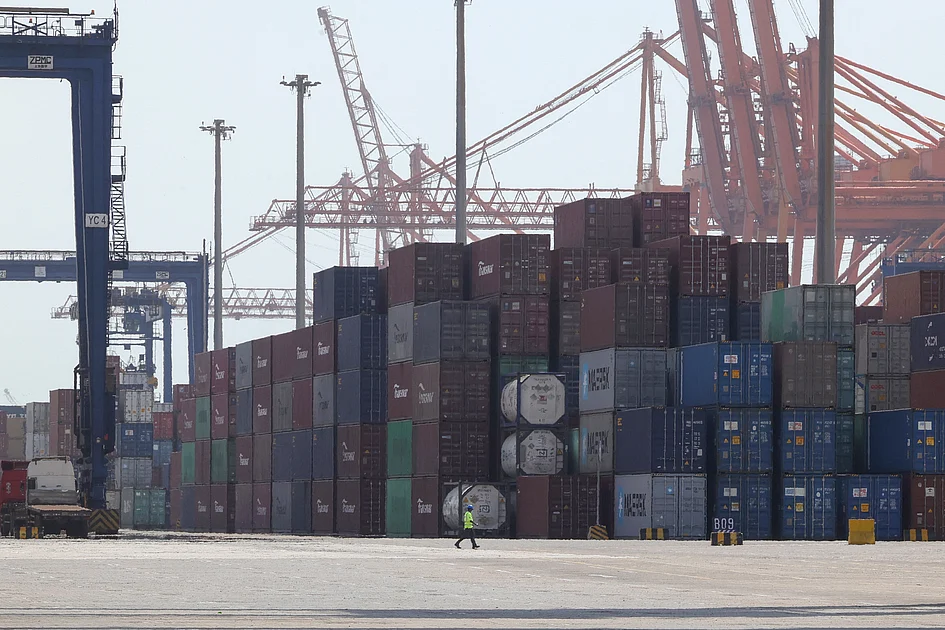
    China has initiated a groundbreaking economic experiment by transforming its southern island province of Hainan into a massive free trade port, marking one of Beijing’s most ambitious market liberalization efforts to date. The newly launched Hainan Free Trade Port, with an economy comparable to the world’s 70th largest nation, has been officially separated from mainland customs processing in a strategic move to establish a Hong Kong-style commercial hub.

    The project represents a significant component of China’s broader strategy to enhance its free-trade credentials and potentially join the Comprehensive and Progressive Agreement for Trans-Pacific Partnership (CPTPP). Under the new framework, foreign goods achieving at least 30% local value-added content can enter China’s massive consumer market tariff-free, while international firms gain access to service sectors traditionally restricted on the mainland.

    Chinese Vice Premier He Lifeng characterized the initiative as a “major strategic decision” and “vital gateway” for China’s new era of global economic engagement. The timing appears strategically significant, coming amid ongoing trade tensions with the United States and China’s efforts to diversify its $19 trillion economy while strengthening its position in global supply chains.

    Economic analysts note that Hainan’s transformation serves multiple strategic purposes: boosting foreign investment amid a 10.4% year-on-year decline in FDI during the first three quarters of 2025, enhancing China’s regional trade connectivity with Southeast Asia, and creating a testing ground for market liberalization policies that could eventually expand nationwide.

    However, experts caution that significant challenges remain. The island province, with its $113 billion GDP, must compete with established hubs like Hong Kong ($407 billion economy) while lacking comparable legal systems and financial openness. Additionally, trade negotiators question whether CPTPP members will view the project as sufficient evidence of China’s commitment to economy-wide reforms required for membership in the high-standard trade bloc.

  • EV trends to expect in 2026: The year electric mobility truly matures

    EV trends to expect in 2026: The year electric mobility truly matures

    The global automotive landscape is undergoing a radical transformation as electric vehicles transition from niche innovation to mainstream transportation. Projections indicate electric mobility will capture 26.7% of the global market share in 2026, accelerating to 42% by 2030 and eventually reaching 83% dominance by 2040 according to Auto Vista data.

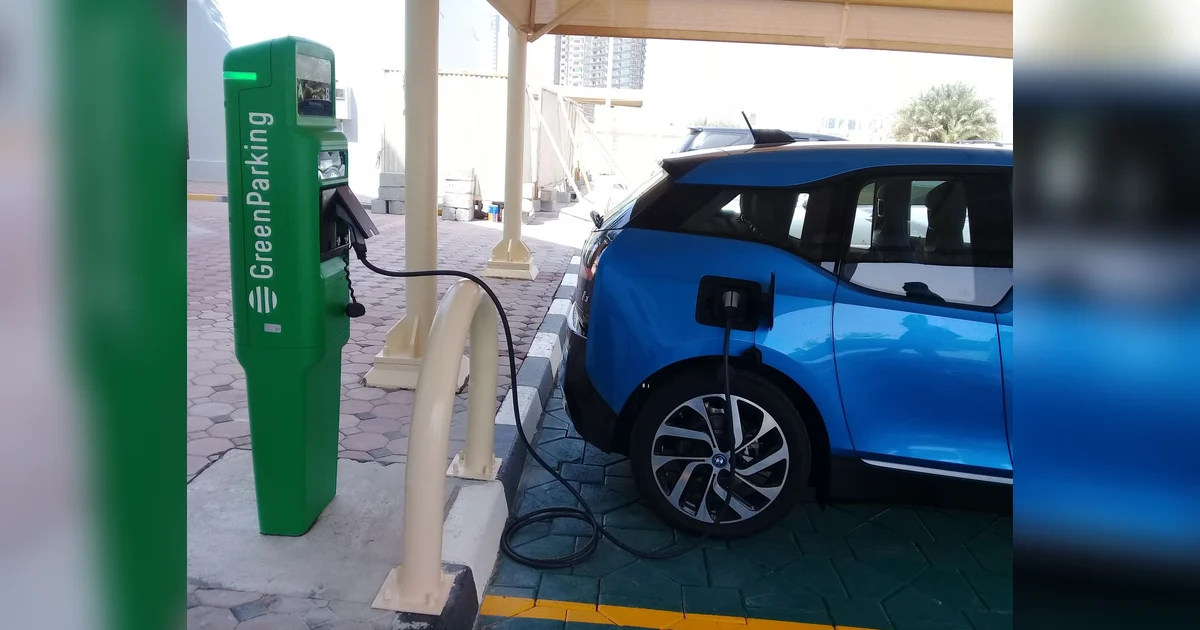
    This evolution is being fueled by five critical developments that will define the 2026 EV ecosystem. First, emerging markets including the Middle East and Africa are experiencing accelerated adoption as financing options expand and cost-effective models enter these regions. The Gulf Cooperation Council (GCC) has emerged as one of the world’s fastest-growing EV markets, with sales penetration doubling from 2% to 4% in 2024. Remarkably, 91% of current battery-electric vehicle owners in the GCC would consider another EV for their next purchase.

    Second, charging infrastructure—historically a significant barrier—is undergoing revolutionary improvements. Ultra-fast charging hubs are proliferating across urban centers and intercity routes, while interoperable networks are eliminating the need for multiple apps and payment systems. User satisfaction rates have reached unprecedented levels: 95% in the UAE, 94% in Saudi Arabia, and 97% in Qatar.

    Third, artificial intelligence is fundamentally enhancing the ownership experience. AI-powered systems now optimize routing, automate charging schedules, perform predictive maintenance, and adjust energy consumption in real-time based on driving patterns and environmental conditions.

    Fourth, vehicle design is evolving beyond traditional automotive architecture. Manufacturers are creating sleek exteriors with minimalist, multi-functional interiors that function as mobile living spaces rather than conventional transportation cabins.

    Finally, automakers are increasingly engineering vehicles for extreme weather conditions. The 2026 model year will feature heat-pump HVAC systems, enhanced insulation, and advanced battery chemistries specifically optimized for performance in temperature extremes, ensuring consistent range reliability regardless of climate.

  • DAW Construction showcases PRC infrastructure expertise at Big 5 Global 2025

    DAW Construction showcases PRC infrastructure expertise at Big 5 Global 2025

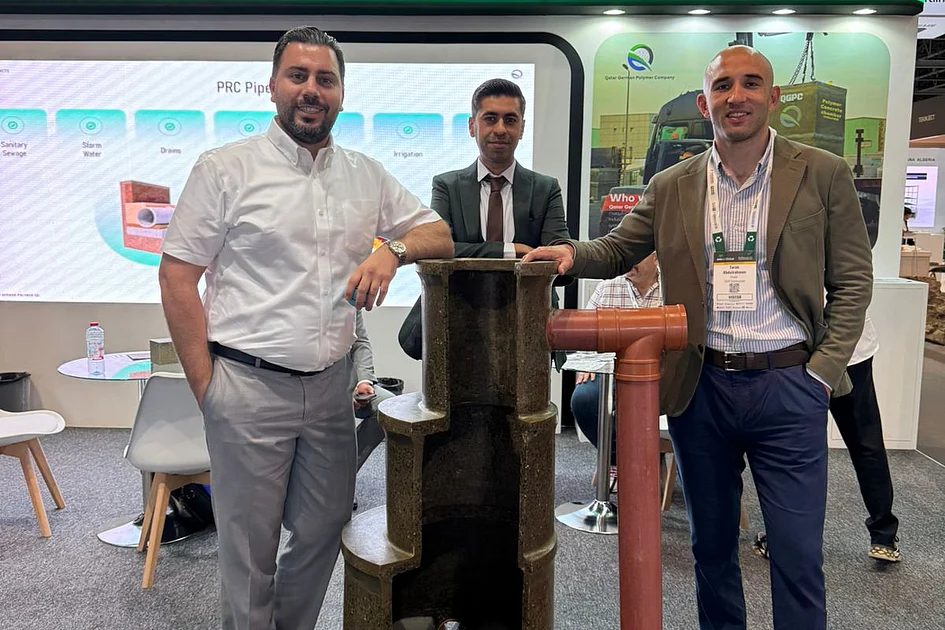
    Dubai-based Dar Alwd Construction (DAW) made a significant impact at Big 5 Global 2025 by demonstrating its pioneering infrastructure solutions centered on advanced Polymer Resin Concrete (PRC) technology. The event served as a strategic platform for the construction firm to highlight its engineering expertise and sustainable material applications aligned with the UAE’s national development goals.

    In collaboration with Qatar German Pipes Company (QGPC), DAW presented comprehensive case studies showcasing PRC implementation across critical infrastructure projects. This next-generation material exhibits exceptional durability, corrosion resistance, and extended service life while substantially reducing maintenance requirements. Current applications span sewerage networks, stormwater management systems, access chambers, manholes, and pipeline infrastructure across prominent developments including Al Juraiana and Nomad by Shurooq.

    The environmental advantages of PRC position it as a cornerstone material for sustainable infrastructure development. With minimal water absorption characteristics, reduced lifecycle emissions, and a significantly lower carbon footprint compared to conventional concrete, PRC directly supports the UAE’s Net Zero 2050 strategic initiative. The material’s extended operational lifespan further enhances its sustainability credentials while delivering superior performance under demanding conditions.

    Tarek Musbah Abdul Rahman, General Manager of DAW Construction, emphasized the company’s commitment to innovation: ‘Big 5 Global enables us to demonstrate how advanced materials transform infrastructure delivery. Our PRC experience proves that material innovation, backed by robust execution capabilities, achieves long-term performance and durability while supporting national infrastructure objectives.’

    Looking toward 2026, DAW plans to expand PRC implementation across upcoming projects, reinforcing its dedication to engineering excellence and sustainable construction practices. The company continues to integrate advanced materials and innovative engineering approaches to develop resilient, future-ready infrastructure solutions throughout the UAE.

  • Next Fed chair in ‘no-win scenario’ as selection process draws to a close

    Next Fed chair in ‘no-win scenario’ as selection process draws to a close

    As President Donald Trump’s decision on the next Federal Reserve chair approaches its final stage, the selection process has evolved into what analysts describe as a ‘no-win scenario’ for potential candidates. The president, who elevated Jerome Powell to the position in 2017, has expressed clear regret about that decision and now seeks a more compliant successor who will implement his preferred monetary policies.

    The contest has narrowed to two primary contenders: Kevin Hassett, Trump’s longtime economic adviser and director of the White House National Economic Council, and Kevin Warsh, a former Fed governor who nearly secured the position during Trump’s first term. Both face significant challenges regarding their perceived independence and credibility.

    Financial experts warn that any chair perceived as beholden to presidential influence risks undermining public confidence in the Fed’s decision-making process. Such erosion of trust could paradoxically lead to higher borrowing costs—the exact opposite outcome Trump desires from his selection.

    Andy Laperriere of Piper Sandler captured the dilemma starkly: ‘Anyone who gets the job is damaged goods. You’re either going to be the guy who succeeds in getting what the president wants, which will not bode well for your treatment in the history books, or you’re going to be the guy who doesn’t get what the president wants, and he’s going to probably turn on you.’

    The selection process has taken unexpected turns in recent weeks. While Hassett initially appeared to be the frontrunner, Trump’s recent meeting with Warsh and praise for his qualifications has reintroduced uncertainty. Additionally, the president met with current Fed governor Christopher Waller, who is viewed as a strong defender of the institution’s independence but remains a long-shot candidate.

    Hassett has attempted to address concerns about his independence, stating in a recent CBS News interview that while he would listen to Trump’s opinions on interest rates, the president would have ‘no weight’ on final decisions. However, market reactions suggest Wall Street remains skeptical, with long-term Treasury yields rising since Hassett emerged as the likely pick.

    Warsh presents his own complications, having only recently adopted the low-interest-rate position favored by Trump. His historical warnings about inflation and criticism of the Fed’s bond-buying programs contrast sharply with the president’s current preferences.

    The broader context includes Trump’s aggressive efforts to influence Fed policy since returning to office, including attempts to remove governors and publicly criticize Powell. These actions have raised fundamental questions about the institution’s independence, with a pending Supreme Court case regarding the president’s authority to fire Fed officials potentially reshaping the central bank’s operational freedom.

    As Ellen Zentner of Morgan Stanley Wealth Management noted, the next chair will face unprecedented pressure: ‘Will the new chair be just as unflappable as Chair Powell and be able to cut through the criticism and make the decisions that are best for the economy and its people? That is the greater test of a Fed chair than if they can please the president.’

  • Ultra-luxury Sky Villa project in RAK to target billionaire buyers?

    Ultra-luxury Sky Villa project in RAK to target billionaire buyers?

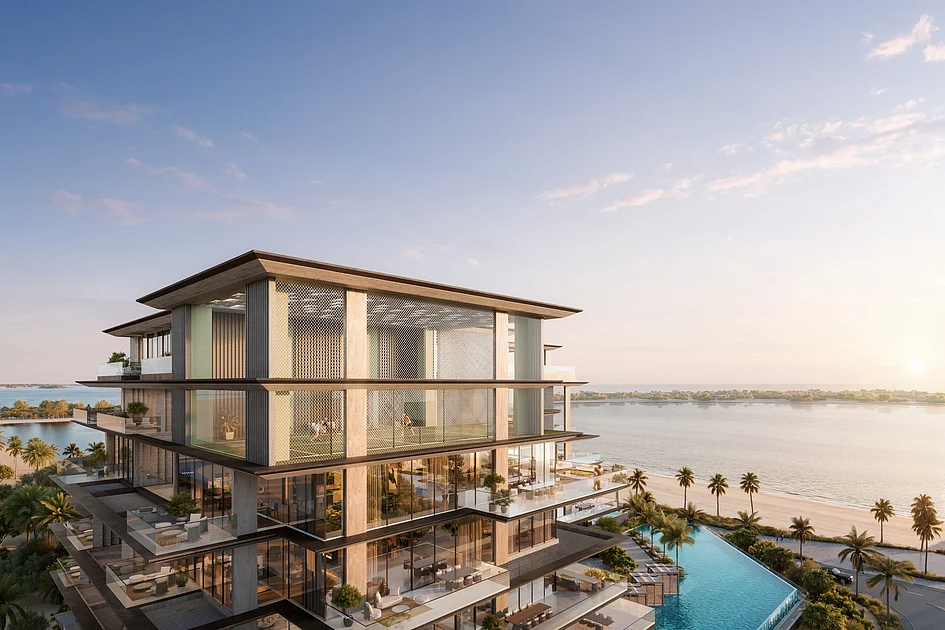
    Ras Al Khaimah is poised to enter the ultra-prime real estate market with an unprecedented residential development targeting the world’s wealthiest individuals. Dubai-based developer Innovate Living, in collaboration with luxury hospitality brand Omoria, is preparing to unveil a limited collection of Sky Villas on Al Marjan Island, with industry speculation indicating price points reaching approximately $100 million per residence.

    The project represents a strategic move to capture a previously unaddressed market segment—billionaire buyers whose requirements extend beyond conventional luxury properties. The development is expected to feature exclusive beachfront positioning with panoramic sea views, offering exceptional privacy, substantial scale, and long-term asset value preservation.

    This initiative emerges as Ras Al Khaimah undergoes significant transformation, attracting global hospitality brands, large-scale entertainment operators, and international investors. The emirate’s coastline is rapidly evolving into one of the UAE’s most closely monitored property destinations, yet until now, no developer has delivered residences specifically designed for the ultra-wealthy segment.

    Industry analysts note that Innovate Living and Omoria envision Ras Al Khaimah developing into a coastal enclave comparable to Europe’s most refined Riviera destinations, characterized by concentrated wealth, seclusion, and highly selective real estate offerings. The developer has previously demonstrated expertise in this niche market through successful ultra-prime projects on Palm Jumeirah and other premium locations.

    While official specifications remain undisclosed, market sources anticipate a meticulously controlled launch process with ownership opportunities restricted to a small, pre-qualified buyer pool. This approach aligns with the project’s targeting of individuals operating beyond traditional high-net-worth parameters and reflects the exceptional exclusivity of the development.