分类: business

  • UAE distributor AGMC announces recall of over 5,500 Geely Emgrand vehicles

    UAE distributor AGMC announces recall of over 5,500 Geely Emgrand vehicles

    AGMC, the authorized distributor for Geely vehicles in the United Arab Emirates, has announced a significant voluntary recall affecting 5,584 Geely Emgrand sedans. This action comes in response to a manufacturing defect identified by Geely’s headquarters in China, specifically involving the fuel filler cap in vehicles produced between August 3, 2023, and July 4, 2024.

    The recall addresses a potentially hazardous engineering issue where a non-vented fuel filler cap may create excessive vacuum pressure within the fuel system during prolonged operation. Under extreme conditions, this pressure differential could potentially deform the fuel tank structure and cause contact with the fuel pump plunger, creating a potential fuel leakage risk.

    AGMC has established comprehensive remediation procedures for affected vehicle owners. The company will replace the faulty fuel filler caps free of charge, followed by thorough cleaning of the carbon canister and complete inspection of all related components. Should technicians discover any additional defective parts during this process, AGMC has committed to replacing these components at no cost to consumers.

    The distributor emphasized its commitment to vehicle safety and customer satisfaction, noting that all recall-related services will be performed without financial burden to Emgrand owners. AGMC is directly notifying affected customers through official channels to schedule appointments at authorized service centers across the UAE.

  • Why I’m finally learning the language of crypto charts

    Why I’m finally learning the language of crypto charts

    As cryptocurrency markets approach what analysts project as the 2025 bull run, investors are reevaluating traditional financial strategies. Ann Marie McQueen, a Canadian journalist and long-term Abu Dhabi resident, documents her transformative journey from passive crypto holder to active technical analyst—a shift she describes as overcoming ‘Gen-X mentality’ financial conditioning.

    The evolution began with recognizing a critical gap in her investment approach: while thoroughly managing traditional finances, she had delegated crypto trading decisions to others. This realization coincided with observing divergent strategies within her crypto education community. Where the group’s founder advocated profit-taking without active trading, another faction embraced technical chart analysis and leveraged trading.

    Technical analysis—interpreting price charts through patterns, indicators, and market psychology—represents a paradigm shift from buy-and-hold philosophy. Proponents like AZ Penn, author of ‘Technical Analysis for Beginners,’ demonstrate how strategic entry and exit points can optimize returns in crypto’s volatile environment. Successful trader Anna Macko reports a 95% win rate since 2021 using these methods, though she emphasizes the psychological discipline required.

    McQueen acknowledges the mental barriers: the ingrained belief that ‘time in the market beats timing the market,’ reinforced by generational financial wisdom. Yet historical examples illustrate the opportunity cost of inaction—selling Bitcoin at $124,000 to repurchase at $80,000 would substantially increase holdings.

    Her commitment now involves intensive education: free coaching sessions, technical analysis workbooks, and a 52-part YouTube trading boot camp by trader TJR. This represents not merely skill acquisition but psychological transformation—developing emotional awareness, discipline, and humility in market participation.

    The underlying philosophy transcends financial gain: true risk lies not in potential losses but in refusing to engage with evolving financial systems. As institutional adoption grows and global governments recognize cryptocurrency’s potential, individual investors face both unprecedented opportunities and the responsibility of self-education.

    McQueen’s journey symbolizes a broader generational shift: from relying on financial intermediaries to embracing financial autonomy through technological literacy, regardless of mathematical background or prior experience.

  • Tanishq returns to Meena Bazaar with its biggest, boldest flagship

    Tanishq returns to Meena Bazaar with its biggest, boldest flagship

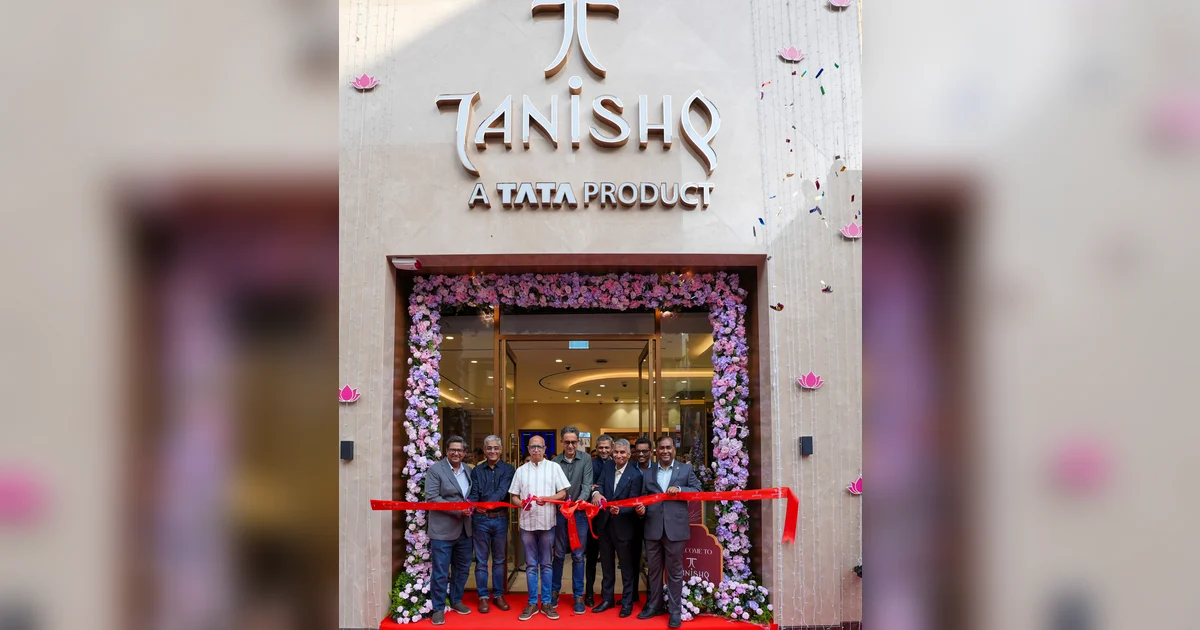
    In a strategic move signaling its amplified ambitions in the Gulf region, Tanishq, India’s premier fine jewellery brand under Titan Company Limited, has inaugurated its largest and most advanced flagship store in Dubai’s historic Meena Bazaar. This launch represents a pivotal moment, being the first major retail opening since the completion of the Titan-Damas merger and establishing the brand’s inaugural Diamond Excellence Centre beyond Indian borders.

    The new flagship is conceived as a comprehensive jewellery destination, dramatically elevating the consumer experience with expanded collections of gold and diamonds. The store features dedicated zones for high-end and bridal segments, meticulously tailored to meet the discerning tastes of UAE clientele. The introduction of the Diamond Excellence Centre sets a new industry benchmark, offering enhanced craftsmanship, rigorous certification processes, and bespoke personalised services.

    The inauguration ceremony was presided over by C K Venkataraman, Managing Director of Titan Company Limited. This launch holds particular significance as it constitutes his final GCC store opening before his scheduled retirement in January, symbolically closing a chapter where he spearheaded the brand’s international journey which also commenced in Meena Bazaar. He emphasized the district’s enduring consumer trust and dynamic commercial environment as the ideal foundation for this future-ready flagship, which mirrors the scale of Titan’s regional aspirations.

    Ajoy Chawla, CEO of the Jewellery Division at Titan, underscored the Middle East’s role as a critical growth engine for the company. He described the Meena Bazaar location as the archetype for subsequent ‘bigger and better’ Tanishq outlets planned across the GCC, combining heritage with innovation under one roof.

    Strategically positioned within one of the region’s most iconic jewellery districts, the store is designed to cater to its traditional customer base while simultaneously attracting a new generation of shoppers. It offers an intimate environment for milestone purchases and reinforces Tanishq’s core promise of trust through greater transparency and an expanded diamond portfolio.

    Ananthanarayanan Hariharan, CEO of Damas Jewellery, noted that the flagship exemplifies the potent synergy of the Titan-Damas partnership, delivering richer collections and elevated service standards that redefine the neighbourhood jewellery destination in Dubai.

    This expansion solidifies Tanishq’s growing footprint in the GCC and reflects Titan’s overarching vision to develop a future-ready jewellery network across the region, anchored by flagship stores, innovative retail formats, and an unwavering commitment to craftsmanship and consumer trust.

  • India: Delhi court lifts 2-year debarment on BLS International

    India: Delhi court lifts 2-year debarment on BLS International

    In a significant legal victory for India’s outsourcing services sector, the Delhi High Court has nullified a two-year debarment previously imposed on BLS International Services Ltd by the Ministry of External Affairs (MEA). This judicial decision, disclosed through regulatory filings on December 18, 2025, effectively reinstates the company’s eligibility to participate in future government tenders issued by Indian diplomatic missions worldwide.

    The controversy originated when the MEA issued the exclusion order in October 2025, prohibiting BLS International from bidding on government contracts for a 24-month period. The New Delhi-based corporation promptly challenged this administrative decision through a writ petition filed with the High Court, arguing against the validity of the debarment.

    The court’s ruling represents a complete vindication for the company, which maintains an extensive operational footprint across 64 countries including significant presence in the UAE since 2011. As a specialized provider of visa processing, consular services, and citizen documentation solutions, BLS International collaborates with over 46 government entities globally through its network of more than 50,000 service centers.

    Market response to the legal development was immediately positive, with company shares experiencing substantial gains during early trading sessions on December 19. Investor confidence appears restored regarding the firm’s capacity to secure government contracts, which constitute a substantial portion of its business model.

    Founded in 2005 with initial mandates from the Portuguese Embassy in New Delhi, BLS International has evolved into one of the top three global players in governmental service outsourcing. The publicly-listed company currently employs approximately 60,000 personnel worldwide and maintains a market capitalization exceeding ₹130 billion as of late 2023, operating through nine international training facilities and four global contact centers.

  • V Nandakumar honoured as the Retail Professional of the Year at Retail Congress MENA 2025

    V Nandakumar honoured as the Retail Professional of the Year at Retail Congress MENA 2025

    Dubai witnessed the celebration of retail excellence as the Middle East Council of Shopping Centers & Retailers (MECSR) distributed its annual industry awards during the Retail Congress MENA 2025. The ceremony highlighted exceptional leadership and innovation across the regional retail landscape, with one of the evening’s most distinguished accolades going to V Nandakumar, Director of Global Marketing and Communications at LuLu Group International, who was named Retail Professional of the Year.

    The award recognizes Nandakumar’s quarter-century tenure with LuLu Group, during which he has been instrumental in transforming the organization into one of the Middle East’s most reputable and diversified retail conglomerates. His contributions have fundamentally shaped contemporary retail marketing, brand leadership, and communication strategies throughout the region.

    The MECSR Retail Congress serves as a premier gathering for senior executives, retail corporations, mall developers, and solution providers to discuss sector evolution, emerging trends, and sustainable growth initiatives. This forum has cemented its status as a vital platform for acknowledging pioneering contributions to retail.

    In his acceptance remarks, Nandakumar emphasized the collective nature of his achievement: ‘This honor holds special significance as it comes from industry peers whose work I deeply respect. It represents the cumulative effort of countless teams I’ve collaborated with over the years. Retail remains fundamentally about people, and this award rightly belongs to the entire LuLu family that continues to build consumer trust through purpose-driven growth.’

    MECSR, as the regional arm of the International Council of Shopping Centers (ICSC), functions as a unifying body for retail stakeholders across the Middle East. The organization facilitates knowledge exchange, promotes international best practices, and drives research and advocacy within the sector.

    Nandakumar’s professional portfolio includes oversight of global marketing and communications for LuLu’s extensive operations, encompassing hypermarkets, shopping malls, hospitality ventures, and allied businesses worldwide. His strategic leadership has significantly enhanced brand equity, orchestrated large-scale retail campaigns, and advanced omnichannel customer engagement frameworks.

    His industry recognition extends beyond this latest achievement, having been previously featured among Forbes Middle East and Khaleej Times’ Top Marketing Leaders in the region. Nandakumar regularly shares his expertise as a speaker at prominent industry conferences and leadership forums.

    The 2025 Congress also celebrated excellence across multiple categories including Retailer of the Year, Shopping Centre of the Year, Sustainability Initiative, Retail Innovation, and Customer Experience Excellence, demonstrating the vibrant diversity and dynamism of the Middle East’s retail ecosystem.

  • French court rejects Shein website suspension over childlike sex dolls

    French court rejects Shein website suspension over childlike sex dolls

    A Parisian court has delivered a significant ruling in the high-profile case between the French government and global fast-fashion retailer Shein, rejecting the state’s petition to temporarily shutter the company’s website. The legal action stemmed from discoveries that Shein’s platform had been offering childlike sex dolls and weapons through third-party vendors.

    The judicial panel acknowledged the grave nature of these product listings but determined that a complete three-month website suspension would constitute a ‘disproportionate’ response. The court emphasized that these violations represented isolated incidents within Shein’s vast inventory of hundreds of thousands of products and noted the company’s prompt remediation efforts upon discovery.

    Instead of imposing a full suspension, the court mandated stringent age verification protocols for all adult product sales on Shein’s French platform. The ruling establishes substantial financial penalties of €10,000 per violation for any breaches of these new requirements.

    The court additionally rejected a secondary government request that would have forced Shein to suspend all third-party sales, which was identified as the source of the controversial items.

    This legal development coincides with Shein’s ongoing physical retail expansion in France, including the recent inauguration of its flagship Paris store in early November. The store opening attracted both enthusiastic shoppers and demonstrators protesting both the controversial products and the company’s fast-fashion business model.

    In an official statement, Shein reaffirmed its ‘commitment to continuously improving our control processes, in close collaboration with the French authorities, with the aim of establishing some of the most stringent standards in the industry.’ The company emphasized that ‘protecting French consumers and ensuring compliance with local laws and regulations’ remains its paramount priority.

    Prior to the court ruling, Shein had proactively announced a global ban on all sex doll sales across its platforms in response to the initial controversy.

  • China Vanke default watch is Xi’s moment to let markets lead

    China Vanke default watch is Xi’s moment to let markets lead

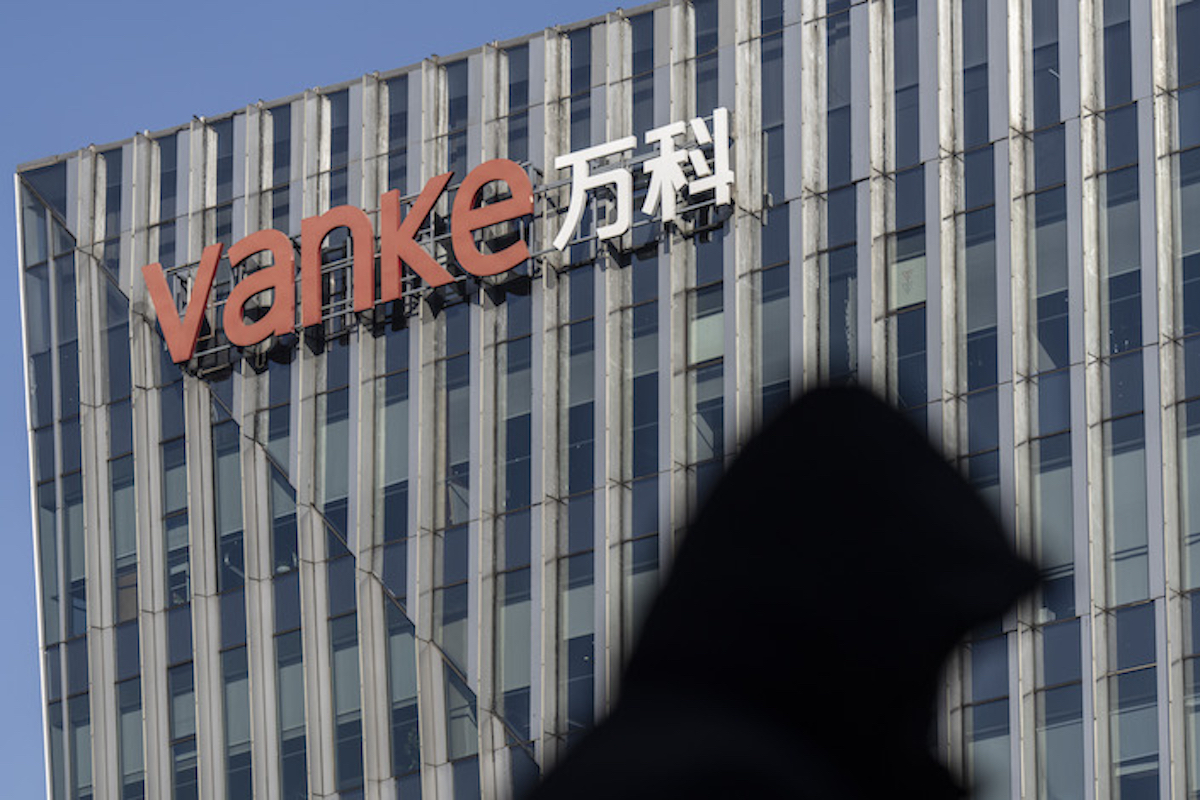
    As 2025 concludes, Fitch Ratings has delivered a stark warning to China investors with its downgrade of property giant China Vanke Co to ‘C’ status from ‘CCC-‘. This move highlights escalating pressures on one of China’s last major surviving developers amid a prolonged property sector crisis, raising fresh concerns about potential default risks.

    The deteriorating situation coincides with concerning November economic indicators showing broad-based momentum loss across China’s economy. New home sales in China’s 70 largest cities declined 0.39% from October, while prices dropped 0.45%—the sharpest monthly decrease in twelve months. These developments occur despite ambitious government pledges to stabilize the property market and as China enters its fourth consecutive year of deflation.

    Economic analysts express growing concerns about China’s trajectory. Capital Economics China economist Zichun Huang notes that while policy support might drive partial recovery in coming months, growth is likely to remain weak throughout 2026. Barclays economist Yingke Zhou warns that persistent deflation pressures could exacerbate trade tensions with non-US economies as China continues relying on export-led growth.

    The situation draws uncomfortable parallels with Japan’s economic stagnation since the 1990s, though comparisons remain imperfect. The property sector’s collapse—historically accounting for 25-33% of China’s annual growth—has sparked ‘Japanification’ concerns that will likely continue into 2026.

    Compounding these challenges, China faces a 47.5% US tariff that poses significant threats to its export-dependent economy. Despite this, China recorded its first-ever $1 trillion trade surplus in November, achieved through strategic market diversification to Southeast Asia and Europe since the Trump administration’s initial trade war.

    This massive trade surplus masks underlying domestic weaknesses. While exports grew 5.9% year-on-year in November, imports increased only 1.9%, reflecting Chinese households’ reluctance to spend their $22 trillion in savings. The return of default risks among major developers could further undermine consumer confidence.

    Paradoxically, global investors are returning to Chinese stocks, attracted by technology sector optimism and China’s latest Five-Year Plan (2026-2030) emphasizing high-quality growth, capital market reforms, and technological self-reliance. The plan’s focus on structural upgrades to boost domestic consumption through enhanced social safety nets has also improved market sentiment.

    However, household perspectives differ markedly from investor optimism. Chinese consumers face persistent trade tensions, weak wage growth, near-record youth unemployment, declining property values, and perceived insufficient government action. Many question the authenticity of official economic data, particularly the ‘around 5%’ growth target that appears disconnected from provincial-level realities.

    The Vanke situation presents particular concerns given its reputation as China’s best-managed developer. Its potential default could trigger approximately $50 billion in debt vulnerabilities. While few anticipate a ‘Lehman moment’ given previous defaults by larger developers like Evergrande and Country Garden, Vanke’s stumble significantly damages confidence in China’s property sector recovery.

    Deutsche Bank economist Yi Xiong highlights additional risks from China’s substantial dollar-denominated debt—approximately $750 billion in outstanding bonds, with one-third maturing within two years. How authorities handle Vanke’s crisis could set the tone for China’s 2026 economic approach, potentially reducing Beijing’s willingness to let market forces play a ‘decisive role’ in property price-clearing.

    Fitch Ratings analyst Tyran Kam notes that authorities appear to see limited systemic risk from Vanke’s situation, with policymakers prioritizing completion of unfinished housing projects over bailouts for non-state-owned developers. However, banks’ continued reluctance to lend reflects pessimistic outlooks for housing sales recovery, which Fitch expects to decline 7-8% in 2026.

    The fundamental challenge remains convincing Chinese households to increase spending amid persistent property sector uncertainty. As 2026 approaches, Chinese leadership faces critical decisions about embracing market forces and implementing structural reforms that could determine whether China avoids Japan’s prolonged economic stagnation.


  • Sichuan breaks 100-m-kw mark in hydropower installed capacity

    Sichuan breaks 100-m-kw mark in hydropower installed capacity

    Southwest China’s Sichuan province has reached a historic milestone in renewable energy development, with its total installed hydropower capacity exceeding 100 million kilowatts (100 GW) on December 19, 2025. This achievement represents approximately one-quarter of China’s total hydropower capacity and establishes Sichuan as the nation’s preeminent hydropower generation hub.

    The milestone was reached when the final generating unit at the Yinjiang Hydropower Station in Panzhihua City was successfully connected to the power grid. Located on the Jinsha River, this facility boasts a total installed capacity of 390,000 kilowatts. Once fully operational, the station is projected to deliver over 1.6 billion kilowatt-hours of clean electricity annually, reducing carbon dioxide emissions by an estimated 1.3 million tonnes.

    Sichuan has served as the cornerstone of China’s ambitious west-to-east power transmission initiative since 1998. The province annually transmits approximately one-third of its generated electricity to other regions. According to State Grid Sichuan Electric Power Company, Sichuan has delivered more than 1.9 trillion kilowatt-hours of clean electricity to central and eastern China over the past 27 years—sufficient to power Jiangsu, Zhejiang, and Anhui provinces combined for an entire year.

    The province’s remarkable hydropower development stems from its abundant water resources, earning it the nickname ‘province of a thousand rivers.’ This natural advantage has positioned Sichuan as a critical component in China’s transition toward cleaner energy and carbon reduction goals.

  • Major Developments announces launch of Dh1.7 billion “Ice Beach” landmark project on Marjan Beach

    Major Developments announces launch of Dh1.7 billion “Ice Beach” landmark project on Marjan Beach

    Ras Al Khaimah’s coastline is poised for transformation as Major Developments announces a landmark Dh1.7 billion (approximately $463 million) project titled ‘Ice Beach’ within the emerging Marjan Beach masterplan. The agreement, formally signed between Marjan Group CEO Abdulla Al Abdouli and Major Developments CEO Andrei Charapenak, represents a significant advancement in the United Arab Emirates’ ambitious coastal development strategy.

    The ‘Ice Beach’ project marks Major Developments’ third major undertaking in Ras Al Khaimah, positioned within an 85-million-square-foot coastal development zone that features 3 kilometers of pristine beachfront and 6.5 million square feet of landscaped open spaces. This luxury residential development is projected to attract over 180,000 annual visitors upon completion, capitalizing on Ras Al Khaimah’s growing status as an investment and tourism destination.

    Strategic partnerships form the cornerstone of this development, with Bayaty Architects—led by globally recognized Dr. Muthana Bayaty—spearheading the architectural design. The firm brings its signature approach of sculptural architecture and experiential interiors to create what developers describe as an ‘intentionally unconventional’ design language that will redefine the regional coastal skyline.

    Marjan Beach distinguishes itself through strategic connectivity advantages, positioned minutes from Al Marjan Island with forthcoming bridge infrastructure linking Wynn Al Marjan Island to the mainland. The development benefits from proximity to Al Hamra Village, Ras Al Khaimah Economic Zone, and the E11 highway, enhancing both tourism accessibility and long-term investment potential.

    The project emerges against a backdrop of remarkable growth in Ras Al Khaimah’s real estate market, where non-resident investment has multiplied between 2020 and 2024. Tourism demand continues to outpace hospitality supply projections through 2030, creating favorable conditions for luxury developments. Major Developments’ previous projects, including Manta Bay on Al Marjan Island and Colibri Views in RAK Central, have established regional benchmarks for innovation and hospitality-focused amenities.

    Andrei Charapenak emphasized the transformative vision behind the project: ‘This collaboration allows us to redefine what luxury tourism and living mean on a global stage. Our approach integrates next-generation amenities with sweeping sea views to create one of the most defining structures in the district.’

    The ‘Ice Beach’ project represents the latest evolution in Ras Al Khaimah’s strategic transformation into a global lifestyle and investment hub, combining architectural innovation with strategic location advantages to create what developers anticipate will become a benchmark for waterfront living.

  • Efforts intensified to ease business issues

    Efforts intensified to ease business issues

    China has undertaken a massive regulatory cleanup operation, eliminating over 10,000 problematic policy documents nationwide in 2025 as part of a comprehensive effort to standardize business regulations and eliminate discriminatory practices against enterprises. The Ministry of Justice-led initiative, launched in March, has addressed critical issues including unfulfilled government obligations, illegal debt accumulation, and the problematic practice of ‘new officials disowning past obligations’.

    The special operation has rectified 54,000 prominent cases across China, resulting in the recovery of approximately 28.92 billion yuan ($4 billion) in economic losses for affected businesses. In collaboration with market supervision and firefighting departments, the Ministry of Justice has prompted local governments to implement more than 330 standardized measures to unify law enforcement standards nationwide.

    Significant administrative reforms include the restoration of over 50 million entries on enterprises’ abnormal operation lists and the removal of 3.5 million penalty records, substantially reducing barriers to credit restoration, financing access, and bidding opportunities. These measures have contributed to an 8.2% year-on-year reduction in arbitrary fines, with enhanced monitoring mechanisms for regions showing abnormal increases in penalties.

    The campaign has specifically targeted illegal cross-regional and profit-driven law enforcement practices. A representative case from April 2025 involved a Shandong county-level law enforcement bureau that illegally penalized an out-of-town seed business for labeling violations without transferring jurisdiction to the appropriate agricultural authorities as required. The municipal supervision bureau issued rectification orders and referred the case to disciplinary authorities.

    According to ministry data, these regulatory improvements have significantly boosted market vitality, with a net increase of over 5 million national market entities and a 6.8% rise in newly registered private enterprises during the first eight months of 2025—18.6 percentage points higher than the previous year’s growth rate.

    Despite these achievements, Vice-Minister of Justice Hu Weilie acknowledged persistent challenges, including inadequate implementation of financial oversight systems, performance metrics tied to confiscated income, overlapping enforcement responsibilities, and arbitrary application of maximum penalties. These deep-rooted issues stem from misplaced performance evaluation concepts, insufficient professional capabilities, weak oversight mechanisms, and institutional development gaps.

    The ministry plans to accelerate the introduction of comprehensive regulations, including measures for law enforcement administration and policies advancing the rule of law in comprehensive administrative reform. Future efforts will focus on scientifically delineating approval, supervision and enforcement powers, expanding regular training and proficiency testing for enforcement personnel, and aligning administrative standards across regions to support the construction of a unified national market. A national unified administrative law enforcement supervision platform will be developed to enable full-process, real-time oversight of enforcement activities.