分类: business

  • India: IndiGo to boost pilot allowances, weeks after mass flight cancellations

    India: IndiGo to boost pilot allowances, weeks after mass flight cancellations

    In a strategic move to address operational challenges, Indian aviation giant IndiGo has announced substantial increases in pilot allowances following widespread flight disruptions that affected hundreds of thousands of passengers. The airline, which commands a dominant 65% share of India’s domestic market, will implement revised compensation packages effective January 1st, 2026.

    The enhanced compensation structure includes significant increases in layover allowances, with captains receiving 3,000 rupees (approximately $33.37) instead of the previous 2,000 rupees, while first officers will see their allowances rise from 1,000 to 1,500 rupees. Additionally, deadheading allowances—compensation for crew members traveling as passengers to reposition for duty—will increase to 4,000 rupees for captains and 2,000 rupees for first officers.

    This policy shift comes after IndiGo canceled approximately 4,500 flights earlier this month due to roster planning deficiencies, triggering regulatory investigations and a competition probe by Indian authorities. The mass cancellations created widespread travel chaos across Indian airports and prompted temporary regulatory adjustments to night duty rules to help stabilize operations.

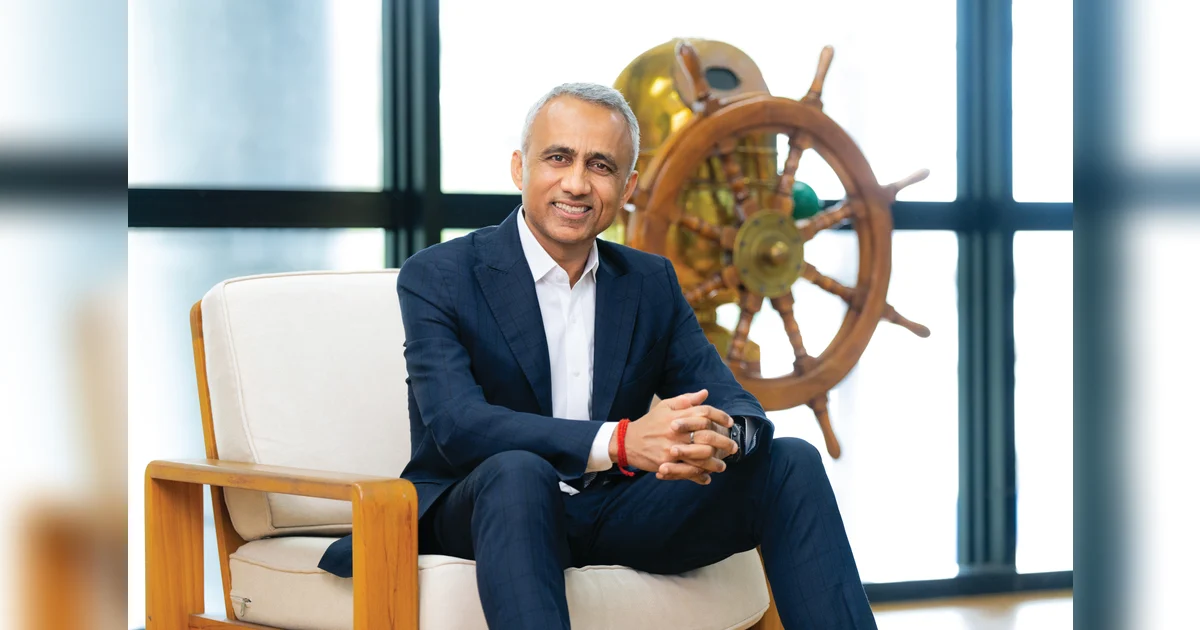
    The airline’s decision follows direct engagement between IndiGo executives and pilots during visits to various operational bases. Ashim Mittra, Senior Vice President of Flight Operations, communicated the changes via email to the airline’s approximately 5,000 pilots.

    Meanwhile, Moody’s Ratings has warned of potential significant financial repercussions for IndiGo, including revenue losses, customer refunds, and regulatory penalties. The aviation sector also faces broader challenges regarding pilot retention, with foreign carriers offering competitive compensation packages, prompting the Indian government to advocate for international standards on ethical pilot recruitment practices.

  • China plans to launch digital currency action plan

    China plans to launch digital currency action plan

    China’s central bank has announced a major strategic initiative to accelerate the development and implementation of its digital currency ecosystem. The People’s Bank of China (PBoC) revealed on Monday that it will launch a comprehensive “action plan” effective January 1st, 2026, marking a significant advancement in the country’s digital currency ambitions.

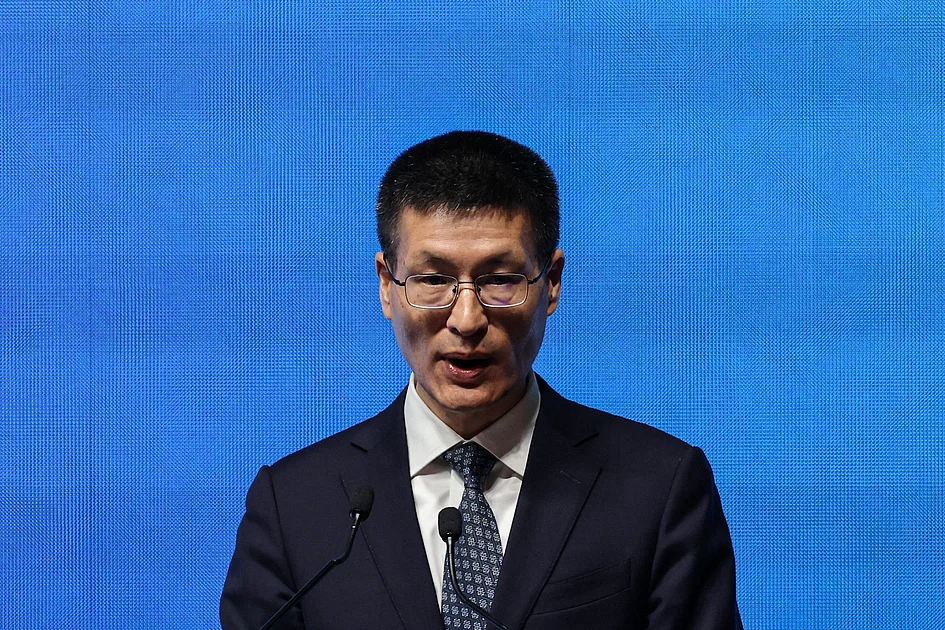
    According to Deputy Governor Lu Lei, who detailed the initiative in the central bank-affiliated Financial News publication, the plan represents a “new generation” framework for the digital yuan. The comprehensive strategy encompasses four critical components: a measurement framework, management system, operating mechanism, and ecosystem development. This structured approach aims to create a modern digital payment and circulation system operating within China’s financial infrastructure.

    A key incentive feature of the plan involves commercial banks paying interest on digital yuan balances held by clients, a strategic move designed to encourage broader adoption of the state-backed digital currency. Additionally, the initiative includes proposals to establish an international digital yuan operations center in Shanghai, positioning the eastern financial hub as a global nexus for the currency’s international operations.

    This development comes amid a global surge in central bank digital currency (CBDC) exploration, accelerated by the pandemic-driven shift toward digital payments and the growing prominence of cryptocurrencies. The PBoC has been developing its digital currency since 2014, conducting extensive pilot programs across the country under the “e-CNY” designation.

    While Chinese consumers already extensively utilize mobile and online payment platforms, the digital yuan initiative would potentially grant the central bank, rather than private tech giants, greater access to payment data and enhanced oversight capabilities within the digital payments landscape.

  • Emirates Reit reports 22% increase in property income and 57% dip in net finance costs

    Emirates Reit reports 22% increase in property income and 57% dip in net finance costs

    Dubai’s real estate investment trust, Emirates REIT, managed by Equitativa (Dubai) Limited, has demonstrated exceptional financial health in its third-quarter 2025 report. The trust announced a substantial 22% year-on-year surge in total property income, reaching $60 million on a like-for-like basis for the first three quarters of the year. This impressive growth was complemented by a remarkable 57% reduction in net finance costs, which plummeted to $17 million from $40 million during the same period in 2024.

    The REIT’s portfolio exhibited robust operational performance with occupancy rates climbing to 94%, up from 92% a year earlier. This increase reflects sustained tenant demand across its properties and effective asset management strategies. Despite divesting some investment properties in 2024, net property income remained stable at $52 million, underscoring the portfolio’s income resilience.

    Financial stability was significantly enhanced through disciplined balance sheet management. The Loan-to-Value (LTV) ratio was dramatically reduced to a conservative 20%, down from 36% in Q3 2024, representing a 16 percentage point improvement. This deleveraging effort, combined with strategic refinancing initiatives, contributed to the substantial decrease in finance costs.

    The trust recorded substantial revaluation gains of $171 million, elevating total assets to $1.22 billion, exceeding the previous year’s $1.17 billion despite property disposals. Most notably, net asset value reached an historic peak of $886 million, representing a 37% year-on-year increase from $648 million in Q3 2024. On a per-share basis, this translated to $2.78 compared to $2.03 previously.

    Funds From Operations (FFO) showed remarkable improvement, reaching $14 million compared to negative $0.5 million in the same period last year, which included impacts from divested properties. Thierry Delvaux, CEO of Equitativa Dubai, attributed this strong performance to the resilience of the portfolio and disciplined execution of their strategy, positioning the REIT for sustainable growth and attractive shareholder returns.

  • Loylogic shares 2026 vision to advance the global rewards marketplace

    Loylogic shares 2026 vision to advance the global rewards marketplace

    Loylogic, a prominent player in global loyalty rewards management, has announced its comprehensive strategic vision for 2026, positioning itself at the forefront of the rapidly evolving rewards marketplace. This announcement comes as the Middle East loyalty market demonstrates remarkable growth, projected to reach $3.27 billion in 2025 with a 16.3% year-on-year expansion, driven by digital-first approaches, personalized experiences, and coalition-based models.

    The company’s forward-looking strategy emphasizes three core pillars: advanced AI-powered marketplace intelligence, sophisticated catalog curation, and enhanced integration capabilities. Rather than pursuing mere expansion of reward options, Loylogic is focusing on intelligent marketplace design that balances consumer relevance with operational efficiency and sustainable value creation within a unified global platform.

    Underpinning this technological advancement is a robust compliance and security framework that meets international standards including ISO 27001, GDPR, PCI DSS, and AES-256 encryption protocols. The company maintains strict adherence to the European Accessibility Act 2025 and WCAG 2.0 guidelines while ensuring adaptability to regional data residency requirements and varying regulatory landscapes.

    Gabi Kool, CEO of Loylogic, emphasized the shifting priorities in the loyalty sector: ‘As programs mature, brands are seeking smarter, more relevant, and commercially viable reward ecosystems. Our 2026 strategy centers on redefining how global rewards marketplaces are architected, governed, and experienced through the integration of intelligence, trust, and flexibility.’

    Amit Bendre, COO, further elaborated on the technological direction: ‘Our innovation initiatives aim to create more adaptive and intelligent marketplace experiences, delivering superior insights and decision-support capabilities while maintaining uncompromising standards for privacy, security, and regulatory compliance.’

    Looking toward 2026, Loylogic plans to intensify collaboration with global partners, engage more actively with industry stakeholders, and strengthen capabilities across commercial, product, and technology functions. The company’s established infrastructure and marketplace expertise continue to support enterprise clients across financial services, travel, and consumer sectors, transforming routine customer engagement into sustained, meaningful loyalty relationships.

  • What’s next for Asia’s economy in 2026?

    What’s next for Asia’s economy in 2026?

    As the global economic landscape undergoes significant transformation, Asia faces both substantial challenges and unprecedented opportunities in 2026. Economic analysts across the region are examining how evolving US tariff policies continue to create headwinds for Asian economies while simultaneously identifying which specific markets and industries are positioned to drive regional growth.

    The persistent uncertainty surrounding American trade approaches remains a critical factor influencing Asia’s economic planning. These policies have created both direct and indirect pressures on supply chains, manufacturing sectors, and export-dependent economies throughout the region. However, experts note that these challenges have also accelerated regional economic integration and prompted diversification strategies that may ultimately strengthen Asia’s economic resilience.

    Several emerging economies and technology sectors are demonstrating particular promise for leading Asia’s growth in the coming year. Advanced manufacturing, renewable energy technologies, and digital services are among the industries expected to outperform traditional growth metrics. Meanwhile, specific Southeast Asian markets are showing signs of robust economic expansion despite global uncertainties.

    Financial specialists emphasize that Asia’s response to these complex dynamics will likely involve increased regional cooperation, strategic investment in innovation ecosystems, and the development of alternative trade partnerships. The interplay between geopolitical considerations and economic pragmatism will shape the continent’s approach to maintaining growth momentum while navigating an increasingly multipolar global economy.

    Industry leaders and policy experts are closely monitoring how digital transformation initiatives and sustainable development investments might create new competitive advantages for Asian economies. The convergence of technological innovation with traditional economic strengths presents unique opportunities for value creation across multiple sectors.

  • Shandong connects 1,000 MW offshore solar project to the grid

    Shandong connects 1,000 MW offshore solar project to the grid

    In a landmark development for China’s renewable energy sector, Shandong province has successfully connected a massive 1,000-megawatt offshore photovoltaic project to the national grid. The groundbreaking achievement, completed on December 29, 2025, in Kenli district of Dongying, represents a significant advancement in the country’s clean energy infrastructure.

    The offshore solar installation demonstrates China’s growing technological prowess in harnessing marine-based renewable resources. Unlike traditional land-based solar farms, this maritime project utilizes specialized floating photovoltaic technology designed to withstand challenging oceanic conditions while maximizing energy capture from abundant sunlight.

    This project’s successful grid integration marks a critical step in China’s broader strategy to diversify its energy mix and reduce dependence on fossil fuels. The 1,000 MW capacity is sufficient to power approximately 400,000 households annually while preventing significant carbon dioxide emissions that would otherwise be produced by conventional power plants.

    Shandong province, with its extensive coastline and favorable solar conditions, has emerged as a strategic hub for China’s offshore renewable energy expansion. The Kenli district project serves as a model for future large-scale marine photovoltaic developments, combining innovative engineering with sustainable energy production.

    The achievement reflects China’s accelerating transition toward carbon neutrality goals and positions the country as a global leader in offshore solar technology implementation. Industry experts anticipate that this successful demonstration will catalyze further investments in marine renewable energy projects along China’s coastline and potentially influence global offshore solar development strategies.

  • UAE tech evolution: From enthusiasm to investability in 2025

    UAE tech evolution: From enthusiasm to investability in 2025

    The United Arab Emirates has reached a definitive inflection point in its technological evolution, with 2025 emerging as the watershed year when the nation’s innovation ecosystem successfully transitioned from speculative enthusiasm to genuine investability. This transformation represents a fundamental shift in market dynamics rather than merely a quantitative increase in funding volumes.

    According to comprehensive data from Tracxn’s UAE Tech Funding Report, the country secured $2 billion in technology investments during the first three quarters of 2025, reflecting a moderate 6% year-on-year increase. While this growth appears numerically modest, the underlying structural changes reveal a profoundly transformed landscape. The composition of capital deployment, investor behavior patterns, and founder performance metrics all indicate a market that has developed comfort with calculated risk, accountability frameworks, and long-term scaling strategies.

    The funding architecture demonstrates remarkable maturation. Early-stage investments surged to $595 million, representing a 153% increase from the previous year, while late-stage financing reached $1.3 billion, indicating sustained appetite for companies with proven traction. Concurrently, seed funding experienced a sharp decline to $57.2 million, signaling increased investor discipline rather than market contraction. This reallocation reflects a strategic pivot from speculative bets on nascent ideas toward substantiated backing of validated business models.

    Three pivotal drivers catalyzed this transformation: Internationalization efforts attracted global investment firms including Peak XV Partners, e&, and MoreThan Capital Advisors, who now regard the UAE as a core deployment destination rather than peripheral opportunity. Founder quality improved significantly, with a new generation of technically proficient, commercially grounded entrepreneurs focusing on enterprise solutions, regulated industries, and scalable platforms. Regulatory clarity emerged through simplified establishment pathways, predictable ownership frameworks, and streamlined licensing procedures that reduced operational friction for stakeholders.

    The ecosystem’s maturation became particularly evident through the emergence of three new unicorn companies within nine months, ending a five-year drought without billion-dollar valuations. These enterprises achieved milestone status not through market euphoria but by developing technologies that address genuine problems while demonstrating transnational scalability.

    Substantial funding rounds exceeding $100 million—including Vista Global’s $600 million raise and XPANCEO’s $250 million Series A—reflected institutional conviction rather than speculative excess. These deployments stabilized the ecosystem by creating secondary founder generations, replenishing talent pools, establishing valuation benchmarks, and generating liquidity potential for future investors.

    Public market visibility increased with two IPOs recorded in 2025 compared to one the previous year, while strategic acquisitions declined by 25% as companies focused on organic growth rather than consolidation. Dubai emerged as the absolute center of gravity, capturing 98% of total funding—a concentration pattern consistent with other global innovation hubs during their acceleration phases.

    The UAE’s technological transformation now demonstrates all characteristics of a mature innovation economy: depth in early-stage funding, strength in late-stage financing, unicorn generation, conviction-backed mega-rounds, public market visibility, and disciplined merger activity. The $2 billion capital raise merely quantifies what qualitatively represents architectural maturity—the transition from an emerging ecosystem to a compounding innovation economy.

  • UAE: Fast digital loans offer convenience, but experts warn of risks for some borrowers

    UAE: Fast digital loans offer convenience, but experts warn of risks for some borrowers

    Financial experts across the United Arab Emirates are raising urgent concerns about the hidden dangers embedded within the rapidly expanding digital lending sector. While these app-based platforms offer unprecedented convenience through instant loan approvals, they simultaneously create potential debt traps for vulnerable demographics, including students, gig workers, and low-income earners.

    The core of the problem, according to specialists, lies in the fundamental mismatch between the structure of these short-term credit products and the financial reality of their users. Brijesh Kumar, Chief Business Officer at Paisabazaar.ae, emphasized that the risk intensifies dramatically when these easily accessible funds are utilized for routine living expenses—such as rent, utilities, or tuition—instead of genuine, one-off emergencies. This practice often initiates a perilous cycle where borrowers take new credit to service existing debt, causing financial stress and borrowing costs to compound rapidly.

    This vulnerability is exacerbated by irregular income patterns. Vijay Valecha, Chief Investment Officer at Century Financial, highlighted that the short repayment timelines typical of digital loans are frequently incompatible with the unpredictable earnings of gig workers and students. An income delay that might be minor can instantly trigger late fees, forcing individuals into a cycle of additional borrowing just to stay afloat.

    Despite the UAE’s robust regulatory framework for consumer lending, which mandates lender licensing and consumer protection standards, execution-level challenges persist. Experts agree that the very speed and simplicity of digital applications can obscure the true long-term cost of borrowing. There is a recognized need for strengthened controls around repeat borrowing, more transparent communication of fees and annual percentage rates (APR), and more rigorous affordability assessments before disbursement.

    Furthermore, the long-term credit implications are severe. As more Buy Now, Pay Later (BNPL) and short-term loan data is integrated into credit bureau reports, a single missed payment today could severely restrict an individual’s access to major future financing, such as mortgages or car loans.

    The consensus among analysts is that a multi-faceted approach is essential. While financial education is crucial for helping the UAE’s young and diverse expatriate population understand repayment obligations, responsibility cannot rest solely with consumers. Lenders must design more responsible products with built-in safeguards, regulators must enforce stricter guardrails, and educational institutions should introduce practical financial literacy early on. As Faris Ali of Jawab Economic & Management Consultants concluded, awareness helps people understand risk, but it cannot replace structural protections—much like how driver education works in tandem with seatbelts and speed limits engineered into vehicles.

  • More UAE shoppers turn to diamond jewellery as gold hits record high prices

    More UAE shoppers turn to diamond jewellery as gold hits record high prices

    The United Arab Emirates jewelry sector is experiencing a significant market transformation as record-breaking gold prices drive consumer preference toward diamond jewelry. With gold reaching unprecedented levels of $4,549 per ounce globally and exceeding Dh546 per gram locally in 2025, Dubai jewelers report substantial growth in both natural and lab-grown diamond demand.

    Industry leaders indicate that diamond sales have increased by 25-30% year-on-year, effectively compensating for declining gold jewelry transactions. Chirag Vora, Managing Director of Bafleh Jewellers, explained that elevated gold prices have created market challenges, but diamond sales have emerged as a crucial revenue offset. “Diamond is offsetting the effect of gold sales for almost all companies,” Vora noted, emphasizing that wholesale distribution channels have particularly benefited from this trend.

    The market shift extends beyond mere price considerations to evolving gifting preferences. Consumers now increasingly favor diamond-studded gifts over smaller gold ornaments, perceiving them as more impressive presents. This behavioral change spans both natural and lab-grown diamond categories, with both segments growing simultaneously rather than one replacing the other.

    Chandu Siroya of Siroya Jewellers characterized 2025 as a challenging retail environment, noting that while dollar-term sales remained strong due to inflated gold prices, quantitative sales decreased by 20-30%. This has prompted industry-wide innovation, with jewelers promoting more elegant, diamond-studded pieces rather than traditional heavy gold jewelry.

    Market adaptation includes the introduction of 14-carat gold jewelry by the Dubai Jewellery Group, making pieces more affordable amid sustained high gold prices. Industry professionals anticipate 2026 will mark a new era for jewelry, with consumers having accepted that gold will maintain its elevated price point around $4,000 per ounce.

    The lab-grown diamond segment continues gaining traction, with new varieties expected to enter the market in 2026. International brands like Tanishq are capitalizing on this trend, with Aditya Singh, Head of International Jewellery Business at Titan Company, noting increased industry focus on diamond categories through expanded design offerings and promotional activities. The convergence of high gold prices and evolving consumer preferences is driving innovation toward lighter, more wearable everyday jewelry pieces across the UAE market.

  • The infrastructure gap beneath global shipping

    The infrastructure gap beneath global shipping

    The global maritime industry is confronting an unprecedented infrastructure crisis as ship repair capacity fails to meet escalating demand, creating a structural gap that will define the sector through 2030. According to Sandeep Seth, Group CEO of Goltens Worldwide, the industry is projected to grow at 6-8% compounded annually, but existing repair facilities cannot maintain the current fleet, let alone handle the massive retrofitting requirements driven by environmental regulations.

    The geographical distribution of repair capacity reveals significant imbalances. China currently dominates with nearly 50% of global ship-repair capabilities, followed by Turkey at approximately 9%. Europe and the United States have largely exited their historical roles as major repair hubs. This concentration has created supply chain vulnerabilities and capacity constraints across global shipping networks.

    Environmental mandates are accelerating the crisis. The International Maritime Organization’s Carbon Intensity Indicator framework has rendered 25,000-30,000 vessels effectively non-compliant with ratings of C, D or E. Rather than scrapping assets, owners are increasingly opting for retrofits, driving unprecedented demand for sustainability upgrades including ballast-water treatment systems, scrubbers, fuel-optimization technologies, and carbon-capture solutions.

    Goltens’ strategic expansion into Batam, Indonesia reflects the industry’s geographical evolution. As Singapore transitions toward higher-value maritime services, Batam emerges as a complementary hub offering proximity (45 minutes by ferry), competitive labor costs, and technical capabilities. This move addresses critical inflationary pressures and skills shortages that have compressed margins throughout the industry.

    Technological adoption is progressing cautiously. While digital twins and predictive-maintenance tools are gaining traction for optimizing routes and fuel consumption, artificial intelligence remains in nascent stages. Seth emphasizes that marine-specific applications rather than generic large language models will ultimately drive operational improvements.

    The industry’s transformation extends beyond vessels to encompass port infrastructure, shore power, and entire maritime ecosystems. Projects like the Captain Arctic—a low-emission exploration vessel powered primarily by wind and solar—demonstrate the sector’s innovative direction, particularly in Middle Eastern markets where ferry and port decarbonization initiatives are accelerating.

    With over 100,000 vessels globally and insufficient maintenance capacity, the supply-demand imbalance threatens to intensify throughout the decade. Owners face complex decisions regarding asset lifecycles, capital allocation, and compliance strategies amid regulatory uncertainty and infrastructure constraints that show no signs of abating.