分类: business

  • Europe’s auto industry future may be electric even after EU climbdown

    Europe’s auto industry future may be electric even after EU climbdown

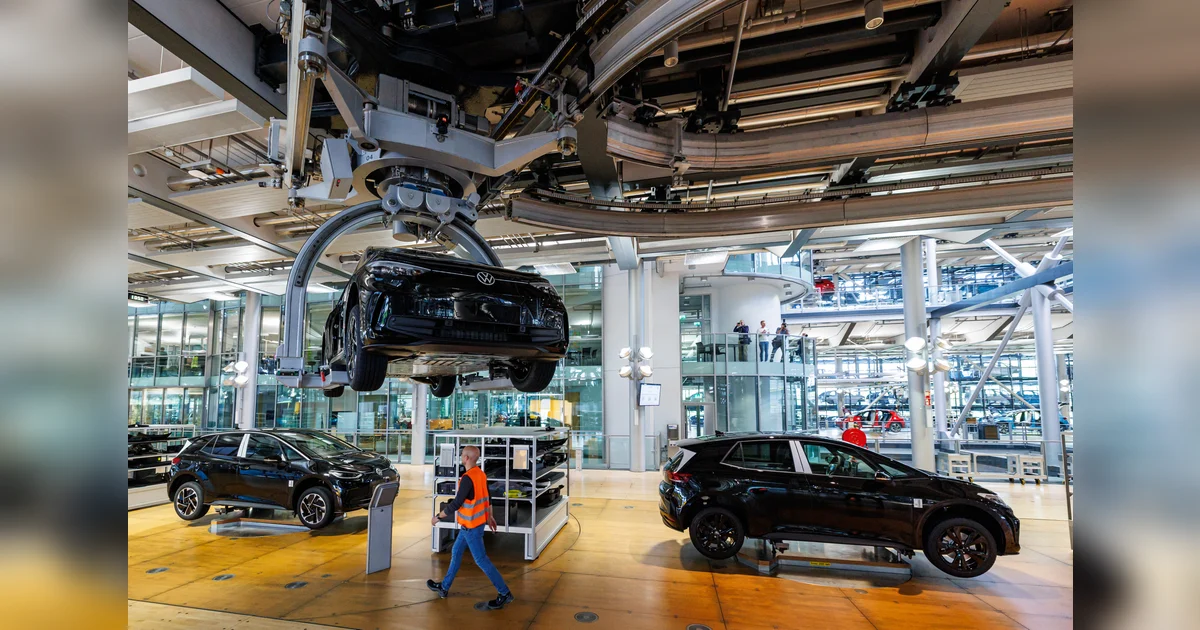
    In a significant policy recalibration, the European Commission has formally abandoned its rigid 2035 deadline for a complete transition to fully electric vehicles, offering legacy automakers extended flexibility to market hybrid and conventional engine technologies. This strategic climbdown, enacted following intensive industry lobbying, enables European manufacturers to better position themselves against rapidly advancing Chinese competitors in the global automotive arena.

    The revised regulatory framework permits the continued legality of plug-in hybrids, range-extended electric vehicles utilizing compact combustion engines for battery recharge, and traditional internal combustion engines beyond the original 2035 cutoff. Brussels further introduced a subsidized category for small-scale European-manufactured EVs, providing substantial concessions that industry analysts recognize as addressing core automaker demands.

    This policy shift creates divergent transitional pathways across market segments. Premium manufacturers including Mercedes-Benz and BMW secure extended timelines for hybrid sales before mandated full electrification. Mass-market producers like Stellantis and Renault stand to benefit significantly from subsidized small EV categories tailored for urban European consumers, leveraging existing models such as the Fiat 500 and Clio.

    The European approach now starkly contrasts with United States policy, where the Trump administration has withdrawn federal support for electric vehicle adoption. Meanwhile, Chinese manufacturers including BYD continue expanding their European footprint through tariff-exempt plug-in hybrids and combustion engine models in markets with slower EV adoption rates like Poland.

    Industry forecasts from consultancies including AlixPartners project fully electric vehicles will constitute approximately 62% of European sales by 2035, reflecting skepticism regarding enforcement capabilities for complete combustion engine prohibitions. The moderated transition timeline potentially allows critical infrastructure development, addressing one of the primary impediments to broader EV adoption through enhanced charging network deployment.

    Current industry metrics reveal fully electric vehicles accounted for 16.4% of total European sales through October, representing a 25.7% year-over-year increase, though penetration remains minimal across southern and eastern European markets.

    This policy revision presents substantial challenges for manufacturers and suppliers who have allocated tens of billions toward EV development and production capacity expansion based on previous regulatory certainty. However, the technological flexibility may catalyze increased collaboration on affordable electric platforms, exemplified by the recently announced Ford-Renault partnership for small EV development in Europe.

    Industry leadership, including Ford CEO Jim Farley, has emphasized the necessity for regulatory consistency, criticizing frequent policy adjustments that complicate long-term capital investment planning. This sentiment echoes across an industry navigating complex technological transformation amid evolving regulatory landscapes.
  • Dire year for dollar has little light at end of tunnel this year

    Dire year for dollar has little light at end of tunnel this year

    The US dollar concludes one of its most challenging years in nearly a decade with mounting evidence suggesting its decline will extend throughout 2026. Financial analysts project continued pressure on the currency as global growth dynamics shift and Federal Reserve policy maintains its accommodative stance.

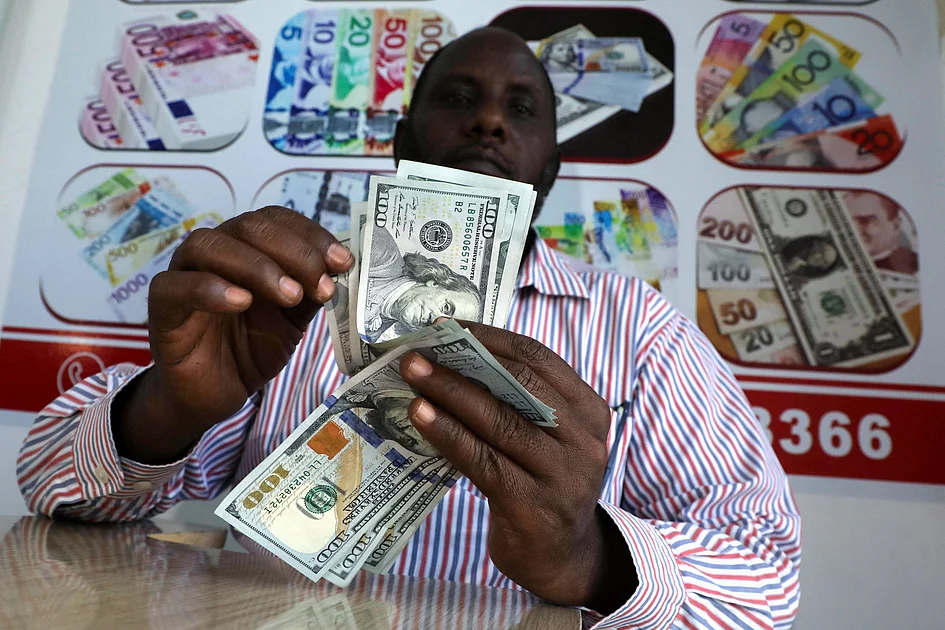
    Currency strategists note the dollar index plummeted over 9% in 2025, representing its most significant annual decline in eight years. This substantial depreciation stems from multiple factors: anticipated Federal Reserve rate reductions, narrowing interest rate differentials with other major economies, and growing concerns regarding US fiscal deficits and political uncertainty.

    Market experts emphasize that dollar weakness primarily reflects changing global growth expectations. Germany’s fiscal stimulus initiatives, China’s comprehensive policy support measures, and improving economic trajectories across the eurozone are collectively diminishing the US growth premium that previously supported dollar strength. This convergence in global economic performance reduces the dollar’s relative attractiveness to international investors.

    The Federal Reserve’s monetary policy direction remains crucial to dollar valuation. With Chair Jerome Powell preparing to transition out of his position and President Trump expected to appoint a successor advocating for lower interest rates, markets are pricing in continued accommodative policies. Several potential candidates, including White House economic adviser Kevin Hassett and former Fed Governor Kevin Warsh, have historically supported more dovish monetary approaches.

    Despite these bearish fundamentals, analysts caution that dollar weakness may not follow a linear path. Temporary factors including sustained investor enthusiasm for artificial intelligence technologies, potential US equity market inflows, and stimulus effects from recent tax cuts and government reopening could provide near-term support. However, most strategists view these as temporary factors unlikely to alter the broader downward trajectory.

    International asset managers are positioning portfolios for continued dollar weakness, noting that currency depreciation typically benefits US multinational corporations through enhanced overseas revenue conversion while improving relative returns in international markets. Current valuation metrics from the Bank for International Settlements indicate the dollar remains overvalued despite recent declines, suggesting further adjustment potential throughout 2026.

  • Why haven’t Trump’s tariffs had a bigger impact on prices?

    Why haven’t Trump’s tariffs had a bigger impact on prices?

    A groundbreaking economic study from Harvard University and the University of Chicago has uncovered a substantial discrepancy between the tariff rates publicly announced by the Trump administration and what importers actually paid throughout 2025. The research demonstrates that while official figures suggested trade-weighted tariffs reaching 32.8% in April, the effective rate paid by companies stood at just 14.1% by September.

    The comprehensive analysis identifies multiple factors contributing to this significant gap. Critical exemptions for products in transit during tariff announcements created implementation delays, while special considerations for semiconductor imports substantially reduced rates for technology products. Additionally, preferential treatment under the US-Mexico-Canada Agreement and widespread compliance declarations from North American trading partners further diminished the effective tariff burden.

    The research further reveals that tariff evasion strategies, including misdeclaration of product content, value, and country of origin, contributed to the reduced effective rates. Contrary to administration claims that foreign exporters would absorb costs, the study found that 94% of tariff expenses were passed through to American importers in 2025, significantly higher than the 80% rate observed during the 2018-2019 China tariff implementation.

    Despite the lower-than-expected effective rates, the tariffs have substantially reshaped global trade patterns. China’s share of US imports plummeted from 22% in 2017 to just 8% by late 2025. The policies have particularly affected manufacturers relying on imported components, with heavy machinery, automotive, and agricultural equipment sectors experiencing the most significant cost increases.

    The administration has recently shown flexibility, delaying scheduled tariff increases on furniture and reconsidering pasta tariffs amid affordability concerns. Economists caution that with only limited data available since full implementation, the long-term economic consequences remain to be fully understood.

  • How sports and cultural events are reshaping India’ success story

    How sports and cultural events are reshaping India’ success story

    India’s landscape is undergoing a profound metamorphosis as sports and cultural events emerge as powerful engines of economic growth and national identity. The transformation extends far beyond cricket, though the sport continues to demonstrate staggering commercial dominance. The Board of Control for Cricket in India reported record revenues of Rs97.41 billion in FY 2023–24, with the Indian Premier League contributing approximately Rs57.61 billion while reaching 446 million unique television viewers during its 2024 season.

    The sporting revolution now encompasses multiple disciplines experiencing remarkable growth. Hockey is witnessing a renaissance following Olympic successes, with the revived Hockey India League attracting international talent and capacity crowds in Bhubaneswar and Rourkela. Kabaddi has achieved extraordinary penetration into tier-2 and tier-3 markets through the Pro Kabaddi League, which reaches approximately 200 million viewers annually. Football’s Indian Super League has matured into a premier property with attendance rivaling established Asian leagues, while tennis tournaments like the Chennai Open and Bengaluru Open have reestablished India’s position on the international circuit.

    This expansion is paralleled by an explosive live entertainment sector. Coldplay’s Ahmedabad concerts generated an estimated ₹641 crore economic impact, drawing over 220,000 attendees and significantly boosting local hospitality and service industries. Crucially, this boom extends beyond metropolitan centers, with major events occurring from Kochi to Guwahati.

    Economists highlight the multiplier effect: each major event generates cascading benefits across hotels, transportation, retail, and temporary employment. For India’s youth, these developments represent more than economic opportunity—they signify participation in global spectacles within their own cities, fostering aspiration and belief in national progress.

    Backed by governmental support, India’s ambitions now include hosting the 2030 Commonwealth Games, which would catalyze infrastructure development and tourism reminiscent of the 2010 Delhi Games. The nation is transitioning from event host to strategic shaper of the global sports and entertainment landscape, with industry projections indicating 12–14% CAGR growth potentially reaching $40 billion by 2030.

  • UAE golf at a pivotal turning point: Blending innovation and entertainment for the future

    UAE golf at a pivotal turning point: Blending innovation and entertainment for the future

    In a significant move set to reshape construction efficiency benchmarks, BNW Developments has announced a comprehensive strategic partnership with the global infrastructure giant China Railway No. 4 Engineering Group (CREC4). This alliance represents a major strategic pivot, leveraging CREC4’s extensive engineering prowess and rapid deployment capabilities to dramatically accelerate BNW’s development pipeline.

    The collaboration is founded on a synergistic model: BNW Developments brings its prime real estate projects and market expertise to the table, while CREC4 contributes its monumental experience in large-scale, high-speed construction projects, honed on massive infrastructure endeavors worldwide. The partnership extends beyond mere contracting, envisioning a deep integration of project management methodologies, supply chain logistics, and cutting-edge construction technologies.

    Industry analysts highlight that this move is a direct response to persistent project delays and supply chain bottlenecks that have plagued the construction sector. By aligning with a state-owned enterprise renowned for its ability to execute complex projects on an accelerated schedule, BNW positions itself to gain a formidable competitive advantage, potentially reducing time-to-market for its developments by a significant margin.

    The implications for the real estate market are substantial. This acceleration strategy could enable BNW to capitalize more effectively on market demand cycles and improve overall capital efficiency. The partnership also signals a growing trend of Western real estate firms seeking strategic alliances with Eastern engineering powerhouses to overcome contemporary construction challenges and implement industrialized building techniques on a broader scale.

  • Remote work in UAE: What are the rights of employers, employees?

    Remote work in UAE: What are the rights of employers, employees?

    The United Arab Emirates has formally institutionalized remote work arrangements through specific legislative measures, creating a structured legal environment for both employers and employees. According to Cabinet Resolution No. (1) of 2022, which implements Federal Decree-Law No. (33) of 2021, remote work is recognized as a legitimate employment type when mutually agreed upon in writing.

    The regulatory framework mandates that remote work arrangements, whether full-time or partial, must be explicitly documented through employment contracts or formal amendments. These documents must comprehensively detail all employment terms, including but not limited to: identification of both parties, job role specifications, compensation structure, designated workplace parameters, precise working hours, leave entitlements, probationary conditions, and termination procedures.

    Article 17 (6) of the Federal Decree-Law specifically addresses remote work scenarios, stating that employees may perform duties remotely within or outside the UAE with employer approval, while reserving the employer’s right to establish specific working hours. The legislation further stipulates that conversion to remote work arrangements requires mutual consent, settlement of all outstanding entitlements from original contracts, and strict adherence to procedures established by the Ministry of Human Resources and Emiratisation.

    The legal provisions emphasize that while employers maintain the authority to set operational parameters for remote work, employees gain protected status under UAE labor law when working remotely. This represents a significant modernization of the Emirates’ employment landscape, providing clarity on statutory obligations including working hour calculations, leave entitlements, and other regulatory requirements for remote arrangements.

    Legal experts recommend that businesses seeking to implement remote work policies should formalize these arrangements through proper contractual documentation and seek specialized legal counsel to ensure full compliance with the evolving regulatory environment.

  • Bitcoin roars back above $91,000 as geopolitical jolt triggers short squeeze

    Bitcoin roars back above $91,000 as geopolitical jolt triggers short squeeze

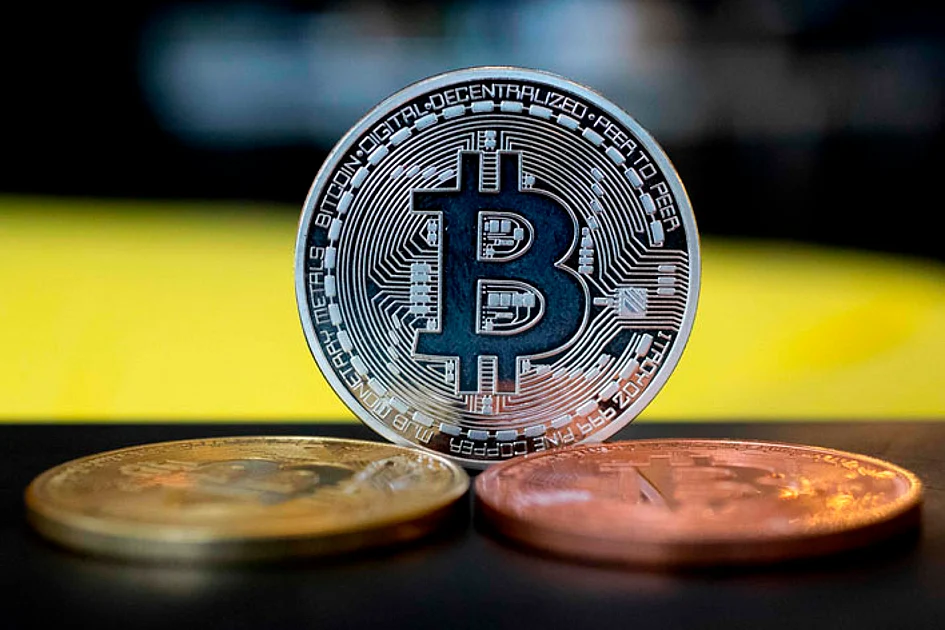
    Bitcoin experienced a dramatic resurgence over the weekend, catapulting beyond the $91,000 threshold amid geopolitical turmoil originating from Venezuela. The world’s premier cryptocurrency reached approximately $91,300 during Asian trading hours on Sunday, marking its most robust performance since mid-December and registering over 4% weekly gains.

    The sudden price escalation was primarily ignited by escalating political developments in Venezuela, where reports emerged regarding President Nicolás Maduro’s alleged detention by US authorities. Subsequent statements from former President Donald Trump suggesting Washington’s intention to assert control over Venezuelan oil assets created immediate global market turbulence. While cryptocurrencies maintain no direct correlation to Venezuelan politics, traders frequently interpret rapidly evolving geopolitical situations as volatility catalysts that can disrupt market positioning.

    Market analysts identified this movement as a textbook short squeeze phenomenon, where thin liquidity conditions and concentrated bearish positions dramatically amplified price action. Derivatives data revealed approximately $180 million in crypto futures positions were liquidated within 24 hours, with short positions accounting for $133 million of this total. Bitcoin specifically witnessed over $58 million in short liquidations compared to merely $6 million in long positions, indicating the surge was driven primarily by traders covering bearish bets rather than substantial new buying activity.

    Technical factors played a crucial role in the rally’s momentum. Bitcoin’s decisive breach of its 50-day moving average represented a significant psychological breakthrough after weeks of constrained trading patterns. Market observers noted that leverage had gradually accumulated during Bitcoin’s recent consolidation phase, creating conditions ripe for accelerated price movements when key technical levels were breached.

    The cryptocurrency’s response to geopolitical stress reflects its evolving market characterization. Previously touted as crisis hedges, digital assets now typically behave as high-beta risk instruments in immediate term reactions. Current analyst assessments suggest Bitcoin’s ability to sustain this rebound will depend on maintaining reclaimed technical support levels and generating consistent spot market demand beyond liquidation-driven momentum.

    This episode underscores the crypto market’s continued vulnerability to sudden collisions between geopolitical developments, leverage structures, and trader psychology, where periods of quiet consolidation can rapidly transform into dramatic price movements.

  • Will US attack on Venezuela have major impact on oil prices?

    Will US attack on Venezuela have major impact on oil prices?

    Despite dramatic military escalation culminating in the capture of Venezuelan President Nicolas Maduro, energy market analysts project minimal impact on global oil prices. The January 3rd US offensive, while geopolitically significant, is occurring against a backdrop of severe pre-existing sanctions that have already crippled Venezuela’s oil export capabilities.

    Samer Hasn, Senior Market Analyst at XS.com, notes that while Venezuela possesses the world’s largest oil reserves, its actual export capacity ranks outside the top twenty globally due to prolonged sanctions. “The market remains deeply oversupplied,” Hasn emphasized, pointing to structural factors that outweigh geopolitical risks.

    This assessment is supported by International Energy Agency projections indicating a substantial supply surplus of 3.85 million barrels per day anticipated for 2026. This oversupply situation effectively cushions against potential disruptions from Venezuela, whose production has dwindled to between 700,000 and 1 million barrels daily.

    Amena Bakr, Head of Middle East Energy and OPEC+ Insights at Kpler, concurred with this muted outlook, noting that “oil markets continue to underestimate geopolitical risk” despite the escalation.

    The analysis extends beyond Venezuela, with experts identifying three potential supply shocks that could collectively impact markets: the Venezuela situation, escalating Russia-Ukraine tensions affecting Russian energy infrastructure, and renewed Middle East volatility involving Iran and Israel. The convergence of all three scenarios could create significant price pressure, though analysts consider this simultaneous occurrence unlikely.

    For oil-dependent economies like the UAE, which aligns domestic fuel prices with global benchmarks, the continued market oversupply has already resulted in consumer benefits, with petrol rates reduced for January 2026 following subdued December pricing.

  • How UK plush toy Jellycat conquered China

    How UK plush toy Jellycat conquered China

    In the midst of pandemic-era uncertainty, a surprising emotional lifeline emerged for young Chinese adults: the soft, whimsical plush toys of British brand Jellycat. What began as children’s toys has evolved into a global phenomenon, particularly in China where disenchanted youth have embraced them as tools for emotional regulation and social connection.

    The journey of Stella Huang illustrates this cultural shift. Her first Jellycat purchase in 2021, a gingerbread house plushie discovered on Chinese social platform RedNote, marked the beginning of a collection that now numbers 120 toys with a total value exceeding 36,000 yuan ($5,145). For Stella, now a 32-year-old tourism sales manager in Beijing, these aren’t mere collectibles but emotional companions in challenging times. “At my age, there are many things you can’t share with others,” she reflects. “The plushies help me regulate my emotions.

    Jellycat’s remarkable success story is rooted in strategic market positioning and perfect timing. The company’s Amuseable line—featuring inanimate objects like toilet rolls and boiled eggs with tiny faces—became breakout products that resonated deeply with Gen-Z and millennial audiences globally. According to Statista analyst Kasia Davies, these toys “appeal to a wide Gen-Z and millennial audience” by tapping into contemporary desires for comfort and companionship.

    The brand’s ascent coincided with broader demographic challenges facing toy manufacturers. With birth rates declining worldwide, companies needed to identify new markets. Jellycat had already established Chinese market presence in 2015, providing crucial groundwork for pandemic-era expansion. Business consultant Kathryn Read, with 15 years’ China experience, notes the company “captured the tone of the pandemic” when people sought comfort amid heightened uncertainty.

    Jellycat’s commercial performance has been extraordinary. Recent Companies House accounts reveal the UK-based firm’s revenue surged by two-thirds to £333m ($459m) in 2024. Chinese consumers purchased approximately $117m worth of Jellycat toys through major e-commerce platforms, according to Beijing-based Moojing Market Intelligence.

    This success reflects broader trends in China’s collectible toy market, projected to exceed 110bn yuan this year according to a 2024 report by the Chinese Academy of Social Sciences. The phenomenon parallels the success of domestic brands like Pop Mart’s Labubu elf-like dolls, highlighting growing appetite for emotional comfort objects among Chinese youth.

    Professor Erica Kanesaka of Emory University identifies this as part of a global “kidult” trend where young adults question “outdated understandings of adulthood.” Market research company Circana reports that while global toy sales declined slightly in 2024, collectible toy sales increased by nearly 5% to record highs.

    Jellycat’s marketing strategy has been particularly effective in China. Limited edition releases, pop-up experiences featuring celebrity partnerships (including A-list actress Yang Mi in Shanghai), and strategic localization— offering fish and chips plushies in London while featuring teapot designs in Beijing—have created buzz and exclusivity. Many Chinese consumers describe this approach as “hunger marketing,” driving social media desirability.

    The toys have also become vehicles for cultural expression. The Amuseable aubergine, nicknamed “the boss” by Chinese fans, has spawned numerous memes where users depict the vegetable in various states of emotional distress—complete with drawn dark circles and glasses—to humorously represent workplace exhaustion. Hong Kong marketing professional Wendy Hui posted her modified aubergine on Threads captioned: “The mental state of workers on Monday.”

    For many young Chinese, Jellycat represents an accessible luxury in economically challenging times. As 34-year-old medical sales representative Jessie Chen notes: “You have to consider for a long time before buying a luxury bag. But you don’t need to do that for a Jellycat.” The brand’s practical offerings, including bags costing just a few hundred yuan, offer both emotional and functional value.

    However, signs suggest China may have reached peak Jellycat, with some fans noting decreased social media discussion. Some collectors are turning to more affordable alternatives like Teletubbies blind boxes, while others consider “quitting the pit”—Chinese slang for retiring a hobby. As Stella Huang observes: “It is so difficult to buy them. Our daily life is not easy already and why should we make things harder for ourselves?”

    Despite these challenges, Jellycat’s impact on China’s emotional economy remains significant, offering soft comfort in hard times and illustrating how global brands can successfully adapt to local emotional landscapes.

  • Syria begins circulating new post-Assad currency bills

    Syria begins circulating new post-Assad currency bills

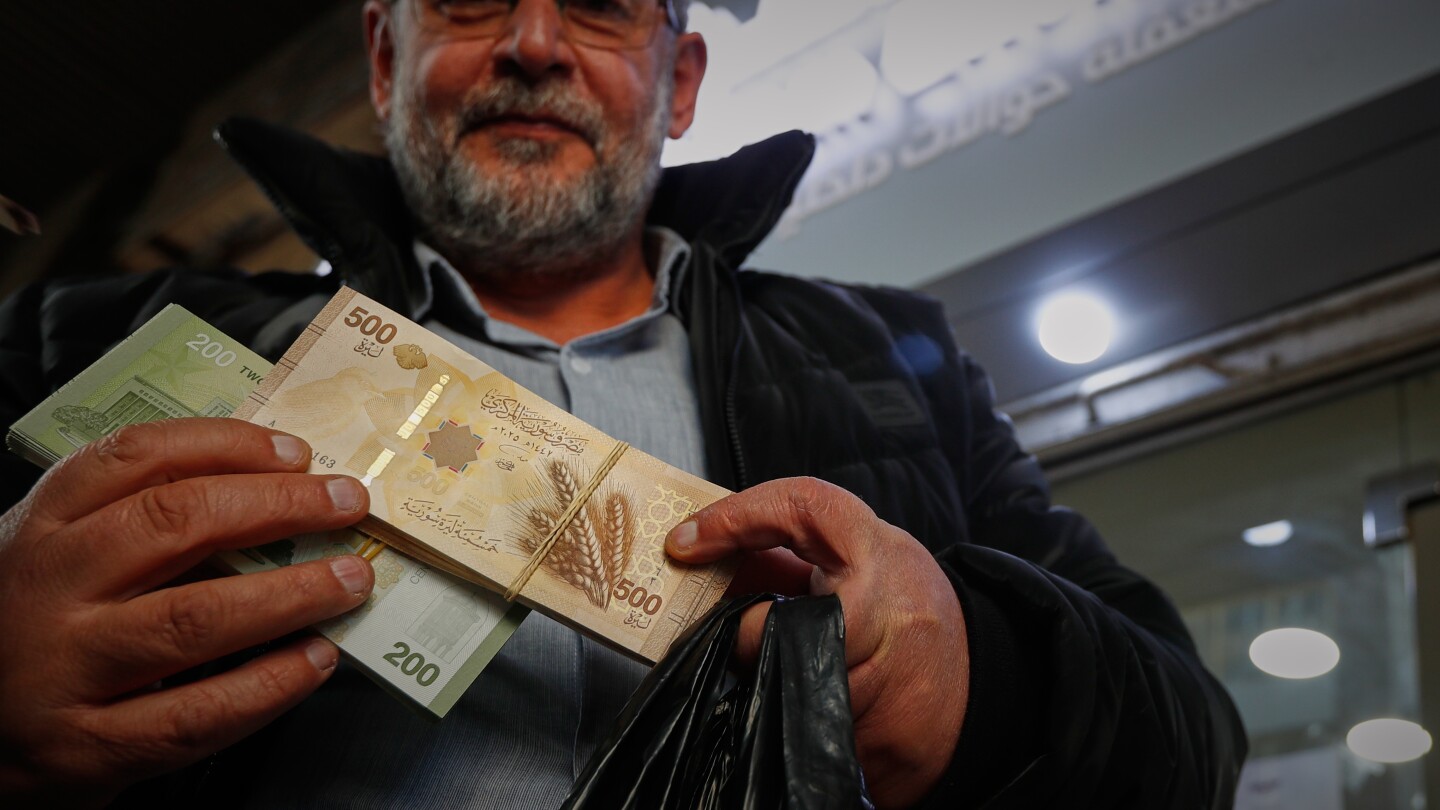
    DAMASCUS, Syria — Syrian authorities initiated a comprehensive currency overhaul on Saturday, marking a pivotal step in the nation’s economic recovery strategy following the collapse of the Assad regime. The monetary reform involves the introduction of new banknotes while systematically withdrawing existing currency from circulation.

    President Ahmad al-Sharaa’s administration issued an official decree earlier this week outlining the structured transition process. The central bank will oversee the gradual phase-out of old Syrian pounds through designated exchange centers according to a predetermined timetable.

    Central Bank Governor Mokhles Nazer announced via social media platform X that the currency exchange operation commenced Saturday morning after months of meticulous preparation. The presidential decree, published by the state-run SANA news agency, specifies that the redenomination removes two zeros from nominal values, effectively making every 100 old Syrian pounds equivalent to one new pound.

    This monetary restructuring significantly alters currency denominations. The previous highest-value note of 5,000 Syrian pounds has been replaced by a new 500-pound bill, representing a substantial reduction in numerical value while maintaining equivalent purchasing power.

    Market observations revealed the U.S. dollar trading at approximately 11,800 old pounds in Damascus exchange shops on Saturday. Many of the outgoing banknotes feature images of former leader Bashar Assad and his father Hafez Assad, whose 54-year family rule ended when insurgent groups entered Damascus in December 2024.

    The currency overhaul represents the latest effort by Syria’s new leadership to address an economy devastated by prolonged conflict and international sanctions. The economic deterioration is starkly illustrated by the currency’s collapse: at the conflict’s inception in March 2011, the U.S. dollar traded at just 47 Syrian pounds.

    Recent months have seen significant diplomatic developments, with the United States and European Union removing most sanctions previously imposed during Assad’s administration, potentially facilitating economic recovery efforts.