分类: business

  • ‘Tuna King’ pays record $3.2 mn for bluefin at Tokyo auction

    ‘Tuna King’ pays record $3.2 mn for bluefin at Tokyo auction

    Japanese sushi magnate Kiyoshi Kimura shattered auction records Monday by purchasing a 243-kilogram bluefin tuna for ¥510.3 million ($3.2 million) at Tokyo’s annual New Year fish market auction. The self-proclaimed ‘Tuna King’ acquired the premium specimen caught off Japan’s northern coast for his nationwide sushi restaurant chain, surpassing the previous 2019 record of ¥333.6 million.

    Kimura expressed surprise at the final price, noting ‘the price soared before you knew it’ during the pre-dawn bidding competition. He stated his hope that the auspicious tuna would ‘energize as many people as possible’ through his restaurants’ offerings.

    The extraordinary price marks a strong recovery from pandemic-era auctions when restaurant closures drove prices to fractions of normal levels. Fisheries experts view the record bid as an indicator of both market confidence and ecological progress.

    Dave Gershman of the Pew Charitable Trusts’ international fisheries team emphasized that Pacific bluefin stocks are demonstrating significant improvement after nearing collapse. He credited the 2017 recovery plan’s effectiveness while calling for international stakeholders to establish a long-term sustainable management strategy in 2026. Representatives from Japan, the United States, Korea, and other Pacific fishing nations are expected to collaborate on ensuring the species never again faces historical overfishing levels.

  • Gold price rises after US captures Venezuela’s Maduro

    Gold price rises after US captures Venezuela’s Maduro

    Financial markets witnessed a significant flight to safety as investors reacted to heightened geopolitical uncertainty following the US military operation that resulted in the capture of Venezuelan President Nicolás Maduro. Precious metals emerged as the primary beneficiaries, with gold climbing approximately 1.8% to $4,408 per ounce during Asian trading hours, while silver posted even stronger gains of nearly 3.5%.

    The market movement represents a continuation of gold’s remarkable performance throughout 2025, which marked its strongest annual showing since 1979 with gains exceeding 60%. Despite a minor correction in the final days of December, the precious metal had reached an unprecedented peak of $4,549.71 on December 26th, driven by anticipations of monetary easing, substantial central bank acquisitions, and persistent concerns regarding global instability.

    Contrasting with the precious metals rally, crude oil markets displayed relative stability with minimal price fluctuations. Market participants carefully evaluated the potential implications of Washington’s intervention on global energy supplies. President Donald Trump’s declaration that the US would access Venezuela’s extensive oil reserves and temporarily administer the country’s transition failed to immediately translate into significant oil price movements.

    Industry analysts suggest the operational challenges facing Venezuela’s petroleum infrastructure will likely prevent any substantial near-term impact on global energy markets. According to OCBC Bank investment strategist Vasu Menon, Venezuela’s crude production has been consistently underwhelming for years, currently representing merely 1% of worldwide output, with decades of underinvestment severely degrading extraction capabilities.

    Meanwhile, equity markets across the Asia-Pacific region generally advanced, seemingly unaffected by the Venezuelan developments. Japan’s Nikkei 225 index surged 2.6% on its first trading session of the year, bolstered by newly released data indicating stabilized manufacturing activity in December. Major benchmarks in South Korea, Hong Kong, and mainland China similarly trended upward, reflecting market confidence that the Venezuelan situation would remain geographically contained.

    Market analysts attributed the equity gains to continued optimism regarding artificial intelligence technologies and their flow-on effects from Wall Street’s performance, rather than any perceived economic implications from the Caribbean nation’s political upheaval.

  • Bluefin tuna sells for record $3.2 million at year-opening auction at Tokyo fish market

    Bluefin tuna sells for record $3.2 million at year-opening auction at Tokyo fish market

    TOKYO — The first tuna auction of 2026 at Tokyo’s Toyosu fish market witnessed an extraordinary transaction as a 535-pound bluefin tuna fetched an unprecedented 510 million yen ($3.2 million), establishing a new historical record. The predawn auction on Monday saw Kiyomura Corp., led by renowned sushi chain operator Kiyoshi Kimura, emerge as the victorious bidder for the premium specimen.

    The colossal bluefin, originating from the waters off Oma in northern Japan—renowned for producing superior quality tuna—commanded approximately $13,360 per kilogram ($6,060 per pound). This staggering price substantially surpassed the previous record of 334 million yen ($2.1 million), also set by Kimura in 2019.

    While hundreds of tuna change hands daily during these early morning auctions, the New Year’s event traditionally features significantly elevated prices, particularly for premium varieties like Oma tuna. The auction represents both a commercial transaction and a cultural tradition, drawing widespread attention from wholesalers and international observers alike.

    Notably, this record-breaking sale occurs against a backdrop of conservation progress. Pacific bluefin tuna, once considered a threatened species due to overwhelming demand for sushi and sashimi, has shown stock recovery following concerted international conservation measures. The extraordinary price point reflects both the exceptional quality of the specimen and the enduring cultural significance of tuna in Japanese culinary traditions.

  • Markets show mixed reaction after US capture of Venezuelan leader

    Markets show mixed reaction after US capture of Venezuelan leader

    Financial markets exhibited a divergent response early Monday following the U.S. military operation that resulted in the capture of Venezuelan President Nicolas Maduro. While Asian equity benchmarks soared to unprecedented heights, precious metals witnessed substantial gains as investors sought safe-haven assets amid geopolitical uncertainty.

    Commodity markets displayed particular sensitivity to the developments. Brent crude oil advanced by 14 cents to reach $60.89 per barrel, while U.S. benchmark crude increased 12 cents to $57.44. The petroleum sector’s attention remains focused on Venezuela’s crippled oil industry, which despite years of neglect and international sanctions, could potentially double or triple its current output of approximately 1.1 million barrels daily with sufficient investment and political stabilization.

    Precious metals demonstrated the most dramatic movement, with silver and platinum both surging 6% while gold climbed 2%. This robust performance underscores investor tendency toward traditional safe-haven assets during periods of geopolitical turmoil.

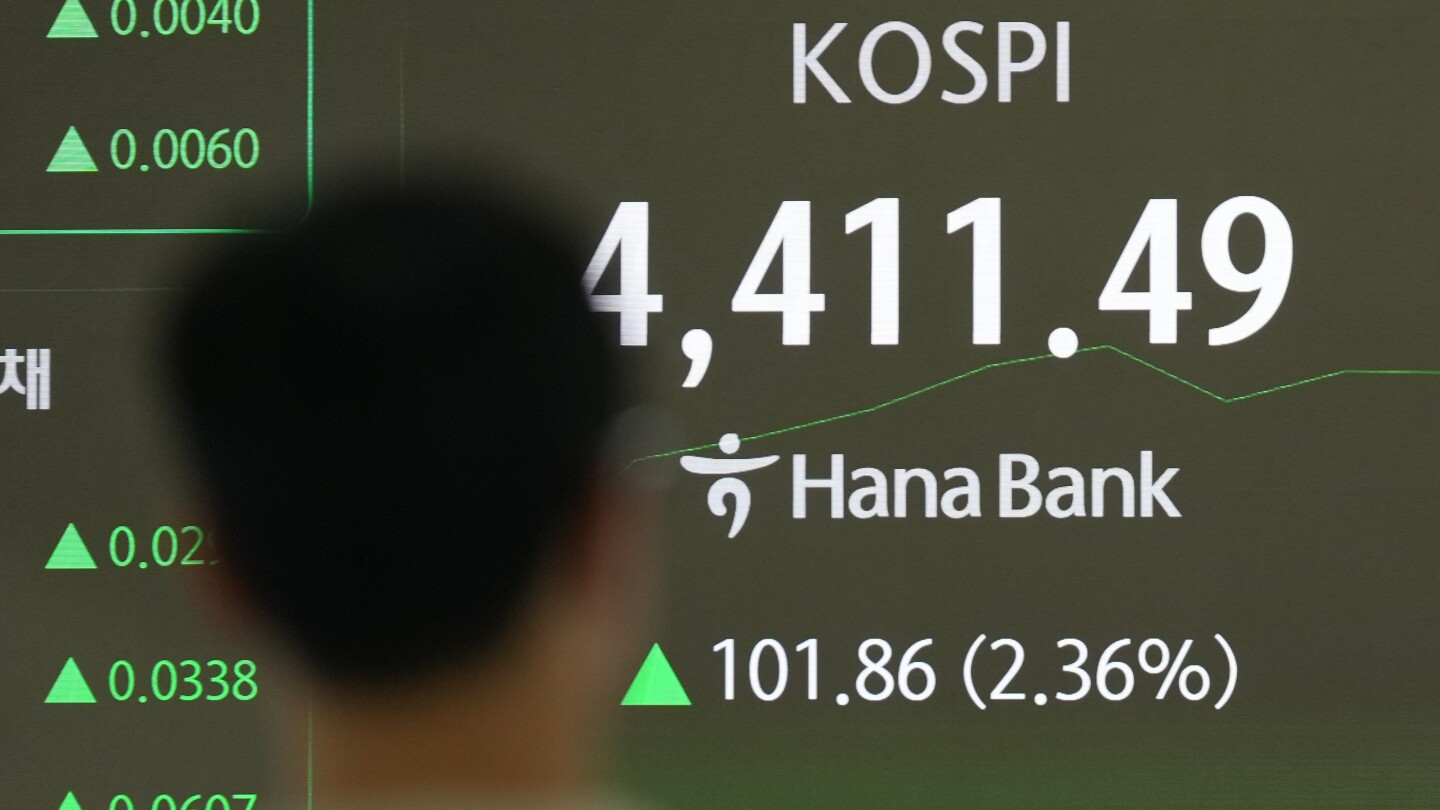
    Asian equity markets registered impressive gains, with Japan’s Nikkei 225 jumping 2.9% to 51,777.99—achieving a year-end high for 2025. South Korea’s Kospi surged 2.3% to 4,406.55, establishing another record close. More modest advances were seen in Australia’s S&P/ASX 200, which gained 0.1%, and Taiwan’s benchmark, which climbed 2.1%.

    Currency markets showed limited movement, with the dollar rising 0.2% against the yen to 157.15, while the euro slipped 0.2% to $1.1702.

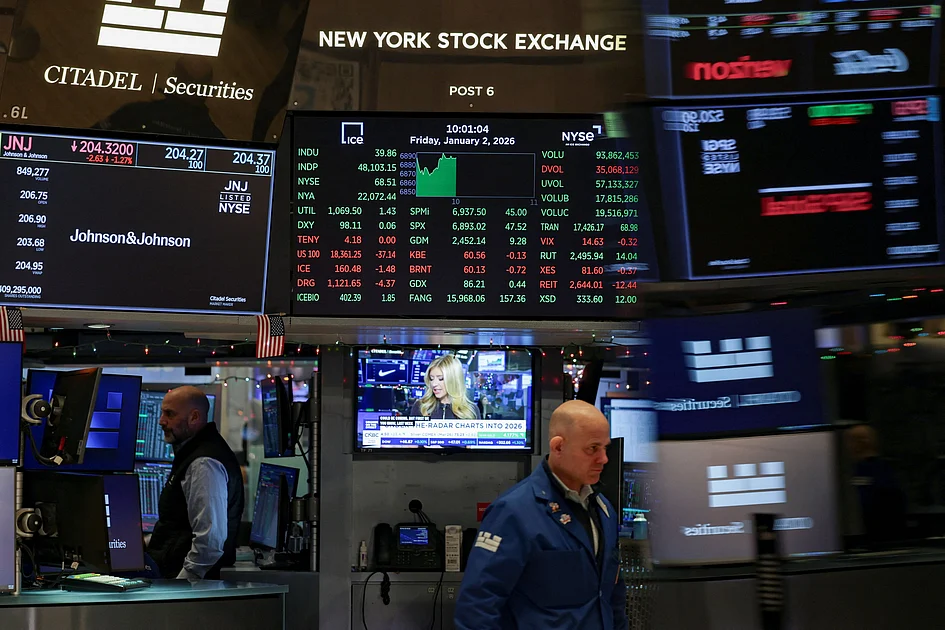
    The trading week follows a mixed session on Wall Street, where U.S. stocks posted modest gains on Friday. The S&P 500 advanced 0.2% to 6,858.47, building on its 16%+ gain throughout 2025. The Dow Jones Industrial Average rose 0.7%, while the Nasdaq composite experienced a slight decline of less than 0.1%, pressured by significant losses in Microsoft (2.2%) and Tesla (2.6%) following reports of continued sales declines.

    Several furniture companies recorded substantial gains after President Trump’s decision to delay increased tariffs on upholstered furniture, with RH advancing 8% and Wayfair rising 6.1%.

    Market participants now turn their attention to the first full week of the new year, which promises critical economic updates including private reports on the services sector, consumer sentiment data, and government employment reports. These indicators are expected to provide crucial insight into the U.S. economy’s performance at the close of 2025 and its trajectory for 2026, potentially influencing Federal Reserve policy decisions at its late January meeting.

  • Strong demand for premium CBD offices while secondary buildings struggle

    Strong demand for premium CBD offices while secondary buildings struggle

    Australia’s urban centers are undergoing a fundamental transformation as hybrid work models permanently alter commercial real estate dynamics, creating a pronounced two-tier market that favors premium office spaces while leaving older buildings increasingly vacant.

    Property analytics from JLL reveal a national net increase of 33,000 square meters in CBD office occupancy during early 2024, signaling growing corporate confidence in defining post-pandemic workspace requirements. This apparent recovery, however, masks a stark divergence between property classifications. Over the twelve months concluding March 2024, premium-grade office inventory expanded by 190,000 square meters while secondary-tier properties suffered a contraction of 234,000 square meters.

    According to JLL’s Head of Research for Australasia Andrew Ballantyne, ‘Organizations are gaining confidence in defining their occupational footprint, resulting in a net balance of organizations seeking more office space.’ This trend reflects strategic corporate decisions to prioritize quality over quantity, with businesses opting for superior spaces in prime locations despite overall reduced square footage requirements.

    Market differentiation extends beyond building quality to tenant size categories. CBRE research indicates small and medium enterprises (occupying under 1,000 square meters) are expanding their footprint by approximately 23% when committing to new leases. Conversely, larger corporations (occupying over 3,000 square meters) continue to contract their space requirements, albeit at a diminishing rate from 22% two years ago to 11% projected for 2025.

    Geographic recovery patterns show significant variation across major metropolitan centers. Sydney’s CBD demonstrates robust recovery with strong premium office growth offsetting secondary property losses. Brisbane outperforms with eight consecutive periods of positive growth and prime office vacancies at multi-year lows, driving 12% rental increases. Melbourne continues to struggle with vacancy rates climbing to 18% by mid-2024, while Adelaide surprises with occupancy reaching 88% of pre-pandemic levels.

    Financial adaptations include landlords offering incentives exceeding 40% in some markets, while lease terms have stabilized near 30 months – significantly longer than pandemic-era agreements yet shorter than traditional pre-COVID standards.

    The conversion of unused office space to residential use remains economically challenging due to construction costs and regulatory requirements, prompting many owners to pursue refurbishment or temporary market withdrawal instead. Industry experts suggest government intervention may be necessary to facilitate viable conversion programs.

    As hybrid work arrangements become permanently embedded in corporate culture, businesses have fundamentally re-evaluated their spatial needs, with many having downsized sufficiently to preclude any return to pre-pandemic office utilization levels.

  • Australian shares open higher in amid Venezuela geopolitical tensions

    Australian shares open higher in amid Venezuela geopolitical tensions

    Australian equities commenced the trading week on a positive note, with the S&P/ASX 200 index advancing 15.20 points, or 0.17 percent, to reach 8743.00 in morning transactions. This upward movement allowed the benchmark to reclaim its position above the 50-day moving average, though it continues to trade approximately 4 percent below its 52-week peak, demonstrating limited momentum over recent sessions.

    The market’s early strength was predominantly driven by significant rallies within the energy and uranium sectors. This investor focus emerged in direct response to extraordinary geopolitical developments over the weekend, wherein US forces conducted a military operation resulting in the capture of Venezuelan President Nicolas Maduro. US President Donald Trump subsequently announced the nation would remain under temporary US oversight pending the installation of a new administration, though specific transition details remain unspecified.

    Despite these heightened tensions, the global oil market exhibited remarkable stability. Analysts quickly noted that Venezuela’s oil production infrastructure remained undamaged, with worldwide markets maintaining ample supply buffers. This assessment was reinforced by OPEC+’s weekend decision to maintain current output levels, signaling no urgent need for intervention despite crude prices declining over 18 percent in 2025 and fresh geopolitical risks emerging.

    Kyle Rodda, senior financial market analyst at Capital.com, observed that ‘OPEC isn’t rushing to put a strong floor under prices, ostensibly adopting a ‘wait and see’ approach to market conditions.’ Technical analysis indicates crude remains in a definitive downtrend, with the 50-day moving average representing significant resistance and approximately $55 per barrel establishing a major support level.

    Market specifics revealed uranium enterprises leading the ASX advance: Silex Systems surged 10.89 percent, Paladin Energy jumped 9.18 percent, and NexGen Energy rose 8.53 percent. Modest losses were concentrated in financials and mining sectors, with AUB Group declining 2.09 percent and Aristocrat Leisure slipping 1.78 percent. The Australian market’s reaction provided among the first global indicators of investor response to the Venezuela developments, demonstrating resilience amid ongoing oil price weakness that saw US crude settle at $57.32 and Brent at $60.75 per barrel.

  • India wants more passenger jets. Can it also build them?

    India wants more passenger jets. Can it also build them?

    India’s rapidly expanding aviation sector faces a critical juncture as it navigates supply chain constraints and ambitious domestic production goals. With IndiGo and Air India controlling over 90% of the market and having placed orders for nearly 1,500 aircraft over the next decade, the country’s dependency on Boeing and Airbus has become increasingly problematic. Both manufacturers reported historically high delivery backlogs in 2024, creating delays that directly impact Indian carriers.

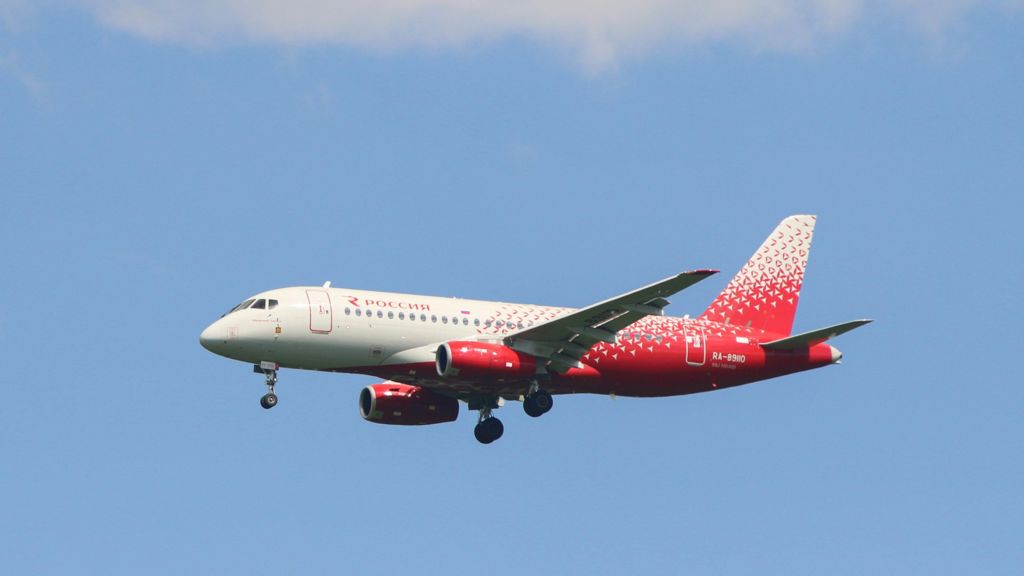
    This supply challenge has revitalized discussions about India’s long-standing aspiration to develop indigenous passenger aircraft capabilities. The recent preliminary agreement signed between Delhi and Moscow to manufacture Russian SJ-100 planes in India represents the latest attempt to address this dependency. The SJ-100, a twin-engine regional jet capable of carrying up to 103 passengers, is already operational with several Russian airlines according to manufacturer United Aircraft Corporation (UAC).

    However, aviation experts question the project’s feasibility amid multiple complexities. Western sanctions imposed after Russia’s invasion of Ukraine have fundamentally altered the aircraft’s certification and component sourcing. The European Union Aviation Safety Agency revoked its certification, effectively banning the SJ-100 from European airspace. UAC was forced to replace approximately 40 systems to create an ‘import-substituted’ version in 2023.

    India’s historical attempts at aircraft manufacturing reveal a pattern of ambitious projects with limited commercial success. Since establishing the National Aerospace Laboratories (NAL) in 1959, the country has developed small training aircraft like the two-seater Hansa but has struggled with larger passenger planes. Previous collaborations include licensed production of UK-designed Avro 748 jets in the 1960s and partnership with Germany’s Dornier for 19-seat aircraft in the 1980s.

    The most notable setback occurred with the Saras project, a 15-seater developed with Russian assistance that stalled in 2009 following a fatal prototype accident. While revived as the 19-seater Saras MK2, the program remains uncertified. Similarly, the Regional Transport Aircraft (RTA) project for a 90-seater comparable to the SJ-100 has seen minimal progress since feasibility reports were submitted in 2011.

    Dr. Abhay Pashilkar, director of NAL, identifies key structural challenges: ‘Lack of large domestic demand until recently, along with a shortage of highly skilled manpower and a small domestic manufacturing ecosystem, has held back growth in the sector.’ He emphasizes that engagement with both Indian and global manufacturers represents the most viable path forward.

    Despite these challenges, the Russia partnership offers strategic advantages for both nations. For India, it provides immediate manufacturing capability while domestic projects remain years from completion. For Russia, successful international production would demonstrate its ability to create civilian aircraft without Western technology. Gopal Sutar, former spokesperson of Hindustan Aeronautics Limited, notes that Russia’s role as a ‘steadfast supporter’ of India remains strategically significant, with both nations presumably accounting for potential sanction-related challenges.

    The agreement nevertheless involves considerable trade-offs and leaves unanswered questions about technology transfer, production timelines, and market acceptance. Meanwhile, India’s aviation expansion faces additional constraints beyond aircraft availability, including crew shortages evidenced by recent IndiGo flight cancellations that stranded thousands of passengers due to inadequate pilot roster planning.

  • Wall St Week Ahead: Jobs data could jolt stocks from holiday calm as 2026 kicks off

    Wall St Week Ahead: Jobs data could jolt stocks from holiday calm as 2026 kicks off

    Financial markets are poised for heightened activity as the first full trading week of 2026 approaches, with investors closely monitoring employment data that could break the current market stagnation. The January 9 jobs report emerges as a critical indicator that may determine near-term Federal Reserve policy decisions and market trajectory.

    The S&P 500 concluded 2025 with impressive 16% gains despite December losses, marking its third consecutive year of double-digit percentage growth. Current market conditions reflect a period of consolidation, with the index trading near record highs but essentially flat since late October. This stagnation has created what analysts describe as a ‘waiting game’ for directional signals.

    Labor market concerns have already influenced monetary policy, prompting the Federal Reserve to implement rate cuts during each of its final three 2025 meetings. With the benchmark rate currently at 3.5%-3.75%, futures markets indicate minimal expectation for a January reduction but nearly 50% probability of a quarter-point cut in March.

    December employment figures project a gain of 55,000 positions according to Reuters polling, following November’s 64,000 increase. The unemployment rate remains elevated at 4.6%, representing a multi-year high that continues to shape Fed deliberations balancing employment objectives against persistent inflation exceeding the 2% target.

    Beyond employment data, investors face multiple catalysts including upcoming inflation metrics, manufacturing and services sector reports, and the imminent fourth-quarter earnings season. Major financial institutions including JPMorgan are scheduled to report during the week of January 13, providing crucial insight into corporate performance expectations.

    Market strategists note that current valuations demand either robust earnings growth or sustained investor confidence in economic conditions. S&P 500 companies are projected to have achieved 13% earnings growth in 2025 with forecasts suggesting 15.5% expansion for 2026, according to LSEG IBES data.

  • Dubai outshines as GCC markets trail global rally in a divided year

    Dubai outshines as GCC markets trail global rally in a divided year

    The Gulf Cooperation Council (GCC) equity markets concluded 2025 with markedly divergent performances, revealing a growing chasm between regional exchanges and their global counterparts. Dubai’s financial marketplace emerged as a regional luminary, showcasing remarkable resilience while other Gulf markets struggled to keep pace with worldwide rallies.

    Dubai’s benchmark index soared 17.2% to close at 6,047.1 points, securing its position as the third-best performing market within the GCC region. This achievement marked the index’s fifth consecutive annual advance, demonstrating a maturing yet persistently robust upward trajectory. Sectoral performance revealed significant variations, with materials leading the charge at 29.9% growth, closely followed by communication services (29.5%) and industrials (28.1%). However, consumer discretionary sectors experienced substantial pressure, declining 24% and revealing underlying market fragmentation.

    The Dubai Financial Market witnessed exceptional growth in market capitalization, climbing 14.7% year-on-year to reach Dh1.029 trillion. This expansion was fueled by vigorous initial public offering activity, particularly the Alec Holding IPO which attracted Dh29.8 billion in orders—representing a 21-times oversubscription—and raised Dh1.4 billion. Trading metrics showed pronounced acceleration, with volumes increasing 19.8% to 60.4 billion shares and traded value surging 55.3% to Dh161.8 billion. Emaar Properties dominated market turnover with Dh46.4 billion in traded shares, followed by Emaar Development and Emirates NBD.

    Dubai’s equity market strength mirrored its formidable economic fundamentals. The emirate’s real estate sector recorded unprecedented performance, with transaction volumes rising 17.1% to 212.8 thousand deals and total sales values skyrocketing 27.3% to Dh667.6 billion. Apartment sales demonstrated particular vigor, with volumes up 19.3% and values increasing 25.4%. The International Monetary Fund projected Dubai’s GDP growth at 3.4% for 2025, acknowledging the emirate’s economic diversification and resilience amidst global uncertainties. Official data revealed GDP expansion of 4.4% during the first half of the year, propelled by construction sector growth of 8.5%.

    Conversely, Abu Dhabi delivered a more tempered recovery. The ADX General Index advanced 6.1% to close at 9,992.72 points, rebounding from two consecutive years of decline. Market capitalization grew 3.7% to Dh3.03 trillion, supported by selective sectoral gains. Real estate led sectoral advances with a 15.4% increase, followed by telecommunications and financials. However, substantial declines in consumer staples, healthcare, and consumer discretionary stocks, coupled with a utilities sector retreat, constrained broader market progress.

    Trading activity on the Abu Dhabi exchange remained vigorous, with volumes surging 35.3% to 85.8 billion shares and traded value rising 31.0% to Dh316.0 billion. International Holding Company, ADNOC Gas, and Aldar Properties emerged as the most actively traded stocks by value. Abu Dhabi’s property market demonstrated exceptional performance, with transaction values leaping 36% to Dh165.5 billion and volumes increasing 50%, reinforcing the emirate’s emergence as a transparent, well-regulated property destination. The IMF anticipates Abu Dhabi’s real GDP will expand by 6% in 2025, supporting a strengthened medium-term outlook.

    Regionally, GCC markets substantially trailed global indices, with the MSCI GCC Index gaining merely 1.6% throughout 2025. Geopolitical tensions, crude oil weakness, and declines in heavyweight Saudi stocks exerted downward pressure. Brent crude prices fell 18.5% during the year, adversely affecting energy-concentrated markets. Saudi Arabia’s TASI declined 12.8%, representing the only GCC market to post an annual loss. Oman and Kuwait outperformed with gains of 28.2% and 21.0% respectively, positioning Dubai firmly among regional leaders.

    Globally, equity markets celebrated a third consecutive year of double-digit gains, propelled by artificial intelligence stock rallies and accommodative monetary policies. Major benchmarks in the United States, Europe, and Asia advanced approximately 17%, while emerging markets surged over 30%, dramatically outperforming GCC indices. Against this backdrop, Dubai’s robust performance highlighted its increasing alignment with global growth narratives, even as the broader Gulf region contended with structural challenges and geopolitical headwinds.


  • UAE aviation sector stands as key pillar of national economy with growing global presence

    UAE aviation sector stands as key pillar of national economy with growing global presence

    The United Arab Emirates’ aviation industry has firmly established itself as a cornerstone of the nation’s economic framework, demonstrating remarkable growth and international influence throughout 2025. Recent developments confirm the sector’s strategic importance, contributing approximately 18% to the country’s gross domestic product through both direct and indirect channels while supporting critical industries including tourism, commerce, and logistics networks.

    In a series of groundbreaking initiatives, the General Civil Aviation Authority (GCAA) launched the unified national platform for unmanned aerial vehicles in January 2025. This innovative digital ecosystem streamlines drone operations through comprehensive registration protocols, regulatory clarity, and enhanced safety measures, simultaneously improving operational efficiency and investment opportunities.

    The aviation landscape witnessed further transformation in April with GCAA’s design approval for the nation’s premier hybrid Heliport at Abu Dhabi Cruise Terminal. This pioneering infrastructure represents a significant advancement in the visionary Abu Dhabi Air Taxi project, marking substantial progress toward integrated, sustainable air transportation throughout the emirate.

    Environmental stewardship emerged as a priority with the GCAA submitting the UAE’s third State Action Plan for reducing aviation emissions to the International Civil Aviation Organisation. This comprehensive strategy, developed through collaborative efforts across the aviation sector, incorporates 42 operational and technological projects alongside 13 initiatives focused on sustainable aviation fuel and low-carbon alternatives.

    The UAE’s global aviation standing reached new heights with its seventh consecutive term on the ICAO Council. The international community also reaffirmed its confidence in UAE leadership by re-electing Hamad Salem Al Muhairi as Chairperson of the ICAO Aviation Security Panel for a third term. Simultaneously, Engineer Maryam AlBalooshi achieved historic recognition as the first Middle Eastern representative elected to chair ICAO’s Committee on Aviation Environmental Protection.

    The nation solidified its position as a global aviation dialogue hub by hosting prestigious international events including the ICAO Global Implementation Support Symposium and the inaugural Global Sustainable Aviation Market in Abu Dhabi. The latter initiative gained extraordinary recognition when ICAO formally adopted it as an annual event within its official calendar—a rare honor for a state-initiated concept.

    Operational excellence continued as UAE airports reported unprecedented passenger traffic, with Abu Dhabi, Dubai, and Sharjah international facilities collectively processing approximately 108.59 million passengers within the first three quarters of 2025.