分类: business

  • Kuwaiti investments in Sharjah property jump 73% to over Dh1 billion in 2025

    Kuwaiti investments in Sharjah property jump 73% to over Dh1 billion in 2025

    Sharjah’s property market has witnessed a remarkable surge in Kuwaiti investment, with figures reaching Dh1.049 billion in 2025—a substantial 73% increase from previous years. This growth underscores deepening economic ties between the United Arab Emirates and Kuwait, reflecting robust confidence in Sharjah’s investment landscape bolstered by legislative stability and advanced infrastructure.

    The latest data released by the Sharjah Real Estate Registration Department during UAE–Kuwait Relations Week reveals Kuwaiti nationals now hold ownership of 5,660 properties in the emirate. The investment presence extends beyond mere ownership, with Kuwaiti investors playing a pioneering role as some of the earliest real estate developers in Sharjah, currently managing 13 active development projects.

    Trading activity showed exceptional dynamism, with Kuwaiti investors transacting 868 properties in 2025, representing a 51.7% growth from the 573 properties traded in 2024. The number of individual Kuwaiti investors similarly expanded to 811—a 38.2% increase from the previous year’s 587 investors.

    Abdulaziz Ahmed Al-Shamsi, Director General of the Sharjah Real Estate Registration Department, emphasized that these investments reflect the profound fraternal and historical relations between the two nations. ‘Kuwaiti investors demonstrate clear confidence in Sharjah’s secure and stimulating investment environment, supported by flexible legislation, advanced real estate services, and a sustainable development vision,’ Al-Shamsi stated. He further noted that Sharjah’s appeal to Kuwaiti investors signifies aligned values and visions, embodying a genuine economic partnership that continues to flourish, particularly within the real estate sector—a key driver of economic development.

  • India eases duty on gold jewellery, expands passenger baggage allowance

    India eases duty on gold jewellery, expands passenger baggage allowance

    In a significant move to modernize its customs regulations, the Indian government has announced a comprehensive update to passenger baggage rules, substantially increasing duty-free allowances for travelers. The revisions, introduced during the India Budget 2026 presentation by Finance Minister Nirmala Sitharaman, mark a substantial shift in the country’s approach to personal imports.

    Under the new framework, female passengers returning to India can now carry up to 40 grams of gold jewelry without incurring customs charges, while other passengers are permitted up to 20 grams as part of their personal baggage allowance. This represents a meaningful liberalization of previous restrictions on precious metal imports.

    The reforms extend beyond gold to encompass general goods allowances. Indian residents and tourists of Indian origin now benefit from a raised duty-free threshold of ₹75,000 (approximately Dh3,000), a 50% increase from the previous ₹50,000 limit. Foreign tourists similarly see their allowance elevated to ₹25,000 (Dh1,000) from the earlier ₹15,000 cap.

    Complementing these changes, Minister Sitharaman announced a substantial reduction in tariff rates for dutiable goods imported for personal use, cutting the rate from 20% to 10%. This measure aims to rationalize the customs duty structure while reducing the financial burden on legitimate travelers.

    Legal experts have welcomed these developments as a modernization of India’s duty-free framework. Nupur Maheshwari, executive partner at Lakshmikumaran and Sridharan attorneys, noted that the updated rules represent a significant step forward in aligning India’s customs procedures with contemporary travel patterns and economic realities, particularly through clarified transfer-of-residence benefits and updated threshold conditions.

  • UAE economy on track despite regional tensions, top financial expert says

    UAE economy on track despite regional tensions, top financial expert says

    The United Arab Emirates continues to demonstrate extraordinary economic resilience despite escalating regional tensions, according to top financial experts. Maurice Gravier, Group Chief Investment Officer at Emirates NBD Wealth Management, drew compelling parallels between the UAE’s strategic positioning and Switzerland’s historical neutrality during times of European conflict.

    Speaking at the launch of the Annual Global Investment Outlook for 2026, Gravier emphasized that the UAE’s diplomatic wisdom and policy stability have positioned it as one of the Middle East’s safest nations. “Switzerland thrived despite lacking natural resources and sea access—advantages that the UAE possesses in abundance. With wise diplomatic policies, a country can prosper even amidst surrounding troubles by avoiding direct conflict,” Gravier stated during his address.

    The economic data substantiates this resilience. The UAE’s real GDP significantly exceeded its 5% growth projection for the previous year, while non-oil foreign trade spectacularly surpassed the $1 trillion milestone in 2025. This performance occurs against a backdrop of heightened US-Iran tensions that have prompted some airlines to suspend regional operations and created market uncertainties.

    Emirates NBD’s comprehensive report, titled ‘Eyes Wide Open,’ projects a modest deceleration in non-oil activity across the GCC bloc for 2026, primarily due to base effects following several years of exceptional post-pandemic growth. The financial institution forecasts weighted average non-oil growth of 4.4% in 2026, slightly down from an estimated 4.8% in 2025, with the UAE, Saudi Arabia, and Qatar expected to remain regional outperformers.

    Gravier highlighted the UAE’s unique advantages, noting that “all planets are aligned for the UAE and GCC as a whole.” The institution maintains an average oil price forecast of $60 per barrel for 2025 while expressing particular optimism about the UAE’s artificial intelligence capabilities and unparalleled global connectivity advantages.

    The UAE’s firm diplomatic stance, including its January 26 declaration prohibiting the use of its territory, airspace, or waters for military operations against Iran, further reinforces its commitment to regional stability amid the escalating tensions between the US and Iran that have included previous attacks on Iranian military sites.

  • India-UAE fares from Dh320: Air India Express offers 5 million discounted seats

    India-UAE fares from Dh320: Air India Express offers 5 million discounted seats

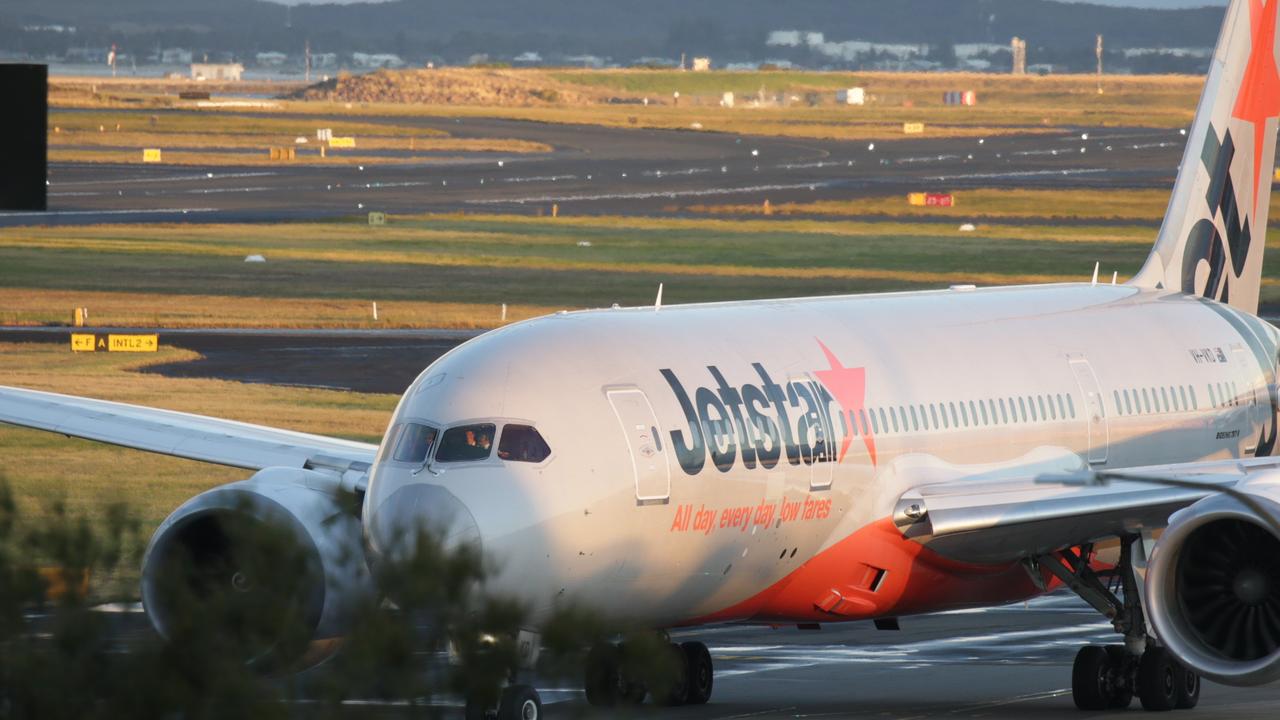
    Air India Express has initiated a significant promotional campaign titled the ‘Xpress More Sale,’ offering substantial discounts of up to 20% on both domestic and international flight routes. The airline has made approximately five million seats available at these specially reduced fares, marking one of its most extensive sales initiatives to date.

    The sale commenced with exclusive early access for customers through the airline’s official website and mobile application on February 1, 2026. The general public sale period runs from February 2 through February 5, 2026, with travel validity extending from February 11 to December 31, 2026, covering the airline’s comprehensive network of destinations.

    For Gulf region travelers, the promotional ‘Lite’ fares present particularly attractive pricing options, starting at Dh320 for UAE-India routes, OMR23, BHD46, QAR378, KWD27, and SAR286 for other Gulf destinations. These budget-friendly Lite fares, while excluding checked baggage, offer the flexibility of subsequent upgrades at discounted rates—specifically Rs2,500 for 20kg baggage allowance on international sectors.

    The discount structure applies across all cabin classes, including 20% reductions on Prime and Standard seating options, which incorporate complimentary hot meal services. Premium travelers can access enhanced savings through the NeuPass loyalty program, which provides an additional 25% discount on Business Class accommodations available on the airline’s newly acquired Boeing 737-8 aircraft fleet.

    Notable consumer benefits include waived convenience fees for all bookings made directly through Air India Express digital platforms, along with one complimentary date change facility for reservations made during the sale period. The airline has also implemented specialized fare categories for students, senior citizens, and armed forces personnel, maintaining the zero convenience fee advantage for these segments.

    Payment flexibility remains a key feature of this promotion, with options including EMI facilities and Buy Now, Pay Later plans. Additionally, select Visa cardholders can avail themselves of instant discounts worth Rs250 on domestic flights and Rs600 on international routes.

    Air India Express maintains operational connectivity across 45 domestic and 17 international destinations throughout South Asia, Southeast Asia, and the Gulf region, operating over 500 daily flights with its expanding fleet.

  • Dubai-based Binghatti’s 2025 net profit nearly doubles to Dh3.58 billion

    Dubai-based Binghatti’s 2025 net profit nearly doubles to Dh3.58 billion

    Dubai’s property sector continues to demonstrate remarkable resilience as Binghatti Holding Ltd, a premier UAE real estate developer, announced extraordinary financial results for 2025. The company revealed a staggering 96% year-on-year surge in net profit, reaching Dh3.58 billion, alongside revenue that nearly doubled to Dh12.43 billion from Dh6.34 billion in the previous year.

    The exceptional performance stems from multiple strategic factors including robust operating leverage, sustained sales momentum, accelerated project completions, and a diversified portfolio spanning mainstream, premium, luxury, and ultra-luxury property segments. CEO Katralnada BinGhatti attributed this success to Dubai’s strong market fundamentals and the company’s vertically integrated business model that ensures quality control while optimizing costs from design to delivery.

    Dubai’s real estate market continues to outperform global counterparts, fueled by consistent population growth, increasing homeownership rates, and steady international capital inflows. Long-term development initiatives including the Dubai Economic Agenda D33 and Dubai 2040 Urban Master Plan further strengthen the city’s economic foundation and sustain housing demand.

    According to Property Monitor data, Binghatti dominated Dubai’s off-plan market in December 2025, capturing a commanding 24.7% market share with 2,965 transactions across multiple developments. Key projects driving this performance included Binghatti Vintage in Majan (883 sales), Binghatti Titania (447 sales), and several other premium developments across Jumeirah Village Circle, Jumeirah Village Triangle, and Business Bay.

    The company maintained impressive profitability metrics with 44% gross margin, 35% EBITDA margin, and 29% net margin. Financially, Binghatti strengthened its balance sheet significantly with total assets growing 92% to Dh24.37 billion and cash reserves reaching Dh8.84 billion, providing substantial liquidity for continued strategic expansion.

    The year concluded with landmark achievements including the launch of Mercedes-Benz Places Binghatti City, the world’s first Mercedes-Benz-branded urban development, and the sale of the Middle East’s most expensive penthouse at approximately $150 million (Dh550.5 million), setting new benchmarks in ultra-luxury residential demand.

  • Disney warns of hit from flagging foreign visits

    Disney warns of hit from flagging foreign visits

    The Walt Disney Company has issued a warning regarding anticipated challenges at its American theme park operations, citing declining international visitor numbers as a primary concern. Despite this headwind, the entertainment giant maintains confidence in its domestic marketing strategies to sustain modest growth within its lucrative parks division.

    Recent data reveals a notable shift in US tourism patterns, with foreign visits declining by 2.5% in the past year—marking the first decrease since 2020. Industry analysts attribute this trend partially to geopolitical factors, including potential backlash against certain US policies. Particularly striking is the approximately 20% plunge in Canadian visitors during the first three quarters of the year, following trade-related tensions.

    The tourism industry faces additional pressure from proposed regulatory changes, including potential social media screening requirements for international travelers. A World Travel & Tourism Council survey indicates that one-third of global travelers would be less inclined to visit the US if such measures were implemented.

    Despite these challenges, Disney’s recent financial performance demonstrates resilience. Parks revenue increased by 6% year-over-year in the latest quarter, surpassing $10 billion. Company executives note that domestic bookings remain strong with a projected 5% growth trajectory for the year, while overall attendance saw a 1% increase in the most recent reporting period.

    Ampere Analysis expert Guy Bisson commented on the situation: ‘While not achieving the stellar results they might have hoped for under normal circumstances, the current performance is far from catastrophic.’

    The company’s broader financial picture showed mixed results: total quarterly revenue grew 5% to $26 billion, driven by successful film releases including Zootopia and Avatar sequels. However, profits declined nearly 6% due to increased content production and distribution costs. Investor reaction was immediately apparent as Disney shares fell 4% following the earnings announcement.

  • Indian tax on animal imports spells setback for Ambani family’s Vantara zoo

    Indian tax on animal imports spells setback for Ambani family’s Vantara zoo

    India’s newly implemented fiscal policy has introduced a substantial 30% customs duty on animal and bird imports, effective immediately. This legislative shift eliminates previous duty exemptions and presents significant financial challenges for conservation projects, most notably the ambitious Vantara zoo operated by the philanthropic division of Reliance, chaired by Asia’s wealthiest individual Mukesh Ambani.

    Spanning 3,500 acres in Gujarat, Vantara houses approximately 2,000 species and represents India’s most extensive private zoological initiative. Unlike typically state-operated facilities, Vantara has engaged in substantial international animal transfers since 2022, importing species including cheetahs, rhinoceroses, and numerous reptiles from nations such as South Africa, United Arab Emirates, and Venezuela.

    The government’s unexpected policy change provides no explicit justification, though analysts suggest it may aim to stimulate domestic breeding programs. Rajat Mohan, senior partner at AMRG Associates, notes that while import volumes remain limited, the financial implications for conservation projects are profound. Vantara maintains that it never engages in commercial animal transactions but bears substantial costs for insurance and freight during rescue and rehabilitation operations.

    The zoo has previously faced international scrutiny after CITES, the UN wildlife trade monitoring body, identified discrepancies in trade documentation and raised concerns regarding origin verification protocols. Although India’s Supreme Court ultimately cleared Vantara of wrongdoing, European authorities continue monitoring its import activities closely.

    According to Reuters analysis, Vantara’s shipments have reached a declared value of $9 million. A single 2023 consignment of 26 rare parrots from Germany demonstrated the financial impact, with $25,194 declared for insurance and freight costs that would now incur approximately $7,500 in additional taxes under the new regime.

  • SmartCrowd exits DIFC duplex apartment flip at 22.5% above target

    SmartCrowd exits DIFC duplex apartment flip at 22.5% above target

    Dubai’s leading property investment platform SmartCrowd has concluded a landmark transaction involving a three-bedroom duplex apartment within the prestigious Dubai International Financial Centre (DIFC), achieving an exceptional sale price of AED 8.7 million. This successful exit substantially surpassed initial projections by 22.5%, delivering investors a net return on investment of 25% after all associated fees.

    The transaction underscores the remarkable resilience of Dubai’s premium residential market, particularly within the DIFC commercial hub where demand for high-quality, centrally located properties continues to demonstrate strength. This achievement follows closely on the heels of SmartCrowd’s recent successful exit from a Palm Jumeirah property, demonstrating consistent performance in the short-term property flipping segment.

    SmartCrowd has emerged as a dominant force in the regional proptech investment landscape, having facilitated over AED 220 million in successful exits with an additional AED 300 million planned for 2026. The platform’s innovative approach combines traditional buy-and-hold strategies with targeted flip opportunities, creating diversified investment pathways for its stakeholders.

    Chief Executive Officer Riz Ahmed emphasized the company’s investor-centric philosophy, stating: ‘Our consistent outperformance in both DIFC and Palm Jumeirah transactions reflects our disciplined methodology in acquisition, value-added renovation, and strategic asset management. Exceeding projections by such a significant margin validates both Dubai’s prime market fundamentals and our operational expertise.’

    The consecutive successful flips demonstrate growing investor appetite for short-term property investments in Dubai’s prime locations, with SmartCrowd having completed three times more exits than all other regional crowdfunding platforms combined according to company statements.

  • Bitcoin sinks below $75,000 on Monday as selloff snowballs

    Bitcoin sinks below $75,000 on Monday as selloff snowballs

    Digital asset markets experienced significant turbulence on Monday as Bitcoin, the leading cryptocurrency, plummeted below the crucial $75,000 threshold. Trading data from Asian markets indicated Bitcoin’s value had dropped to approximately $74,684, representing its lowest valuation point since April 2025 and extending what has become one of the most prolonged bearish trends in recent years.

    The current downturn has erased nearly 40% of Bitcoin’s value from its previous peak, with January alone witnessing an 11% depreciation. This marks the fourth consecutive monthly decline, establishing the longest sustained negative performance period since the major cryptocurrency collapse of 2017-2018.

    The selling pressure has extended across the digital asset spectrum, with Ethereum, the second-largest cryptocurrency by market capitalization, falling below the psychologically significant $2,200 level. This broad-based decline has amplified risk-aversion sentiment among market participants globally.

    In the United Arab Emirates, particularly within Dubai’s emerging digital asset ecosystem, retail investors have adopted increasingly cautious positions. Trading platforms report substantial increases in hedging activities and conversions to stablecoins as investors seek to protect capital during this period of elevated volatility. Nevertheless, some strategic investors view the current price levels as accumulation opportunities, anticipating that ongoing institutional adoption and regulatory developments will ultimately support long-term valuation recovery.

    Market analysts attribute the current downturn to multiple converging factors. Technical indicators reveal severely oversold conditions with bearish trend signals remaining firmly entrenched. The decline has been exacerbated by substantial leveraged position liquidations exceeding $700 million within 24 hours, with approximately 77% of these forced closures affecting long positions. Ethereum alone accounted for nearly $270 million in liquidations, highlighting the extensive speculative exposure across major digital tokens.

    Macroeconomic conditions have simultaneously turned less favorable for risk assets. Robust economic indicators from the United States have revived concerns about prolonged elevated interest rates, while strengthening bond yields and dollar appreciation have reduced investor appetite for non-yielding volatile assets. Geopolitical uncertainties and equity market fragility have further driven capital toward traditional safe-haven investments, creating additional headwinds for cryptocurrency markets.

    Market strategists remain divided regarding near-term prospects. Some anticipate potential testing of the psychologically critical $70,000 support level if selling pressure persists, while others interpret the movement as a cyclical correction within a broader structural bull market. Most analysts agree that until speculative positioning undergoes substantial reset and broader risk appetite improves, elevated volatility will likely continue characterizing market conditions.

  • Gold rebounds after historic plunge as Dubai market braces for fresh volatility

    Gold rebounds after historic plunge as Dubai market braces for fresh volatility

    Global precious metals markets experienced dramatic volatility as gold and silver prices staged a significant recovery after their most severe single-day collapse in over a decade. The rebound occurred during early Asian trading sessions, with spot gold climbing approximately 1% following a nearly 4% decline in the previous session, while silver demonstrated even more pronounced swings with an 8% surge after briefly plummeting almost 12%.

    This market turbulence follows an extraordinary rally that had previously driven both metals to unprecedented record highs, fueled by multiple factors including escalating geopolitical tensions, concerns about currency devaluation, and substantial speculative positioning by investors. The remarkable price surge saw gold exceeding $5,500 per ounce and silver surpassing $120 before the sharp correction emerged.

    In Dubai’s bustling bullion market, international spot gold trading between $4,650 to $4,750 per ounce translates to approximately Dh17,000 to Dh17,450 locally. Retail prices remain elevated with pure gold trading near Dh17,400 to Dh17,800 per ounce after dealer premiums. Silver, known for its heightened volatility due to industrial applications, has been fluctuating between $75 to $85 per ounce (Dh275 to Dh315 locally).

    Dubai’s retail gold market reflects these global dynamics with 24-carat gold trading between Dh560 to Dh590 per gram, 22-carat at Dh520 to Dh545, and 21-carat hovering near Dh500 to Dh525 per gram. This elevated pricing environment has subdued jewelry demand as consumers await clearer market signals.

    The recent sell-off was primarily triggered by a strengthening US dollar, which typically pressures dollar-denominated commodities by making them more expensive for international buyers. Additional contributing factors included broad weakness across global equity markets and renewed uncertainty regarding US monetary policy, prompting investors to unwind leveraged positions in derivatives markets.

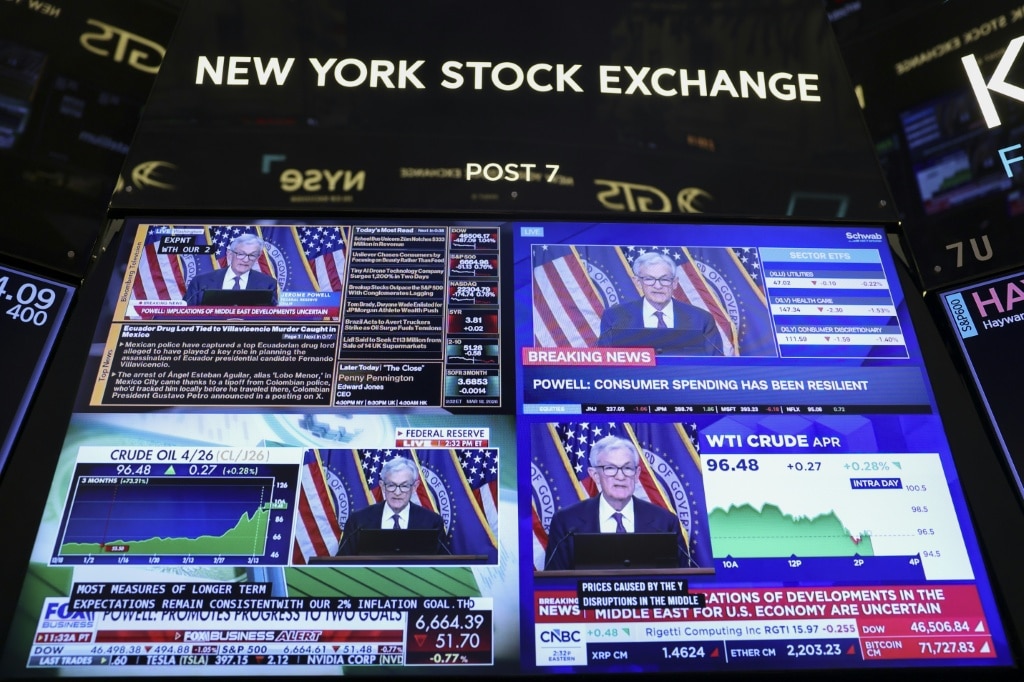
    Market dynamics have been further complicated by recent US inflation data showing producer prices rising at their fastest pace in five months, reinforcing expectations of persistent price pressures. This development provides the Federal Reserve with justification to maintain current interest rates in the near term, though markets continue to anticipate at least two rate cuts later this year—a scenario that traditionally supports gold prices despite its non-yield-bearing nature.

    Analysts note that derivatives trading has significantly amplified price movements. Goldman Sachs analysts observed that extensive call-option buying mechanically reinforced the rally as option sellers hedged their exposure by purchasing underlying assets, creating a feedback loop that accelerated both gains and subsequent losses when market sentiment reversed.

    Despite current volatility, gold’s longer-term fundamentals remain robust with continued central bank accumulation, geopolitical uncertainty, and institutional hedging demand providing structural support. Silver’s outlook appears more complex due to its dual role as both precious and industrial metal, making it more sensitive to global economic indicators, manufacturing demand, and changes in futures margin requirements.

    Dubai traders report cautious buyer behavior with many investors opting for staggered purchases rather than lump-sum allocations to average costs amid unpredictable price swings. Physical jewelry demand has softened compared to peak seasons as households monitor global markets before committing to significant purchases.

    Market attention now turns to upcoming economic data releases, including manufacturing PMI figures from China, Europe, and the United States, which may provide fresh insights into industrial demand and broader economic momentum. Any renewed geopolitical developments or sharp dollar movements are expected to have substantial impact on precious metals pricing.

    Traders caution that the current rebound offers limited relief following one of the most dramatic sell-offs in decades. Dubai’s gold market, where investment flows and consumer demand intersect, anticipates continued choppy conditions with elevated prices, high volatility, and finely balanced market sentiment prevailing in the near term.