
The Navi Mumbai International Airport (NMIA), a sprawling 1,100-hectare facility, is poised to transform India’s aviation landscape. Located 40 kilometers from Mumbai’s commercial center, the airport will feature four terminals and handle up to 90 million passengers annually upon full expansion. This development comes as a much-needed relief for Mumbai’s overburdened Chhatrapati Shivaji Maharaj International Airport, which has reached its capacity of 55 million passengers per year. Arun Bansal, CEO of Adani Airport Holdings Limited, emphasized that NMIA will significantly ease congestion and meet the growing demand for air travel in India’s financial capital. The airport, connected to Mumbai by India’s longest sea bridge, will operate two parallel runways and is designed to be India’s first fully digital hub, leveraging advanced technology to streamline check-in, security, and boarding processes. However, challenges remain, including connectivity issues and regulatory hurdles that could impede its ambition to become a global aviation hub on par with Singapore or Dubai. Despite these obstacles, NMIA represents a critical step in India’s aviation ambitions, joining cities like New York and London in operating multiple airports.
分类: business
-
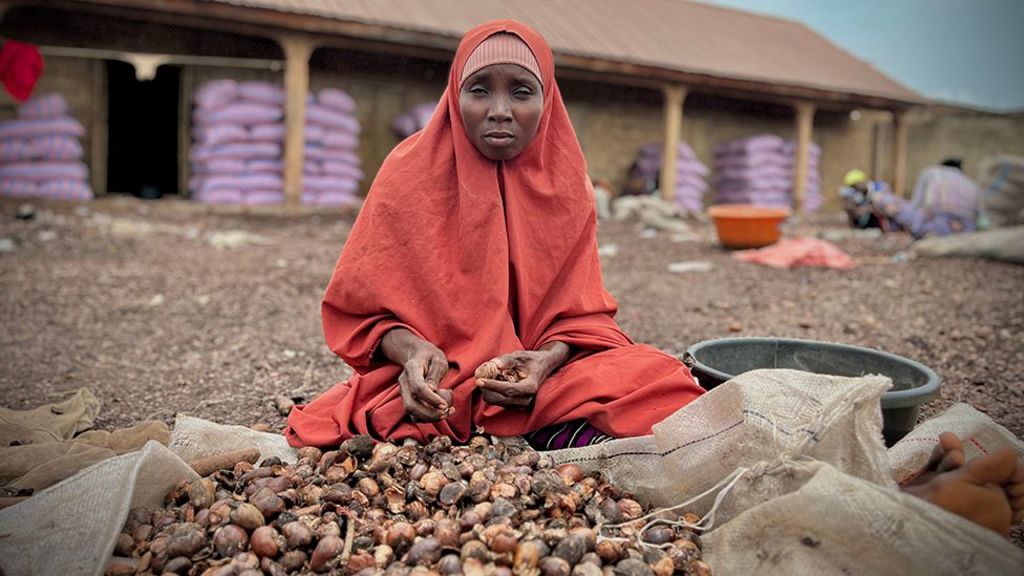
Nigeria banned shea butter exports to help women profit. But it backfired
In the heart of Nigeria’s shea butter industry, women like Hajaratu Isah are grappling with the harsh realities of a sudden government policy shift. The Nigerian government’s six-month ban on the export of raw shea nuts, announced in late August, has sent shockwaves through the industry, leaving thousands of women struggling to make ends meet.
-
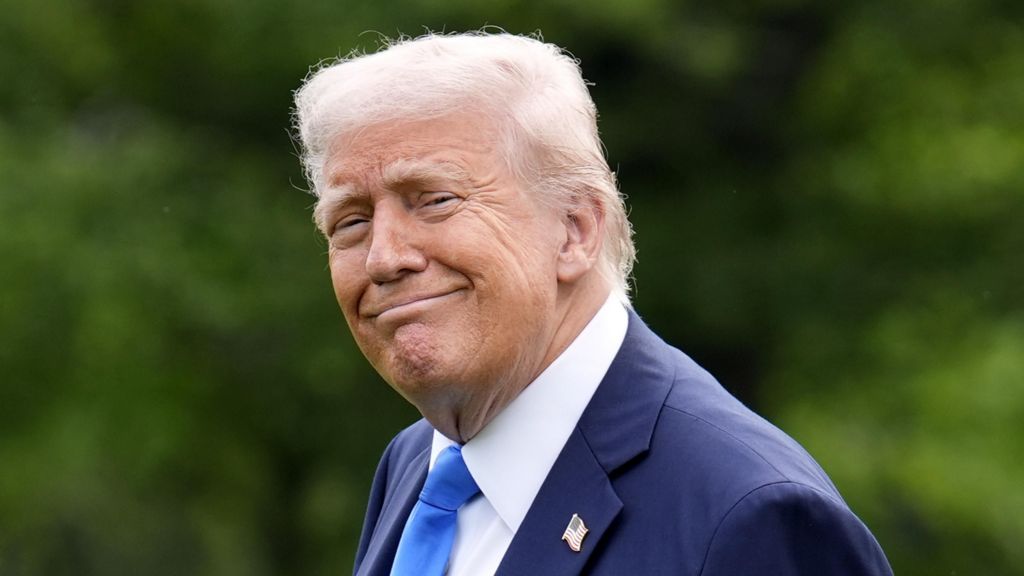
Trump renews threat to impose 100% tariffs on non-US made movies
Former U.S. President Donald Trump has reiterated his controversial proposal to impose a 100% tariff on all films not produced within the United States, asserting that the American film industry has been ‘stolen’ by other nations. Speaking on his Truth Social platform, Trump emphasized that California, in particular, has suffered significantly due to the decline in domestic film production. He framed the tariff as a solution to what he described as a ‘long-time, never-ending problem.’
This announcement follows Trump’s broader tariff strategy, which recently included a 100% levy on branded or patented drug imports and 50% tariffs on kitchen and bathroom cabinets. Trump’s rhetoric has drawn criticism and skepticism, with many questioning the feasibility and economic impact of such a policy. Investment analyst Dan Coatsworth of AJ Bell highlighted the complexities of defining what constitutes an ‘American-made’ film, especially when productions involve foreign actors, directors, or funding.
Coatsworth also noted that filmmakers have increasingly relocated to countries offering more favorable tax incentives, leading to a decline in the prominence of the Los Angeles film industry. He warned that forcing productions back to the U.S. could drive up costs, which might ultimately be passed on to consumers, potentially harming demand for streaming services and cinema operators. Despite these concerns, investors have yet to treat the proposal as a serious threat, with stocks for companies like Netflix and Disney showing only brief dips before recovering.
The proposal’s implications for streaming platforms and international co-productions remain unclear. For instance, films like ‘Wicked,’ which was shot in the UK but produced by an American studio, could face ambiguous treatment under the proposed tariffs. Recent data from movie industry research firm ProdPro reveals that while the U.S. remains a major global production hub, spending has declined by 26% since 2022, with countries like Australia, New Zealand, Canada, and the UK attracting increased investment.
-
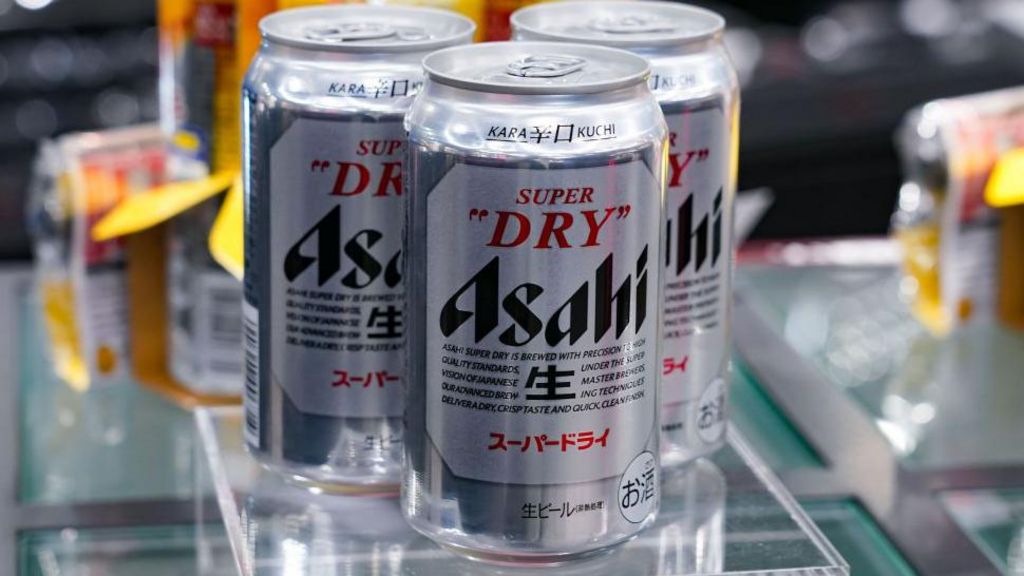
Japanese brewing giant Asahi hit by cyber-attack
Japanese brewing powerhouse Asahi Group Holdings has fallen victim to a significant cyber-attack, resulting in a widespread ‘systems failure’ that has disrupted its shipping and customer service operations in Japan. The company, renowned for its global beer brands such as Peroni, Pilsner Urquell, and Grolsch, confirmed that its European operations, including the UK, remain unaffected. However, the incident has forced the suspension of order and shipment activities domestically, as well as customer service functions. Asahi, which also owns Fullers in the UK—producer of London Pride and other beverages—has issued an apology to its customers and business partners, emphasizing that no personal data breaches have been detected. The company is actively investigating the cause and working to restore operations, though no timeline for recovery has been provided. This cyber-attack underscores the growing threat of digital crime to major corporations, with Asahi previously identifying such risks in its 2024 report. The incident comes amid a challenging domestic market in Japan, where declining alcohol consumption among younger generations has prompted Asahi to pivot toward zero or low-alcohol beverages, aiming to double their share of overall sales to 20%.
-
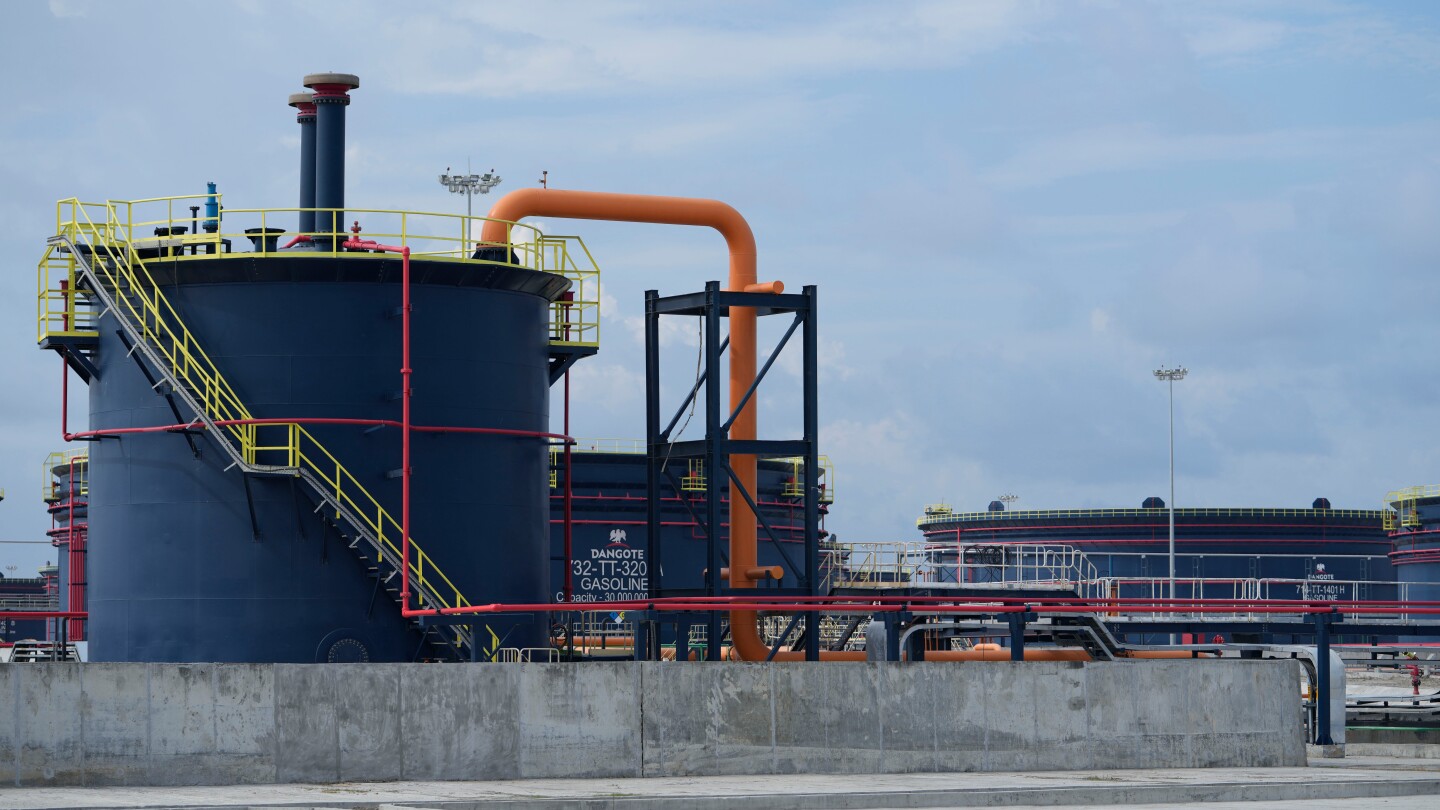
Nigerian government to meet oil workers’ union after strike halts nationwide supply
LAGOS, Nigeria — A critical meeting is scheduled between Nigerian government officials and representatives of the country’s oil workers union on Monday, following a nationwide strike triggered by the dismissal of 800 employees at Dangote Refinery, Africa’s largest refining facility. The strike, initiated by the Petroleum and Natural Gas Senior Staff Association of Nigeria (PENGASSAN), has disrupted operations across key oil and gas institutions, threatening to halt national supply chains.
-
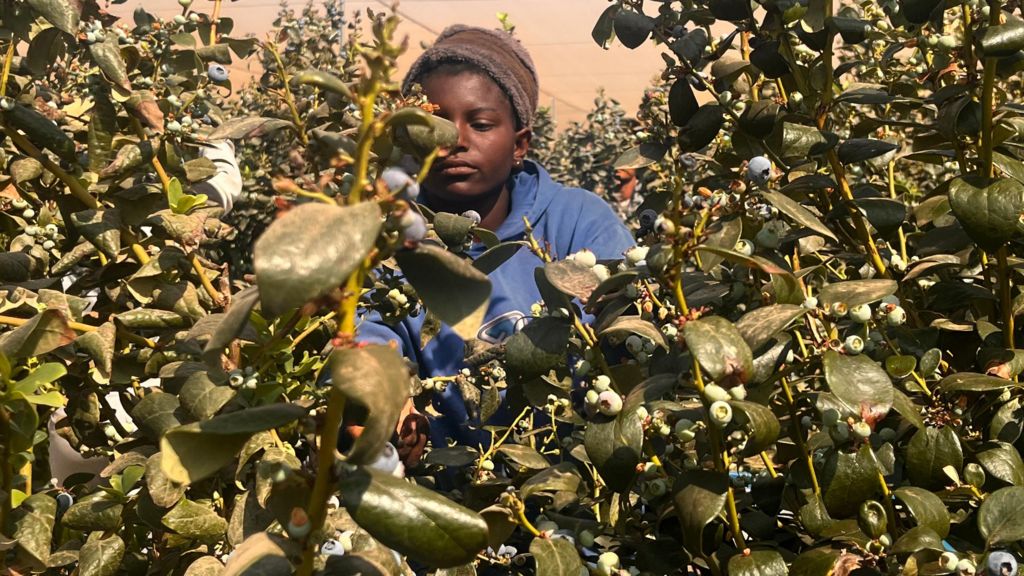
Zimbabwe is tobacco country. But some want to switch to a healthier crop – blueberries
Zimbabwe, traditionally known as Africa’s largest tobacco producer, is now pivoting towards a new agricultural frontier: blueberries. A landmark trade agreement with China, the world’s leading importer of blueberries, has positioned Zimbabwe to potentially become Africa’s blueberry capital. While tobacco exports reached a record $1.3 billion last year, driven by rising demand in China, blueberry exports, though modest at $30 million, are seen as a promising alternative. Clarence Mwale, a horticulture specialist, emphasizes, ‘The future is food, not a bad habit.’
-
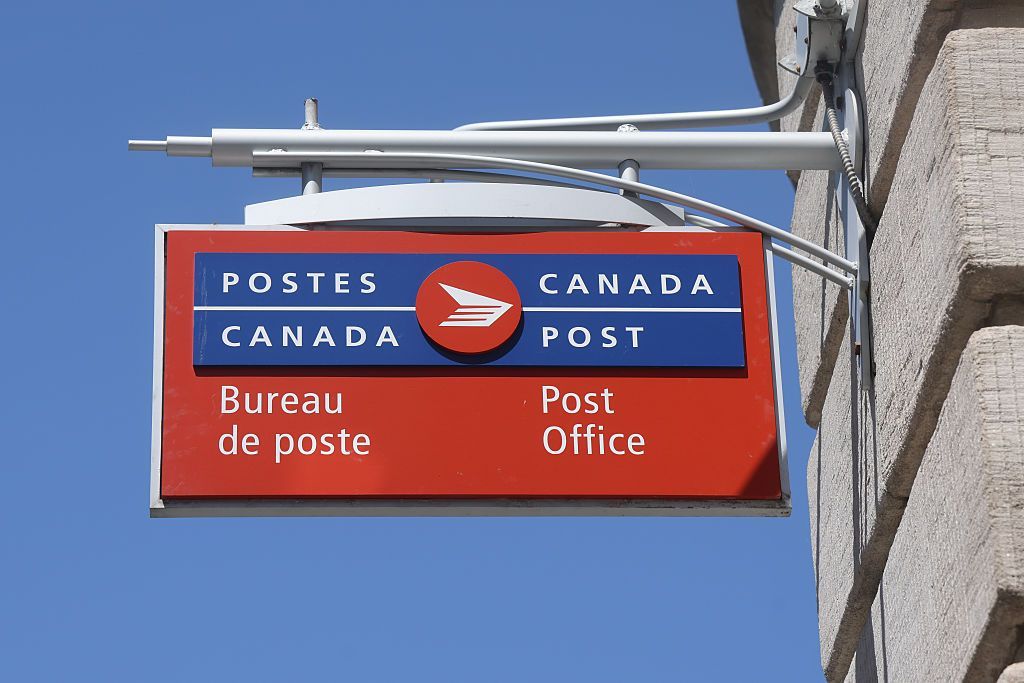
Nationwide strike by Canada’s postal workers bring mail deliveries to a halt
Canada Post workers have initiated a nationwide strike following the federal government’s approval of sweeping reforms aimed at restructuring the postal service. The Canadian Union of Postal Workers (CUPW) has labeled these reforms as an ‘attack on our postal service and workers,’ prompting the industrial action. This strike, involving 55,000 union members, escalates an ongoing dispute over pay and benefits that previously led to a weeks-long walkout in late 2023. Canada Post has warned that operations will cease during the strike, leaving millions of mail and parcels undelivered and exacerbating the corporation’s already precarious financial situation. The proposed reforms include the closure of several post offices, particularly in rural areas, and granting the service greater flexibility to adjust pricing. Additionally, Canada Post plans to reduce air parcel deliveries in favor of ground transportation to cut costs. A contentious proposal involves ending home deliveries, redirecting parcels to community mailboxes instead of individual residences. This change would affect approximately four million addresses nationwide. Procurement Minister Joël Lightbound emphasized that the reforms are essential to save Canada Post, which reported a C$1 billion loss last year and is projected to lose C$1.5 billion in 2024. However, the CUPW argues that these measures will undermine public service and fail to address customer needs. The Canadian Association of Independent Business has expressed concerns over the strike’s timing, warning of a ‘massive’ impact on small businesses, particularly during the critical holiday retail shipping season. While government social security cheques will continue to be delivered, negotiations on the pay dispute remain unresolved, leaving the future of Canada Post and its workers in uncertainty.
-
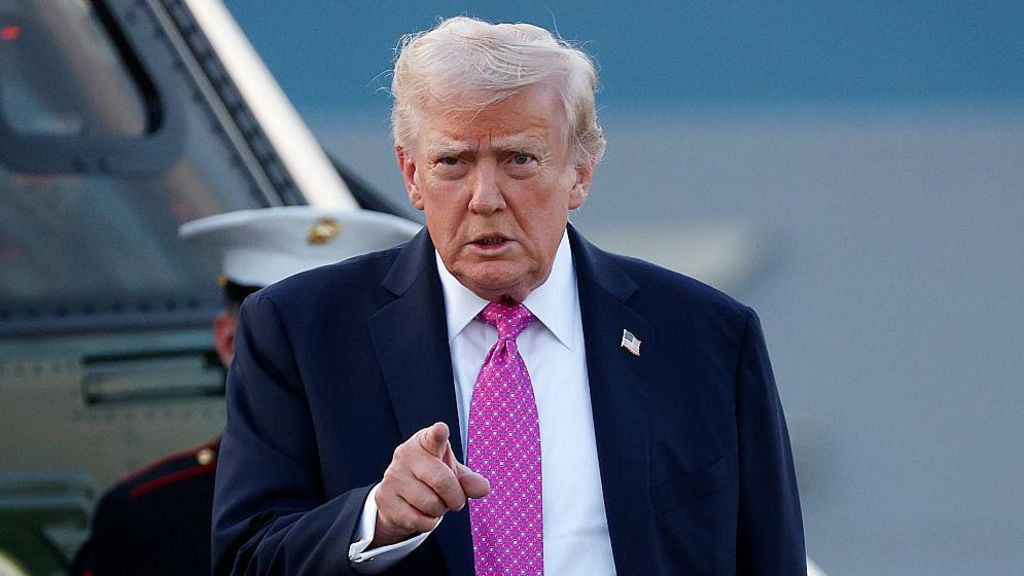
Trump announces new tariffs on drugs, trucks and kitchen cabinets
In a significant move to bolster domestic manufacturing, former President Donald Trump unveiled a series of new tariffs on Thursday, targeting a wide range of imported goods. The measures include a 100% levy on branded pharmaceuticals unless the manufacturer establishes a production facility within the United States. Additionally, heavy-duty trucks will face a 25% tariff, while kitchen and bathroom cabinets will be subject to a 50% duty. Upholstered furniture will also incur a 30% tariff starting next week. Trump announced these industry-focused tariffs via his Truth Social platform, emphasizing the need to shield American manufacturers from what he described as the ‘flooding’ of foreign products into the US market. He argued that these measures would protect companies like Peterbilt and Mack Trucks from ‘unfair outside competition’ and support local manufacturers impacted by high import levels. The new tariffs expand on Trump’s existing trade policies, which have targeted over 90 countries since August, aiming to boost US jobs and manufacturing. However, the US Chamber of Commerce has voiced concerns, warning that many truck parts are sourced from allies like Mexico, Canada, Germany, Finland, and Japan, and that domestic sourcing is impractical, potentially driving up costs for the industry.
-
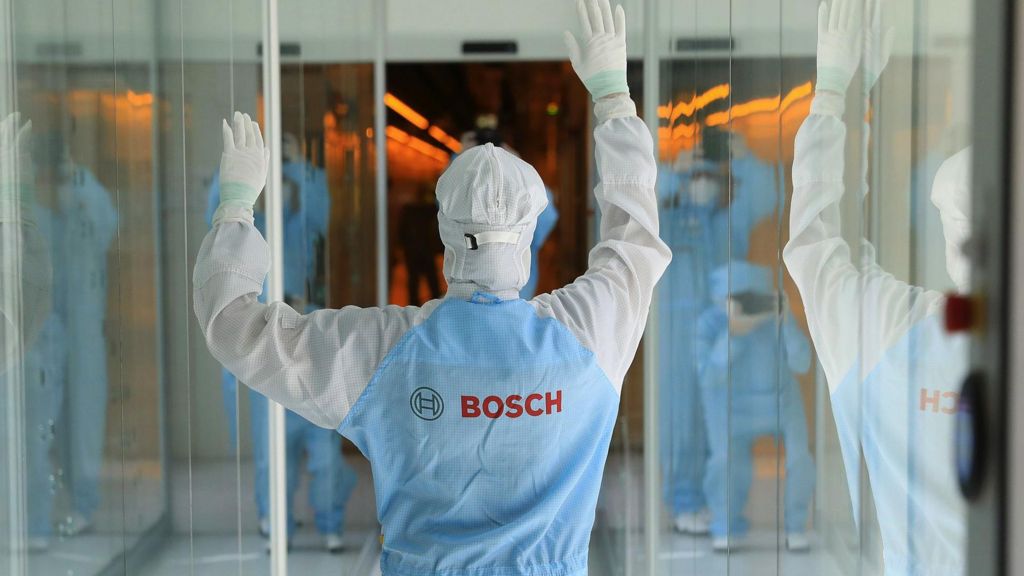
Bosch to cut 13,000 jobs to save billions in costs
Bosch, the global engineering powerhouse, has unveiled plans to slash 13,000 jobs as part of a strategic initiative to save €2.5 billion (£2.06 billion). The cuts will primarily impact the company’s mobility division in Germany, which specializes in vehicle parts and software. The decision comes in response to a stagnated market, intensified competition from industry giants like Tesla and China’s BYD, and rising costs exacerbated by former US President Donald Trump’s tariffs on EU exports.
The company identified a significant ‘cost gap’ of €2.5 billion in its automotive business, prompting a comprehensive cost-reduction strategy. In addition to workforce reductions, Bosch plans to scale back investments in production facilities and infrastructure, citing a ‘sharp decline in demand’ for its products. As of December 2024, Bosch employed 418,000 people worldwide, with the latest cuts expected to affect roles in administration, sales, development, and production across key locations in Germany, including Feuerbach, Schwieberdingen, Waiblingen, Bühl, and Homburg.
Stefan Grosch, a member of Bosch’s board of management and director of industrial relations, expressed regret over the decision, stating, ‘Regrettably, we will not be able to avoid further job cuts beyond those already communicated. This hurts us greatly, but unfortunately, there is no alternative.’ The announcement underscores the challenges facing the once-dominant German automotive industry, which has seen its market share eroded by foreign competitors.
Bosch emphasized that its UK operations would remain unaffected for now, though it would ‘continually assess’ its global operations based on customer demand and market developments. The company also highlighted the broader economic pressures, including Trump’s 15% tariff on EU exports to the US, which, while lower than tariffs imposed on other countries, has significantly increased operational costs. Bosch plans to initiate discussions with affected employees immediately as it navigates this turbulent period.
-
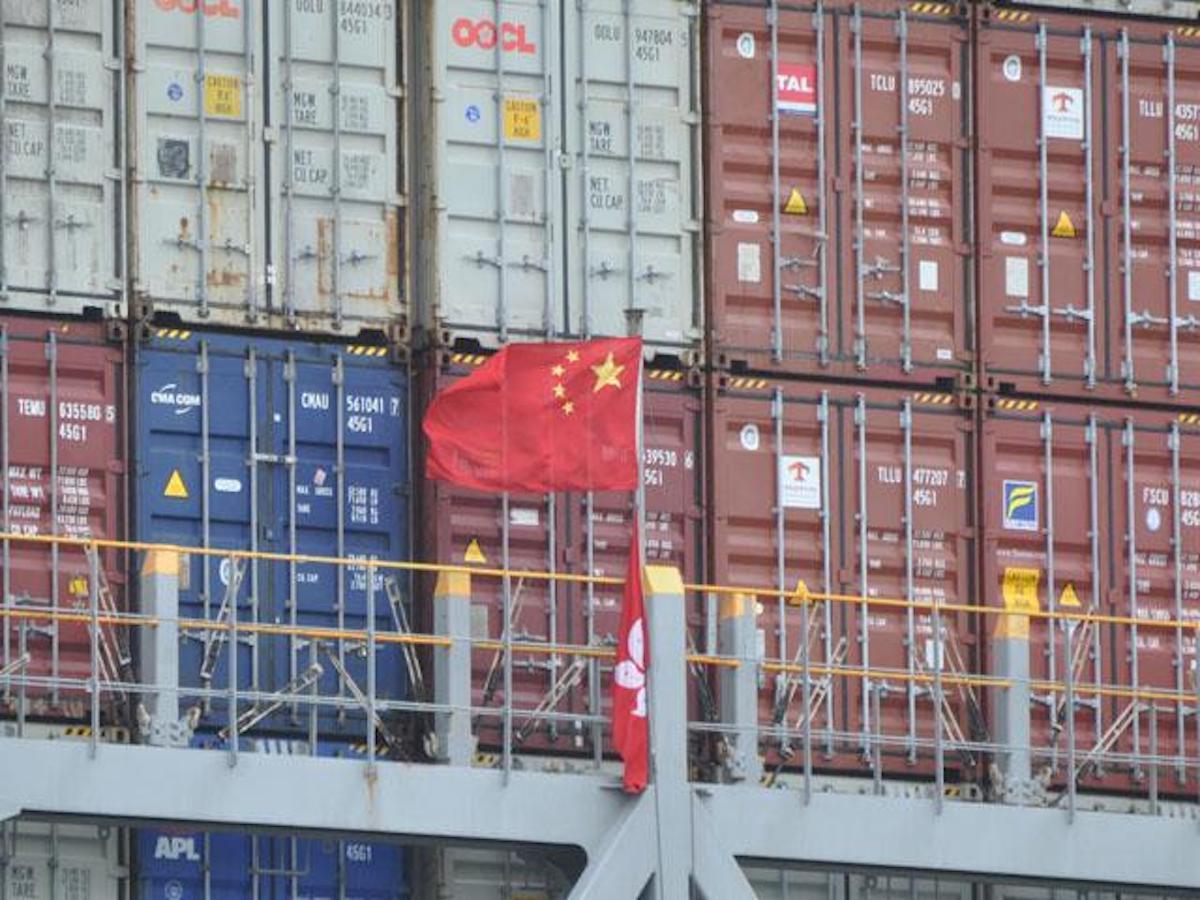
China’s export juggernaut defying and denying Trump’s tariffs
Despite former U.S. President Donald Trump’s aggressive tariff policies, China’s export sector has demonstrated remarkable resilience, with its trade surplus projected to reach $1.2 trillion by the end of 2025, surpassing last year’s $1 trillion mark. This success stems from China’s strategic adaptability, including market diversification, supply chain rerouting, and a focus on sectors less vulnerable to U.S. tariffs. For instance, exports to Southeast Asia have surged beyond their COVID-19 peak, with record-breaking shipments to India and Africa. Arthur Kroeber of Gavekal Dragonomics notes that the Trump era inadvertently spurred China to enhance its export competitiveness through innovative workarounds, such as transshipments and relocating production to lower-tariff countries. However, these tactics have drawn scrutiny, with Trump vowing to penalize nations facilitating such arbitrage. Meanwhile, Southeast Asian economies, including Vietnam, Indonesia, and Thailand, face challenges from China’s overcapacity, political instability, and weak infrastructure, hindering their aspirations to become manufacturing hubs. Mexico stands out as a potential outlier, considering a 50% tariff on Chinese goods. As global tensions escalate, China seeks to avoid provoking protectionist measures while navigating deflationary pressures and internal economic reforms. The U.S., burdened by a $36 trillion national debt, faces its own economic reckoning, with experts warning of severe consequences from Trump’s tariff-driven trade war. Despite these challenges, China’s export engine continues to defy expectations, underscoring its pivotal role in the global economy.