Optus, one of Australia’s largest telecommunications providers, is facing intense scrutiny following revelations of its mishandling of a severe outage on 18 September, which has been linked to four deaths, including that of an eight-week-old baby. During a parliamentary hearing, it was disclosed that Optus sent emails about the outage to an incorrect email address at the Department of Communications, where they remained unread for over a day. The emails significantly downplayed the severity of the incident, claiming only 10 emergency calls were affected, while in reality, more than 600 calls failed over 13 hours. Authorities were only informed of the outage more than 36 hours after it began, via the industry regulator. Australia’s Deputy Secretary for Communications, James Chisholm, criticized Optus for not adhering to protocols, including redirecting triple-0 calls to other providers during outages. The outage occurred during a routine firewall upgrade, deviating from standard procedures. Singapore’s Prime Minister Lawrence Wong, currently on an official visit to Australia, expressed condolences and emphasized the need for accountability. Optus, owned by Singapore’s Singtel, is under investigation by Australia’s media regulator for potential legal breaches. This incident adds to Optus’ troubled history, including a 2022 cyberattack and a 2023 nationwide outage. Calls for the resignation of current CEO Stephen Rue and the revocation of Optus’ operating license are growing among lawmakers.
分类: business
-
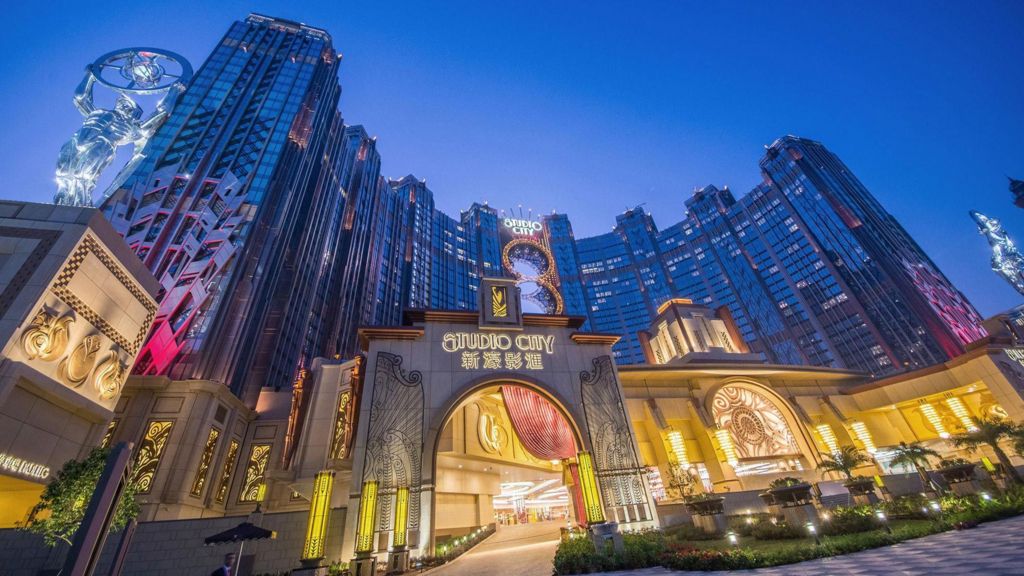
World’s first resort hospital opens in gambling hub Macau
Macau, long celebrated as the world’s premier gambling destination, is now setting its sights on becoming a global leader in healthcare tourism. In a groundbreaking move, the city’s Studio City, a Hollywood-themed casino and entertainment resort owned by Hong Kong-based Melco Resorts and Entertainment, has launched its first-ever resort hospital. This innovative facility, opened in collaboration with Hong Kong’s iRad Hospital, specializes in health screenings, advanced MRI scans, and cosmetic procedures, offering a seamless blend of luxury medical services and leisure. Lawrence Ho, CEO of Melco Resorts, emphasized that this project is designed to promote medical tourism, generate employment, and integrate healthcare with entertainment under one roof. The initiative aligns with Macau’s broader economic diversification strategy, which seeks to reduce the city’s reliance on gaming and expand into sectors like healthcare, technology, and events. With nearly 40 million annual visitors, Macau presents a unique opportunity to emerge as a top destination for medical tourism, according to iRad’s honorary chairman, Dennis Tam. The global medical tourism industry, valued at tens of billions of dollars, is poised for significant growth, with Asia leading the charge. Countries like South Korea and Singapore have already established themselves as hubs for cosmetic surgeries and advanced medical treatments, while Turkey attracts millions for procedures such as transplants and dentistry. Macau’s latest venture marks a pivotal step in its transformation into a multifaceted tourism powerhouse.
-
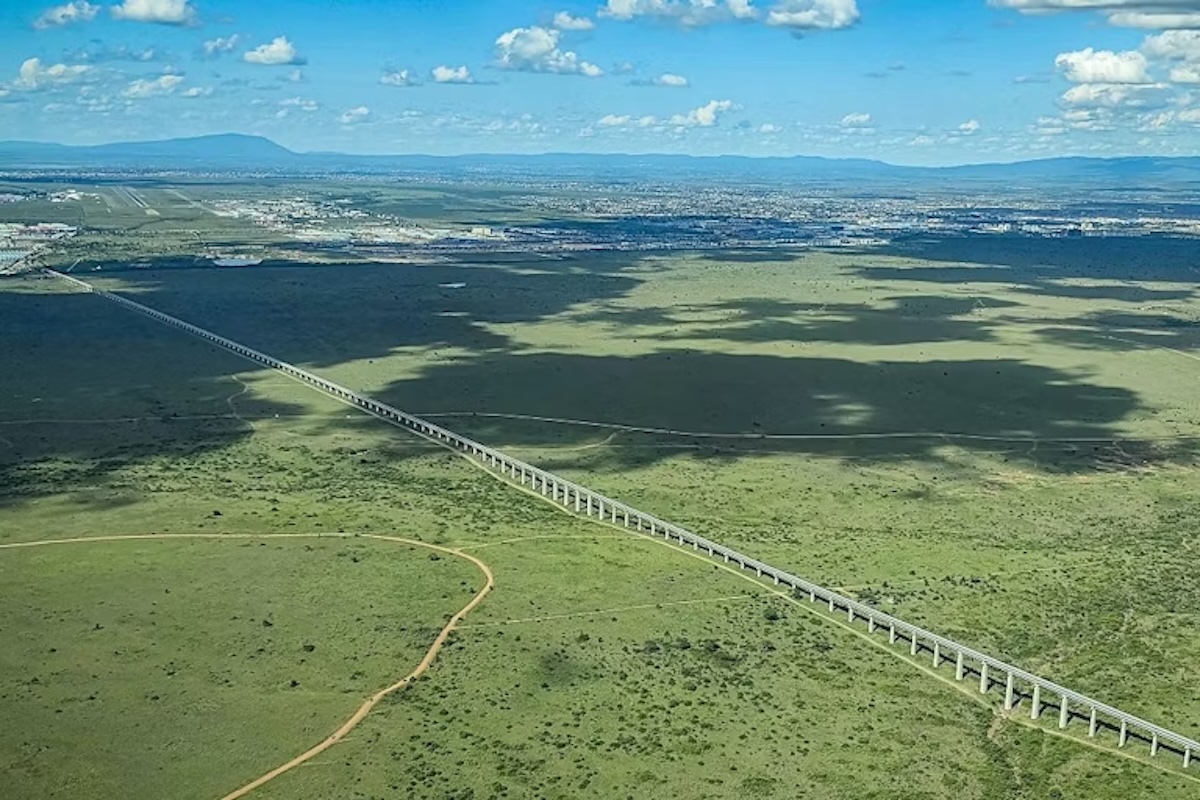
Chinese construction firms changed the way they operate in Africa
Over the past two decades, Chinese construction companies have been a dominant force in Africa’s infrastructure development, largely fueled by substantial financial backing from Chinese banks. Between 2000 and 2019, Chinese lenders committed nearly $50 billion to African transport projects, primarily through development finance institutions. However, since 2019, this funding has significantly dwindled, with only $6 billion allocated to infrastructure projects. Despite this decline, Chinese companies continue to flourish across the continent, maintaining their market leadership in countries like Ethiopia, Ghana, and Kenya. A recent study sheds light on the strategies that have enabled these firms to sustain and expand their presence in Africa. The research, conducted through extensive fieldwork in China, Kenya, and Ghana, identifies three key drivers of their success. First, Chinese companies leverage their ties to the Chinese state to establish and maintain their market presence, particularly in projects aligned with African development agendas. Second, they build trust-based relationships with other companies, governments, and international organizations, enabling them to secure cross-border projects. Third, they cultivate everyday relations with local politicians, officials, and business elites, embedding themselves deeply in local political and business environments. The study emphasizes that while state support is crucial for market entry, it is the firms’ ability to adapt and shift between these strategies that ensures their survival and expansion. This flexibility allows them to compete effectively in international tenders, partner with other multinationals, and adapt to local conditions. The findings also challenge the perception that Chinese companies are mere extensions of China’s foreign policy, highlighting their increasingly independent and competitive behavior. For African governments, this shift presents both opportunities and responsibilities in shaping the role of Chinese firms in their economies. The next phase of Africa-China infrastructural engagement will likely be driven by operational contexts, diverse alliances, and a competitive global market rather than large Chinese loan packages.
-
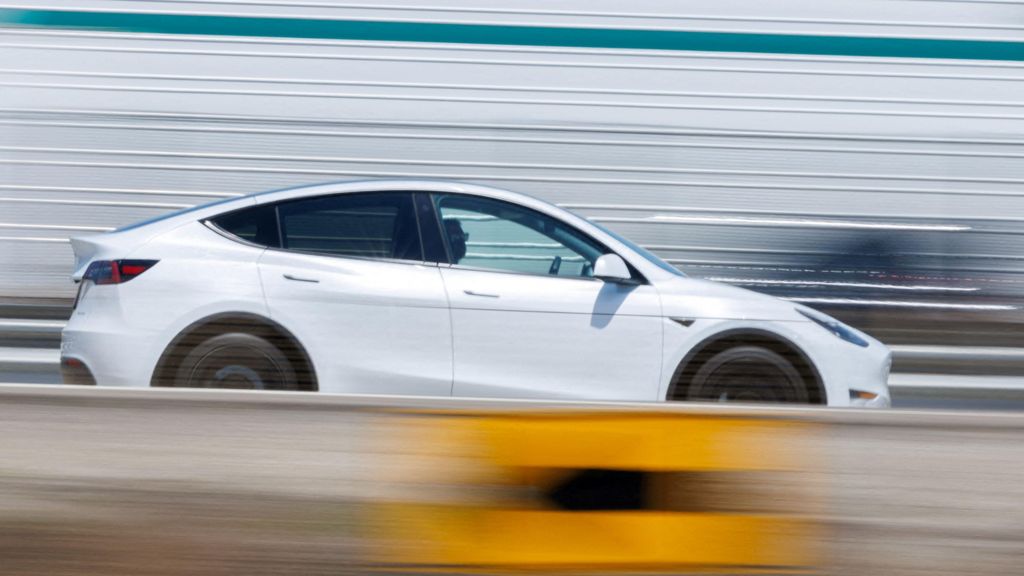
Tesla shares fall as new lower-cost cars disappoint
Tesla has introduced more affordable versions of its popular Model Y SUV and Model 3 sedan in the US, aiming to counteract declining sales following the expiration of a crucial federal tax credit for electric vehicles. The new models are priced $5,000 lower than their predecessors, with the Model Y starting at $39,990 and the Model 3 at $36,990. However, the announcement failed to impress investors, causing Tesla’s shares to drop by approximately 4%. The company has been grappling with increased competition, sluggish innovation in affordable vehicles, and reduced government support for EVs. Earlier this year, Tesla reported a 12% decline in second-quarter sales to $22.4 billion, marking its steepest drop in over a decade. While the company recently saw a surge in EV sales, analysts attribute this to consumers rushing to purchase before the tax credit expired. Tesla’s reliance on its core car business remains critical, even as CEO Elon Musk shifts focus toward AI-driven ventures like robotaxis and humanoid robots. The stripped-down versions of the Model Y and Model 3, designed to mitigate the loss of the EV credit, lack some features found in other Tesla vehicles. The company’s latest major launch, the Cybertruck, has also underperformed, with US sales totaling around 52,000 units since its 2023 debut.
-
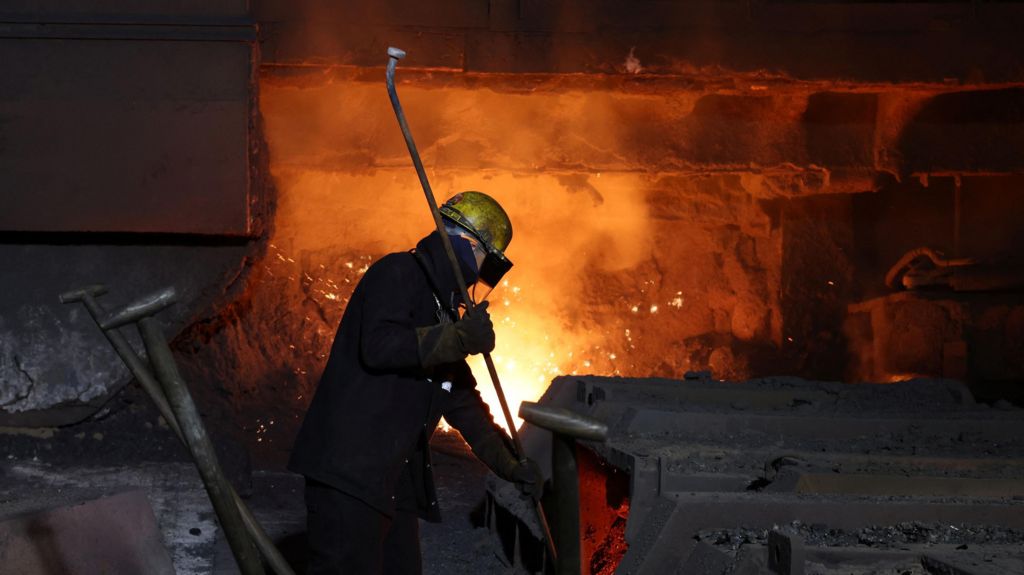
EU steel tariff hike threatens ‘biggest ever crisis’ for UK industry
The European Union has unveiled a controversial plan to impose a 50% tariff on steel imports exceeding a reduced quota, a move that has sparked alarm within the UK steel industry. The proposed measures, set to take effect early next year, aim to halve the volume of steel imports into the EU, with tariffs applying to any imports beyond 18.3 million tonnes annually—a 47% reduction from 2024 levels. This decision comes amid mounting pressure from EU member states and their domestic steel industries, which have struggled to compete with cheaper imports from countries like China and Turkey.
-

Irish government to divert billions of extra euros to savings funds
In a strategic move to safeguard its economic future, the Irish government has unveiled plans to channel billions of euros into national long-term savings funds. This decision comes in response to growing concerns over the volatility of multinational corporation tax revenues, which have been a cornerstone of Ireland’s economy for decades. Finance Minister Paschal Donohoe presented the budget to the Dáil, Ireland’s lower house of parliament, outlining the government’s commitment to mitigating risks associated with over-reliance on these tax receipts.
-
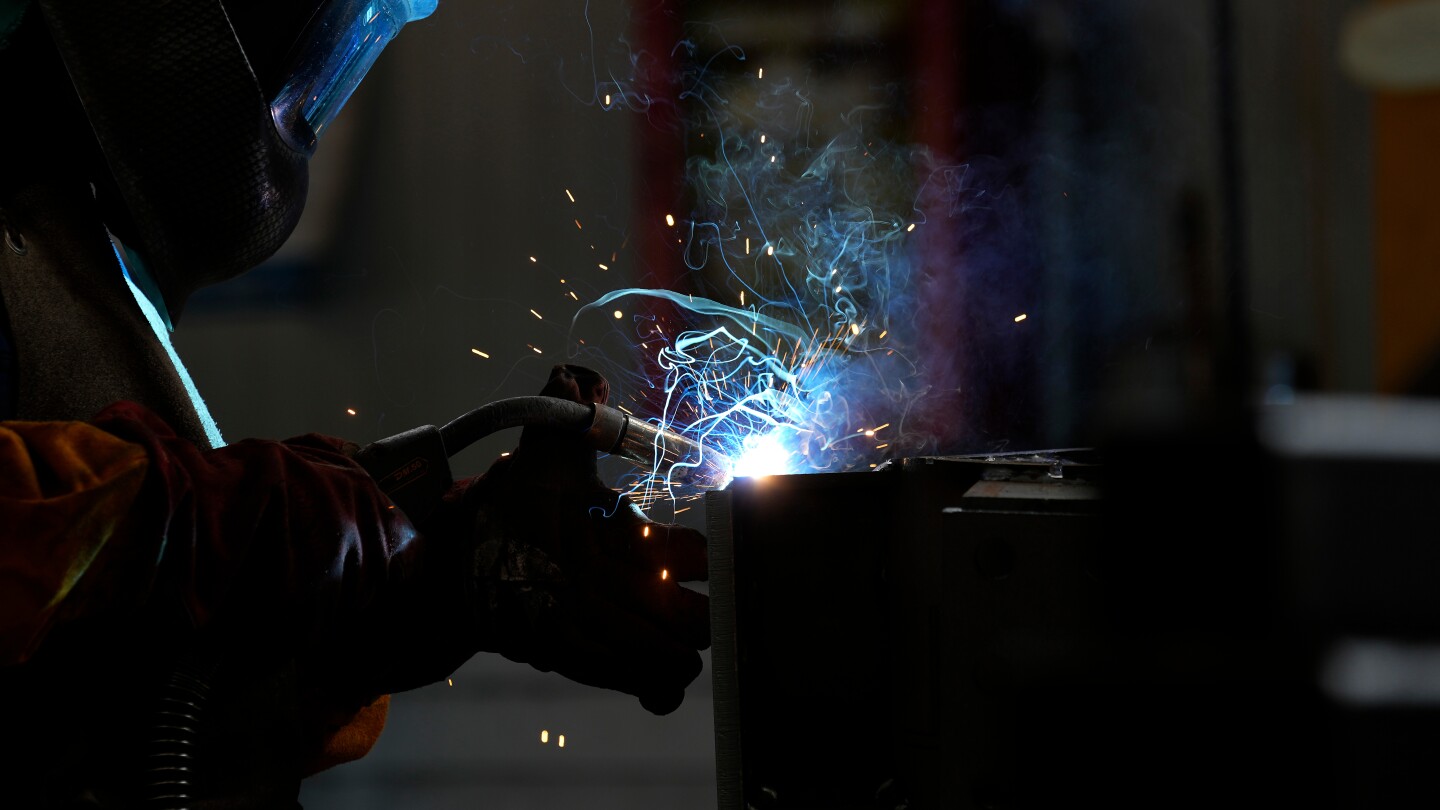
EU proposes steel industry protections, rattling UK manufacturers
The European Union has unveiled a contentious proposal to significantly reduce its tariff-free quota on steel imports, a move that could impose hefty tariffs on products from countries such as China, India, Turkey, and the United Kingdom. Under the new plan, imports exceeding 18.3 million tons will face a 50% tariff, doubling the current rate of 25%. Neighboring nations like Norway, Iceland, and Ukraine are exempt from these measures. The proposal aims to protect Europe’s steel industry from global overcapacity and the diversion of steel exports caused by high U.S. tariffs. Importers will also be required to disclose the origin of their products, and a complex quota system will regulate access to the EU market. The proposal, set to replace the current World Trade Organization-aligned safeguard policy expiring in 2026, has sparked concerns in the UK, where the steel industry warns of potential collapse. UK Steel Director-General Gareth Stace described the situation as the industry’s ‘biggest crisis ever,’ urging the British government to negotiate country-specific quotas with the EU. The EU’s steel sector, which employs 300,000 people across 20 member states, has faced significant challenges over the past two decades, losing a quarter of its workforce. The proposal reflects the EU’s broader strategy to decarbonize and reindustrialize its steel industry, a sector integral to its economic security and strategic autonomy. The European Parliament and Council must now ratify or amend the proposal, which could lead to further negotiations with the WTO.
-
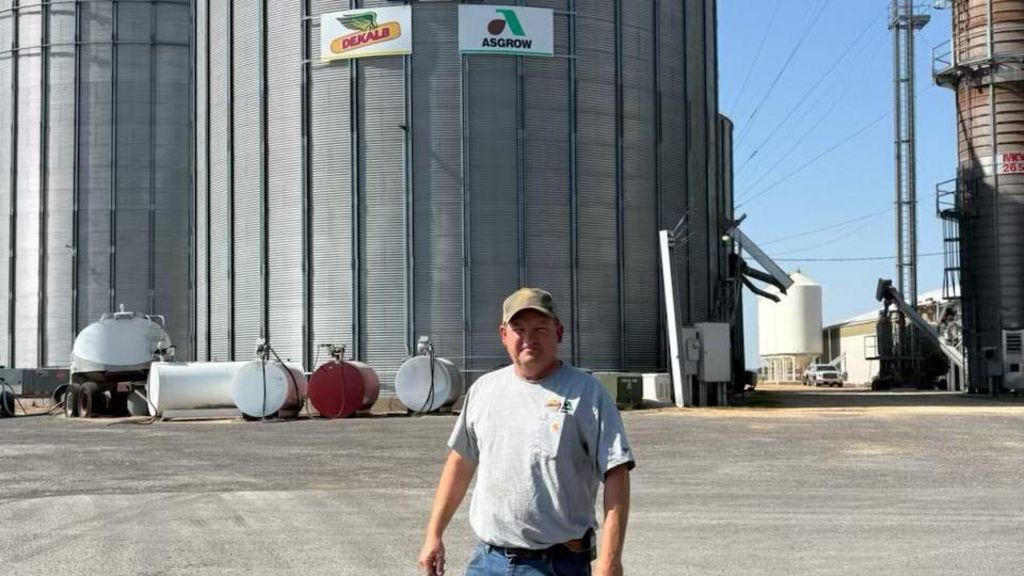
Trump’s farmer bailout raises fears about trade war winners and losers
The Trump administration’s decision to allocate billions in aid to farmers, particularly soybean growers, has ignited a heated debate over the fairness and effectiveness of such targeted relief. Farmers like Brad Smith from Illinois, who have been hit hard by China’s halt on soybean purchases, welcome the financial lifeline. However, the move has left other industries, from craft breweries to toy shops, feeling sidelined and frustrated. Justin Turbeest, a Wisconsin brewer, described the tariffs as a ‘final blow’ to his business, forcing layoffs and a 40% cost increase. Alexis D’Amato of the Small Business Majority criticized the administration for ‘picking winners and losers,’ while Chris Swonger of the Distilled Spirits Council urged inclusion for other affected sectors. Economists like Cornell’s Chris Barrett questioned the equity of bailing out a politically favored group, noting that the aid disproportionately benefits larger farms. Meanwhile, farmers like Mark Legan of Indiana view the relief as a temporary ‘band-aid’ rather than a solution to deeper economic challenges. As the debate rages, the broader impact of Trump’s tariff policies continues to ripple across the U.S. economy.
-
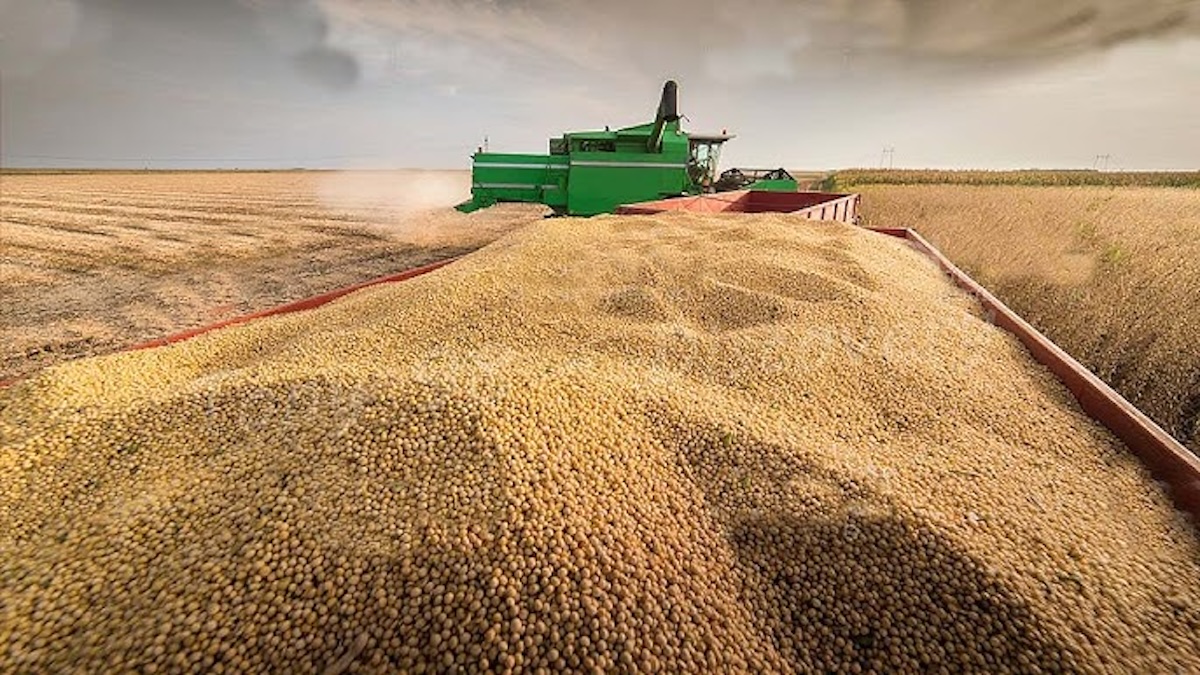
China halts US soybean imports to hit Trump’s MAGA supporters
In a strategic move amid escalating trade tensions, China has ceased its purchases of US soybeans in recent months, significantly impacting the agricultural trade relationship between the two nations. This decision has sent shockwaves through America’s farming community, particularly as both countries prepare for a potential meeting between US President Donald Trump and Chinese President Xi Jinping later this month, though plans remain unconfirmed.
President Trump expressed his concerns in a social media post on October 1, stating, ‘The soybean farmers of our country are being hurt because China is, for ‘negotiating’ reasons only, not buying.’ He added that the US would allocate a portion of tariff revenues to support affected farmers.
Historically, the soybean trade has been a cornerstone of Sino-US agricultural cooperation. Following China’s 2001 accession to the World Trade Organization, the country removed import quotas and imposed a uniform 3% tariff, leading to a surge in US soybean imports. However, the trade war initiated by the Trump administration in 2018 caused a significant decline, with imports dropping from 32.58 million tons in 2017 to 16.64 million tons in 2018. Despite a brief stabilization, the 2022 pandemic further disrupted supplies, prompting China to diversify its sourcing to Brazil and Argentina.
In 2025, US soybean exports to China plummeted to 218 million bushels from January to August, with no deliveries recorded in June, July, and August. This stark decline contrasts with the 985 million bushels shipped in the previous year, which accounted for 51% of the US’s total soybean exports.
Brazil, the world’s largest soybean producer, is expected to harvest 169 million metric tons in the 2024/25 crop year, representing approximately 40% of global output. The US, with a crop of 119 million tonnes, accounts for 28%, meaning the two countries together supply 68% of the world’s soybeans.
A columnist under the pseudonym ‘Old Farmer’ on Guancha.cn criticized the trade standoff, stating, ‘American soybean farmers have become the sacrificial victims of their own domestic political struggle.’ He argued that the tariff war carries limited economic meaning but significant political implications, reflecting the deep ideological rift in the US.
Wang Chong, director of the Center for American Studies at Zhejiang International Studies University, noted that China’s halt in soybean imports has deeply affected farmers in states like Illinois, Iowa, and Minnesota, which are strongholds of Trump’s MAGA movement. He suggested that China could use soybean imports as a bargaining chip in trade talks, seeking concessions such as easing restrictions on chip export controls or opening the US market to Chinese electric vehicles.
The US-China trade standoff intensified on April 2 when Trump announced a plan to impose reciprocal tariffs on all countries, warning of heavier duties for any nation retaliating against the US. Although both sides agreed on May 12 to ease the confrontation, Chinese goods continue to face tariffs ranging from 30% to 50% in the US, while US exporters pay a 10% tariff in China.
The current trade truce is set to expire on November 10 if negotiations fail to progress. Meanwhile, Beijing has ordered its importers not to purchase any US soybeans since May. Chinese Foreign Ministry spokesperson Guo Jiakun emphasized the need for consultation based on equality, respect, and mutual benefit.
In response to the mounting pressure on farmers, the Trump administration is reportedly preparing a $10 billion bailout package to offset losses in export markets. US Treasury Secretary Scott Bessent criticized China’s decision to use American soybean farmers as pawns in trade negotiations.
The halt in China’s soybean purchases has significantly impacted US exports to China, which fell 16.8% in the three months between June and August 2025 compared to the same period last year. This decline underscores the broader implications of the ongoing trade tensions between the two economic giants.
-

Chinese EV giant BYD sees UK sales soar by 880%
Chinese automotive giant BYD has achieved a remarkable milestone in the UK, with its sales skyrocketing by 880% in September compared to the same period last year. The company sold 11,271 vehicles in the UK last month, with the plug-in hybrid version of its Seal U sports utility vehicle (SUV) leading the charge. This surge has positioned the UK as BYD’s largest market outside China, underscoring the growing demand for electric vehicles (EVs) in the region.