
The International Energy Agency (IEA) has issued a stark warning about a potential global oil surplus, projecting a significant imbalance between supply and demand by 2026. In its October Oil Market Report, the agency revised its supply growth estimates upward, forecasting an increase of 3.0 million barrels per day (bpd) in 2025, up from the previous 2.7 million bpd. This is expected to be followed by a further 2.4 million bpd rise in 2026. Meanwhile, demand growth is anticipated to remain sluggish, with the IEA trimming its 2025 estimate to 710,000 bpd and predicting a modest 700,000 bpd increase in 2026. This marks a sharp deceleration in oil consumption, attributed to macroeconomic challenges and the accelerating shift toward electrification in transportation. The IEA predicts that global supply could exceed demand by as much as 4 million bpd in 2026, a significant jump from its earlier forecast of a 3.3 million bpd surplus. This potential glut is driven by aggressive production increases from OPEC+ and non-OPEC+ producers, including the US, Canada, Brazil, and Guyana. In contrast, OPEC maintains a more optimistic outlook, expecting supply and demand to balance in 2026 due to stronger global consumption. Price forecasts reflect the uncertainty, with analysts predicting Brent crude to average $67.61 per barrel in 2025, while Barclays and Goldman Sachs have revised their projections downward, citing supply pressures. Despite the near-term challenges, some industry leaders anticipate a medium-term rebalancing as higher-cost producers reduce output. The IEA’s warning underscores the growing tension between production ambitions and the realities of the global energy transition.
分类: business
-

UAE growth forecast leapfrogs global trend, IMF report says
The International Monetary Fund (IMF) has significantly revised its growth projections for the United Arab Emirates (UAE), highlighting the nation’s economic resilience amidst global uncertainties. In its latest World Economic Outlook, the IMF now anticipates the UAE’s real GDP to grow by 4.8% in 2025, up from its April estimate, with a further acceleration to 5.0% in 2026. This optimistic outlook contrasts with a global economic slowdown, where growth is expected to decline from 3.3% in 2024 to 3.1% in 2026. Advanced economies are projected to grow at a modest 1.5%, while emerging markets hover just above 4%. The Middle East and Central Asia are set to see growth rise from 2.6% in 2024 to 3.8% in 2026, with the UAE leading the charge. The IMF attributes the UAE’s robust performance to its diversified economy, strong financial buffers, and strategic reforms. Key drivers include a widening current account surplus, bolstered by non-hydrocarbon exports, and deepening trade agreements with nations like India, Indonesia, Türkiye, and South Korea. The UAE’s financial sector remains stable, with well-capitalized banks, declining non-performing loans, and innovative measures such as the Digital Dirham and stablecoin regulation. The real estate market continues to thrive, supported by population growth and foreign investment, though the IMF cautions against potential shifts in capital flows. Structural reforms in infrastructure, sustainability, and AI further cement the UAE’s position as a forward-looking economic hub. Looking ahead, the UAE’s growth trajectory remains promising, underpinned by sound fiscal policies, regulatory advancements, and a commitment to long-term reforms.
-
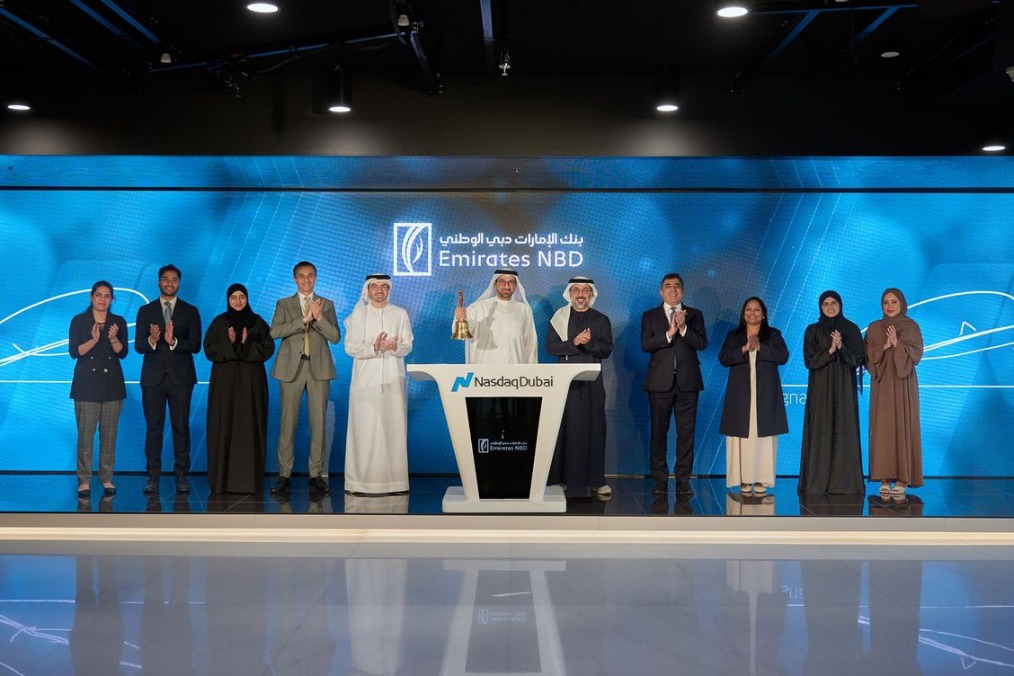
Nasdaq Dubai welcomes CNY1 billion bond listing by Emirates NBD
Nasdaq Dubai has marked a significant milestone with the listing of a CNY1 billion (approximately US$140 million) bond by Emirates NBD Bank. This issuance, part of the bank’s US$20 billion Euro Medium Term Note (EMTN) Programme, features 2.40 percent Notes maturing in 2028. The move signifies Emirates NBD’s re-entry into the Dim Sum market, a platform that facilitates global investors’ access to renminbi-denominated bonds outside mainland China. This strategic issuance not only diversifies the bank’s funding sources but also underscores the robust investor demand for high-quality financial instruments from UAE institutions. With this listing, Emirates NBD’s total debt instruments on Nasdaq Dubai now stand at $5.4 billion across nine issuances, cementing its status as one of the UAE’s most active financial entities on the exchange. The transaction also highlights Dubai’s deepening ties with Asian markets, as renminbi-denominated bonds gain prominence in international capital markets. To commemorate the occasion, Hesham Abdulla Al Qassim, Vice Chairman and Managing Director of Emirates NBD, rang the market-opening bell at Nasdaq Dubai, joined by Hamed Ali, CEO of Nasdaq Dubai and Dubai Financial Market (DFM). Al Qassim emphasized the bank’s commitment to wealth creation for clients, supported by significant capital inflows and a diverse product portfolio. He praised Nasdaq Dubai’s international reputation and regulatory excellence as key factors in choosing the platform for listings. Ali, in turn, highlighted Dubai’s role as a trusted gateway for UAE issuers to connect with global investors, noting the growing appeal of the market and its ability to facilitate diversified funding across currencies and geographies. The total outstanding value of debt securities listed on Nasdaq Dubai has now reached $140 billion, further solidifying the exchange’s position as a leading hub for fixed income in the region.
-
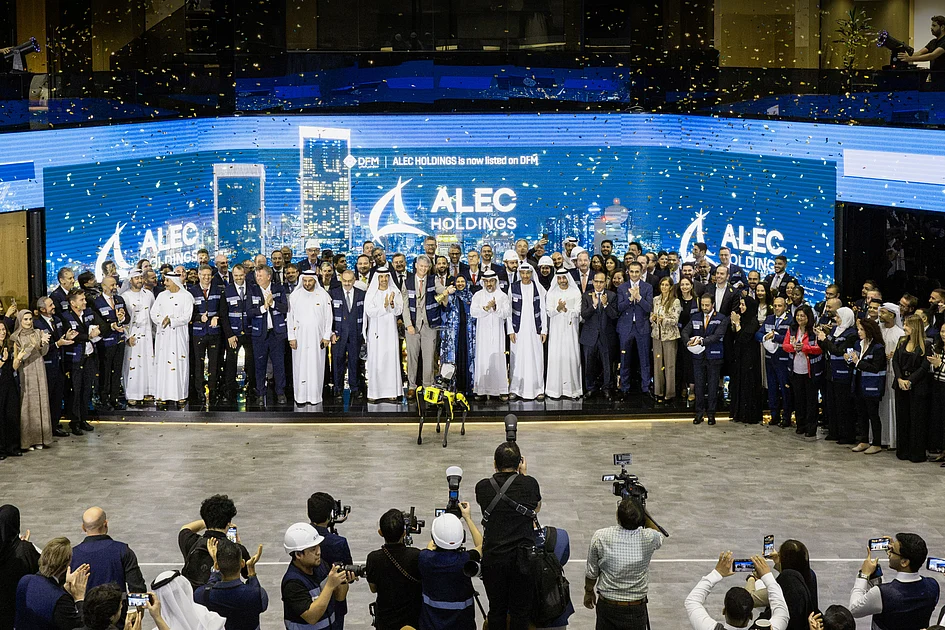
Alec Holdings gains 0.71% on DFM debut in UAE’s largest-ever construction sector IPO
Alec Holdings, a prominent engineering and construction group based in Dubai, marked its debut on the Dubai Financial Market (DFM) with a modest 0.71% gain over its listing price. Opening at Dh1.47, the company’s shares climbed to Dh1.50 before settling, with over 128 million shares traded, amounting to a total value of Dh186.4 million. This listing represents the UAE’s largest-ever initial public offering (IPO) in the construction sector, both in terms of valuation and size, and the first in the sector in over 15 years. The IPO, fully subscribed, raised Dh1.4 billion through the sale of 1 billion existing ordinary shares, representing 20% of the company’s issued share capital. The Investment Corporation of Dubai (ICD), Alec’s sole selling shareholder, retains an 80% stake post-listing. Barry Lewis, CEO of Alec Holdings, highlighted the significance of the listing as a milestone in the company’s journey, emphasizing enhanced governance and transparency. Helal Al Marri, Chairman of the DFM Board of Directors, and Hamed Ali, CEO of DFM and Nasdaq Dubai, also underscored the listing’s role in diversifying Dubai’s capital markets and reinforcing its position as a global financial hub. Alec’s IPO, while modest compared to recent IPOs like Parkin (+31%) and Dubai Taxi (+19%), reflects disciplined pricing and cautious investor sentiment toward private-sector companies. The company plans to distribute dividends, starting with Dh200 million in April 2026, followed by Dh500 million for the 2026 financial year, representing a 7.1% dividend yield at listing. Analysts view Alec’s steady trading range as a sign of healthy consolidation, driven by solid fundamentals rather than speculative gains. The IPO is expected to pave the way for other engineering and infrastructure firms to go public, signaling the UAE’s maturing equity capital markets and positive outlook for future construction-sector floatations.
-
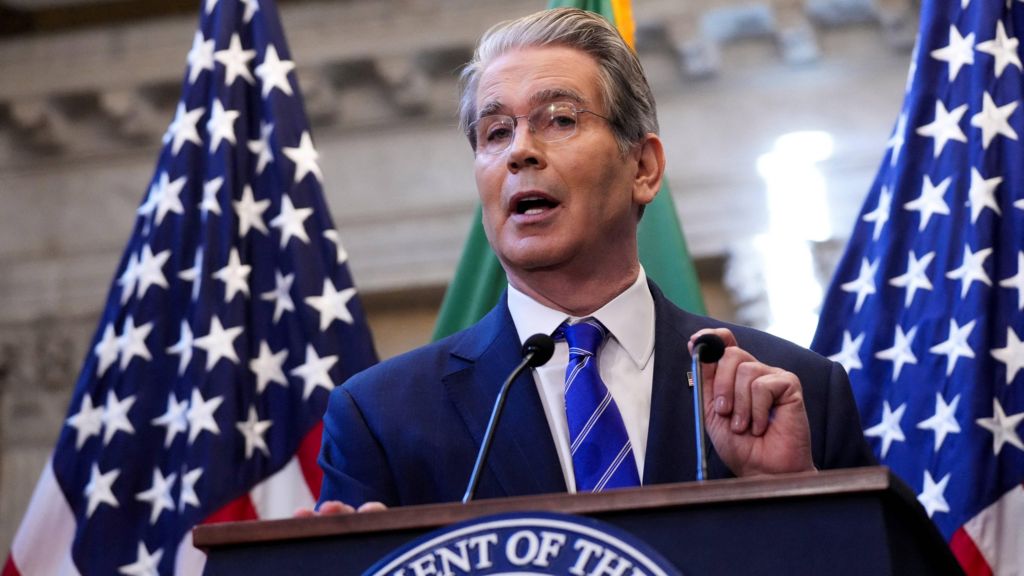
US blasts China as ‘unreliable’ as trade tensions mount
The fragile trade truce between the United States and China appears to be unraveling as top US officials accuse Beijing of undermining agreements reached earlier this year. In a highly orchestrated press conference, US Trade Representative Jamieson Greer and Treasury Secretary Scott Bessent condemned China’s recent moves to tighten export controls on rare earths, lithium batteries, and graphite, labeling them as “economic coercion” and a “global supply chain power grab.” Bessent warned, “If China wants to be an unreliable partner to the world, then the world will have to decouple.” However, he left room for negotiation, expressing optimism that the situation could be de-escalated through dialogue. China, which processes approximately 90% of the world’s rare earths and magnets, announced last week that foreign companies would need government approval to export products containing even minimal amounts of these critical materials. The US responded with threats of imposing a 100% tariff on Chinese imports starting next month, alongside potential export controls on critical software. The escalating tensions have raised fears of a return to an all-out trade war, jeopardizing the fragile truce established in May. Both nations have also introduced new port fees on each other’s ships, further straining relations. Bessent emphasized the need for the US and its allies to collaborate, calling China’s actions “unacceptable” and “highly provocative.” He asserted, “This is China versus the world. We and our allies will neither be commanded nor controlled.” Despite the rhetoric, both sides seem open to discussions, offering a glimmer of hope for resolution.
-
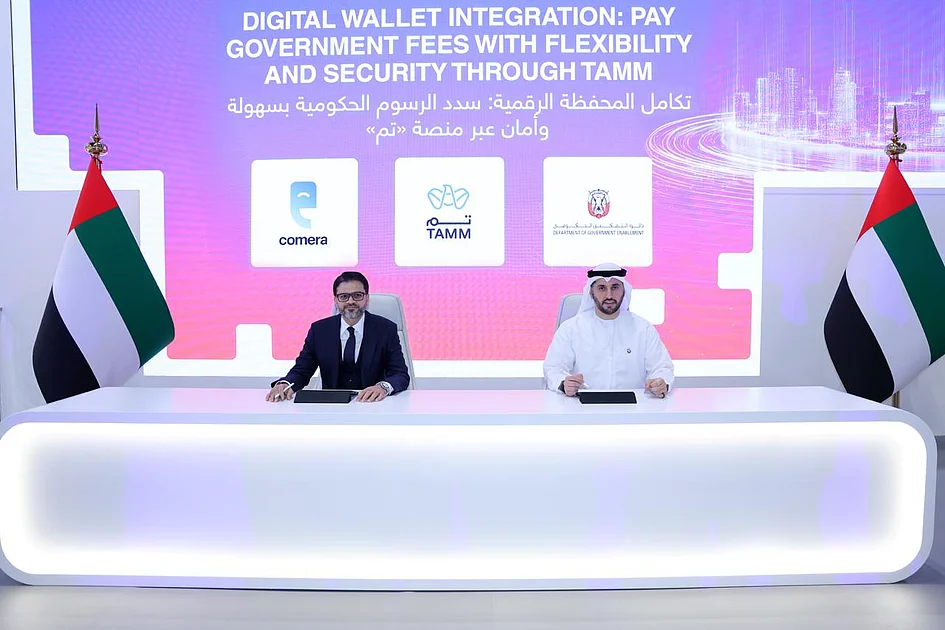
Comera Pay joins with TAMM to power digital payments in Abu Dhabi
In a landmark move to accelerate Abu Dhabi’s digital transformation, Comera Pay, a subsidiary of the Royal Group, has joined forces with TAMM, the Emirate’s unified digital platform for government services. The collaboration was formalized through a memorandum of understanding (MoU) signed during GITEX Global 2025 at the Dubai World Trade Centre. This partnership marks the official integration of Comera Pay as a direct payment option within the TAMM ecosystem, enabling residents and businesses to conduct seamless, secure, and cashless transactions for a wide range of government services. The initiative aligns with Abu Dhabi’s vision of building a world-class, cashless economy by leveraging homegrown innovation and technology. Comera Pay’s Managing Director and Group CEO, Akthar Saeed Hashmi, emphasized the shared mission of both organizations to advance the UAE’s digital economy. Beyond government payments, Comera Pay plans to expand its offerings within TAMM to include peer-to-peer (P2P) payments, international remittances, and local merchant transactions. Backed by the Royal Group, Comera Pay is also scaling its presence across retail, corporate, and government sectors with advanced wallet, POS, and gateway solutions. This integration underscores Abu Dhabi’s commitment to fostering a globally competitive, locally developed digital economy built on trust, simplicity, and innovation.
-
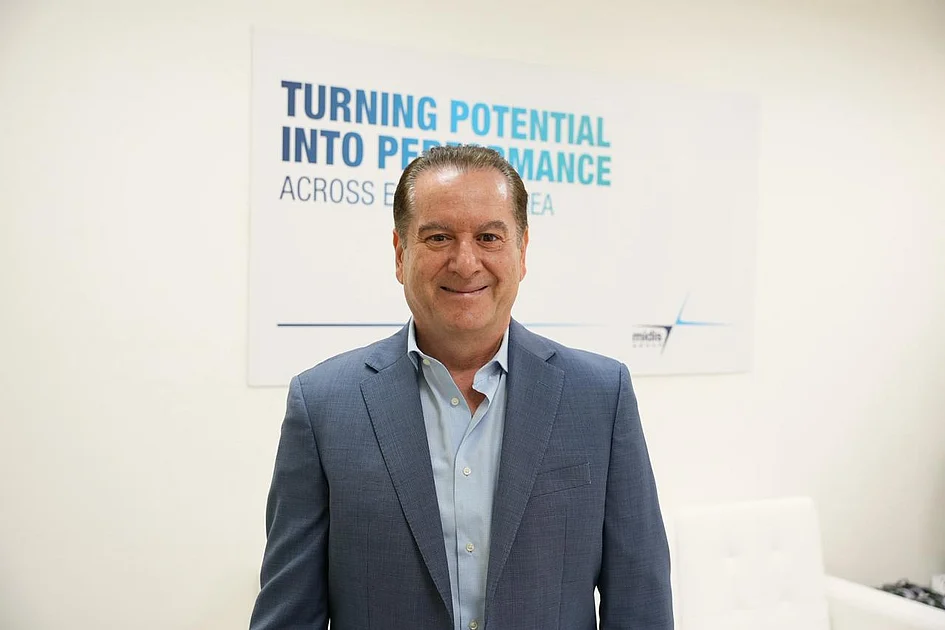
MDS SI seeks to play key role in region’s digital transformation
As the Middle East accelerates its digital transformation, MDS SI, a prominent digital system integrator with a presence in 13 countries and 20 major cities, is positioning itself as a pivotal enabler for businesses navigating this technological shift. With over two decades of dominance in the UAE’s IT services sector and a strong foothold in Saudi Arabia’s competitive market, MDS SI attributes its sustained success to a customer-centric approach, innovation, and consistent value delivery. The company’s President, Sami Abi Esber, emphasized that their focus on customer satisfaction and significant investments in talent and technology have been instrumental in maintaining their leadership. MDS SI’s strategy revolves around optimizing existing operations and enabling new digital business models, leveraging AI-powered solutions and predictive IoT systems to unlock measurable value for clients. Central to their approach is the proprietary “AI Path to Value” methodology, supported by a team of over 700 specialists, ensuring alignment with key business drivers such as revenue growth, cost efficiency, and ESG goals. The company has successfully implemented over 80 AI use cases, demonstrating the practical impact of artificial intelligence. MDS SI also prioritizes ethical considerations, embedding privacy and security into every AI engagement from the outset. In the realm of cybersecurity, the company offers robust defenses, including sovereign AI environments and cloud-based solutions, addressing threats at every level. Building on its legacy as the region’s first public cloud provider through its affiliate eHosting DataFort, MDS SI continues to lead in hybrid and multi-cloud solutions, offering services across platforms like Azure, AWS, GCP, and HPE GreenLake. Recognizing the tech talent gap, the company invests in workforce development through continuous training, certifications, and collaborations with governments and academia. Looking ahead, MDS SI believes the next phase of digital transformation will be defined by tangible outcomes, aligning innovation with measurable business results. The company is also expanding its regional presence through strategic acquisitions, such as Egypt-based cybersecurity firm SmplID and AIdeology, an NVIDIA Elite Solution Provider, while investing in startups focused on smart cities and advanced security technologies.
-

Gold prices in Dubai: Third record high in three days this week at Dh503 per gram
Gold prices in Dubai have soared to unprecedented levels for the third consecutive day this week, with 24K gold reaching a new all-time high of Dh503.5 per gram on Wednesday. This surpasses the previous record of Dh502.75 set on Tuesday, according to data from the Dubai Jewellery Group. Other variants, including 22K, 21K, and 18K, also achieved record highs, trading at Dh466.25, Dh447.0, and Dh383.25 per gram, respectively. Globally, spot gold was priced at $4,188 per ounce at 9:10 am UAE time. Market analysts attribute this surge to a combination of safe-haven demand, escalating US-China trade tensions, and expectations of Federal Reserve rate cuts. Frank Walbaum, a market analyst at Naga, noted that gold briefly surpassed $4,190 per ounce on Tuesday before a slight retreat as investors locked in profits. He highlighted that geopolitical risks, including US President Donald Trump’s tariff threats and Beijing’s retaliatory measures, have intensified market uncertainty. Additionally, the ongoing US government shutdown has further weighed on economic activity, bolstering gold’s appeal. Walbaum also mentioned that markets are anticipating 25-basis-point rate cuts in October and December, supported by Fed officials’ concerns over labour market risks. While tensions in Eastern Europe remain a factor, progress in the Middle East could potentially temper gold demand. This sustained rally underscores gold’s enduring role as a hedge against global economic and geopolitical instability.
-

Hong Kong lawmakers pass bill to regulate ride-hailing services like Uber
Hong Kong has taken a significant step toward regulating its ride-hailing industry with the passage of a new bill on Wednesday. The legislation mandates that platforms like Uber, along with their vehicles and drivers, must obtain licenses to operate legally. This move comes after years of tension between the city’s taxi industry and online ride-hailing services. The first licensed platforms are expected to launch by late 2026 at the earliest. Under the new rules, Hong Kong’s transport commissioner will evaluate applicants based on their experience, financial capacity, and planned investments in the region. Licensed companies must ensure their services are ‘proper and efficient’ and that all vehicles and drivers on their platforms hold valid permits. Drivers must meet specific criteria, including being at least 21 years old, holding a private car driving license for at least one year, and having no serious traffic convictions within the past five years. Additionally, they must pass a test and complete a pre-service course. The bill represents a pivotal moment in the development of ride-hailing services in Hong Kong, where private vehicles have been prohibited from offering paid services without a permit. Uber Hong Kong welcomed the decision, calling it a ‘significant milestone’ in integrating ride-sharing into the city’s transport system. However, the legislation also imposes strict penalties for non-compliance, including fines of up to 1 million Hong Kong dollars (approximately $128,600) and a maximum jail term of one year for unlicensed operators. The government plans to introduce a cap on the number of ride-hailing vehicles, with details to be outlined in subsidiary legislation next year. This framework aims to balance the interests of traditional taxi companies and the growing demand for modern, convenient transportation options.
-
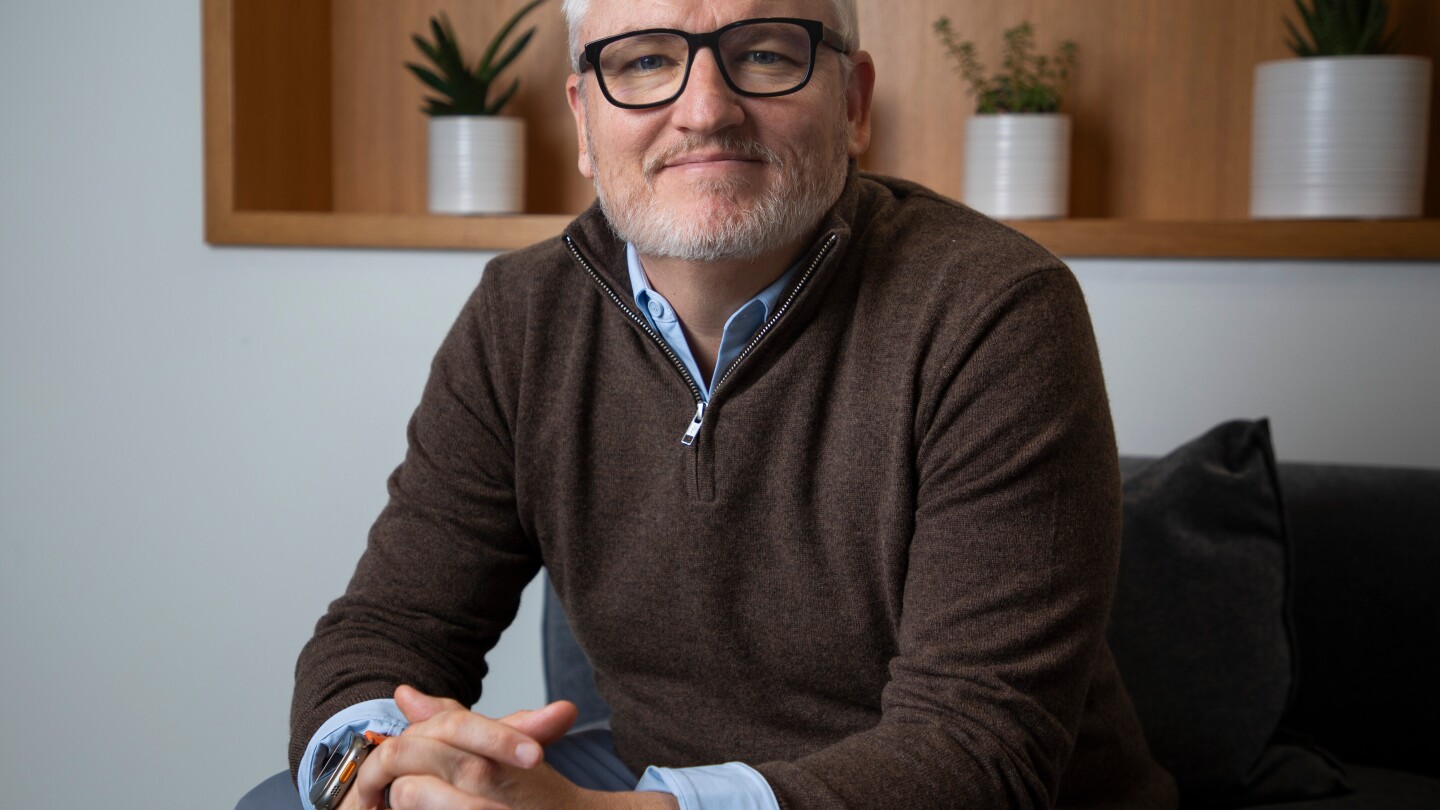
How Promote Giving, a new investment model, will raise millions for charities
Joel Holsinger, an investment manager and partner at Ares Management Corp., has launched Promote Giving, a groundbreaking initiative aimed at encouraging investment managers to integrate charitable donations into their business models. This initiative stems from Holsinger’s transformative experience during a 2019 visit to Dharavi, India’s largest slum, where he witnessed the impact of a tuberculosis prevention program hindered by funding shortages. Inspired to bridge the gap between profit and purpose, Holsinger created the Pathfinder family of funds, which donates at least 5% of performance fees to charities. Since its inception, the initiative has raised over $10 billion in investments and pledged more than $40 million to charitable causes. Promote Giving, launched with participation from nine firms including Ares Management, Pantheon, and Pretium, represents $35 billion in assets and could generate up to $250 million in donations over the next decade. Unlike ESG or impact investing, Promote Giving focuses on maximizing financial returns while allocating a portion of management fees to charities after investors receive their promised returns. This model addresses the funding challenges faced by nonprofits, particularly in the wake of cuts to U.S. foreign aid and the dismantling of USAID. Kammerle Schneider of PATH and Sal Khan of Khan Academy have praised the initiative for its potential to provide stable, long-term funding for critical global health and education programs. Holsinger envisions Promote Growing into a movement akin to the Giving Pledge, encouraging industries to embed philanthropy into their core operations. Research from Chief Executives for Corporate Purpose supports this approach, showing that companies with purpose-driven missions achieve higher revenue growth and employee engagement. Holsinger believes that by channeling more capital to nonprofits, Promote Giving can help solve global challenges that lack not solutions but funding.