
CFI Financial Group, a prominent online trading provider in the MENA region, has officially inaugurated its newest entity, CFI Financial (Bahrain) B.S.C Closed, marking a pivotal moment in its regional expansion strategy. The launch event, held at CFI Bahrain’s Manama offices, was attended by key figures from Bahrain’s public and private sectors, as well as senior executives from CFI Financial Group. The establishment of CFI Bahrain follows the company’s receipt of a Category 2 Investment Business Firm license from the Central Bank of Bahrain (CBB) in July 2025. Yaseen Alsamerrai has been appointed as the Country CEO of CFI Bahrain, bringing extensive experience in financial services and leadership to the role. In his capacity, Alsamerrai will oversee operations and strategic growth, ensuring adherence to global standards while tailoring services to meet local market demands. Ziad Melhem, CEO of CFI Financial Group, emphasized that the launch represents more than just an expansion; it is a long-term commitment to delivering excellence, transparency, and innovation to traders in Bahrain and the broader GCC region. CFI Bahrain will provide traders with access to global markets, advanced trading platforms, and competitive conditions, backed by CFI’s global expertise. The company’s focus on financial literacy, innovation, and regulatory compliance underscores its dedication to empowering traders and supporting Bahrain’s emergence as a regional financial hub. With over 25 years of experience and a presence in key global locations, CFI continues to lead in AI-driven trading tools and financial education, further solidifying its reputation as a trusted partner for traders worldwide.
分类: business
-
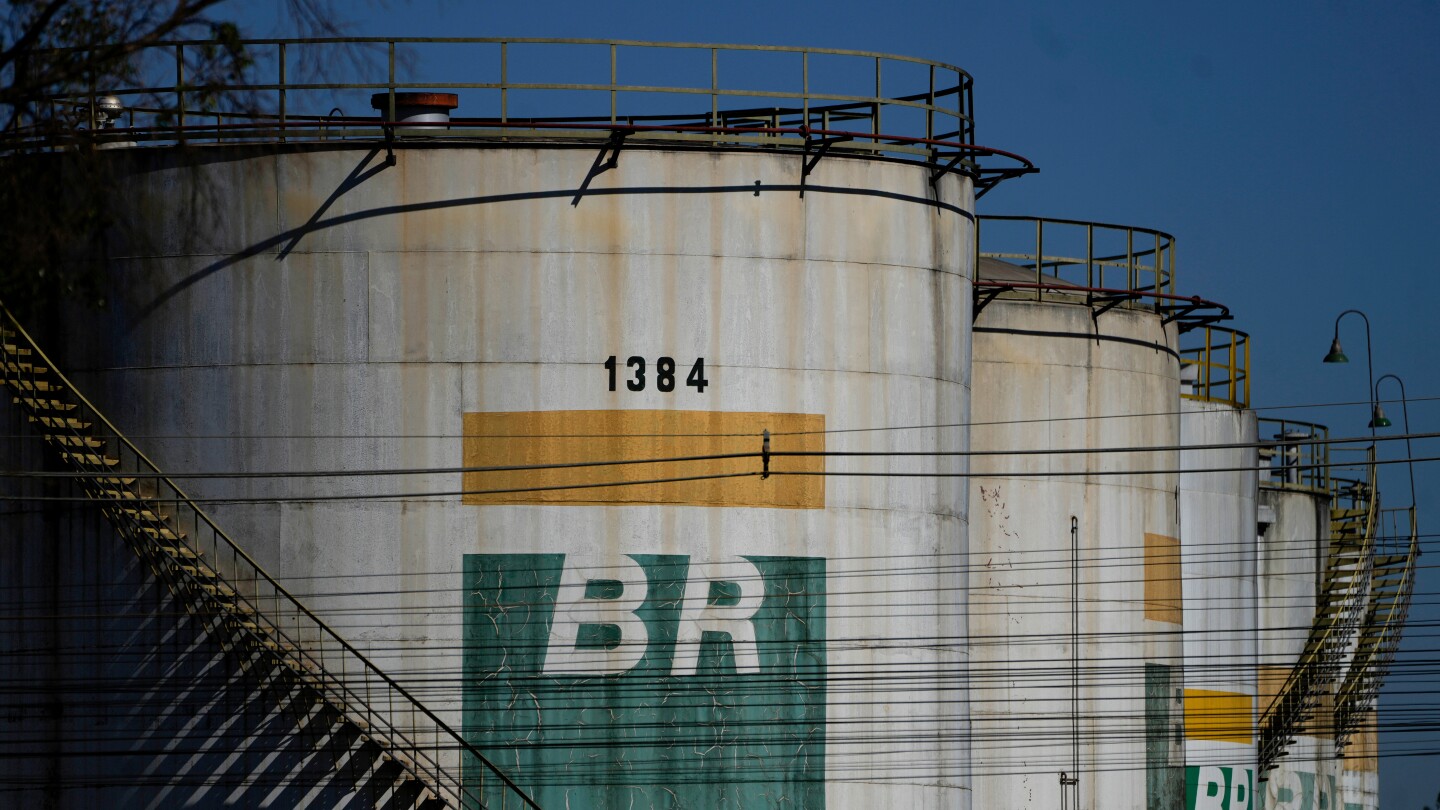
Brazil’s government green-lights oil drilling near mouth of Amazon River ahead of UN climate summit
In a significant move, Brazil’s government has greenlit exploratory drilling by Petrobras, the state-controlled oil giant, near the mouth of the Amazon River. The decision, announced on Monday, arrives just weeks before the United Nations climate conference, COP30, set to take place in Belem, where global efforts to curb fossil fuel usage will be a central topic. The Equatorial Margin, a region stretching from Brazil’s border with Suriname to its Northeast coast, is believed to hold substantial oil and gas reserves. Petrobras confirmed that drilling could commence immediately and last up to five months, targeting block FZA-M-059, located 175 kilometers offshore the northern state of Amapa. The company emphasized that this phase involves exploratory activities only, with no oil production planned. The Brazilian Institute of the Environment and Renewable Natural Resources, overseen by the environment ministry, approved the project, which was lauded by Energy Minister Alexandre Silveira. Silveira hailed the Equatorial Margin as pivotal for Brazil’s energy sovereignty, asserting that the exploration would adhere to stringent environmental standards and bring tangible benefits to the nation. This decision follows Brazil’s June auction of several oil exploration sites near the Amazon, despite opposition from environmental and Indigenous groups. The region, while promising, is also considered high-risk due to strong ocean currents and its proximity to the Amazon coastline.
-

UptexBank launches to drive digital banking innovation in the GCC
The Gulf Cooperation Council (GCC) has welcomed a groundbreaking addition to its financial landscape with the launch of UptexBank, a cutting-edge digital banking platform. Officially unveiled on October 12, 2025, during the Dubai Fintech Surge, UptexBank is poised to redefine cross-border banking by integrating advanced technology with robust regulatory compliance. Headquartered in Oman, the institution aims to streamline international transactions for individuals, freelancers, and businesses, offering multi-currency accounts and cost-effective transfer solutions. UptexBank’s launch aligns with the GCC’s Vision 2030, which emphasizes economic diversification, entrepreneurship, and digital transformation. The platform addresses a critical gap in the market, particularly for small and medium-sized enterprises (SMEs), which contribute significantly to the region’s non-oil GDP but often face challenges with traditional banking services. By providing instant transfers, transparent FX rates starting at 0.2 percent, and multi-currency accounts, UptexBank seeks to empower SMEs and freelancers across the GCC. The institution operates under regulatory licenses in Oman, the UAE, and Canada, ensuring compliance and client protection. Plans are already underway for expansion into Saudi Arabia and other GCC countries in 2026, with further international growth anticipated in 2027. Early access registration is now open for businesses and freelancers eager to join this transformative platform.
-
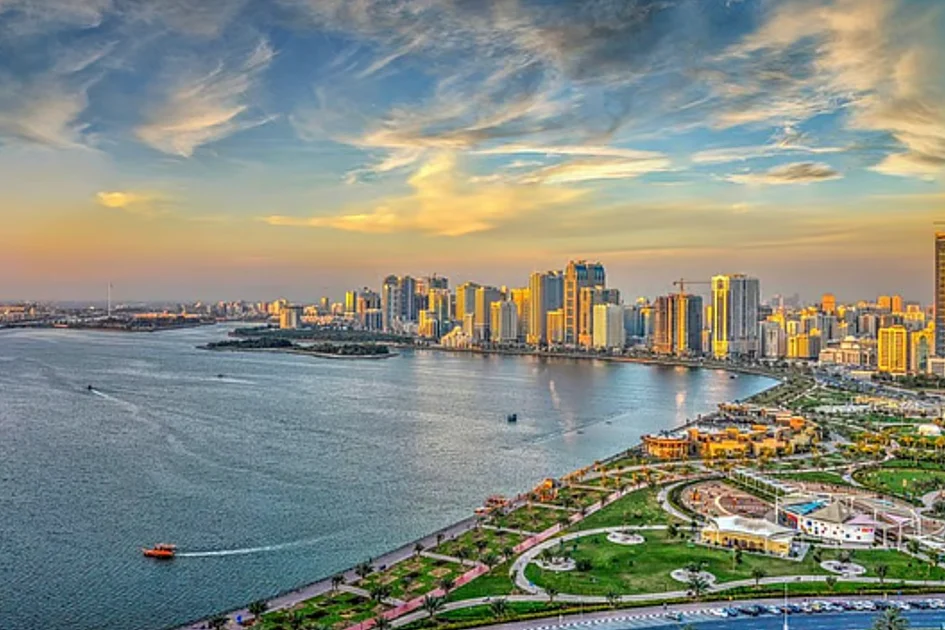
Sharjah: Property transactions for first 9 months in 2025 exceed year-total of 2024
Sharjah’s real estate sector has witnessed an unprecedented surge in 2025, with property transactions in the first nine months already surpassing the entire year’s total for 2024. Official data from the Sharjah Real Estate Registration Department (SRERD) reveals that transactions reached Dh44.3 billion, marking a remarkable 58.3% increase compared to the same period in 2024. This figure exceeds the Dh40 billion recorded for the entirety of 2024, signaling robust growth and heightened investor confidence. The number of property deals also rose significantly, with 80,320 transactions—a 16.3% increase from the previous year. Mortgage-financed purchases also saw a notable uptick, reflecting a broad-based market expansion. By mid-2025, the emirate had already recorded Dh27 billion in transactions, a 48.1% increase over H1 2024. Market segmentation highlights diverse strength, with over 24,200 sales transactions across 239 areas, covering more than 150 million sq ft of traded space. Investors from 121 nationalities participated, with Emirati nationals leading the volume at Dh21.1 billion, followed by foreign investors at Dh13.1 billion. Sharjah’s affordability, strategic regulatory reforms, and community-centric developments have been key drivers of this growth. Abdul Aziz Ahmed Al-Shamsi, SRERD’s Director-General, attributed the surge to the emirate’s solid investment infrastructure and integrated development vision. While the market’s momentum is strong, analysts caution that maintaining yields and addressing infrastructure constraints will be crucial for sustained growth.
-
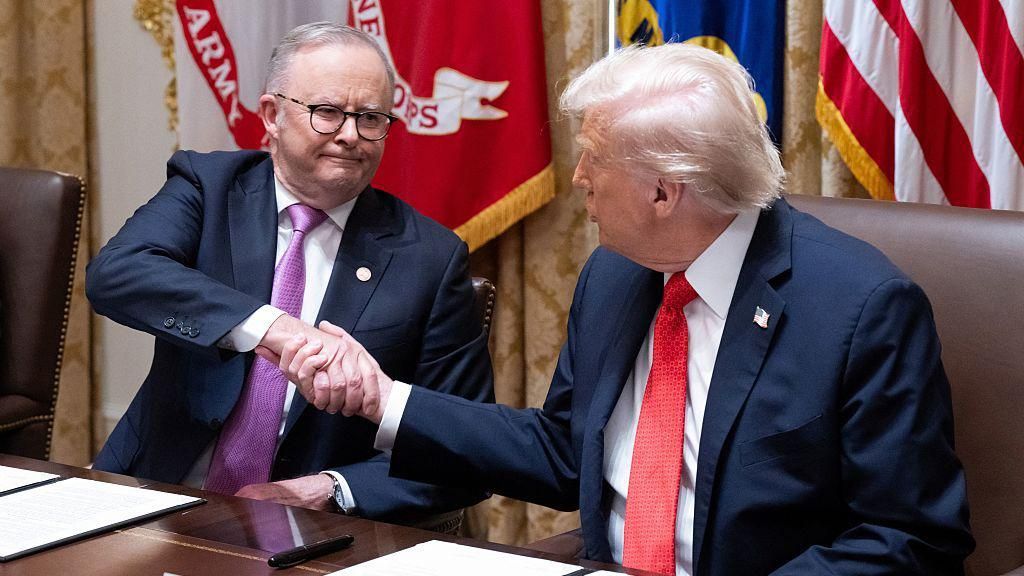
US and Australia sign rare earths deal to counter China’s dominance
In a significant move to reduce reliance on China’s control over the rare earths market, the United States and Australia have inked a landmark agreement aimed at bolstering the supply of critical minerals. The deal, announced during a high-level meeting, underscores the Trump administration’s strategic efforts to diversify global supply chains and mitigate vulnerabilities in the defense and technology sectors.
-
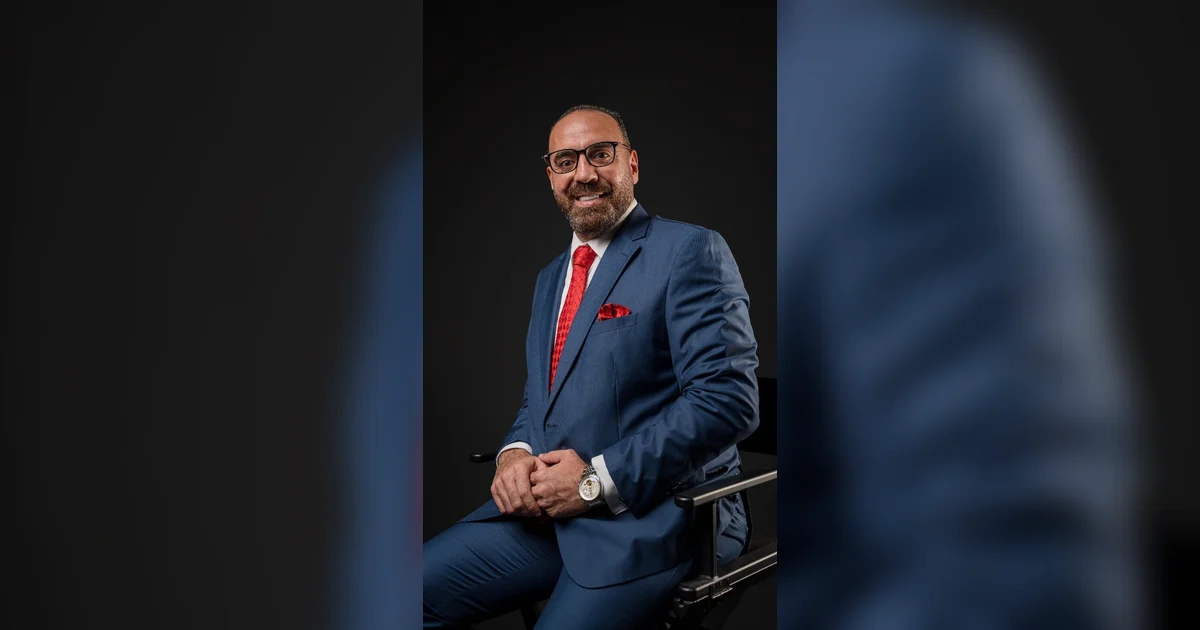
HR expert launches groundbreaking book to reshape human capital leadership in the Middle East
In a significant development for the field of human resources, Dr Mostafa Ahmed Ghanima, a distinguished HR executive and thought leader, is set to launch his groundbreaking book, *Transforming the Future of HR in the Middle East: Mastering Global HR Practices with Regional Culture and Values*, this December. The book, aimed at HR professionals, organizational leaders, and policymakers, offers a fresh perspective on the evolving landscape of human capital management in the Middle East. It uniquely bridges global HR innovations with the cultural and traditional values of the region. Drawing from nearly two decades of experience across Egypt, Saudi Arabia, the UAE, and the UK, Dr Ghanima combines practical frameworks, real-world case studies, and contextual insights to address the challenges of economic diversification, digital transformation, and shifting workforce dynamics. The book emphasizes the importance of maintaining cultural identity while adopting global best practices, making it a timely resource for regional leaders. Available in hardcover, e-book, and audiobook formats, the publication will be accessible on major platforms such as Amazon Kindle, Apple Books, and Google Play. Its release coincides with the HR Transformation and Leadership Forums across the Middle East, further amplifying its impact. Dr Ghanima’s work is not merely a guide but a call to action for HR leaders to innovate while preserving tradition, positioning the Middle East as a competitive player in the global HR arena.
-
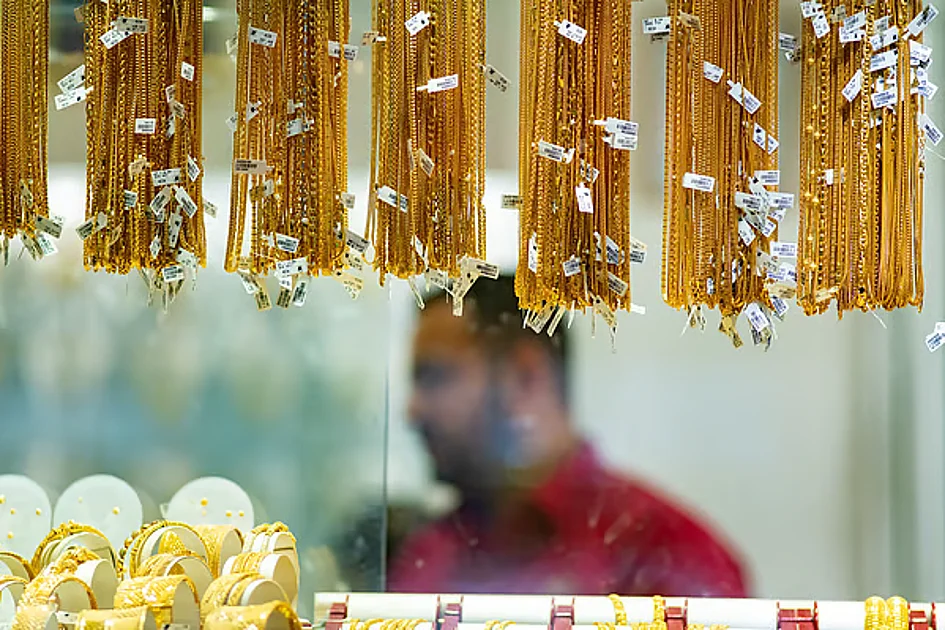
Dubai: Gold prices inch higher in early trade on first day of week
Gold prices in Dubai experienced a modest increase at the start of the trading week on Monday, aligning with global market trends. At 9:00 AM UAE time, 24K gold opened at Dh514 per gram, marking a rise of Dh1.75 from the previous week’s closing price. Other variants, including 22K, 21K, and 18K, also saw upward movements, opening at Dh476, Dh456.5, and Dh391.25 per gram, respectively. Spot gold remained steady at $4,248.93 per ounce by 9:25 AM UAE time, though it showed signs of easing after an initial uptick. Market dynamics continue to be shaped by ongoing US-China trade negotiations and the anticipation of interest rate cuts by the US Federal Reserve. Ipek Ozkardeskaya, a senior analyst at Swissquote, highlighted the resurgence of trade tensions between the US and China, particularly following China’s restrictions on rare earth metal exports and the US’s threat of imposing 100% tariffs. Federal Reserve Chair Jerome Powell recently hinted at a potential rate cut by the end of October, with market expectations now placing a near 100% probability on a 25 basis points reduction. Investors are also awaiting the release of September’s Consumer Price Index (CPI) data by the US Bureau of Labour Statistics on Friday, which could provide further insights ahead of the Fed’s decision later this month.
-
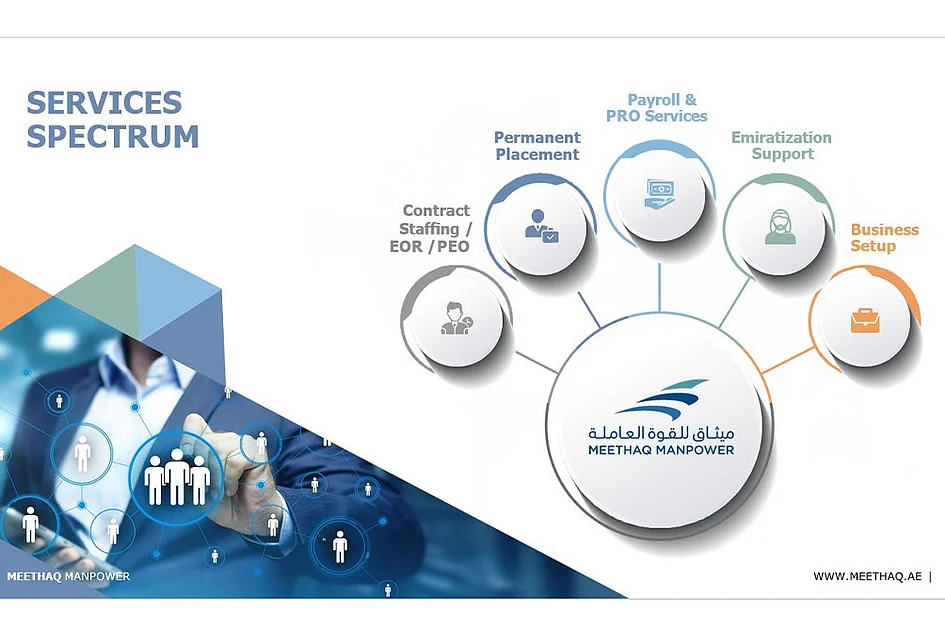
From Emirati roots to global horizons: Meethaq Manpower expands into KSA
Meethaq Manpower, a prominent Emirati-owned staffing and outsourcing firm under the Al Ghandi Group, has unveiled its latest milestone with the launch of a new branch in Saudi Arabia. This strategic expansion underscores the company’s commitment to broadening its footprint beyond the UAE, targeting the GCC, the MENA region, and Europe. With over 12 years of growth under the leadership of CEO Maryam Buti AlMheiri, Meethaq has established itself as a trusted partner for businesses, government entities, and global clients, delivering innovative and ethical workforce solutions. The company’s entry into Saudi Arabia aligns with the Kingdom’s Vision 2030, a transformative economic agenda that presents significant opportunities in manpower and outsourcing. Maryam emphasized Meethaq’s mission to bridge the gap between skilled professionals and businesses, fostering a sustainable workforce ecosystem. As a 100% Emirati-owned enterprise, Meethaq embodies national pride and ambition, contributing to Emiratisation and showcasing Emirati leadership globally. This expansion not only marks a business achievement but also reinforces the UAE’s reputation as a hub of innovation and enterprise. From Dubai to Riyadh and beyond, Meethaq is paving the way for businesses and individuals to thrive, reflecting a story of vision, resilience, and determination with a lasting global impact.
-
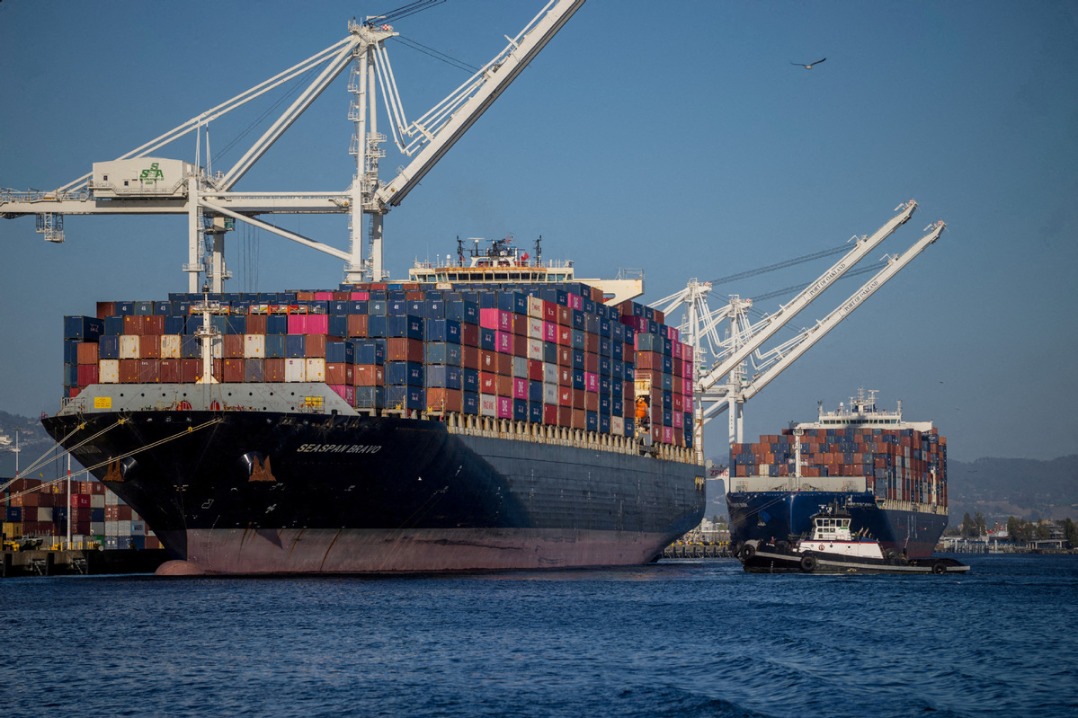
US tariffs begin to bite into trade
The ripple effects of US-imposed tariffs are now manifesting in the nation’s trade landscape, with September witnessing a significant downturn in container cargo imports. According to the latest Global Shipping Report by Descartes, a supply chain technology and data provider, US container imports plummeted by 8.4% year-on-year, with Chinese imports bearing the brunt at a staggering 22.9% decline. Despite this, US ports managed to process 2.31 million 20-foot equivalent units (TEUs) of container cargo, marking the third-highest September volume on record. The steepest declines were observed in sectors such as toys, sporting goods, footwear, apparel, aluminum, and electric machinery. This contrasts sharply with the surge in imports during July and August, as retailers stockpiled goods ahead of the holiday season. Jonathan Gold, Vice-President of Supply Chain and Customs Policy at the National Retail Federation, attributed the earlier peak to businesses’ efforts to mitigate tariff impacts by front-loading cargo. However, the uncertainty surrounding tariff policies continues to challenge businesses, with projections indicating that monthly import volumes at major US ports may drop below 2 million TEUs for the remainder of the year. Analysts, including Ben Hackett of Hackett Associates, predict further import slowdowns, citing ongoing volatility in US tariff policy as a significant source of economic uncertainty. China’s share of total US imports also declined, falling to 33% in September from 34.5% in August. The Port of Los Angeles, one of the busiest in the US, reported an 8% year-on-year decline in import volumes, processing around 883,000 container units in September. Gene Seroka, the port’s Executive Director, anticipates a further softening of cargo volumes in the coming months, exacerbated by turbulent trade negotiations with China. The US recently announced additional 100% tariffs on Chinese goods, effective November 1, following China’s imposition of export controls on rare earth minerals. China’s Ministry of Commerce has criticized these measures, emphasizing that its export controls are a legitimate effort to safeguard national and global security, not targeted at any specific country. The ongoing trade tensions have already impacted bilateral trade, with China’s exports to the US falling by 27% year-on-year in September, marking the sixth consecutive monthly decline. As both nations navigate this contentious trade landscape, the broader economic implications remain uncertain.
-
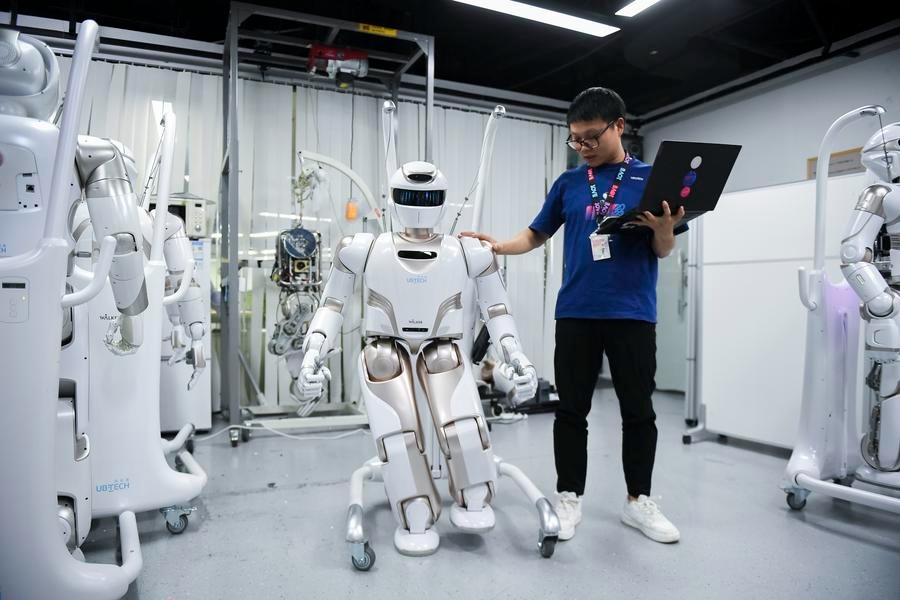
China’s economic security growth model highlighted
China’s economic strategy has pivoted towards a model that integrates high-quality development with robust security measures, emphasizing technological self-reliance and a strengthened domestic demand base. This approach, termed the ‘economic security growth model,’ was a focal point of discussion at a recent virtual panel hosted by the Peterson Institute for International Economics (PIIE) in Washington, DC. Experts highlighted how this model transcends traditional export- or investment-driven frameworks, instead focusing on strategic pillars such as dual circulation, self-reliant innovation, and mechanisms to counter foreign economic coercion. The dual circulation strategy prioritizes the domestic market while fostering synergy between internal and external markets. Trade data indicates that while direct trade with the US and other advanced economies has plateaued, China’s trade with the rest of the world continues to expand. The second pillar of this model involves a ‘whole-of-nation’ push towards self-reliant innovation, insulating the economy from geopolitical risks. This includes significant fiscal allocations for education, science, and technology, with a notable rise in approvals for science and engineering programs. China’s industrial robot adoption rates far exceed global averages, signaling a clear trajectory towards innovation-led growth. The third pillar focuses on establishing export controls and regulations to address external coercion. China’s advancements in AI exemplify the potential of this approach, with Chinese firms securing six of the top 20 AI models globally, despite US export controls on advanced AI chips. Experts noted that this competition benefits the global economy, as it ensures access to highly capable AI systems. The World Economic Forum and Stanford’s 2025 AI Index have acknowledged China’s narrowing performance gaps in AI, with innovations like the DeepSeek-R1 AI model and Huawei’s Ascend 910C chip gaining recognition. The diffusion of technology, rather than its initial development, is seen as the true determinant of success, with AI spreading faster than any prior technology.