
In a significant milestone for bilateral relations, the first direct commercial flight between India and China in over five years landed in Guangzhou on Monday. The IndiGo flight, originating from Kolkata, marked the official resumption of nonstop air links that had been suspended since 2020 due to the COVID-19 pandemic and subsequent geopolitical tensions. This development comes as the two Asian giants cautiously rebuild their strained relationship, which had been further exacerbated by a deadly border clash in the Himalayas in 2020. Passengers on the flight, many of whom were Indian business professionals, expressed relief and optimism about the renewed connectivity. Rashika Mintri, a 44-year-old interior designer from Kolkata, described the journey as ‘smooth and lovable,’ adding that she would ‘come again and again.’ The resumption of flights is seen as a ‘first step’ in normalizing bilateral exchanges, according to India’s government. The move also comes at a time when India’s ties with the U.S. are faltering, following Washington’s imposition of punitive tariffs and accusations of India fueling Russia’s war in Ukraine. While the two nations remain strategic rivals, recent gestures, such as the exchange of sweets during the Hindu festival of Diwali, suggest a gradual easing of tensions. However, experts caution that managing an increasingly assertive China remains a long-term challenge for India.
分类: business
-

Australia sues Microsoft for misleading customers into paying 45% more for AI-linked software
Australia’s competition watchdog, the Australian Competition and Consumer Commission (ACCC), has initiated legal proceedings against Microsoft, accusing the tech giant of misleading millions of customers into paying significantly higher prices for its Microsoft 365 software. The lawsuit centers on Microsoft’s bundling of its artificial intelligence tool, Copilot, with the software, which allegedly forced users to upgrade to more expensive plans without clear disclosure of cheaper alternatives. According to the ACCC, the annual subscription cost for Microsoft 365 personal plans surged by 45% to A$159 ($103.32), while family plans increased by 29% to A$179 after the integration of Copilot. The regulator claims that Microsoft failed to inform users about the availability of a cheaper ‘classic’ plan without Copilot until they initiated the cancellation process. This omission, the ACCC argues, violates Australian consumer law by withholding critical information and creating a false impression of available options. Microsoft has stated that it is reviewing the ACCC’s claims. The regulator is seeking penalties, consumer redress, injunctions, and costs from both Microsoft Australia Pty Ltd and its U.S. parent company, Microsoft Corp. The potential penalties could reach up to A$50 million per breach or three times the benefits obtained from the alleged misconduct. The ACCC emphasized that any penalties would ultimately be determined by the court.
-
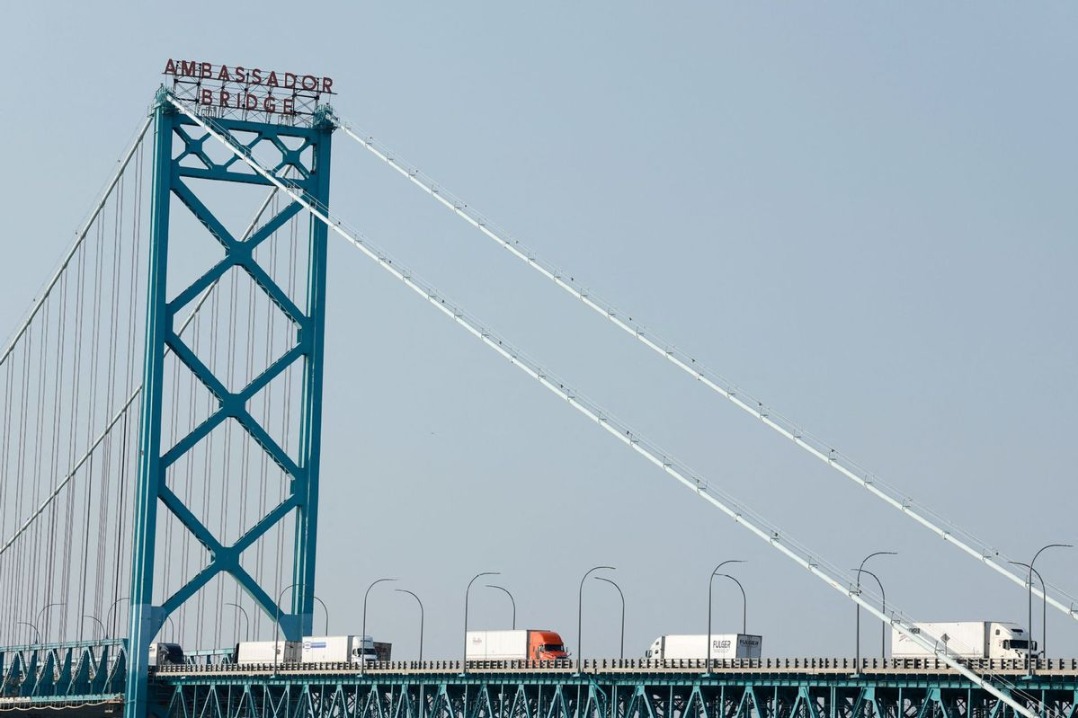
US trade policies upending global order, economists say
The United States’ aggressive tariff policies and a foreign aid strategy rooted in a ‘grievance narrative’ are fundamentally altering the global economic landscape, with profound implications for both the US and the international community. This was the consensus among experts at recent events hosted by the Peterson Institute for International Economics in Washington. They emphasized the urgent need for multilateral cooperation to counteract the rising tide of isolationism and the disruptions caused by tariffs. Hector Torres, a senior fellow at the Centre for International Governance Innovation and former International Monetary Fund executive director, described the shift as a ‘seismic disruption’ in global trade. He highlighted the transition from a rules-based to a deals-based trading system, driven more by geopolitical motives than economic rationale. The fragility of global trade was a recurring theme during the discussions on October 14 and 15. Experts warned of the risks posed by US isolationism and stressed the importance of preserving a rules-based system. The latest IMF World Economic Outlook, released on October 14, projected subdued global growth for this year and next, with renewed trade disputes posing significant risks. Maurice Obstfeld, a senior fellow at the Peterson Institute and former IMF chief economist, criticized the US reliance on tariffs, calling them inefficient and regressive. He noted that the tariffs, estimated to generate about $200 billion annually, disproportionately affect low-income individuals and distort production and consumption in the US. Obstfeld also challenged the US administration’s ‘grievance narrative,’ which portrays other nations as exploiting the US through trade deficits, financial inflows, or security ‘freeloading.’ He argued that this mindset is driving isolationist policies that harm both the US and global economies. Mari Elka Pangestu, vice-chairwoman of Indonesia’s National Economic Council and former World Bank managing director, described the current era as a ‘watershed moment’ for global trade. She emphasized the importance of diversifying trade partnerships, pointing to Indonesia’s newly concluded trade agreement with the European Union as a counterbalance to US tariffs. Torres also highlighted China’s historic role in global trade and the critical role of the WTO, despite its challenges. He called for reforms to address the lack of rules in digital trade, warning of the potential for conflicting regulations or ‘digital firewalls’ in every country. Looking ahead, geopolitical developments are expected to shape the future of trade, with the Middle East and Ukraine identified as critical areas. Obstfeld expressed hope for EU reforms to enhance stability, while Pangestu pointed to the current Association of Southeast Asian Nations summit as an opportunity to reaffirm multilateralism.
-
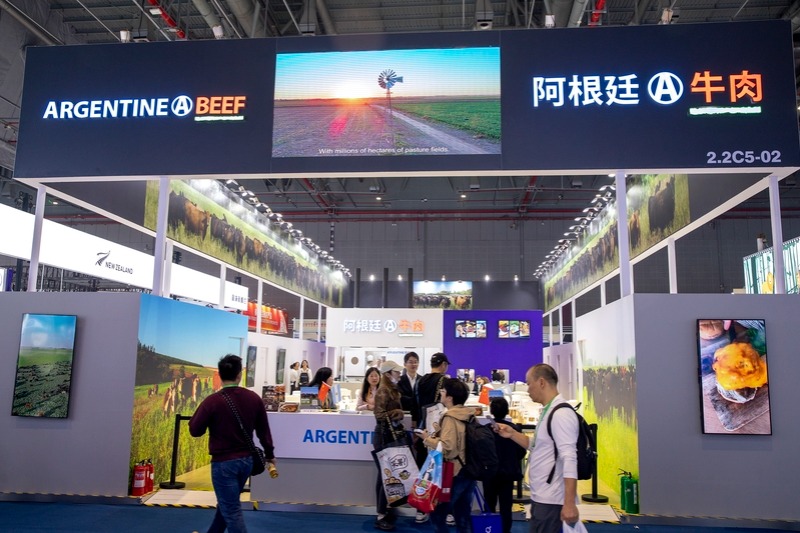
Argentina eyes expansion of beef exports to China
Argentina is strategically positioning China as the cornerstone of its beef export expansion, driven by evolving Chinese consumption patterns and increasing demand for diverse meat products. According to the Argentine-Chinese Chamber of Commerce, China accounts for 78 to 80 percent of Argentina’s annual beef exports, solidifying its role as the primary market for Argentine meat producers. This trend was highlighted at the recent Expo Ganadera del Centro, a major livestock fair in Buenos Aires, where Alejandra Conconi, the chamber’s executive director, emphasized China’s pivotal role in Argentina’s international meat trade. Trade data from Argentina’s Ministry of Agriculture, Livestock and Fisheries reveals that in 2024, the country exported over 900,000 metric tons of beef, with China purchasing approximately 595,000 tons. Sebastian Schulz, a researcher at the National University of La Plata, attributes this growing demand to China’s socio-economic transformation, including its focus on balanced development and the goal of achieving ‘common prosperity.’ As China’s middle class expands and dietary preferences diversify, Argentine producers are finding new opportunities in previously undervalued products such as cull cows and offal, which now command higher prices in the Chinese market. Additionally, Argentina’s participation in the Belt and Road Initiative is fostering deeper agricultural collaboration and technology transfers, which Schulz describes as ‘strategically important’ for balancing trade deficits and promoting mutual benefits. Looking ahead, Argentina is also exploring exports of bovine genetics and embryos, a high-value segment where the country holds global recognition. The diversification of beef, pork, and by-products is seen as crucial for ensuring the long-term sustainability of Argentina’s meat sector. Amadeo Derito, vice-president of the Argentine Angus Association, noted that exports of certified Angus beef to China have continued to grow, with 1,700 tons certified in the first three quarters of 2024, primarily catering to premium markets.
-
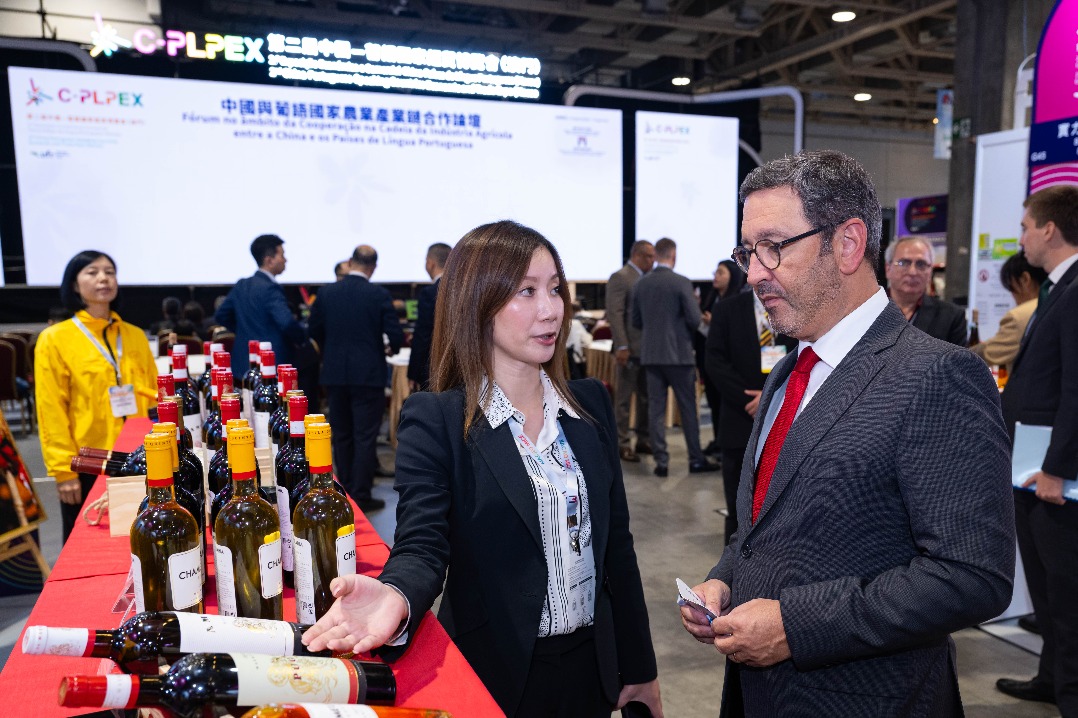
Macao’s 3 exhibitions drive industrial development with over 140 deals
The Macao Special Administrative Region (SAR) recently hosted three major exhibitions that concluded with remarkable success, fostering industrial development and international cooperation. The 2nd China-Portuguese-Speaking Countries Economic and Trade Expo (Macao), the 30th Macao International Trade and Investment Fair, and the Macao Franchise Expo 2025, organized by the SAR’s Commerce and Investment Promotion Institute (IPIM), wrapped up on Saturday, October 25, 2025. These events collectively generated over 140 signed agreements and 68 business expansion projects. Among the participating companies, 24 have already initiated or completed procedures to establish new businesses. The exhibitions attracted more than 85,000 visitors, including 15,000 trade visitors and professional buyers, significantly supporting Macao’s ‘1+4’ economic diversification strategy. Nearly 80% of the agreements were linked to key industries targeted by this strategy. Additionally, approximately 15% of the deals involved Portuguese-speaking Countries (PSCs), underscoring the event’s role as a crucial platform for China-PSC collaboration. The success of these exhibitions highlights Macao’s growing influence as a hub for international trade and investment, further driving economic diversification and regional cooperation.
-
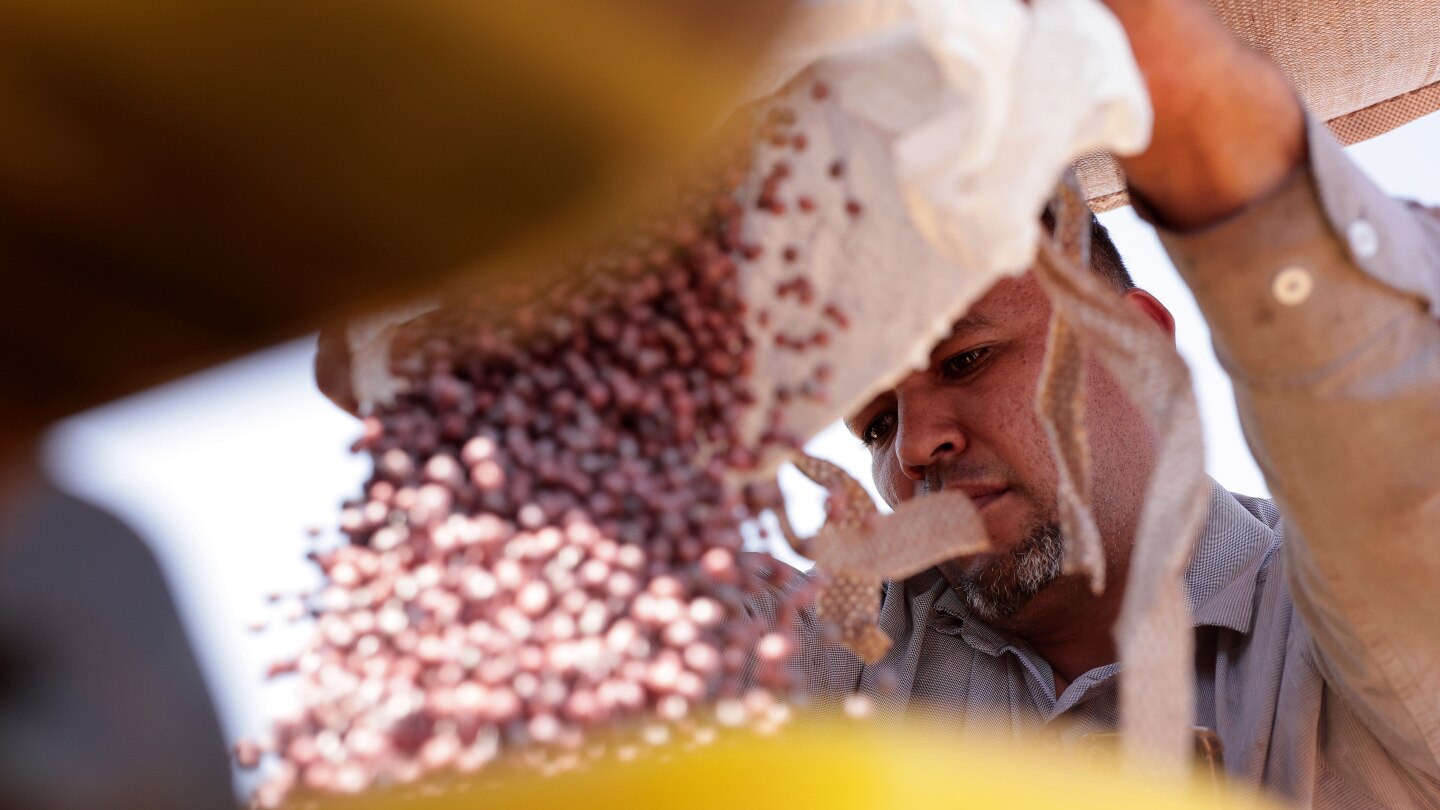
Brazilian farmers beef up soybean production as China halts business with US during trade fight
In Santa Cruz do Rio Pardo, Brazil, farmer Andrey Rodrigues has shifted gears to ramp up soybean production for the upcoming harvest, driven by the escalating trade tensions between the U.S. and China. The Trump administration’s trade war has effectively blocked American soybeans from the Chinese market, creating a golden opportunity for Brazilian producers. Over the past two months, Chinese buyers have aggressively sought Brazilian soybeans, signaling a willingness to purchase as much as possible. This surge in demand has fueled optimism among Brazilian farmers, who are now preparing to meet China’s needs. According to China’s customs data, the country imported no U.S. soybeans in September, a stark contrast to previous years. Brazilian soybeans already dominate China’s imports, accounting for over 70% of the market, while the U.S. share has dwindled to 21%. Rodrigues, who chairs the soybean farmers association in São Paulo, is seizing the moment by expanding production at his Morada do Sol farm. He emphasizes the need to act swiftly, selling futures for the next harvest to capitalize on the current demand. Brazil’s Agriculture Ministry predicts a 3.6% increase in soybean production for the next harvest, driven by China’s insatiable appetite. However, analysts caution that China’s interest in Brazilian soybeans may be a short-term strategy to retaliate against the U.S. Meanwhile, American farmers are grappling with the loss of the Chinese market, focusing on alternative buyers and domestic uses for their crops. Despite the challenges, some U.S. farmers remain resilient, adapting to the shifting political and economic landscape. Brazil’s President Luiz Inácio Lula da Silva has strengthened ties with China, further bolstering the soybean trade. Yet, farmers like Rodrigues stress the importance of harmony in global trade, advocating for a balanced approach that benefits all parties.
-
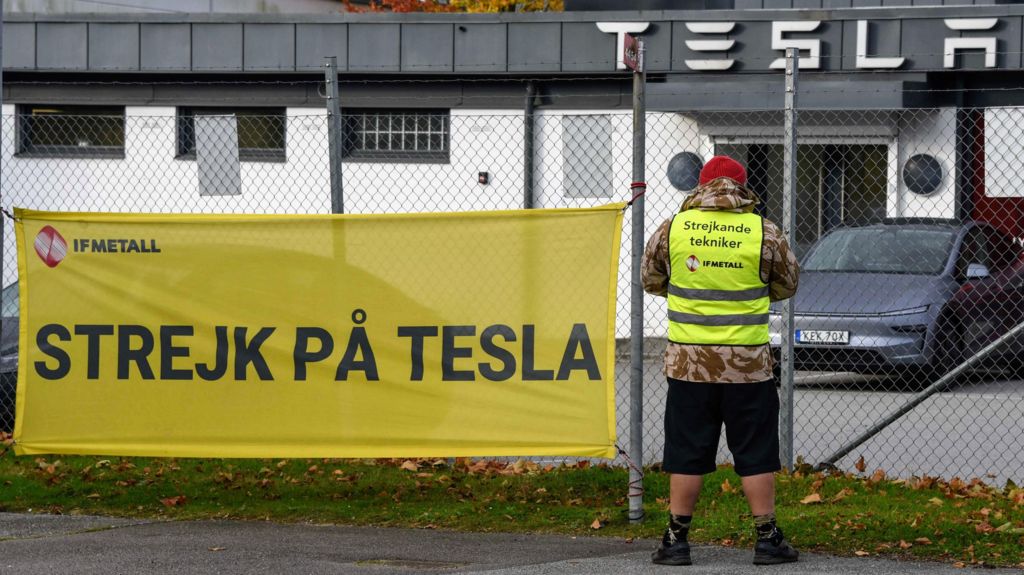
The striking Swedish workers taking on carmaker Tesla
In Sweden, a protracted labor dispute between Tesla and its workforce has reached a critical juncture. For two years, 70 car mechanics, represented by the Swedish union IF Metall, have been on strike at Tesla’s 10 service centers across the country. The strike, which began on October 27, 2023, centers on the union’s demand for a collective agreement to negotiate pay and working conditions on behalf of its members—a cornerstone of Sweden’s industrial culture. Despite the ongoing industrial action, Tesla has continued operations by replacing striking workers, a move unprecedented since the 1930s. Janis Kuzma, a 39-year-old mechanic from Latvia, has been on the picket line since the strike’s inception. He describes the experience as grueling, especially as Sweden’s harsh winter sets in. IF Metall provides basic support, including a mobile van for shelter and refreshments, but the standoff shows no signs of resolution. Tesla’s CEO, Elon Musk, has been vocal in his opposition to unions, describing them as divisive and detrimental to company culture. This stance has put Tesla at odds with Sweden’s labor norms, where 70% of workers are unionized, and 90% are covered by collective agreements. The strike has garnered international attention, with unions in neighboring countries like Denmark, Norway, and Finland refusing to handle Tesla vehicles or provide services. Despite the disruption, Tesla’s popularity in Sweden remains unaffected, with owners still able to purchase, service, and charge their vehicles. Analysts suggest that Tesla’s refusal to concede is driven by Musk’s aversion to external influence and the potential ripple effect of unionization in its U.S. and German facilities. With both sides entrenched, the conflict shows no signs of abating, raising concerns about the future of labor relations in Sweden and beyond.
-
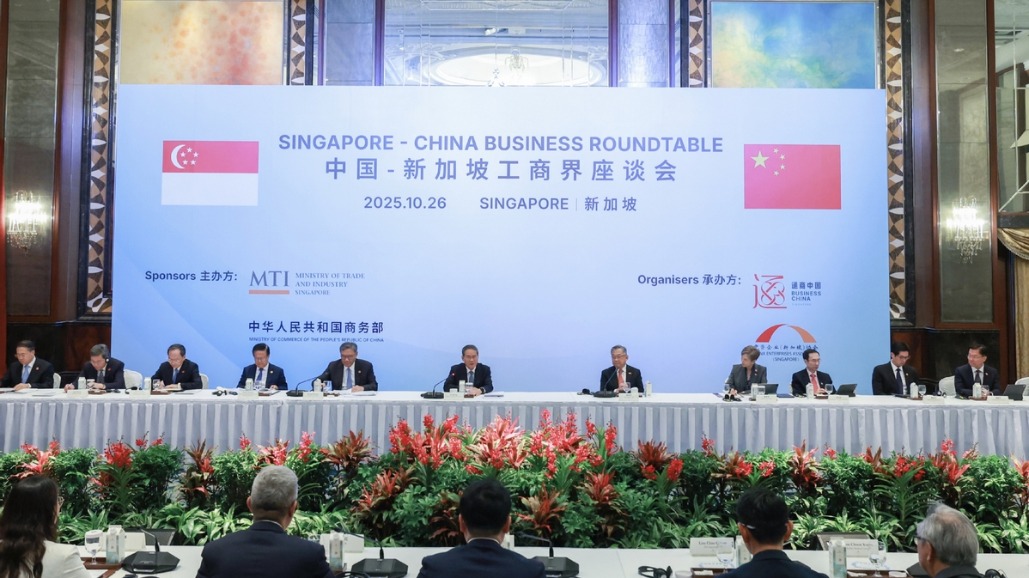
China to firmly promote high-level opening-up, continuously optimize business environment, says Premier Li
During his official visit to Singapore on October 26, Chinese Premier Li Qiang emphasized China’s commitment to advancing high-level opening-up, easing market access, and continuously optimizing the business environment. Speaking at a China-Singapore business roundtable, Li highlighted the importance of addressing enterprises’ concerns to foster mutual growth and prosperity. The event, attended by Singapore’s Deputy Prime Minister Gan Kim Yong, underscored the deepening economic ties between the two nations. Li reflected on the 35 years of fruitful cooperation between China and Singapore, noting that their development presents significant opportunities for each other. He stressed that mutual respect, trust, and open cooperation are key to shared prosperity. Li also pointed to recent milestones, such as the mutual visa exemption agreement and the upgraded free trade agreement, as catalysts for future collaboration. Looking ahead, Li outlined three strategic areas for enhanced cooperation: transitioning from complementary elements to collaborative innovation, expanding bilateral efforts to tripartite cooperation with regions like ASEAN and Africa, and jointly leading the formulation of global rules in emerging sectors like digital and green industries. Li also highlighted China’s robust economic foundation and its commitment to treating domestic and foreign enterprises equally. Gan Kim Yong echoed these sentiments, reaffirming Singapore’s dedication to advancing a high-quality partnership with China. Business representatives from both countries expressed optimism about China’s development prospects and pledged to deepen cooperation in finance, digital economy, green development, and more.
-
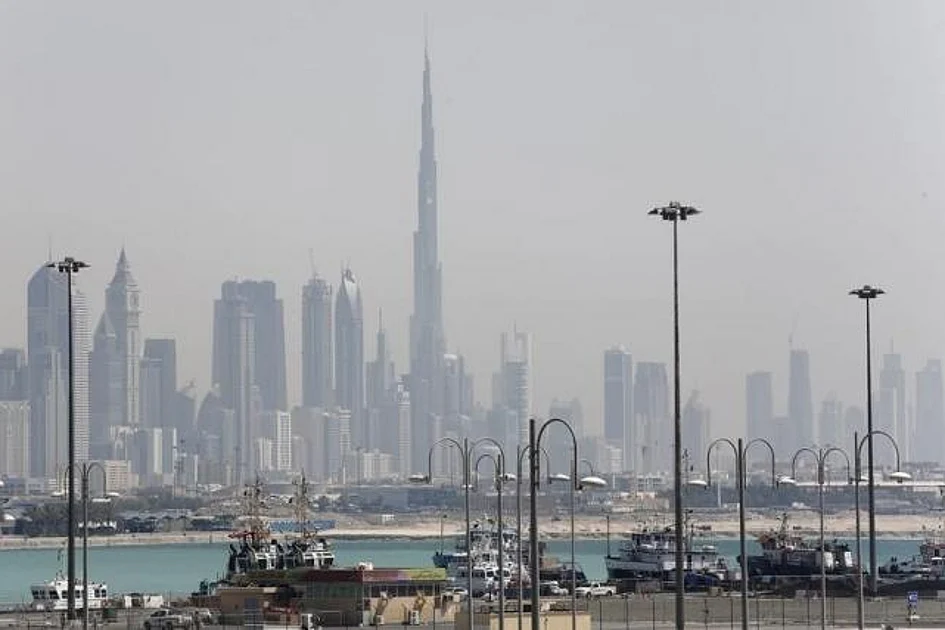
GCC-Stat: Gulf economy records positive growth in Q1 2025
The Gulf Cooperation Council (GCC) economies demonstrated a strong performance in the first quarter of 2025, according to the latest data released by the Statistical Centre for the Cooperation Council for the Arab Countries of the Gulf (GCC-Stat). The region’s nominal GDP surged to $588.1 billion, marking a 5.7% increase compared to the same period in 2024. Real GDP also saw a notable rise, reaching $466.2 billion, with an annual growth rate of 3.0%. This upward trend underscores the region’s ongoing economic stability and commitment to sustainable development. The oil sector remained the largest contributor to GDP at 22.9%, followed by manufacturing (12.7%) and wholesale and retail trade (9.6%). Other activities accounted for 26.7% of the total GDP, highlighting the success of economic diversification initiatives. The report emphasized that these positive results reflect the GCC countries’ continued efforts to enhance non-oil sectors, ensuring long-term economic stability and growth.
-
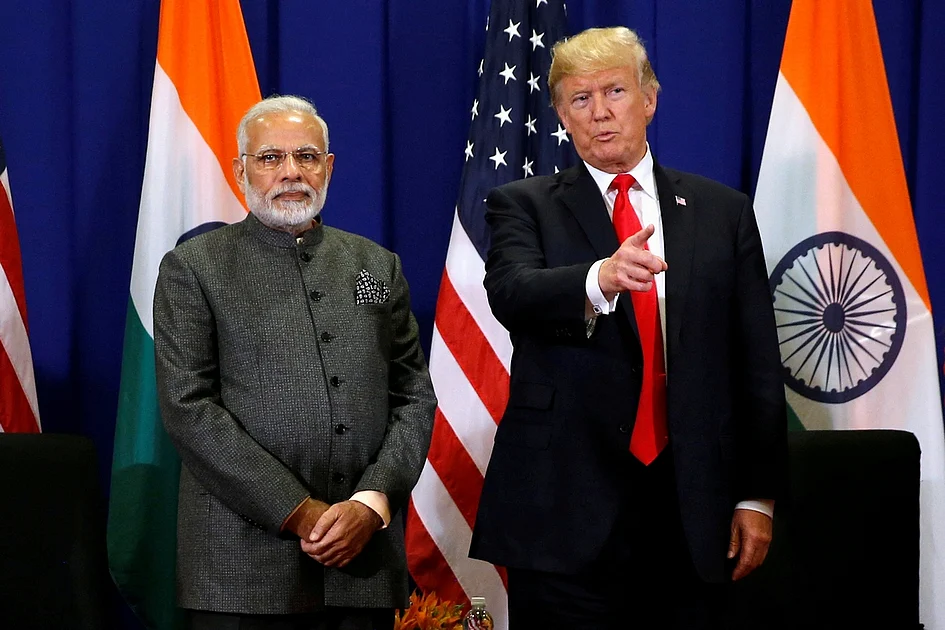
Is India-US tariff pact targeting $500b trade closer?
India and the United States are on the brink of finalizing a groundbreaking trade agreement that could elevate bilateral commerce to $500 billion by 2030, more than doubling the current trade value of $191 billion. This long-awaited deal, which has been in negotiation since February 2025, aims to address trade imbalances, reduce punitive tariffs, and expand market access across goods, services, digital trade, and clean-energy technology.