分类: business

  • China’s central bank signals flexible policy tools to guide financial growth

    China’s central bank signals flexible policy tools to guide financial growth

    The People’s Bank of China (PBOC) has articulated a strategic commitment to employing flexible and efficient monetary policy mechanisms to sustain economic vitality and direct the expansion of financial aggregates. This policy direction emerged from the central bank’s annual work conference convened from January 4-5, 2026, where key priorities for the upcoming year were established.

    Central to the PBOC’s approach is the tactical utilization of conventional instruments including adjustments to the reserve requirement ratio (RRR) and interest rates. These measures are designed to ensure ample liquidity within the financial system while promoting measured growth in credit and money supply.

    The institution further reinforced its dedication to preserving exchange rate stability, vowing to maintain the renminbi at a reasonable, equilibrium level while implementing safeguards against potential market overshooting. This dual focus aims to balance domestic monetary objectives with international financial stability.

    In a significant enhancement to its financial stability framework, the PBOC announced plans to establish specialized liquidity provision mechanisms for nonbank financial institutions during periods of market stress. Additionally, the central bank will optimize the deployment of two targeted monetary instruments specifically created to reinforce capital market resilience.

    The conference also highlighted the expanding role of China’s currency in global transactions. Policy makers emphasized strengthening renminbi internationalization through improved cross-border financial services, enhanced payment infrastructure, and expanded use of currency swap arrangements to facilitate trade and investment.

    Further initiatives include encouraging qualified international entities to access China’s panda bond market, promoting interoperability between fast payment systems, and advancing technical cooperation on QR code compatibility to streamline cross-border transactions.

  • Ajman Bank completes core banking system upgrade as part of ongoing technology transformation

    Ajman Bank completes core banking system upgrade as part of ongoing technology transformation

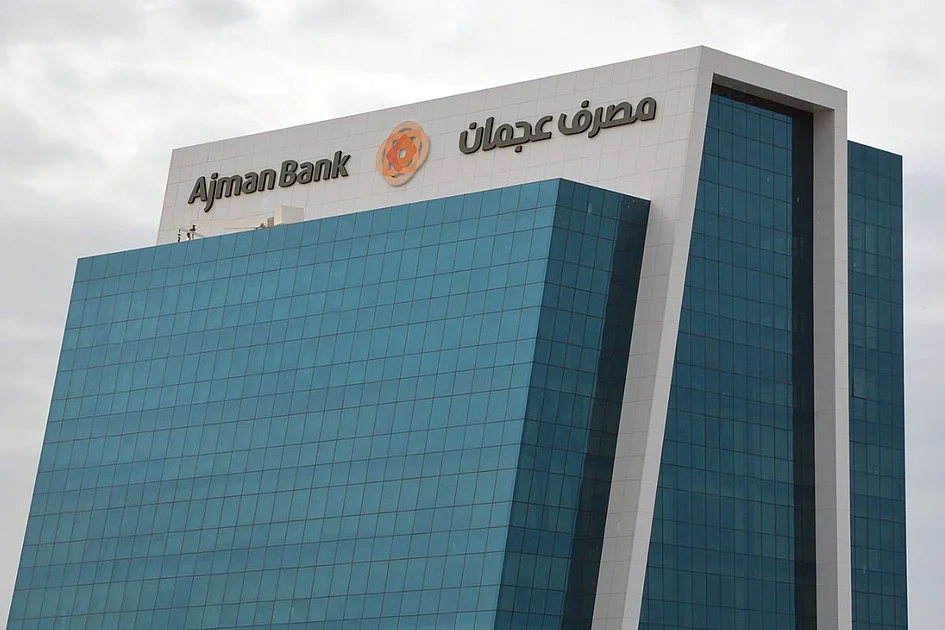
    Ajman Bank has announced the successful implementation of a comprehensive upgrade to its core banking infrastructure, marking a significant milestone in its ongoing technological transformation journey. The strategic enhancement, finalized by the conclusion of 2025, was executed through a meticulously structured plan prioritizing system performance, security, and scalability.

    This technological advancement constitutes a pivotal component within the bank’s broader digital roadmap, directly supporting its strategic objectives centered on operational efficiency, uninterrupted service delivery, and the development of a future-proof technological foundation. The initiative underscores the institution’s commitment to maintaining robust operational resilience and platform stability.

    Chief Executive Officer Mustafa Al Khalfawi emphasized the critical nature of such upgrades, stating, ‘Modernizing our core banking infrastructure is fundamental to ensuring sustained resilience and securing our operational framework. This enhancement fortifies the foundation of our platform, enabling Ajman Bank to consistently provide reliable, Shariah-compliant financial services as we progress through our growth and evolution phases.’

    The implementation process was characterized by a rigorously controlled operational environment, supported by comprehensive contingency planning and specialized internal teams dedicated to managing system transitions while minimizing potential disruptions for customers. Close interdisciplinary coordination between business and technology units ensured continuous service availability throughout the upgrade period.

    Salem Al Shamsi, Chief Operating Officer, highlighted the project’s execution excellence: ‘The successful deployment within a predetermined timeframe, while maintaining uninterrupted services, demonstrates our operational model’s robustness and our organizational capability to manage sophisticated technological transformations with consistent discipline and accountability.’

    The newly enhanced core banking platform positions Ajman Bank to more effectively support forthcoming digital initiatives, accelerate processing capabilities, and reinforce systemic resilience, all while adhering to regulatory requirements and the bank’s established governance and risk management protocols.

  • US adds 7 countries to list of nations needing visa bonds up to $15,000

    US adds 7 countries to list of nations needing visa bonds up to $15,000

    In a significant move set to reshape urban development timelines, Canadian real estate developer BNW Developments has entered into a strategic partnership with China Railway No. 4 Engineering Group (CREC4). This collaboration represents a major international fusion of Western real estate vision with Eastern engineering prowess, creating a powerful synergy in the construction sector.

    The partnership leverages CREC4’s extensive experience in large-scale infrastructure projects and rapid construction methodologies, honed through China’s massive domestic development initiatives. By integrating these advanced techniques and resources, BNW Developments aims to substantially accelerate project completion rates while maintaining quality standards across its portfolio of residential and commercial properties.

    Industry analysts note this alliance comes at a critical time when North American construction faces persistent challenges including labor shortages, supply chain disruptions, and rising material costs. The injection of CREC4’s engineering capabilities and potentially innovative prefabrication technologies could provide BNW Developments with a competitive advantage in meeting market demand more efficiently.

    The collaboration extends beyond mere contracting arrangements, representing a deep knowledge transfer partnership that will see both entities exchange best practices in project management, sustainable building techniques, and digital construction technologies. This trans-Pacific partnership may establish new benchmarks for international cooperation in the real estate development sector, potentially influencing how Western developers approach construction challenges through global partnerships.

  • Venezuela reserves are no threat to Canada’s ‘low risk’ oil, says Carney

    Venezuela reserves are no threat to Canada’s ‘low risk’ oil, says Carney

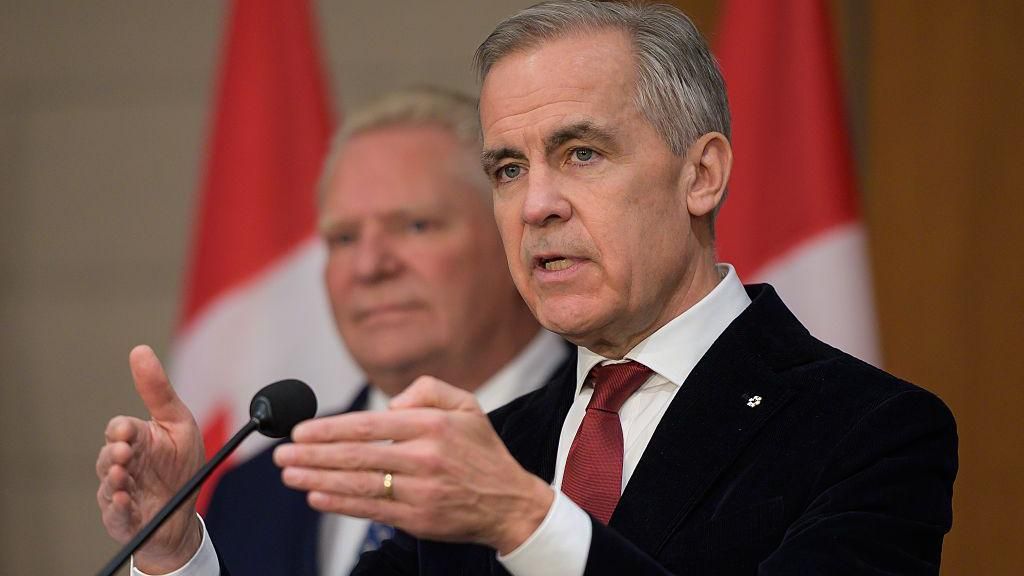
    Prime Minister Mark Carney has publicly dismissed concerns regarding Canada’s oil industry competitiveness following the U.S. military operation that captured Venezuelan leader Nicolás Maduro. Speaking at a press briefing in Paris, Carney emphasized that Canadian oil possesses distinct advantages being “low risk, low cost, and low carbon” compared to other global producers.

    The Prime Minister welcomed Maduro’s seizure, stating it “creates the possibility for democratic transition in Venezuela” while maintaining that increased Venezuelan production would not negatively impact Canada’s energy sector. This statement comes amid market anxieties after Canadian energy company stocks dipped Monday morning following Trump’s comments about expanding U.S. oil operations in Venezuela.

    President Trump told NBC News that he believes American petroleum companies could significantly ramp up Venezuelan operations within 18 months, noting that “having a Venezuela that’s an oil producer is good for the United States because it keeps the oil prices down.”

    Canada currently directs approximately 97% of its oil exports—valued at $100 billion in 2023—to the United States. This dependency has raised concerns about Canada’s negotiating position in ongoing trade discussions with the Trump administration.

    The Carney government is pursuing export diversification strategies, particularly through a proposed pipeline to the Pacific coast that would enable increased shipments to Asian markets. In late November, Ottawa signed a memorandum of understanding with Alberta, home to Canada’s oil industry, to advance such projects. However, the initiative faces significant obstacles including opposition from British Columbia and First Nations groups.

    Conservative opposition leader Pierre Poilievre has urged the government to “immediately approve” Pacific pipeline projects, emphasizing the need to “move millions of barrels daily to overseas markets quickly to reduce our dependence on the U.S. market.”

    Trade negotiations between Canada and the U.S. have been stalled since late last year following an anti-tariff advertisement funded by Ontario that angered President Trump. Prior to this disruption, both governments were discussing an agreement that would include increased Canadian energy exports to the United States.

  • China’s civil aviation sector achieves steady growth in 2025

    China’s civil aviation sector achieves steady growth in 2025

    China’s civil aviation industry demonstrated remarkable resilience and growth throughout 2025, according to official data released at the national civil aviation work conference in Beijing. The comprehensive performance metrics reveal an industry experiencing robust expansion across all key operational areas.

    The Civil Aviation Administration of China (CAAC) reported a total transportation turnover of 164.08 billion tonne-kilometers for the year, representing a substantial 10.5% increase compared to 2024 figures. Passenger traffic showed strong recovery with 770 million travelers taking to the skies, marking a 5.5% year-on-year growth. The cargo sector emerged as particularly dynamic, with mail and freight volume reaching 10.17 million tonnes – an impressive 13.3% surge from the previous year.

    CAAC Director Song Zhiyong highlighted the industry’s overall stable development trajectory, noting that all major objectives and operational tasks had been successfully accomplished. International routes experienced extraordinary growth, with passenger traffic jumping 21.6% annually. Specific regional markets showed exceptional performance: Latin American routes skyrocketed by 108.6%, while connections to Central Asia, West Asia, and Africa increased by 59.3%, 33.4%, and 39% respectively.

    Financial performance showed significant improvement as the industry recorded combined profits totaling 6.5 billion yuan (approximately $926.28 million). Looking forward to 2026, projections indicate continued expansion with anticipated transportation turnover of 175 billion tonne-kilometers, passenger traffic of 810 million, and cargo volume of 10.7 million tonnes, signaling sustained momentum in China’s aviation sector.

  • India’s Reliance says it expects no Russian crude deliveries in January

    India’s Reliance says it expects no Russian crude deliveries in January

    Reliance Industries Ltd., India’s largest private refiner, announced on Tuesday that it anticipates zero shipments of Russian crude oil for January and confirmed no receipt of such cargoes over the preceding three weeks. The energy conglomerate publicly refuted a Bloomberg report, based on Kpler data, which claimed three oil tankers carrying Russian crude were en route to Reliance’s Jamnagar refining complex.

    This development signals a substantial shift in global energy trade dynamics that emerged following Russia’s invasion of Ukraine in 2022. India had capitalized on discounted Russian seaborne crude, becoming Moscow’s largest petroleum customer and triggering diplomatic friction with Western nations. These nations implemented stringent sanctions targeting Russia’s energy sector, arguing that oil revenues directly finance Moscow’s military operations.

    With Reliance’s withdrawal from Russian crude procurement, India’s imports from Russia are projected to decline further this month. China now stands as the sole significant market for Russian oil exports. This recalibration occurs as New Delhi pursues enhanced trade relations with Washington, with Indian authorities recently mandating weekly disclosures from refiners regarding their Russian and U.S. oil purchases.

    The impact of strengthened U.S. and European Union sanctions is already evident in trade data. December witnessed Russian oil flows to India plummet to approximately 1.2 million barrels per day—the lowest level in three years according to industry sources and analytics firm Kpler. This represents a dramatic 40% contraction from the June peak of nearly 2 million barrels per day, underscoring the effectiveness of international pressure on energy trade patterns.

  • Private developer to revive Dubai’s ‘Big Ben’ tower, but without clock

    Private developer to revive Dubai’s ‘Big Ben’ tower, but without clock

    Dubai’s skyline is set to gain a revitalized landmark as private developer AHS Group moves forward with the transformation of the formerly nicknamed ‘Big Ben’ tower. Acquired from the Commercial Bank of Dubai in July 2025 for approximately $120 million (Dh440.4 million), the 70-floor structure is undergoing comprehensive redevelopment with an anticipated opening in Q1 2027.

    Abbas Sajwani, Founder and CEO of AHS Group and board member of Damac Group, revealed that the project’s strategy evolved significantly following Dubai’s regulatory changes. Initially conceived as a leasehold property acquisition for the company’s rental portfolio, the introduction of new freehold regulations on Sheikh Zayed Road prompted a shift to strata sales. The development witnessed remarkable market reception, with 95% of units selling within weeks of launch.

    The architectural redesign will notably exclude the clock feature that originally inspired the tower’s colloquial name. Sajwani explained this decision stems from a comprehensive facade renovation intended to establish a distinct identity for the newly christened AHS Tower. Despite standing over 200 meters tall, the building will forego its London-inspired timekeeping element in favor of a contemporary glass exterior.

    Strategic location advantages played a pivotal role in the acquisition decision. The tower offers panoramic views of Dubai’s most prominent landmarks including the Dubai International Financial Centre (DIFC), Museum of the Future, Burj Khalifa, and coastal vistas. The existing structural completeness provides significant time advantages compared to ground-up construction projects.

    The redevelopment specifically targets Dubai’s shortage of premium office spaces. AHS Tower will incorporate extensive luxury amenities including a private members club, comprehensive business center, two-story spa facility with sauna and steam rooms, indoor swimming pool, cigar lounge, indoor garden, full-floor fitness center, and a triple-height lobby area.

    Sajwani additionally disclosed AHS Group’s substantial expansion plans, with multiple projects totaling over $12 billion (Dh44 billion) in gross development value scheduled for launch throughout 2026.

  • ASX falls as inflation fears outweigh massive $13bn BlueScope takeover bid

    ASX falls as inflation fears outweigh massive $13bn BlueScope takeover bid

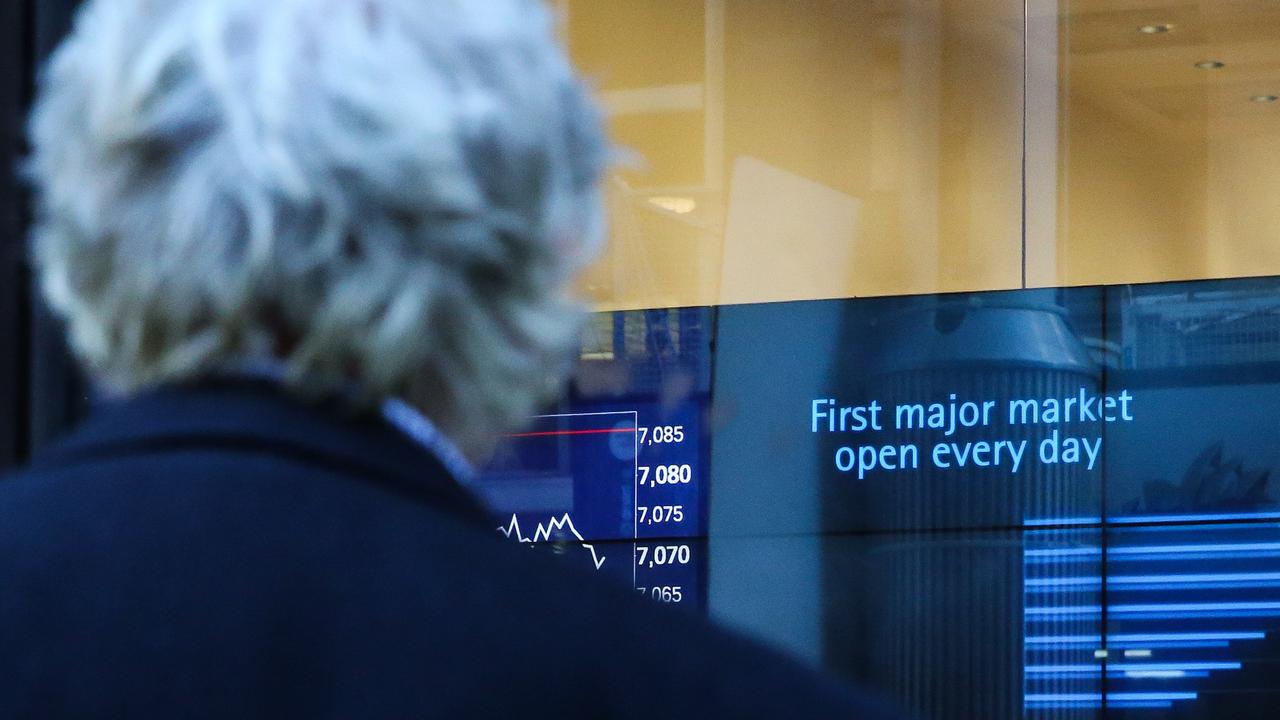
    Australian financial markets experienced a notable downturn on Tuesday as investor apprehension over impending inflation data overshadowed significant corporate developments and record-breaking commodity performances. Despite a monumental $13 billion acquisition proposal for BlueScope Steel and unprecedented copper prices, the benchmark ASX 200 declined 45.80 points (0.52%) to close at 8682.80, with the All Ordinaries index dropping 37.80 points (0.42%) to 8996.90.

    The materials sector emerged as the sole bright spot, climbing 2.01% amid the broader market retreat. BlueScope Steel witnessed extraordinary trading activity, soaring 20.82% to $29.54 following SGH Limited’s substantial takeover bid. Mining giants BHP, Fortescue, and Rio Tinto all recorded gains between 1.56% and 1.79%, bolstered by copper’s historic ascent to $13,210 per tonne—a 1.69% increase driven by mounting supply concerns.

    Financial institutions bore the brunt of market pessimism, with all four major banks experiencing significant declines. Commonwealth Bank led the downturn with a 2.95% drop, while Westpac, NAB, and ANZ fell between 1.96% and 2.37%. Consumer discretionary stocks similarly retreated, with Wesfarmers, JB Hi-Fi, and Harvey Norman all closing lower.

    The defensive sector demonstrated resilience amid geopolitical tensions, particularly between the United States and Venezuela. Counter-drone specialist DroneShield surged 18.43%, and shipbuilder Austal advanced 8.30%. Meanwhile, Life360 shares declined 3.03% despite announcing both a $120 million acquisition of Nativo and surpassing 50 million monthly active users.

    Market analysts highlighted the complex inflation landscape, with VanEck Asia Pacific CEO Arian Neiron noting ongoing debate regarding whether recent price increases represent genuine economic pressures or temporary seasonal anomalies. The Australian dollar continued its upward trajectory against the US dollar, reaching 67.29 US cents.

  • Asian shares and US futures advance, as Tokyo’s Nikkei 225 hits a record high

    Asian shares and US futures advance, as Tokyo’s Nikkei 225 hits a record high

    Asian equity markets experienced substantial gains on Tuesday, with multiple benchmarks reaching historic levels in the wake of a powerful Wall Street rally and significant geopolitical developments involving Venezuela. Tokyo’s Nikkei 225 shattered previous records by climbing 1.3% to close at 52,518.08, propelled by robust buying in technology-related shares including precision tools manufacturer Disco Corp., which surged 6.1%. South Korea’s Kospi advanced 1.5% to 4,525.98, establishing new record territory supported by automotive and electronics manufacturers. Hong Kong’s Hang Seng index jumped 1.5% to 26,748.80, while mainland China’s Shanghai Composite rose 1.5% to 4,082.36, marking its highest position in four years. Taiwan’s Taiex climbed 1.6%, though Australia’s S&P/ASX 200 retreated 0.5% and India’s Sensex declined 0.5%. The broad Asian rally followed Monday’s substantial gains on Wall Street where energy corporations and financial institutions led advances. The S&P 500 increased 0.6%, approaching its December record, while the Dow Jones Industrial Average achieved a new historic high by adding 1.2% to 48,977.18. The technology-focused Nasdaq composite rose 0.7%, and small-cap stocks demonstrated particular strength with the Russell 2000 jumping 1.6%, indicating widespread investor confidence. Energy markets remained volatile following the capture of Venezuelan President Nicolás Maduro by U.S. forces. While crude prices surged Monday with U.S. crude reaching $58.32 per barrel and Brent crude climbing to $61.76, both benchmarks retreated slightly in early Tuesday trading. Major oil companies including Chevron (up 5.1%), Exxon Mobil (up 2.2%), and Halliburton (surging 7.8%) recorded substantial gains after former President Trump proposed involving U.S. energy firms in rebuilding Venezuela’s decimated petroleum industry. Market participants are anticipating several key economic indicators this week, including Wednesday’s services sector report from the Institute for Supply Management and upcoming employment data. The Federal Reserve continues monitoring labor market conditions against inflation concerns as it deliberates interest rate policy. Meanwhile, technology shares remained in focus as the CES trade show commenced in Las Vegas, with artificial intelligence investments continuing to drive market optimism despite valuation concerns. Precious metals maintained their upward trajectory with gold adding 0.5% and silver advancing 2.9% following Monday’s significant gains, reflecting ongoing safe-haven demand amid geopolitical uncertainties. Bitcoin retreated 1.3% to approximately $93,700 after recently reaching its highest level since mid-November.

  • ‘New normal’: Australian households warned essential living costs will continue to rise into 2026

    ‘New normal’: Australian households warned essential living costs will continue to rise into 2026

    Australian families are confronting a severe financial strain as essential living costs are projected to escalate dramatically throughout 2026. This troubling outlook emerges from a comprehensive analysis by Proxima Australia, highlighting a deepening cost-of-living crisis characterized by rising necessities alongside falling discretionary item prices.

    The impending surge will affect fundamental household expenditures including electricity, water services, and insurance premiums. Additionally, staple commodities such as coffee, tea, and cocoa face upward price pressures due to international supply chain disruptions and increased import expenses. Furniture and other household essentials will similarly experience cost increases.

    This financial pressure intensifies following the discontinuation of government relief measures, particularly the Energy Bill Relief Fund which previously provided quarterly electricity bill reductions of up to $150 throughout the 2024-25 financial year. With these subsidies expiring, households already witnessed a dramatic 37.1 percent year-on-year electricity price increase through October.

    Proxima Australia principal consultant Gemma Thompson clarified that these price hikes predominantly reflect genuine economic factors rather than corporate price gouging. “Electricity increases mirror infrastructure cost recovery and energy transition investments. Insurance premiums respond to authentic catastrophe risks, while coffee prices reflect real supply constraints from drought and extreme weather in producing regions,” Thompson explained.

    The convergence of multiple factors including changing government policies, regulatory determinations, climate-related risks, and agricultural market volatility creates persistent challenges for both households and businesses. Thompson emphasized that these structural cost drivers represent a permanent shift rather than temporary fluctuations.

    Amid these challenges, a silver lining emerges for discretionary spending. Consumers can anticipate price reductions for computer equipment, televisions, imported homeware, cleaning products, and personal care items. Thompson notes that households can exercise significant purchasing power in these categories by seeking promotions, switching to private labels, or delaying non-essential purchases.