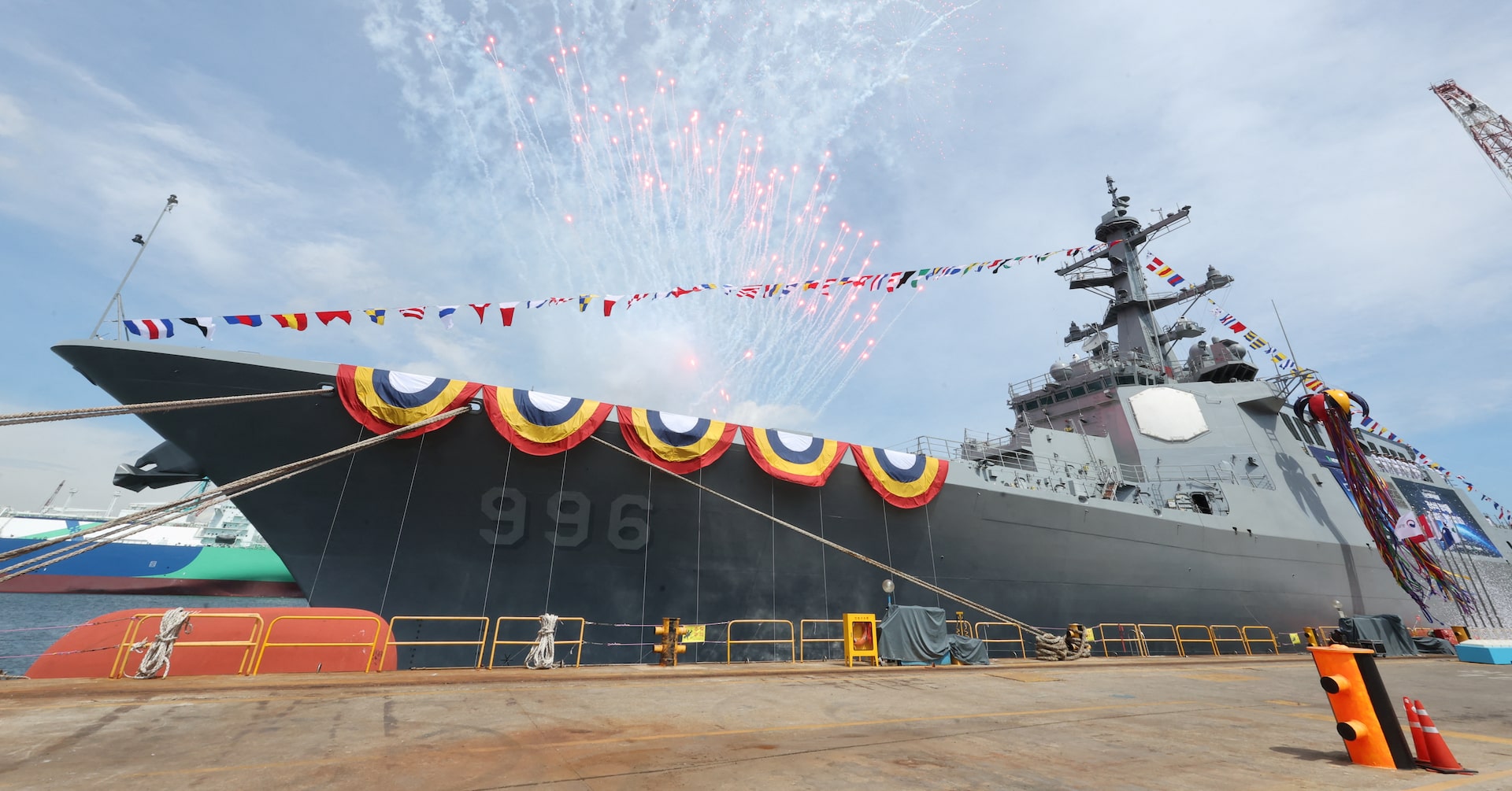
South Korea’s HD Hyundai Heavy Industries, the world’s largest shipbuilder by orders, is actively negotiating the acquisition of a U.S. shipyard, according to a senior executive. The move aligns with the company’s ambitious goal to generate $2.2 billion in annual revenue from warship sales to the U.S. Navy by 2035. Woo-maan Jeong, head of planning and management for HD Hyundai’s naval and special ship unit, revealed the strategy during an interview at the company’s Ulsan headquarters. He emphasized the necessity of establishing a U.S. manufacturing base to capitalize on President Donald Trump’s efforts to revitalize the American shipbuilding industry. Jeong noted the widening naval capability gap between the U.S. and China, coupled with insufficient U.S. warship production capacity, as key drivers for this initiative. Despite challenges such as a skilled labor shortage and restrictive U.S. immigration policies, HD Hyundai remains optimistic about its prospects. The company recently launched an 8,200-metric-ton Aegis-equipped destroyer in Ulsan, showcasing its advanced shipbuilding capabilities. The vessel, delivered in just 18 months, symbolizes U.S.-Korea cooperation, utilizing combat systems from American firms like Lockheed Martin. HD Hyundai’s merger with affiliate HD Hyundai Mipo further strengthens its position in the warship market. While U.S. laws like the Jones Act and Byrnes-Tollefson Amendment pose hurdles, Jeong expressed confidence in potential legislative amendments to facilitate foreign participation in U.S. shipbuilding. The U.S. remains an unparalleled market for warships, and HD Hyundai is determined to navigate these challenges to secure its foothold.
分类: business
-
Anglo American cuts ‘small number’ of jobs in Australia’s Brisbane
Anglo American PLC (AAL.L) announced on Thursday a reduction in workforce at its Brisbane office and nearby coal mines in Queensland, Australia, as part of its strategy to streamline operations and address the dual pressures of declining coal prices and escalating costs. The exact number of job cuts remains undisclosed, but the move follows a similar decision by BHP Group Ltd (BHP.AX), which recently eliminated 750 positions at a coking coal mine in the same region due to unfavorable market conditions and increased state royalties. Ben Mansour, Vice President for People and Corporate Relations at Anglo American Australia, emphasized that these adjustments are crucial for the sustainability of the company’s steelmaking coal operations in Central Queensland. He noted that the majority of the reductions were achieved through voluntary redundancies. According to Australia’s ABC News, citing the Isaac Regional Council, approximately 200 positions at Anglo American were impacted. The company operates five coal mines in Queensland’s Bowen Basin, which specialize in steelmaking coal. Last year, Anglo American divested a 33% stake in one of its Australian steelmaking coal mines for $1.1 billion to concentrate on its core copper assets. This announcement comes on the heels of a proposed merger with Canada’s Teck Resources Ltd (TECKb.TO), potentially marking the second-largest mining deal in history. The developments underscore the ongoing challenges faced by the coal industry amidst shifting market dynamics and regulatory pressures.
-
Toyota to recall over 591,000 US vehicles over instrument panel issue, NHTSA says
Toyota Motor Corp has announced a major recall of 591,377 vehicles in the United States following concerns raised by the National Highway Traffic Safety Administration (NHTSA). The recall, issued on September 18, 2024, addresses a critical software flaw in the instrument panel display that fails to show essential information such as vehicle speed, brake system status, and tire pressure warnings. This malfunction, which occurs during vehicle startup, significantly increases the risk of accidents or injuries. Affected models include the Venza, Highlander, Lexus, Tacoma, and GR Corolla. The NHTSA emphasized the urgency of the recall, urging owners to address the issue promptly. Toyota has yet to release specific details on the repair process but assured customers that solutions will be provided through authorized dealerships. This recall underscores the growing importance of software reliability in modern automotive systems and highlights the challenges automakers face in ensuring vehicle safety amidst increasing technological complexity.
-

MBK-controlled Lotte Card says personal data of nearly 3 million customers leaked
SEOUL, Sept 18 (Reuters) – In a significant cybersecurity incident, South Korean credit card firm Lotte Card, majority-owned by private equity fund MBK Partners, revealed on Thursday that a hacking attack had compromised the personal data of approximately 2.97 million customers. CEO Cho Jwa-jin disclosed during a press conference that among the affected individuals, around 280,000 had sensitive information exposed, raising concerns about potential card fraud.
-
China’s SAIC to cut stake in India car venture amid investment curbs, sources say
China’s SAIC Motor, one of the nation’s largest state-owned automotive companies, is set to significantly reduce its 49% stake in its Indian joint venture with JSW Group, according to sources familiar with the matter. The decision comes as the venture, JSW MG Motor, continues to face financial losses and regulatory challenges exacerbated by political tensions between China and India. SAIC will cease further investment in the venture but will continue to supply technology and products. The move underscores the broader impact of geopolitical friction on business operations, particularly after India imposed restrictions on Chinese investments in 2020 following a border standoff. Despite recent diplomatic efforts to ease tensions, progress in business relations remains stagnant. JSW Group has proposed acquiring most of SAIC’s stake to become the majority shareholder, but disagreements over valuation have stalled negotiations. Additionally, JSW’s pursuit of a partnership with Chinese automaker Chery to develop its own-brand vehicles has further strained relations with SAIC. The venture, valued at $1.2 billion, has struggled to meet expectations despite its growth in India’s electric vehicle market, where it ranks second behind Tata Motors. The Indian government is currently reviewing a $240 million investment proposal from JSW MG Motor for EV manufacturing, with concerns over the repatriation of profits to China adding complexity. As competition in India’s auto market intensifies, particularly with Tesla’s recent entry, the future of SAIC’s presence in the region remains uncertain.
-
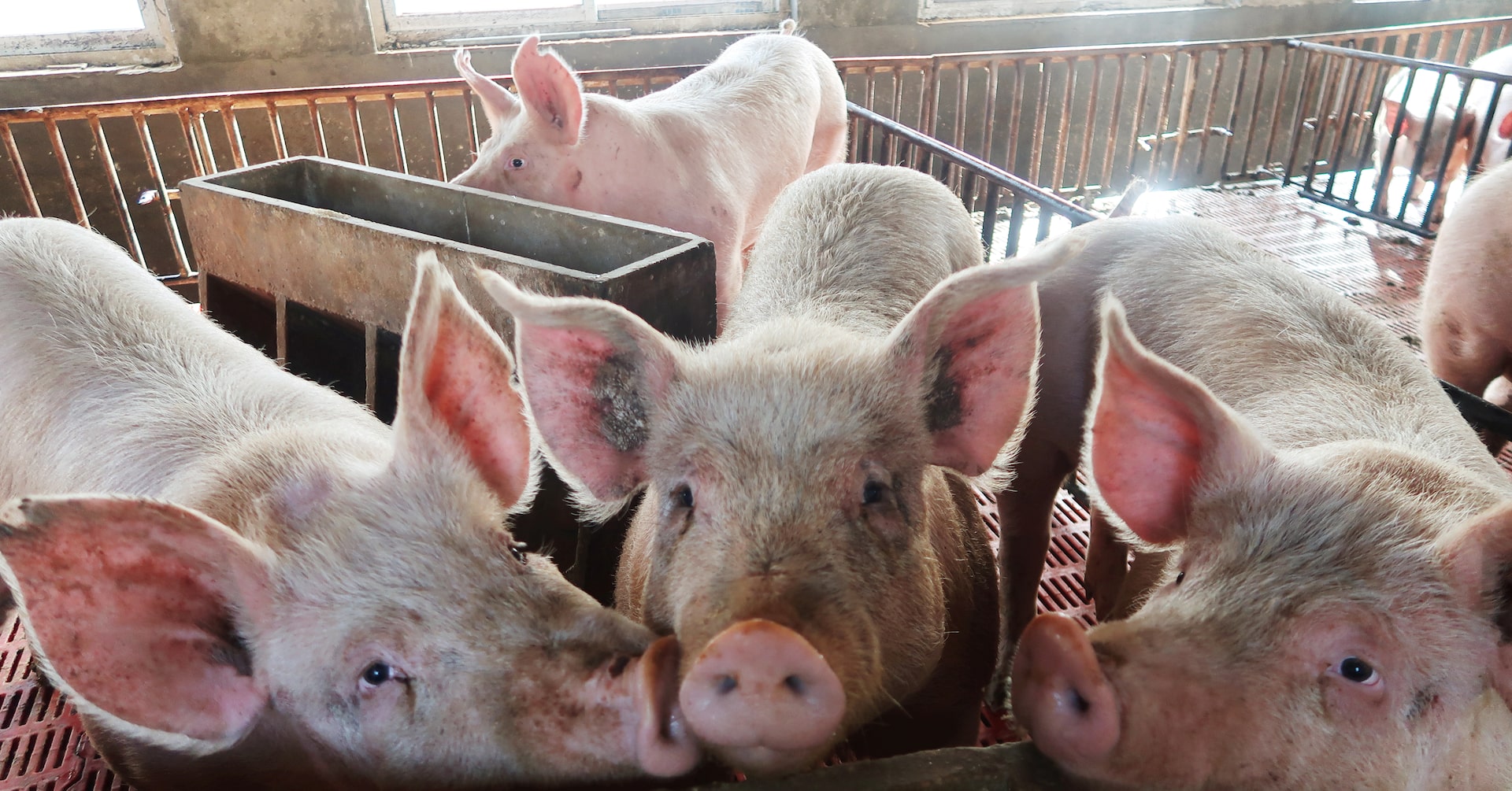
Beijing urges top hog producers to cut output, state media says
In a bid to address a significant oversupply and tepid consumer demand in its pork industry, China has called on its leading hog producers to reduce output. The directive was issued during a high-level meeting on Tuesday, as reported by the state-run Shanghai Securities News. Key players such as Muyuan Foods and Wens Foodstuff were urged to decrease the number of breeding sows, lower slaughter volumes, and maintain hog weights at approximately 120 kg. The meeting, organized by the National Development and Reform Commission and the Ministry of Agriculture and Rural Affairs’ animal husbandry bureau, underscores Beijing’s intensified efforts to curb overcapacity and stabilize market prices. Authorities also announced plans to tighten credit for expanding hog production capacity and reduce subsidies that have previously fueled growth in pig output. This move comes as hog prices have plummeted to around 13 yuan ($1.83) per kg, a sharp decline from 18.8 yuan a year ago, according to consultancy MySteel. The price drop has severely impacted industry margins, with shares of Muyuan and Wens falling by 2% and 3%, respectively, as of 0607 GMT.
-
Australia’s biggest takeover deals that fell apart
A consortium led by Abu Dhabi National Oil Company (ADNOC) has withdrawn its $18.7 billion offer to acquire Australian gas producer Santos Ltd (STO.AX), marking the third failed bid for Santos in seven years. The decision, announced on September 18, 2025, follows months of negotiations that ultimately collapsed due to disagreements over valuation, risk-sharing, and regulatory approvals. The consortium, which included ADNOC’s overseas unit XRG, cited a combination of factors that impacted its assessment of the deal. Santos, in response, stated that the consortium refused to agree to a fair distribution of risks, including securing regulatory approvals and committing to domestic gas development. The proposed offer of $5.76 per share, equivalent to A$8.89 at the time, was significantly higher than Santos’ last traded price of A$6.74. This withdrawal highlights the challenges of completing large-scale transactions in Australia, where valuation disputes, shareholder approval thresholds, and regulatory risks have repeatedly derailed major deals. Other notable failed mergers and acquisitions in Australia include BHP Group’s $49 billion bid for Anglo American, Woodside Energy’s talks with Santos, and Brookfield’s $10.6 billion bid for Origin Energy, all of which collapsed due to similar issues.
-
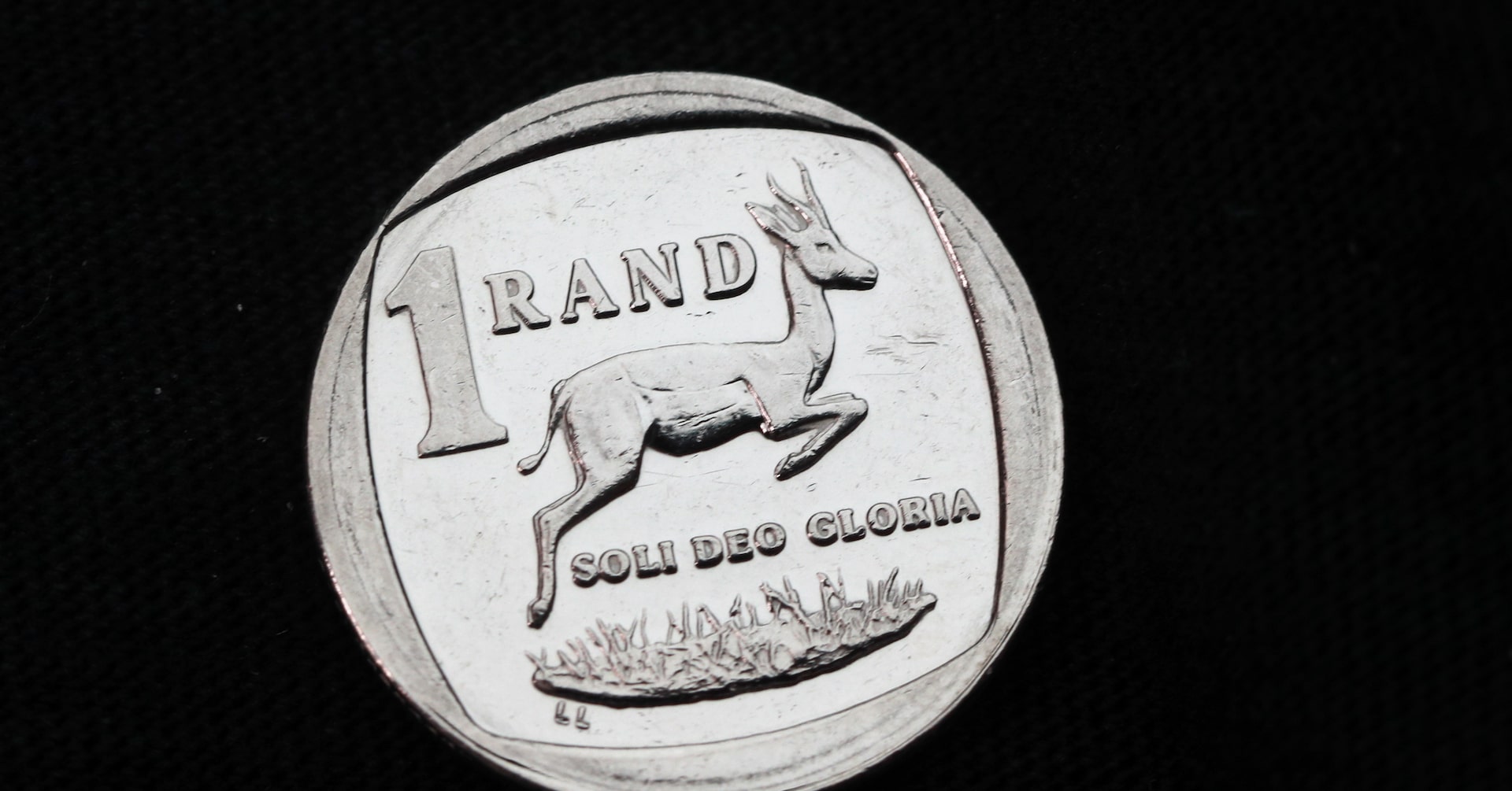
Rand slips before South African Reserve Bank’s rate decision
The South African rand experienced a slight decline on Thursday as investors awaited the South African Reserve Bank’s (SARB) interest rate decision. By 0622 GMT, the rand was trading at 17.45 against the US dollar, marking a 0.3% drop from its previous close. Economists surveyed by Reuters anticipate that the central bank will maintain its benchmark lending rate at 7.00%, despite a surprising slowdown in headline inflation for August, driven by lower fuel and food prices. Independent economist Elize Kruger noted that while the August inflation data aligns with the SARB’s target of 3%, elevated inflation expectations and a projected rise to 4.2% by December 2025 are likely to deter any rate cuts. However, some analysts suggest that the softer inflation figures could prompt a closely contested decision. Meanwhile, South Africa’s benchmark 2035 government bond remained stable in early trading, with yields edging up by half a basis point to 9.175%. The market remains watchful as the SARB’s announcement could influence future economic trajectories.
-
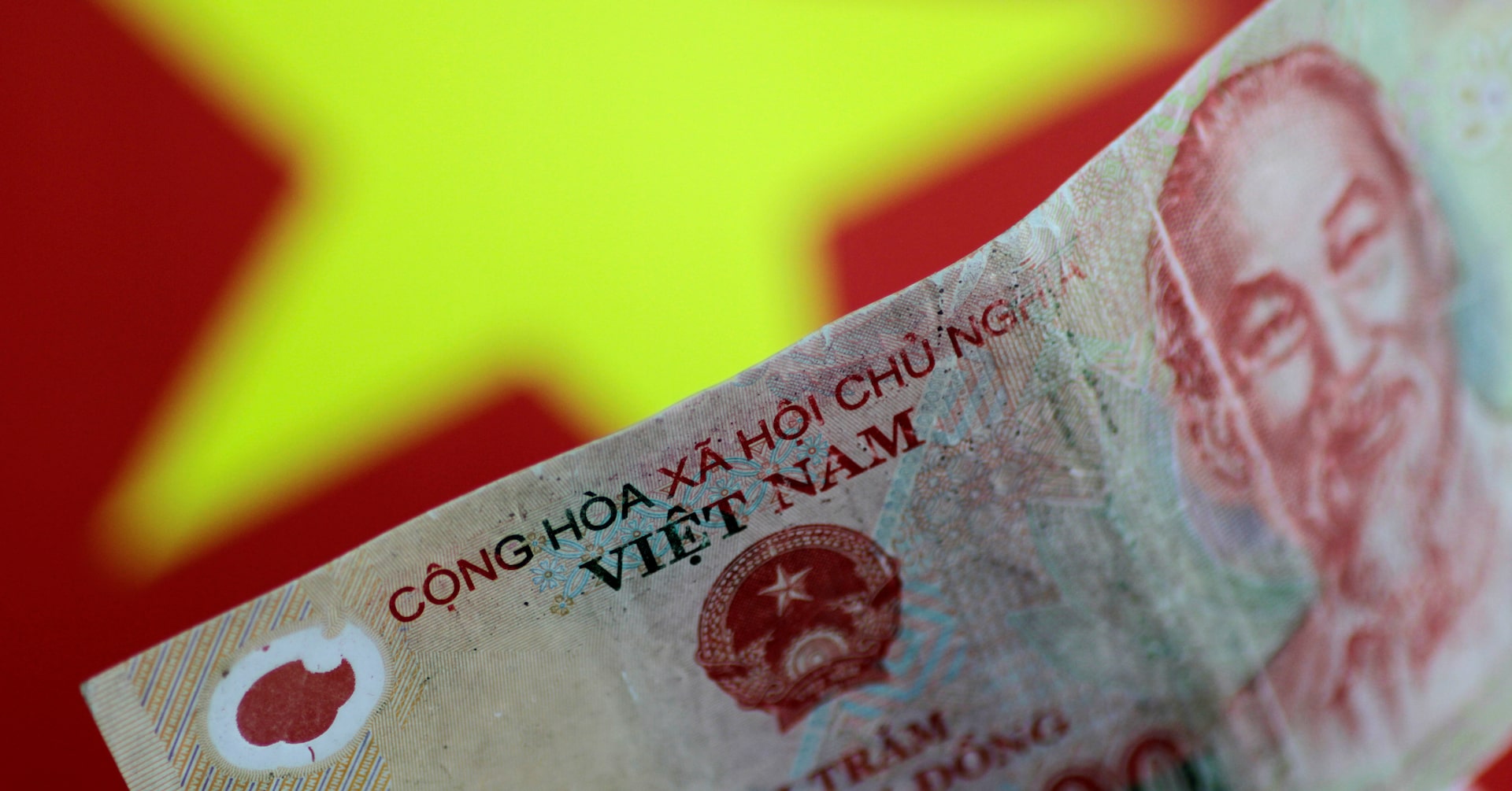
Investors in Vietnam to face strict police screening under planned reform
Vietnam is set to introduce sweeping reforms that would require police approval for investment projects across key sectors such as energy, telecommunications, and construction. The draft decree, proposed by the Ministry of Public Security, aims to bolster national security and reinforce the ‘absolute leadership’ of the ruling Communist Party. However, the move has sparked concerns among foreign investors, who fear increased compliance costs and project delays. The proposal, which is open for public comment until September 22, could significantly expand the powers of Vietnam’s security apparatus. If enacted, the decree would mandate security vetting for a wide range of critical infrastructure projects, including nuclear power plants, telecommunications, and oilfields, as well as seemingly less critical ventures like industrial parks and golf courses. Vietnam, a nation heavily reliant on foreign investment, currently conducts limited security checks on most development projects, with the police playing a largely advisory role. The proposed reforms would grant the Ministry of Public Security the authority to determine whether projects meet undefined security conditions, effectively giving it veto power. The draft document also outlines plans for the ministry to supervise and inspect foreign aid projects, assessing their impact on security and social order. While the government argues that the reforms are necessary to address a complex international landscape dominated by strategic competition, critics warn that the changes could deter investment and slow economic growth. Vietnam is home to major multinational corporations, including Samsung, Honda, and Intel, which have previously expressed concerns over bureaucratic delays. The proposed decree follows a similar 2019 regulation that prioritized defense considerations in economic projects but was more limited in scope. As the draft moves closer to becoming law, its potential implications for Vietnam’s investment climate remain a subject of intense debate.
-
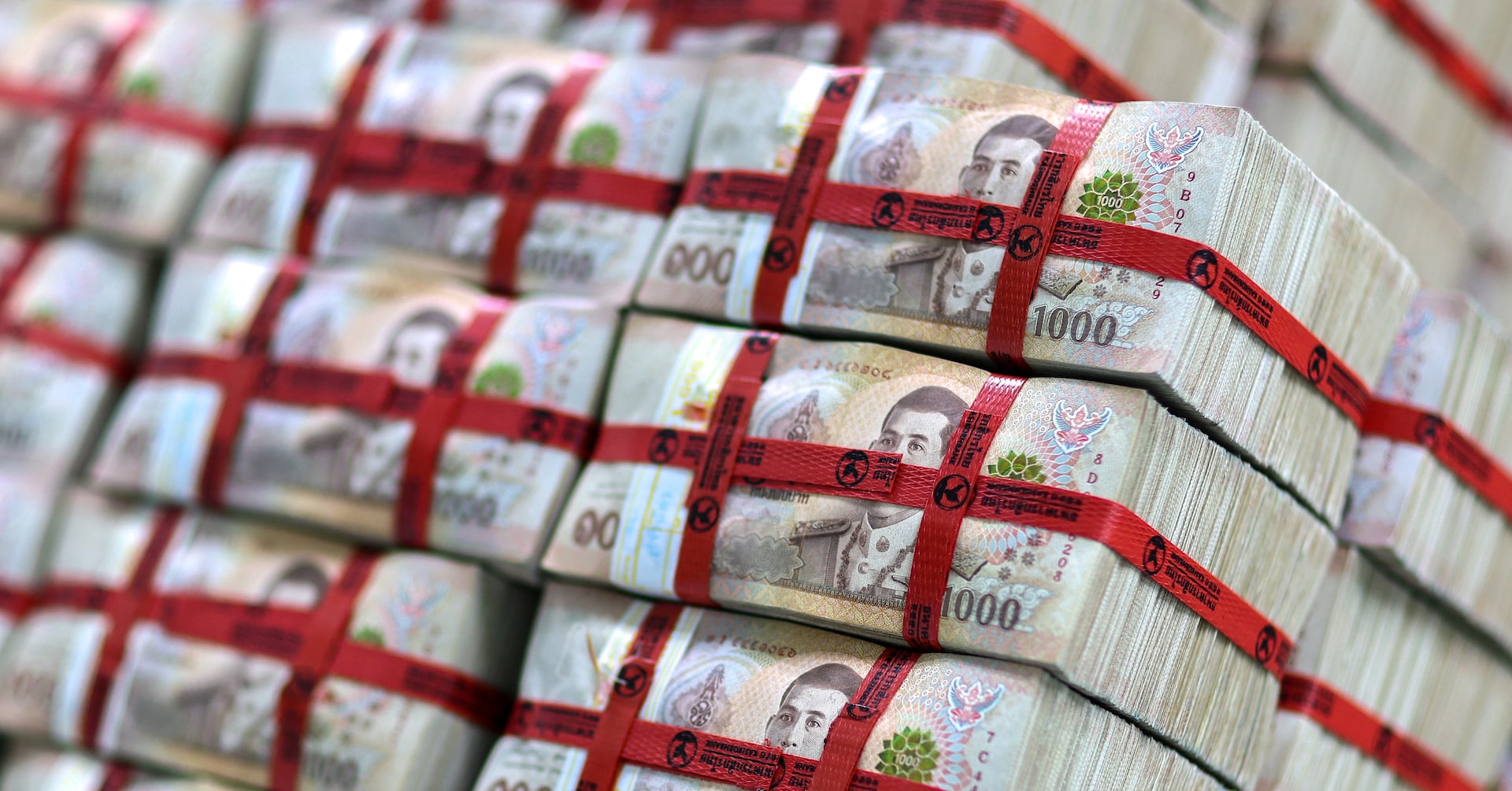
Thai government says will work with central bank to tackle baht’s strength
The Thai government, in collaboration with the central bank, is taking decisive steps to manage the surging value of the baht, which has reached its highest level in four years. Incoming Finance Minister Ekniti Nitithanprapas emphasized the need for currency stabilization during discussions with Vitai Ratanakorn, the incoming Bank of Thailand Governor, set to assume office on October 1. The baht’s strength, driven by foreign investments in bonds and stocks, poses a significant risk to Thailand’s export and tourism sectors, both critical pillars of the nation’s economy. To address this, authorities are closely monitoring capital inflows and gold trading for irregularities. Earlier this week, the central bank proposed a tax on gold trading as part of broader measures to curb the currency’s appreciation. Between January and July, Thailand’s gold exports surged by 82% year-on-year, reaching $7.6 billion, with $2.1 billion worth of gold shipped to Cambodia alone. Despite these efforts, the baht remains one of Asia’s top-performing currencies, second only to the Taiwan dollar, with an 8% gain this year. The government’s proactive approach aims to mitigate economic vulnerabilities while ensuring sustainable growth.