
Coca-Cola Beverages South Africa (CCBSA) is considering reducing its workforce by over 600 employees, according to a report by Business Day. The announcement, attributed to Dominique Martin, spokesperson for the Food and Allied Workers Union, follows the company’s issuance of retrenchment notices on September 2. The union has expressed strong opposition to the proposed layoffs, which are part of CCBSA’s broader organizational adjustments in response to shifting industry dynamics. While consultations with the union are ongoing, no final decision has been reached. CCBSA, a subsidiary of Coca-Cola Beverages Africa—the eighth-largest Coca-Cola bottling partner globally by revenue—has not yet publicly commented on the matter. This development adds to South Africa’s economic challenges, as other major companies like Ford Motor South Africa, Glencore, ArcelorMittal South Africa, and Goodyear South Africa have also recently announced workforce reductions.
分类: business
-
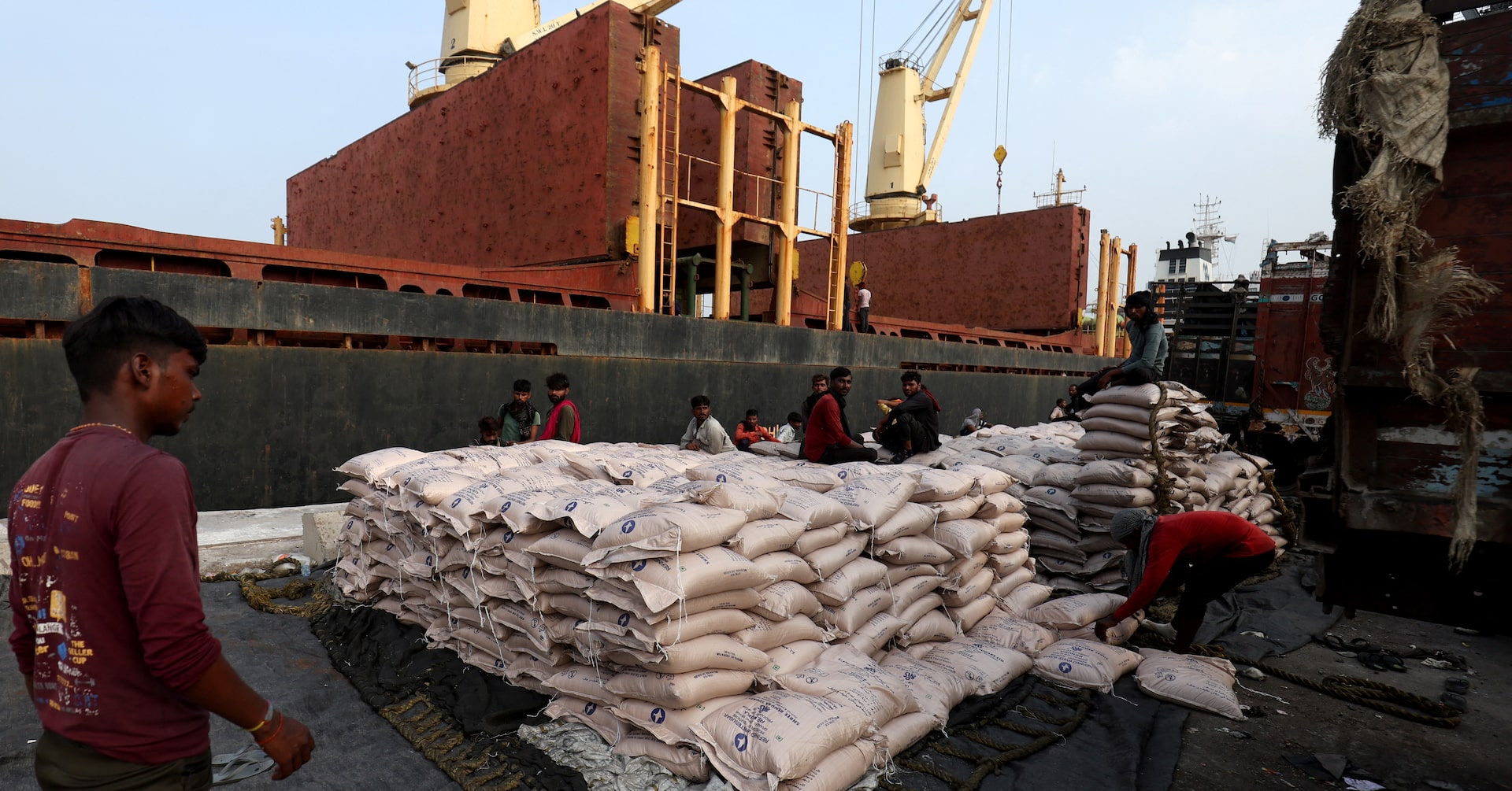
Indian sugar mills to miss export quota, ship around 775,000 tons, sources say
India’s sugar exports are projected to drop below 800,000 metric tons this season, significantly missing the government’s 1 million-ton quota. This decline is attributed to increased supplies from Brazil, which have driven global sugar prices to their lowest levels in over four years, making Indian shipments less competitive. Trade and government officials, who spoke on condition of anonymity, revealed that mills have so far contracted to export around 750,000 tons, with approximately 720,000 tons already shipped. Even under the most optimistic scenarios, exports are unlikely to exceed 775,000 tons by the end of the season on September 30, 2025. The slowdown in exports has been exacerbated by Brazilian sugar trading at more than $25 cheaper than Indian supplies, coupled with rising domestic prices in India. Traditionally, Indian sugar has held a competitive edge in Asia due to lower freight costs, but recent market dynamics have shifted the balance. With only a handful of export deals in recent weeks, mills may request the government to allow the export of the remaining 200,000-plus tons in the new season starting October 1. Despite the current challenges, India’s sugar output is expected to rise in the upcoming season, thanks to favorable monsoon rains, potentially improving export prospects. India, the world’s largest sugar producer and consumer, has been a key exporter to countries such as Afghanistan, Bangladesh, Indonesia, Sri Lanka, and the United Arab Emirates, averaging 6.8 million tons annually over the past five years.
-
Indonesia’s surprise rate cut, growth gambit put rupiah in the crosshairs
Investors are growing increasingly anxious about the independence of Bank Indonesia (BI) as President Prabowo Subianto pushes for aggressive economic growth, raising fears of a potential rupiah selloff. The central bank’s unexpected rate cut this week, which caught markets off guard, has intensified concerns that BI may be succumbing to political pressure to stimulate the economy at the expense of currency stability. This move comes amid broader global worries about the erosion of central bank independence, a trend highlighted by recent attacks on the U.S. Federal Reserve by former President Donald Trump. Since taking office last year, Prabowo has championed populist spending plans aimed at boosting Indonesia’s growth rate from 5% to 8%. However, investors fear that these policies could undermine fiscal credibility, worsen the current account deficit, and fuel inflation. The rupiah has already depreciated by 3% this year, making it Asia’s worst-performing currency. Analysts warn that while BI’s rate cuts may support growth, they risk destabilizing the currency, especially given Indonesia’s heavy reliance on imports and foreign capital. The central bank has cut rates by 150 basis points over the past year, with further reductions expected. Market participants are also concerned about a ‘burden-sharing’ agreement between BI and the government, which could expand the bank’s mandate and potentially politicize its operations. Despite Indonesia’s relatively stable macroeconomic indicators, the widening gap between short- and long-term bond yields reflects growing investor unease. Experts emphasize the need for clear communication and policy measures to restore confidence in BI’s independence and Indonesia’s economic management.
-

South African rand steady as investors mull central bank decision, US trade talks
The South African rand remained stable on Friday as market participants digested the South African Reserve Bank’s (SARB) decision to maintain its benchmark interest rate at 7%. This decision came amidst a backdrop of cautious optimism following recent trade discussions between South Africa and the United States, aimed at addressing steep tariffs imposed by the U.S. government. At 0824 GMT, the rand traded at 17.3350 against the U.S. dollar, showing minimal movement from its previous close. The SARB’s decision to hold rates steady reflects a cautious approach as it evaluates the effects of prior rate reductions. While economists anticipated no change, some analysts had speculated on a potential cut, especially after August’s unexpected slowdown in headline inflation. Meanwhile, trade negotiations between South African Trade Minister Parks Tau and U.S. Trade Representative Jamieson Greer remain a focal point for investors. Last month, U.S. President Donald Trump imposed a 30% tariff on South African imports, the highest rate in Sub-Saharan Africa, raising concerns over potential job losses. Looking ahead, key economic indicators such as business cycle leading figures and producer inflation data will be closely monitored. The Johannesburg Stock Exchange’s Top-40 index saw a modest 0.2% rise in early trading, while South Africa’s benchmark 2035 government bond weakened slightly, with yields increasing by 3 basis points to 9.21%.
-
Japan’s SMBC raises stake in Jefferies to about 20%
In a significant move to strengthen its foothold in the U.S. financial sector, Japan’s Sumitomo Mitsui Banking Corporation (SMBC) has increased its equity ownership in Jefferies Financial Group, a prominent U.S. investment bank, to approximately 20%. The announcement was made jointly by both entities on Friday, September 19. Alongside the equity boost, SMBC has committed to providing Jefferies with $2.5 billion in new credit facilities, further solidifying the strategic partnership between the two institutions. This development underscores SMBC’s commitment to expanding its global financial services portfolio and leveraging Jefferies’ expertise in investment banking and capital markets. The collaboration is expected to enhance Jefferies’ liquidity and operational capabilities, while SMBC gains a stronger presence in the competitive U.S. financial landscape. The deal reflects the growing trend of cross-border financial alliances as institutions seek to diversify their portfolios and capitalize on emerging market opportunities.
-
Singapore reviewing short seller claim against India’s Vedanta, documents show
The Singapore Police Force (SPF) is currently reviewing a complaint filed by U.S.-based short seller Viceroy Research, which alleges that Indian natural resources conglomerate Vedanta Ltd improperly funded its 2024 dividend. According to documents obtained by Reuters, Viceroy claims that Vedanta used a $900 million loan from Oaktree Capital Management to artificially inflate its reserves, enabling a dividend payout that was not supported by actual cash earnings. Vedanta has vehemently denied these allegations, stating that all dividends were paid in full compliance with applicable laws and labeling Viceroy’s claims as “baseless” and “malicious.”
Viceroy’s complaint, submitted to the SPF on August 7, further accuses Vedanta of employing accounting maneuvers to reverse write-offs through Singapore-based entities after repaying the loan. The short seller asserts that its findings are based on publicly available reports, forensic analyses of Vedanta’s financial filings, and on-site visits to its assets. The SPF has acknowledged receipt of the complaint, assigning it a reference number, but has declined to comment on the matter.
This is not the first time Vedanta has faced accusations from Viceroy. In July, the short seller published a report alleging that Vedanta Resources, the UK-based parent company holding a 56% stake in Vedanta Ltd, was “systematically draining” its Indian subsidiary to meet its own financing needs. Vedanta Ltd has consistently refuted these claims, calling them a “malicious combination of selective misinformation and baseless allegations.”
The controversy comes amid ongoing challenges for Vedanta, including opposition from the Indian government to its 2023 demerger plan, which aimed to split the company into four separate entities. This followed an unsuccessful attempt to take the group private in 2020. Vedanta Resources has since focused on reducing its debt, targeting a $1.2 billion reduction to bring net debt down to $11.1 billion by fiscal 2025.
As the SPF continues its review, the allegations have cast a shadow over Vedanta’s financial practices, raising questions about corporate governance and transparency in one of India’s largest natural resources firms.
-

Asia Gold: India premiums hit 10-month high as festive season draws near; China discounts widen
In a striking divergence in the global gold market, India has witnessed a surge in physical gold premiums, reaching a 10-month high, while China’s discounts have expanded to their lowest levels in five years. This development comes as gold prices in India hit a record high of 110,666 rupees per 10 grams earlier this week, settling around 109,500 rupees on Friday. Dealers in India are now offering premiums of up to $7 per ounce over official domestic prices, the highest since mid-November 2024, driven by robust investor demand ahead of the festive season. The Dussehra and Diwali festivals in October, traditionally auspicious times for gold purchases, have spurred retail buyers to re-enter the market. Conversely, in China, dealers are offering discounts of $21-$36 per ounce over global benchmark spot prices, the lowest since May 2020. Analysts attribute this to weak domestic demand as investors pivot to equities. Meanwhile, Swiss customs data revealed a 254% surge in gold exports to China in August, reaching their highest level since May 2024, signaling anticipated demand growth by the end of September. In other markets, gold in Hong Kong was sold at par to a $1.60 premium, while in Singapore, premiums ranged from par to $1.40. Japan’s bullion traded at par to a premium of $1, reflecting a sustained interest in gold as a valuable asset class.
-
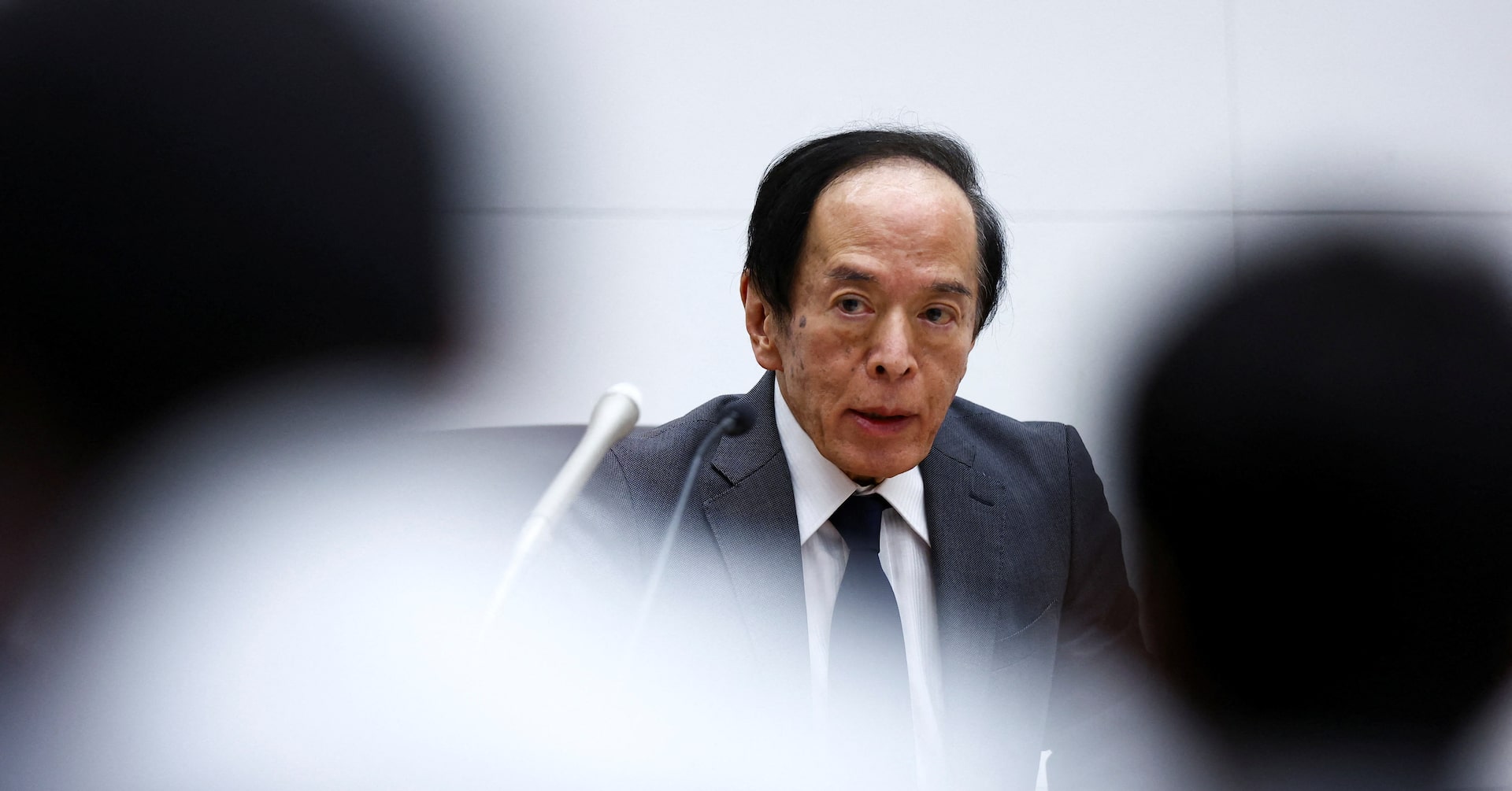
BOJ Governor Ueda’s comments at news conference
In a pivotal decision on September 19, the Bank of Japan (BOJ) opted to hold its interest rates steady at 0.5%, despite internal dissent from two of its nine board members who advocated for an increase to 0.75%. Simultaneously, the central bank announced plans to begin divesting its holdings of risky assets, marking a significant step in unwinding its extensive stimulus measures. BOJ Governor Kazuo Ueda addressed the media, emphasizing the bank’s cautious approach amid evolving economic conditions. Ueda highlighted that while food inflation poses a potential risk to Japan’s economy, it is not currently a major concern. He noted that the impact of U.S. tariffs on Japan remains limited, with corporate profits and capital expenditure holding steady. However, Ueda acknowledged the uncertainty surrounding global tariff policies and their potential effects on Japan’s economic trajectory. The BOJ remains committed to its baseline economic outlook, anticipating underlying inflation to gradually approach its 2% target. Despite the challenges, the central bank signaled its readiness to adjust interest rates in response to economic and price developments.
-
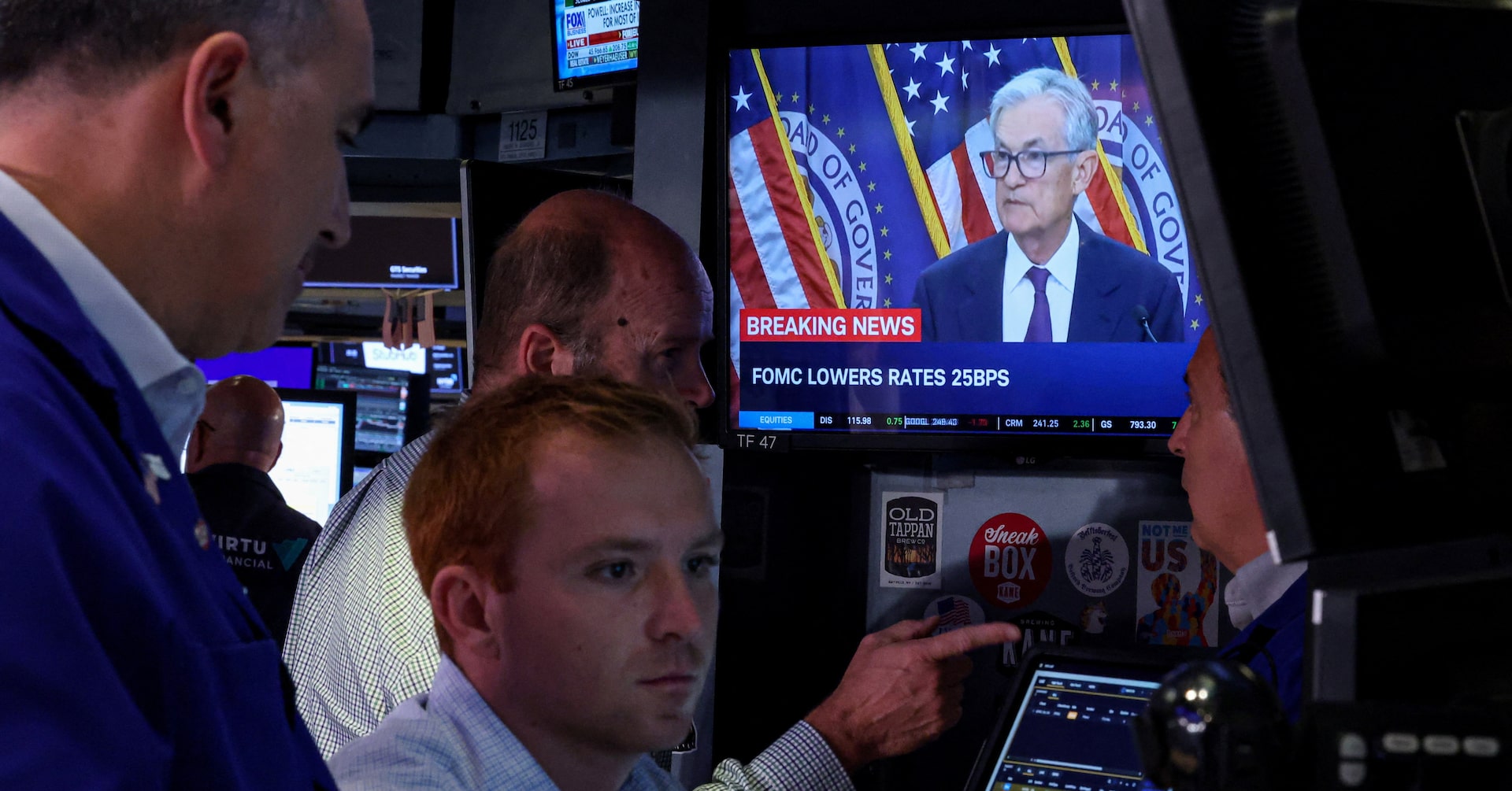
Take Five: Chop, chop!
As global markets navigate a pivotal week, attention is focused on economic data and central bank decisions amidst a tense geopolitical climate. The U.S. Federal Reserve has recently implemented its first rate cut since December, signaling potential further reductions. This move sets the stage for a series of critical U.S. economic indicators, including housing data, durable goods orders, consumer sentiment, and inflation metrics. Investors are particularly keen on the personal consumption expenditures price index, a key inflation gauge, to gauge the economic outlook. The dollar has already touched its lowest level since 2022, and weaker-than-expected data could exacerbate its decline. Meanwhile, the Swiss National Bank is expected to maintain its benchmark rate at 0%, despite the challenges posed by a strong Swiss franc, which has surged 15% against the dollar this year. In Europe, preliminary estimates for the September euro zone PMI are anticipated to show manufacturing improvements and service sector stabilization. The UK’s flash PMI, released alongside the Bank of England’s steady rate decision, will reflect ongoing concerns over inflation and tax hikes. Australia’s August consumer price index, due ahead of the Reserve Bank of Australia’s policy meeting, is expected to show easing inflation, supported by new electricity rebates. On the global stage, world leaders are convening at the United Nations General Assembly in New York, addressing pressing issues such as the Gaza conflict, Ukraine war, and Iran’s nuclear tensions. The week’s developments will shape market sentiment and economic trajectories across the globe.
-
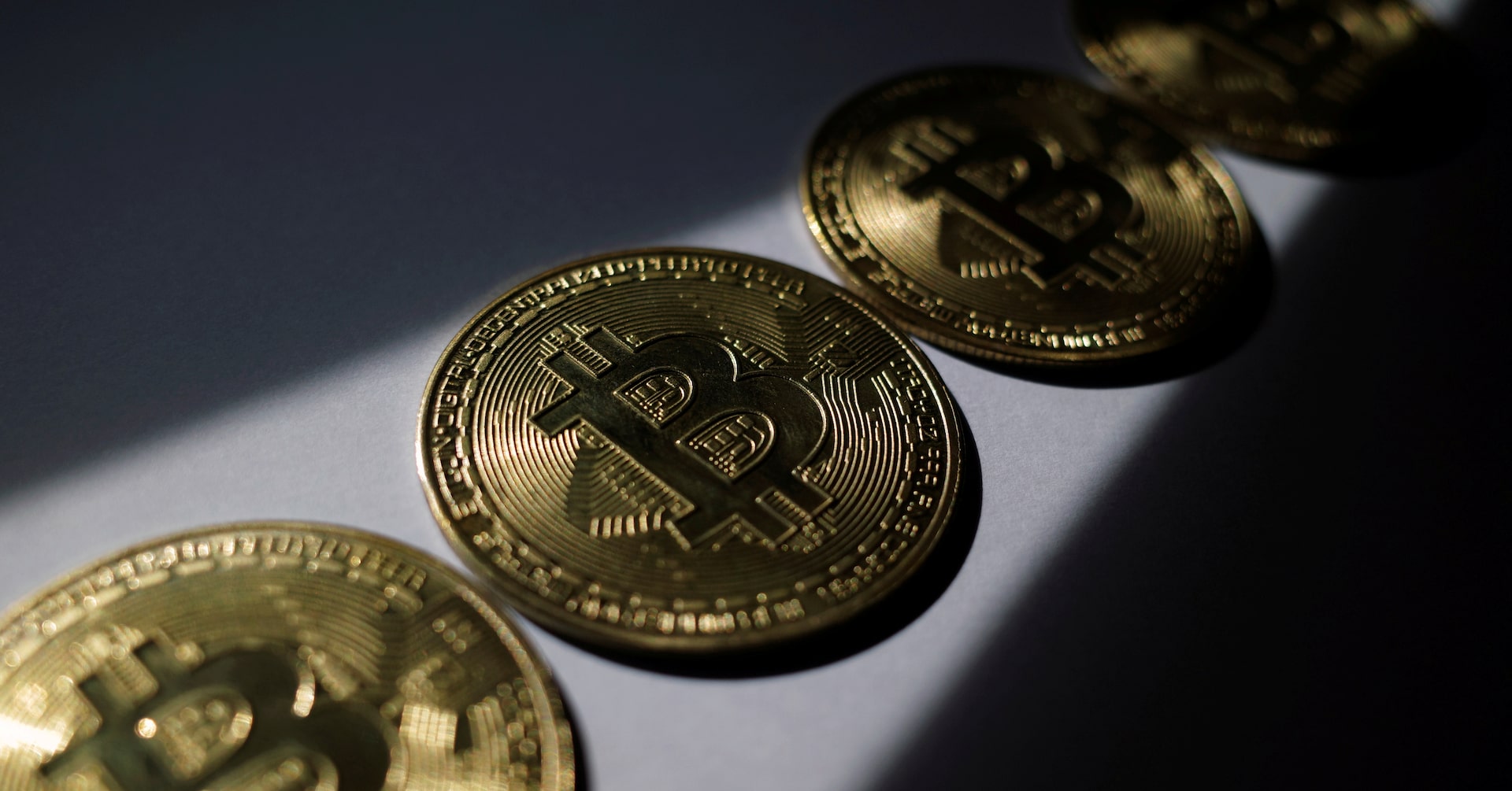
UK trading platform IG Group buys Australian crypto exchange
In a strategic move to bolster its digital asset offerings and strengthen its presence in the Asia-Pacific region, British online trading platform IG Group (IGG.L) announced on Friday the acquisition of Australian cryptocurrency exchange Independent Reserve for A$178 million ($117.41 million). The deal, finalized on September 19, 2025, is anticipated to enhance IG Group’s cash earnings per share within the first full financial year post-closure. This acquisition underscores IG Group’s commitment to expanding its cryptocurrency services and tapping into the growing digital asset market in Australia and beyond. The transaction reflects the increasing consolidation within the crypto industry as traditional financial firms seek to capitalize on the burgeoning sector. IG Group’s investment aligns with its broader strategy to diversify its portfolio and cater to the rising demand for digital financial solutions. The deal also highlights the competitive dynamics in the Asia-Pacific crypto market, where regulatory clarity and market potential continue to attract global players.