
Mixue Ice Cream and Tea, the world’s largest fast-food chain by store count, is poised to open its first U.S. location in New York City. This move underscores the Chinese beverage giant’s ambitious global expansion strategy. With 46,479 stores worldwide, including 41,584 in China and a significant presence in Southeast Asia, Mixue is now targeting the lucrative U.S. market. The new store, located at 266 Canal Street in Tribeca, spans 195 square meters and is part of a 10-year lease agreement. While the exact opening date remains undisclosed, the store was still vacant as of September 22. The brand, known for its affordable offerings like bubble tea, ice cream, and coffee, has gained popularity among budget-conscious consumers, particularly students. Mixue’s success is attributed to its value-for-money pricing, rapid innovation, and strong digital engagement. The company’s expansion follows the footsteps of other Chinese brands like HeyTea and Luckin Coffee, which have also ventured into the U.S. market. Jacob Cooke, CEO of WPIC Marketing + Technologies, highlighted Mixue’s ability to connect with digital-native consumers through social-first marketing and viral content. Founded in 1997 by Zhang Hongchao, Mixue has grown from a small shaved ice stall in Zhengzhou to a global powerhouse valued at $8.1 billion. The company’s franchising model and innovative drink offerings, such as Mango Oats Jasmine Tea and Coconut Jelly Milk Tea, have fueled its rapid growth. As Mixue enters the U.S., it aims to challenge established brands like McDonald’s and Starbucks, leveraging its affordability and digital-savvy approach.
分类: business
-

Prolonged shutdown could push US economy over the edge
The ongoing federal government shutdown, which began on October 1, 2025, poses a significant threat to the U.S. economy, with its impact largely dependent on its duration. While a swift resolution would minimize economic damage, a prolonged shutdown could push the already fragile economy into a recession. The U.S. labor market is already under strain, with consumer confidence waning and uncertainty escalating. Economists warn that the indirect effects of the shutdown, such as reduced consumer spending and business confidence, could be more detrimental than the direct economic losses. Consumer spending, which accounts for 70% of economic activity, is particularly vulnerable to a decline in confidence. The shutdown has already delayed federal discretionary spending, with the Congressional Budget Office estimating an $11 billion reduction in real GDP during the 2018-2019 shutdown. Although most of the lost output was recovered post-shutdown, permanent losses amounted to $3 billion. The current shutdown could exacerbate existing economic challenges, including a stagnant labor market, rising long-term unemployment, and reduced labor demand due to AI adoption and cost-cutting measures. Federal Reserve rate cuts, while expected to stimulate spending, are unlikely to address deeper structural issues such as government deficits, household budget constraints, and a shrinking labor force. The shutdown’s psychological impact on consumers and businesses could further destabilize the economy, making a swift resolution critical to avoiding long-term economic damage.
-
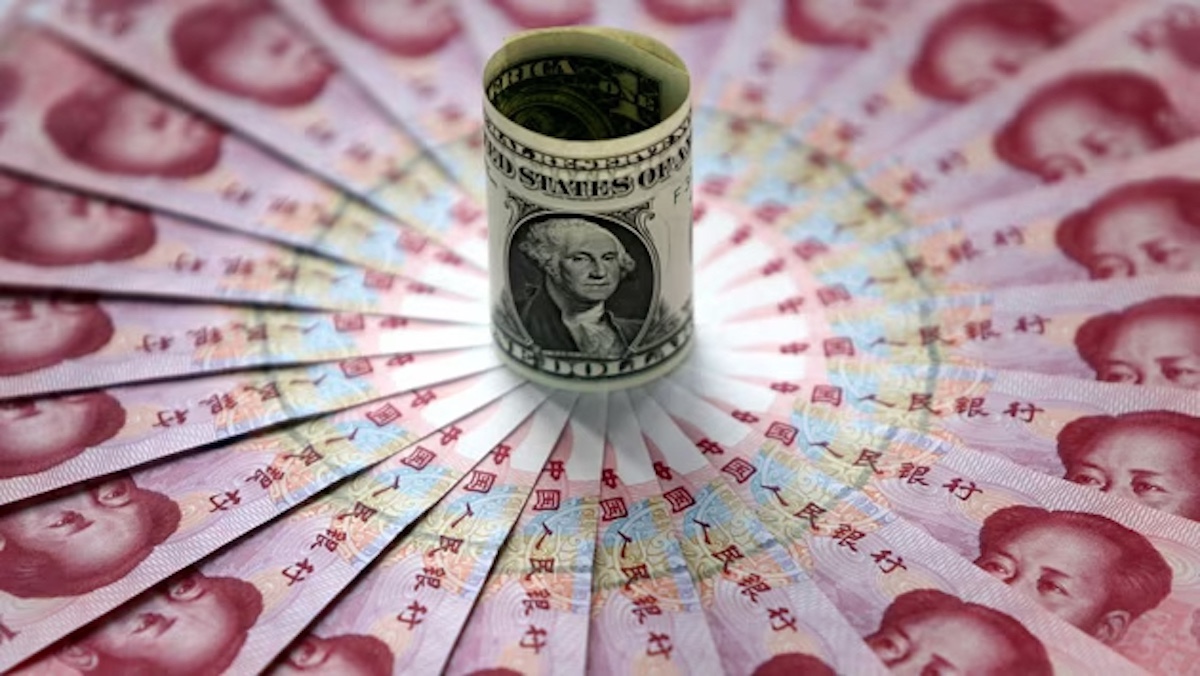
Yuan lies in wait as Trump pushes buck to the brink
TOKYO — The past year has painted a paradoxical picture for the US dollar, leaving analysts divided on its trajectory. On one hand, the dollar remains a dominant force in global currency markets, with the latest data from the Bank for International Settlements (BIS) revealing its involvement in 89% of all foreign exchange transactions. This statistic underscores the dollar’s entrenched position as the world’s primary reserve currency, seemingly immune to challenges. On the other hand, the Chinese yuan’s growing influence, now accounting for 8.5% of global transactions, has sparked concerns about the dollar’s long-term supremacy. This rise in the yuan’s share is seen by some as a potential threat to Washington’s financial dominance. The situation is further complicated by the global foreign exchange market’s apparent indifference to the United States’ deteriorating economic fundamentals. Despite mounting debt, inflationary pressures, and political instability, traders continue to favor the dollar, highlighting its unique role in the global financial system. As the yuan gains traction, the question remains: Is the dollar’s hegemony unassailable, or is it on the brink of a gradual decline?
-
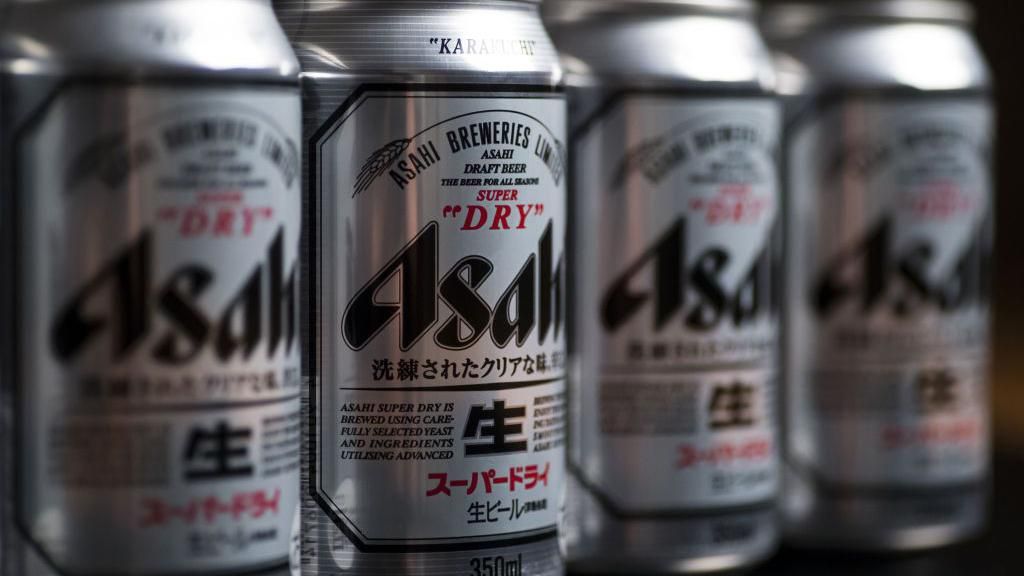
Japan faces Asahi beer shortage after cyber-attack
Japan is currently experiencing a significant shortage of Asahi products, including beer and bottled tea, as the global beverage giant struggles with the aftermath of a severe cyber-attack. The attack has disrupted Asahi’s ordering and delivery systems, forcing most of its factories in Japan to halt operations since Monday. This disruption has led to widespread supply chain issues, affecting both consumers and retailers across the country. Major convenience store chains, including FamilyMart and Lawson, have issued warnings to customers about potential shortages of Asahi products. FamilyMart, one of Japan’s largest convenience store chains, announced on Thursday that it has temporarily suspended orders and shipments of Asahi products, with no clear timeline for resumption. The retailer also expressed regret for the inconvenience caused and assured customers that it is collaborating with Asahi to restore product availability. Lawson, another prominent Japanese retailer, has similarly anticipated shortages and is preparing to stock alternative products to mitigate the impact on consumers. Asahi, Japan’s largest brewer and owner of international brands such as Peroni, Pilsner Urquell, and Grolsch, has confirmed that the cyber-attack has primarily affected its domestic operations. The company has assured that there is no evidence of a data breach involving customer information. However, the timeline for restoring normal operations remains uncertain as investigations into the cause of the attack continue. Japan accounts for approximately half of Asahi’s total sales, making the disruption particularly significant for the company. The incident underscores the growing vulnerability of global businesses to cyber threats and the potential impact on supply chains and consumer markets.
-
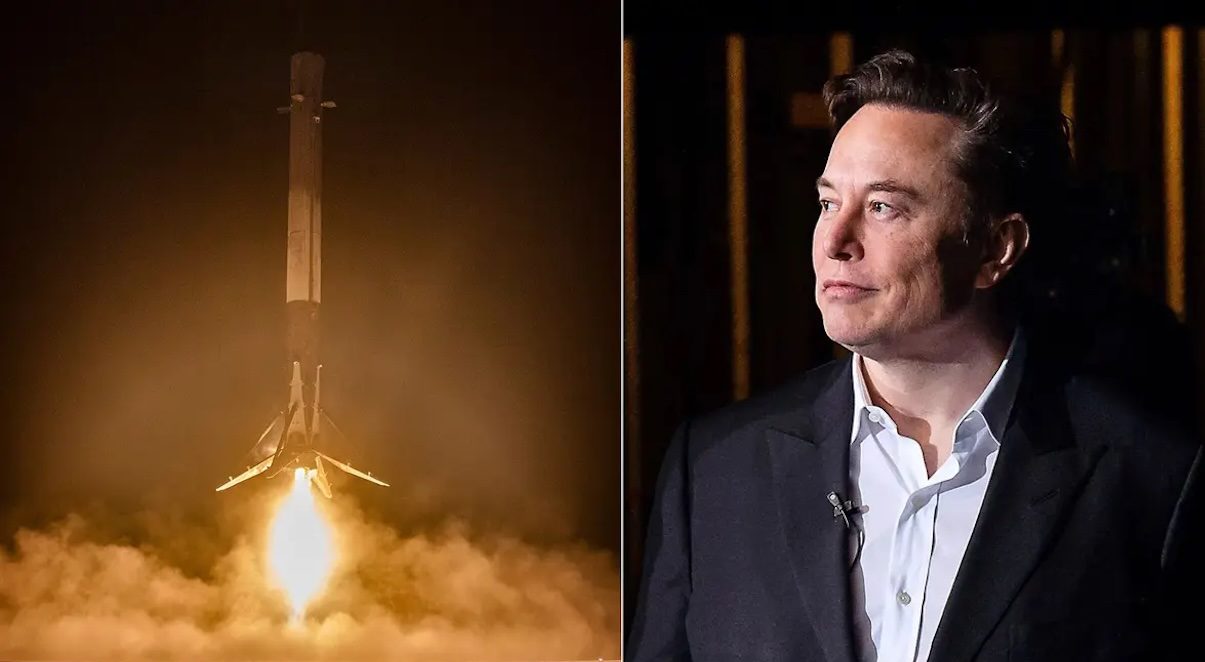
Chinese invested directly in Musk’s SpaceX, insider testifies
Elon Musk’s SpaceX, a cornerstone of U.S. aerospace and defense, has reportedly accepted direct investments from Chinese investors, according to recently unsealed court testimony. This revelation, disclosed during a legal case involving a major SpaceX investor, Iqbaljit Kahlon, has ignited fresh debates over foreign ownership in one of America’s most critical military contractors. While Chinese investment in U.S. defense contractors is not prohibited, it is tightly regulated due to national security implications. Kahlon’s testimony, though not detailing the extent or identities of the Chinese investors, confirms their presence on SpaceX’s capitalization table, a list of shareholders. This marks the first acknowledgment of direct Chinese investment in the privately held company, which has long kept its ownership structure under wraps. Previously, Chinese investors were known to hold indirect stakes in SpaceX through intermediary funds. The disclosure has raised alarms among national security experts, who warn that such investments could provide China with access to sensitive information, potentially compromising U.S. security. SpaceX, which has secured significant government contracts, including those with NASA and the Pentagon, has not commented on the matter. The testimony emerged from a Delaware court case involving Kahlon, who has facilitated investments in SpaceX for wealthy individuals worldwide, including those from China. The U.S. government’s growing concerns over Chinese investments in sensitive industries have led to increased scrutiny, with House Democrats urging the Department of Defense to investigate SpaceX’s investment practices. Despite these concerns, SpaceX’s valuation continues to soar, with Musk’s 42% stake estimated at $168 billion, solidifying his position among the world’s wealthiest individuals.
-

Cuba’s tourism minister insists sector ‘alive and kicking’ amid crisis
Tourism has long been a cornerstone of Cuba’s economy, but recent years have seen a dramatic decline in visitor numbers. The industry, which reached a peak of nearly five million tourists in 2018, has been severely impacted by the COVID-19 pandemic and stringent travel restrictions imposed by the Trump administration. Last year marked one of the worst for Cuban tourism this century, exacerbating the island’s economic woes. With traditional industries like sugar, tobacco, and nickel in decline, tourism remains Cuba’s primary source of foreign currency after remittances. However, fewer tourists mean less revenue for the state, hindering investments in crumbling energy infrastructure and essential goods like food and medicine. Cuba’s traditional allies, Venezuela and Russia, are grappling with their own economic challenges, while China’s focus on larger geopolitical issues limits its support. Cuban Tourism Minister Juan Carlos García Granda acknowledges the industry’s struggles but remains optimistic, claiming that the government has halted the decline and expects improved statistics in the second quarter of this year. He attributes the ongoing challenges to the ‘economic war’ waged by the United States, which has implemented measures specifically designed to harm Cuba’s tourism sector. These include banning US cruise ships from docking in Cuban ports and reclassifying Cuba as a State Sponsor of Terrorism, which complicates travel for UK and European tourists. Despite these obstacles, García Granda insists that Cuban tourism is ‘alive and kicking,’ with over 70% of the industry supported by foreign investment. However, the government’s ambitious hotel-building program, including the controversial Torre K in Havana, has drawn criticism for its extravagance amid widespread economic hardship. While García Granda defends the projects as necessary for attracting tourists, many Cubans question the prioritization of luxury hotels over urgent public needs. As Cuba navigates its deepest economic crisis since the Cold War, the future of its tourism industry remains uncertain, with García Granda hopeful that better times lie ahead.
-
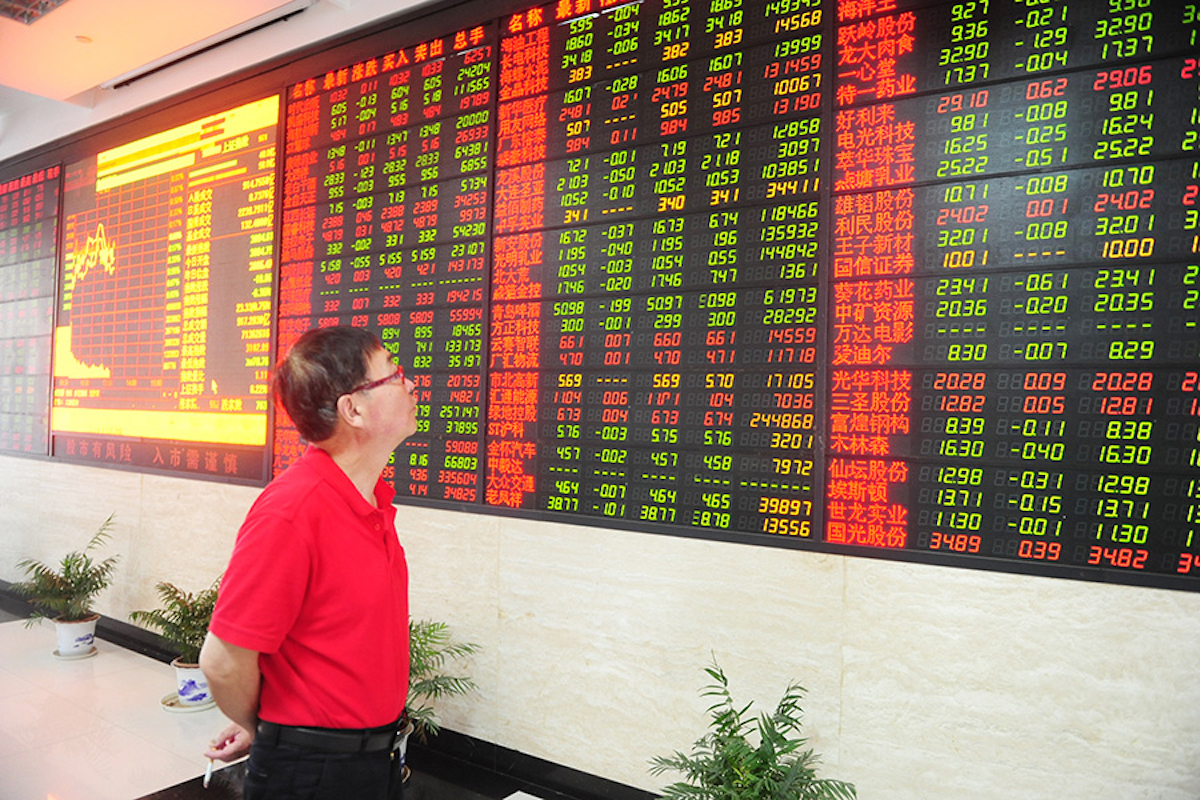
China’s $3 trillion stock rally is outrunning its economy
China’s equity markets have experienced one of their most significant rallies in recent years, with a combined market capitalization increase exceeding US$3 trillion across mainland China and Hong Kong. The CSI 300 index has soared by approximately 16% in 2025, while technology indices have reached their highest levels in a decade. This surge is primarily driven by retail investors, who, bolstered by substantial savings and state-backed liquidity support, are leading the charge. Despite slowing industrial output growth and underwhelming retail sales figures, investors are focusing on China’s long-term economic transformation, shifting away from property dependence toward innovation, advanced manufacturing, and green technology. This rally is distinct from previous speculative cycles, reflecting a deeper confidence in structural reforms and the government’s strategic direction. Individual investors dominate trading volumes, accounting for nearly 90% of daily flows, while Beijing’s efforts to deepen capital markets through policy support and foreign participation are further fueling the momentum. Although certain sectors, such as biotech and AI-linked firms, appear overvalued, the overall rally is seen as a sign of capital aggressively seeking exposure to China’s future economic drivers. The state’s active role in guiding this transition underscores the rally’s sustainability, with measures like widening access to stock options and strengthening market infrastructure laying the groundwork for long-term institutional participation. While caution is advised due to macroeconomic uncertainties and external pressures, the rally signals investors’ belief in China’s ability to reinvent its growth model. If reforms translate into tangible results, this surge could mark the early stages of a transformative economic evolution.
-
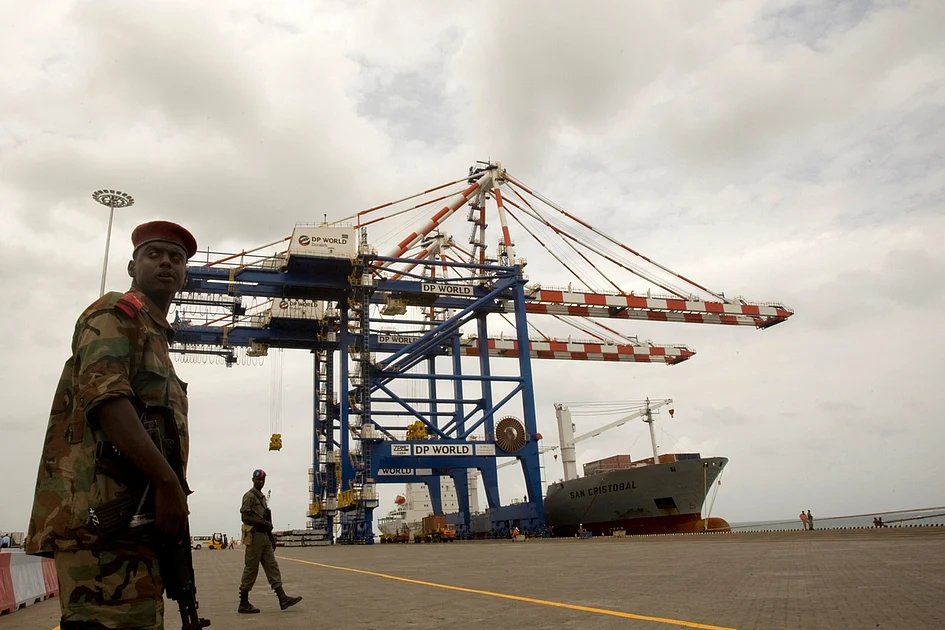
London court rules Djibouti illegally seized DP World port, $1 billion dispute drags on
In a landmark ruling, the London Court of International Arbitration (LCIA) has declared that the government of Djibouti acted unlawfully when it seized the Doraleh Container Terminal (DCT) from Dubai-based logistics giant DP World in 2018. The tribunal confirmed that DP World’s 50-year concession agreement for the port remains valid and binding, while Djibouti owes the company hundreds of millions in damages. This decision marks a significant milestone in a seven-year legal battle that has become one of Africa’s most prominent international investment arbitration cases. The dispute, however, is far from resolved, as DP World’s broader $1 billion claims against the Djibouti government and its Chinese partner, China Merchants Port Holdings, remain active. The LCIA ruled that the 2018 seizure was unlawful, rejecting Djibouti’s claim of having the right to terminate the concession. However, the court declined to award damages against Djibouti’s state-owned Port de Djibouti SA (PDSA), attributing the harm directly to the government. DP World has emphasized that the case underscores the importance of upholding international law and the sanctity of contracts, warning that Djibouti’s defiance of arbitration rulings undermines investor confidence and damages the country’s reputation. The company has vowed to pursue all legal avenues to recover damages and enforce prior awards, highlighting the broader implications of the case for global investors and economic development in Africa.
-

Xbox Game Pass price increase angers players
Microsoft has ignited a wave of discontent among gaming enthusiasts following its announcement of a significant price increase for its Xbox Game Pass subscription service. The most popular tier, Ultimate, will now cost £22.99 per month, marking a 50% rise from its previous £14.99 price point. This decision has led to a surge in subscription cancellations, with some users reporting that the service’s cancellation page crashed due to overwhelming demand. Microsoft has yet to confirm whether the outage was directly linked to the surge in activity. The revamped Game Pass structure now offers three tiers: Essential (£10/month), Premium (£14.99/month), and Ultimate (£22.99/month). While the basic tier is necessary for online multiplayer access, the higher tiers provide a broader selection of games and perks, including day-one access to new releases from Microsoft-owned studios like Call of Duty. Despite the addition of blockbuster titles such as Hogwarts Legacy and Assassin’s Creed entries to the Game Pass library, many users perceive the price hike as anti-consumer. Industry experts, including Ed Nightingale of Eurogamer, have expressed concerns that the increased costs could alienate gamers, especially as the overall cost of gaming continues to rise. Microsoft has defended the move, stating that the new pricing structure offers greater flexibility, choice, and value. However, critics argue that the company risks undermining its reputation as a consumer-friendly brand. This price adjustment follows a series of cost increases across Microsoft’s gaming division, including higher prices for Xbox consoles and accessories, which the company attributes to rising development costs and market conditions. The broader gaming industry has also seen similar trends, with Sony and Nintendo implementing price hikes for their products. Amidst these changes, Microsoft has also faced scrutiny for its recent layoffs and increased investment in artificial intelligence, raising questions about its long-term strategy in the gaming sector.
-
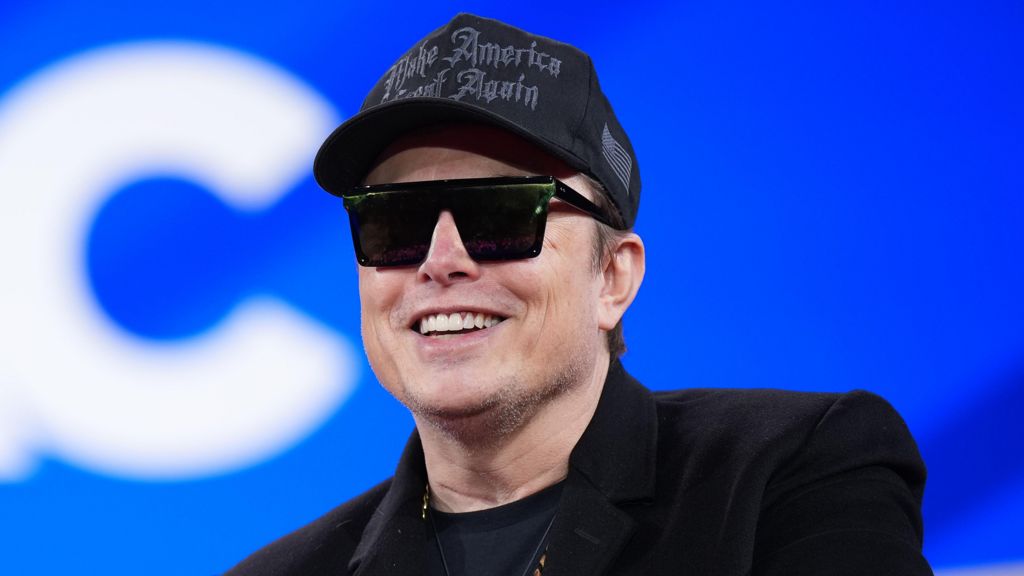
Musk becomes world’s first half-trillion-dollar man
Elon Musk, the visionary entrepreneur behind Tesla, SpaceX, and artificial intelligence startup xAI, has achieved an unprecedented milestone by becoming the first person in history to amass a net worth exceeding $500 billion. This remarkable feat was reported by Forbes’ billionaires index, which noted that Musk’s wealth briefly touched $500.1 billion on Wednesday afternoon, New York time, before settling slightly below the threshold later in the day. Musk’s financial ascent is largely attributed to the soaring valuations of his ventures, particularly Tesla, where he holds a significant 12% stake. Tesla’s shares have surged by over 14% this year, buoyed by investor optimism as Musk shifts his focus back to his companies rather than political engagements. His recent purchase of $1 billion worth of Tesla shares further underscored his confidence in the company’s future. Despite facing stiff competition from rivals like China’s BYD and navigating challenges in the electric vehicle market, Tesla is also pivoting towards artificial intelligence and robotics, signaling a transformative phase for the company. Musk’s wealth eclipses that of Oracle founder Larry Ellison, the world’s second-richest person, whose fortune stands at approximately $350.7 billion. This achievement solidifies Musk’s dominance in the global tech sector and underscores his unparalleled influence in shaping the future of technology and innovation.