
In a strategic move to safeguard its economic future, the Irish government has unveiled plans to channel billions of euros into national long-term savings funds. This decision comes in response to growing concerns over the volatility of multinational corporation tax revenues, which have been a cornerstone of Ireland’s economy for decades. Finance Minister Paschal Donohoe presented the budget to the Dáil, Ireland’s lower house of parliament, outlining the government’s commitment to mitigating risks associated with over-reliance on these tax receipts.
分类: business
-
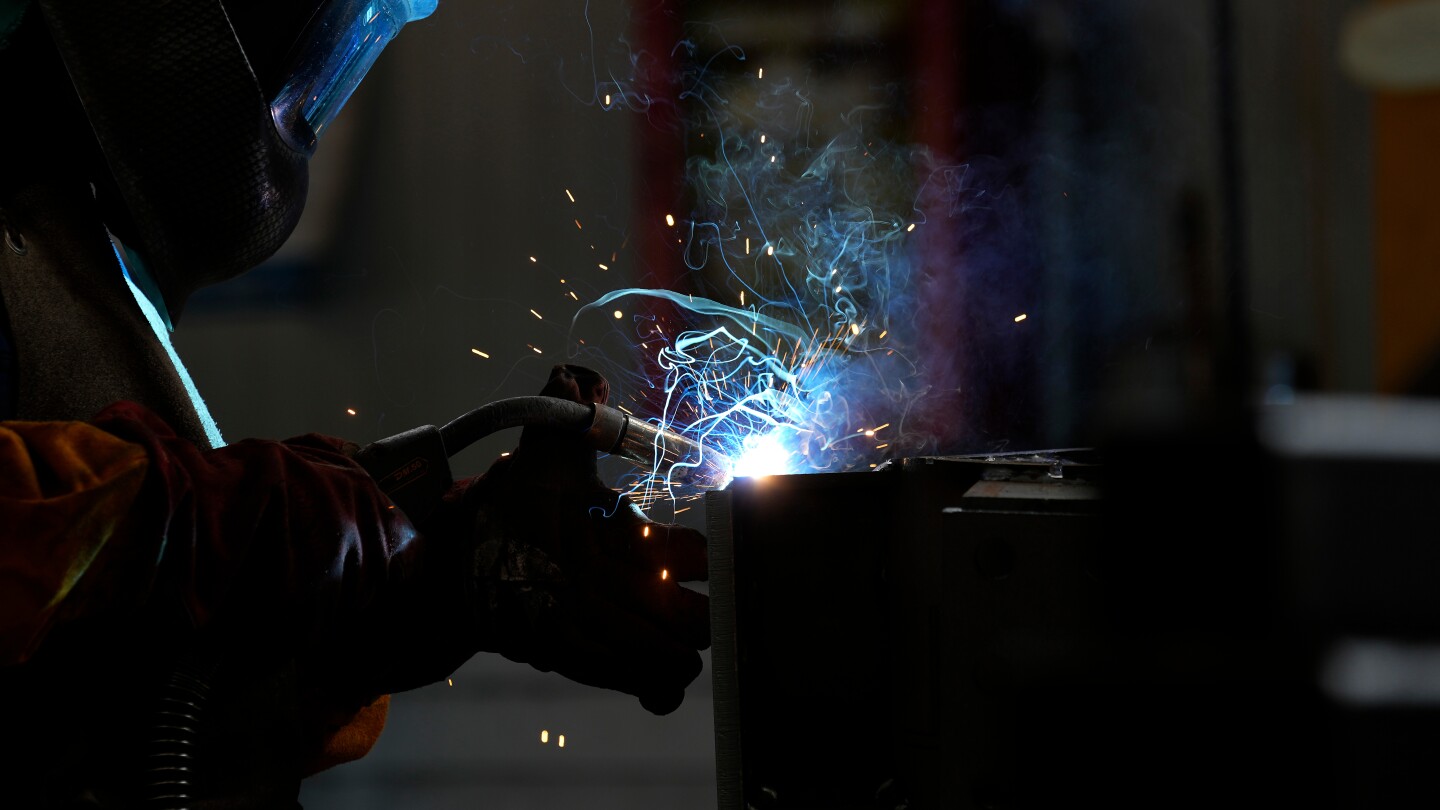
EU proposes steel industry protections, rattling UK manufacturers
The European Union has unveiled a contentious proposal to significantly reduce its tariff-free quota on steel imports, a move that could impose hefty tariffs on products from countries such as China, India, Turkey, and the United Kingdom. Under the new plan, imports exceeding 18.3 million tons will face a 50% tariff, doubling the current rate of 25%. Neighboring nations like Norway, Iceland, and Ukraine are exempt from these measures. The proposal aims to protect Europe’s steel industry from global overcapacity and the diversion of steel exports caused by high U.S. tariffs. Importers will also be required to disclose the origin of their products, and a complex quota system will regulate access to the EU market. The proposal, set to replace the current World Trade Organization-aligned safeguard policy expiring in 2026, has sparked concerns in the UK, where the steel industry warns of potential collapse. UK Steel Director-General Gareth Stace described the situation as the industry’s ‘biggest crisis ever,’ urging the British government to negotiate country-specific quotas with the EU. The EU’s steel sector, which employs 300,000 people across 20 member states, has faced significant challenges over the past two decades, losing a quarter of its workforce. The proposal reflects the EU’s broader strategy to decarbonize and reindustrialize its steel industry, a sector integral to its economic security and strategic autonomy. The European Parliament and Council must now ratify or amend the proposal, which could lead to further negotiations with the WTO.
-
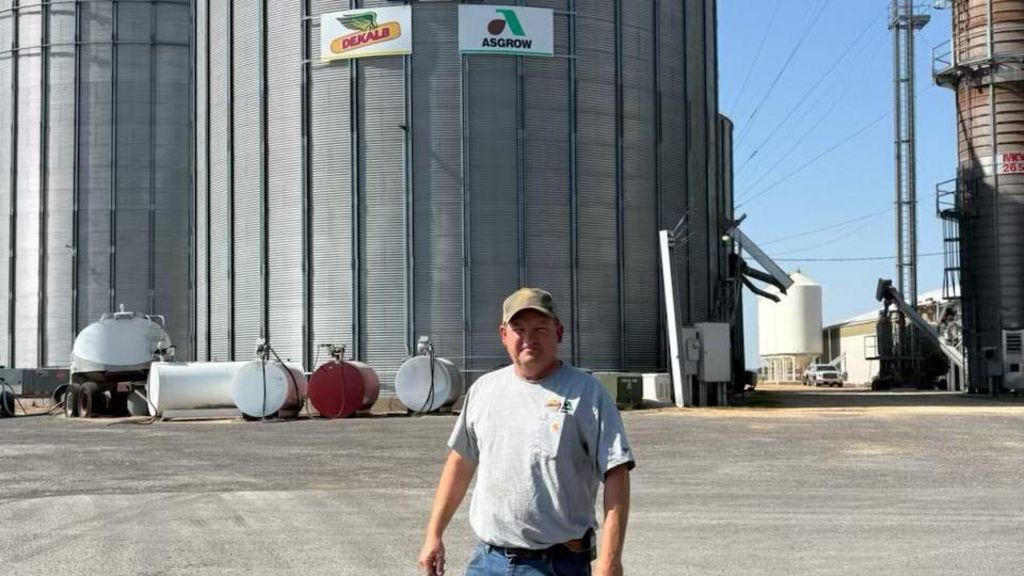
Trump’s farmer bailout raises fears about trade war winners and losers
The Trump administration’s decision to allocate billions in aid to farmers, particularly soybean growers, has ignited a heated debate over the fairness and effectiveness of such targeted relief. Farmers like Brad Smith from Illinois, who have been hit hard by China’s halt on soybean purchases, welcome the financial lifeline. However, the move has left other industries, from craft breweries to toy shops, feeling sidelined and frustrated. Justin Turbeest, a Wisconsin brewer, described the tariffs as a ‘final blow’ to his business, forcing layoffs and a 40% cost increase. Alexis D’Amato of the Small Business Majority criticized the administration for ‘picking winners and losers,’ while Chris Swonger of the Distilled Spirits Council urged inclusion for other affected sectors. Economists like Cornell’s Chris Barrett questioned the equity of bailing out a politically favored group, noting that the aid disproportionately benefits larger farms. Meanwhile, farmers like Mark Legan of Indiana view the relief as a temporary ‘band-aid’ rather than a solution to deeper economic challenges. As the debate rages, the broader impact of Trump’s tariff policies continues to ripple across the U.S. economy.
-
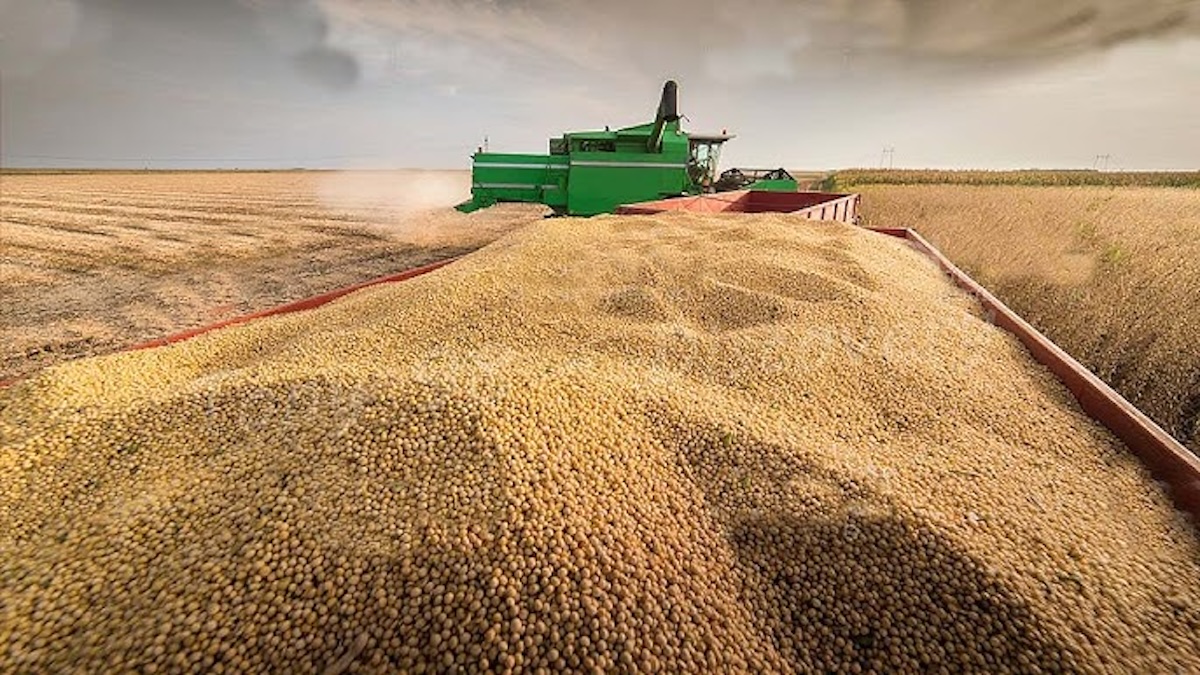
China halts US soybean imports to hit Trump’s MAGA supporters
In a strategic move amid escalating trade tensions, China has ceased its purchases of US soybeans in recent months, significantly impacting the agricultural trade relationship between the two nations. This decision has sent shockwaves through America’s farming community, particularly as both countries prepare for a potential meeting between US President Donald Trump and Chinese President Xi Jinping later this month, though plans remain unconfirmed.
President Trump expressed his concerns in a social media post on October 1, stating, ‘The soybean farmers of our country are being hurt because China is, for ‘negotiating’ reasons only, not buying.’ He added that the US would allocate a portion of tariff revenues to support affected farmers.
Historically, the soybean trade has been a cornerstone of Sino-US agricultural cooperation. Following China’s 2001 accession to the World Trade Organization, the country removed import quotas and imposed a uniform 3% tariff, leading to a surge in US soybean imports. However, the trade war initiated by the Trump administration in 2018 caused a significant decline, with imports dropping from 32.58 million tons in 2017 to 16.64 million tons in 2018. Despite a brief stabilization, the 2022 pandemic further disrupted supplies, prompting China to diversify its sourcing to Brazil and Argentina.
In 2025, US soybean exports to China plummeted to 218 million bushels from January to August, with no deliveries recorded in June, July, and August. This stark decline contrasts with the 985 million bushels shipped in the previous year, which accounted for 51% of the US’s total soybean exports.
Brazil, the world’s largest soybean producer, is expected to harvest 169 million metric tons in the 2024/25 crop year, representing approximately 40% of global output. The US, with a crop of 119 million tonnes, accounts for 28%, meaning the two countries together supply 68% of the world’s soybeans.
A columnist under the pseudonym ‘Old Farmer’ on Guancha.cn criticized the trade standoff, stating, ‘American soybean farmers have become the sacrificial victims of their own domestic political struggle.’ He argued that the tariff war carries limited economic meaning but significant political implications, reflecting the deep ideological rift in the US.
Wang Chong, director of the Center for American Studies at Zhejiang International Studies University, noted that China’s halt in soybean imports has deeply affected farmers in states like Illinois, Iowa, and Minnesota, which are strongholds of Trump’s MAGA movement. He suggested that China could use soybean imports as a bargaining chip in trade talks, seeking concessions such as easing restrictions on chip export controls or opening the US market to Chinese electric vehicles.
The US-China trade standoff intensified on April 2 when Trump announced a plan to impose reciprocal tariffs on all countries, warning of heavier duties for any nation retaliating against the US. Although both sides agreed on May 12 to ease the confrontation, Chinese goods continue to face tariffs ranging from 30% to 50% in the US, while US exporters pay a 10% tariff in China.
The current trade truce is set to expire on November 10 if negotiations fail to progress. Meanwhile, Beijing has ordered its importers not to purchase any US soybeans since May. Chinese Foreign Ministry spokesperson Guo Jiakun emphasized the need for consultation based on equality, respect, and mutual benefit.
In response to the mounting pressure on farmers, the Trump administration is reportedly preparing a $10 billion bailout package to offset losses in export markets. US Treasury Secretary Scott Bessent criticized China’s decision to use American soybean farmers as pawns in trade negotiations.
The halt in China’s soybean purchases has significantly impacted US exports to China, which fell 16.8% in the three months between June and August 2025 compared to the same period last year. This decline underscores the broader implications of the ongoing trade tensions between the two economic giants.
-

Chinese EV giant BYD sees UK sales soar by 880%
Chinese automotive giant BYD has achieved a remarkable milestone in the UK, with its sales skyrocketing by 880% in September compared to the same period last year. The company sold 11,271 vehicles in the UK last month, with the plug-in hybrid version of its Seal U sports utility vehicle (SUV) leading the charge. This surge has positioned the UK as BYD’s largest market outside China, underscoring the growing demand for electric vehicles (EVs) in the region.
-
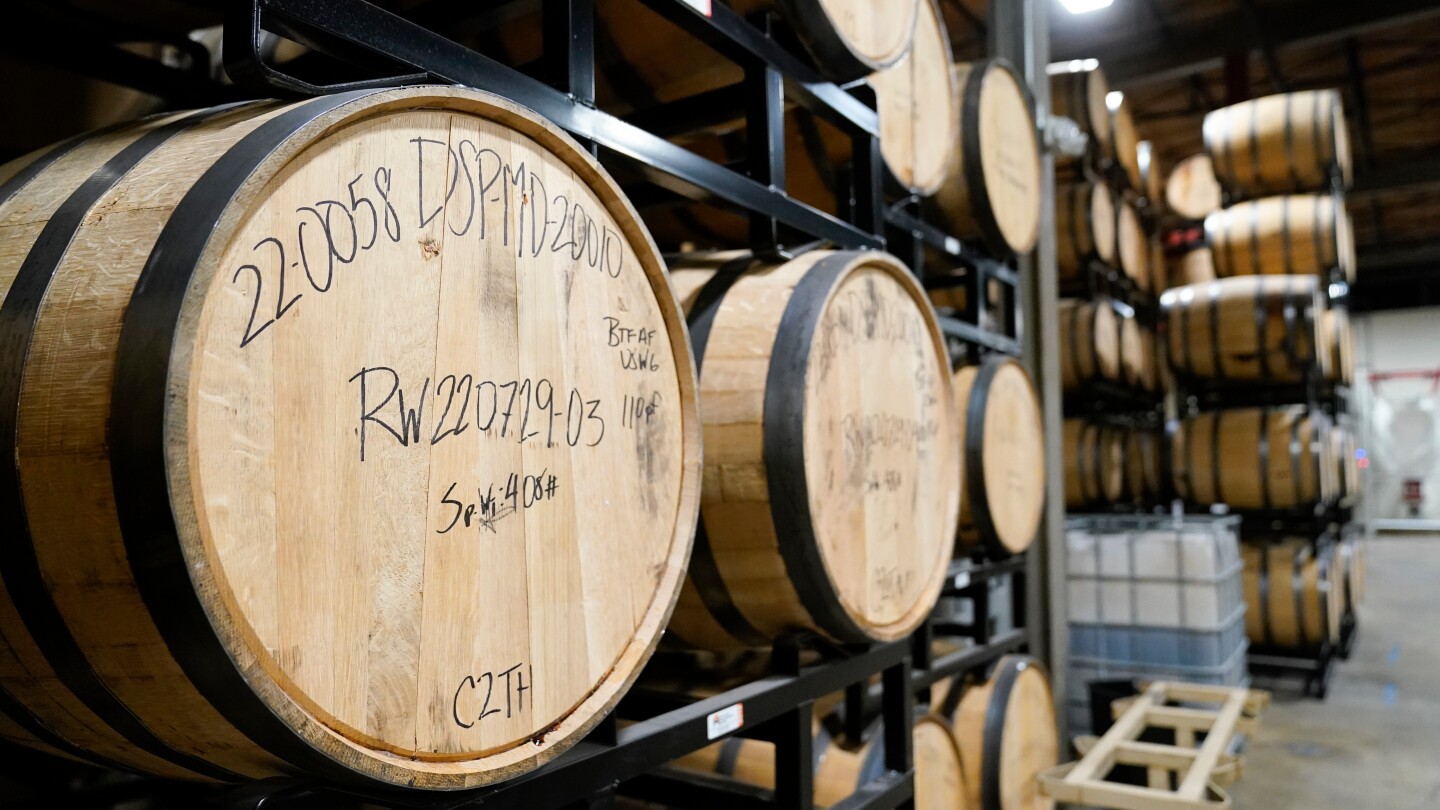
Cold shoulder from Canada is costly for American distillers struggling with global trade tensions
The U.S. spirits industry is grappling with a significant downturn in exports, particularly in key international markets, as global trade tensions continue to take their toll. According to the Distilled Spirits Council of the United States, American spirits exports to Canada plummeted by 85% in the second quarter of 2025, marking the most dramatic decline among major trading partners. This sharp drop comes despite Canada’s recent removal of retaliatory tariffs on U.S. spirits, as provincial bans persist.
-
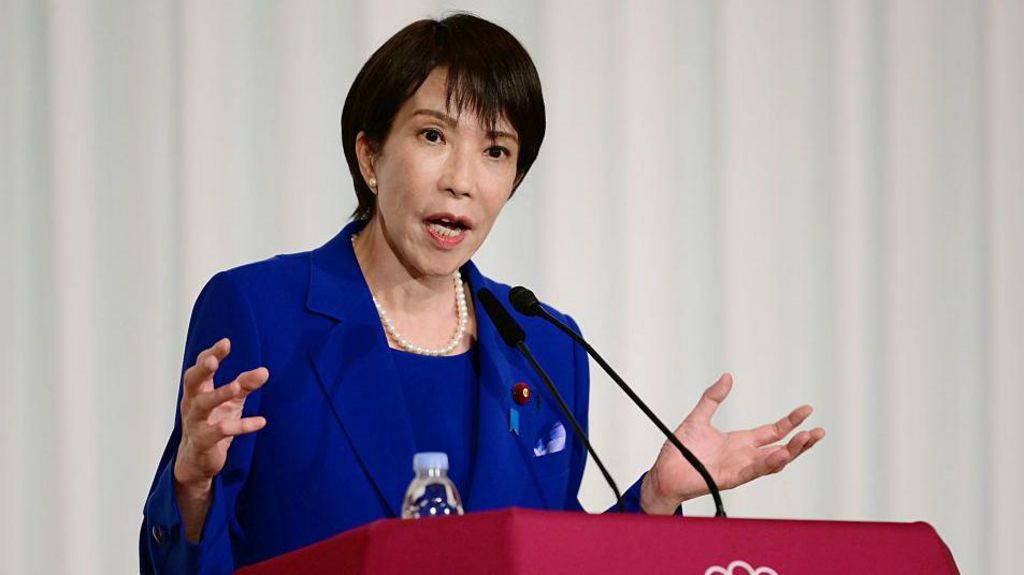
Japan stocks hit record after ruling party names pro-business leader
Japanese financial markets experienced a significant surge as Sanae Takaichi was elected the new leader of the ruling Liberal Democratic Party (LDP), setting the stage for her to become Japan’s next prime minister. The Nikkei 225 index soared by over 4%, surpassing the 47,000 mark for the first time in history. Takaichi, a pro-business politician, is renowned for her advocacy of increased public spending and reduced borrowing costs. Her admiration for former UK Prime Minister Margaret Thatcher and her free-market economic policies have further bolstered investor confidence. Following her victory in the LDP leadership race, shares in real estate, technology, and heavy industry sectors saw notable gains. However, the Japanese yen plummeted to a record low against the euro and dropped by more than 1.5% against the US dollar. If confirmed as the successor to Shigeru Ishiba later this month, Takaichi will make history as Japan’s first female prime minister. She faces the daunting tasks of revitalizing a sluggish economy, addressing rising household costs, and fostering wage growth. Additionally, Takaichi will need to manage the complex US-Japan relationship and finalize a tariff agreement with the Trump administration, a deal initiated by the Ishiba government.
-

US pharmacy chain Rite Aid closes final stores
Rite Aid, once a dominant player in the US pharmacy sector, has officially closed all its remaining stores, marking the end of a 63-year legacy. The company’s website was updated on Saturday with a closure announcement, expressing gratitude to its loyal customers and providing a link for them to access their pharmacy records. Founded in 1962, Rite Aid grew to become one of the nation’s largest pharmacy chains, boasting 5,000 stores at its peak. However, the company has faced significant challenges in recent years, including financial instability and a Justice Department investigation. By the time of its final closure, fewer than 100 stores were still operational. Rite Aid filed for bankruptcy twice, in October 2023 and May 2025, as part of efforts to restructure and address litigation claims. The company also faced legal repercussions for its role in the opioid crisis, settling lawsuits for up to $30 million in 2022 and agreeing to a Justice Department complaint in July 2024 over unlawful prescriptions. The closure of Rite Aid adds to a broader trend of pharmacy chain shutdowns across the US, with CVS and Walgreens also reducing their retail footprints. Experts warn that these closures are contributing to the rise of ‘pharmacy deserts,’ leaving millions of Americans without convenient access to essential medications.
-

The indigenous weavers who aim for empowerment over exploitation
In the vibrant city of Riohacha, Colombia, the traditional Wayuu mochila bags have transcended their indigenous roots to become a global fashion staple. Once exclusive to the Wayuu, Colombia’s largest indigenous group, these handwoven bags are now celebrated worldwide, adorning international boutiques, fashion events, and online platforms like Etsy, Amazon, and Instagram. For Sandra Aguilar, a mochila seller on Riohacha’s palm-lined promenade, each sale is a testament to her heritage. ‘Thanks to online posts, international visitors are becoming very knowledgeable about the mochila,’ she says, highlighting the growing appreciation for its ancestral value. The Wayuu, numbering around 380,000 in Colombia, have woven these bags for centuries, with geometric patterns reflecting clan identity, spirituality, and the natural world. Weaving is not only a cultural practice but also a vital source of income in La Guajira, Colombia’s second-poorest province. While the global demand has brought economic opportunities, it has also introduced challenges, including exploitation and the erosion of traditional craftsmanship. Many artisans face low wages, with intermediaries offering as little as $5.50 per bag, leaving weavers with minimal profit. However, socially-conscious entrepreneurs and organizations are working to promote fair trade and cultural preservation. Laura Chica, founder of Chila Bags, emphasizes the importance of high-quality, traditionally patterned mochilas, ensuring artisans receive fair wages. Her brand has gained international recognition, featured in Vogue China and showcased at fashion weeks worldwide. Yet, the market remains divided. While some brands prioritize sustainability and fair trade, others focus on mass production, often at the expense of quality and fair pay. Organizations like Fundación Talento Colectivo and One Thread Collective are empowering weavers through education and leadership workshops, aiming to foster autonomy and entrepreneurship. Yamile Vangrieken, a weaver from Riohacha, exemplifies this shift. Leading a group of relatives, she collaborates with One Thread Collective to export their bags, providing stable income and microloans. Despite the challenges, the mochila’s rise in global fashion has brought increased recognition to the Wayuu and their artistry. ‘We are also artists, even if we don’t have a title that says so,’ Aguilar asserts. ‘Our essence is in our designs, in our products, and we mustn’t let that go.’
-

How the US got left behind in the global electric car race
The US electric vehicle (EV) market has shown significant growth in recent years, with sales of battery-powered cars reaching 1.2 million in 2023—a fivefold increase from just four years prior. Hybrid vehicle sales have also tripled, and EVs accounted for 10% of total car sales in August, a record high according to S&P Global Mobility. Major automakers like General Motors, Ford, and Tesla reported record EV sales in the past quarter, providing a bright spot in an industry grappling with high interest rates and economic uncertainty. However, analysts attribute this surge to a rush to purchase before the expiration of a $7,500 federal tax credit for EVs, which ended in September. Without this incentive, automakers anticipate a sharp decline in demand. Ford CEO Jim Farley warned that the EV industry will shrink significantly, while General Motors CFO Paul Jacobson predicted a steep drop in demand. Despite recent gains, the US lags behind global leaders in EV adoption. For instance, EVs and hybrids accounted for nearly 30% of sales in the UK and 20% in Europe last year, while China saw EVs make up almost half of its car market. Norway and Nepal have even higher adoption rates. In contrast, the US has been hindered by weaker government support compared to other regions. Former President Joe Biden’s administration implemented measures to boost EV adoption, including stricter emissions rules, fleet purchases, and investments in charging infrastructure. However, former President Donald Trump has criticized these policies, calling climate change a ‘con job’ and advocating for market-driven decisions. High tariffs on Chinese-made cars, supported by both administrations, have also limited competition in the US market. Analysts warn that the combination of expiring subsidies and new tariffs will make 2026 a challenging year for the industry, with overall car sales expected to decline by 2%. While some automakers, like Hyundai, are lowering prices to offset the loss of incentives, others, such as Tesla, are increasing costs. Researchers caution that Trump’s policy changes could further reduce investments in EVs, leaving the US with significant ground to make up in the global EV race.