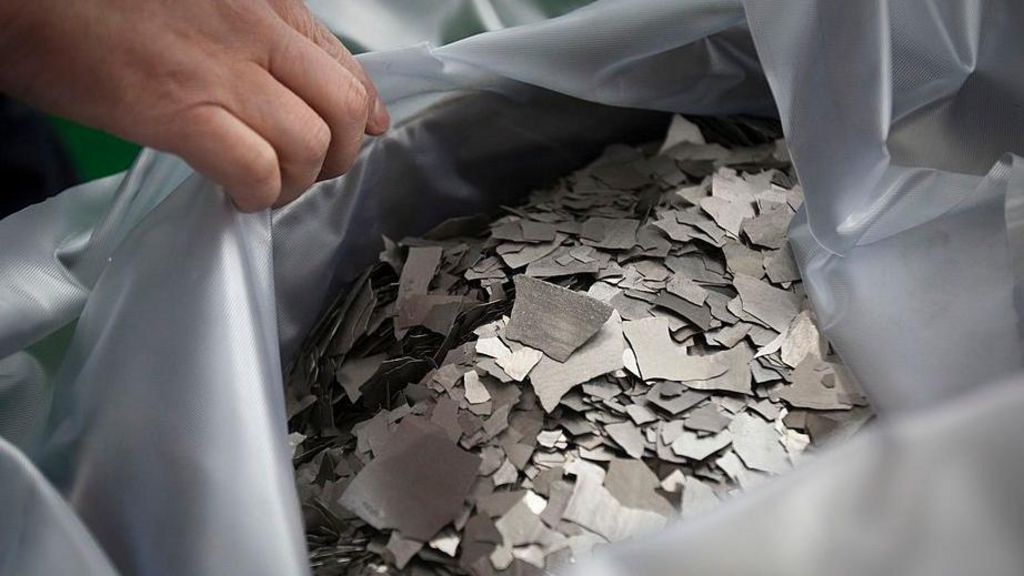
China has significantly strengthened its regulations on the export of rare earth elements, which are vital for the production of high-tech goods ranging from electric vehicles to military equipment. The Ministry of Commerce has formalized existing rules on processing technologies and unauthorized international collaborations, while also signaling a likely halt in exports to foreign arms manufacturers and select semiconductor firms. This move comes amid ongoing trade negotiations between China and the United States, with President Xi Jinping and former U.S. President Donald Trump expected to meet later this month. The new regulations mandate government approval for the export of technologies related to rare earth mining, processing, and magnet production, many of which were already restricted. Additionally, Chinese companies are prohibited from collaborating with foreign entities on rare earth projects without explicit government consent. The announcement also specifies restricted technologies, including mining, smelting, separation, magnetic material manufacturing, and recycling processes. This could significantly impact the U.S., which, despite having a robust rare earth mining industry, lacks sufficient processing capabilities. China dominates the global rare earth market, accounting for 61% of production and 92% of processing, according to the International Energy Agency. The move has raised concerns in Western countries, particularly amid accusations that China has facilitated Russia’s military efforts by exporting dual-use technologies. Beijing has consistently denied these allegations.
分类: business
-
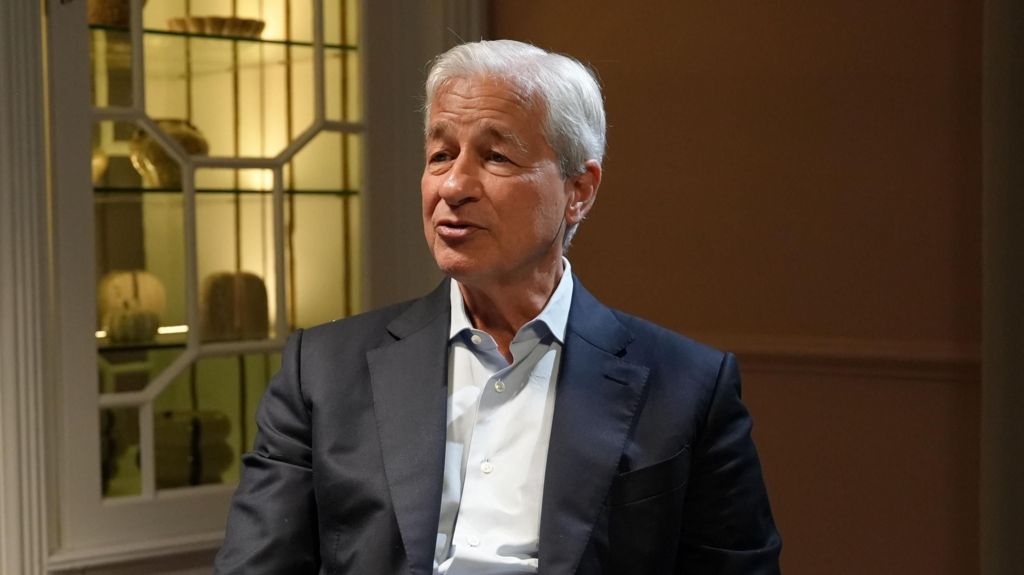
America’s top banker sounds warning on US stock market fall
Jamie Dimon, the CEO of JP Morgan, has expressed heightened concerns about a potential significant downturn in the US stock market, suggesting that the risk is greater than what is currently reflected in market valuations. In a comprehensive interview with the BBC, Dimon indicated that a serious market correction could occur within the next six months to two years. He emphasized that the current geopolitical climate, fiscal spending, and global remilitarization are contributing to an atmosphere of uncertainty, which he believes is underappreciated by most investors.
Dimon also touched on the rapid growth of the stock market, largely driven by investments in artificial intelligence (AI). He drew parallels to the dot-com boom of the late 1990s, cautioning that the valuations of AI tech companies appear stretched and could lead to a sharp correction. While he acknowledged the transformative potential of AI, he warned that not all investments in the sector would yield positive returns, with some likely resulting in losses.
In addition to his market concerns, Dimon highlighted the US’s declining reliability as a global partner, attributing some of this to the Trump administration’s actions. He noted, however, that these actions have spurred Europe to address underinvestment in NATO and improve its economic competitiveness. Dimon also shared optimism about potential progress in US-India trade negotiations, suggesting that a deal to reduce tariffs on India could be imminent.
On the domestic front, Dimon reiterated his concerns about inflation but expressed confidence in the Federal Reserve’s independence, despite ongoing criticisms from the Trump administration. He also dismissed speculation about his political ambitions, stating that his primary focus remains on maintaining JP Morgan’s health and vitality.
During his visit to Bournemouth, Dimon announced a £350 million investment in JP Morgan’s campus there, alongside a £3.5 million philanthropic commitment to local non-profits. UK Chancellor Rachel Reeves praised the investment, noting its positive impact on the local economy and employment.
Dimon’s broader reflections included a call for increased military investment to address global security risks, emphasizing the importance of preparedness in an increasingly dangerous world.
-
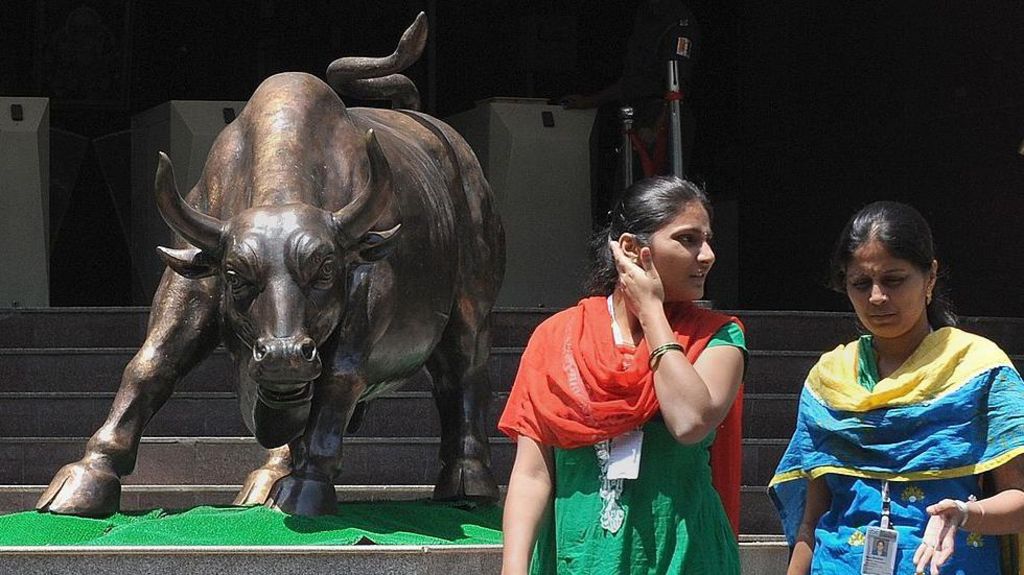
India’s fundraising gold rush is raising thorny questions
India’s stock market is witnessing an unprecedented surge in initial public offerings (IPOs), driven largely by retail investors, even as global uncertainties and geopolitical tensions loom. The country’s IPO market has become a magnet for companies across diverse sectors, from tech startups to established conglomerates, raising billions of dollars in 2025. According to Kotak Mahindra Capital Company, 79 companies have collectively garnered $11.5 billion in the first nine months of the year, with another $10-11 billion expected in the final quarter, pushing the total IPO fundraising beyond $20 billion. This excludes contributions from small and medium-sized enterprises, further highlighting the market’s vibrancy.
-
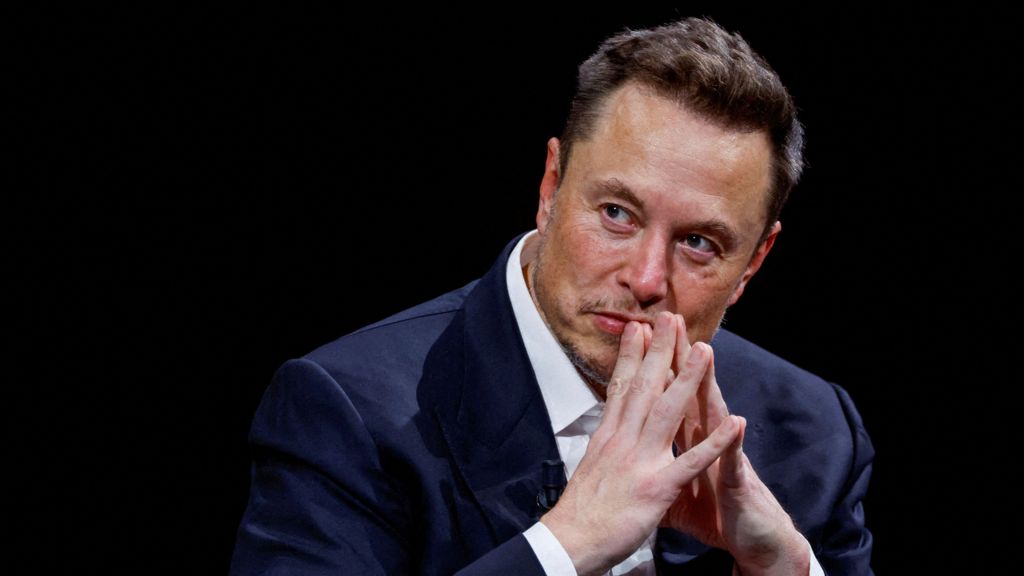
Musk settles former Twitter executives’ suit over unpaid severance
Elon Musk, the CEO of SpaceX and Tesla and owner of X (formerly Twitter), has agreed to settle a $128 million lawsuit filed by four former top executives of the social media platform. The lawsuit, initiated by ex-CEO Parag Agrawal, former CFO Ned Segal, former chief legal officer Vijaya Gadde, and former general counsel Sean Edgett, alleged that Musk fired them without cause after acquiring Twitter in 2022 and denied them severance payments. The executives claimed they were entitled to one year’s salary and stock awards under a pre-existing severance plan. The settlement, disclosed in a court filing last week, requires certain conditions to be met in the near term, though specific terms remain undisclosed. This case is one of several legal disputes Musk has faced over unpaid severance since taking over Twitter. In August, Musk and X settled a separate $500 million lawsuit with approximately 6,000 former employees who argued they were owed severance pay. Musk’s acquisition of Twitter for $44 billion in 2022 was followed by significant layoffs, reducing the workforce by more than half. The former executives also contended that Musk falsely accused them of misconduct to justify their termination, allegedly due to his frustration over being compelled to complete the purchase.
-
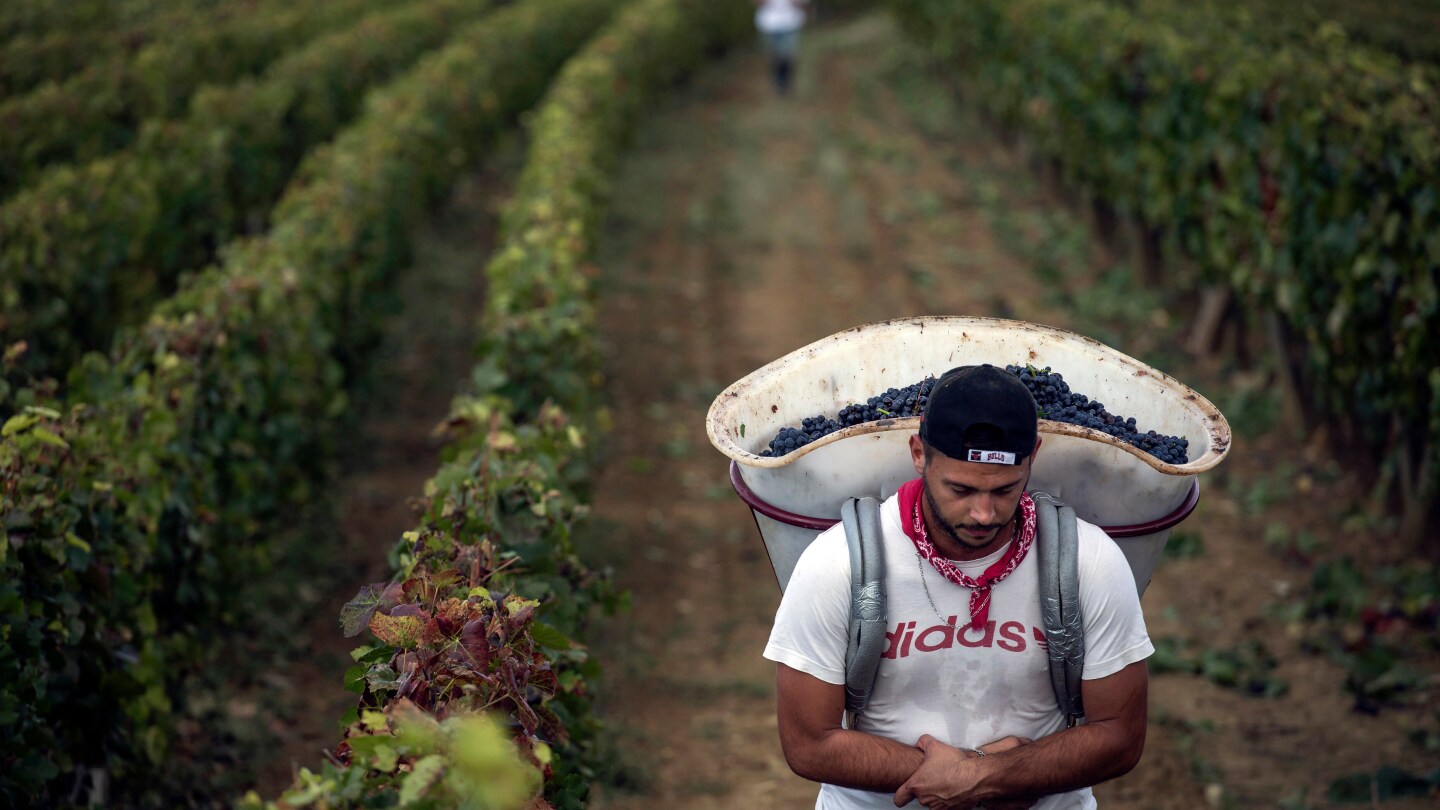
The EU offers new protections for farmers as it seeks to build support for Mercosur trade deal
The European Union’s executive arm has introduced comprehensive measures to shield its agricultural sector from potential adverse effects of the landmark trade agreement with the Mercosur bloc. The deal, involving Brazil, Argentina, Uruguay, Paraguay, and Bolivia, aims to eliminate tariffs on nearly all goods traded between the two regions over the next 15 years. If ratified, it would establish one of the world’s largest free trade zones, encompassing 780 million people and nearly a quarter of global GDP. However, European farmers have expressed strong opposition, fearing unfair competition from South American imports. The newly proposed mechanisms would empower farmers to lodge complaints and trigger investigations into trade imbalances caused by the agreement. The European Commission has pledged swift action in cases of unforeseen import surges or price drops, with special protections for sensitive sectors like beef, eggs, and ethanol. The deal, finalized in December after 25 years of negotiations, awaits approval from EU member states and the European Parliament. Agriculture remains a cornerstone of the EU’s economy and culture, with exports totaling €235.4 billion in 2024. Yet, the sector faces mounting tensions, exacerbated by recent protests and political pressures. While proponents argue the deal will save businesses €4.26 billion annually by reducing tariffs and bureaucracy, critics warn of environmental harm and unfair competition for local producers.
-
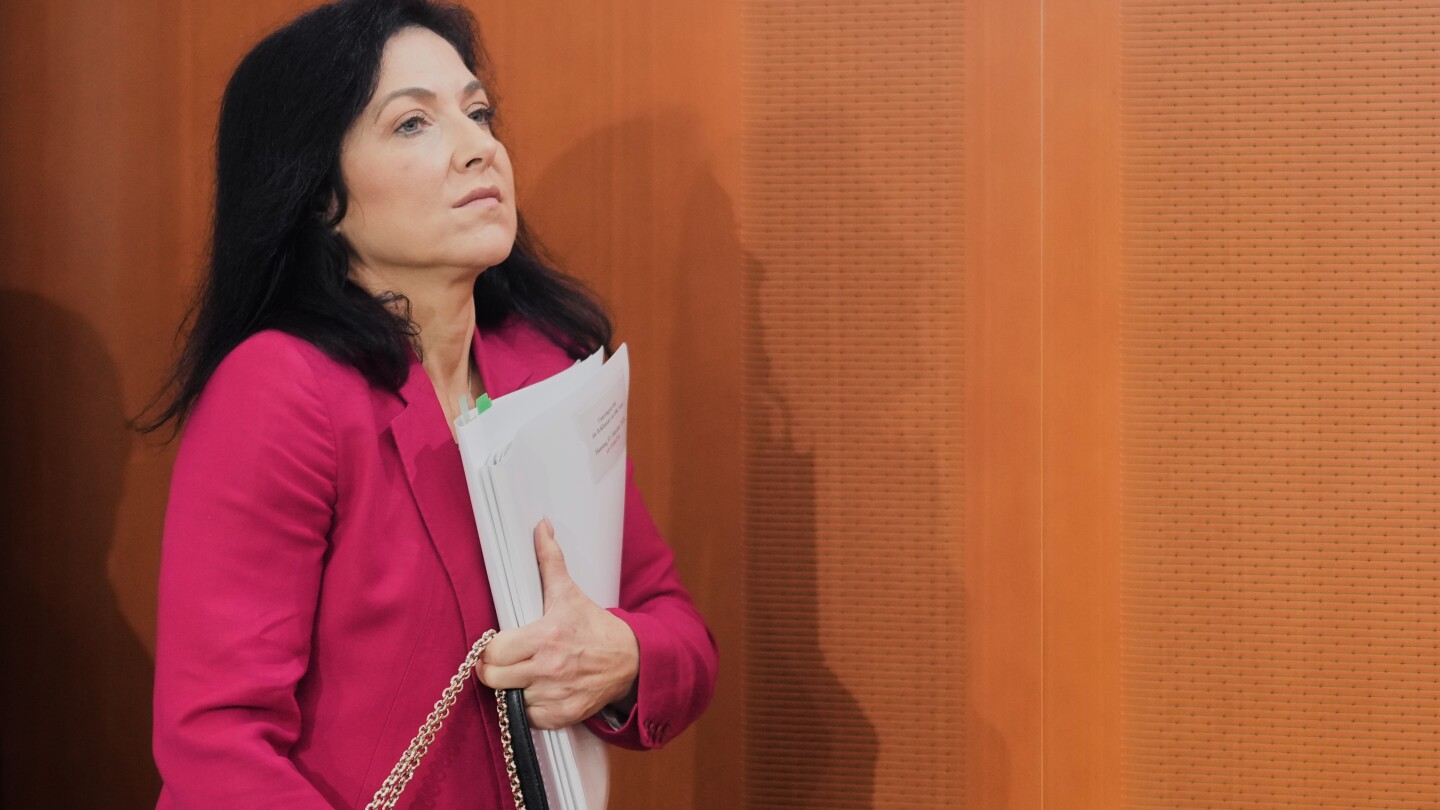
Germany revises 2025 growth forecast to 0.2%, rising to 1.3% next year
Germany’s newly formed government has unveiled its economic projections, anticipating a modest growth rate of 0.2% for the current year, with forecasts of 1.3% in 2026 and 1.4% in 2027. This outlook marks a slight improvement over the previous administration’s April forecast, which predicted zero growth for 2025 and 1% expansion in 2026. The German economy, which has contracted over the past two years and stagnated for an extended period, is now a focal point for Chancellor Friedrich Merz’s administration, which assumed office in early May. Economy Minister Katherina Reiche emphasized the urgency of addressing competitiveness and innovation, stating, ‘We need to act, now.’ She highlighted that a significant portion of the projected growth hinges on swift government spending, which requires accelerated planning and approval processes—areas where Germany has historically lagged. Reiche also stressed the need for comprehensive reforms, including reducing energy costs, fostering private investment, lowering the tax burden, dismantling bureaucratic hurdles, opening markets, and enabling innovation. To bolster economic revitalization, Merz’s government has initiated a program to encourage investment and established a 500 billion-euro ($584 billion) fund aimed at modernizing Germany’s aging infrastructure over the next 12 years. Additionally, the administration has pledged to streamline regulatory processes and expedite the country’s digital transformation. In a show of confidence, a consortium of companies committed in July to invest at least 631 billion euros in Germany over the next three years, including some previously planned investments. Despite Germany’s historical dominance in global trade, particularly in engineered products like industrial machinery and luxury cars, the nation faces mounting challenges, including competition from Chinese manufacturers and external risks such as tariffs and trade threats from the U.S. under former President Donald Trump.
-
COMESA states urged to align tax policies with regional commitments
The Common Market for Eastern and Southern Africa (COMESA), a 21-member regional economic bloc, has called on its member states to align their domestic tax policies with regional commitments and dismantle protectionist measures that impede cross-border investment and disrupt supply chains. This appeal was made during the 18th COMESA Business Forum held in Nairobi, Kenya, where leaders emphasized the detrimental effects of local taxes and levies on intra-regional imports, which distort markets and undermine free trade principles. Kenya’s Deputy President, Kithure Kindiki, warned that such practices could reverse years of progress toward regional integration and shared prosperity. He urged member states to prioritize agriculture, digitalization, and partnerships as key drivers of economic transformation. Kindiki also highlighted Kenya’s upcoming chairmanship of COMESA, during which the country aims to boost intra-regional trade, currently at a low 17 percent, by moving beyond raw material exports to higher-value, processed goods. He stressed that value addition incentivizes industrialization, enhances productivity, and promotes competitiveness. Kindiki called for a new era of regional integration anchored on digital transformation and value chain development, emphasizing the importance of empowering people, leveraging technology, and fostering collaboration. Hitesh Mediratta, Vice Chair of the Kenya Association of Manufacturers, echoed these sentiments, warning that rising domestic taxes and excise duties on intermediate and raw materials risk disrupting regional markets and discouraging cross-border investment. He called for urgent alignment of national tax regimes with regional commitments to protect the integrity of free trade within COMESA. Lee Kinyanjui, Kenya’s Cabinet Secretary for Investments, Trade, and Industry, noted that improving regional trade, digital connectivity, and the free movement of people are crucial to unlocking COMESA’s economic potential. He lauded Kenya’s recent decision to abolish visa requirements for all Africans, which he said would enhance business mobility and cross-border trade. COMESA Secretary General Chileshe Kapwepwe highlighted that most trade constraints could be addressed through political will, citing integrated border management systems and smart border technologies as key solutions.
-
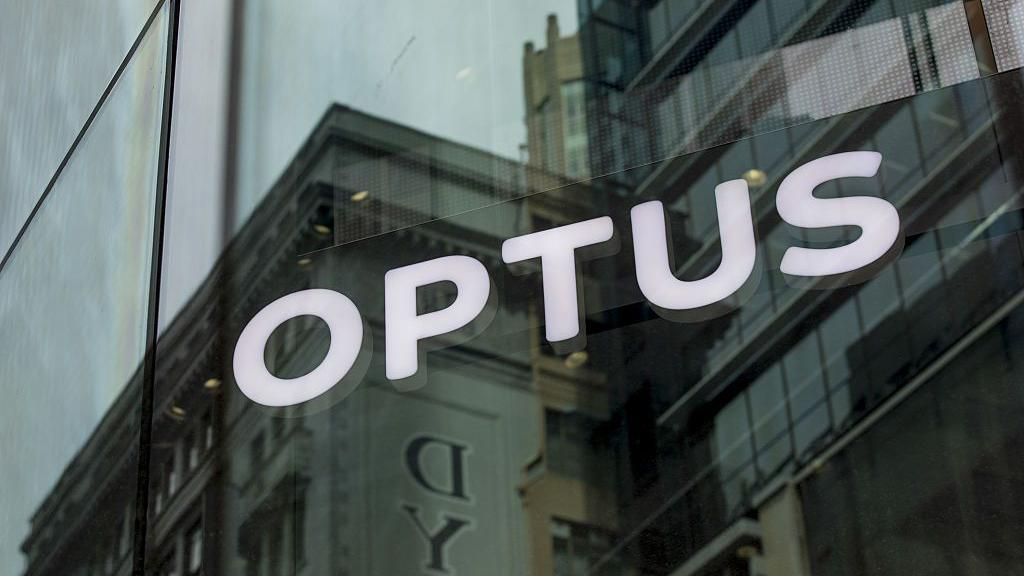
Telecoms company sent emails to wrong addresses during deadly outage
Optus, one of Australia’s largest telecommunications providers, is facing intense scrutiny following revelations of its mishandling of a severe outage on 18 September, which has been linked to four deaths, including that of an eight-week-old baby. During a parliamentary hearing, it was disclosed that Optus sent emails about the outage to an incorrect email address at the Department of Communications, where they remained unread for over a day. The emails significantly downplayed the severity of the incident, claiming only 10 emergency calls were affected, while in reality, more than 600 calls failed over 13 hours. Authorities were only informed of the outage more than 36 hours after it began, via the industry regulator. Australia’s Deputy Secretary for Communications, James Chisholm, criticized Optus for not adhering to protocols, including redirecting triple-0 calls to other providers during outages. The outage occurred during a routine firewall upgrade, deviating from standard procedures. Singapore’s Prime Minister Lawrence Wong, currently on an official visit to Australia, expressed condolences and emphasized the need for accountability. Optus, owned by Singapore’s Singtel, is under investigation by Australia’s media regulator for potential legal breaches. This incident adds to Optus’ troubled history, including a 2022 cyberattack and a 2023 nationwide outage. Calls for the resignation of current CEO Stephen Rue and the revocation of Optus’ operating license are growing among lawmakers.
-
World’s first resort hospital opens in gambling hub Macau
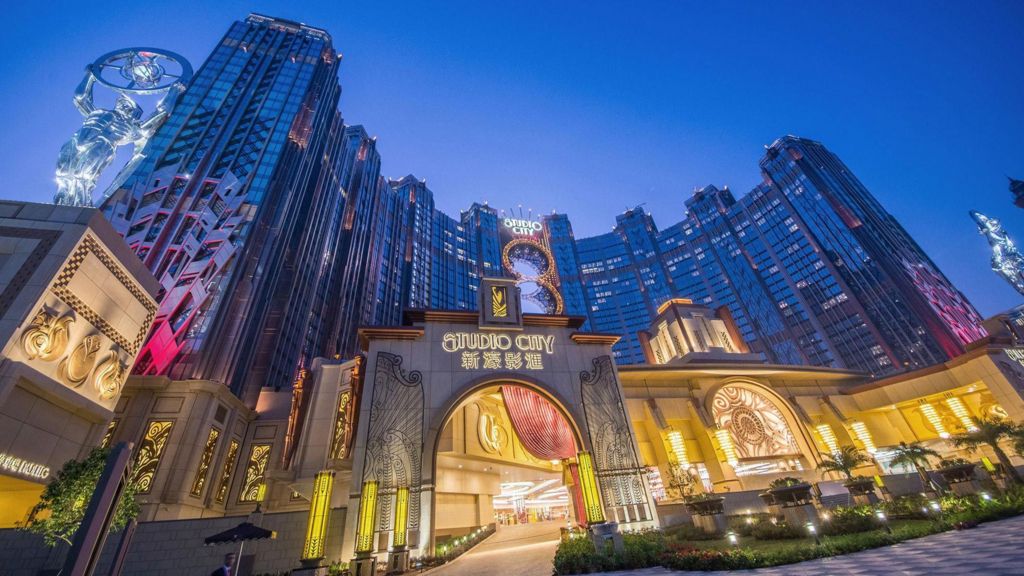
Macau, long celebrated as the world’s premier gambling destination, is now setting its sights on becoming a global leader in healthcare tourism. In a groundbreaking move, the city’s Studio City, a Hollywood-themed casino and entertainment resort owned by Hong Kong-based Melco Resorts and Entertainment, has launched its first-ever resort hospital. This innovative facility, opened in collaboration with Hong Kong’s iRad Hospital, specializes in health screenings, advanced MRI scans, and cosmetic procedures, offering a seamless blend of luxury medical services and leisure. Lawrence Ho, CEO of Melco Resorts, emphasized that this project is designed to promote medical tourism, generate employment, and integrate healthcare with entertainment under one roof. The initiative aligns with Macau’s broader economic diversification strategy, which seeks to reduce the city’s reliance on gaming and expand into sectors like healthcare, technology, and events. With nearly 40 million annual visitors, Macau presents a unique opportunity to emerge as a top destination for medical tourism, according to iRad’s honorary chairman, Dennis Tam. The global medical tourism industry, valued at tens of billions of dollars, is poised for significant growth, with Asia leading the charge. Countries like South Korea and Singapore have already established themselves as hubs for cosmetic surgeries and advanced medical treatments, while Turkey attracts millions for procedures such as transplants and dentistry. Macau’s latest venture marks a pivotal step in its transformation into a multifaceted tourism powerhouse.
-
Chinese construction firms changed the way they operate in Africa
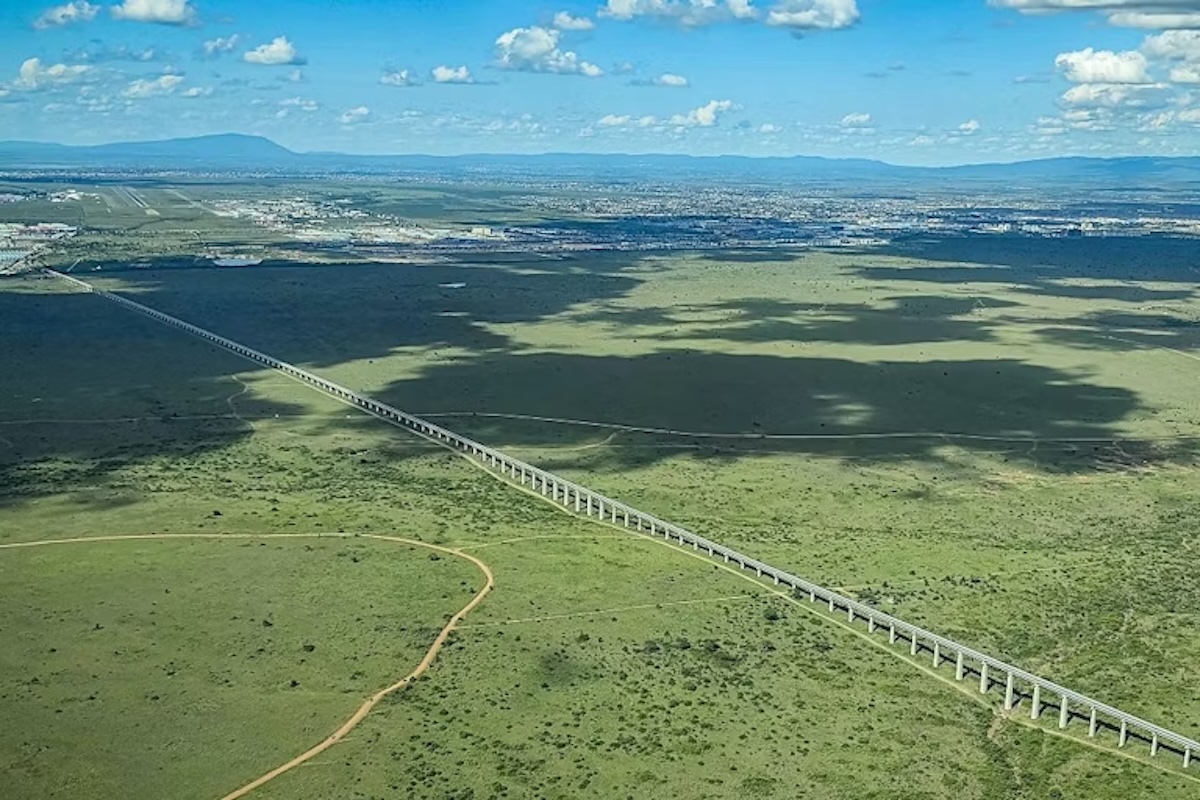
Over the past two decades, Chinese construction companies have been a dominant force in Africa’s infrastructure development, largely fueled by substantial financial backing from Chinese banks. Between 2000 and 2019, Chinese lenders committed nearly $50 billion to African transport projects, primarily through development finance institutions. However, since 2019, this funding has significantly dwindled, with only $6 billion allocated to infrastructure projects. Despite this decline, Chinese companies continue to flourish across the continent, maintaining their market leadership in countries like Ethiopia, Ghana, and Kenya. A recent study sheds light on the strategies that have enabled these firms to sustain and expand their presence in Africa. The research, conducted through extensive fieldwork in China, Kenya, and Ghana, identifies three key drivers of their success. First, Chinese companies leverage their ties to the Chinese state to establish and maintain their market presence, particularly in projects aligned with African development agendas. Second, they build trust-based relationships with other companies, governments, and international organizations, enabling them to secure cross-border projects. Third, they cultivate everyday relations with local politicians, officials, and business elites, embedding themselves deeply in local political and business environments. The study emphasizes that while state support is crucial for market entry, it is the firms’ ability to adapt and shift between these strategies that ensures their survival and expansion. This flexibility allows them to compete effectively in international tenders, partner with other multinationals, and adapt to local conditions. The findings also challenge the perception that Chinese companies are mere extensions of China’s foreign policy, highlighting their increasingly independent and competitive behavior. For African governments, this shift presents both opportunities and responsibilities in shaping the role of Chinese firms in their economies. The next phase of Africa-China infrastructural engagement will likely be driven by operational contexts, diverse alliances, and a competitive global market rather than large Chinese loan packages.