
The Shijiazhuang International Inland Port in Hebei Province has set a new benchmark in 2025 by handling 866 China-Europe freight train trips as of October 16, surpassing the previous year’s total of 839. This milestone underscores the port’s escalating significance as a pivotal logistics hub for cross-border trade. On average, three to four freight trains depart or arrive at the port daily, reflecting robust demand for international trade and enhanced logistics services. Liu Jinpeng, the port’s general manager, attributed this growth to innovative service models, including consolidated shipping for mixed goods and improved transport coordination, which have significantly boosted operational efficiency. This year, the trains have transported over 89,000 twenty-foot equivalent units (TEUs) of goods, with a total value nearing 10 billion yuan ($1.4 billion). The export portfolio has diversified to include higher-value products such as machinery, auto parts, and photovoltaic modules from Hebei, while imports like timber and fertilizer from Belt and Road Initiative countries are efficiently reaching the Chinese market through this vital port.
分类: business
-

China’s electricity consumption maintains steady growth in September
China’s electricity consumption, a critical indicator of economic vitality, demonstrated consistent growth in September 2025, increasing by 4.5 percent year-on-year to reach 888.6 billion kilowatt-hours, as reported by the National Energy Administration. This upward trend was particularly notable in the primary and secondary industries, which saw rises of 7.3 percent and 5.7 percent, respectively. The tertiary sector also experienced a significant boost, with a 6.3 percent increase in power usage. However, residential electricity consumption declined by 2.6 percent, totaling 128.7 billion kilowatt-hours. The China Electricity Council attributed the overall growth to a combination of unusually hot summer weather and government initiatives aimed at stabilizing industrial output. Jiang Debin, deputy director of the council’s statistics and data center, highlighted the sustained impact of robust macroeconomic policies supporting economic recovery, which drove high electricity consumption levels in July and August. From January to September, China’s total electricity use climbed 4.6 percent to nearly 7.77 trillion kilowatt-hours. Notably, the rapid expansion of mobile internet, big data, and cloud computing fueled a 33.8 percent year-on-year surge in electricity consumption by the internet and related services sector during the third quarter. Additionally, the electric vehicle industry continued its rapid growth, with electricity consumption for charging and battery swap services skyrocketing by 49.6 percent year-on-year.
-
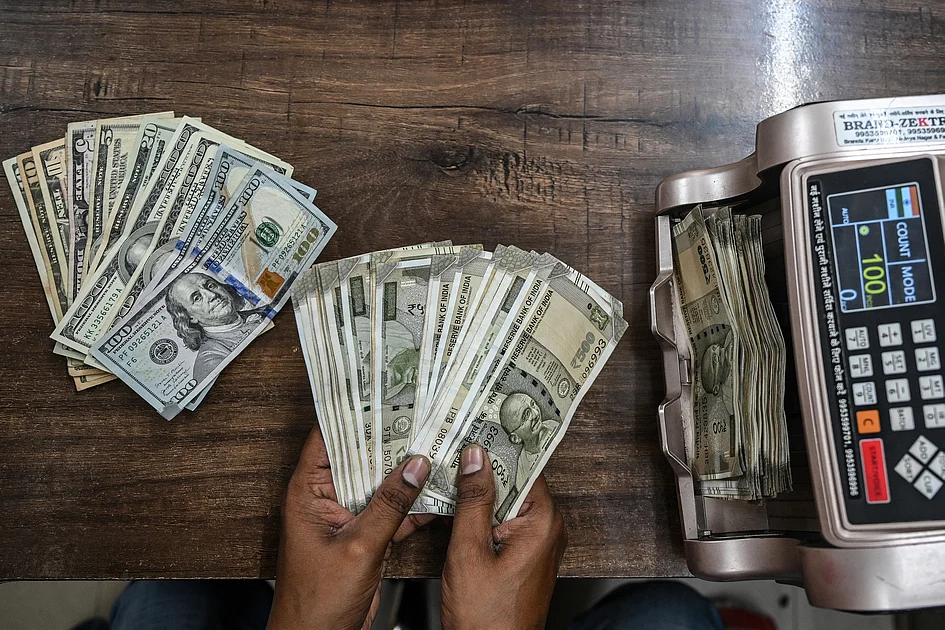
Indian rupee shows modest recovery; should expats remit now?
The Indian rupee has recently displayed a modest recovery against the US dollar, sparking discussions among Indian expatriates in the UAE about the optimal timing for remittances. Over the past month, the rupee has shown resilience, climbing from a peak of 88.87 to 87.80 against the dollar, marking its longest stretch of gains since June. This uptick has been bolstered by the Reserve Bank of India’s (RBI) proactive interventions in the foreign exchange markets, aimed at stabilizing the currency. As of October 23, 2025, the rupee was trading at 23.92 per UAE dirham, up from 24.20 earlier in the month. Despite these gains, analysts caution that the rupee remains vulnerable to persistent macroeconomic challenges, including a widening trade deficit and geopolitical uncertainties. The RBI’s strategic interventions, including dollar-selling operations and liquidity infusions, have provided short-term support, but the currency’s medium-term outlook remains uncertain. With forecasts predicting continued volatility, expats are advised to consider remitting funds while the rupee shows signs of strength, before potential further depreciation.
-

President Trump pardons Binance founder Changpeng Zhao
In a significant development for the cryptocurrency industry, former US President Donald Trump has granted a pardon to Changpeng Zhao, the founder of Binance, the world’s largest cryptocurrency exchange. Zhao, widely known as “CZ,” was sentenced to four months in prison in April 2024 after pleading guilty to violating US money laundering laws. Binance was also fined $4.3 billion following a US investigation that revealed the platform had enabled users to circumvent sanctions. White House Press Secretary Karoline Leavitt criticized the Biden administration’s handling of Zhao’s case, labeling it part of a broader “war on cryptocurrency.” She argued that Zhao was unfairly targeted despite no allegations of fraud or identifiable victims, and that the prosecution’s push for a three-year sentence had tarnished the US’s global reputation. “The Biden Administration’s war on crypto is over,” Leavitt declared. Trump’s pardon of Zhao aligns with his administration’s pro-cryptocurrency stance, which contrasts sharply with the policies of his predecessors. Trump has pledged to position the US as the “crypto capital” of the world, a vision underscored by the release of his own digital coin shortly before his inauguration in January. Since then, he has advocated for the creation of a national cryptocurrency reserve and sought to ease restrictions on using retirement savings for crypto investments. Reports from The Wall Street Journal indicate that representatives of the Trump family, who own the crypto firm World Liberty Financial, have recently engaged in discussions with Binance. The company has reportedly spent nearly a year lobbying for Zhao’s pardon, which comes after he completed his prison sentence in September 2024. Binance, headquartered in the Cayman Islands, continues to dominate the global cryptocurrency market as the most popular platform for trading digital assets. Zhao stepped down as CEO in November 2023, acknowledging his mistakes and emphasizing the importance of accountability. US officials had previously accused Binance and Zhao of “wilful violations” of US laws, alleging that the platform’s negligence facilitated illicit financial activities, including funding for terrorists and cybercriminals. Former Treasury Secretary Janet Yellen condemned Binance for prioritizing profits over legal obligations, stating that its failures had jeopardized US financial security.
-

Pump prices could rise after US, EU hit Russian oil companies with new sanctions and oil spikes
In a significant move to pressure Russia amid its ongoing conflict with Ukraine, the United States imposed sweeping sanctions on Russia’s oil industry on Thursday. This decision sent shockwaves through global energy markets, with U.S. benchmark crude prices surging by 6% to $62 per barrel. Analysts predict that American consumers could soon face higher gasoline prices, with the full impact expected to materialize within days. Patrick De Haan, head of petroleum analysis at GasBuddy, noted that while the exact timeline remains uncertain, motorists are likely to see price increases at the pump as early as next week. The sanctions target major Russian oil companies, including Rosneft and Lukoil, and come in response to bipartisan calls for stronger economic measures against Moscow. The European Union also announced parallel sanctions on Russian oil and gas, further intensifying the global response. Brent crude, the international benchmark, rose by $3.57 to $66.15 per barrel, reflecting the market’s reaction to the geopolitical tensions. The OPEC+ alliance, which includes Russia as a key non-OPEC member, has been gradually increasing oil production this year, but the new sanctions could disrupt this stability. The broader economic implications include potential inflationary pressures, as higher energy costs often ripple through various industries, affecting prices for goods and services. The situation remains fluid, with analysts suggesting that the duration of these price increases will depend on how Russia and the U.S. respond in the coming weeks.
-
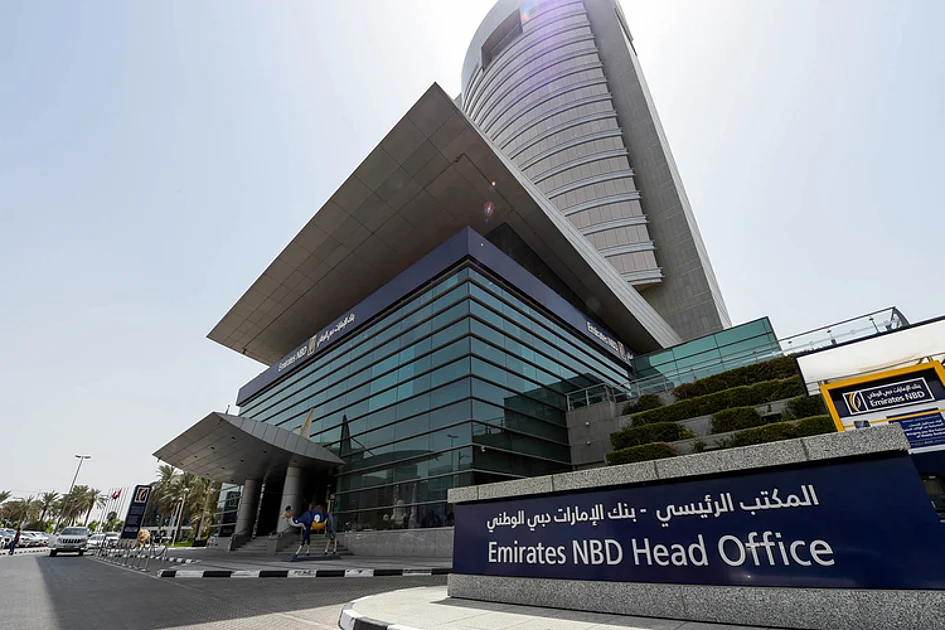
Dubai-based Emirates NBD’s profit before tax surges to Dh23.4 billion
Emirates NBD, one of the Middle East’s leading banking groups, has announced a remarkable financial performance for the first nine months of 2025, with income soaring to Dh36.7 billion. The bank’s operating profit rose by 10% year-on-year to Dh25.5 billion, while profit before tax climbed 6% to Dh23.4 billion, despite reduced recoveries in the third quarter. This robust growth was driven by exceptional loan and deposit expansion across all regions and segments, offsetting the impact of global interest rate cuts.
-

Dubai Mansions: Emaar launches new Dh100-billion ultra-luxury residential project
Emaar Properties, a leading master developer, has announced the launch of its ambitious Dh100-billion Dubai Mansions project, set to redefine luxury living in the heart of Emaar Hills, Dubai’s newest master-planned community. The project will feature 40,000 ultra-luxury mansions, each ranging from 10,000 to 20,000 square feet, offering unparalleled opulence and exclusivity. Residents will enjoy direct access to a championship golf course, state-of-the-art wellness and leisure facilities, premium retail destinations, and meticulously landscaped parks designed to foster a sense of community and balance. Mohamed Alabbar, founder of Emaar, described Dubai Mansions as the crown jewel of Emaar Hills, emphasizing its unmatched attention to detail and its embodiment of harmony, prestige, and a lifestyle that is unrivaled globally. The project is poised to solidify Dubai’s reputation as a hub for ultra-luxury real estate, attracting discerning buyers from around the world.
-
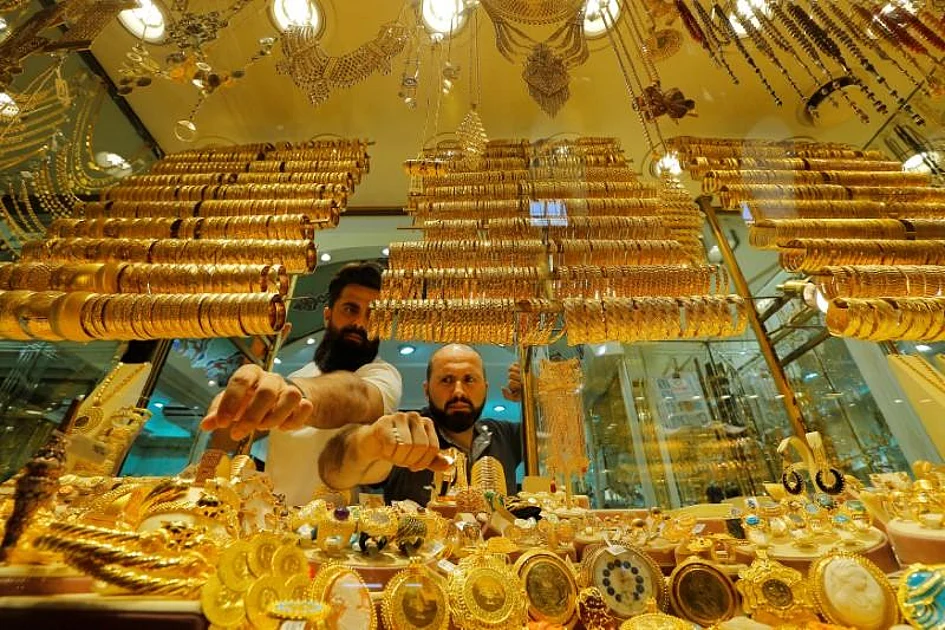
Diwali gold buying ends in losses: UAE shoppers lose thousands of dirhams as prices fall
Gold buyers in the UAE who made purchases during the Diwali festival are facing significant short-term losses as gold prices plummeted shortly after the celebrations. According to analysts and jewellers, the sharp decline in gold prices has resulted in losses amounting to thousands of dirhams for many shoppers. Despite this immediate setback, many residents view their gold purchases as long-term investments, valuing the precious metal for its stability and enduring worth. Vijay Valecha, Chief Investment Officer at Century Financial, noted that 24-karat gold in Dubai reached a record high of Dh525.25 per gram on October 21, driven by festive demand and global safe-haven trends. However, prices dropped sharply to Dh485 per gram by the evening, marking a significant decline of nearly Dh30 per gram. This trend continued, with prices falling further to Dh484 per gram on October 22, exacerbating losses for buyers. Vinita Hirani, a long-time UAE resident, emphasized the long-term value of gold, stating that it remains a more stable asset compared to volatile options like Bitcoin. Varun Bafna, co-founder of Amari Capital, attributed the price drop to global profit-booking after weeks of record highs. Anuraag Sinha, Managing Director at Liali Jewellery, highlighted the financial impact, noting that a 10-gram purchase at peak prices during Diwali would now cost Dh300 less, excluding additional charges like making fees and design premiums.
-
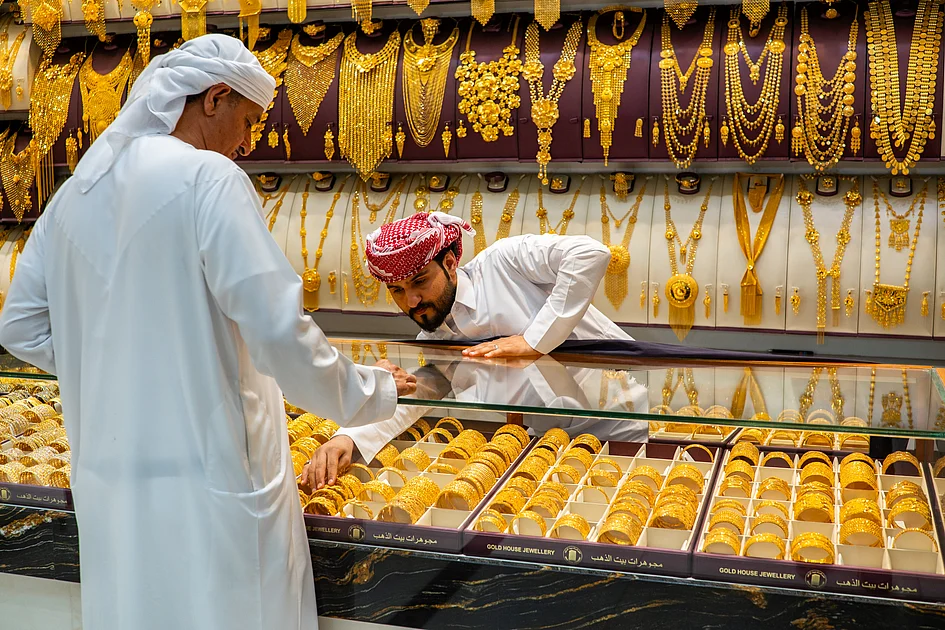
Dubai: Gold prices recover after big sell-off over the past couple of days
Gold prices in Dubai experienced a notable recovery on Thursday morning, rising by nearly Dh6 per gram after a significant sell-off in the previous days. The precious metal surged above $4,100 per ounce, marking a partial rebound from its recent losses. According to data from the Dubai Jewellery Group, 24K gold was trading at Dh496.5 per gram, up from Dh490.5 at Wednesday’s market close. Other variants of gold, including 22K, 21K, and 18K, also saw increases, trading at Dh459.75, Dh440.75, and Dh377.75 per gram, respectively. Spot gold prices climbed to $4,131.28 per ounce, reflecting a 2% rise. Ipek Ozkardeskaya, a senior analyst at Swissquote, attributed the recent sell-off to overbought market conditions and heightened volatility. She noted that the gold volatility index had reached its highest level since March 2022, historically followed by a 20% price retreat. Despite the potential for further pullbacks, Ozkardeskaya emphasized gold’s enduring role as a safe-haven asset for investors, including retail, institutions, and central banks, amid concerns over sovereign debt, geopolitical tensions, and inflation.
-

Top Luxury Property expands presence with new Abu Dhabi branch
Top Luxury Property, a leading UAE-based real estate firm, has unveiled its latest branch in Abu Dhabi, marking a significant milestone in its nationwide expansion strategy. The new office, strategically located in the capital, aims to cater to the burgeoning demand for high-end residential and investment properties in the emirate. The inauguration ceremony drew notable figures from Abu Dhabi’s real estate and economic development sectors, alongside the company’s senior leadership. The branch will specialize in offering residential property services and market advisory support, with a focus on key developments such as Saadiyat Island, Yas Island, Al Reem Island, and Al Raha Beach. Manuj Garg, CEO of Top Luxury Property, emphasized the move as a natural progression in the company’s mission to bolster the UAE’s evolving real estate landscape. He highlighted Abu Dhabi’s robust growth potential and the branch’s role in delivering localized expertise while fostering a sustainable and diverse property market. The new branch will feature teams skilled in property consulting, market analysis, and legal advisory, complemented by digital tools that provide clients with access to property data, virtual tours, and online transaction services. This expansion aligns with broader trends in the UAE’s real estate sector, where firms are increasingly establishing a presence across multiple emirates to meet rising investor interest. Top Luxury Property’s existing operations in Dubai, Ras Al Khaimah, Sharjah, and Umm Al Quwain have been driven by structured market practices and data-led frameworks, which will now be extended to Abu Dhabi to ensure operational consistency and enhance collaboration among developers, financiers, and end-users. The launch event also included a networking session, where industry representatives discussed current trends shaping Abu Dhabi’s luxury real estate market and explored opportunities for cross-emirate collaboration in investment and property management. This move underscores Top Luxury Property’s commitment to supporting the UAE’s national economic diversification goals and contributing to the sustainable development of the country’s property sector.