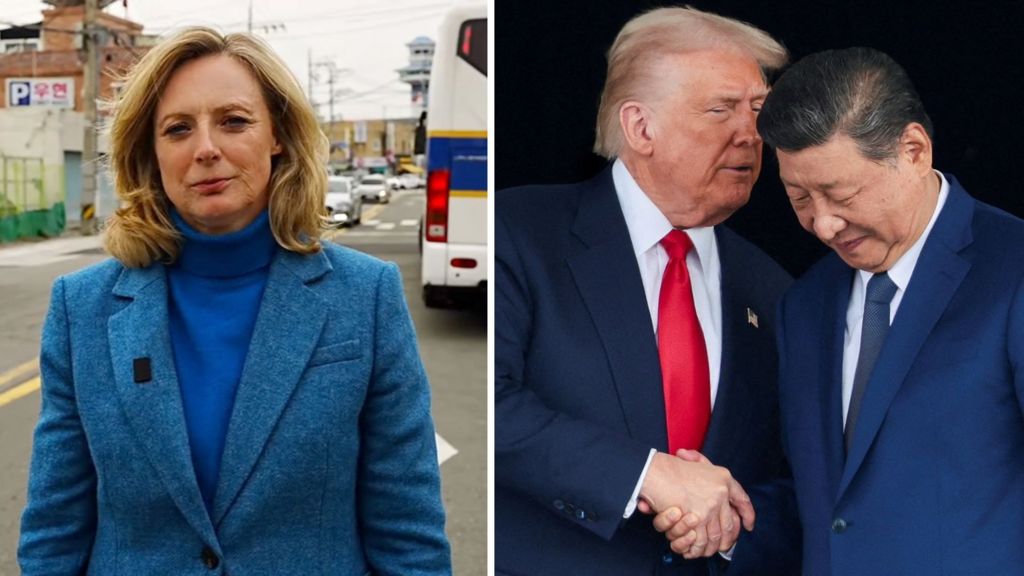
The recent trade negotiations between the United States and China have sparked significant attention, particularly due to the starkly different ways the two nations have portrayed the event. The BBC’s Laura Bicker delves into the contrasting narratives presented by both sides. While the US emphasized progress and the enforcement of trade agreements, China highlighted mutual understanding and cooperation. These divergent accounts underscore the ongoing complexities in US-China trade relations, reflecting broader geopolitical tensions. The reports also reveal how each country strategically frames its diplomatic engagements to align with domestic and international objectives. This analysis sheds light on the intricate dynamics of global trade diplomacy and the challenges of achieving consensus between economic superpowers.
分类: business
-
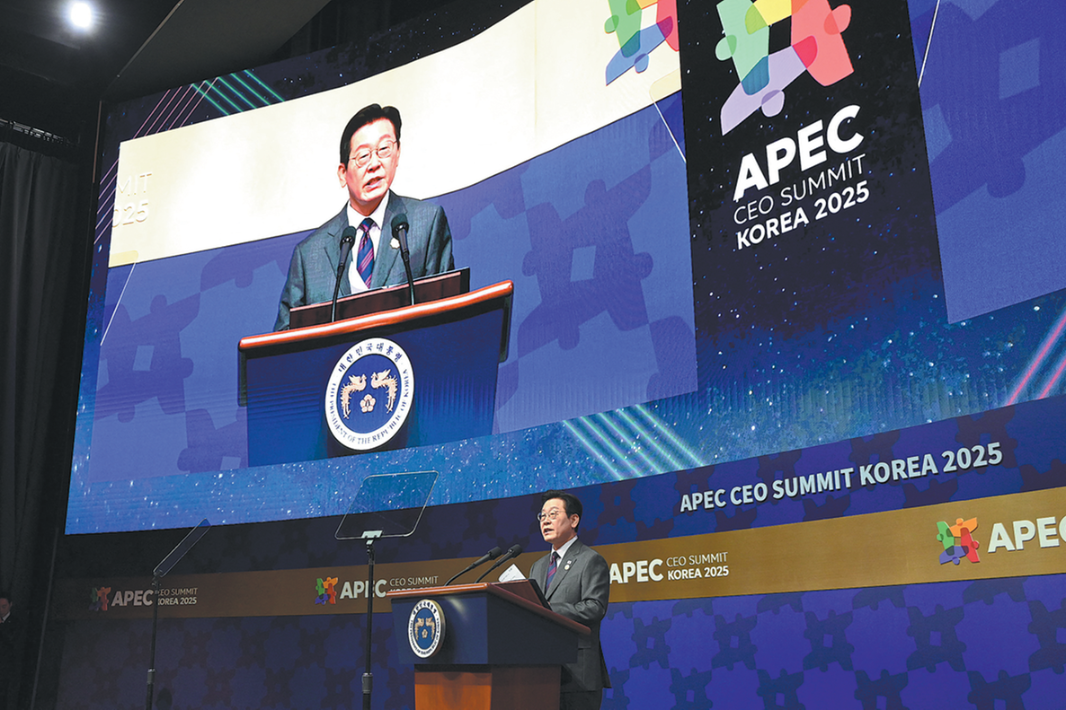
Calls for commitment to fair trade echo at APEC meeting
The APEC CEO Summit, held in Gyeongju, South Korea, underscored the critical need for fair trade, investment liberalization, and multilateral cooperation to address global economic challenges. South Korean President Lee Jae-myung, speaking at the opening ceremony, emphasized APEC’s historical role in fostering free trade and driving regional economic growth. He called for collective efforts to achieve sustainable development and equitable prosperity, particularly in the face of rising protectionism and inward-looking policies. The summit, themed ‘Building a Sustainable Tomorrow,’ also introduced an ‘AI for All’ initiative, aiming to integrate artificial intelligence as a cornerstone of APEC’s future agenda. U.S. President Donald Trump highlighted the robust growth prospects of the U.S. economy and engaged in bilateral discussions with Lee. The event, organized by the Korea Chamber of Commerce and Industry, brought together over 1,700 business leaders from 21 member economies to discuss pressing issues such as digital transformation, carbon neutrality, and global economic uncertainties. Chey Tae-won, chairman of the Korea Chamber of Commerce and Industry, stressed the importance of deepening trade and investment ties among APEC members to ensure regional prosperity. OECD Secretary-General Mathias Cormann warned of the adverse effects of trade tensions and policy uncertainty, urging APEC economies to resolve disputes through dialogue. Experts, including Choi Pil-soo of Sejong University, cautioned against unilateral trade measures that could undermine the global trade system, advocating for adherence to the WTO’s most-favored-nation principle.
-
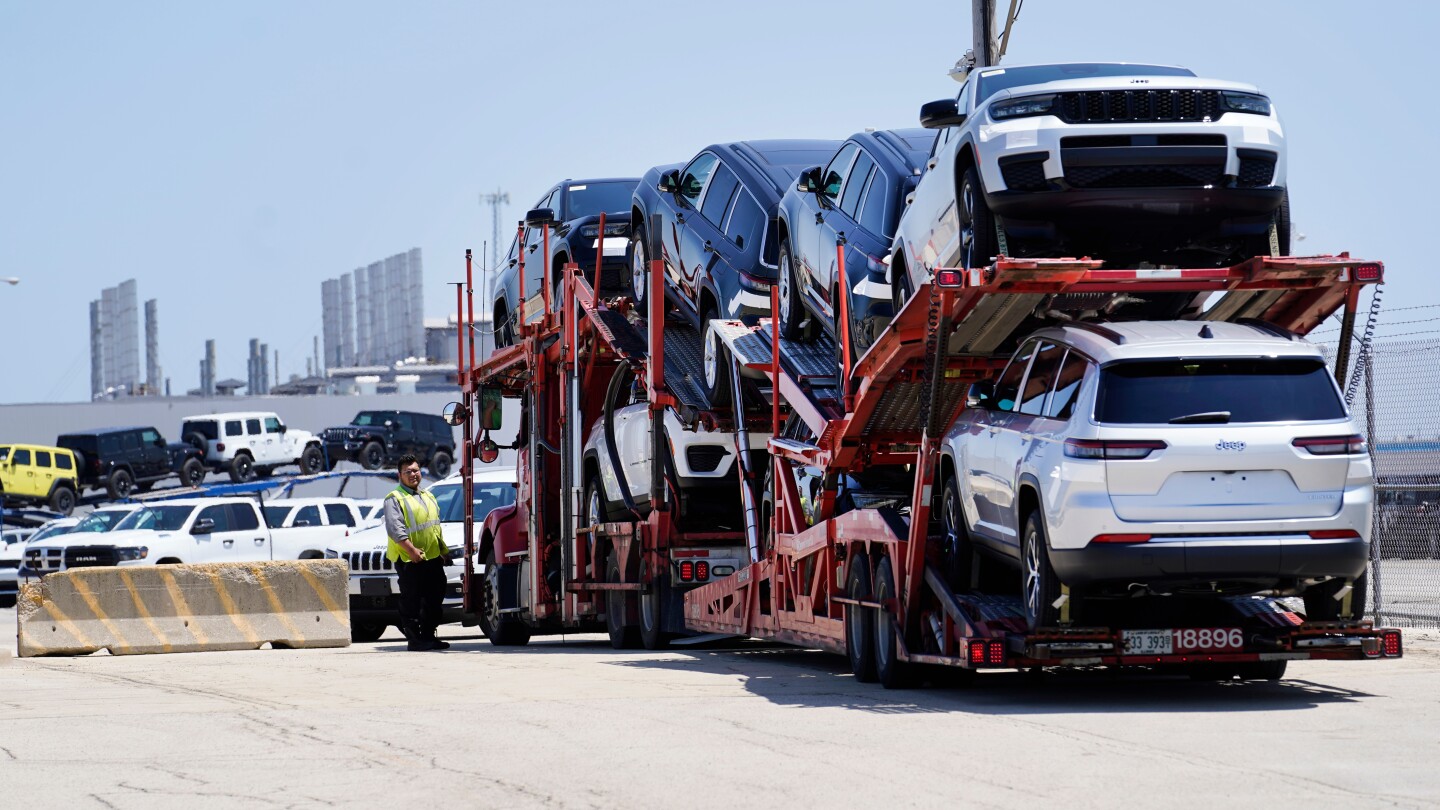
Maker of Jeep and Fiat sees early results of turnaround with higher 3Q revenue
Stellantis, the world’s fourth-largest carmaker, announced a significant 13% increase in third-quarter net revenues, reaching 37.2 billion euros. This marks the end of a seven-quarter decline, driven by robust performance in North America. The Italian-Franco-U.S. automaker, known for brands like Jeep, Fiat, and Peugeot, reported a 13% rise in vehicle shipments to 1.3 million units, with nearly 70% of the 152,000 new vehicles shipped in North America. The resurgence was fueled by the relaunch of the popular RAM 1500, powered by the HEMI V-8 engine, which had been discontinued by previous management. CEO Antonio Filosa, who assumed leadership in June, described the results as “encouraging,” highlighting strategic changes aimed at enhancing customer choice and driving growth. Stellantis also launched six new models in the first nine months of 2025 and plans to introduce four more by year-end. Globally, vehicle sales rose 4%, with notable increases in Europe, the Middle East, and Africa. However, European net revenues grew by only 4%, with market share dipping to 15.4% due to declines in France and Italy. Filosa has been actively revitalizing the company after a challenging 2024, which led to the departure of former CEO Carlos Tavares. Stellantis recently announced a $13 billion investment in U.S. operations over four years, aiming to expand manufacturing and create 5,000 jobs, potentially mitigating the impact of U.S. tariffs. The company revised its tariff impact estimate for this year to 1 billion euros, down from 1.5 billion euros.
-
Borouge surges in Q3 with record production and 52% profit growth
Borouge Plc has reported an exceptional third quarter in 2025, achieving a remarkable 52% quarter-on-quarter increase in net profit, reaching $295 million. This stellar performance was driven by record production levels, robust sales, and stringent cost management, surpassing market expectations and solidifying the company’s leadership in the global polyolefins industry. The Abu Dhabi Securities Exchange-listed petrochemicals giant also posted an adjusted EBITDA of $565 million, reflecting a best-in-class margin of 39%, up from 34% in Q2. Despite a decline in benchmark prices, Borouge maintained premium pricing for its differentiated polyethylene (PE) and polypropylene (PP) products, averaging $233 and $142 per tonne, respectively, over the first nine months of 2025. CEO Hazeem Sultan Al Suwaidi credited the company’s resilient business model and operational excellence for the outstanding results. Following the successful and ahead-of-schedule turnaround of its Borouge 3 plant in Q2, the company increased utilization rates to 110% for PE and 112% for PP, resulting in a 19% rise in quarterly sales volumes to 1.4 million tonnes. The Asia Pacific region emerged as a key growth driver, accounting for 61% of total sales, up from 57% in the previous quarter. For the nine-month period ending September 2025, Borouge reported revenues of $4.17 billion, slightly lower than the $4.41 billion recorded in the same period last year due to reduced average selling prices. However, net profit rose to $769 million, supported by operational efficiency and cost control. The company reaffirmed its full-year dividend intention of 16.2 fils per share, with the second-half payout expected in April 2026. Additionally, Borouge continued its share buyback program, repurchasing over 157.5 million shares by the end of Q3, reflecting strong confidence in its long-term growth prospects. Looking ahead, Borouge is nearing completion of its Borouge 4 expansion project, which is over 90% complete. The first plant is expected to commence operations by year-end, adding 1.4 million tonnes of annual capacity and significantly boosting earnings potential. The project will become a core asset of the proposed Borouge Group International (BGI), set for launch in Q1 2026. Innovation remains central to Borouge’s strategy, with the reintroduction of its enhanced BorSafe PE100-RC pipe grade, which won ‘New Product of the Year’ at the Asian Oil and Gas awards. In advanced packaging, Borouge unveiled a new Borstar PP grade supporting up to 50% post-consumer recycled content, reinforcing its commitment to circular and sustainable solutions. The company’s AI, Digitalisation and Technology (AIDT) program has already delivered $477 million in value this year, with a target of $575 million for 2025. Borouge is also pioneering AI-powered autonomous control room operations at its Ruwais facility in collaboration with Yokogawa and Honeywell. With strong fundamentals, expanding capacity, and a focus on innovation, Borouge is well-positioned to capitalize on improving market dynamics and deliver sustained value to shareholders.
-
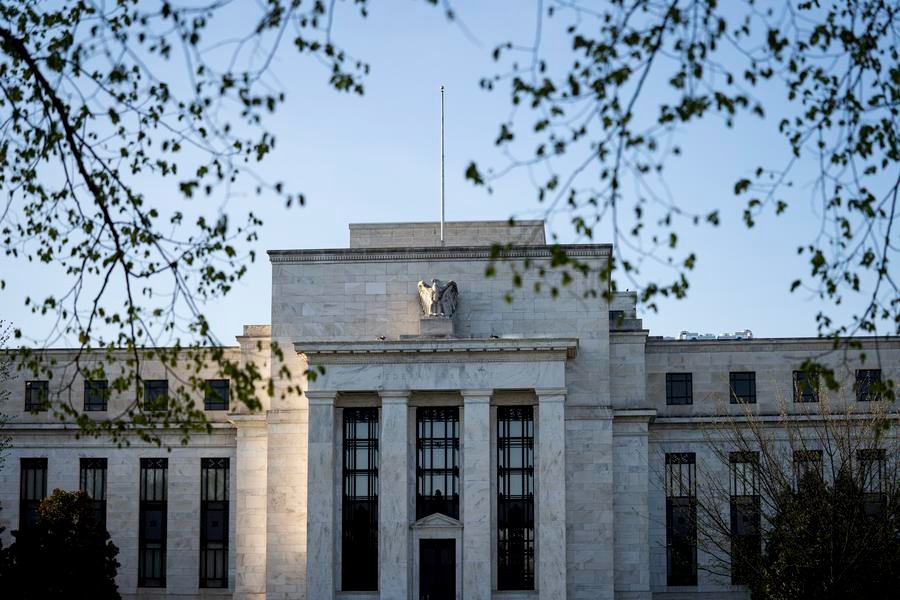
US Fed cuts interest rate by 25 basis points
In a significant monetary policy move, the US Federal Reserve announced on Wednesday, October 30, 2025, a reduction in the federal funds rate by 25 basis points, bringing the target range to 3.75 to 4 percent. This decision marks the second interest rate cut by the Fed this year, reflecting its ongoing efforts to navigate economic challenges and stimulate growth. The rate adjustment was made during the Federal Open Market Committee (FOMC) meeting, where policymakers assessed the current economic landscape and determined the necessity of easing monetary conditions. The move is expected to influence borrowing costs across the economy, impacting consumers, businesses, and financial markets. Analysts suggest that the rate cut could provide a boost to economic activity, particularly in sectors sensitive to interest rate changes, such as housing and automotive industries. However, concerns remain about the potential long-term effects on inflation and financial stability. The Fed’s decision underscores its commitment to balancing economic growth with price stability, as it continues to monitor global economic trends and domestic indicators.
-
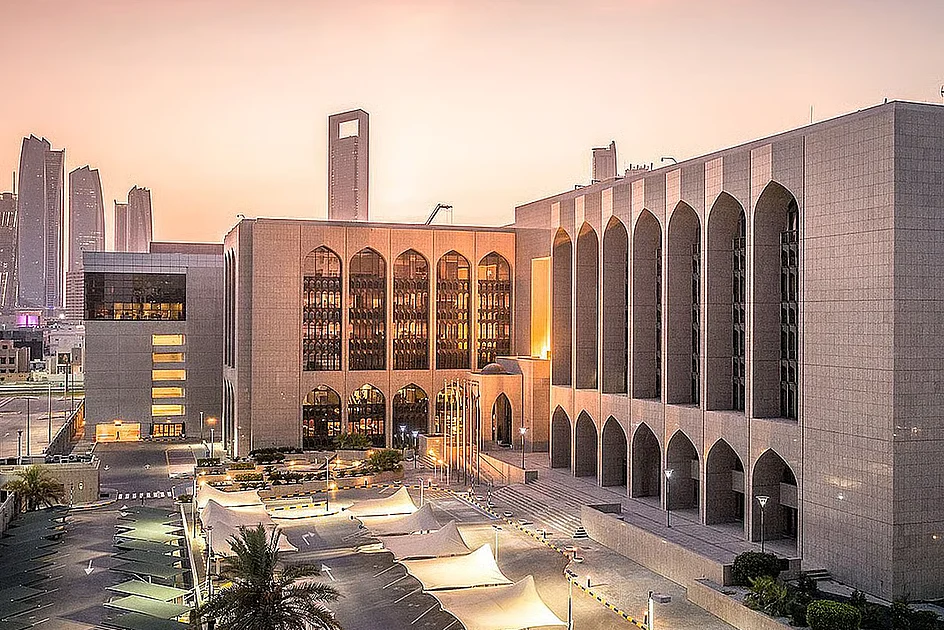
UAE Central Bank lowers key benchmark rate to 3.90%
In a significant monetary policy move, the UAE Central Bank announced a reduction in its key benchmark rate to 3.90%, effective October 30. This decision, which lowers the base rate on overnight deposit facilities by 25 basis points from 4.15%, comes in direct response to the US Federal Reserve’s decision to cut interest rates by 25 basis points earlier on Wednesday. This marks the second rate cut by the Fed this year. The UAE’s monetary policy is closely tied to the US due to the dirham’s peg to the US dollar, necessitating alignment with Federal Reserve actions. Additionally, the UAE Central Bank has opted to maintain the interest rate for short-term liquidity borrowing at 50 basis points above the base rate for all standing credit facilities. The base rate, which is anchored to the US Federal Reserve’s Interest Rate on Reserve Balances, serves as a critical indicator of the UAE’s monetary policy stance and sets a floor for overnight money market rates. The US rate cut aims to stimulate the economy amid ongoing challenges, including the lingering effects of former President Donald Trump’s tariffs and the prolonged government shutdown, which has disrupted the publication of official economic data. Fed officials have expressed concerns about a cooling labor market, prompting a focus on bolstering employment despite inflation remaining above target. While financial markets had anticipated the October and December rate cuts, Fed Chair Jerome Powell has indicated that the Federal Open Market Committee (FOMC) remains open to future decisions. Analysts, including EY chief economist Gregory Daco, suggest that Powell has not yet committed to a December rate cut, though two quarter-point reductions this year are widely expected. Amid these developments, Trump’s efforts to exert greater control over the Federal Reserve and plans to replace Powell add further complexity to the economic landscape.
-

Should K-beauty products have to come from South Korea?
The global skincare market has been captivated by the allure of Korean beauty products, commonly referred to as K-beauty. These products, known for their intricate multi-step routines and innovative formulations, have seen exponential growth in international markets. Last year, South Korea’s K-beauty exports soared to an impressive $10.3 billion, marking a significant milestone in the industry’s expansion. However, this success has also led to a proliferation of non-Korean brands capitalizing on the K-beauty trend, raising questions about authenticity and definition. K-beauty first gained international recognition in the 2010s, riding the wave of Korean cultural exports like K-pop and K-drama. The elaborate skincare regimens, often involving up to 10 steps, captured the imagination of consumers worldwide, driving sales from $650 million in 2011 to $4 billion in 2017. Recognizing this surge, companies like Seoul Ceuticals emerged in 2017, offering ‘authentic Korean skincare’ despite being a U.S.-based manufacturer. The brand emphasizes its use of Korean-sourced ingredients to justify its K-beauty label. However, not all industry players agree with this approach. Seung Gu Kim, co-founder of Hwarangpoom, insists that true K-beauty products must be manufactured in Korea, reflecting a Korean perspective in their design and ingredients. The lack of an official definition or protected designation of origin for K-beauty complicates matters further. The K-beauty Industry Association, the sector’s sole government-approved trade body, has no plans to establish such a definition, focusing instead on promoting the industry’s global growth. Despite the absence of formal regulations, the association mandates that member companies be registered in South Korea and obtain approval from the Korea Food & Drug Administration (KFDA). This approval ensures products are tailored to Korea’s climate and market standards. The booming K-beauty market has also attracted counterfeiters, with MarqVision identifying $280 million worth of fake products in the U.S. alone in 2024. This rampant counterfeiting has frustrated consumers like Gracie Tulio, founder of PureSeoul, who launched her London-based retail business in 2019 to provide authentic K-beauty products directly sourced from Korean manufacturers. As the K-beauty industry continues to thrive, the debate over authenticity and the battle against counterfeits remain pressing challenges.
-
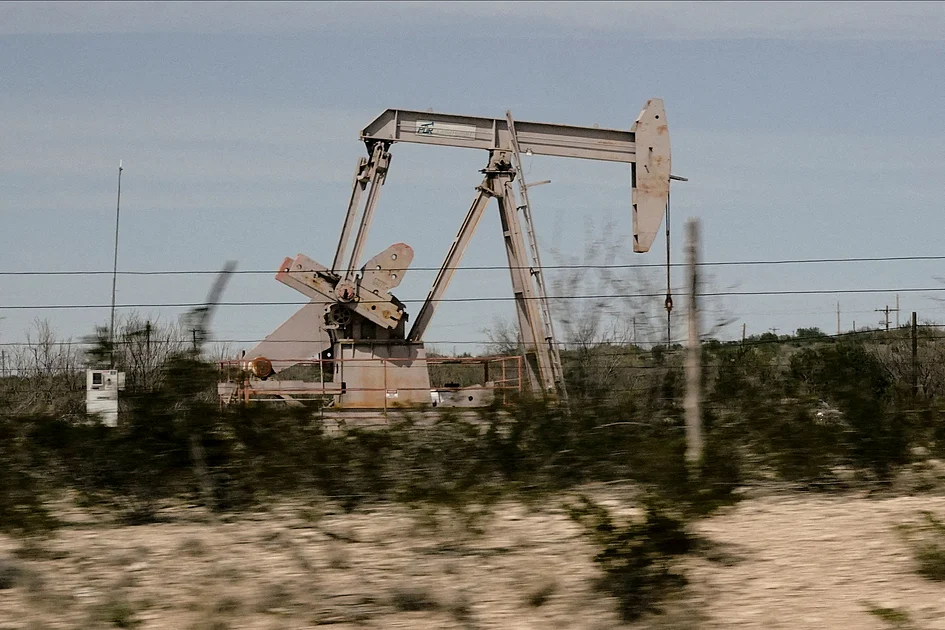
Tariffs to raise costs, delay oil and gas projects in 2026, report says
A recent report by Deloitte highlights that sweeping tariffs imposed by the US government under President Donald Trump are poised to significantly impact the oil and gas industry by 2026. The energy sector, which depends extensively on global supply chains for essential materials like drilling rigs, valves, compressors, and specialized steel, faces rising operational costs and disrupted supply chains due to these tariffs. The report estimates that material and service costs across the value chain could surge by 4% to 40%, potentially squeezing industry margins. The US has levied tariffs ranging from 10% to 50% on key imports such as steel, aluminum, and copper, as well as crude feedstocks not covered by the United States-Mexico-Canada Agreement. These measures are expected to reshape the industry’s cost structure and introduce uncertainty in feedstock sourcing. Additionally, inflation and financial instability triggered by the tariffs may delay final investment decisions (FIDs) and offshore greenfield projects worth over $50 billion until 2026 or later. Operators may find it challenging to offset higher costs, which could dampen investment activity in the sector. To mitigate risks, oil and gas companies are likely to renegotiate contracts with escalation and force majeure clauses. Moving forward, companies may prioritize supply chain resilience over cost efficiency, shifting to domestic or non-tariffed suppliers and leveraging foreign trade zones or tariff reclassification to manage duties. This shift is particularly significant given the US’s reliance on imports, with nearly 40% of oil country tubular goods demand in 2024 met through foreign sources.
-
Amazon to invest $5 billion in South Korea AI data centres
Amazon has announced a groundbreaking $5 billion investment to establish advanced AI data centers in South Korea by 2031, marking the largest direct foreign investment in the country’s history. The commitment was revealed by Matt Garman, head of Amazon Web Services (AWS), during a meeting with South Korean President Lee Jae Myung on the sidelines of the Asia-Pacific Economic Cooperation (APEC) summit in Gyeongju. The new facilities will be located in the Incheon and Gyeonggi regions, near Seoul, and are expected to significantly bolster South Korea’s AI ecosystem. This investment surpasses Amazon’s previous $4 billion pledge in June for an AI data center in Ulsan. President Lee emphasized the government’s ambition to position South Korea among the world’s top three AI powerhouses, stating that Amazon’s investment will accelerate the nation’s AI development. South Korea, home to global memory chip leaders Samsung Electronics and SK hynix, plays a pivotal role in supplying essential components for AI products and data centers. This move underscores Amazon’s strategic focus on expanding its AI infrastructure in key global markets.
-
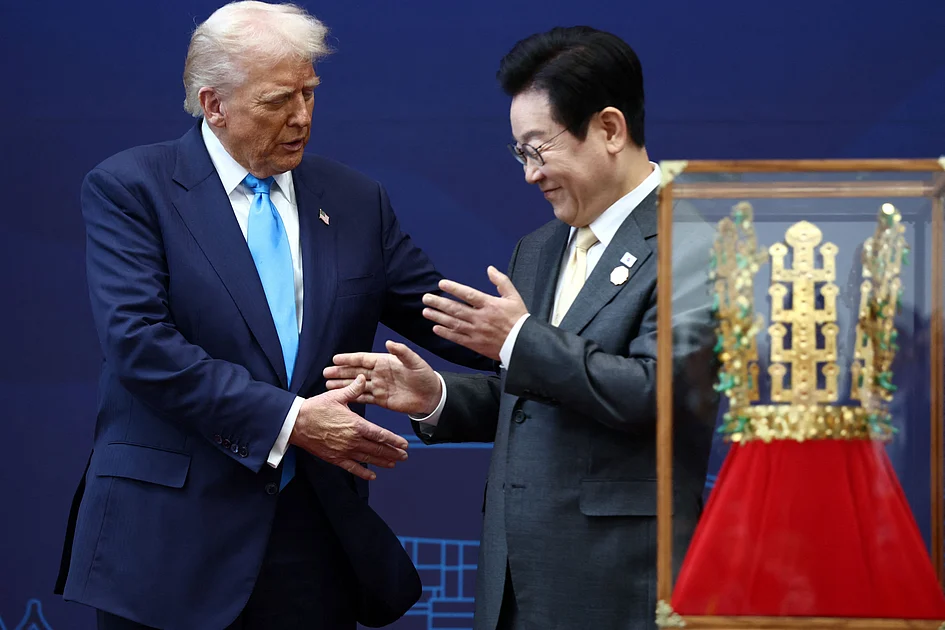
Trump announces trade breakthrough with South Korea on Asia trip
U.S. President Donald Trump concluded his five-day Asia trip with a significant trade breakthrough during a summit with South Korean President Lee Jae Myung in Gyeongju. The two leaders finalized details of a previously contentious trade agreement, which had been in limbo since July. Under the deal, South Korea will invest $350 billion in the U.S., split into $200 billion in cash payments and $150 billion in shipbuilding investments. The agreement also includes a 50/50 profit-sharing arrangement until initial investments are recouped, with U.S. Commerce Secretary Howard Lutnick overseeing project assessments. The deal awaits ratification by South Korea’s parliament. Trump expressed optimism about his upcoming meeting with Chinese President Xi Jinping, hinting at potential tariff reductions on Chinese goods in exchange for Beijing’s commitment to curb fentanyl precursor exports. The U.S. could halve its current 20% tariffs on Chinese goods, according to reports. Meanwhile, South Korea rolled out an extravagant welcome for Trump, presenting him with a gold crown and the nation’s highest honor, the ‘Grand Order of Mugunghwa.’ Despite the diplomatic fanfare, protests erupted near the summit venue, with critics decrying the focus on tariff negotiations. Trump also addressed North Korea’s recent missile test, reiterating his commitment to resolving tensions on the Korean Peninsula.