
American farmers have expressed cautious optimism following China’s commitment to purchase at least 25 million metric tons of soybeans annually over the next three years. This pledge aims to restore trade volumes to pre-trade war levels, but it falls short of addressing the broader challenges faced by farmers, including skyrocketing costs for fertilizer, machinery, and seeds. While the agreement marks a significant step toward stabilizing the agricultural sector, farmers remain wary of its immediate impact. Iowa farmer Robb Ewoldt, a director with the United Soybean Board, welcomed the news but emphasized that it doesn’t resolve all short-term issues. Agriculture Secretary Brooke Rollins highlighted additional benefits, including the removal of retaliatory tariffs on U.S. agricultural products and the resumption of sorghum purchases. These developments could ease access to loans for farmers, yet concerns linger about the long-term sustainability of the agreement. The trade war, initiated by former President Donald Trump, severely disrupted U.S. soybean exports, with China shifting its purchases to Brazil and other South American nations. Last year, Brazilian soybeans accounted for over 70% of China’s imports, while the U.S. share dropped to 21%. Farmer Caleb Ragland, president of the American Soybean Association, described the agreement as a foundation for rebuilding a stable trading relationship. However, Indiana farmer Brent Bible stressed the importance of China following through on its promises, citing past disruptions caused by the COVID-19 pandemic. Despite the positive developments, farmers remain vigilant, hoping for tangible results that will secure their livelihoods and future generations.
分类: business
-
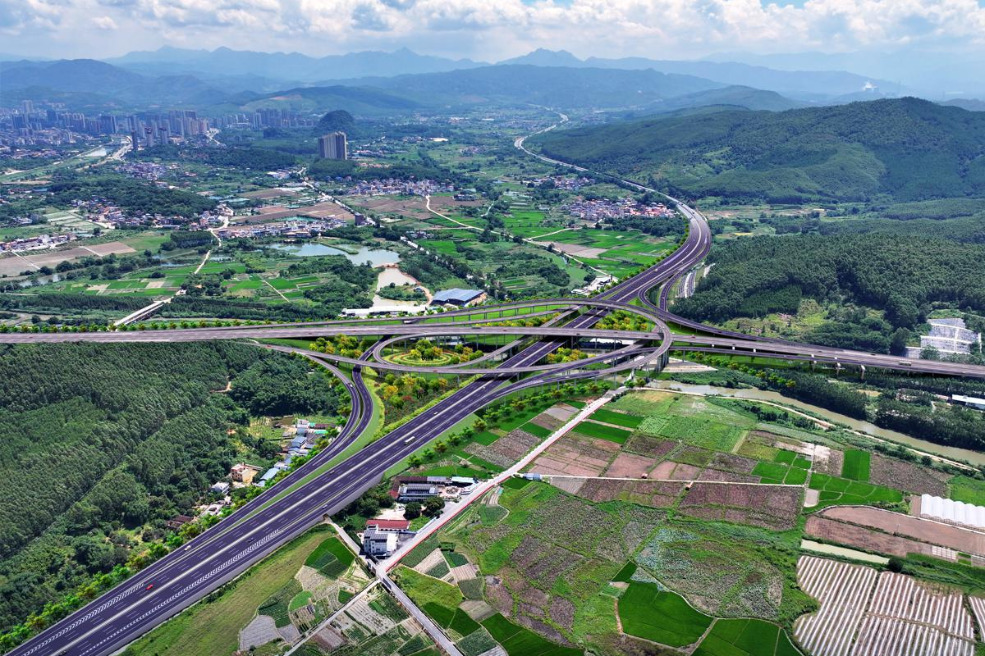
Construction begins on Guangdong expressway expansion
Construction has officially commenced on the expansion of a critical section of the Beijing-Hong Kong-Macao Expressway in Guangdong province. The project focuses on the stretch between Shaoguan’s Wujiang district and Qingyuan’s Fogang county, located in the northern mountainous region of Guangdong. This expansion is a pivotal component of Guangdong’s vertical highway network, designed to bolster northbound travel efficiency and regional connectivity. The initiative underscores the province’s commitment to improving infrastructure to support economic growth and facilitate smoother transportation. The project is expected to enhance travel times, reduce congestion, and provide a more reliable route for both commuters and freight transport. As one of the busiest expressways in the region, the expansion is anticipated to have a significant impact on local and regional economies, fostering development in the northern areas of Guangdong.
-
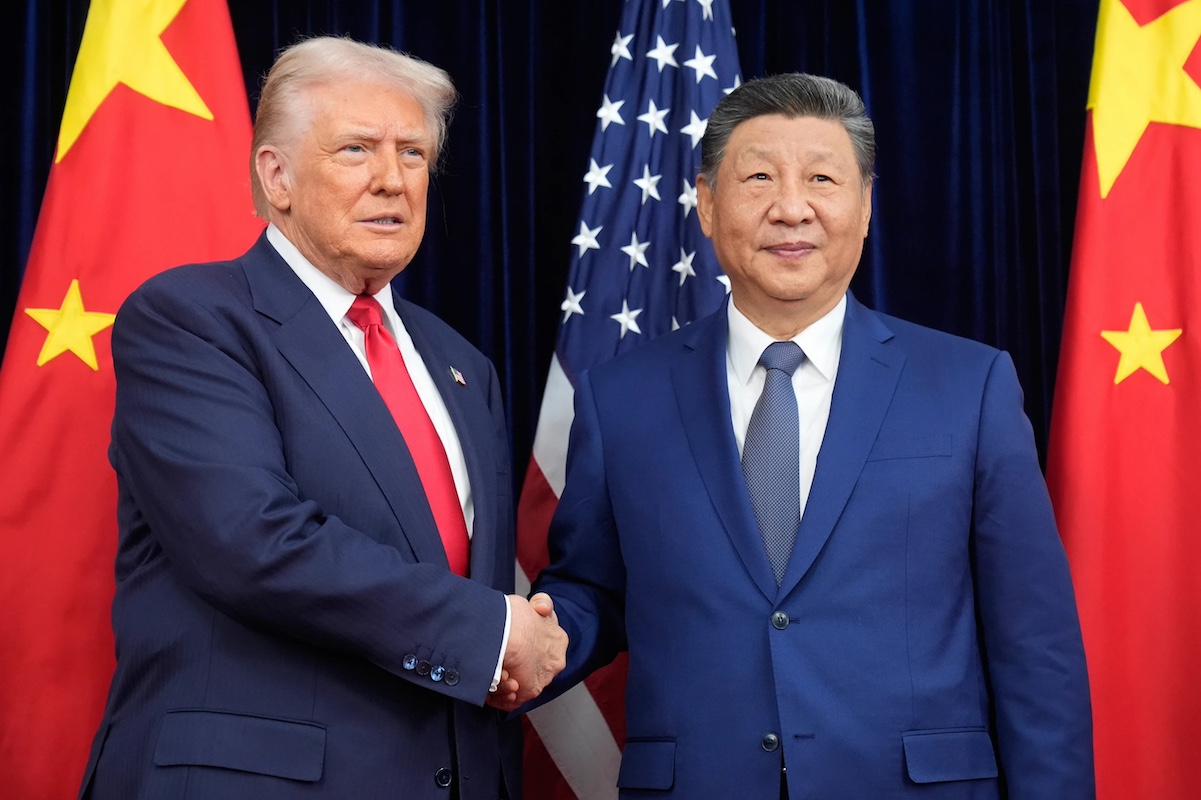
Trump’s ‘amazing’ bargain with Xi turns out a dud
US President Donald Trump recently celebrated a trade agreement with Chinese President Xi Jinping, hailing it as a significant breakthrough. Trump announced a reduction in tariffs on Chinese goods to 47%, describing the meeting as “amazing.” However, the long-term impact of this agreement remains uncertain, with experts questioning its effectiveness in addressing the deep-rooted trade imbalances between the two nations.
The deal, characterized by vague terms and a lack of specific enforcement mechanisms, does little to alter the fundamental dynamics of the $659 billion trade relationship between the US and China. While the agreement includes measures such as increased soybean purchases and the flow of rare-earth minerals, it falls short of addressing the structural issues that contribute to America’s trade deficit with China.
Economists and analysts have expressed skepticism about the durability of the agreement. Ting Lu of Nomura Holdings noted that while the easing of tensions is positive, the rivalry between the two superpowers is likely to escalate in the future. Chang Shu of Bloomberg Economics echoed this sentiment, suggesting that the new reality of US-China relations is one of frequent disruptions and short-term fixes.
Goldman Sachs economist Jan Hatzius highlighted the unpredictability of the situation, stating that recent policy moves suggest a wider range of potential outcomes than previously anticipated. He suggested that the most likely scenario is a mutual pullback from aggressive policies and an indefinite extension of the tariff escalation pause reached in May.
Ali Wyne of the International Crisis Group observed that Trump views Xi as the head of a rival business rather than an imperial leader, which could lead to mutual restraint. However, Trump’s ambition to curb China’s rise lacks proportionality and could undermine long-term strategic goals.
Patricia Kim of the Brookings Institution emphasized that managing US-China relations requires ongoing strategic management rather than grand gestures. She noted that many of the core demands of both nations are irreconcilable, making a comprehensive agreement unlikely.
Meanwhile, China has been preparing for a post-Trump world by diversifying its trade relationships. Increased shipments to Europe, Southeast Asia, and the Global South have allowed China to mitigate the impact of US tariffs. Arthur Kroeber of Gavekal Dragonomics pointed out that Chinese exporters have developed workarounds, such as transshipment and relocating production to lower-tariff countries.
Despite these efforts, China’s Ministry of Commerce has criticized the US for overstretching national security concerns and imposing unilateral measures that harm China’s interests. The ministry reiterated China’s opposition to these actions, which have undermined the atmosphere of bilateral economic talks.
Trump’s trade policies, rooted in 1980s economic strategies, are increasingly out of sync with the global economy. As China invests in future technologies and the Global South forges its own path, the US risks losing its influence. Gilles Moec of AXA Investment noted that the world economy is splitting into competing groups, with companies reorganizing supply chains around countries with similar values or security concerns.
In conclusion, while Trump’s trade deal with China may provide temporary relief, it is unlikely to resolve the underlying tensions between the two nations. The global economic landscape is evolving, and the US must adapt to maintain its position in an increasingly fragmented world.
-
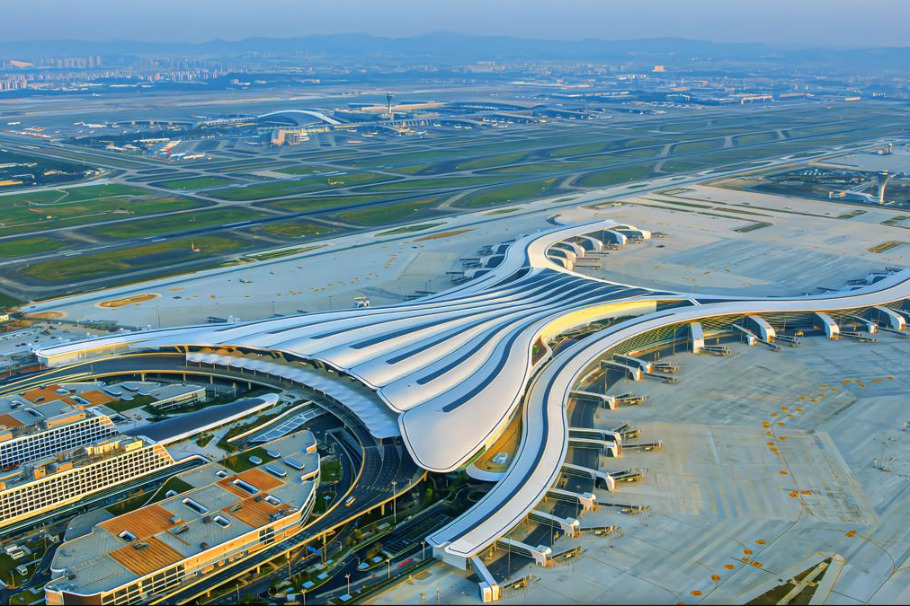
Guangzhou Baiyun Airport opens Terminal 3 and fifth runway
Guangzhou Baiyun International Airport has officially launched its state-of-the-art Terminal 3 and a fifth runway, marking a significant milestone in its expansion efforts. The new facilities, which began operations on Thursday, solidify the airport’s status as one of the world’s busiest aviation hubs. With the addition of Terminal 3 and the new runway, the airport now boasts three terminals and five runways, significantly enhancing its operational capacity. The upgrades increase the airport’s annual passenger handling capacity to 140 million and its cargo capacity to 6 million metric tons. Officials emphasized that these developments are crucial to meeting the escalating travel demands within the Guangdong-Hong Kong-Macao Greater Bay Area, which already sees an annual passenger volume exceeding 120 million. The expansion is expected to further strengthen the region’s connectivity and economic growth, positioning the airport as a key player in global aviation.
-

Dubai: Gold prices hold steady, 24K sees slight rise to Dh479
In the wake of the US Federal Reserve’s second consecutive quarter-point interest rate reduction, gold prices in Dubai remained steady, with 24K gold experiencing a slight increase to Dh479 per gram on Thursday morning, up from Dh476 the previous day. This stability follows a week of market volatility after gold reached record highs on October 20. Globally, spot gold prices were recorded at $3952.79 per ounce, while silver stood at $47.52 at 9:30 AM UAE time. Other gold variants in Dubai, including 22K, 21K, and 18K, were priced at Dh443.50, Dh425.25, and Dh364.25 per gram, respectively. Ole Hansen, Head of Commodity Strategy at Saxo Bank, noted that the recent correction in gold prices is marginal compared to the significant rally the metal has experienced over the past year. Hansen emphasized that while the correction is notable, it remains relatively small given the extent of the rally. He suggested that the market is currently in a consolidation phase and predicted that gold prices could eventually climb higher, potentially reaching $5,000 by 2026. However, Hansen cautioned that it is too early to determine whether the correction has concluded or if further adjustments are on the horizon.
-
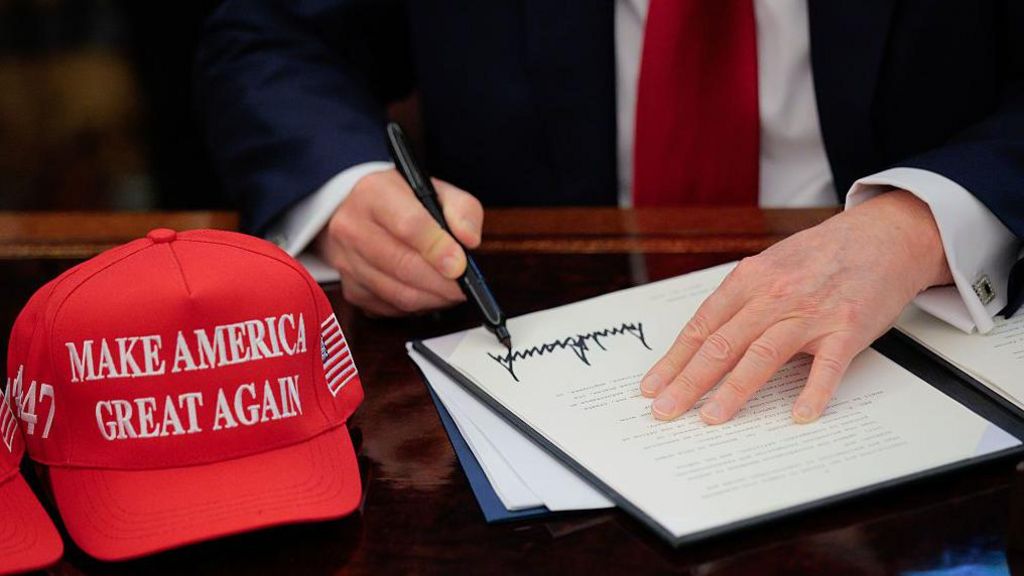
What tariffs has Trump announced and why?
In a bold move to reshape global trade dynamics, former US President Donald Trump has implemented a series of tariffs on imported goods from various countries. Trump asserts that these measures will invigorate American manufacturing, create jobs, and reduce the US trade deficit. However, critics argue that the tariffs could lead to higher consumer prices and disrupt the global economy. Tariffs, essentially taxes on imports, are calculated as a percentage of a product’s value. For instance, a 10% tariff on a $10 item adds $1 to its cost, raising the total to $11. These taxes are paid by importers, who may pass the additional costs onto consumers or reduce their import volumes. Trump’s strategy aims to encourage the purchase of American-made goods and increase government revenue. He has also used tariffs as leverage in negotiations, demanding that countries like China, Mexico, and Canada take stronger actions to curb illegal drug trafficking and migration. Despite facing legal challenges and amendments, Trump’s tariffs have significantly impacted global trade. For example, China and the US have threatened each other with tariffs exceeding 100%, though a temporary truce was extended until November. Canada faces a 35% tariff on most goods, while Mexico deals with a 30% tariff, both under the USMCA agreement. Other countries, including India, Brazil, and South Africa, have also been subjected to varying tariff rates. The UK has negotiated the lowest tariff rate of 10%, primarily affecting its automotive and pharmaceutical exports. Trump’s tariffs have also targeted specific products, such as branded drugs, steel, and furniture, with rates ranging from 25% to 100%. The elimination of the $800 exemption for low-cost imports has further complicated the trade landscape, affecting millions of packages shipped daily. Despite initial economic volatility, the US economy has shown resilience, with consumer spending increasing by 2.5% in the year to June 2025. However, the International Monetary Fund (IMF) warns that US tariffs continue to have a negative impact on global economic stability. As negotiations persist, the long-term effects of Trump’s tariff strategy remain uncertain.
-
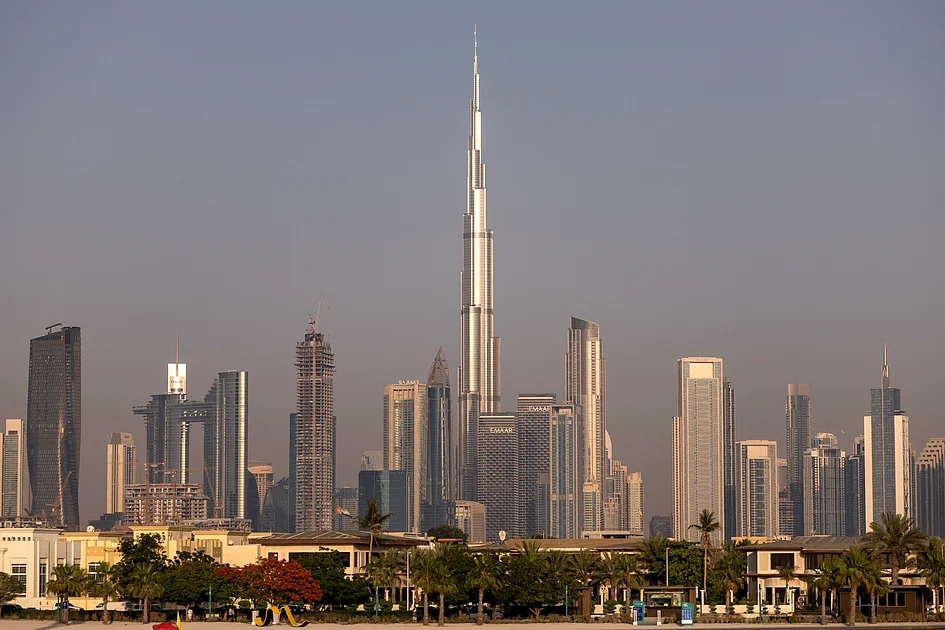
Apparel Group enters real estate with KORA Properties; first project in Dubai Maritime City
AppCorp Holding, the parent company of the renowned Apparel Group, has announced its strategic entry into Dubai’s thriving real estate market with the launch of KORA Properties. This premium real estate development firm is set to debut its first project in Dubai Maritime City on November 12, 2025. The move aligns with Dubai’s ambitious Real Estate Sector Strategy 2033, which aims to elevate the sector’s market value to Dh1 trillion. KORA Properties will focus on creating high-end residential and commercial spaces, as well as niche developments in healthcare and hospitality. Nilesh Ved, Chairman of AppCorp Holding, emphasized that KORA Properties is committed to crafting living spaces that transcend mere construction, offering ‘Timeless Living’ that nurtures dreams and fosters growth. This venture marks a significant step in AppCorp’s diversification strategy, expanding its portfolio beyond retail and lifestyle into high-value sectors. Established in 1996, Apparel Group has grown into one of the region’s largest retail conglomerates, representing over 85 global brands across 2,500 stores in 14 countries. With KORA Properties, AppCorp is poised to become a multi-sector holding company, blending its expertise in fashion with innovative real estate development.
-

‘Dh2,700 profit in silver’: UAE investors cash in on metal cheaper than gold
In the United Arab Emirates, silver is emerging as a lucrative investment option, offering substantial returns to both small and large investors. With its lower cost compared to gold and expanding industrial applications, silver has captured the attention of the investment community. Ashraf Malik, a Dubai-based businessman, exemplifies this trend. On September 1, 2025, Malik invested Dh9,614 in two kilograms of silver, purchasing it at Dh4,807 per kilogram. By October 20, silver prices had surged to Dh6,192 per kilogram, allowing Malik to sell his holdings for Dh12,384 and secure a profit of Dh2,770—a remarkable 30% return in less than two months. Malik remarked, ‘I didn’t expect such a quick rise. The returns were good enough to show silver can really be rewarding.’ The surge in silver prices is not an isolated phenomenon. According to Khaleej Times, silver has outperformed gold in 2025, with prices jumping from $28.78 per ounce in 2024 to nearly $50, a 73% increase. In contrast, gold prices rose by 52% during the same period. This trend has been fueled by silver’s growing industrial use in sectors such as technology, solar panels, and electronics, as well as its appeal as a more affordable alternative to gold. Retailers in the UAE have reported a significant uptick in silver demand. Chintan Patni, senior manager at Jewel Trading, noted, ‘There has been a massive increase in silver buyers as prices have continued to rise.’ During Diwali, the demand was so high that temporary shortages occurred. Vivek J, retail head at Malabar Gold and Diamonds, added that silver is becoming a preferred choice for investors seeking to diversify their portfolios or start with smaller investments. Analysts predict that silver’s upward trajectory will continue in the near to medium term, making it an attractive option for investors looking to capitalize on its potential.
-
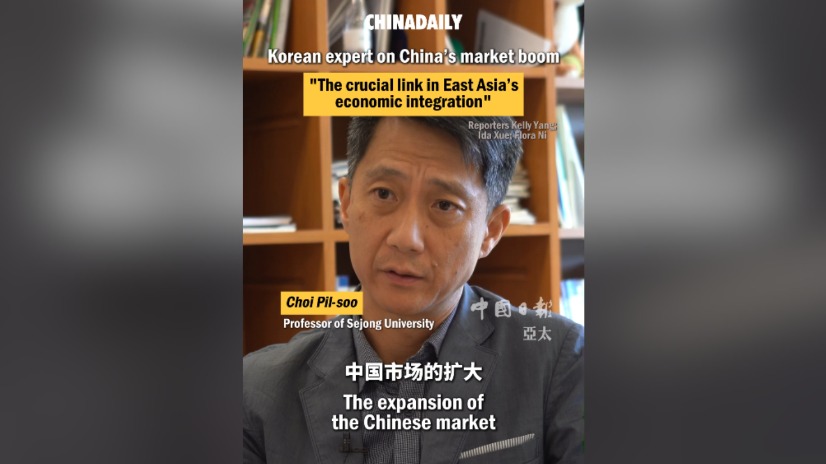
Expert: China’s market is reshaping East Asia’s economic integration
The burgeoning influence of China’s market is fundamentally transforming the economic integration of East Asia, according to Choi Pil-soo, a distinguished professor of Chinese trade and commerce at South Korea’s Sejong University. In a recent statement, Choi highlighted that the future of regional cooperation depends on the synergistic development of ideas, technology, and talent. He underscored the critical role of cross-border collaboration among industry, government, and academic sectors in driving sustainable growth. This evolving dynamic signals a shift in the economic paradigm of East Asia, with China’s market playing a pivotal role in shaping the region’s economic future.
-
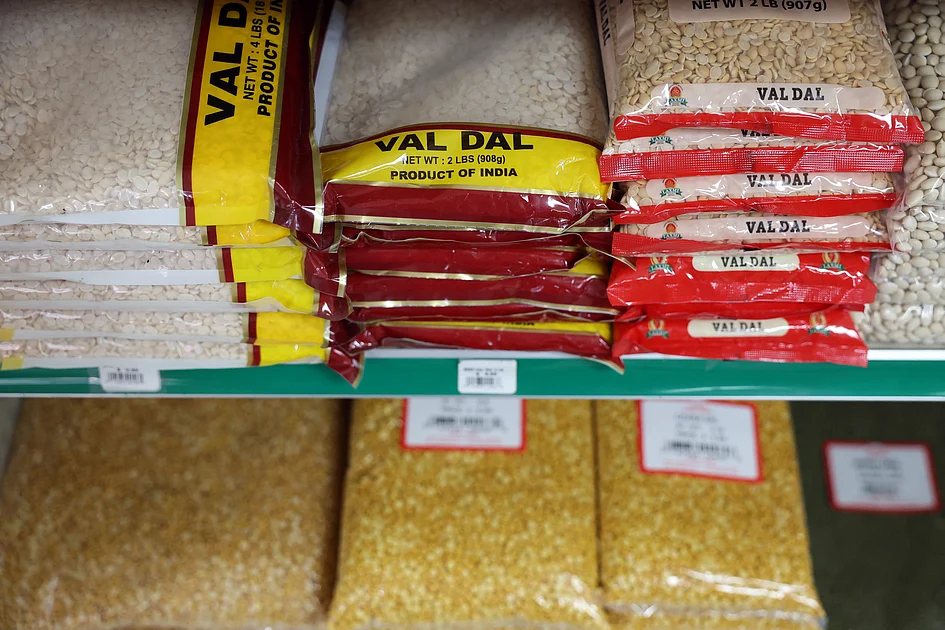
India to impose 30% import duty on yellow peas from November 1
In a significant move to safeguard domestic agricultural interests, the Indian government has announced a 30% import duty on yellow peas, effective November 1, 2025. According to a government notification issued late on Wednesday, shipments with a bill of lading dated on or before October 31, 2025, will be exempt from this duty. This decision comes after domestic farmers raised concerns over the influx of cheap imports, which have been exerting downward pressure on local prices. Previously, India had allowed duty-free imports of yellow peas until March 31, 2026. As the world’s largest importer of yellow peas, India primarily sources this commodity from Canada and Russia. The new tariff is expected to provide relief to local farmers by reducing competition from imported goods and stabilizing market prices.