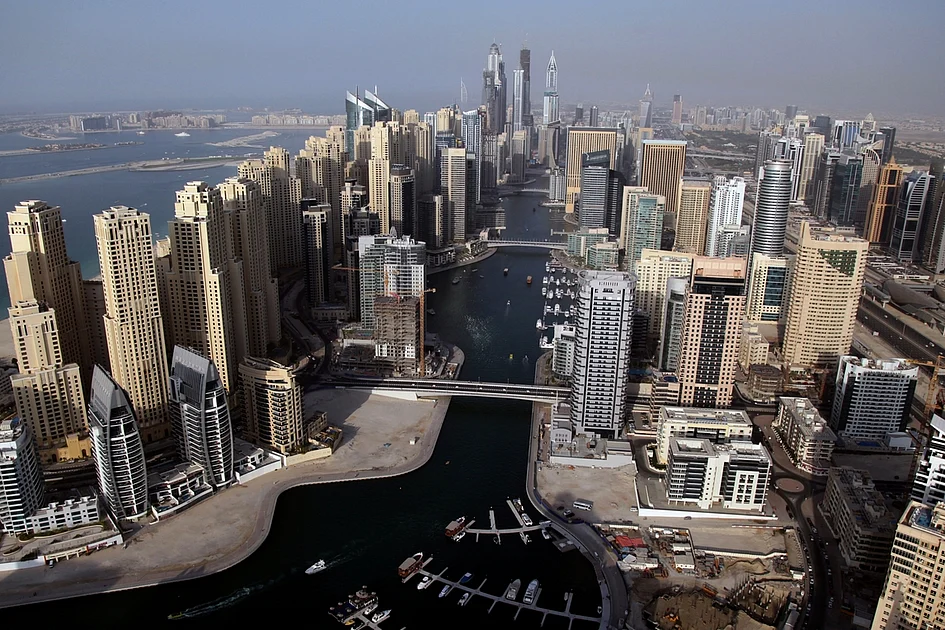
In the UAE, the legality of purchasing property with a zero percent down payment has sparked significant interest among potential buyers. While some real estate agents promote such offers, it is crucial to understand the legal framework governing these transactions. The UAE Central Bank’s mortgage regulations play a pivotal role in shaping these practices. According to Article 3 of the UAE Central Bank Regulations on Mortgage Loans (Notice No. 226/2013), buyers are required to contribute a minimum amount when financing property through a bank mortgage. For UAE nationals, the maximum Loan to Value (LTV) ratio varies based on the property’s value and purpose. For instance, first-time owner-occupiers can secure up to 85% financing for properties valued at Dh5 million or less, while expatriates are limited to 80% for the same category. For properties exceeding Dh5 million, the LTV ratios drop to 75% for nationals and 70% for expatriates. Additionally, off-plan properties are subject to a maximum LTV of 50%, reflecting the higher risks associated with such investments. These regulations make zero percent down payment offers through bank mortgages legally impermissible. However, real estate developers may offer alternative payment plans that bypass traditional mortgage structures. In such cases, buyers pay instalments directly to the developer, potentially avoiding the Central Bank’s mortgage rules. While this approach may seem appealing, buyers must exercise caution. It is essential to scrutinize the payment schedule, handover terms, and any hidden finance charges that developers might impose. Legal expert Ashish Mehta emphasizes the importance of due diligence in such transactions. As the founder of Ashish Mehta & Associates, he advises potential buyers to thoroughly understand the terms and seek professional guidance before committing to any property purchase. For further inquiries, readers can contact Khaleej Times or visit www.amalawyers.com.
分类: business
-

Dubai-based couple duped in crypto scam wins back Dh1.55 million
A Dubai-based couple has successfully reclaimed Dh1.55 million after falling prey to a cryptocurrency scam orchestrated by an Arab national. The incident underscores the inherent risks associated with unregulated digital investments in the UAE. According to court documents, the fraudster persuaded the couple to invest in a digital currency scheme, assuring them of guaranteed returns. Trusting the promise, the couple visited the accused’s office and handed over Dh1.5 million to purchase 400,000 units of cryptocurrency. The fraudster assured them that the coins would be transferred to their electronic wallet, but the transaction was never executed. When the couple inquired about the delay, the fraudster provided feeble excuses and eventually ceased communication. The couple reported the incident to the police, and investigations confirmed that the accused had collected the funds without completing the cryptocurrency purchase. The fraudster was tried in criminal court for fraudulent appropriation of funds and fined Dh10,000. However, the criminal ruling did not address the civil aspect of recovering the misappropriated money. The case was subsequently brought before the Civil, Commercial, and Administrative Court. The investor sought repayment of Dh1.5 million along with Dh100,000 in damages for financial loss, missed investment opportunities, legal fees, and other related costs. The defendant’s lawyer argued that the civil case should be suspended pending appeal, claiming that his client did not misappropriate the money, citing his criminal acquittal. The court ruled in favor of the investor, stating that the accused had received the funds for purchasing cryptocurrency but failed to do so. The criminal acquittal does not negate receipt of the funds; it only negates criminal intent. The court emphasized that transferring the money to another party without completing the purchase constituted unjust enrichment under Article 318 of the UAE Civil Transactions Law, which requires repayment of money taken without a legitimate reason. The court noted that the investor suffered material and moral damages from being deprived of the funds and covering litigation expenses. The fraudster was ordered to repay the Dh1.5 million and an additional Dh50,000 in compensation, bringing the total to Dh1.55 million. Legal experts have warned investors to exercise extreme caution in digital currency deals, verify all investment opportunities, and report suspected fraud promptly.
-

China’s new quality productive forces gather steam to turbocharge future growth
China is undergoing a transformative shift from its traditional role as the ‘world factory’ to becoming a global leader in technological innovation. This transition is driven by the development of ‘new quality productive forces,’ a strategic initiative aimed at fostering high-quality growth and self-reliance in science and technology. The 15th Five-Year Plan (2026-2030) highlights these forces as a cornerstone of China’s economic strategy, emphasizing innovation, digital transformation, and industrial upgrading. Across the nation, industries are leveraging advanced technologies such as artificial intelligence, big data, and the Internet of Things to optimize production processes, enhance efficiency, and reduce environmental impact. For instance, Dongguan Moldbao Smart Technology Co has automated its mold production lines, cutting production cycles by 30%, while Ansteel in Liaoning Province has implemented intelligent systems to reduce costs and wastewater discharge. Shenzhen, a hub of technological innovation, exemplifies this trend with its thriving sci-tech clusters and industry-academia-research collaborations. China’s commitment to innovation is further evidenced by its growing number of high-tech enterprises, which now account for a significant share of global innovation clusters. As China continues to prioritize science and technology self-reliance, it is poised to strengthen its position in the global economy and attract international investment.
-
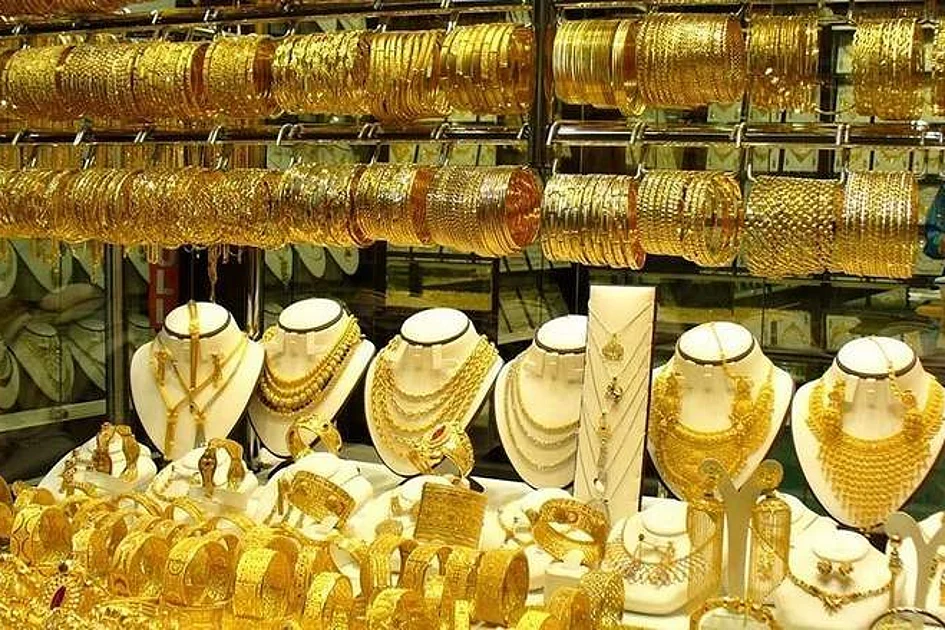
Dubai: Gold’s price swings ‘healthy correction’, but experts warn of further volatility
Gold prices in the UAE showed modest gains on Friday, reflecting resilience in local demand and support from global factors. According to the Dubai Gold and Jewellery Group, 24-carat gold closed at Dh482.75 per gram, up from Dh479 the previous day. Other variants, including 22-carat, 21-carat, and 18-carat gold, also saw slight increases. These gains occurred during a week when global bullion prices were retracting from record highs, sparking debates among investors and market analysts.
Internationally, gold prices surged to a historic high of around $4,300 per ounce earlier this month before slipping to approximately $4,050, marking a 5.8% decline. Market strategists view this dip as a healthy correction following extreme overbought conditions. Technical indicators, such as the Relative Strength Index (RSI), had signaled the need for consolidation, with the RSI reaching an unprecedented 92 during the rally.
Alex Kuptsikevich, chief market analyst at FxPro, noted that the correction is not yet over. He attributed gold’s record high to a rare alignment of macroeconomic anxieties, including devaluation trading, expectations of aggressive monetary expansion by the Fed, geopolitical tensions, and central bank purchases. However, these factors are now easing, with the US and China finding common ground, the Middle East conflict cooling, and the Fed remaining cautious on rate cuts.
Despite the recent pullback, gold’s long-term bullish case remains supported by structural factors such as central bank reserve diversification, high government debt levels, and growing investor interest in gold as a hedge against currency debasement. Analysts emphasize that the current correction is a pause rather than a trend reversal, with additional short-term downside possible. Seasonal patterns, particularly October’s volatility, also play a role, as institutional portfolio adjustments often lead to selling pressure.
In Dubai, the emirate’s status as a global bullion trading hub and key retail jewellery market means price swings quickly influence buying behavior. Traders reported steady footfall this week, with shoppers viewing the dip in global prices as a favorable entry point. Retailers anticipate increased demand ahead of the festive and wedding season, especially if prices stabilize around current levels. Gulf jewellery buyers, traditionally price-sensitive but value-driven, often see dips as opportunities rather than warnings.
Gold mining stocks have felt the impact more acutely, with prices declining by 15-20%, compared to bullion’s less than 6% drop. Large-cap producers with stronger balance sheets have fared better, while mid-cap and exploration companies have seen steeper losses as investors reduce speculative exposure. This pattern is characteristic of retracement phases in commodity bull markets.
In summary, gold’s recent price movements represent a healthy correction rather than a collapse. While near-term volatility is expected, the long-term outlook remains positive, supported by fundamental factors and investor confidence in gold’s role as a hedge against economic uncertainty.
-
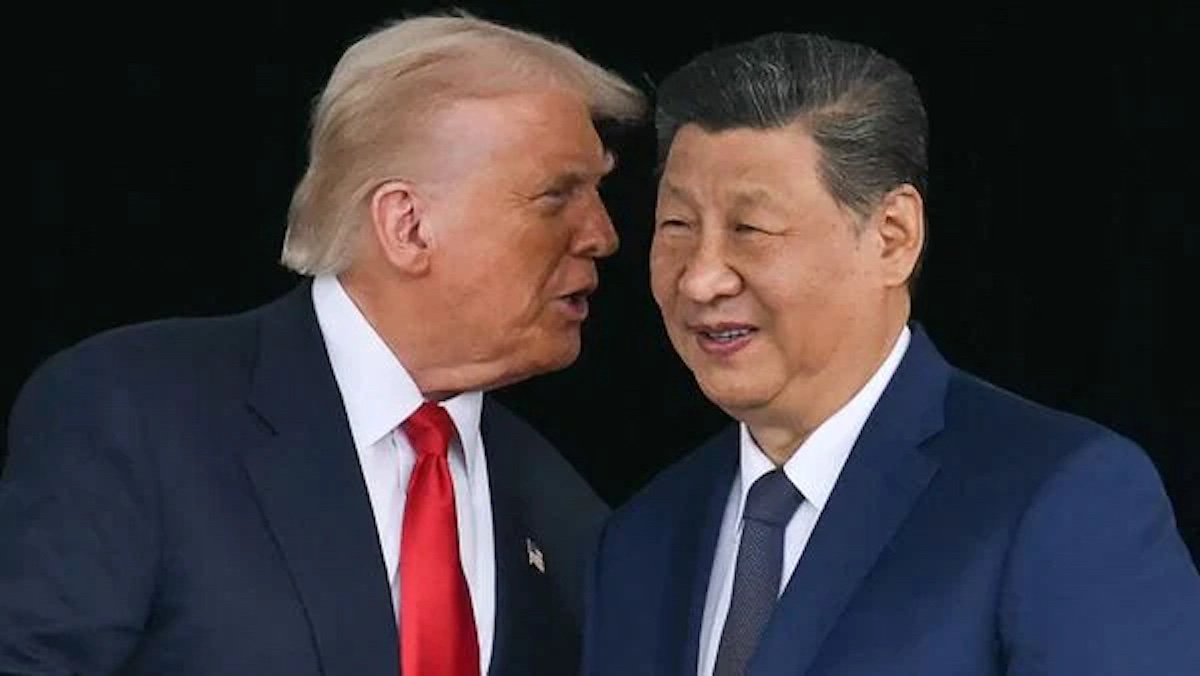
US-China in a hot and fragile truce
The recent agreement between US President Donald Trump and Chinese President Xi Jinping has temporarily averted a trade war, offering a brief respite to global markets. While not a comprehensive resolution, the deal represents a truce that could stabilize economic relations between the two superpowers for the near future. The agreement includes preliminary deals on several contentious issues, with the US stepping back from imposing high tariffs on Chinese imports and easing restrictions on technology transfers. In return, China has refrained from leveraging its monopoly on rare earth elements (REEs) as a bargaining chip. This delicate balance underscores the strategic competition between the two nations, as both seek to strengthen their positions in the global economic arena. China aims to diversify its export markets and boost domestic consumption to mitigate potential losses from US trade policies, while the US is striving to reduce its reliance on Chinese REEs. The agreement is set to be reviewed annually, coinciding with the US midterm elections, which could give China significant leverage. In the short term, China holds an advantage with its control over REEs, but the long-term outcome hinges on broader strategic maneuvers. The contrasting governance models of the two nations—China’s authoritarian system and the US’s democratic framework—play a crucial role in shaping their respective strategies. While China can mobilize resources swiftly, the US relies on market dynamics and electoral cycles, which can be both a strength and a vulnerability. The race for economic and technological supremacy is far from over, and the stakes are higher than ever.
-
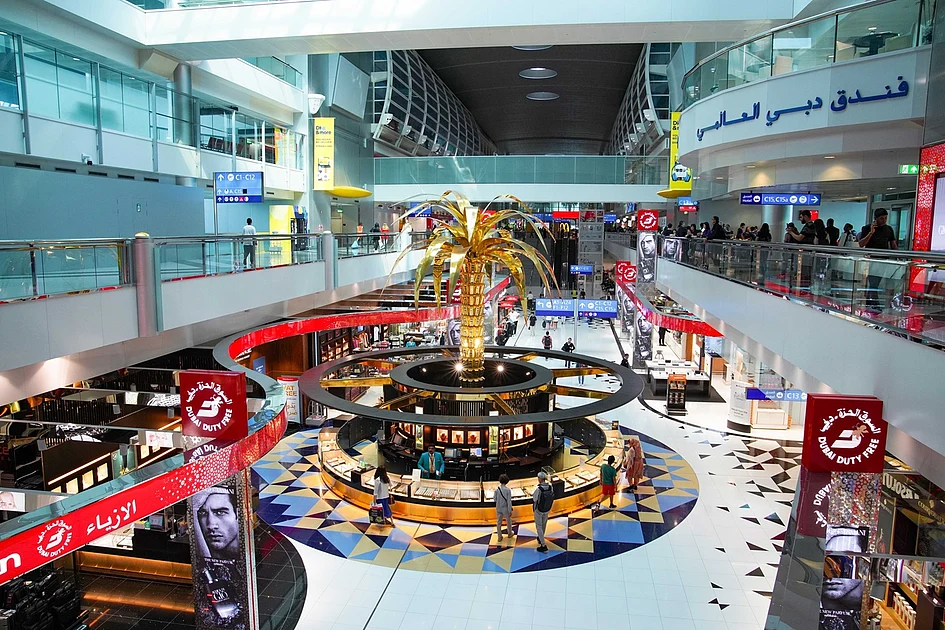
Dubai Duty Free hits all-time high October sales with over Dh800 million
Dubai Duty Free has set a new benchmark in its retail operations, announcing unprecedented October sales of Dh805.6 million (US$220.7 million). This achievement marks the eighth record-breaking month out of ten in 2025, solidifying the company’s consistent growth trajectory. October’s sales surpassed the previous October record of Dh692 million (US$189 million) set in 2023, making it the third-highest monthly sales in the company’s history, trailing only behind the all-time high of Dh821.4 million (US$225 million) recorded in December 2024. The sales growth outpaced passenger traffic by at least 10%, with a remarkable 19.31% increase compared to October 2024. Year-to-date sales reached Dh6.88 billion (US$1.885 billion), reflecting an 8.72% increase over the same period last year. Perfumes remained the top-selling category, generating Dh139.9 million (US$38.3 million), while gold sales, driven by the Diwali season, ranked second with Dh97.2 million (US$26.6 million). Confectionery also saw record sales of Dh78 million (US$21.4 million), with ‘Dubai Chocolate’ leading the charge. Luxury fashion boutiques, including Louis Vuitton, Chanel, Dior, Gucci, and Cartier, contributed significantly, with sales up 43.5% over October 2024. The opening of new boutiques in Concourse A has further bolstered sales, with standout transactions including high-value luxury items. Sales across key regions and markets, including Africa, the Americas, Europe, the Middle East, the Far East, and Australasia, all rose by more than 20%, with Russia and Africa showing notable increases.
-

Deloitte China vice-chairman: ‘The country’s development will benefit the whole economy’
In a landmark address on Friday, Chinese President Xi Jinping unveiled a five-point proposal aimed at fostering universally beneficial and inclusive economic globalization, with a focus on building a cohesive Asia-Pacific community. This initiative underscores China’s dedication to maintaining an open economy, which is expected to generate significant growth opportunities across the region. Wu Weijun, vice-chairman of Deloitte China, emphasized the importance of this commitment in an exclusive interview with China Daily. He highlighted that China’s proactive stance on economic openness not only benefits its domestic economy but also serves as a catalyst for regional development. The proposal aligns with broader efforts to strengthen economic ties and promote sustainable growth within the Asia-Pacific region, reinforcing China’s role as a key player in global economic governance.
-

Italian police seize $1.5B in assets from Campari’s controlling shareholder amid tax fraud probe
Italian tax police have initiated the seizure of assets valued at €1.29 billion ($1.5 billion) from Luxembourg-based holding company Lagfin, the controlling shareholder of premium spirits giant Campari Group. The move comes as part of an ongoing investigation into alleged tax evasion. A judge in Monza, located northeast of Milan, authorized the precautionary seizure, which stems from a tax audit following Lagfin’s merger with its Italian subsidiary. Lagfin, established in 1995 and closely tied to the family of Campari Group Chairman Luca Garavoglia, holds over 80% of Campari’s voting rights and more than 50% of its shares. In a statement, Lagfin emphasized that the investigation is unrelated to Campari Group and asserted its commitment to compliance with all applicable laws, including Italian tax regulations. The company vowed to vigorously defend itself against the allegations. Campari Group, renowned for its iconic red aperitif and ownership of global brands like Aperol, Grand Marnier, and several tequilas and bourbons, has yet to comment on the matter. Lagfin assured that the seizure would not impact its controlling stake in Campari.
-

Police seize €1.3bn from Campari owner over alleged tax evasion
Italian authorities have seized shares worth €1.3 billion (£1.1 billion; $1.5 billion) from Luxembourg-based Lagfin, the controlling entity of the Campari Group, as part of an ongoing investigation into alleged tax evasion. The confiscation follows a year-long probe into the company’s financial activities, particularly its absorption of its Italian subsidiary. Prosecutors allege that Lagfin failed to pay taxes equivalent to the value of the seized shares during the merger process. Campari, the renowned producer of spirits such as Aperol, Grand Marnier, and Courvoisier, has stated that neither the company nor its subsidiaries are involved in the case. However, Campari’s chairman, Luca Garavoglia, is reportedly under investigation. Lagfin, which holds over 50% of Campari’s shares and 80% of its voting rights, has maintained that it has always adhered to tax obligations across all jurisdictions. The investigation, initiated by Milan prosecutors last year, uncovered €5.3 billion in undeclared capital gains between 2018 and 2020, on which the company allegedly failed to pay an ‘exit tax’—a levy imposed on firms relocating their headquarters abroad. Italian financial newspaper Il Sole 24 Ore also reported accusations that Lagfin transferred Italian assets to foreign ownership solely for tax benefits. Garavoglia, a billionaire who inherited Campari from his late mother, and Giovanni Berto, head of Campari’s Italian branch, are both implicated in the case. Campari, one of the world’s largest spirits producers, is valued at approximately €7 billion on the Milan Stock Exchange. The company traces its origins to 1860, when Gaspare Campari’s homemade bitter liqueur gained popularity at his Milan bar. By 1904, the family began commercial production, and from the 1990s, the firm expanded by acquiring other alcohol brands.
-
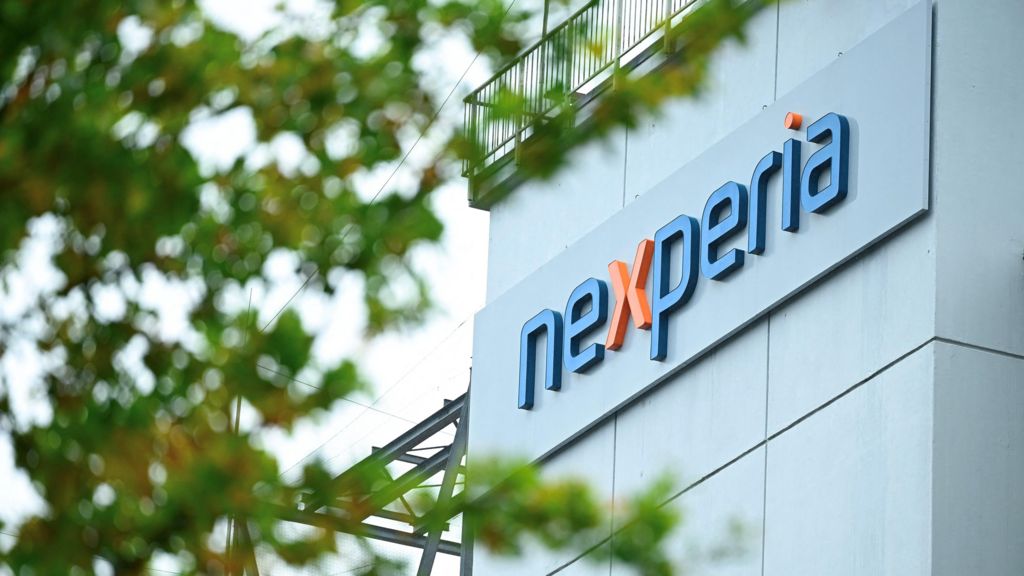
China to loosen chip export ban to Europe after Netherlands row
In a significant policy shift, China has announced plans to relax its ban on chip exports, a measure initially imposed in response to the Netherlands’ takeover of Nexperia, a Chinese-owned semiconductor manufacturer based in the Netherlands. The Dutch government invoked a Cold War-era law in September to seize control of the company, citing ‘serious governance shortcomings’ and concerns over chip availability during emergencies. This move prompted China to halt the re-export of completed Nexperia chips to Europe, sparking alarm among automotive manufacturers, who rely heavily on these components. Approximately 70% of chips produced in the Netherlands are sent to China for final processing before being re-exported globally. In a statement released on Saturday, China indicated it would ‘comprehensively consider the actual situation of enterprises and grant exemptions to exports that meet the criteria,’ though specific details remain unclear. Beijing also criticized the Dutch government for ‘improper interference in the internal affairs of enterprises,’ attributing the disruption of global supply chains to these actions. Nexperia, now under Dutch control, has informed customers it will cease sending chips to China for processing, according to a recent letter obtained by Reuters. The European Automobile Manufacturers’ Association (ACEA) had previously warned that Nexperia chip supplies would dwindle within weeks unless the Chinese ban was lifted, potentially halting vehicle production. The decision to ease export controls follows a meeting between US President Donald Trump and Chinese President Xi Jinping in South Korea, where semiconductor trade was reportedly discussed. The White House is expected to release a fact sheet detailing a new trade agreement with China, including the resumption of Nexperia exports. This development comes amid broader geopolitical tensions, including the US government’s 2024 decision to place Chinese chipmaker Wingtech on its ‘entity list’ over national security concerns. In the UK, Nexperia was compelled to sell its Newport silicon chip plant due to similar security apprehensions, though it retains a facility in Stockport.