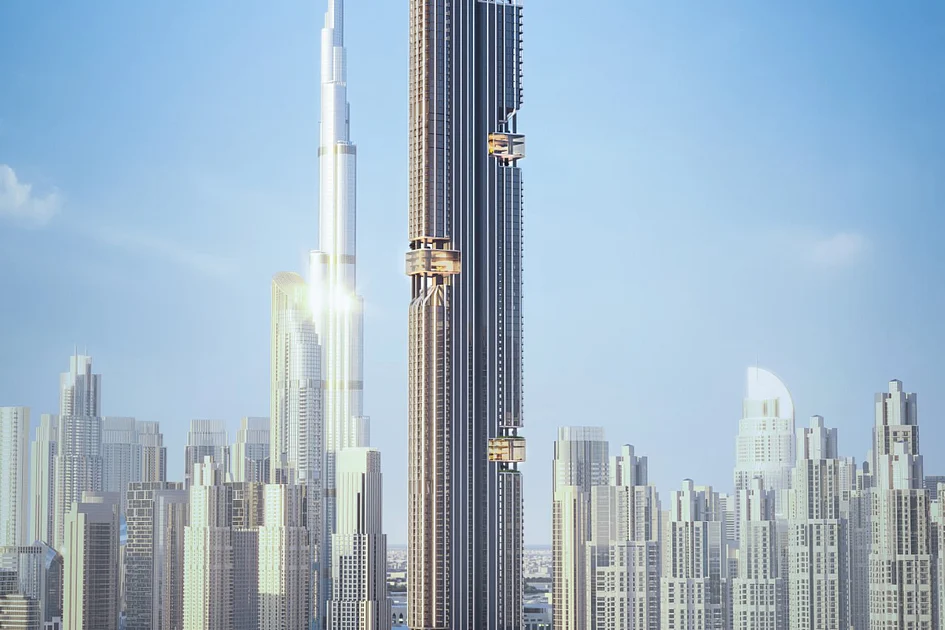
Dubai-based real estate developer Deyaar Development has announced a remarkable 23.7% year-on-year increase in profit after tax for the first nine months of 2025, reaching Dh406.4 million. This impressive financial performance was fueled by a 39.1% surge in total revenue, which rose to Dh1.447 billion from Dh1.040 billion in the same period last year. The company’s core property development segment was the primary driver of growth, with revenue soaring 46.4% to Dh1.196 billion. Other business segments also contributed positively, recording a 12.2% growth to Dh251 million. Profit before tax increased by 22.1% to Dh425.7 million, while earnings per share climbed 24.2% to 9.33 fils. Deyaar’s total assets grew by 12.3% to Dh7.591 billion, reflecting its expanding scale. Saeed Mohammed Al Qatami, CEO of Deyaar, attributed the success to the company’s strategic direction and disciplined execution. He highlighted recent project launches, including Downtown Residences, the final phase of Park Five, and the luxury AYA Beachfront Residences, as evidence of the company’s ability to meet market demands. Al Qatami expressed optimism for the remainder of 2025, citing Dubai’s Economic Agenda D33 and the 2040 Urban Master Plan as key enablers of growth. The company remains focused on profitability and launching selective projects that align with evolving customer needs. Strategic milestones during the period included the launch of the ultra-luxury Downtown Residences, set to become Deyaar’s tallest project upon completion in 2030. Additionally, the company is progressing on delivery targets, with the Amalia project underway and the Regalia tower in Business Bay scheduled for completion before year-end.
分类: business
-

212 Off-Road Vehicle Co ties up with Legend Motors, enters UAE market
In a significant move for the UAE’s automotive sector, Legend Motors, a subsidiary of the Legend Holding Group, has partnered with China’s renowned 212 Off-Road Vehicle Co., Ltd. This collaboration introduces 212’s iconic off-road vehicles to the UAE, marking a new chapter in the region’s adventure-driven automotive culture. The partnership leverages 212’s 60-year legacy of rugged engineering and cutting-edge technology, epitomized by its debut model, the 212 T01. This vehicle boasts a retro design, a robust 2.0T engine, and exceptional off-road capabilities, having undergone over one million kilometers of endurance testing in extreme conditions. Backed by the Shandong Weiqiao Pioneering Group, a Fortune Global 500 company, 212 aims to expand its footprint across Asia, the Middle East, and Europe. Legend Motors will serve as the official dealer for 212 in Dubai and Abu Dhabi, emphasizing a shared commitment to quality, innovation, and adventure. Lu Yunran, CEO of 212 Off-Road Vehicles Co., Ltd., highlighted the UAE’s vibrant off-road market and the partnership’s goal to inspire exploration and redefine adventure. Together, Legend Motors and 212 are poised to deliver a new era of off-road experiences tailored to the UAE’s unique landscapes and adventurous lifestyle.
-

Toyota, Honda turn India into car production hub in pivot away from China
In a strategic move to diversify their global supply chains, Japanese automotive giants Toyota, Honda, and Suzuki are channeling billions of dollars into India, transforming the country into a pivotal manufacturing hub. This shift marks a significant pivot away from China, driven by rising costs, intense competition, and geopolitical uncertainties.
-
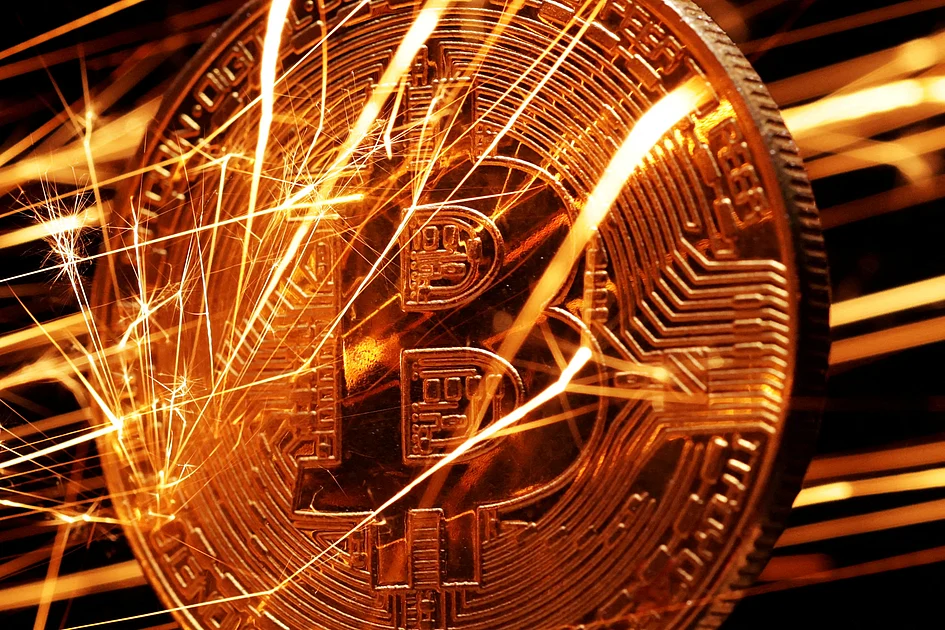
Bitcoin dips below $100K: Is the crypto rally over or just taking a pause?
The cryptocurrency market has entered a turbulent phase as Bitcoin, the flagship digital asset, plummeted below the psychologically significant $100,000 mark, reaching its lowest level since late June. This sharp decline, which saw Bitcoin lose over 20% from its October 6 peak of $126,000, has sparked intense speculation among analysts: is this a temporary pause in the rally or the onset of a prolonged bear market? The immediate catalysts for the downturn include technical breakdowns, shifting macroeconomic conditions, and internal market dynamics. Technically, Bitcoin’s breach of the 200-day moving average at $109,800 has signaled potential further declines. Katie Stockton of Fairlead Strategies predicts the correction could persist for weeks, with the next support level around $94,200, while maintaining a long-term target of $134,500. Macroeconomic pressures have also intensified, with a stronger US dollar and hawkish Federal Reserve rhetoric dampening investor sentiment. This has led to a net outflow of $360 million from cryptocurrency investment products last week, according to CoinShares’ James Butterfill. Internally, institutional demand has waned, with on-chain data revealing that institutional net buying has dropped below the daily mining supply for the first time in seven months. Glassnode data further confirms a slowdown in institutional accumulation, with Blackrock’s spot Bitcoin ETF seeing weekly net inflows shrink to less than 600 Bitcoins, a stark contrast to the 10,000 Bitcoins per week during previous rallies. Despite these challenges, some analysts remain optimistic. QCP Capital attributes the pullback to profit-taking by long-term holders rather than macroeconomic factors, noting the market’s resilience in absorbing significant selling pressure. Gary O’Shea of Hashdex emphasizes that the long-term investment case for Bitcoin remains intact, citing accelerating institutional adoption as a key driver for future growth. The current downturn is seen as a critical test for the market’s new structure, built around spot ETFs and institutional participation. While this structure may have reduced volatility, the path forward depends on a positive shift in the macro environment and a resurgence of institutional demand. For now, the market watches closely to see if Bitcoin can hold the $100,000 level or if further corrections are imminent.
-
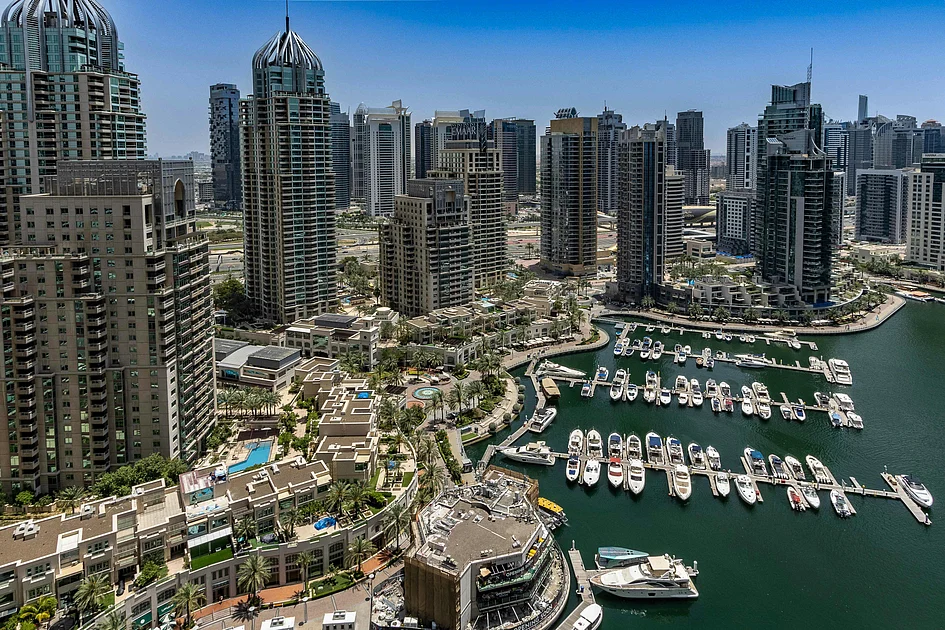
Dubai’s housing sector posts record sales in October
Dubai’s real estate sector has achieved unprecedented milestones in 2025, with residential and office markets reaching record-breaking performance levels. By the end of October, property sales soared to Dh559.4 billion, surpassing the previous full-year record of Dh522.1 billion set in 2024. This remarkable growth is fueled by sustained population expansion, robust investor confidence, and Dubai’s transformation into a permanent residence for global citizens rather than a transient hub. The market’s resilience is further underscored by a strong preference for off-plan properties, which accounted for 70% of total residential sales in Q3 2025. Apartments dominated transaction volumes, while villas and townhouses experienced a 22% average price increase due to limited supply. The Dh5–10 million price segment saw a 60% surge in transactions, reflecting heightened demand for premium properties. The office market mirrored this strength, with Grade A office assets achieving a 95% occupancy rate and citywide rents rising to Dh190 per square foot, a 22% year-on-year increase. Prime districts like DIFC, One Central, and Downtown Dubai continued to command top rental rates. A wave of new office supply, projected at 2.3 million square feet in 2026 and 4.1 million square feet in 2027, is already seeing strong pre-leasing activity. Industry experts attribute this sustained boom to visionary government policies, including long-term residency options like the Golden Visa, and world-class infrastructure. With two months remaining in 2025, analysts predict it will be the most active year ever for Dubai’s real estate market, setting the stage for achieving the Dh1 trillion annual transaction target outlined in the Dubai Real Estate Strategy 2033.
-
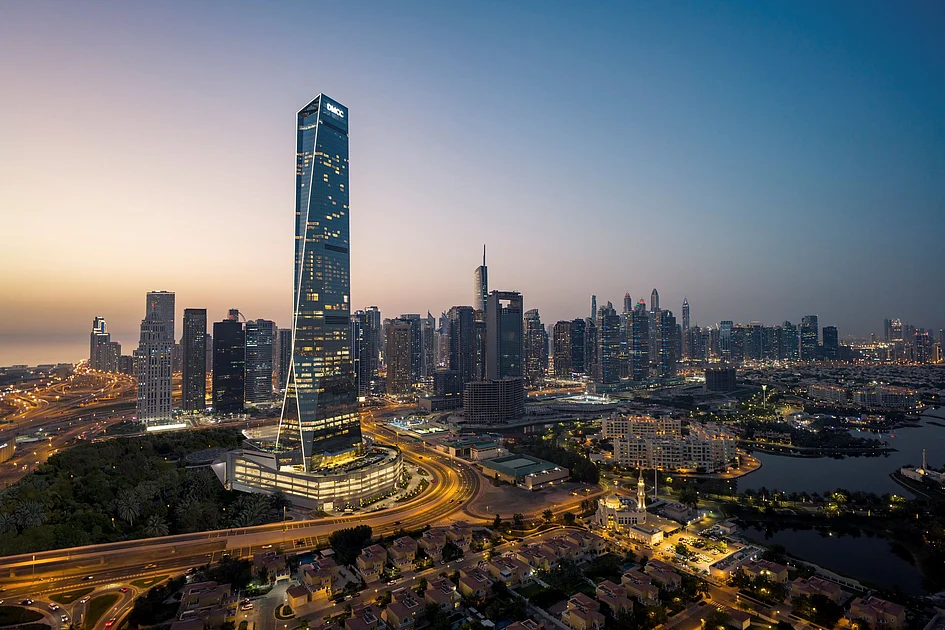
DMCC: The financial centre that we have already built
Dubai’s DMCC (Dubai Multi Commodities Centre) is set to formally unveil its Financial Centre later this month, marking a significant milestone in the convergence of trade, finance, and digital innovation. Unlike other regional hubs, the DMCC Financial Centre is not a new initiative but a formalization of an already thriving ecosystem that has been operational for over two decades. With more than 26,000 active companies in its district, DMCC is home to 1,620 firms in banking, insurance, fintech, and investment, all interconnected within a robust architecture linking trade to capital and physical commodities to liquid markets.
The journey of DMCC began with a USD 200 million Gold Sukuk, which funded the construction of three commercial towers, including Almas, the world’s tallest diamond tower. Despite the 2008 financial crisis, DMCC repaid the sukuk in full within five years, demonstrating its financial prudence and earning the confidence of Dubai’s leadership. Today, DMCC’s infrastructure includes the Dubai Gold & Commodities Exchange (DGCX), the region’s largest commodity derivatives exchange, and the Dubai Commodities Clearing Corporation (DCCC), which processes trades under a stringent risk-management framework.
DMCC’s innovative platforms, such as the DMCC Vault and DMCC Tradeflow, facilitate secure handling and instant settlement of physical assets like gold, diamonds, and agricultural commodities. Last year, Tradeflow registered over Dh1.4 trillion ($381 billion) in Islamic finance transactions, showcasing its pivotal role in asset-backed financing and digital tokenization. The recent launch of the DMCC Wealth Hub further consolidates its position as a global wealth management hub, offering licensing for SPVs, HoldCos, and DAOs, supported by legal and fiduciary expertise.
Globally, the DMCC Financial Centre stands out by integrating physical commodities, regulated financial infrastructure, and digital innovation. Domestically, it complements the UAE’s existing financial hubs like DIFC and ADGM, ensuring alignment with national regulatory standards. Partnerships with entities like VARA (Virtual Assets Regulatory Authority) and DIFC’s Dispute Resolution Authority enhance its capabilities in tokenized commodities and dispute resolution.
The DMCC Financial Centre addresses the global trade finance gap, estimated at $2.5 trillion, by enabling faster, more transparent, and frictionless capital flows. As Ahmed Bin Sulayem, Executive Chairman and CEO of DMCC, emphasizes, the centre is not a new creation but a natural evolution of DMCC’s mission to bridge trade and liquidity. When the Dubai Precious Metals Conference convenes on November 25, it will highlight how the DMCC Financial Centre embodies Dubai’s role as a global marketplace for value, innovation, and infrastructure.
-
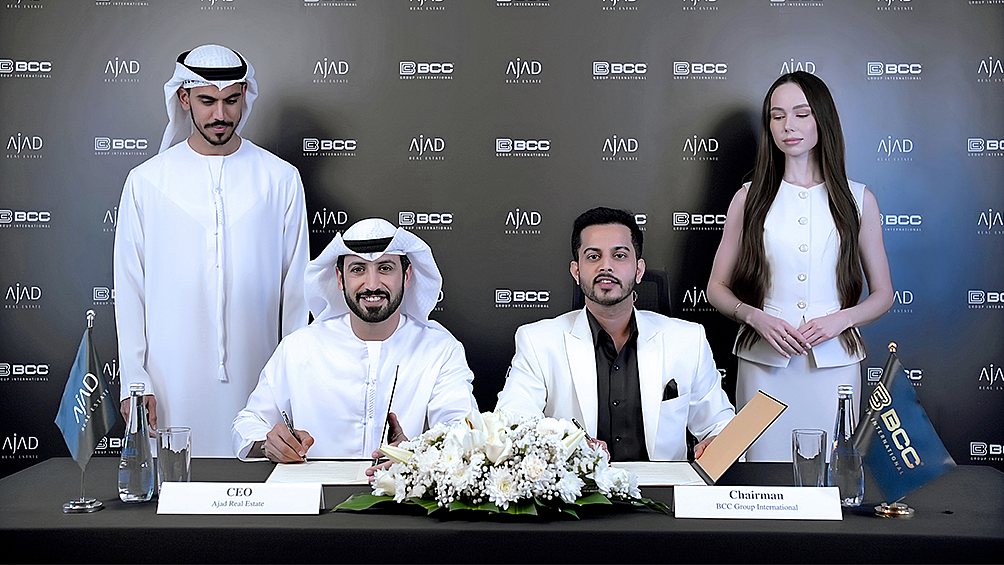
BCC Group International acquires majority stake in Ajad Real Estate
In a strategic move to bolster its footprint in the UAE’s thriving real estate sector, BCC Group International, an Indian-owned conglomerate headquartered in Dubai, has successfully acquired a 51% majority stake in Ajad Real Estate. The deal, finalized under the leadership of Group Chairman Amjad Sithara, marks a significant step in BCC Group International’s expansion strategy. Alongside the acquisition, the company has introduced a groundbreaking 100% commission model for real estate agents, a first in the region, aimed at attracting top talent and fostering entrepreneurial opportunities within the industry. Established in 2012, BCC Group International has grown from a specialized manpower and construction solutions provider into a diversified entity with investments spanning real estate, hospitality, logistics, and IT. Ajad Real Estate, known for its expertise in property management and development, brings a wealth of market knowledge and a strong presence to the partnership. This collaboration is expected to enhance service offerings and drive sustainable growth in the UAE’s dynamic real estate market, aligning with BCC Group International’s long-term vision of forging strategic partnerships globally.
-

Inside the UAE’s new coffee renaissance: Would you pay Dh3,600 for a cup?
The UAE’s coffee culture has undergone a remarkable transformation, evolving from a simple caffeine stop to a thriving ecosystem of artisan roasters, boutique cafés, and high-tech home brewing setups. With the market projected to grow at 8.4% annually through 2029 and over 8,800 cafés across the Emirates, coffee has become more than a trend—it’s a defining aspect of UAE identity. Consumers are no longer seeking mere convenience; they are chasing community, craftsmanship, and authenticity, driving a renaissance in the coffee industry. This shift is fueled by a growing obsession with home brewing, as residents invest in premium machines and small-batch beans to recreate café-quality experiences at home. Brands like Black Sheep Coffee are leading the charge, emphasizing boldness and authenticity. Their 100% Robusta beans challenge the Arabica-dominated market, offering a unique flavor profile that resonates with UAE’s diverse population. The coffee scene is also being shaped by innovation, with technology playing a pivotal role in enhancing the brewing process. From smart home machines to traceable sourcing, the industry is embracing sustainability and precision. The rise of specialty coffee has further elevated the culture, with consumers now knowledgeable about bean origins, roast profiles, and brewing techniques. This demand for quality has led to the emergence of functional blends, such as those targeting brain, gut, and beauty wellness. The pandemic accelerated the home-brewing boom, with the GCC market growing over 20% since 2020. This trend reflects a broader ‘slow life’ movement, where people value daily rituals and quality over speed. The UAE’s coffee renaissance is also marked by its global appeal, with Dubai welcoming 18.72 million international visitors in 2024. This influx has bolstered the café culture, making it a cornerstone of the city’s identity. However, the future of coffee in the UAE is hybrid, with cafés inspiring home setups and vice versa. Brands that succeed will be those that educate, connect, and stay authentic, meeting consumers wherever they choose to brew. The pinnacle of this renaissance is exemplified by Julith’s offering of the world’s most valuable coffee, Nido 7 Geisha, priced at Dh3,600 per cup. This rare coffee, acquired at a record Dh2.22 million, represents decades of elite craftsmanship and is a testament to the UAE’s position as a global coffee destination.
-
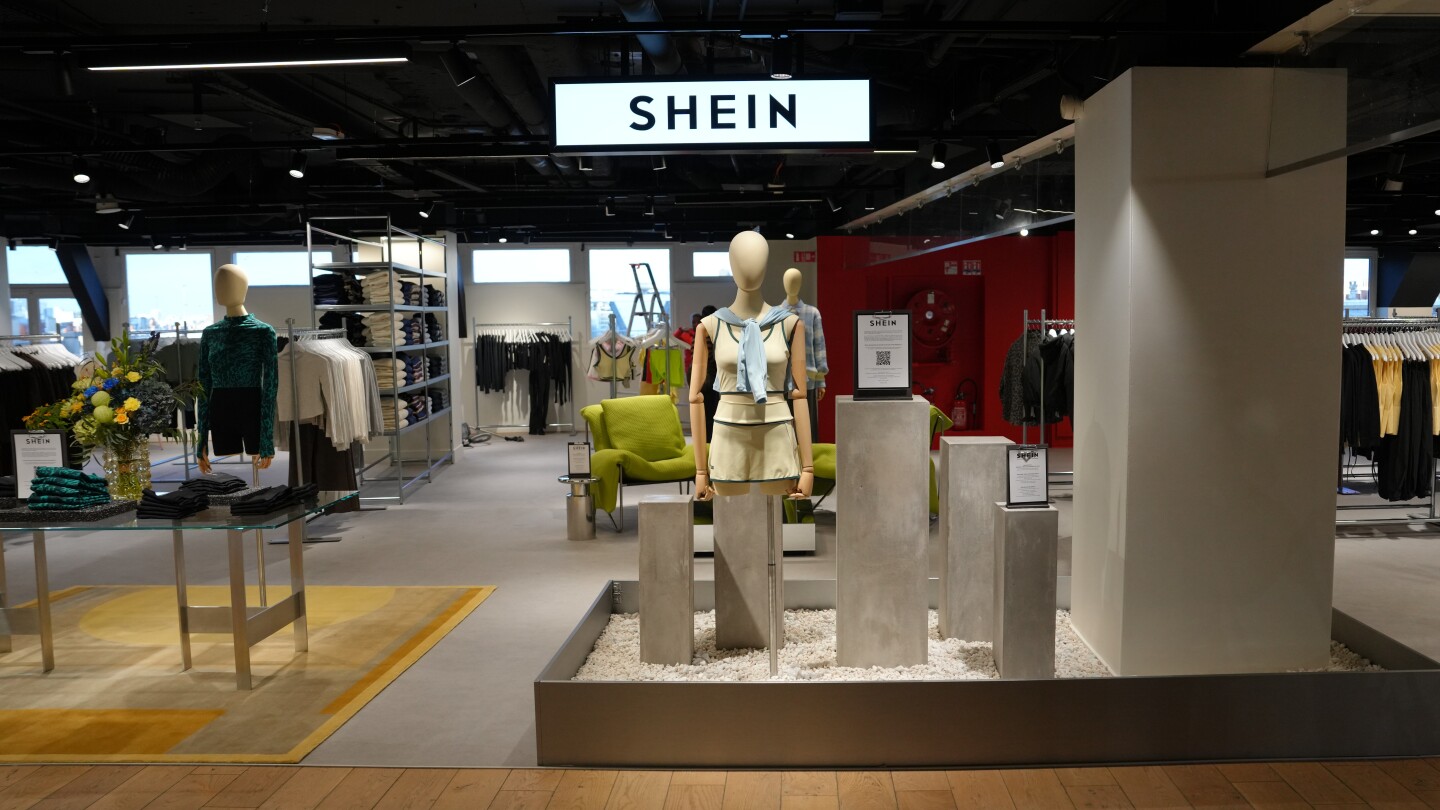
Fast-fashion giant Shein faces backlash over Paris store opening and sales of childlike sex dolls
The fast-fashion giant Shein has ignited a storm of criticism as it opened its first permanent store in Paris on Wednesday, located within the historic BHV Marais department store. The launch, set in the heart of France’s fashion capital, has drawn fierce opposition from environmental groups, Paris City Hall, and the French ready-to-wear industry. The controversy deepened after French authorities discovered sex dolls with childlike features listed on Shein’s website, prompting a referral to prosecutors and a government warning that the platform could face a ban in France if such content resurfaces. Shein responded by banning all sex-doll products, temporarily removing its adult products category for review, and launching an internal investigation to address the oversight. Despite these measures, the brand’s arrival has been met with protests, an online petition garnering over 120,000 signatures, and condemnation from child-protection and environmental organizations. Thibaut Ledunois of the French federation of women’s ready-to-wear described the event as a ‘black day for our industry,’ criticizing Shein’s global business practices. Meanwhile, the Société des Grands Magasins (SGM), owner of BHV Marais, acknowledged the controversy but praised Shein’s swift response, expressing optimism that the partnership would revitalize the struggling department store. Founded in China in 2012 and now headquartered in Singapore, Shein has faced persistent allegations of forced labor in its supply chains, particularly in China’s Xinjiang region. SGM’s COO, Karl-Stéphane Cottendin, defended Shein, claiming the brand has made significant improvements to comply with French and European regulations. However, the fast-fashion industry’s environmental and social costs remain a pressing concern, with France advancing legislative measures to curb its influence, including advertising bans, taxes on imported parcels, and stricter waste management rules.
-

Up to Dh1 billion fine as UAE boosts Central Bank powers under new financial law
The UAE has implemented a groundbreaking financial law, Federal Decree Law No. (6) of 2025, significantly enhancing the Central Bank’s regulatory powers and introducing stringent penalties for non-compliance. The law, which came into effect on November 5, 2025, aims to bolster financial stability, protect consumers, and regulate emerging financial technologies. It applies to a broad spectrum of the financial ecosystem, including banks, insurers, fintech firms, payment system providers, and other financial service entities. Administrative fines for violations can now reach up to Dh1 billion, with the Central Bank authorized to withdraw penalties directly from violators’ accounts before a final judicial ruling. Additionally, the law mandates public disclosure of penalties and settlement decisions to enhance transparency and market discipline. The legislation also empowers the Central Bank to intervene early in distressed institutions, imposing corrective measures, replacing management, or taking control if necessary. Furthermore, the law consolidates consumer complaints under the Sanadak platform, streamlining dispute resolution for banking and insurance services. The Central Bank’s role as the national Resolution Authority is reinforced, enabling it to manage crises effectively, including restructuring capital and ensuring continuity of essential services. The law also integrates environmental, social, and governance (ESG) principles into the Central Bank’s operations, aligning with global sustainability trends. Financial institutions have one year to comply with the new requirements, with potential extensions granted as needed.