
The Fifth China Xinjiang Special Forestry and Fruit Products Expo is set to open in Guangzhou, Guangdong Province, from November 14 to 16, 2025. This annual event aims to expand the sales market for high-quality forest and fruit products from the Xinjiang Uygur Autonomous Region within the Guangdong-Hong Kong-Macao Greater Bay Area. Zhang Dongsheng, Deputy Director General of the Xinjiang Uygur Autonomous Region Government, highlighted the expo’s role in positioning Xinjiang as a major national supplier of agricultural and livestock products, thereby promoting social stability and economic development in the region. Xinjiang boasts a stable forest and fruit cultivation area of approximately 1.33 million hectares, with a fruit output of 14 million metric tons in 2025, leading the nation in jujube, grape, apricot, and almond production. The expo will feature over 300 exhibitors showcasing a diverse range of products, including agricultural and livestock items, refined and deep-processed goods, and new additions such as desert farming, floriculture, and Chinese medicinal materials. The event is expected to attract more than 400 procurement officers, fostering business talks and agreements to further explore and expand Xinjiang’s market presence.
分类: business
-
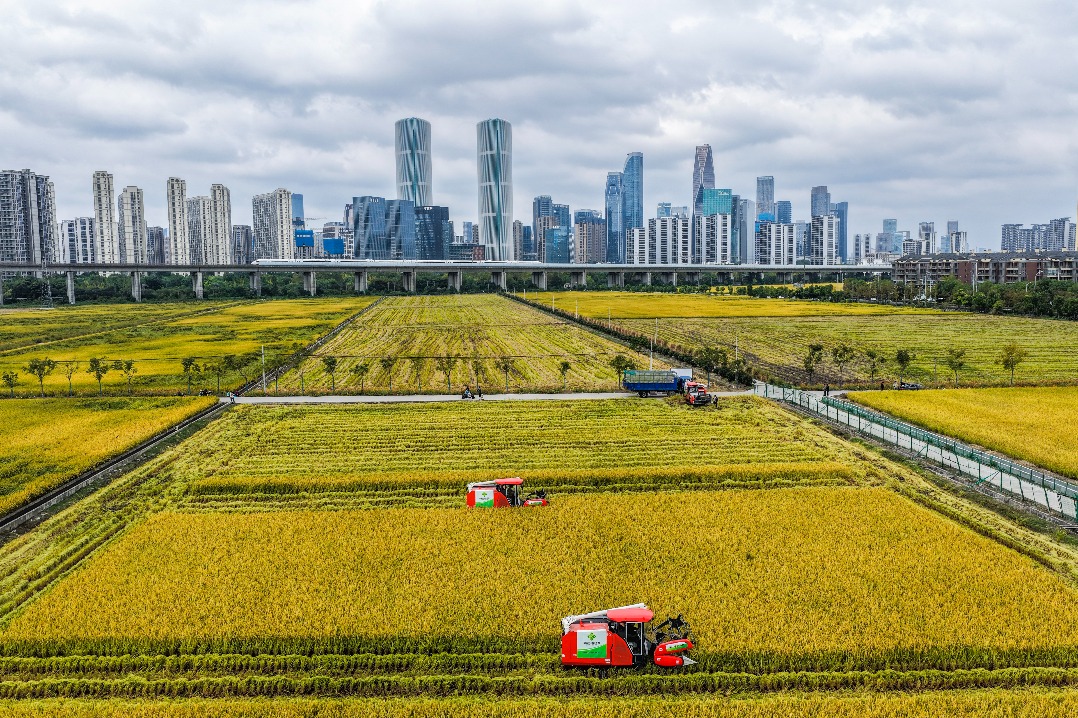
Explainer: What does China’s 2035 per capita GDP goal of ‘mid-level developed country’ status mean
As China outlines its development priorities for the next five years, a key objective has emerged: achieving a per capita GDP comparable to that of a ‘mid-level developed country’ by 2035. This target, highlighted in the Party leadership’s recommendations for the 15th Five-Year Plan (2026-30), is central to China’s broader modernization strategy. The goal also includes strengthening the economy, advancing science and technology, and enhancing national defense and global influence.
-

Adnoc partners with Comera Financial Holdings to empower its UAE suppliers and SMEs with smart financing solutions
The inaugural edition of Care in Dubai, a groundbreaking initiative, is poised to catalyze green innovation and investment across the Middle East and North Africa (Mena) region. This landmark event aims to foster sustainable development by bringing together industry leaders, policymakers, and investors to explore cutting-edge solutions in environmental conservation and renewable energy. With a focus on promoting eco-friendly practices and technologies, Care in Dubai is expected to serve as a pivotal platform for driving economic growth while addressing pressing environmental challenges. The event underscores Dubai’s commitment to becoming a global hub for sustainability and green innovation, aligning with the UAE’s broader vision for a greener future. By facilitating collaboration and knowledge exchange, Care in Dubai is set to unlock new opportunities for businesses and governments to invest in sustainable projects, ultimately contributing to the region’s transition towards a low-carbon economy.
-
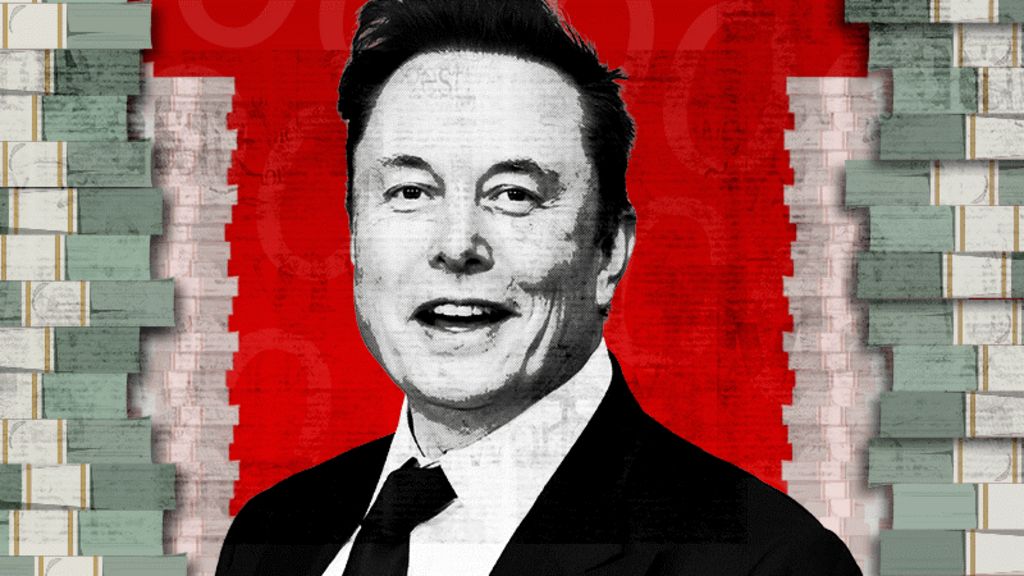
Quiz: How big is one trillion?
Tesla’s board has greenlit a staggering compensation package for CEO Elon Musk, potentially worth up to $1 trillion. This astronomical figure, however, is contingent upon Musk meeting a series of ambitious performance milestones for the electric vehicle giant. The package, which has sparked widespread debate, underscores the immense value Musk brings to Tesla and the high stakes involved in maintaining the company’s trajectory. To put this colossal sum into perspective, consider that $1 trillion is equivalent to the GDP of several small nations combined. The approval of this package not only highlights Musk’s pivotal role in Tesla’s success but also raises questions about corporate governance and executive compensation in the modern era. As Musk continues to push the boundaries of innovation, this pay package could further cement his status as one of the most influential figures in the business world.
-

Labubu-maker Pop Mart shares dip after employee suggests ‘blindbox’ overpriced
Pop Mart International Group, the renowned toy manufacturer behind the globally popular Labubu dolls, experienced a notable decline in its share prices on November 7, 2025. The dip followed a live-streaming incident where an employee suggested that the company’s ‘blindbox’ products were overpriced. The incident, which occurred on November 6, quickly gained media attention, prompting the company to launch an internal investigation. A spokesperson for Pop Mart assured Bloomberg News that the situation is being thoroughly examined. Labubu dolls, celebrated for their unique ‘cute-creepy’ aesthetic and eerie smiles, have captivated consumers worldwide, often leading to long queues and rapid sell-outs. The ‘blindbox’ concept, where buyers are surprised by the design or color of the doll they receive, has fueled a collecting frenzy. Limited editions of Labubu can fetch prices exceeding Dh1,000, and the dolls have inspired a wide range of merchandise, from cakes to keychains. The phenomenon extends beyond purchasing, with enthusiasts engaging in unboxing videos, collecting entire sets, and even customizing their dolls. Earlier in 2025, a TikToker gained viral fame for owning a 24k gold Labubu. The Labubu series, created in 2015 by Hong Kong-born illustrator Kasing Lung, draws inspiration from Nordic folklore and has become a cultural sensation.
-
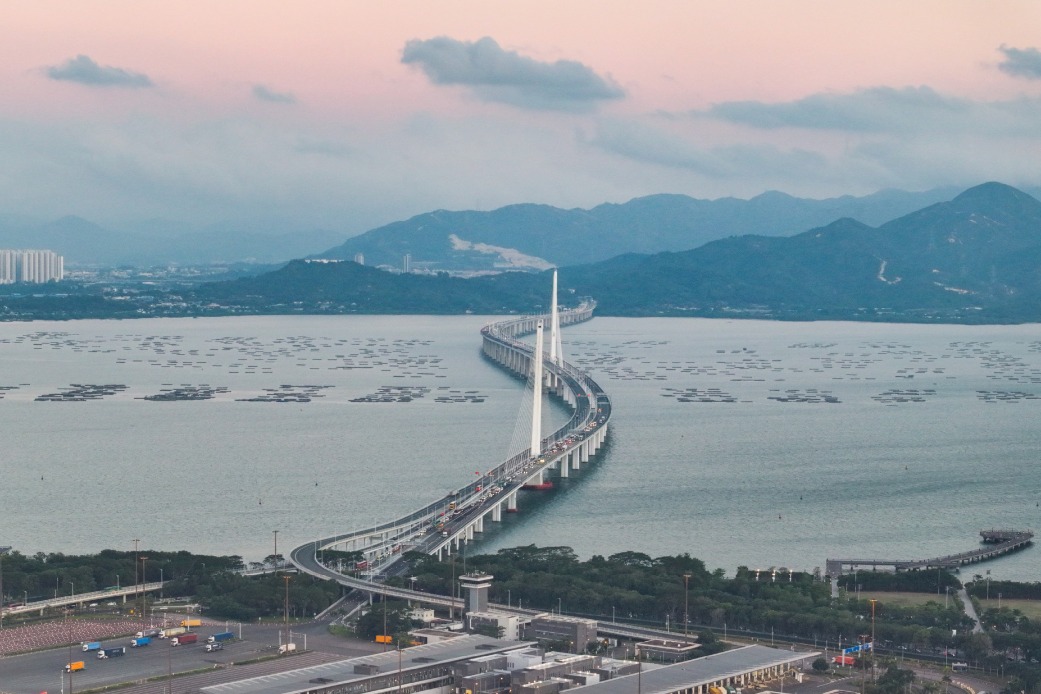
Chinese tech hub spurs Australian partnerships in innovation, industry
Shenzhen, China’s renowned technology hub, is intensifying its investment and innovation efforts to drive high-quality development, with Australian-Chinese partnerships playing a pivotal role. The city, often referred to as the ‘Silicon Valley of China,’ is leveraging its robust technological ecosystem to foster international collaboration. Australian physician Jack Minas, founder of PulseLife Diagnostics, highlighted Shenzhen’s global significance in technology and innovation, stating that the city offers the expertise and resources needed to advance his medical devices for cardiovascular disease detection. The 2025 Shenzhen Global Investment Promotion Conference in Sydney underscored the growing opportunities for cooperation between Shenzhen and Australia. Shenzhen’s Economic and Trade Office in Australia reported that the city’s trade with Australia reached $11.5 billion in 2024, with major Chinese companies like Tencent and BYD expanding their presence in Australia. Shenzhen’s commitment to innovation is evident in its R&D investment, which surged to 223.66 billion yuan ($31.38 billion) in 2023, marking nine consecutive years of double-digit growth. Australian officials and business leaders, including Tim James of New South Wales, praised Shenzhen’s dynamic market and technological advancements. The collaboration extends to talent exchange and innovation events, such as the 9th China (Shenzhen) Innovation and Entrepreneurship International Competition, which showcased projects in AI, biomedical sciences, and new materials. Australian companies are optimistic about Shenzhen’s business environment, with initiatives like the New South Wales economic development agency’s partnership with Shenzhen’s Economic and Trade Office facilitating visits for biotechnology firms. Nadeesha Chandrasena, a competition winner, emphasized Shenzhen’s manufacturing and technological strengths in developing IoT-enabled drainage systems for flood-prone cities. Shenzhen’s strategic role in the Guangdong-Hong Kong-Macao Greater Bay Area continues to drive its global influence, making it a prime destination for international partnerships.
-
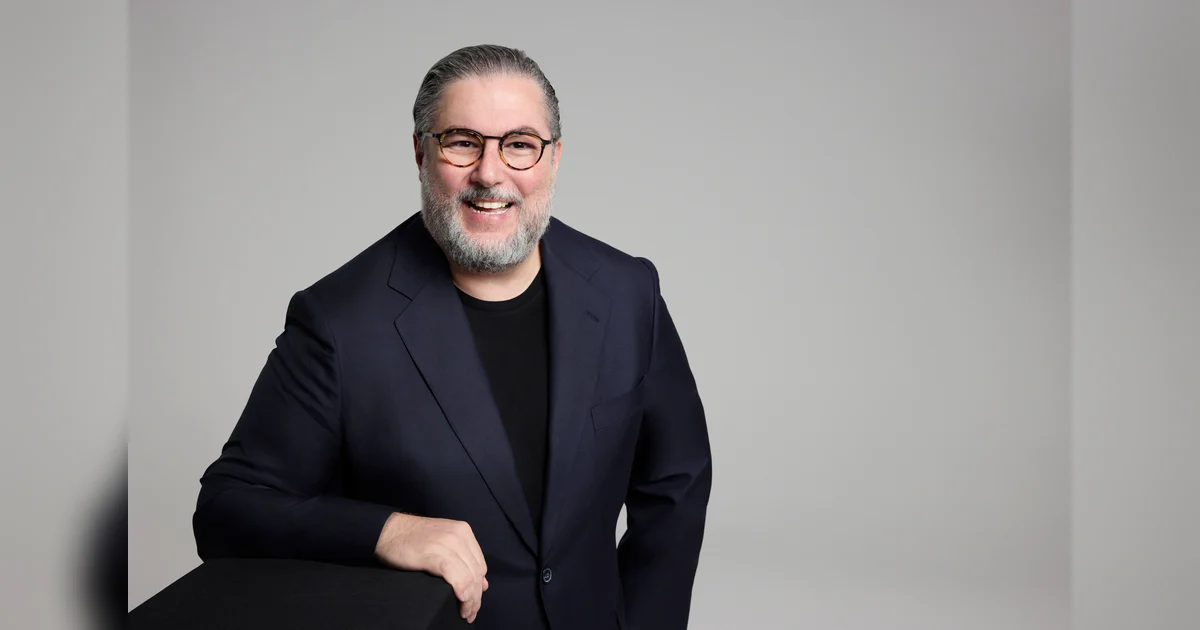
The century’s new renaissance — Middle East
The Gulf Cooperation Council (GCC) is spearheading a global renaissance in modern hospitality, driven by innovation, design, and a renewed focus on luxury living. Yigit Sezgin, CEO of Clé & Partners, a leading advisory and investment firm, highlights the transformative forces shaping the region. The UAE, particularly Dubai, Abu Dhabi, and Ras Al Khaimah, alongside Saudi Arabia and Oman, are at the forefront of this evolution. Factors such as market potential, tax incentives, safety, and technological advancements are attracting global attention. The post-Covid era has further amplified the demand for unique, culturally immersive travel experiences, pushing the hospitality industry to new heights. Sezgin emphasizes the shift towards ‘quiet luxury,’ where refined, understated experiences replace ostentation. Wellness has also evolved beyond traditional spas, with a focus on longevity and holistic health. Branded residences are gaining traction, though they pose challenges in maintaining service quality. Clé & Partners’ vertically integrated model connects capital, creativity, and capability, setting it apart from traditional consultancies. The firm’s focus on the Global South, including the Middle East, Africa, and Southeast Asia, underscores the region’s untapped potential. Artificial intelligence is poised to redefine the hospitality landscape, but human connection will remain irreplaceable. The GCC’s hospitality renaissance is not just a regional phenomenon but a global benchmark for the future of luxury living.
-

India: Air traffic control glitch delays flights at Delhi airport
A significant technical malfunction in the air traffic control system at Delhi’s Indira Gandhi International Airport, one of the world’s busiest aviation hubs, led to widespread flight delays on Friday. The issue, which disrupted operations during peak hours, affected numerous flights, including those operated by major carriers such as IndiGo and Air India. Data from Flightradar24, a global flight tracking service, confirmed the delays, highlighting the scale of the disruption. The Airports Authority of India, responsible for managing the airport’s operations, has yet to issue an official statement regarding the cause of the glitch or the steps being taken to resolve it. This incident underscores the vulnerabilities in critical aviation infrastructure and raises concerns about the potential impact on passenger travel and airline schedules. Delhi Airport, a key gateway for both domestic and international flights, has faced similar challenges in the past, emphasizing the need for robust systems to ensure seamless operations.
-
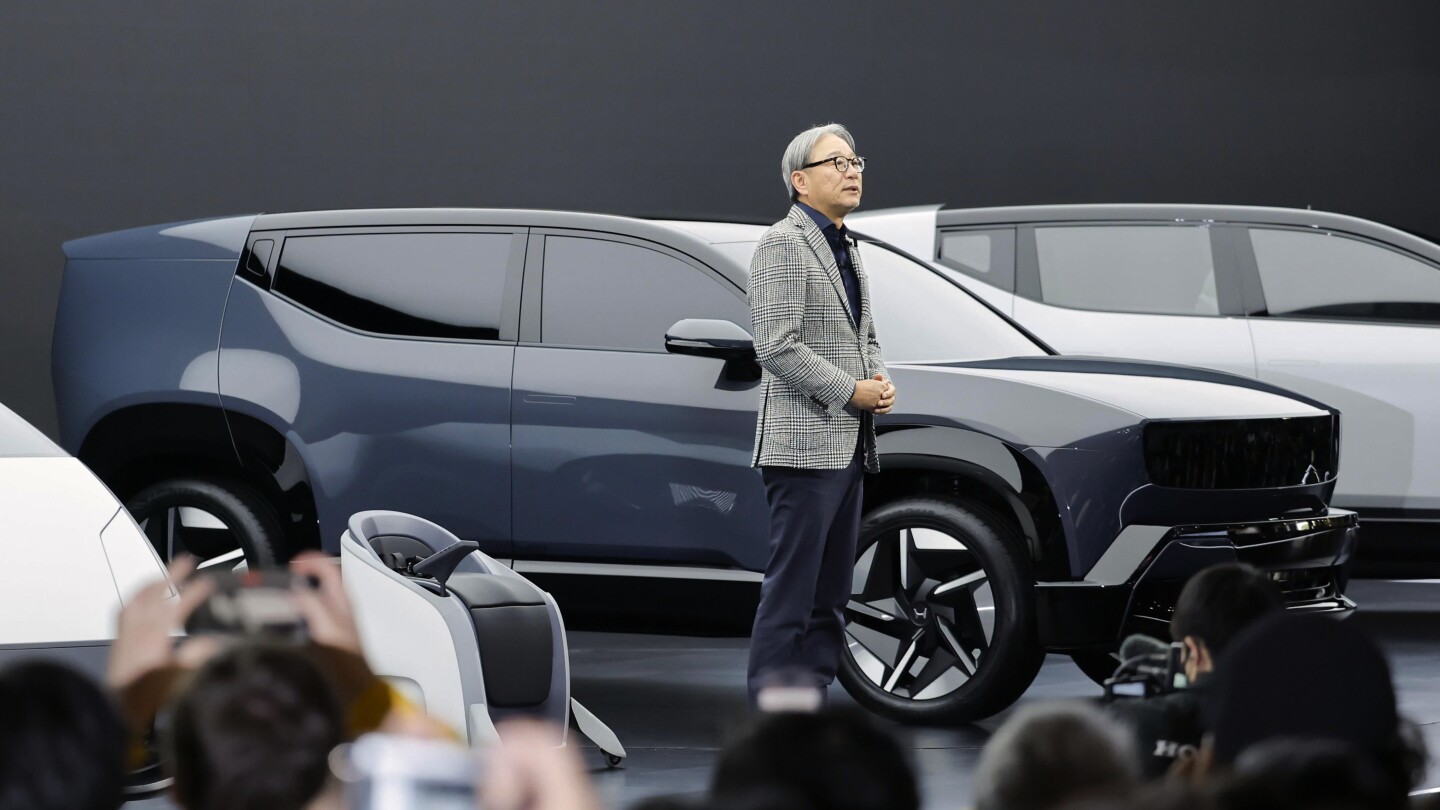
Honda’s profit slips as President Trump’s tariffs take their toll on Japanese automakers
Honda Motor Co. announced a significant 37% drop in its first-half fiscal profit for the period ending September, attributing the decline to the adverse effects of U.S. tariffs and unfavorable currency exchange rates. The Tokyo-based automaker reported a profit of 311.8 billion yen ($2 billion), down from 494.6 billion yen in the same period last year. Sales also saw a slight decrease, falling 1.5% to 10.6 trillion yen ($69 billion). The company has revised its annual profit forecast downward to 300 billion yen ($2 billion), a stark 64% decline from the previous year’s 835.8 billion yen. Earlier projections had anticipated a 420 billion yen ($2.7 billion) profit. Honda cited President Donald Trump’s tariffs as a major factor, which led to a 164 billion yen ($1.1 billion) reduction in operating profit. Additionally, unfavorable currency rates erased 116 billion yen ($756 million) from its earnings. Despite these challenges, Honda achieved record motorcycle sales, particularly in Asia, where it sold over 9 million units, up from 8.8 million a year ago. Global motorcycle sales reached a record 10.7 million units, with growth in all regions except Europe. However, global vehicle sales declined to 1.68 million units from 1.78 million, with drops in Japan, Asia, and Europe, though North America saw an increase. Honda also faced supply chain disruptions due to a chip shortage following the Dutch government’s intervention in Nexperia, a Dutch-based company owned by China’s Wingtech Technology. This led to production halts at Honda’s Mexico plant and adjustments in North American operations. Despite these setbacks, Honda’s stock rose 1.8% to 1,585 yen ($10) in Tokyo trading.
-

The next step in financial inclusion may not be human at all
Across the Middle East, financial inclusion has seen remarkable growth, driven by soaring mobile penetration rates exceeding 95% in countries like Saudi Arabia and the UAE. In Egypt, financial inclusion has more than doubled since 2016, with mobile penetration surpassing 100%. Despite these advancements, a significant portion of the underbanked population still struggles with financial literacy, digital navigation, and cultural barriers, limiting their ability to fully engage with formal banking systems. This gap has prompted financial institutions to explore innovative solutions, with Agentic AI emerging as a transformative tool. Unlike traditional AI models, Agentic AI operates independently within defined boundaries, processing diverse inputs, recognizing behavioral patterns, and making context-driven decisions. Early deployments by global institutions like BlackRock, JPMorgan, and BNY Mellon have demonstrated its potential to streamline operations and enhance reliability. In the UAE, Agentic AI is already being used for autonomous decision-making in personal lending and SME financing, addressing long-standing inclusion challenges. By focusing on engagement rather than mere access, Agentic AI can preemptively assist users, guide those with low financial literacy, adapt to irregular income patterns, and communicate in local languages, making financial services more accessible and user-friendly. As financial institutions shift their focus from expanding reach to enhancing service adaptability, Agentic AI is poised to redefine the future of financial inclusion.