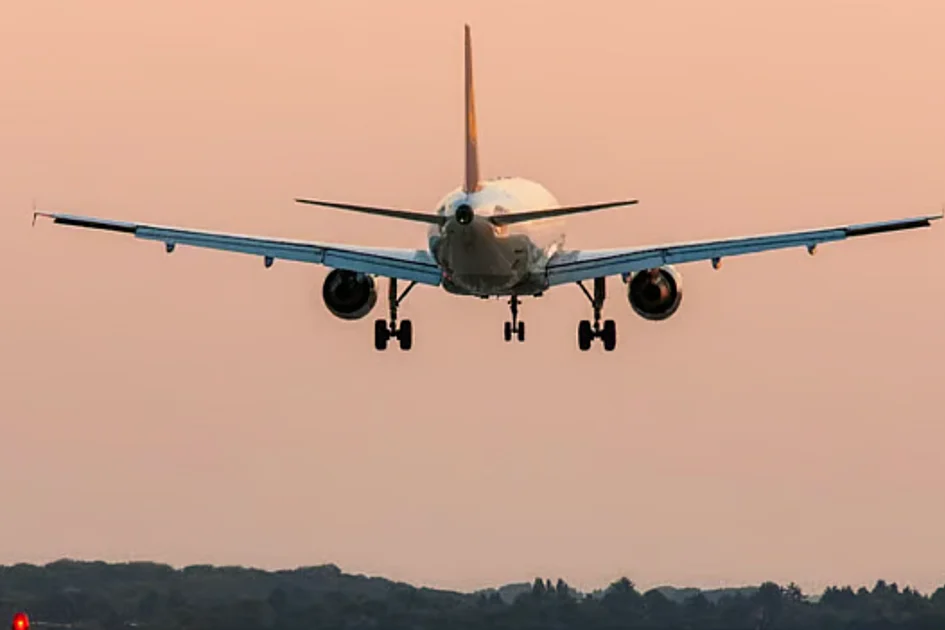
The ongoing US government shutdown has led to the cancellation of more than 1,000 flights across the country, causing widespread disruption to air travel. The crisis, now in its sixth week, has left many government employees, including essential airport staff, either working without pay or furloughed at home. The Trump administration has implemented flight reductions to alleviate the strain on air traffic controllers, with cuts affecting 40 major airports, including hubs in Atlanta, Newark, Denver, Chicago, Houston, and Los Angeles. The reductions, starting at four per cent, are expected to rise to 10 per cent next week if Congress fails to reach a funding agreement. According to FlightAware, over 1,000 flights scheduled for Friday were cancelled, with significant delays reported at Reagan National Airport in Washington, Denver International, and Hartsfield-Jackson in Atlanta. The Federal Aviation Administration (FAA) noted average delays of four hours at Reagan National, with 90-minute waits in Phoenix and one-hour delays in Chicago and San Francisco. American Airlines CEO Robert Isom expressed frustration, stating, ‘We don’t need to be in this position.’ The shutdown, driven by a bitter standoff between Republicans and Democrats over health insurance subsidies, has left federal agencies inoperable since funding lapsed on October 1. US Transportation Secretary Sean Duffy blamed Democrats for the shutdown, urging them to vote to reopen the government. President Donald Trump also called on Senate lawmakers to remain in Washington until an agreement is reached. The flight reductions come as the US enters its busiest travel period, with the Thanksgiving holiday approaching. Retiree Werner Buchi and other travellers expressed concerns about the impact on holiday plans. American Airlines reported 220 daily flight cancellations, while Delta Air Lines cut about 170 flights and Southwest Airlines axed around 100 flights. Despite the disruptions, the Trump administration reassured the public that flying remains safe, with Duffy stating, ‘It’s safe to fly today, tomorrow, and the day after because of the proactive actions we are taking.’ However, many aviation workers are reportedly calling in sick or seeking second jobs to cope with financial stress.
分类: business
-

Amazon Bazaar expands to 14 new markets, including Philippines, Taiwan, Hong Kong
Amazon.com has announced the expansion of its low-cost e-commerce platform, Amazon Bazaar, to 14 additional markets, including the Philippines, Taiwan, and Hong Kong. This move intensifies its competition with Chinese rivals Shein and Temu in the global race to dominate the ultra-cheap goods market, offering products like $10 dresses and $5 accessories. The standalone Amazon Bazaar app, which mirrors the budget-friendly Amazon Haul section, will deliver a majority of products priced under $10, with some items as low as $2, to these new markets. Since its launch in Mexico last year, Amazon Bazaar has expanded to Saudi Arabia and the United Arab Emirates. Analysts view this expansion as a strategic step in Amazon’s international growth, aiming to scale up profitability while delighting consumers. Despite the challenges posed by U.S. import tariffs under the Trump administration, Amazon reported a 10% increase in third-quarter international revenue, reaching $40.9 billion. The company’s global fulfillment centers and service partners ensure efficient delivery of Amazon Bazaar products. Meanwhile, Shein and Temu continue their aggressive global expansion, operating in over 160 and 70 countries, respectively, despite setbacks from U.S. trade policies.
-
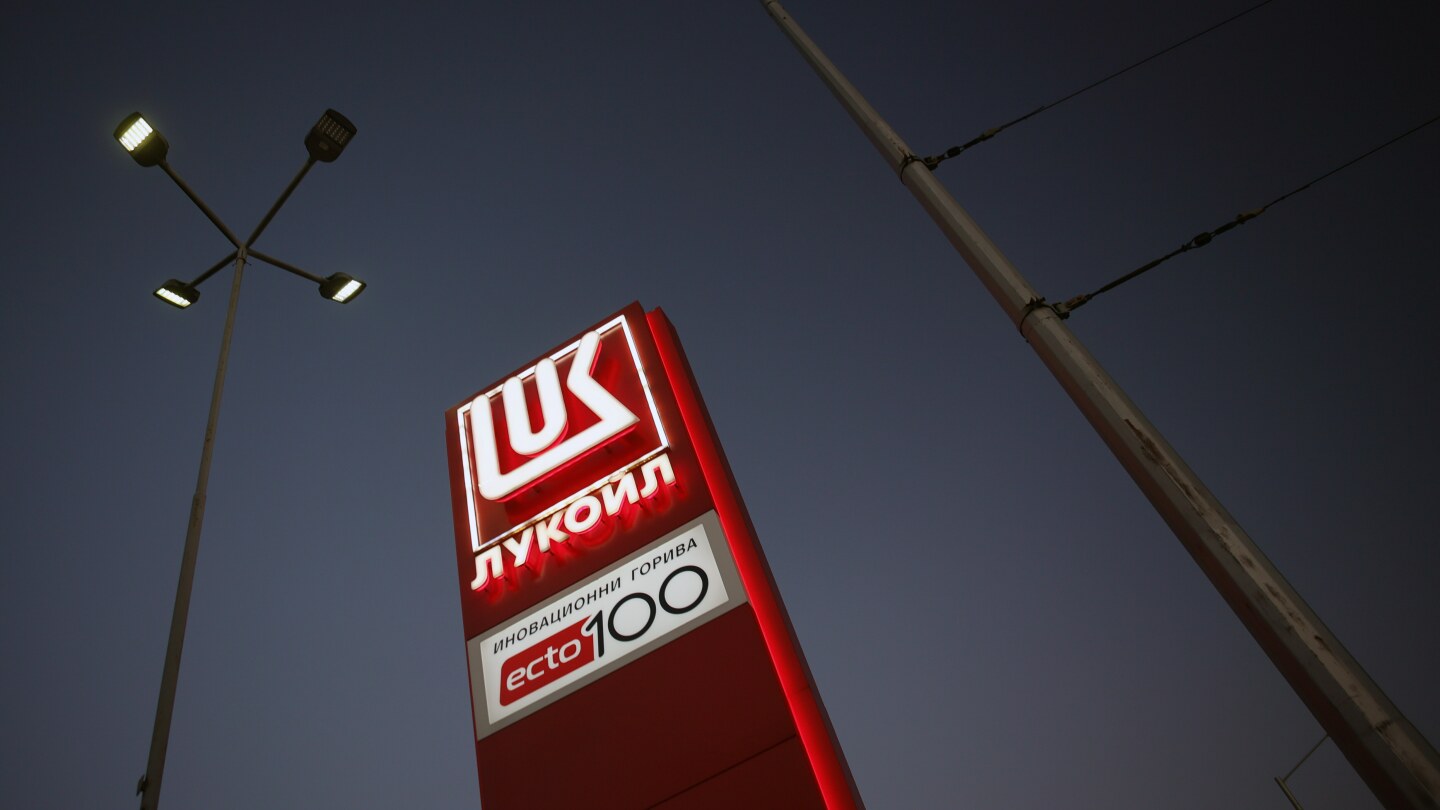
Bulgaria moves to prevent shutdown of its only oil refinery ahead of US sanctions
Bulgaria is taking urgent measures to protect its sole oil refinery from potential shutdown as U.S. sanctions targeting its Russian owner, Lukoil, are set to take effect later this month. The Bulgarian Parliament has approved legislative amendments granting expanded authority to a government-appointed manager of the Lukoil-owned Burgas refinery, located on the Black Sea coast. This decision follows the collapse of a deal with a major international commodities trader, which withdrew from purchasing Lukoil’s global assets after the company dismissed U.S. allegations of being a ‘Kremlin puppet.’ Lukoil announced the sale of its international assets in response to U.S. sanctions aimed at pressuring Russia to agree to a ceasefire in its conflict with Ukraine. The company holds significant stakes in oil and gas projects across 11 countries, including the Burgas refinery and numerous gas stations worldwide. The new legal framework empowers the state-appointed manager with substantial operational control, including the authority to sell the refinery’s shares. Opposition lawmakers have criticized the move, warning it could lead to legal disputes and financial repercussions for Bulgaria. Ivaylo Mirchev, leader of the Democratic Bulgaria alliance, argued that the extraordinary powers granted to the manager could result in lawsuits from Lukoil, potentially benefiting Russia financially. The ruling coalition defended the amendments, stating that the U.S. sanctions, effective November 21, would likely paralyze the refinery’s operations due to payment refusals from Lukoil’s counterparties. Acquired by Lukoil in 1999, the Burgas refinery is the largest in the Balkans, valued at approximately 1.3 billion euros ($1.5 billion). It plays a pivotal role in Bulgaria’s economy, with a turnover of 4.7 billion euros ($5.4 billion) in 2024 and a near-monopoly over the nation’s oil depots, gas stations, and fuel supply for ships and aircraft. In preparation for the sanctions, Bulgaria recently imposed temporary restrictions on the export of petroleum products, including diesel and aviation fuel, to ensure domestic supply stability.
-
China-ROK trade ties to drive growth in region
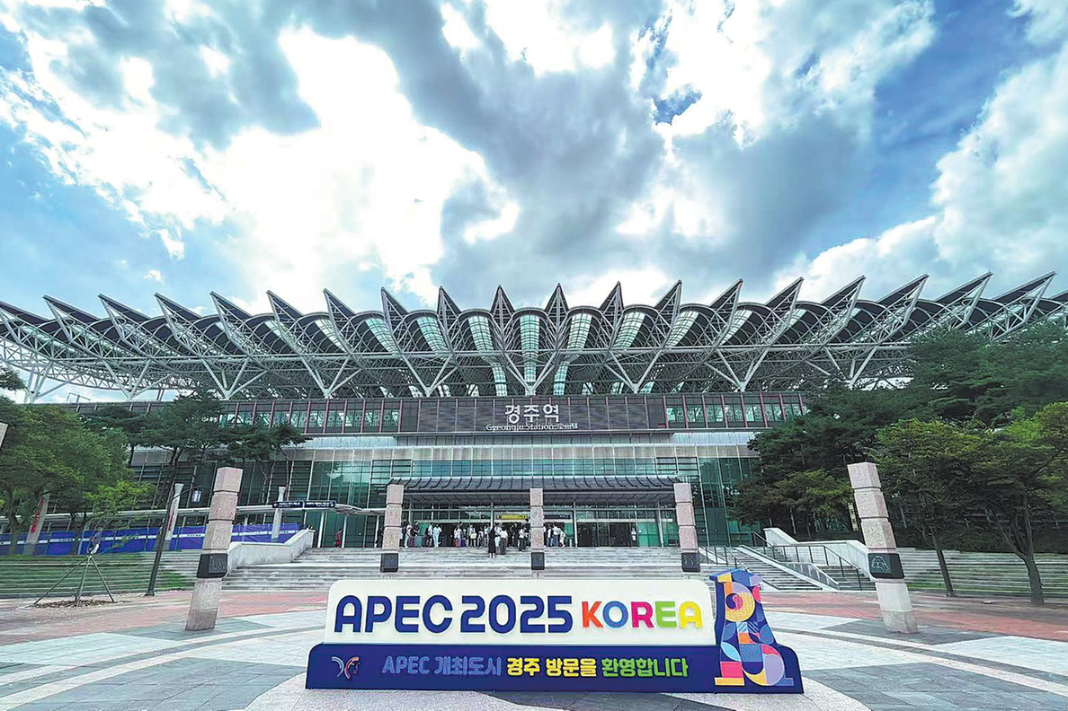
The deepening trade and supply chain cooperation between China and the Republic of Korea (ROK) is set to foster sustainable growth and innovation across the Asia-Pacific region, according to business leaders and experts. The recent visit of Chinese President Xi Jinping to the ROK, his first in 11 years, has been hailed as a pivotal moment for expanding bilateral business ties. President Xi attended the 32nd APEC Economic Leaders’ Meeting in Gyeongju and conducted a state visit from October 30 to November 1, 2025. Gao Chen, chairman of the China Chamber of Commerce in the ROK, emphasized that this cooperation will strengthen supply chain resilience, accelerate the Free Trade Area of the Asia-Pacific, and promote innovation-driven growth. By leveraging technologies like 5G and blockchain, the two nations aim to build a robust digital supply chain system. The synergy between the ROK’s semiconductor expertise and China’s manufacturing prowess is expected to create a resilient regional industrial network. Furthermore, the China-ROK Free Trade Agreement, in effect since 2015, is set to advance with accelerated negotiations on its second phase. Both countries, along with Japan, are advocating for a trilateral free trade agreement to deepen regional economic integration. Gao highlighted the role of frameworks like APEC and the Regional Comprehensive Economic Partnership (RCEP) in promoting China-ROK business collaboration. Choi Pil-soo, a professor at Sejong University, underscored the potential of China’s expanding consumer market to drive economic integration in East Asia. He also pointed to promising opportunities for technological cooperation in robotics, batteries, and quantum science. The growing presence of Chinese brands in the ROK market reflects the complementary nature of their industrial chains and evolving consumer trends. Liu Weiwei, vice-president of Winner Medical, expressed confidence in the region’s business prospects, urging companies to embrace win-win cooperation. Chinese Ambassador to the ROK Dai Bing called for joint efforts to oppose unilateralism and protectionism, safeguarding the international free trade system. As China prepares to host the APEC Economic Leaders’ Meeting in 2026, Dai emphasized the importance of sending a strong message of openness and inclusiveness.
-
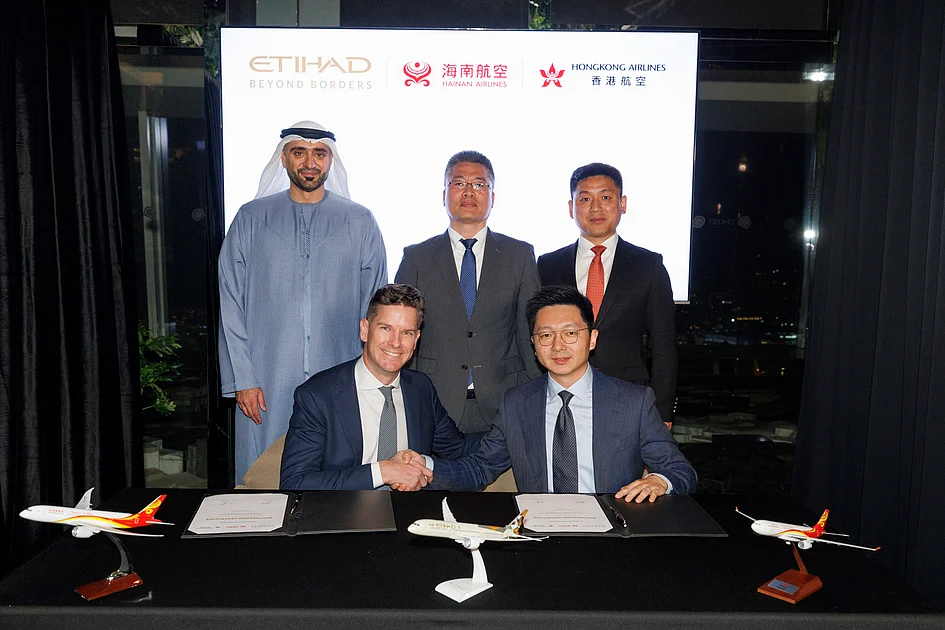
Etihad Airways, Hong Kong Airlines launch codeshare programme
Etihad Airways and Hong Kong Airlines have unveiled a groundbreaking codeshare partnership, coupled with a reciprocal loyalty agreement, marking a significant step in enhancing global connectivity. The announcement was made during a ceremony in Hong Kong, timed with the arrival of Etihad’s inaugural flight from Abu Dhabi to Hong Kong International Airport. This collaboration allows passengers to book Hong Kong Airlines flights between Hong Kong and Abu Dhabi under Etihad’s ‘EY’ code, while Etihad travelers can access Japanese destinations such as Fukuoka, Hokkaido-Sapporo, Osaka, and Okinawa via Hong Kong Airlines’ ‘HX’ code. The partnership ensures seamless travel with a single ticket, unified check-in, and automatic baggage transfer, positioning Abu Dhabi as a pivotal hub linking Greater China, Japan, the Middle East, Europe, and Africa. Additionally, members of Hong Kong Airlines’ Fortune Wings Club and Etihad Guest will enjoy reciprocal earn-and-redeem benefits across both networks, further enriching their travel experiences. Arik De, Chief Revenue and Commercial Officer of Etihad Airways, emphasized the partnership’s value in offering flexibility, expanded reach, and superior rewards to loyal customers. Louis Li, Executive Vice President of Hong Kong Airlines, highlighted the collaboration as a milestone in the airline’s resurgence in the international market, fostering trade, tourism, and connectivity between Hong Kong and the Middle East.
-
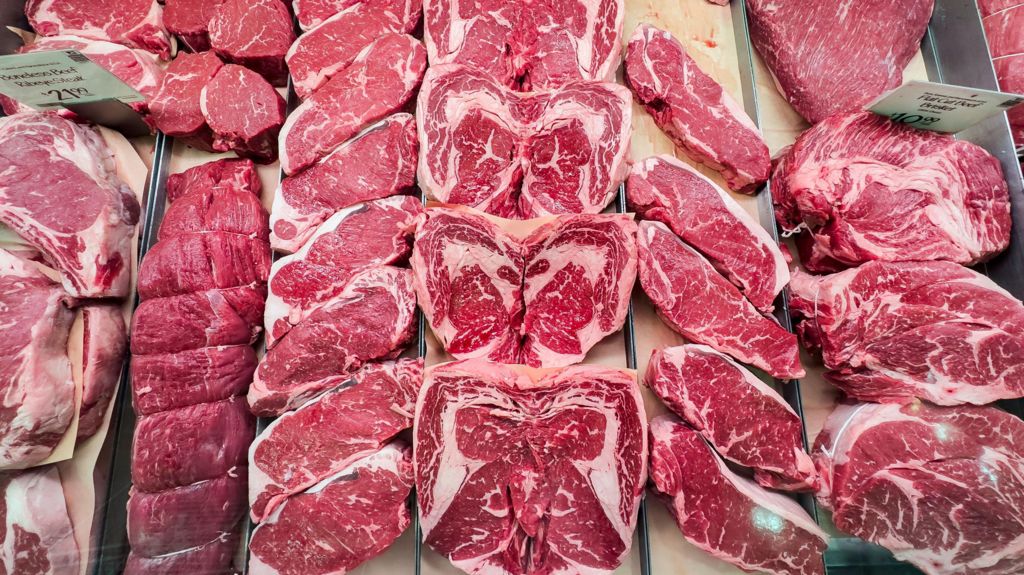
Trump calls for probe of meat packers over beef prices
US President Donald Trump has urged the Justice Department to investigate meat-packing companies, alleging their role in driving up beef prices through ‘illicit collusion, price fixing, and price manipulation.’ Trump’s call for an antitrust probe comes as soaring beef prices have become a political liability, threatening to undermine his promises to reduce food costs for American consumers. The announcement follows Republican losses in key elections, where concerns over the cost of living and Trump’s economic policies bolstered Democratic candidates. Trump has consistently highlighted beef prices as a central issue in his messaging on food inflation. However, his recent proposals to lower prices, including urging ranchers to reduce cattle prices and suggesting increased beef imports from Argentina, have sparked backlash from the ranching community. Ranchers argue that such measures could harm their livelihoods without significantly impacting retail prices. Trump’s latest focus on the meat-packing industry, which is dominated by four major firms—Tyson, JBS, Cargill, and National Beef—signals a potential shift in strategy. These companies control over 80% of the beef slaughtering and packing market and have faced lawsuits alleging price manipulation. Government data shows that retail prices for beef mince and steaks have risen by 12.9% and 16.6%, respectively, over the past year, outpacing general food inflation. Economists attribute the price surge to supply constraints, including a decades-long contraction in the cattle industry exacerbated by drought conditions, as well as robust demand for beef. The Biden administration had previously targeted corporate consolidation in the food supply chain, but Trump revoked those measures earlier this year. As the debate over beef prices continues, the investigation into the meat-packing industry could have significant implications for both consumers and producers.
-
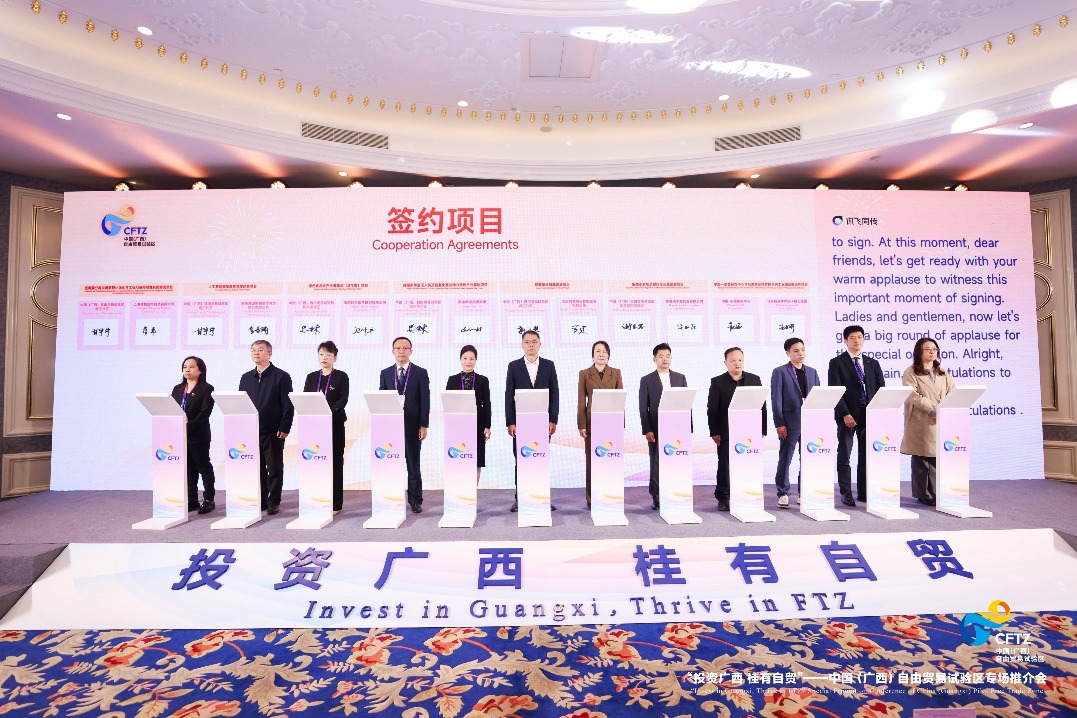
Guangxi FTZ strengthens global ties, creates new opportunities with ASEAN
The China (Guangxi) Pilot Free Trade Zone (FTZ) has emerged as a pivotal hub for international collaboration, leveraging its strategic location and institutional openness to foster global partnerships. At its 2025 special promotion conference in Shanghai on November 5, the zone showcased its commitment to deepening ties with ASEAN and beyond, attracting over 150 participants, including diplomatic representatives from Germany, the UK, South Korea, Canada, and Pakistan, as well as executives from more than 80 foreign enterprises. Notable attendees included DP World, a Middle East-based supply chain solutions provider, and Louis Dreyfus North Asia, a leading agricultural trader and processor. The event highlighted Guangxi’s ambitious plans for cross-border industrial and supply chain development, particularly in sectors like artificial intelligence (AI), healthcare, and smart home technologies. Lu Xinning, vice-chairperson of Guangxi, emphasized the region’s 10-billion-yuan ($1.4 billion) AI industry fund, which has already drawn interest from tech firms in Beijing, Shanghai, and Guangzhou. Yang Yihang of the China Investment Promotion Agency reaffirmed support for Guangxi FTZ, pledging to enhance its business environment for global investors. Jonathan School of AHK Greater China noted the alignment between Guangxi’s industrial focus and German expertise, signaling opportunities for targeted cooperation. The conference yielded tangible outcomes, including the release of two key lists guiding cross-border trade, new energy, and ASEAN-focused tech alignment. Agreements for healthcare, AI, and smart home projects were signed, advancing an innovative model where technology is researched in China’s major hubs, assembled in Guangxi, and applied in ASEAN. Since its inception six years ago, Guangxi FTZ has registered over 120,000 new enterprises and sustained double-digit economic growth. Post-conference, visits to AI enterprises in Shanghai will further solidify Guangxi’s role as a global connector and opportunity creator.
-

China to repeal suspension of some US imports
In a significant move to ease trade tensions, China’s General Administration of Customs (GAC) announced on Friday the revocation of its earlier suspension on soybean exports from three US companies, including CHS Inc. The decision, effective from November 10, reinstates the export eligibility of these firms. This development follows a thorough evaluation of corrective measures implemented by the US, aligning with China’s domestic laws, regulations, and international phytosanitary standards. Additionally, the GAC declared the termination of the import suspension on US logs, also effective from November 10. These actions mark a positive step in bilateral trade relations, reflecting mutual efforts to address trade disputes and foster economic cooperation.
-
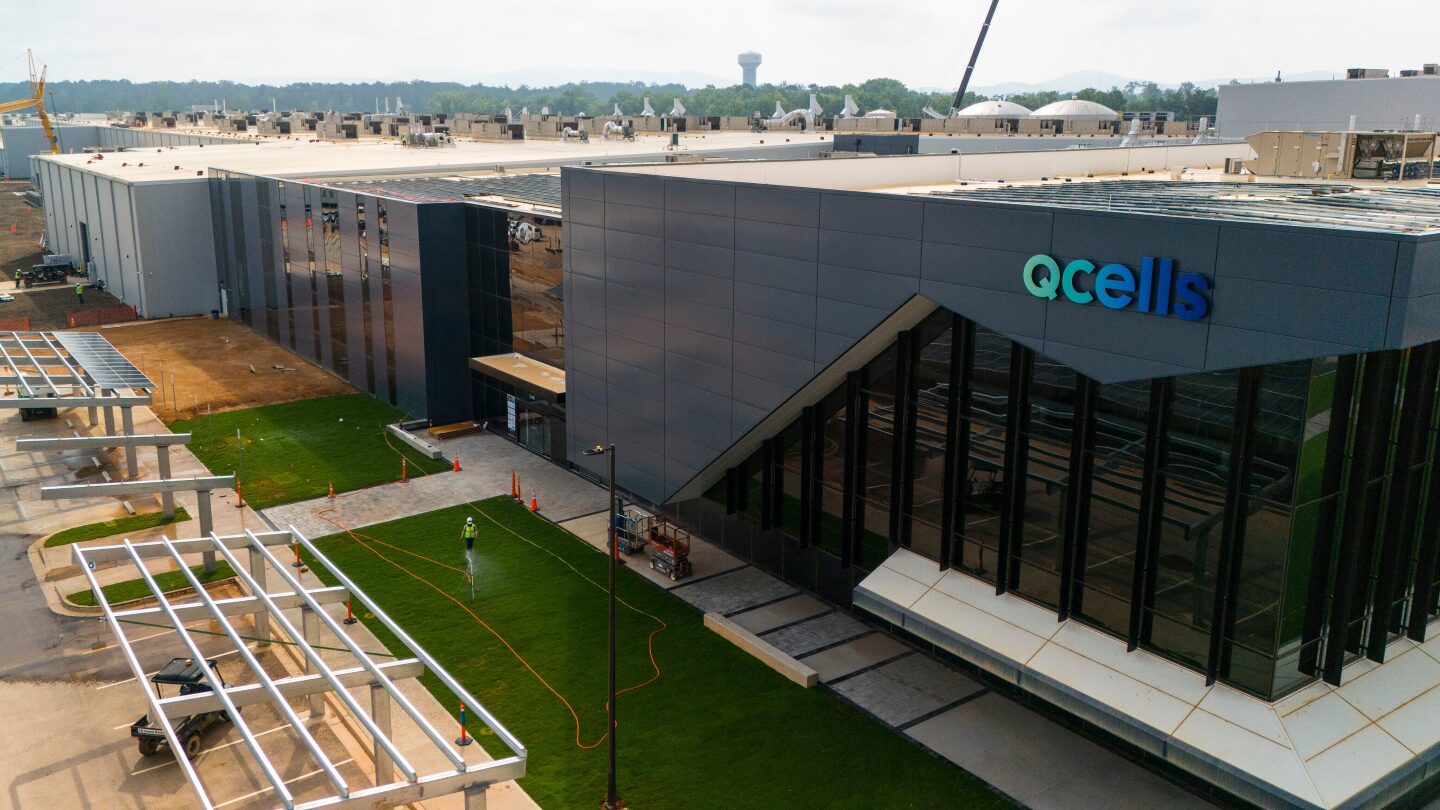
South Korean solar firm cuts pay and hours for Georgia workers as US officials detain imports
Qcells, a South Korean solar energy company and subsidiary of Hanwha Solutions, has announced temporary pay reductions and reduced working hours for approximately 1,000 of its 3,000 employees in Georgia. The decision comes as U.S. Customs and Border Protection continues to detain imported components essential for solar panel production, citing concerns over potential forced labor in China. Additionally, the company will lay off 300 workers from staffing agencies at its facilities in Dalton and Cartersville, both located northwest of Atlanta.
-
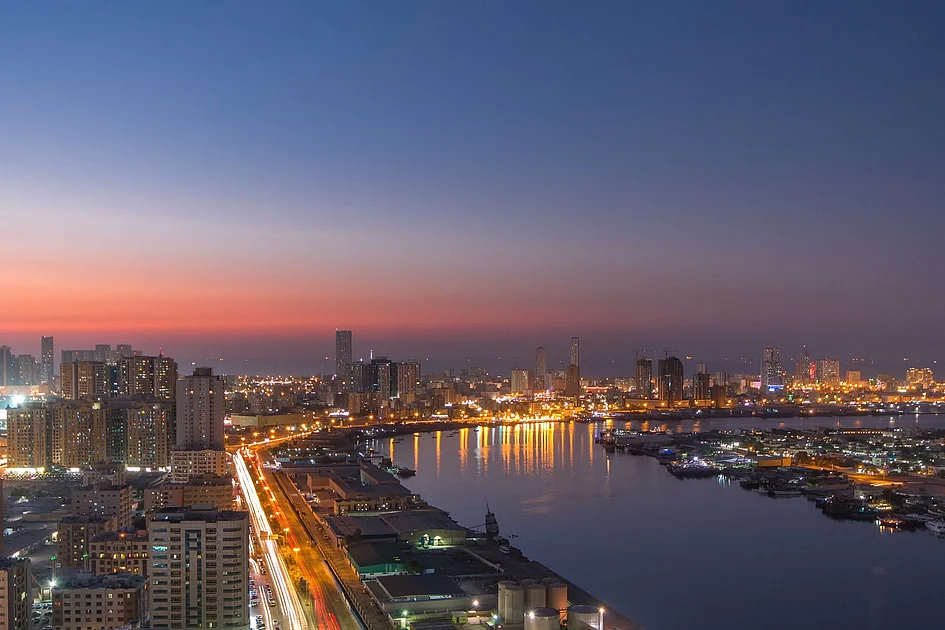
Ajman’s real estate ascent: Why people are moving to UAE’s smallest Emirate
Ajman, the UAE’s smallest emirate, is rapidly transforming into a major player in the real estate market, driven by accelerated infrastructure development, tourism growth, and increasing population. In the first half of 2025, the emirate’s real estate sector recorded transactions worth AED 12.4 billion, marking a 37% increase compared to the same period in 2024. The Department of Land and Real Estate Regulation reported 8,872 transactions, including 7,306 trading deals exceeding AED 8.4 billion in value. Among these, the luxurious Al Zahia development stood out, with its highest individual transaction valued at AED 50 million. Popular districts like Al Rashidiya and Ajman Downtown have seen significant price appreciation, with apartment sale prices rising between 6% and 48% in 2024. The villa segment also showed strong momentum, with price-per-square-foot increases ranging from 7% to 65%. Ajman’s affordability, accessibility, and growing lifestyle advantages are attracting both local and foreign investors. The emirate’s proximity to Dubai and improved transport connectivity further enhance its appeal. Tourism has also played a pivotal role, with Ajman generating AED 547 million in tourist revenue in 2024 and welcoming over 658,356 visitors. The emirate’s 52 hotels, offering 4,315 rooms, cater to this growing influx. Ajman University has also seen a surge in student enrollment, reflecting the emirate’s growing population. British expatriate Sally Wise, who plans to move from Dubai to Ajman, highlights the emirate’s competitive rental market and relaxed coastal lifestyle as key attractions. With modernized real estate regulations and steady demand, Ajman is poised to remain a hotspot for value-focused investors and end-users seeking practical alternatives to larger markets like Dubai and Abu Dhabi.