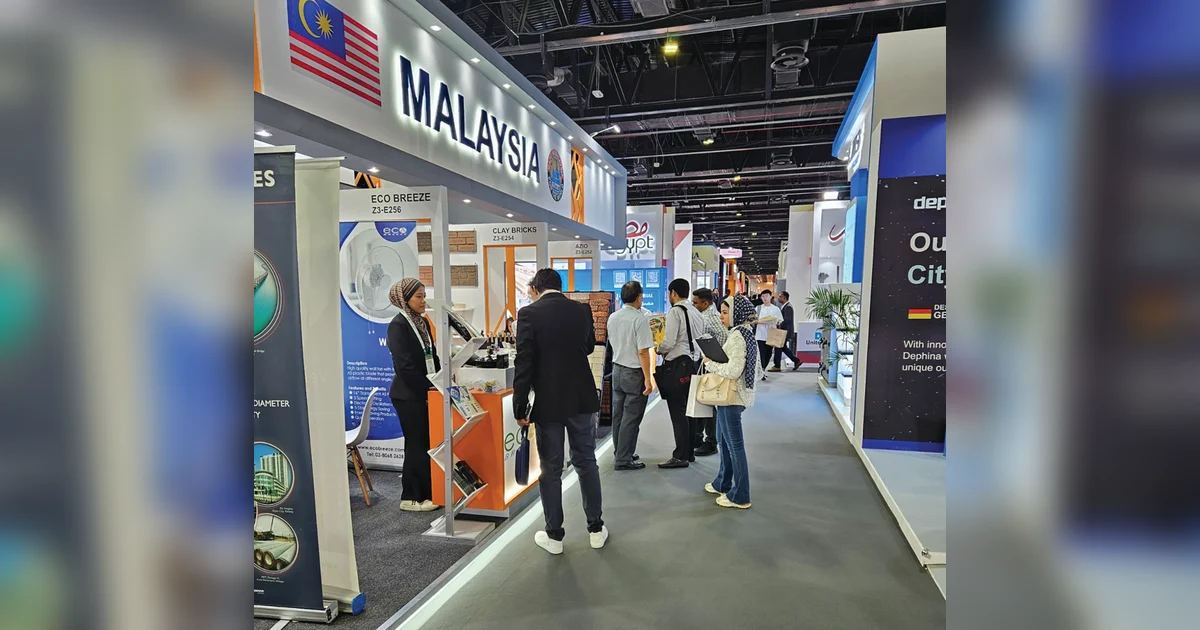
The Malaysian building materials industry, a cornerstone of the nation’s construction sector, continues to play a pivotal role in driving economic growth. In 2024, Malaysian exports of building materials reached an impressive Dh49.21 billion, solidifying the country’s reputation as a global supplier of high-quality products. To further bolster this sector, the Malaysia External Trade Development Corporation (MATRADE) has been actively participating in the BIG 5 Dubai, the region’s premier construction industry exhibition. This event serves as a vital platform for Malaysian companies to showcase their capabilities and connect with international buyers. This year, MATRADE is facilitating the participation of 10 Malaysian companies, highlighting their expertise in supplying top-tier building materials. The UAE and Saudi Arabia remain key markets for Malaysian exports, driven by robust construction activities, smart city initiatives, and the adoption of green building standards. Malaysian companies are showcasing a diverse range of products, including floor and wall tiles, stone veneer, ventilation systems, and eco-friendly building solutions. Sustainability is a growing focus in Malaysia’s construction sector, with manufacturers increasingly adopting eco-friendly practices and innovative technologies. This aligns with global trends, including the UAE’s Clean Energy Strategy 2050, which emphasizes sustainable construction methods. MATRADE is also organizing business matching sessions during the event to foster potential joint ventures and procurement opportunities. The BIG 5 Global, held from November 24 to 27 in Dubai, is a critical event for Malaysian companies to accelerate their growth and expand their presence in the MENA region.
分类: business
-
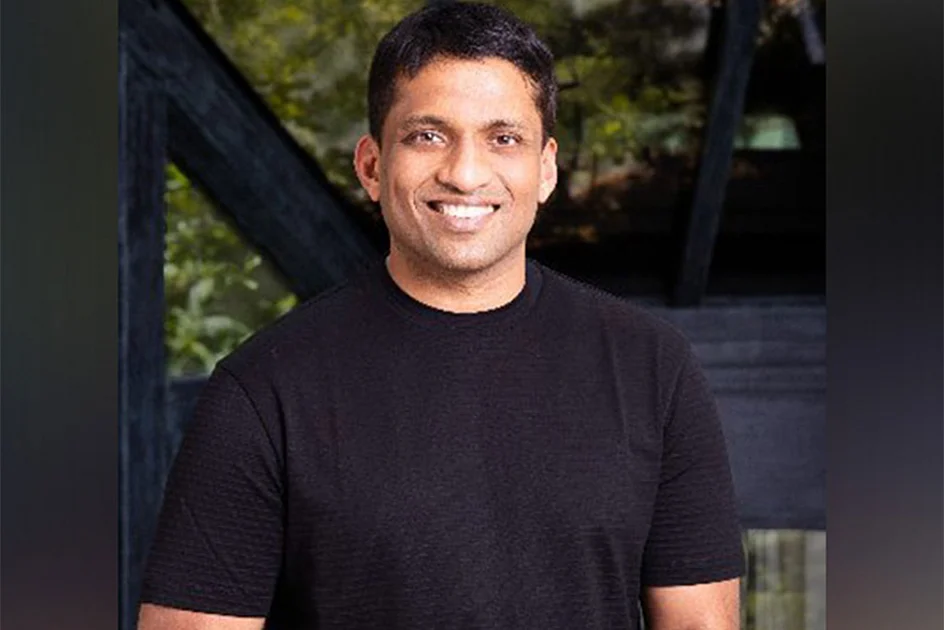
US court orders Byju’s to pay back $1.07 billion; founder to appeal judgement
In a significant legal development, a US court has ordered Byju Raveendran, founder of the Indian ed-tech giant Byju’s, to repay $1.07 billion following a contentious case involving allegations of fund mismanagement. Raveendran has vowed to appeal the judgment, claiming he was denied the opportunity to present a defense. The case, spearheaded by US lenders led by GLAS Trust, centers on $533 million in missing funds and a disputed $500 million partnership stake. Byju’s legal team has accused GLAS Trust of misleading the Delaware Courts to expedite the proceedings, resulting in a default judgment issued without proper defense. The legal team asserts that the funds in question were used for the benefit of Think & Learn Private Limited (TLPL), the parent company of Byju’s, and not for personal gain. Raveendran’s legal advisors have announced plans to file appeals and prepare federal claims against GLAS Trust, alleging racketeering and obstruction of justice, with damages estimated at over $2.5 billion. The case has drawn widespread attention, raising questions about corporate governance and the integrity of legal processes in high-stakes financial disputes.
-
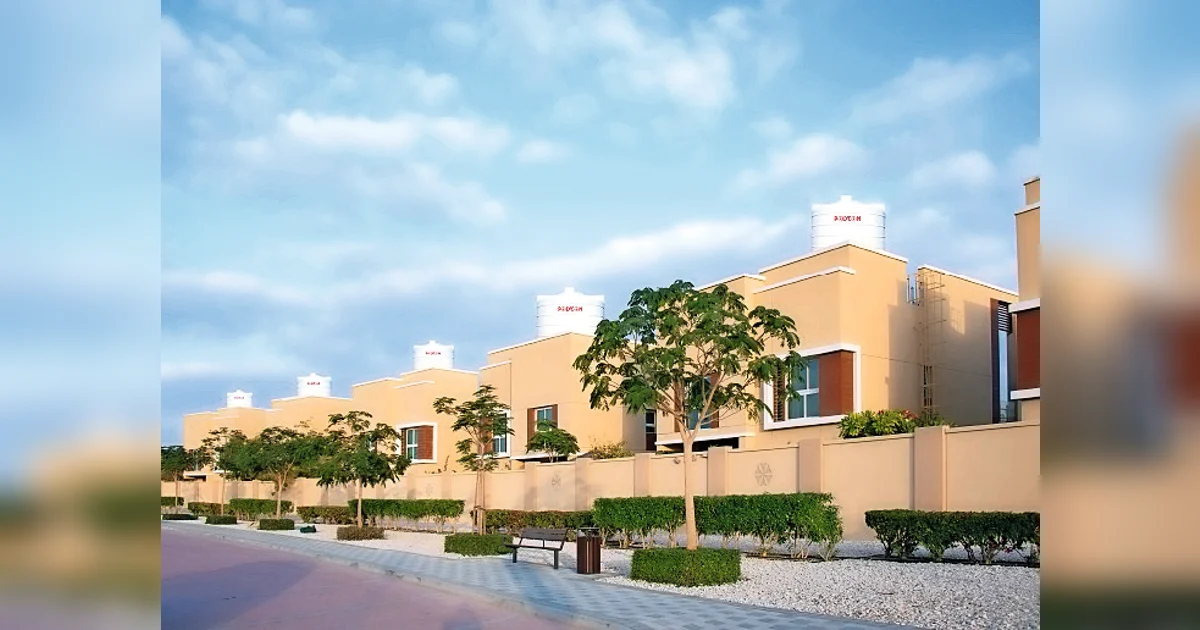
Polycon Gulf: Manufacturing quality products in the UAE since 1993
Polycon Gulf Limited, a subsidiary of Al Nasser Industrial Enterprises LLC, has been a cornerstone of the UAE’s industrial sector since its establishment in 1993. Renowned for its innovative use of polyethylene, Polycon has carved a niche in manufacturing high-quality, environmentally friendly products. The company’s diverse portfolio spans polymers, steel, and intermediaries, with a strong regional presence in Oman, Bahrain, and Saudi Arabia through strategic joint ventures. Polycon’s commitment to sustainability is evident in its production of 100% reusable and recyclable products, which boast exceptional resistance to physical and chemical wear. The company’s state-of-the-art facilities, including advanced laboratories and quality testing units, are certified under ISO 9001, ISO 14001, and ISO 45001, underscoring its dedication to quality, environmental safety, and customer satisfaction. Polycon’s expertise extends to customized product development, catering to sectors such as defense and government. Its pioneering use of polyethylene lining for corrosion protection has set new industry benchmarks, outperforming traditional coatings like GRE and epoxy. With investments in cutting-edge roto-molding technology and a robust after-sales service network across the UAE and GCC, Polycon continues to lead the way in sustainable industrial innovation.
-
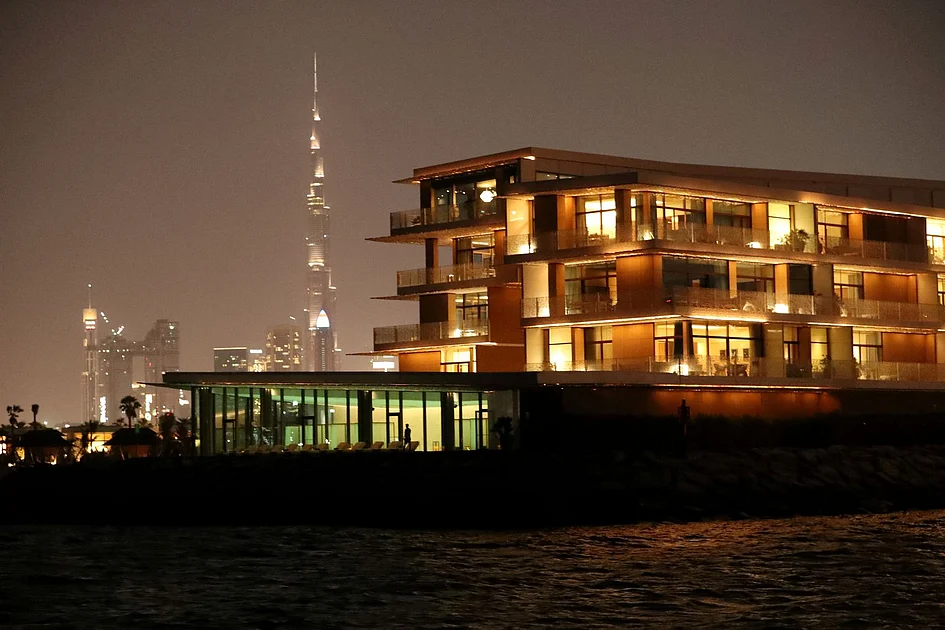
Dubai’s prime property market to grow 3% in 2026; 331,000 new homes in 5 years
Dubai’s luxury property market is poised for significant growth, with a projected 3% increase in prime property prices by 2026, according to Knight Frank. This surge is fueled by the influx of millionaires into the city, driving demand for high-end and ultra-luxury homes in the post-pandemic era. The global consultancy firm also forecasts that 331,000 new homes will be completed over the next five years, assuming 70% of registered projects are delivered on time. Faisal Durrani, Partner and Head of Research for Mena at Knight Frank, emphasized that the market’s strength is underpinned by record-high sales volumes, robust price appreciation, and resilient rental performance. Despite potential oversupply risks, the structural drivers of demand—population growth, wealth migration, and economic diversification—remain intact. Developers are increasingly aligning supply with affordability and lifestyle needs, ensuring Dubai’s continued global appeal. However, challenges persist, with only 46% of promised housing completed on time in 2025, highlighting a potential contractor capacity crunch. Knight Frank’s best-case scenario anticipates 66,000 homes annually between 2026 and 2030, well above the long-term completion rate of 36,000 per annum. This growth trajectory underscores Dubai’s position as a global hub for luxury real estate, driven by fundamentals rather than speculation.
-
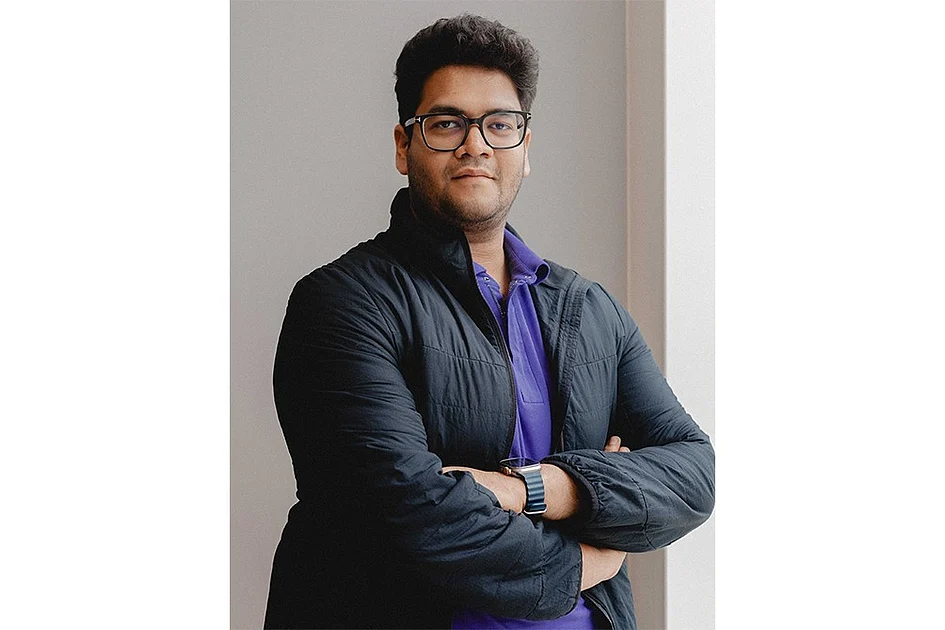
Parth Garg: Building trust and a new financial lifeline for global Indians
Parth Garg, the visionary founder of Aspora, is spearheading a transformative movement in diaspora fintech, emphasizing trust, transparency, and cutting-edge technology. Born and raised in Abu Dhabi and a Stanford alumnus, Garg established Aspora to address the challenges faced by immigrant communities, particularly the global Indian diaspora, in cross-border banking.
-

Aquaculture reels in economic opportunities
In Boxing County, Shandong Province, vast stretches of once-barren saline-alkaline land have been ingeniously transformed into a flourishing modern aquaculture base. This remarkable transformation is a result of coordinated development efforts in low-lying areas along the Yellow River, turning ecological challenges into lucrative economic opportunities. Over the past two decades, Boxing County has accelerated the large-scale conversion of these unproductive lands, constructing standardized ponds, industrial aquaculture facilities, and essential infrastructure such as water conservancy systems, roads, and power supply networks. This has led to the establishment of integrated modern fisheries zones. Qiaozhuang Town, a pioneer in this initiative, began experimenting with shrimp farming as early as 2001. By mixing Yellow River water with local saline groundwater, farmers successfully adapted shrimp to the local conditions. ‘Our village sits on reclaimed coastal land which is highly saline, where only weeds grew and crops barely survived. We were once known for poverty,’ said Song Chun, Party secretary of Wangping Village in Qiaozhuang. ‘Now, nearly every household raises shrimp, and lives have improved dramatically,’ he added. Qiaozhuang has established a complete industrial chain, from seedling acclimation and feed supply to disease control, cold storage, processing, and sales. On average, each household manages two or three shrimp ponds, with annual earnings exceeding 100,000 yuan ($14,055). The town continues to innovate, introducing an intelligent recirculating aquaculture system that automates feeding, waste removal, and harvesting. An online water-quality monitoring system tracks key indicators in real time, ensuring a healthy aquatic environment. Today, Qiaozhuang boasts 38,000 mu (about 2,533 hectares) of shrimp ponds, generating an average annual income of 17,000 yuan per mu. Wang Jingdong, deputy director of the Shandong Provincial Department of Agriculture and Rural Affairs, emphasized the provincial strategy: ‘We adhere to a coordinated approach that balances grain, economic crops, and forage production, while promoting agriculture, animal husbandry, and fisheries in parallel. By developing distinctive saline-alkaline agriculture, we are turning a ‘barren crust’ into ‘golden nuggets.’
-

Japan’s high-stakes gamble to turn island of flowers into global chip hub
Hokkaido, Japan’s northernmost island, has long been celebrated for its agricultural prowess and tourism appeal. However, the region is now poised to become a global epicenter for advanced semiconductor production, thanks to a multi-billion-dollar investment by the Japanese government and key industry players. Spearheading this ambitious transformation is Rapidus, a government-backed company supported by corporate giants like Toyota, Softbank, and Sony. Rapidus aims to establish Japan’s first cutting-edge chip foundry in decades, with a $12 billion semiconductor factory under construction in Chitose, Hokkaido. The company has already achieved a significant milestone by successfully producing prototype 2-nanometer (2nm) transistors, a feat matched only by industry leaders TSMC and Samsung. This breakthrough positions Rapidus as a potential contender in the $600 billion global semiconductor market. The selection of Chitose was strategic, leveraging its robust infrastructure, natural beauty, and lower earthquake risk. Rapidus CEO Atsuyoshi Koike emphasized the importance of partnerships, particularly with IBM, in achieving this technological leap. The company is on track to mass-produce 2nm chips by 2027, though challenges remain in achieving the necessary yield and quality to compete with established players. Japan’s broader economic challenges, including a shrinking population and a shortage of semiconductor engineers, add complexity to this endeavor. However, the government’s commitment to revitalizing the semiconductor industry is evident, with $27 billion invested between 2020 and early 2024, and a $65 billion package unveiled in late 2024 to support AI and semiconductor development. This initiative is part of Japan’s strategy to reduce reliance on foreign suppliers and regain its former dominance in the global semiconductor market. The success of Rapidus could not only transform Hokkaido’s economy but also position Japan as a formidable player in the high-stakes semiconductor race.
-
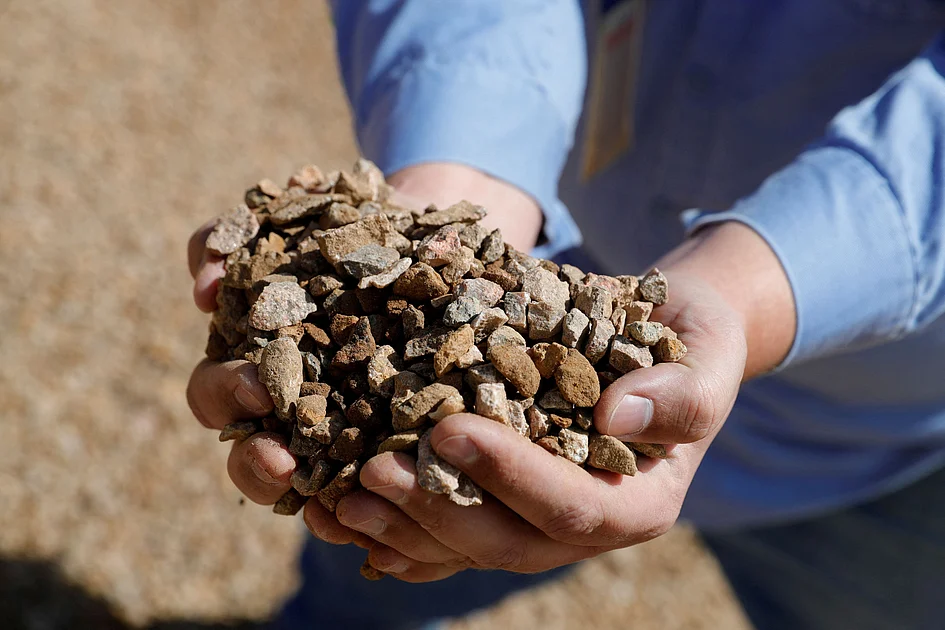
US EXIM to invest $100 billion to secure critical mineral supplies, FT says
In a strategic move to bolster U.S. and allied supply chains for critical minerals, nuclear energy, and liquefied natural gas, the U.S. Export-Import Bank (EXIM) has announced a $100 billion investment initiative. This groundbreaking decision was revealed by EXIM Chair John Jovanovic in an exclusive interview with the Financial Times on Sunday. The first wave of projects under this initiative will span Egypt, Pakistan, and Europe, addressing what Jovanovic described as the West’s over-reliance on ‘unfair’ critical material supplies. ‘Without secure, stable, and functioning raw material supply chains, we cannot achieve our broader goals,’ Jovanovic emphasized. Among the initial deals is a $4 billion credit insurance guarantee for natural gas deliveries to Egypt by Hartree Partners, a New York-based commodities group, and a $1.25 billion loan for the Reko Diq mine in Pakistan, developed by Barrick Mining. The bank has $100 billion remaining from the $135 billion authorized by Congress, signaling a robust commitment to reshaping global energy and mineral supply dynamics. This initiative aligns with former U.S. President Donald Trump’s energy-dominance agenda, which prioritized increasing U.S. energy output and rolling back energy and environmental regulations. EXIM has yet to respond to requests for comment outside regular business hours.
-
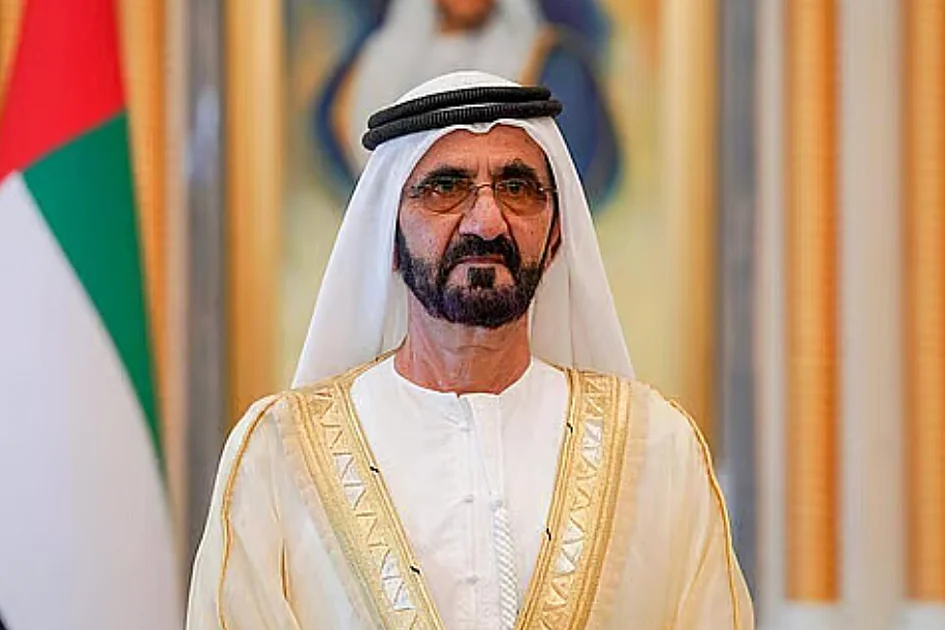
Sheikh Mohammed approves record Dh302.7-billion Dubai budget for 2026–2028
Dubai has set a new benchmark in fiscal planning with the approval of its largest-ever budget cycle for 2026–2028, totaling Dh302.7 billion in expenditures and Dh329.2 billion in revenues, marking a 5% operating surplus. The budget, endorsed by Dubai Ruler Sheikh Mohammed bin Rashid Al Maktoum, underscores the emirate’s commitment to economic growth, infrastructure development, and social welfare.
-

Middle East recalibrates amid global uncertainty as UAE bets big on AI and tech sovereignty
As global trade faces uncertainty and energy revenues decline, the Middle East is undergoing a significant recalibration, with the United Arab Emirates (UAE) emerging as a regional leader in artificial intelligence (AI) and digital infrastructure. According to S&P Global’s latest outlook, the region is navigating a dual challenge: mitigating the impact of softer oil prices while seizing opportunities in technology and supply chain diversification. The UAE, in particular, is doubling down on its ambition to become a hub for AI innovation and tech sovereignty. The Middle East’s economic trajectory in 2026 is shaped by volatile global trade, elevated conflict risks, and unpredictable shipping costs, particularly through critical chokepoints like the Suez Canal. While post-conflict reconstruction in countries like Iran and Syria offers some resilience, oil-exporting economies are bracing for headwinds from declining crude prices. Resource nationalism is intensifying as the U.S. and China compete for control over critical minerals, prompting Gulf states to tighten regulatory frameworks and demand technology transfers. Amid these shifts, the UAE is crafting a hybrid regulatory model that blends the EU’s emphasis on data protection with the U.S.’s innovation-driven flexibility. Central to the UAE’s strategy is the development of Arabic large language models (LLMs), designed to assert cultural and technological independence in a domain dominated by English and Mandarin. The UAE’s investments in AI infrastructure, cloud services, and advanced manufacturing are expected to deliver economic diversification and resilience against commodity price swings. The global backdrop of trade tensions and technological disruption adds complexity, but the UAE’s strategic pivot toward tech sovereignty positions it to capitalize on regional supply chain shifts and AI-driven productivity gains. Financial innovation, including the adoption of stablecoins for cross-border payments, aligns with the UAE’s broader digital economy strategy. As S&P Global concludes, agility will be the defining trait of successful economies in 2026, with the UAE’s bet on tech sovereignty serving as a strategic imperative in shaping the emerging global order.