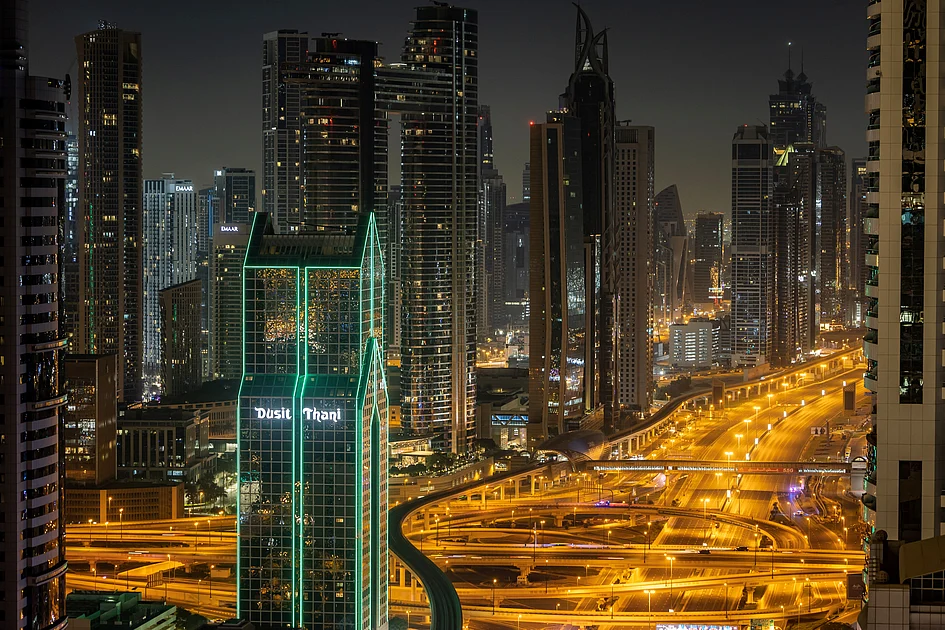
Dubai’s commercial real estate market is experiencing an unprecedented surge, with office rents climbing to new heights and occupancy rates nearing record levels. According to the latest research from Chestertons Mena, the demand for premium office spaces, particularly in key hubs like DIFC, Business Bay, and Dubai Internet City, remains robust. These areas are highly sought after due to their advanced infrastructure, prestigious locations, and proximity to international business activities. The limited availability of Grade A office space has pushed occupancy levels to approximately 95%, with citywide office occupancy close to 92%. The average office rent in Dubai has reached around Dh 190 per square foot, marking a 22% year-on-year increase. This growth is driven by professional services firms, multinational relocations, and expanding regulated-sector businesses. Emerging micro-markets such as Jumeirah Lakes Towers (JLT), Barsha Heights, Dubai South, Mohammed bin Rashid City, and Dubai Harbour are also gaining traction, attracting tech companies, digital media operators, and e-commerce players. These areas offer competitive rates, scalable layouts, and excellent connectivity. Workplace preferences in Dubai are evolving, with a growing demand for turnkey, furnished offices with flexible leases, reflecting the shift to hybrid working models. Landlords are responding by offering shorter lease terms, plug-and-play fittings, and smart office environments. Wellness features such as natural light, biophilic design, high-grade air filtration, outdoor breakout areas, gyms, and cafés are becoming standard in modern commercial buildings. Technology integration, including digital room booking systems and high-definition video conferencing, is also on the rise. Investor interest in Grade A commercial assets is strong, driven by robust rental performance, supply constraints, and high occupancy rates. Chestertons forecasts that the tight supply environment for high-spec space will support rental stability in the coming years. The supply of new office space remains constrained, with only about 0.89 million square feet expected to be completed in 2025, increasing to 2.3 million square feet in 2026 and over 4.1 million square feet in 2027. However, much of this new space may already be pre-leased or absorbed before completion. Independent real estate sources, including Cushman & Wakefield and GulfBase, confirm the tight supply and strong pre-leasing activity, reinforcing upward pressure on rents and occupancy. By Q3 2025, Dubai’s overall office vacancy had fallen to around 7.5%, reflecting intense competition for premium space. Gross rental yields for prime office investments are estimated in the 7–8% range, highlighting the attractiveness of commercial real estate for long-term investors. In February 2025 alone, commercial real estate sales transactions grew by 18.2% year-on-year, with a total value of Dh 9.7 billion. This surge signals strong investor confidence in the sector’s long-term performance. Analysts conclude that Dubai’s commercial real estate market is undergoing a structural upshift, with tightening supply, rising rents, and strong investor conviction converging to create a rare opportunity for premium returns. This boom validates Dubai’s strategy as a global business hub and a driver of next-generation growth.
分类: business
-

Dubai: Gold prices jump nearly Dh12 in 24 hours to reach just shy of Dh500 per gram
Gold prices in Dubai soared to a near one-week high on Tuesday, reaching just under Dh500 per gram. At 9am UAE time, 24K gold was trading at Dh499 per gram, marking a significant increase of nearly Dh12 over the past 24 hours. Other variants of the precious metal also saw notable gains, with 22K, 21K, and 18K selling at Dh462, Dh443, and Dh379.75 per gram, respectively. Spot gold prices globally were recorded at $4,146.5 per ounce, reflecting a 1.25 per cent rise, driven by growing expectations of a rate cut by the US Federal Reserve. Market analysts attribute this surge to mixed signals from the Fed, with traders cautiously optimistic about a potential policy easing in December. Aaron Hill, chief market analyst at FP Markets, highlighted that the odds of a rate cut have increased to about 60 per cent, following robust US payroll data and dovish remarks from New York Fed President John Williams. Vijay Valecha, chief investment officer at Century Financial, noted that geopolitical developments in the Middle East and optimism surrounding the Russia-Ukraine conflict have also supported gold prices. Despite a stronger dollar and improved risk appetite in Asian equities, gold remains a favored asset amid ongoing economic uncertainties.
-

4 cheques to 12 instalments: Monthly rent payments trend in UAE
The United Arab Emirates (UAE) is witnessing a transformative shift in its rental market, as tenants increasingly demand flexible payment options and landlords embrace digital solutions. Traditionally, rent payments in the UAE have been made through post-dated cheques, often requiring large upfront sums. However, a growing trend toward monthly instalments is reshaping the landscape, driven by tenant preferences and technological advancements. Platforms like Keyper and Takeem are at the forefront of this change, offering tenants the ability to spread their annual rent across 12 monthly payments. Property Finder’s recent partnership with Keyper, set to launch in 2026, integrates this option directly into its app and website, allowing payments via card or direct debit. While traditional cheque-based contracts remain available, the convenience of digital payments is gaining traction, enabling tenants to better manage their finances. Landlords, too, benefit from reduced defaults and faster occupancy rates. Although some tenants may incur a convenience fee for monthly payments, the overall shift is seen as a win-win for all parties involved. This evolution reflects a broader move toward modernizing the rental process in the UAE, with significant implications for the real estate sector.
-

Fact box: The development of the under-forest economy in China
China’s under-forest economy is emerging as a significant driver of sustainable development and rural prosperity. According to the National Forestry and Grassland Administration, the country boasts a forest area of 231 million hectares, with economic forests covering approximately 46.67 million hectares. These forests contribute an impressive output value of around 2.2 trillion yuan ($309.43 billion). The under-forest economy, which utilizes over 40 million hectares of land, encompasses diverse industrial models such as under-forest planting, farming, product collection and processing, and forest landscape utilization. This sector employs approximately 34 million people and supports 950,000 business entities, generating an annual output value exceeding 1 trillion yuan. Notably, 14 provincial-level regions have dedicated over 1.33 million hectares to under-forest economic activities, with nine regions reporting an output value surpassing 50 billion yuan. The under-forest economy offers a unique advantage by not competing with agricultural land used for grain and other crops, thus creating new income opportunities for farmers. It also provides a sustainable pathway for achieving green development and wealth creation. The significance of this sector is underscored in the recommendations for the 15th Five-Year Plan (2026-30), adopted at the fourth plenary session of the 20th Central Committee of the Communist Party of China in October. The plan highlights the under-forest economy and forestry industries as key ‘green engines’ that can drive rural vitalization and advance the goal of common prosperity.
-
UAE-India flights may face delays as volcanic ash from Ethiopia spreads over Middle East
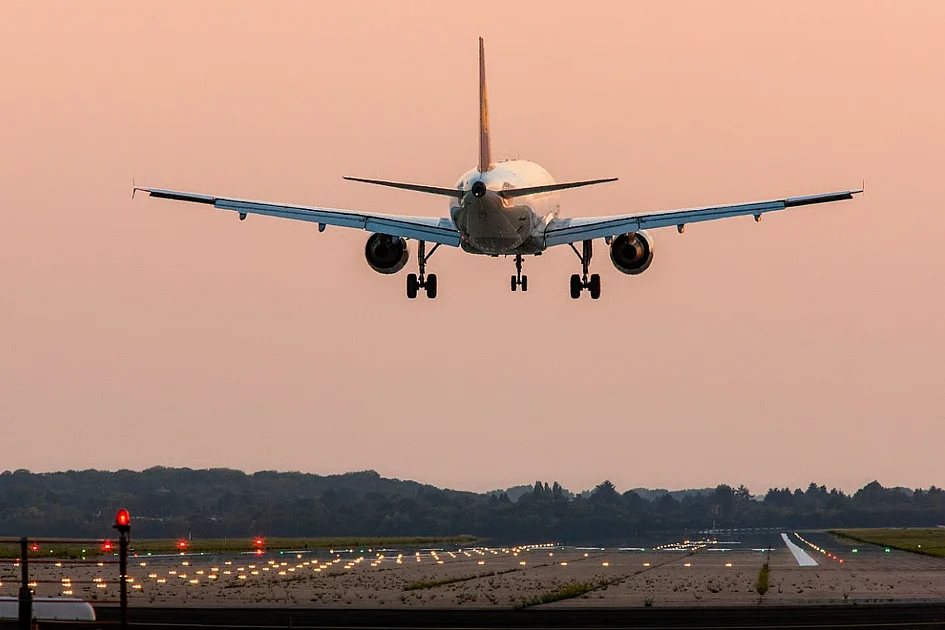
The Directorate General of Civil Aviation (DGCA) has issued a critical safety advisory to airlines following the eruption of Ethiopia’s Hayli Gubbi volcano, which has sent a massive ash plume across the Middle East. The volcanic ash has drifted into the Muscat Flight Information Region, potentially disrupting flights between the UAE and India. The DGCA has urged airlines to review their volcanic ash procedures, brief flight crews, and adjust flight planning based on the latest advisories. Operators have also been instructed to monitor NOTAM and meteorological updates, report any ash encounters, and conduct post-flight inspections for aircraft traversing affected zones. Airports have been advised to suspend operations if ash contamination is detected and to clear runways, taxiways, and aprons immediately. Flight disruptions have already begun, with KLM Royal Dutch Airlines canceling its Amsterdam-Delhi service and Indian carriers issuing cautionary updates for passengers traveling through the Middle East. SpiceJet and Akasa Air are closely monitoring the situation, prioritizing passenger safety and coordinating with aviation authorities. Air India has assured passengers that its flights remain largely unaffected but is prepared to implement precautionary measures. The Hayli Gubbi volcano, which erupted for the first time in nearly 10,000 years, has created an ash cloud now drifting toward northern India, prompting continuous monitoring by global aviation authorities.
-
UAE poised to power GCC’s 2026 boom with 5.6% growth
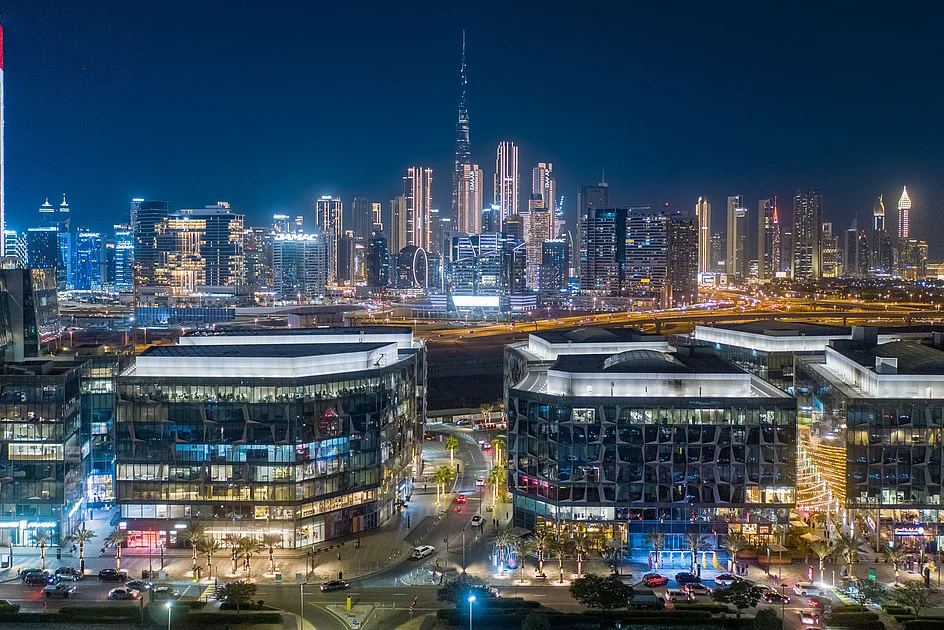
The Gulf Cooperation Council (GCC) is set for a significant economic upswing in 2026, with the UAE and Saudi Arabia leading the charge. According to the ICAEW’s Q4 2025 Economic Insight report, the GCC’s GDP is projected to grow by 4.4%, driven by surging non-oil activities in the UAE and Saudi Arabia. The UAE, in particular, is expected to achieve a 5.6% GDP growth, cementing its status as one of the Gulf’s fastest-growing economies. Key sectors such as tourism, trade, logistics, real estate, and financial services are anticipated to fuel this expansion, supported by strong population growth, a vibrant labor market, and sustained domestic demand. The UAE’s strategic initiatives, including the “We the UAE 2031” plan, are further bolstering long-term economic momentum. Dubai has already showcased the resilience of the UAE’s non-oil economy, with a 4.4% growth in the first half of 2025, driven by trade, transport, hospitality, and financial services. Abu Dhabi’s non-oil foreign trade surged by 34.7% to AED 195.4 billion in the same period, highlighting the emirate’s growing role as a global trade and logistics hub. The Central Bank of the UAE (CBUAE) forecasts real GDP growth of 4.9% in 2025 and 5.3% in 2026, with non-hydrocarbon GDP expected to grow by 4.5% and 4.8%, respectively. Hydrocarbon output is projected to rise by 5.8% and 6.5%, while inflation remains contained at 1.5–1.9%. Across the GCC, non-energy activity is expected to expand by 4.1% in 2026, supported by strong labor markets, improved credit conditions, and increased investment in technology and AI infrastructure. Saudi Arabia is also poised for robust growth, with a projected GDP increase of 4.3% in 2026, driven by non-oil sectors and policy reforms. Despite fiscal challenges, Riyadh remains committed to Vision 2030, prioritizing long-term diversification. Analysts emphasize that the UAE’s strategic location, economic reforms, and innovation-led investments are not only accelerating its own growth but also uplifting the entire GCC region, marking a pivotal shift towards sustainable and diversified economic expansion.
-
Jebel Ali port sets breakbulk record, handling 630,000 tonnes in October
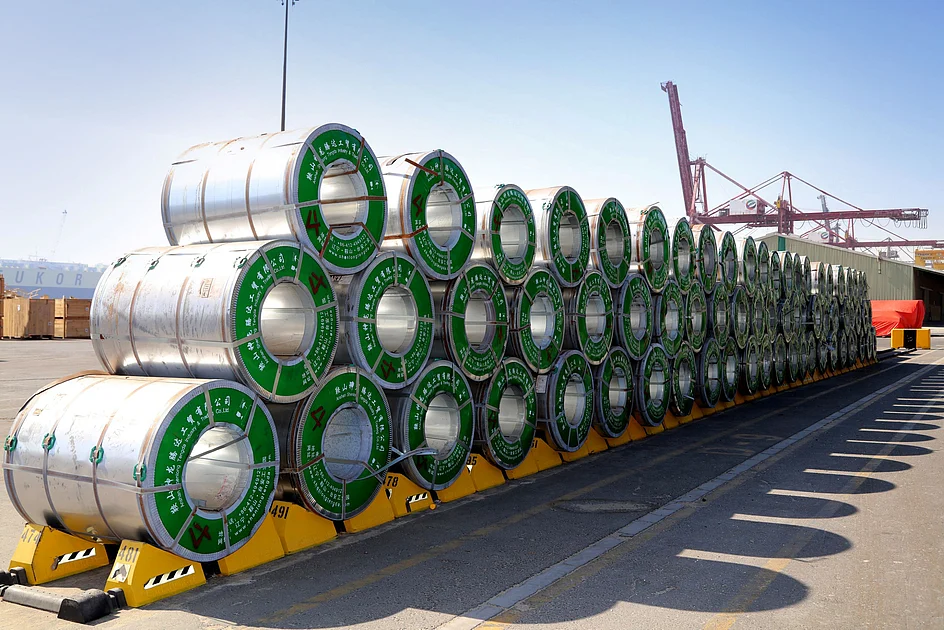
DP World’s Jebel Ali Port has set a new benchmark in its operational history by handling an unprecedented 630,000 tonnes of breakbulk cargo in October 2025. This milestone marks the highest monthly volume recorded in nearly two decades, driven by surging industrial and construction demands across the UAE and the broader Gulf region. Key contributors to this achievement include increased imports of iron and steel for major projects such as the Dubai Metro Blue Line and the expansion of Dubai World Central (DWC) Airport, alongside rising sugar exports. The port’s performance builds on a robust 2024, which saw breakbulk volumes grow by 23% year-on-year to 5.36 million metric tonnes, underscoring the UAE’s expanding industrial base and its pivotal role in global trade. Shahab Al Jassmi, Chief Commercial Officer of Ports and Terminals at DP World GCC, emphasized that this record reflects the trust businesses place in Jebel Ali as the region’s most reliable cargo gateway. He highlighted the port’s commitment to enhancing capacity, technology, and sustainability initiatives to support long-term growth. Breakbulk cargo, which includes heavy and oversized materials essential for large-scale construction and industrial projects, remains a cornerstone of Jebel Ali’s operations. Supported by Jafza’s integrated ecosystem and DP World’s global logistics capabilities, the port ensures seamless movement of complex cargo across regional and international supply chains. This achievement aligns with Jebel Ali’s transformation into one of the world’s most advanced multipurpose ports, consistently achieving record performance across container, RoRo, and bulk cargo categories. The port’s agility in adapting to evolving global supply chains and its central role in the UAE’s economic transformation highlight its significance in supporting Dubai’s Economic Agenda D33 and the national Operation 300Bn strategy.
-
HSBC’s tokenised deposit move set to transform banking for UAE clients by 2026
HSBC Holdings is set to introduce tokenized deposits to its corporate clients in the UAE and the US by the first half of 2026, marking a transformative step in the bank’s adoption of blockchain-based financial technologies. This initiative follows the successful rollout of similar services in Hong Kong, Singapore, the UK, and Luxembourg, underscoring HSBC’s commitment to positioning the UAE as a hub for next-generation financial infrastructure. Tokenized deposits convert traditional fiat balances into secure digital tokens using HSBC’s proprietary Distributed Ledger Technology (DLT). Unlike volatile cryptocurrencies, these tokens represent direct claims on funds held in regulated bank accounts and can accrue interest like standard deposits. Financial experts highlight the system’s ability to enable real-time, 24/7 transactions, eliminating delays tied to cut-off times, batch cycles, or multi-day international processes. For UAE-based companies, this translates to faster cross-border payments and improved liquidity management. Manish Kohli, HSBC’s global head of payment solutions, emphasized that tokenized deposits are becoming a cornerstone of corporate liquidity management. By automating key processes and removing time-based constraints, the system allows treasurers to keep funds active around the clock—a critical capability for firms operating across regions or handling high-volume transactions. The UAE’s fast-growing sectors, including logistics, energy, aviation, and digital commerce, stand to benefit significantly from smoother operations and reduced financing costs. Additionally, the technology offers enhanced risk management, providing companies with real-time visibility into their cash positions and enabling automated, error-free payments. HSBC is also integrating artificial intelligence to assist with liquidity forecasting, automate complex payment chains, and balance accounts without manual intervention. These features are expected to appeal to UAE corporations with regional or global footprints. Unlike stablecoins, which are issued by private entities and often circulate on public blockchains, HSBC’s tokenized deposits operate entirely within a regulated framework, ensuring compliance, transparency, and risk management. While the bank is in discussions with stablecoin issuers to provide settlement and reserve-management services, it has clarified that any decision to launch its own stablecoin would depend on clearer regulatory guidance. HSBC’s move aligns with the UAE’s growing prominence as a global wealth hub and financial innovation center. The bank recently opened its first Middle East wealth center in Dubai, catering to affluent and high-net-worth clients. With projections indicating nearly 10,000 new millionaires relocating to the UAE in 2025, the country’s supportive regulatory environment for digital finance makes it an ideal launchpad for HSBC’s blockchain-enabled banking services. As tokenized deposits go live in 2026, UAE businesses are poised to be among the earliest beneficiaries of a shift toward faster, more efficient, and highly automated financial infrastructure.
-
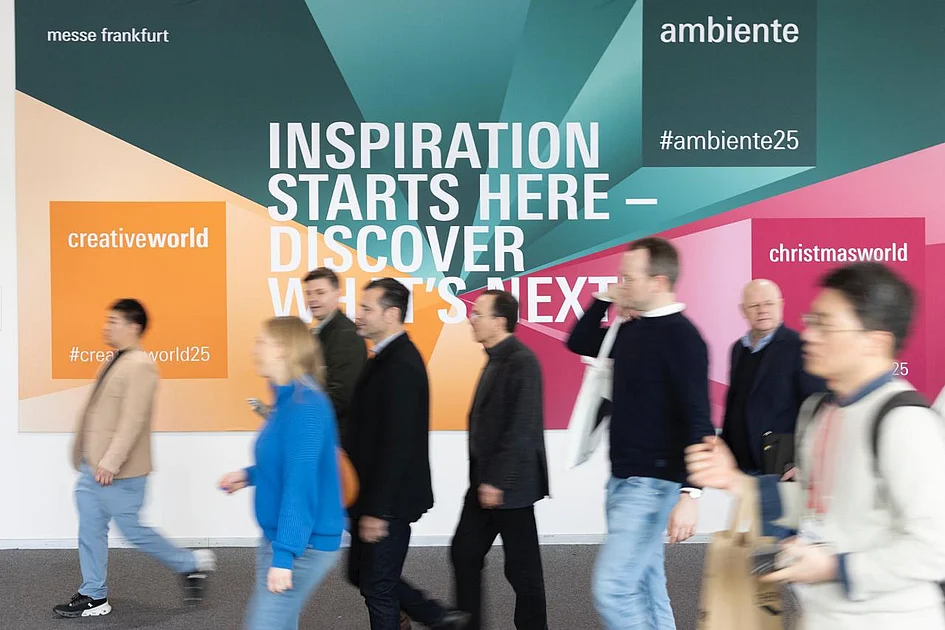
UAE seeks to build momentum at Ambiente exhibition in Germany
The United Arab Emirates (UAE) is poised to make a significant impact at the Ambiente 2026 exhibition in Frankfurt, Germany, as it seeks to bolster its position in the global consumer goods market. The event, scheduled from February 6 to 10, 2026, will feature the UAE alongside other prominent country pavilions, including China, India, Turkey, and Italy. This participation underscores the UAE’s strategic ambition to expand its international reach and foster partnerships across Europe and beyond. Ambiente, renowned as the world’s leading consumer goods trade fair, will host over 3,750 exhibitors and attract more than 105,000 visitors. When combined with Christmasworld and Creativeworld, the trio of events forms a dynamic ecosystem that drew 147,684 visitors from over 170 countries in 2025. For UAE businesses, the appeal of these fairs lies in their global profile and strategic location at the heart of international trade. With 87% of exhibitors hailing from outside Germany, the event offers an ideal platform for Emirates-based companies to showcase their products and establish a foothold in European markets. Mustansir Golwala, Managing Director of Crystal Arc, emphasized the significance of Ambiente as a hub for creativity, craftsmanship, and global connection. The 2026 edition introduces several innovations, including an Interior Design & Architecture Hub curated by Katty Schiebeck and a new Kitchen Show featuring live cooking demonstrations. Additionally, the expansion of the Contract Business & Hospitality Interiors segment and the introduction of Christmasworld’s Coffee & Connect networking lounge provide fresh opportunities for UAE exhibitors. Julia Uherek, Vice President Consumer Goods Fairs at Messe Frankfurt Exhibition GmbH, highlighted the importance of the Middle East region in their international network, noting that UAE companies bring valuable retail and design expertise to the global stage. Philipp Ferger, Vice President Consumer Goods Fairs at Messe Frankfurt Exhibition GmbH, emphasized the strategic value of Frankfurt as a platform for UAE businesses to accelerate international growth and navigate market transformation.
-
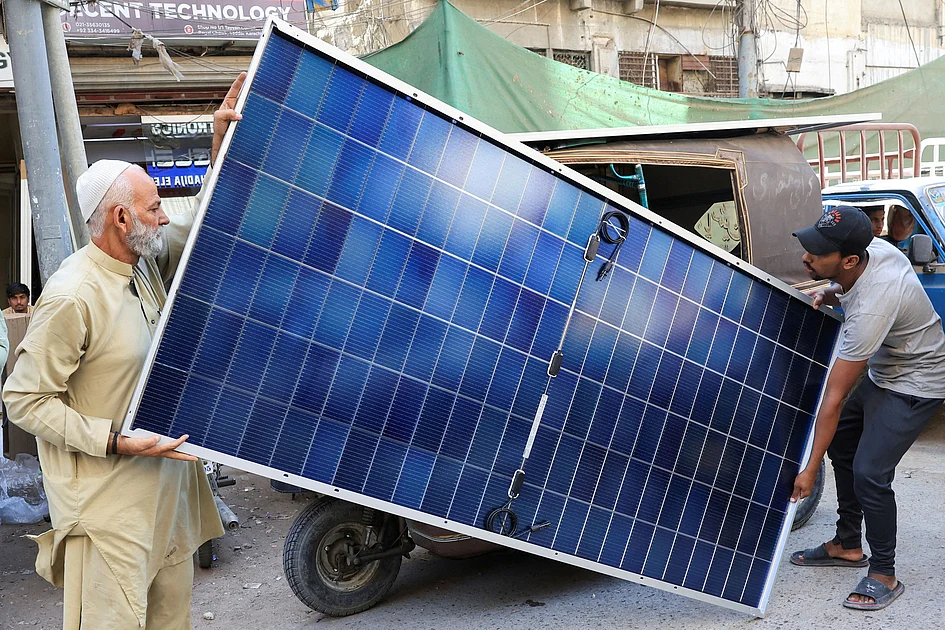
Pakistan: Rooftop solar output to exceed grid demand in some hubs next year
Pakistan is poised to witness a groundbreaking shift in its energy landscape as rooftop solar generation is expected to surpass grid-linked power demand during daytime hours in several major industrial regions by next year. This development, highlighted by Aisha Moriani, Secretary of Pakistan’s Climate Change Ministry, underscores the nation’s rapid adoption of solar energy, driven by power cuts, tariff hikes, and a growing emphasis on sustainability. The surge in solar panel installations has not only reduced emissions and power bills but also disrupted the financial stability of debt-laden electric utilities due to declining grid demand. Regions such as Lahore, Faisalabad, and Sialkot, known for high solar penetration, are likely to experience ‘negative demand’ during peak solar output periods, particularly on bright summer afternoons and industrial holidays. Pakistan, now the world’s third-largest solar panel importer, is also renegotiating LNG contracts with Qatar and Italy’s Eni to align its energy strategy with fiscal constraints and seasonal demand patterns. The government is introducing new tariffs and fee structures to ensure large solar users contribute equitably to grid maintenance. While grid-linked power demand is projected to grow modestly this year, the increasing reliance on solar energy could significantly impact future consumption trends. Pakistan’s challenge lies in evolving its grid infrastructure, regulations, and market design to keep pace with the rapid growth of renewable energy.