分类: business

  • AI seen boosting Asian GDP

    AI seen boosting Asian GDP

    A new economic forecast from Japanese investment bank Nomura indicates artificial intelligence will serve as a primary catalyst for economic expansion across the Asia-Pacific region through 2026. The bank’s Asia Macro Outlook 2026 report projects regional GDP growth of 3.7% by end-2025, followed by 3.6% expansion in 2026, driven substantially by robust global demand for computing infrastructure and semiconductor components.

    Rob Subbaraman, Nomura’s head of global macro research, characterized 2026 as a period that will ‘shine a brighter light on Asia’ during a Hong Kong press briefing. He highlighted that Asia’s strong economic fundamentals would attract increased capital inflows amid growing global investment diversification trends. However, Subbaraman emphasized significant regional variations, noting that ‘2026 is also a year of differentiation’ across Asian economies.

    According to Sonal Varma, Nomura’s chief economist for India and Asia ex-Japan, technology exports are poised to accelerate substantially, primarily fueled by sustained spending from cloud service providers. ‘AI demand will remain quite strong,’ Varma stated, indicating this trend would prove ‘fairly positive for the big tech exporters in the region.’ The report specifically identifies Malaysia, Singapore, and South Korea as likely outperformers benefiting most from the AI boom.

    The outlook remains positive for Japan, where a recently announced ¥21.3 trillion stimulus package is expected to boost consumer spending. Nomura also anticipates a forthcoming US-India trade agreement that would support India’s 2026 growth trajectory.

    Euben Paracuelles, Nomura’s chief economist for Southeast Asia, presented a ‘very bifurcated outlook’ for the subregion. While expressing bullish sentiment toward Malaysia and Singapore’s growth prospects, he projected disappointing performance from Indonesia, Thailand, and the Philippines. Paracuelles cited political uncertainty in Thailand and the Philippines, alongside a corruption scandal affecting flood control projects in the latter, as factors constraining fiscal spending and GDP growth.

    The analysis further noted that structural reforms and AI-related demand would continue benefiting Singapore and Malaysia, with major initiatives like the Johor-Singapore Special Economic Zone boosting construction and investment activity. While ASEAN members attempt to mitigate global economic uncertainty through enhanced intra-regional trade, Nomura expressed skepticism about the bloc’s ability to overcome existing trade barriers based on historical performance.
  • Nanfeng mandarins of Jiangxi are going global

    Nanfeng mandarins of Jiangxi are going global

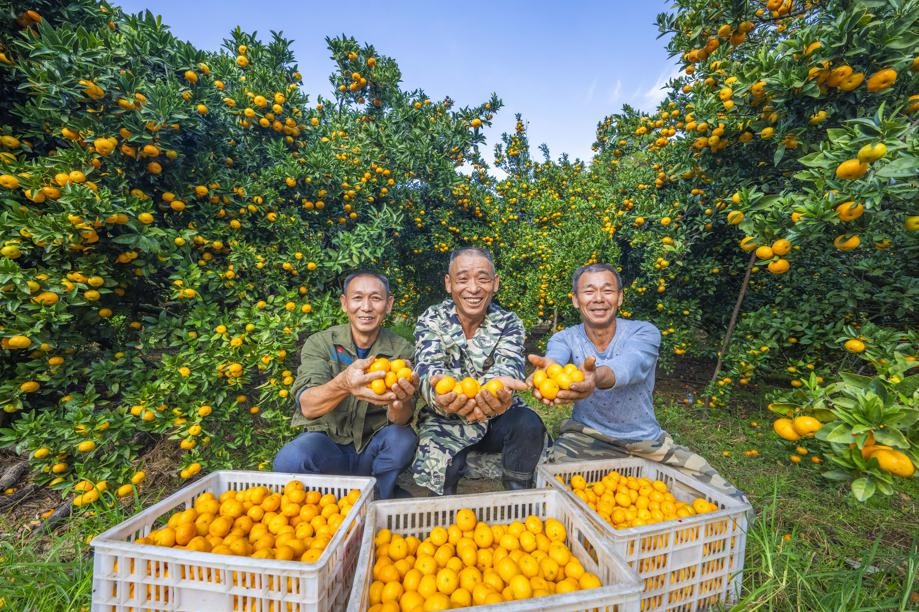
    NANFENG COUNTY, China – As the peak harvest season culminates in Jiangxi province, agricultural authorities project a record-breaking yield of approximately 300,000 metric tons of Nanfeng mandarins. This exceptional harvest from the renowned citrus-growing region signals both robust domestic production and expanding international influence for this distinctive fruit variety.

    Cultivated across 14,700 hectares in Nanfeng county within Fuzhou city, these mandarins have achieved legendary status for their exceptional qualities: remarkably thin skin, abundant juiciness, and intense sweetness. The fruit’s prestige traces back to the Tang Dynasty (618-907 AD), when they were exclusively selected as imperial tribute for royal households, establishing their historical significance in Chinese agriculture.

    Contemporary agricultural exporters have successfully transformed this historical legacy into global commercial success. According to official trade data from Fuzhou Customs, local producers have strategically expanded their international footprint, now distributing to over 40 countries and regions worldwide. Key export markets include Southeast Asian nations and European Union countries, demonstrating the fruit’s cross-cultural appeal.

    The January-November 2025 export statistics reveal substantial growth: 66,000 tons of Nanfeng mandarins valued at 410 million yuan (approximately $58 million) passed through customs supervision. This export performance highlights the fruit’s increasing competitiveness in international produce markets and the effectiveness of China’s agricultural export strategies.

    The global distribution of Nanfeng mandarins represents more than mere commercial achievement—it signifies the successful internationalization of a historically significant agricultural product while maintaining its quality standards and cultural heritage. As harvest operations continue, industry observers anticipate further market expansion and potential price premiums for this premium citrus variety in international markets.

  • What happened to all the US liquor Canada pulled off the shelves?

    What happened to all the US liquor Canada pulled off the shelves?

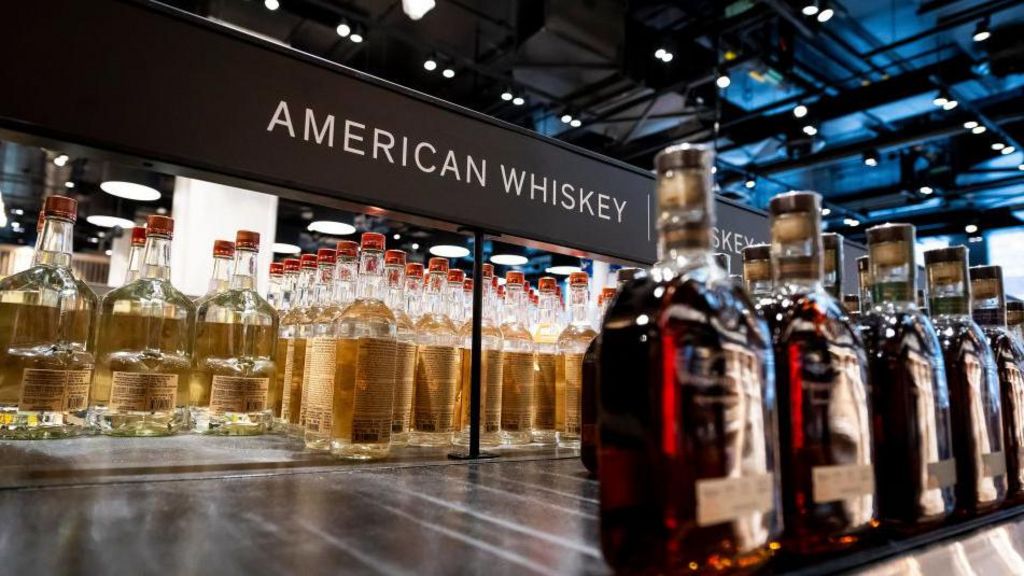
    A substantial inventory of American alcohol worth millions of dollars remains stranded across Canadian provincial warehouses, creating an unprecedented logistical challenge following a nationwide boycott initiated in February. The trade protest against US tariffs has left provincial governments grappling with disposal strategies for premium spirits and wines, with only Alberta and Saskatchewan continuing normal sales of American products.

    Ontario faces the most significant predicament with approximately C$80 million ($57.7 million) in shelved inventory, including products approaching expiration. Finance Minister Peter Bethlenfalvy confirmed the province will maintain its boycott until securing “a tariff-free deal or low-tariff deal” with the US, noting that less than C$2 million of their stockpile faces imminent expiration.

    Several provinces have implemented charitable solutions for their surplus. Nova Scotia and Manitoba collectively committed to selling C$17.4 million worth of remaining inventory, with proceeds designated for local food banks and charitable organizations. Nova Scotia reported unusually strong sales since restocking shelves last week, with Kentucky bourbon emerging as the top-selling product.

    Quebec initially contemplated destroying C$300,000 of expiring products but reversed course following public criticism, opting instead to donate soon-to-expire liquor to charity events and hospitality schools. British Columbia adopted an alternative approach, diverting its inventory to restaurants and bars rather than retail consumers.

    The alcohol boycott originated in February as a retaliatory measure against Trump administration tariffs on Canadian metals, lumber, and automotive products. While most tariffs were exempted under existing trade agreements, sector-specific levies remained, triggering Canada’s coordinated response.

    The economic impact has been substantial. The Distilled Spirits Council of the United States (DISCUS) reported an 85% decline in exports to Canada, describing the sales drop as “very troubling.” Council president Chris Swonger expressed hope that both nations would resolve trade concerns promptly, allowing American products to return to Canadian shelves.

    US Ambassador to Canada Pete Hoekstra characterized the boycott as a significant irritant in bilateral relations, noting it contributed to the Trump administration’s characterization of Canada as “mean and nasty”—a remark that British Columbia Premier David Eby interpreted as evidence that provincial efforts were effectively capturing attention.

  • IndiGo shares plunge further after regulatory action threat amid flight crisis

    IndiGo shares plunge further after regulatory action threat amid flight crisis

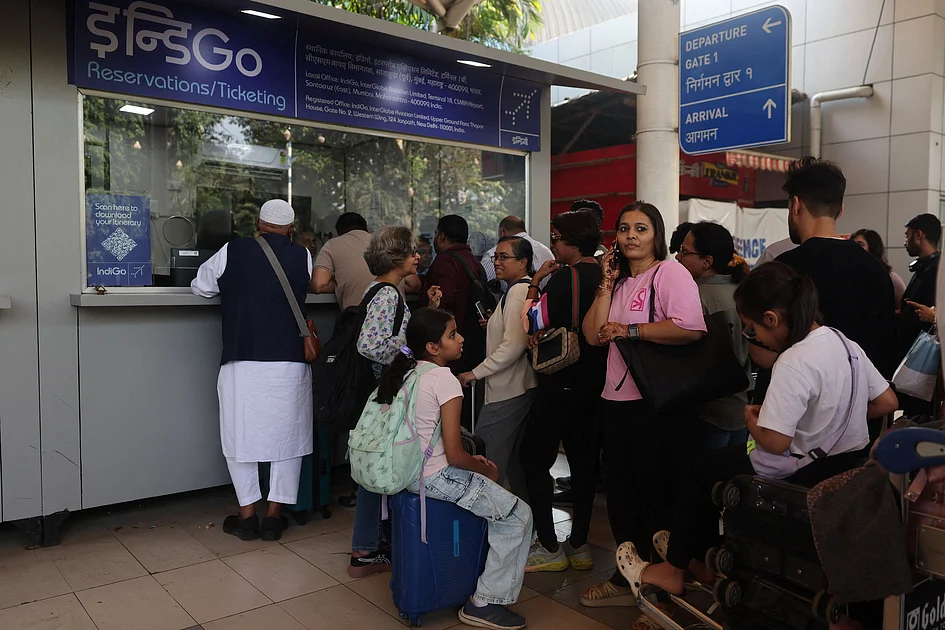
    India’s aviation sector is experiencing significant turbulence as IndiGo, the nation’s dominant carrier, faces mounting operational challenges that have triggered substantial financial losses and regulatory intervention. The airline’s shares plummeted an additional 8% on Monday, extending a devastating decline that has erased approximately $4 billion from its market valuation, bringing total losses to 16% over the past week.

    The crisis stems from inadequate preparation for new aviation regulations implemented on November 1st, which mandated stricter night flying protocols and enhanced weekly rest requirements for pilots. These operational shortcomings became critically apparent during December’s peak travel season, when holiday and wedding travel typically surge across India.

    The cascading effects have been severe: thousands of flight cancellations have stranded passengers nationwide, prompting government authorities to intervene and prevent predatory fare inflation. Aviation regulators have issued a 24-hour ultimatum demanding justification for why regulatory action shouldn’t be imposed against the carrier.

    While IndiGo maintains 65% market dominance in India’s aviation landscape, competitors are capitalizing on the disruption. Shares of SpiceJet, one of India’s few publicly-traded airlines, surged 13.9% as investors anticipate market share redistribution. The airline has expressed confidence that normal operations will resume by Wednesday, but the damage to consumer trust and investor confidence remains substantial.

    This operational breakdown highlights systemic vulnerabilities within India’s aviation infrastructure and raises questions about capacity planning during peak travel periods. The situation continues to develop with ongoing monitoring by aviation authorities and financial markets.

  • Paramount launches rival bid for Warner Brothers Discovery

    Paramount launches rival bid for Warner Brothers Discovery

    In a dramatic escalation of the streaming wars, Paramount Skydance has launched a direct counter-offer to acquire Warner Bros Discovery, challenging Netflix’s previously announced bid. Backed by the billionaire Ellison family, Paramount is proposing a $30-per-share cash offer directly to shareholders, valuing the entire company at approximately $108.4 billion.

    The move positions Paramount’s proposal as a ‘superior alternative’ to Netflix’s $83 billion offer, which specifically targets Warner’s studio assets and streaming networks including HBO. Paramount emphasizes that its bid delivers more immediate cash to shareholders and presents a clearer path to regulatory approval—a significant consideration given growing antitrust concerns.

    Political dimensions entered the corporate battle as President Donald Trump expressed reservations about Netflix’s potential acquisition, stating ‘there could be a problem’ with competition implications. Paramount CEO David Ellison amplified these concerns in a CNBC interview, characterizing Netflix’s bid as ‘anti-competitive’ and warning that it would grant the streaming giant excessive control over industry talent and distribution channels.

    ‘It’s a horrible deal for Hollywood,’ Ellison asserted, revealing he has held ‘great conversations’ with Trump regarding competition policy. The Paramount executive simultaneously criticized Warner’s planned spin-off of non-core assets as part of the Netflix deal, predicting the separated entities would struggle independently and diminish shareholder value.

    Despite both Netflix and Warner Bros Discovery boards endorsing the original acquisition framework on Friday, Paramount’s aggressive counterbid—coupled with regulatory headwinds—introduces substantial uncertainty into what would represent one of the largest media consolidations in history.

  • Record gold prices in Dubai: Will shoppers prefer 14K jewellery over 22K in UAE?

    Record gold prices in Dubai: Will shoppers prefer 14K jewellery over 22K in UAE?

    Dubai’s jewellery industry demonstrates remarkable resilience as gold prices reach unprecedented levels, with 24K gold surpassing Dh500 per gram in the UAE markets. Despite the Dubai Jewellery Group’s recent introduction of official 14K gold rates—a first for the emirate—industry leaders confirm that traditional 22K jewellery maintains its dominant position among consumers.

    Market analysis reveals that Dubai’s distinctive gold purchasing culture prioritizes purity over price sensitivity. According to Anil Dhanak, Managing Director of Kanz Jewels, “The Dubai jewellery customer has always been extremely particular about purity. Buyers may compromise on design or reduce overall weight, but they rarely compromise on purity.” This sentiment is particularly strong among residents from the Indian subcontinent and GCC regions, where 22K gold carries significant cultural and investment value.

    The recent pricing milestone saw 24K gold at Dh505.75 per gram, with 22K, 21K, 18K and 14K trading at Dh468.25, Dh449.0, Dh385 and Dh300.25 per gram respectively. While globally gold closed at $4,197.81 per ounce, Dubai’s market dynamics differ substantially from Western trends.

    Industry executives indicate that 14K gold will likely find its niche in diamond-studded jewellery and contemporary designs targeting younger, fashion-conscious consumers. Chirag Vora of Bafleh Jewellers noted that select pilot programs for 14K bracelets, pendants, and studs are underway, with broader rollout plans pending market response.

    Shamlal Ahamed of Malabar Gold and Diamonds emphasized that record prices reinforce gold’s status as a value-appreciating asset, combining aesthetic appeal with investment security. The consensus among jewellers suggests that while 14K may expand product ranges, it cannot displace the deeply rooted preference for higher purity gold that defines Dubai’s reputation as the ‘City of Gold.’

  • How authorities trace BlueChip scam money trail; CCTV shows founder stuffing cash into bags

    How authorities trace BlueChip scam money trail; CCTV shows founder stuffing cash into bags

    The unraveling of the BlueChip investment scandal, which defrauded UAE residents of approximately Dh400 million ($109 million), demonstrates a paradigm shift in how global authorities now pursue digital financial crimes once considered untraceable. The case took a dramatic turn with the November 30 arrest of founder Ravindra Nath Soni in Dehradun, India, ending an 18-month international manhunt that began when his Dubai-based operation collapsed abruptly in March 2024.

    Newly emerged CCTV footage from the company’s final operational days depicts Soni systematically removing substantial cash volumes from office drawers, stacking currency bundles on tables, and concealing them within suitcases and carry bags. This visual evidence has become crucial for investigators quantifying capital extraction during the scheme’s terminal phase.

    The investigation has revealed sophisticated financial maneuvering, including a previously documented $41.35 million transfer to an unidentified cryptocurrency wallet immediately preceding the company’s shutdown. According to Rayad Kamal Ayub, Managing Director of Rayad Group Technology, this case exemplifies how blockchain intelligence tools have revolutionized financial crime investigations. “Modern forensic capabilities can map relationships across thousands of wallets, flag suspicious movements in real-time, and identify connections to darknet operations and sanctioned entities,” Ayub explained.

    Indian authorities report the scam’s financial scope continues expanding beyond initial estimates. Forensic accounting has identified over ten domestic bank accounts operated by Soni across multiple cities, with transactions suggesting coordinated movement through both hawala channels and cryptocurrency conversions. Kanpur Police Commissioner Raghubir Lal confirmed the operation now exhibits clear characteristics of cross-border financial crime, with twelve international associates—including individuals in Dubai—implicated in the money movement network.

    The case reflects broader advancements in global regulatory cooperation, with platforms like Chainalysis, Elliptic, and TRM Labs enabling investigators to trace funds across blockchain networks with unprecedented speed. “What previously required months now takes hours,” Ayub noted. “Blockchain anonymity is largely mythological—every transaction creates permanent forensic evidence that regulators can reconstruct.”

    For affected investors, many of whom have traveled to India to join the expanding criminal case, the sophisticated investigation offers renewed hope for potential asset recovery after months of financial uncertainty and losses.

  • China, US businesses urged to enhance ties

    China, US businesses urged to enhance ties

    Senior officials and corporate leaders from the world’s two largest economies are spearheading a concerted push to revitalize commercial ties through enhanced dialogue and collaborative ventures. This development emerges against a backdrop of stabilizing diplomatic relations and China’s forthcoming economic planning cycle.

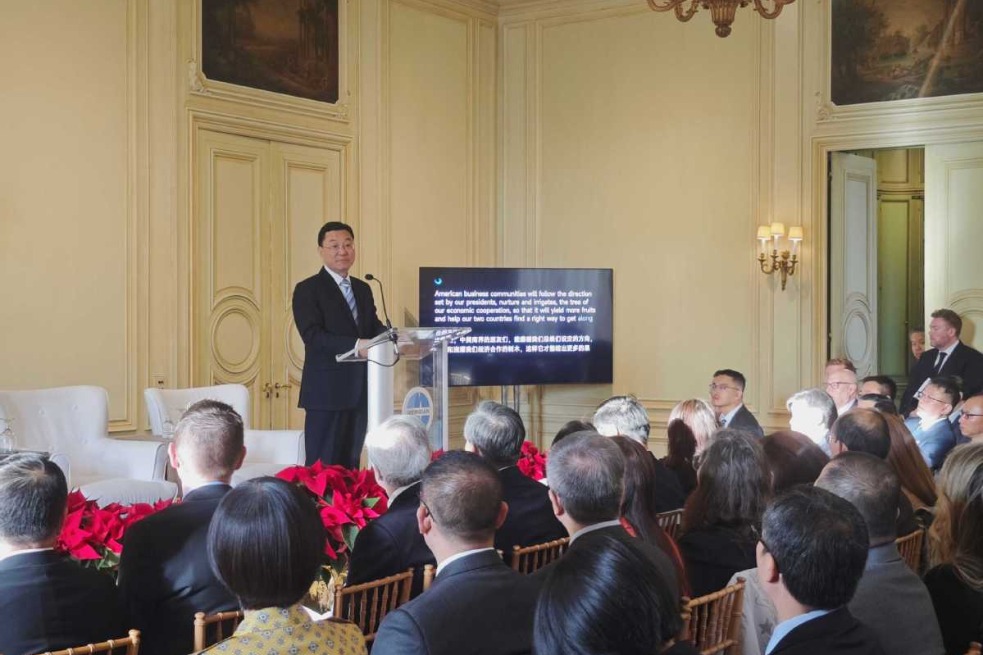
    At the China-US Business Cooperation Forum in Washington on December 4th, Chinese Ambassador Xie Feng emphasized the business community’s pivotal role in transcending political differences and capitalizing on opportunities generated by head-of-state diplomacy. The event, jointly organized by the China Council for the Promotion of International Trade and Washington’s Meridian International Center, brought together executives seeking clarity on navigating the relationship’s ‘new era’.

    Ambassador Xie highlighted how presidential commitments from both nations have injected ‘precious certainty’ into economic cooperation, with head-of-state diplomacy expected to remain the anchor of bilateral relations. He outlined substantial opportunities arising from China’s pursuit of high-quality development under the 15th Five-Year Plan (2026-2030), particularly with China hosting the 2026 APEC Economic Leaders’ Meeting and the US convening the G20 Summit.

    Concurrently on the West Coast, the ‘Port of Opportunity: US-China Business Exchange Breakfast’ in Berkeley, California facilitated connections between 25 Chinese companies and approximately 100 local executives and officials. Discussions spanned finance, agriculture, logistics, aviation, healthcare, renewable energy, and cultural industries.

    Ren Hongbin, Chairman of the China Council for the Promotion of International Trade, noted that recent high-level interactions have reinvigorated business confidence, urging concrete implementation of leadership consensus. Oakland Mayor Barbara Lee emphasized China’s significance as the port’s largest import partner (29% of total trade volume), advocating for sustained economic focus despite geopolitical challenges, particularly in green economy initiatives.

    John Grubb, Interim President and CEO of the Bay Area Council, highlighted California’s substantial role in US-China trade (approximately 25% of total), emphasizing the importance of maintaining commercial bridges through changing circumstances. The San Francisco Bay Area’s innovation ecosystem, home to companies like Apple, Intel and Nvidia that have significantly benefited from China’s market, was identified as a key driver of future cooperation in emerging sectors including renewable energy, biopharmaceuticals, and the low-altitude economy.

    Chinese Consul General in San Francisco Zhang Jianmin underscored the reality of economic interdependence in today’s globalized economy, with supply chains accounting for approximately 70% of global trade. He emphasized that innovation cooperation becomes increasingly vital amid global economic headwinds, with China’s vast market and comprehensive industrial system offering complementary advantages to the Bay Area’s innovative capacity.

  • Asian shares are mixed ahead of Fed interest rate decision

    Asian shares are mixed ahead of Fed interest rate decision

    Financial markets across Asia exhibited a mixed performance as investors adopted a guarded stance ahead of a pivotal interest rate decision by the U.S. Federal Reserve. The prevailing caution was further compounded by escalating geopolitical friction between Japan and China.

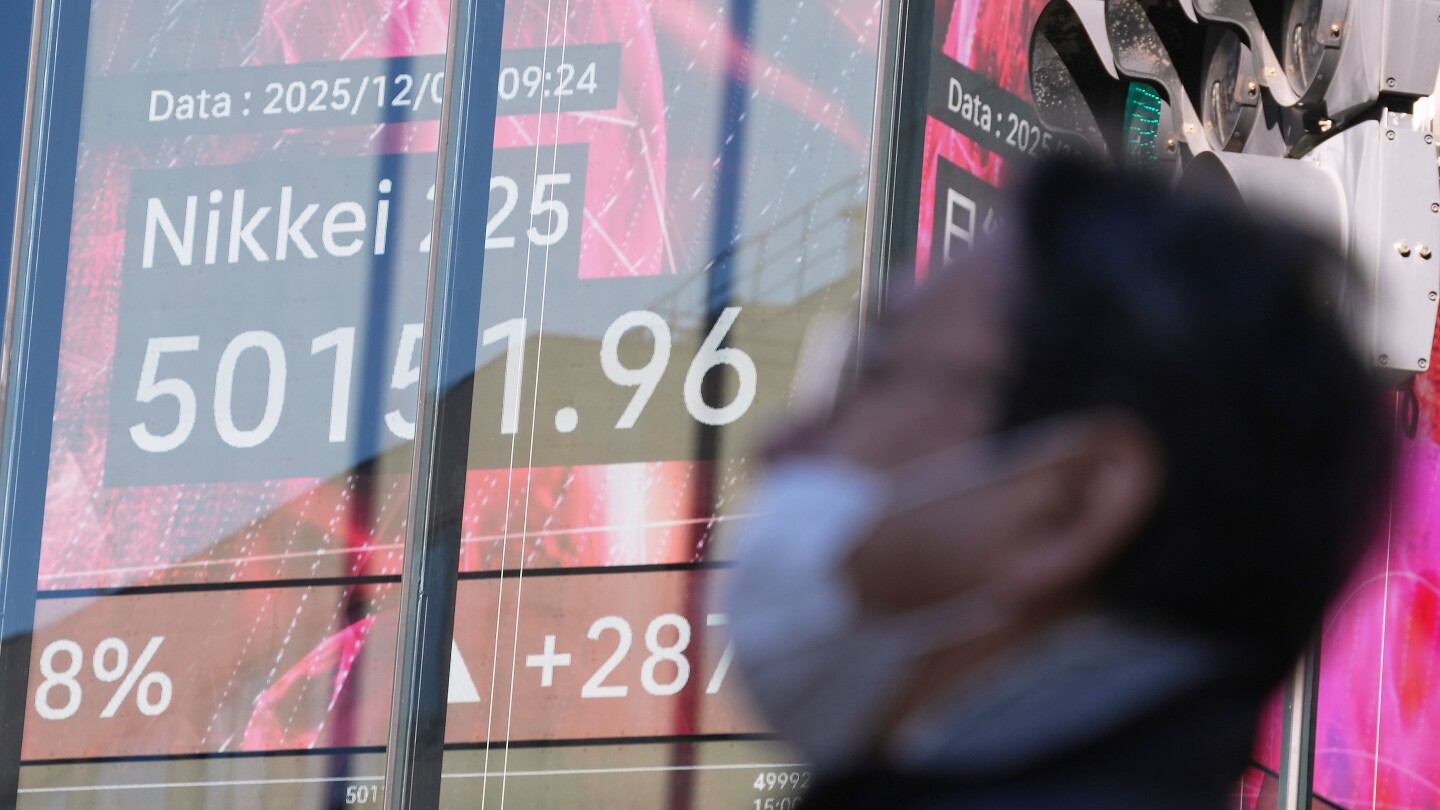
    Market indices reflected this uncertainty. Tokyo’s Nikkei 225 remained virtually flat, closing at 50,491.53. In a contrasting movement, South Korea’s Kospi edged up 0.2%, while Taiwan’s benchmark index saw a more substantial gain of 0.8%. Australia’s S&P/ASX 200 retreated by 0.3%. Chinese markets presented a divergent picture: the Shanghai Composite index advanced 0.6%, whereas Hong Kong’s Hang Seng declined by 1%.

    The economic landscape was clouded by revised data from Japan, revealing a deeper-than-expected economic contraction. The nation’s economy shrank at an annualized rate of 2.3% in the July-September quarter, a significant downward revision from the initially reported 1.8% decline. This downturn was attributed to the adverse effects of U.S. tariffs on Japanese exports and a reduction in public investment.

    Geopolitical tensions intensified following a concerning military incident. Japanese Defense Minister Shinjiro Koizumi formally protested after Chinese military aircraft locked radar on Japanese fighter jets—an act he described as ‘extremely regrettable’ and a ‘dangerous’ escalation. This event occurred amidst existing strain prompted by recent remarks on Taiwan from Japanese Prime Minister Sanae Takaichi, prompting calls for calm from both Japan and Australia.

    In the U.S., futures and oil prices registered modest gains. This followed a quiet yet positive end to the previous week on Wall Street, where the S&P 500 closed just below its record high. Corporate movements also captured attention, with Netflix’s announcement of a $72 billion acquisition of Warner Bros. sending ripples through related stocks.

    All eyes are now fixed on the Federal Reserve’s upcoming meeting. The widespread market expectation is for an interest rate cut, which would be the third of the year, aimed at bolstering a slowing U.S. job market. Recent inflation data, showing the Fed’s preferred core measure at 2.8%, aligned with economist forecasts, reinforcing these anticipations. However, the persistent risk remains that lower rates could potentially re-ignite inflationary pressures.

  • Japan revises economic data to show bigger contraction in July-September period

    Japan revises economic data to show bigger contraction in July-September period

    TOKYO — Japan’s economic performance deteriorated more severely than initially projected during the third quarter, with revised data revealing an annualized contraction of 2.3% between July and September. This downward revision from the previously reported 1.8% decline underscores the mounting challenges facing the world’s third-largest economy.

    The Cabinet Office’s updated figures indicate a quarter-on-quarter GDP reduction of 0.6%, exceeding preliminary estimates. The economic downturn has been primarily driven by declining exports, which fell by 1.2% during the quarter, and a significant 8.2% plunge in private residential investment.

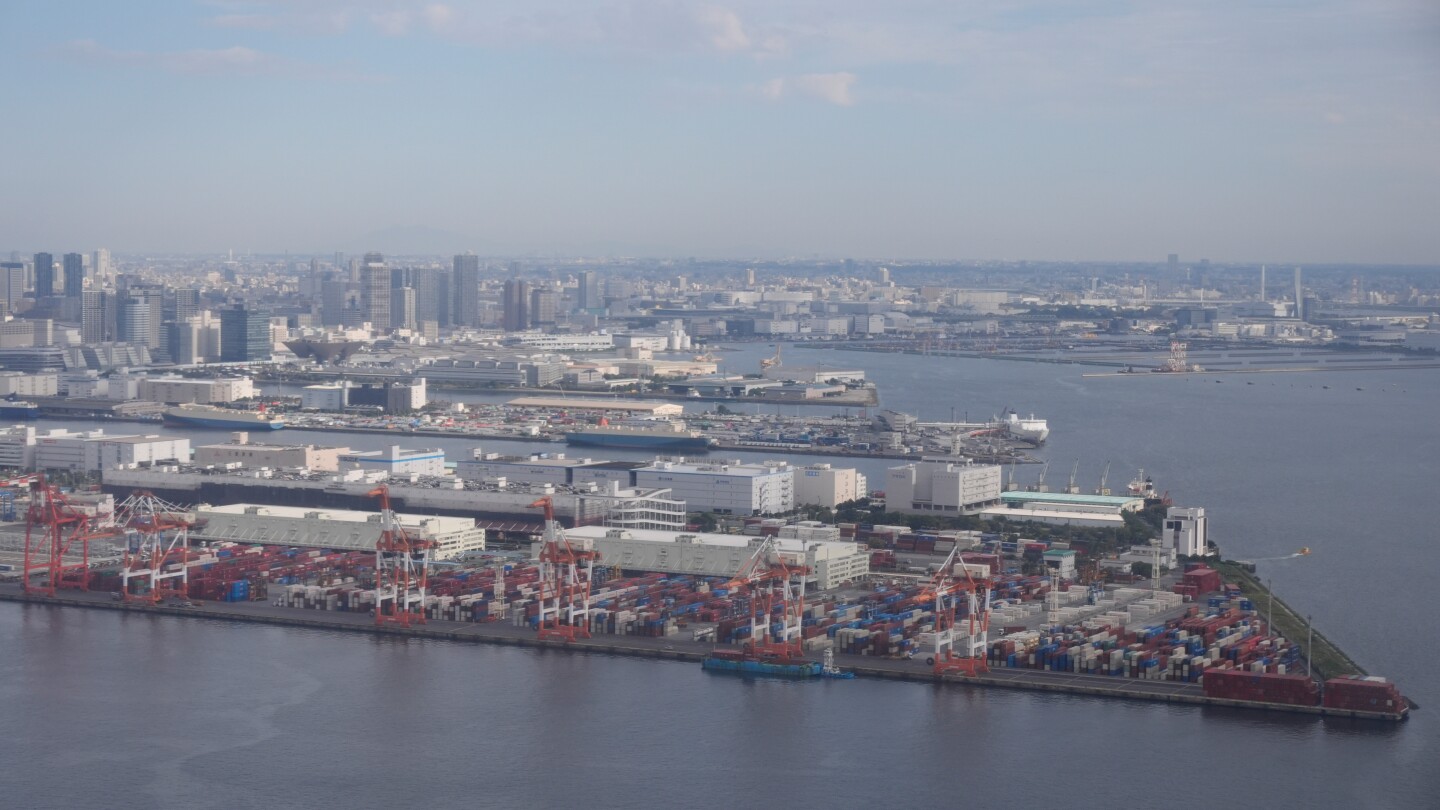
    Trade tensions initiated by the Trump administration have substantially impacted Japan’s export sector. Although the United States subsequently reduced planned tariff increases on Japanese imports from 25% to 15% in September, the automotive sector—a cornerstone of Japan’s economy—continues to face considerable pressure.

    In response to these economic headwinds, Japan has committed to a substantial $550 billion investment package in the United States, a strategic move announced during bilateral tariff negotiations. This commitment reflects the complex economic diplomacy between the two nations amid strained trade relations.

    The residential investment decline has been attributed primarily to regulatory changes in Japan’s building code, which triggered a significant reduction in housing starts earlier this year. Meanwhile, modest positive trends emerged in consumer spending, with private consumption edging up 0.2%, while imports decreased by 0.4%.

    Political leadership under Prime Minister Sanae Takaichi, Japan’s first female premier, faces mounting pressure to stimulate economic recovery. Despite maintaining popularity through assertive nationalist rhetoric, the administration’s ability to engineer a robust economic turnaround remains uncertain amid these challenging macroeconomic conditions.