分类: business

  • Expert: Japanese companies face serious challenges without China’s supply chains

    Expert: Japanese companies face serious challenges without China’s supply chains

    A prominent Japanese economist has issued a stark warning about the profound vulnerabilities facing Japan’s industrial sector due to deteriorating relations with China. Hidetoshi Tashiro, Chief Economist at Infinity LLC and CEO of Terra Nexus Project Management Services, emphasized that the core risk transcends diplomatic tensions and strikes at the very foundation of Japan’s economic infrastructure—its supply chain integration with China.

    Tashiro’s analysis reveals that virtually every major Japanese industry maintains deep and intricate supply chain connections with Chinese manufacturing and production networks. This interdependence, developed over decades of economic cooperation, has created a symbiotic relationship where Japanese companies rely on Chinese components, raw materials, and manufacturing capabilities across multiple sectors including automotive, electronics, and industrial manufacturing.

    The expert cautioned that any significant disruption to these supply networks would create immediate and severe operational challenges for Japanese corporations. The warning comes amid ongoing geopolitical tensions that have prompted discussions about supply chain diversification and decoupling strategies among some international businesses.

    Tashiro’s assessment suggests that Japanese companies lack viable short-term alternatives to replace China’s manufacturing ecosystem, which offers scale, efficiency, and integrated production capabilities that have taken decades to develop. The potential severance of these supply connections could trigger production halts, cost escalations, and competitive disadvantages in global markets.

    The analysis underscores the complex reality that while political relations may fluctuate, economic interdependencies create structural bonds that cannot be easily undone without significant economic consequences. This warning serves as a critical reminder of the delicate balance between geopolitical considerations and economic practicalities in today’s interconnected global economy.


  • Lululemon boss to step down early next year

    Lululemon boss to step down early next year

    Lululemon Athletica, the premium athletic apparel retailer renowned for its high-end yoga wear, announced the departure of Chief Executive Officer Calvin McDonald effective January 2025. McDonald’s exit concludes his seven-year leadership tenure during which the brand experienced both remarkable growth and recent market challenges.

    The executive transition follows a period of significant volatility in Lululemon’s primary North American market, where sales performance has deteriorated substantially. The company’s stock valuation has plummeted approximately 50% over the past twelve months, reflecting investor concerns about increased competition and changing consumer preferences.

    Despite these headwinds, Lululemon recently revised its annual revenue projections upward based on stronger-than-anticipated performance in recent months. This improvement has been largely driven by exceptional results in international markets, particularly China, where consumer demand remains robust.

    McDonald characterized his departure as mutually agreed upon with the board of directors, coinciding with the completion of the company’s five-year strategic plan. In a statement published on LinkedIn, he emphasized the strength of Lululemon’s leadership team and the appropriateness of this timing for organizational change.

    The company faces significant operational challenges, including newly imposed import tariffs that are projected to cost approximately $240 million annually. These tariffs particularly impact Lululemon’s supply chain, which relies heavily on manufacturing facilities in China, Vietnam, and other Asian countries.

    Consumer behavior shifts present additional challenges, with shoppers increasingly seeking value alternatives amid economic pressures. This trend has benefited lower-priced competitors including Vuori and Alo Yoga, intensifying market competition.

    Industry analysts note that Lululemon must reestablish its product differentiation and brand prestige. The company faced product quality issues in recent years, including the withdrawal of its Breezethrough leggings line following customer complaints about comfort and design flaws.

    During McDonald’s tenure, Lululemon achieved substantial revenue growth and global brand expansion. Board Chair Marti Morfitt acknowledged his contributions in building “one of the strongest brands in retail” through innovative products and customer experiences.

    The company has appointed Finance Chief Meghan Frank and Commercial Officer André Maestrini as interim co-CEOs while conducting a comprehensive search for permanent leadership.

  • China’s grain output tops 714 million tons in 2025

    China’s grain output tops 714 million tons in 2025

    China has set a new agricultural milestone with its grain production reaching an unprecedented 714.88 million metric tons in 2025, according to official data released by the National Bureau of Statistics (NBS) on December 12. This achievement marks another consecutive year of bumper harvest for the world’s most populous nation, demonstrating remarkable resilience in agricultural productivity.

    The record output represents a 1.2 percent increase compared to 2024 figures, continuing a positive growth trajectory in China’s agricultural sector. This sustained expansion stems from dual factors: increased planting area and improved yield efficiency. Statistical analysis reveals that grain planting areas expanded for the sixth consecutive year, surpassing 119 million hectares, while output per unit area simultaneously grew by 1.1 percent year-on-year.

    NBS official Wei Fenghua highlighted the strategic measures underpinning this agricultural success. “The stable growth in acreage results from China’s comprehensive approach to arable land protection and quality enhancement,” Wei stated. The multifaceted strategy includes optimized planting structures, reclamation of abandoned farmland, and systematic improvements to agricultural infrastructure.

    Beyond domestic implications, this agricultural milestone carries significant global importance. The substantial harvest strengthens China’s capacity to stabilize international grain markets and contribute to worldwide food security initiatives. Domestically, the achievement provides crucial support for China’s economic recovery momentum and facilitates the transition toward high-quality development models.

    The record harvest establishes a solid foundation for advancing agricultural and rural modernization programs while accelerating comprehensive rural revitalization efforts. This agricultural success story emerges amid global food supply chain uncertainties and climate challenges, positioning China favorably in maintaining strategic food reserves and sustainable development pathways.

  • Prada to launch $930 ‘Made in India’ Kolhapuri sandals after backlash

    Prada to launch $930 ‘Made in India’ Kolhapuri sandals after backlash

    In a significant reversal following accusations of cultural appropriation, Italian luxury giant Prada has established a formal manufacturing partnership with Indian artisans to produce Kolhapuri-inspired sandals. The agreement, signed during the Italy-India Business Forum 2025, commits to producing 2,000 pairs of sandals through collaborations with state-backed entities in Maharashtra and Karnataka.

    The limited-edition collection, branded as ‘Prada Made in India – Inspired by Kolhapuri Chappals,’ represents a reconciliation between global luxury fashion and traditional Indian craftsmanship. Lorenzo Bertelli, Prada’s head of Corporate Social Responsibility, emphasized the hybrid approach: “We’ll merge the original manufacturer’s standard capabilities with our sophisticated manufacturing techniques.”

    Scheduled for global release in February 2026 through Prada’s online platform and 40 select stores worldwide, the sandals will carry a premium price tag of $939 (approximately £800 or 84,000 rupees) – a stark contrast to traditionally priced Kolhapuri sandals.

    The partnership includes substantial investment in artisan development, with approximately 200 Kolhapuri craftspeople receiving three years of specialized training in Italy. Additional technical training will be provided locally through LIDCOM, a Maharashtra state entity supporting leather industries. The Maharashtra government has committed financial assistance to support artisans throughout this five-year agreement, though officials express confidence in its long-term extension.

    This development follows June’s controversy when Prada showcased sandals bearing striking resemblance to traditional Kolhapuri designs without acknowledging their Indian origins. The subsequent backlash prompted the luxury brand to formally recognize the footwear’s cultural heritage and engage with local trade bodies, including the Maharashtra Chamber of Commerce, Industry & Agriculture.

    Kolhapuri sandals, named after their city of origin in Maharashtra, represent a centuries-old craft tradition dating to the 12th century. Characterized by their durable leather construction, intricate braided patterns, and natural dye techniques, these handcrafted sandals have long been valued for their adaptability to India’s climate and their artisanal heritage.

  • Chinese exports to US decline as tariff pressures take a toll

    Chinese exports to US decline as tariff pressures take a toll

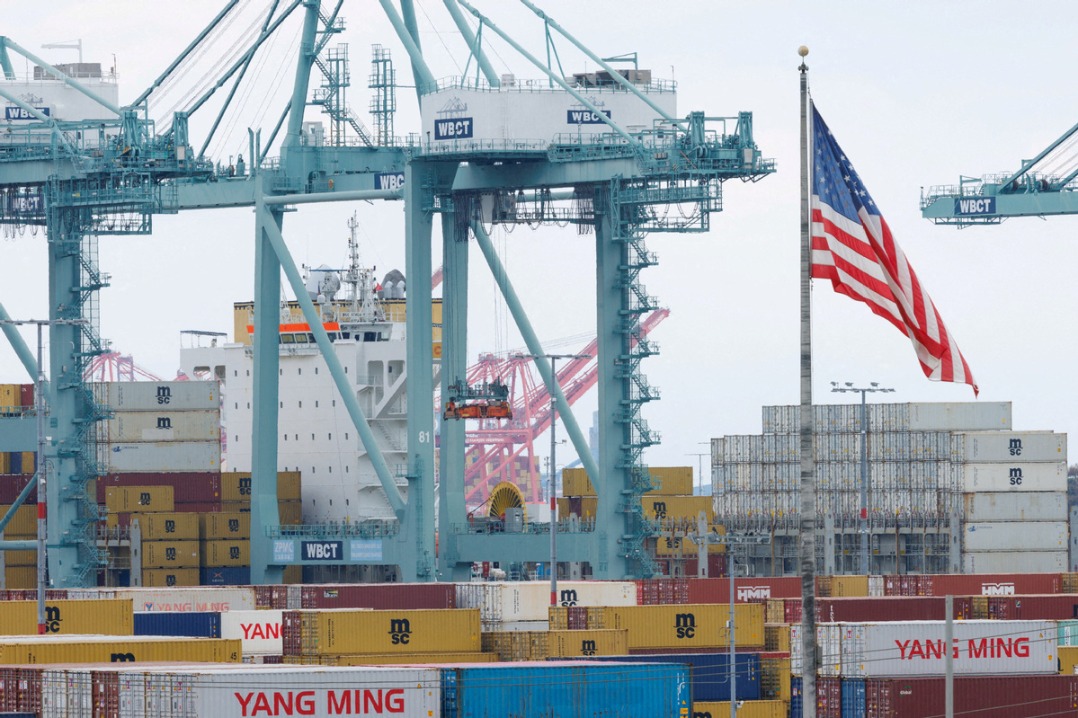
    The ongoing trade friction between the United States and China has manifested in stark export figures for November 2025, with Chinese shipments to American markets declining by approximately 29% year-on-year. This substantial contraction follows a year of volatile trade policy interventions that have reshaped bilateral commerce between the world’s two largest economies.

    Customs data reveals a parallel decline in American exports to China, which fell by 19% during the same period. The current tariff structure maintains substantial barriers, with average levies of 47.5% on Chinese goods entering the United States and 32% on American products reaching Chinese markets, according to analyses from the Peterson Institute for International Economics.

    Despite these bilateral challenges, China’s global export performance demonstrated resilience with a 5.9% increase to $330 billion in November, rebounding from an unexpected contraction the previous month. This growth underscores China’s strategic pivot toward diversifying its export destinations and reducing dependency on any single market.

    Financial analysts observe that China is actively rebalancing its economic model. Peter Boockvar, Chief Investment Officer at OnePoint BFG Wealth Partners, noted: “China continues to rely less on selling goods to the US. With substantial domestic savings, China is incentivizing consumer spending to decrease reliance on manufacturing and exports.”

    The agricultural sector has emerged as a particularly sensitive indicator of trade tensions. American soybean farmers experienced significant market disruption throughout the year, though recent data indicates gradual resumption of Chinese purchasing. In response to these challenges, the U.S. administration announced a $12 billion support package for affected farmers, drawing funds from tariff revenues and agricultural assistance programs.

    Cory Walters, Agricultural Economics professor at the University of Nebraska, emphasized that while temporary aid provides relief, “market access is paramount” for long-term agricultural sustainability. Chinese market share in global exports is projected to expand from 15% to 16.5%, driven by advanced manufacturing sectors including robotics, battery technology, and electric vehicles.

    The October truce agreement between both nations has yet to fully manifest in trade data, with economists anticipating that tariff reductions will gradually reflect in coming months’ export figures.

  • China’s 2026 stimulus plan isn’t exports, it’s economic reform

    China’s 2026 stimulus plan isn’t exports, it’s economic reform

    TOKYO — China’s economic trajectory is undergoing a fundamental recalibration as President Xi Jinping’s administration confronts the limitations of its export-oriented growth model. Despite achieving a remarkable $1 trillion trade surplus within 11 months and securing a 12-month delay in trade negotiations with the Trump administration, Chinese leadership recognizes that external demand cannot sustainably deliver the 5% growth target for 2026.

    The Politburo’s recent meeting in Beijing signaled a strategic shift toward domestic-driven growth, emphasizing the critical need to mobilize approximately $22 trillion in household savings to combat deflationary pressures. The leadership’s directive to ‘adhere to domestic demand as the main driver and build a strong domestic market’ represents a significant policy reorientation.

    Central to this new approach is Xi’s concept of ‘new productive forces,’ first introduced in 2023, which focuses on technological enhancement of manufacturing efficiency rather than reducing industrial output. This strategy aligns with the Politburo’s emphasis on ‘cross-cyclical’ policies prioritizing long-term stability over short-term gains.

    While monetary easing is anticipated—with Societe Generale economist Wei Yao predicting record-low bond yields—the core growth strategy centers on supply-side reforms. However, economists caution about implementation challenges. Lizzi Lee of the Asia Society Policy Institute notes: ‘Aligning fiscal expansion with structural reform, strengthening household demand without amplifying financial vulnerabilities, and advancing industrial upgrading while preserving market discipline will be central to navigating China’s economic transition.’

    The reform agenda addresses multiple structural weaknesses: resolving the property crisis, reducing economic opacity, leveling playing fields for private enterprises, tackling youth unemployment, managing local government debt, and developing social safety nets to reduce precautionary savings.

    Historical context reveals repeated delays in market-oriented reforms since 2013, when Xi initially promised to let market forces play a ‘decisive role.’ Previous crises, including the 2015 market crash, COVID-19 lockdowns, and the tech sector crackdown, have consistently diverted attention from structural reforms.

    Analysts suggest abandoning annual GDP targets could facilitate a genuine transition toward sustainable growth. While China has made progress in deleveraging and achieved technology successes through initiatives like ‘Made in China 2025,’ the underlying economy remains constrained by unfinished reforms.

    The external environment adds complexity, with potential policy shifts from the Trump administration representing a significant uncertainty. As fund manager Cheng Hao observes, there are concerns that current policies might represent ‘old wine in new bottles,’ highlighting the challenge of demonstrating genuine reform progress amid global economic uncertainties.

  • Crypto fraudster sentenced for ‘epic’ $40bn stablecoin crash

    Crypto fraudster sentenced for ‘epic’ $40bn stablecoin crash

    In a landmark ruling that sends shockwaves through the cryptocurrency industry, former digital currency entrepreneur Do Kwon has been sentenced to 15 years imprisonment for orchestrating what federal prosecutors describe as an “epic, generational” financial fraud. The sentencing by New York District Judge Paul A. Engelmayer concludes a dramatic case involving the catastrophic collapse of two interconnected cryptocurrencies that wiped out approximately $40 billion in investor funds.

    The South Korean national, who co-founded Singapore-based Terraform Labs, admitted to systematically misleading investors about the stability and mechanics of TerraUSD—a so-called stablecoin designed to maintain parity with the US dollar. The sophisticated scheme unraveled in 2022 when both TerraUSD and its sister currency Luna experienced catastrophic failure, triggering widespread repercussions across the cryptocurrency market and contributing to the collapse of several digital asset companies.

    During Thursday’s emotionally charged hearing in Manhattan federal court, Judge Engelmayer delivered scathing remarks about the Stanford-educated entrepreneur’s conduct. “In the annals of federal prosecutions, there are few frauds that have inflicted comparable financial devastation,” the judge stated, emphasizing how Kwon had repeatedly deceived investors who placed their trust in his technological expertise.

    Court documents reveal that when TerraUSD initially dropped below its promised $1 valuation in May 2021, Kwon allegedly instructed a trading firm to secretly purchase massive quantities of the digital coin to artificially inflate its price—while publicly attributing the recovery to sophisticated computer algorithms. This manipulation created a false appearance of stability that prolonged the scheme until its inevitable collapse.

    Kwon, who pleaded guilty in August to conspiracy to defraud and wire fraud charges, expressed contrition during the proceedings. “I have devoted nearly every waking moment of recent years contemplating alternative actions and seeking ways to rectify the damage caused,” the disgraced entrepreneur told the court.

    The case represents one of the most significant prosecutions in the ongoing regulatory crackdown on cryptocurrency misconduct, establishing a crucial legal precedent for holding digital asset creators accountable for fraudulent representations about their products’ stability and underlying technology.

  • Hong Kong’s cultural retail model to land in UAE

    Hong Kong’s cultural retail model to land in UAE

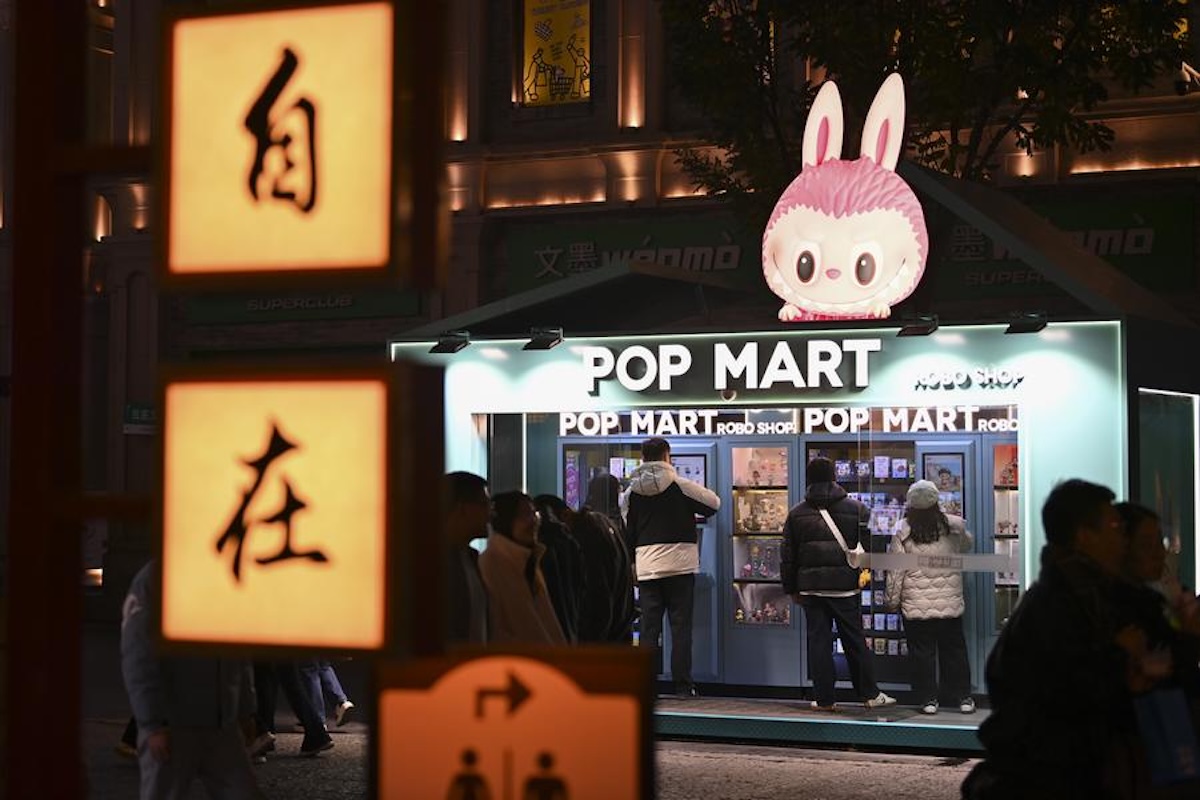
    In a significant cross-continental business development, Hong Kong’s Almad Group and its subsidiary K11 by AC have forged a strategic alliance with Dubai’s prominent Wafi Group. The partnership, formalized on December 11, 2025, establishes a new joint venture named Wafi Anime 11 that will introduce Hong Kong’s innovative cultural retail model to the United Arab Emirates.

    The collaboration represents a strategic market expansion that will provide Chinese consumer brands with direct access to the Middle Eastern market while catering specifically to the region’s Generation Z and Alpha demographics. The venture will focus on anime retail, entertainment experiences, and curated cultural exhibitions that blend Eastern and Western influences.

    This expansion is strategically timed alongside growing tourism connections between China and Dubai. Official data from Dubai’s Department of Economy and Tourism indicates a substantial 31 percent year-on-year increase in Chinese visitors, reaching 824,000 tourists in 2024.

    Sheikh Mana bin Khalifa Al Maktoum, Founder and Chairman of Wafi Group, emphasized the partnership’s broader significance: “Our collaboration will not only enhance Wafi City’s offerings but also fortify the cultural and commercial bridge between the Middle East and China.”

    Adrian Cheng, Founder and Executive Chairman of K11 by AC, highlighted Hong Kong’s unique positioning: “Our expertise lies in connecting Eastern and Western markets. We’re confident that the Chinese consumer brands, premium IP innovations, and immersive experiences we introduce will resonate strongly with the region’s rapidly evolving retail landscape and youthful population.”

    The partnership will launch a series of themed exhibitions starting in 2026, featuring anime, e-sports, and K-Pop elements, addressing the Middle East’s growing demand for youth-oriented cultural experiences.

  • Chinese tourists explore alternative destinations

    Chinese tourists explore alternative destinations

    A significant reconfiguration is underway across Asia-Pacific tourism markets as Chinese travelers pivot from traditional destinations following recent diplomatic strains between Beijing and Tokyo. Travel analytics firms report substantial booking surges for South Korea and Southeast Asian nations as Chinese tourists seek alternatives to Japan.

    Market intelligence from China Trading Desk reveals South Korea has emerged as the foremost overseas destination for Chinese travelers across major booking platforms. CEO Subramania Bhatt noted particularly strong demand for Seoul and Jeju Island, while Singapore, Thailand, Malaysia, and Vietnam are experiencing double-digit percentage increases in search volumes and bookings week-on-week.

    This market shift follows China’s November 14 travel advisory cautioning citizens against visiting Japan due to security concerns, issued after provocative remarks by Japanese Prime Minister Sanae Takaichi regarding Taiwan. Flight cancellation data from Umetrip indicates over 40% of scheduled mainland China-Japan flights were canceled in December, totaling more than 1,900 canceled flights.

    According to Wolfgang Georg Arlt of the China Outbound Tourism Research Institute, the redirection of China’s substantial outbound tourism market—which saw 7.5 million visitors to Japan in the first three quarters of 2025—presents significant opportunities for regional competitors. “There will be a shift not only to South Korea but also to other destinations in ASEAN and other regional destinations,” Arlt confirmed.

    Destination markets are actively capitalizing on this opportunity. South Korea is developing customized tourism products and increasing flight capacity, with Asiana Airlines planning 165 weekly flights to China by March—a 20% capacity increase. Malaysia anticipates approximately 30,000 additional Chinese visitors in December alone, leveraging its visa-free policy and improved flight connectivity.

    Industry experts suggest this redistribution could represent more than a temporary adjustment if travel warnings persist, potentially enabling Southeast Asia and broader Asian destinations to capture a larger structural share of China’s outbound tourism demand, particularly with the approaching Chinese New Year holiday period in February.

  • US Fed cuts interest rate by 25 basis points

    US Fed cuts interest rate by 25 basis points

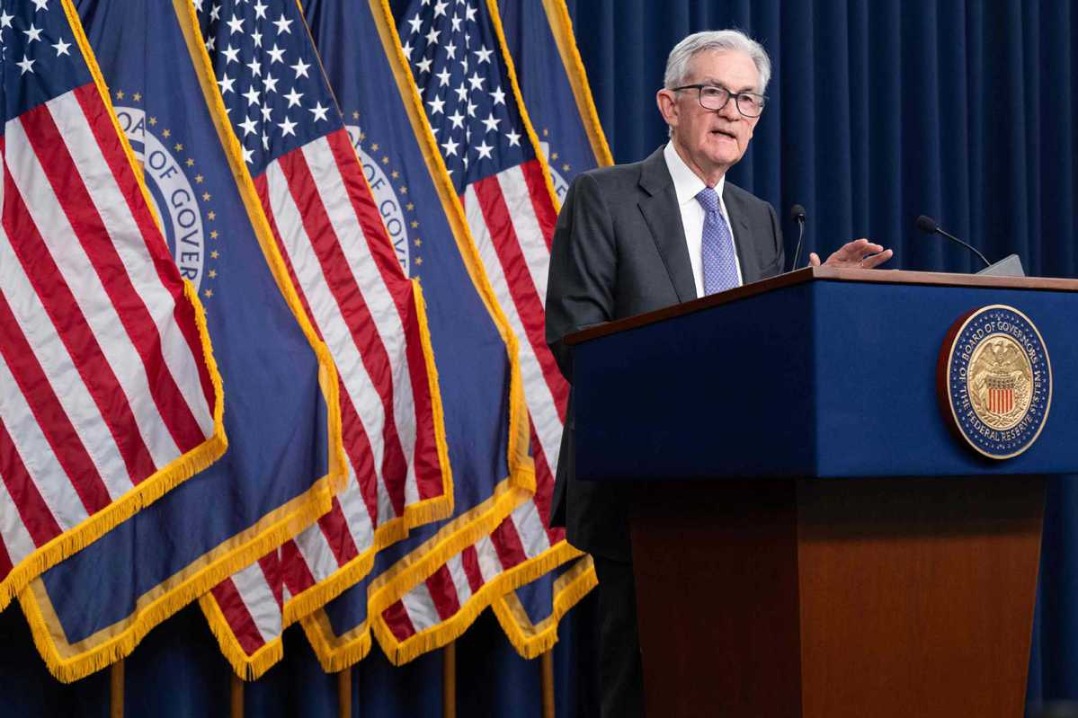
    In a pivotal monetary policy decision, the U.S. Federal Reserve announced a 25 basis point reduction in the federal funds rate on Wednesday, December 10, 2025, lowering the target range to 3.50-3.75 percent. This marks the third consecutive rate cut implemented by the central bank since September, bringing interest rates to their lowest level in approximately three years.

    The Federal Open Market Committee’s decision emerged from a divided governing body confronting competing economic pressures. While inflation remains persistently elevated, exceeding the Fed’s 2 percent target by approximately one percentage point, growing concerns about employment stability ultimately guided the committee’s action.

    Committee officials cited ‘elevated uncertainty about the economic outlook’ in their official statement, specifically noting that ‘downside risks to employment rose in recent months.’ This assessment follows troubling labor market indicators, including recent data from Automatic Data Processing, Inc. showing private companies unexpectedly cut 32,000 workers in November—a stark contrast to economists’ projections of a 40,000-job increase.

    The labor market deterioration has been particularly acute among small businesses, with establishments employing fewer than 50 workers shedding 120,000 positions in November. Mid-sized and large enterprises continued modest hiring during the same period, creating a bifurcated employment landscape.

    Compounding these challenges, the recent 43-day federal government shutdown significantly disrupted economic data collection and exacerbated labor market weaknesses. The statistical disruption means October unemployment data will remain unavailable, while November employment figures—scheduled for release on December 16—will provide crucial insight into the economy’s trajectory.

    The Fed’s unusual third consecutive rate cut reflects the complex balancing act facing policymakers as they navigate elevated inflation concerns against emerging employment vulnerabilities, all while contending with ongoing trade policy uncertainties that continue to influence economic conditions.