分类: business

  • RSISX Index records solid 5.0% growth in November, outperforming regional markets

    RSISX Index records solid 5.0% growth in November, outperforming regional markets

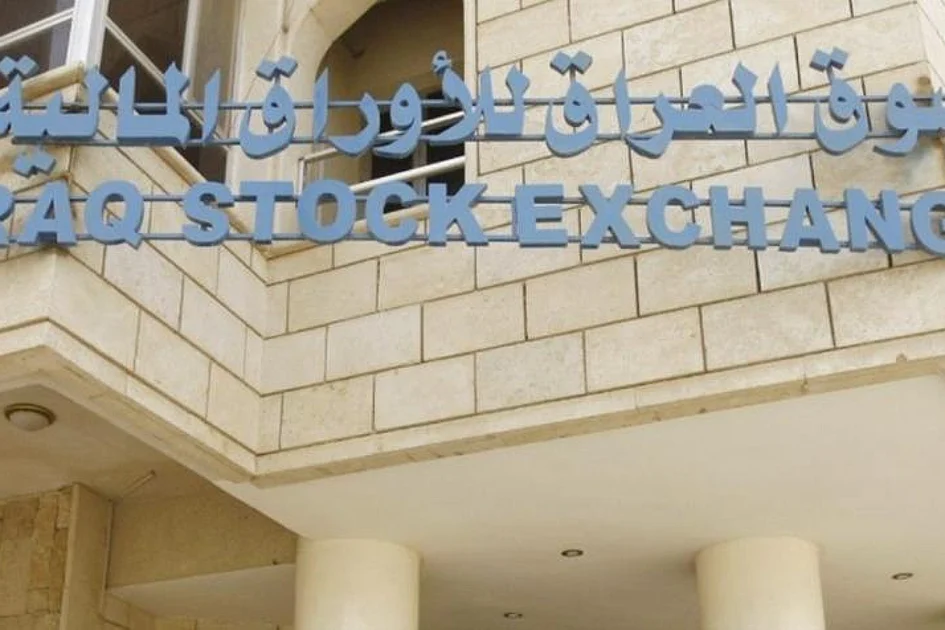
    Iraq’s capital markets demonstrated remarkable resilience in November 2025 as the Rabee Securities Iraq Stock Exchange Index (RSISX) posted a robust 5.0% gain, significantly outperforming regional counterparts that experienced declines during the same period. This market strength emerged following Iraq’s parliamentary elections on November 11, which recorded a 56.11% voter turnout and resulted in the Reconstruction and Change coalition securing approximately 370,000 more votes than its nearest competitor.

    The banking sector emerged as a primary driver of this growth, with National Bank of Iraq, Asiacell, Baghdad Soft Drinks, Bank of Baghdad, and Al-Mansour Bank leading the index’s advancement. According to Aysegul Ozge Ozgur, Head of Research at Rabee Securities, ‘November reflected stronger investor confidence in Iraq’s capital markets, supported by post-election stability and broad-based contributions from leading sectors. The RSISX Index’s outperformance relative to regional peers underscores the market’s resilience.’

    Despite the index’s strong performance, trading volumes presented a contrasting picture. Total trading volume on the Iraq Stock Exchange declined 34% month-on-month to $26.5 million, while non-cross trading volumes decreased 14% to $16.5 million. The banking sector maintained its dominance with 62.6% of total trading activity, followed by industry (20.5%), telecom (8.7%), and services (5.8%).

    Rabee Securities expanded its analytical capabilities with the launch of two specialized indices: the RS Iraq Halal Companies Index (RSIHX) and the RS Iraq Banking Index (RSIBX), which advanced 4.4% and 5.0% respectively during the month. Additionally, 37 companies recorded share-price increases, with Babil Animal & Vegetable Production and Tourist Village of Mosul Dam emerging as standout performers with gains of 161.7% and 146.6% respectively.

    The positive market sentiment was further bolstered by broader economic developments, including Fitch Ratings’ reaffirmation of Iraq’s Long-Term Foreign-Currency Issuer Default Rating at ‘B-‘ with a Stable Outlook, and regulatory cooperation efforts advanced through the Iraqi Securities Commission’s participation in the Market 2.0 Conference in Bahrain.


  • How the India-Oman FTA will redefine a strategic partnership

    How the India-Oman FTA will redefine a strategic partnership

    The upcoming signing of the India-Oman Comprehensive Economic Partnership Agreement (CEPA) during Prime Minister Narendra Modi’s state visit to Muscat represents a transformative moment in bilateral relations that extends far beyond conventional trade diplomacy. This landmark free trade agreement culminates decades of deepening trust and shared economic aspirations between the two nations, positioning Oman as India’s strategic gateway between Eastern and Western markets.

    Historical ties between India and Oman, rooted in centuries of commercial and maritime engagement, have evolved into a robust modern economic relationship. Recent bilateral trade figures demonstrate remarkable growth, with total exchange reaching approximately $10.61 billion in fiscal year 2024-25—an impressive 18.6% year-on-year increase. India exported $4.07 billion in goods to Oman while importing $6.55 billion worth of Omani products, reflecting a balanced economic interdependence.

    The CEPA framework addresses longstanding trade barriers that previously hindered optimal commercial exchange. By eliminating varying duties and streamlining regulatory hurdles, the agreement creates enhanced market access across critical sectors including engineering goods, pharmaceuticals, chemicals, textiles, and value-added agricultural products. This comes as particularly timely support for India’s engineering goods sector, which has recently faced global economic headwinds despite being India’s second-largest export category to Oman.

    Oman’s significance extends beyond trade volumes, with India ranking among Oman’s top trading partners and serving as the fourth-largest source of imports. The relationship is further strengthened by more than 6,000 India-Oman joint ventures representing billions in capital commitments and a substantial Indian expatriate community that contributes significantly to Oman’s economic and cultural landscape.

    The agreement aligns strategically with Oman’s Vision 2040 national transformation program, which seeks to diversify the economy beyond hydrocarbon resources. The FTA facilitates foreign investment, technology transfer, and entrepreneurial development while leveraging Oman’s petrochemical resources, logistics infrastructure, and access to crucial maritime routes.

    This partnership emerges amid shifting global economic alignments, with nations increasingly pursuing regional agreements to enhance supply chain resilience and strategic autonomy. Building on the success of India’s 2022 UAE CEPA, the Oman agreement establishes a new model for deeper economic collaboration across the Gulf Cooperation Council region, potentially reshaping regional trade dynamics for years to come.

  • Goumbook drives regenerative agriculture forward to strengthen food security in the MENAT Region

    Goumbook drives regenerative agriculture forward to strengthen food security in the MENAT Region

    In response to mounting environmental pressures threatening food security across the Middle East, North Africa, and Türkiye (MENAT), social enterprise Goumbook is spearheading a transformative shift toward regenerative agricultural practices. Founded in 2009, the organization has established itself as a pivotal force in sustainability innovation, addressing critical challenges posed by climate change, severe water scarcity, and progressive land degradation through cross-sector collaboration.

    The region’s unique combination of ancient agricultural heritage and extreme environmental conditions necessitates tailored solutions. Goumbook’s strategy focuses on developing locally adapted regenerative techniques that restore soil vitality, enhance water efficiency, and strengthen climate resilience. Their approach brings together governmental bodies, private sector entities, academic institutions, and civil society to create an enabling ecosystem for sustainable food systems.

    Central to this mission is the MENAT Regenerative Agriculture Venture Programme, now entering its second year. This initiative has demonstrated remarkable reach, attracting 510 registrations from 65 countries and engaging over 80 academic and research institutions. The program identifies and nurtures early-stage, research-driven innovations addressing the region’s most pressing agricultural challenges.

    Shortlisted innovations encompass diverse solutions including organic bio-fertilizers, synthetic pesticide alternatives, soil regeneration technologies, crop diversification methods, and advanced agricultural technologies. These innovations collectively target drought resistance, soil degradation reversal, salinity management, biodiversity conservation, and desertification mitigation while supporting sustainable rural economies.

    The program provides comprehensive support through structured bootcamps, expert mentorship, specialized training, financial grants, and incubation opportunities. This enables participants to develop entrepreneurial skills, refine scalable business models, and access essential networks for implementation and growth.

    Beyond innovation development, Goumbook actively engages policymakers and private sector leaders to promote supportive regulatory frameworks, investment mechanisms, and market demand for regenerative practices. This multi-stakeholder approach was prominently showcased at the inaugural MENAT Regenerative Agriculture Summit in Riyadh on May 15, held under the patronage of Saudi Arabia’s Ministry of Environment, Water & Agriculture. The summit convened regional and international stakeholders to advance partnerships and scale regenerative solutions across food systems.

    According to Samantha Kayruz, Strategy & Sustainability Impact Director at Goumbook, ‘With the right enabling ecosystem, the region has the potential to become a center of excellence for climate-resilient and desert agriculture, with solutions that are both regionally grounded and globally relevant.’

  • Brand Lounge wins “Branding Agency of the Year” award

    Brand Lounge wins “Branding Agency of the Year” award

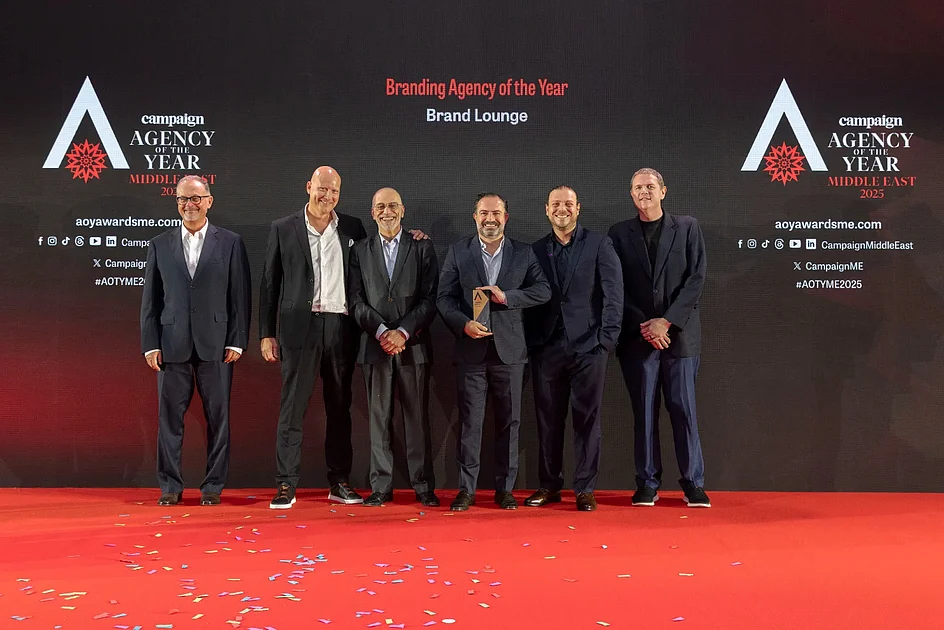
    Dubai-based strategic brand consultancy Brand Lounge has achieved a landmark industry recognition by securing the coveted ‘Branding Agency of the Year’ title at the Campaign Middle East Agency of the Year Awards 2025. This prestigious accolade arrives as the firm prepares to commemorate its 20th anniversary in 2026, solidifying its position as the regional benchmark for comprehensive brand development.

    The award serves as validation of the agency’s holistic methodology spanning Strategy & Insights, Design & Creative Impact, Culture & People, and Innovation & Experience practices. This victory follows an exceptionally productive year featuring several high-profile international projects that demonstrated the agency’s expanding global footprint.

    Founder & CEO Hasan Fadlallah characterized the recognition as meaningful validation of the consultancy’s long-term vision. ‘Our growth has always been grounded in differentiation, powered by a team that consistently raises industry standards,’ Fadlallah stated. ‘This achievement fundamentally stems from our people and partners—their passion, discipline, and belief in our mission propel everything we accomplish. As we approach our twentieth anniversary, this award energizes our commitment to broadening our regional influence and developing brands that generate tangible, measurable value.’

    Chief Operating Officer Zak McKinven emphasized the award’s significance in reinforcing the agency’s strategic trajectory. ‘This honor validates our unique business transformation methodology that consistently delivers client growth through strategic and creative excellence,’ McKinven noted. ‘It provides additional momentum as we continue expanding our presence and ambitions across the region and internationally, with further developments anticipated throughout 2026.’

    The award-winning year featured several signature projects including the comprehensive relaunch of Makarem Hotels for Taiba in Saudi Arabia, the rebranding of Vallé Advenature™ Park in Mauritius, the successful market introduction of Yemelix in Turkey, and ongoing identity development for the culturally significant Oman Cultural Complex—one of the most anticipated cultural initiatives in the Gulf Cooperation Council region.

  • UAE: Emirates NBD unveils country’s first bank-branded gold bar

    UAE: Emirates NBD unveils country’s first bank-branded gold bar

    Dubai has cemented its status as a premier global gold trading hub with Emirates NBD’s groundbreaking launch of the UAE’s first bank-branded gold investment product. The financial institution unveiled ‘Emirates NBD Gold’ on December 15, 2025, introducing certified gold bars exclusively available to the bank’s customers through both digital platforms and personal relationship managers.

    The innovative product offers physical gold ownership through redeemable certificates, providing investors with flexible custody options. Customers can either maintain their gold bars within the bank’s secured vaults or request physical delivery according to their preference. The gold bars are available in three standardized denominations: 10, 50, and 100 grams, each featuring the Emirates NBD logo and accompanied by unique authentication and ownership documentation.

    Sheikh Ahmed bin Saeed Al Maktoum, Chairman of Emirates NBD Group, emphasized the strategic significance of this development: ‘This issuance demonstrates our institution’s leadership capabilities and commitment to creating sophisticated products that align with investor expectations while maintaining global competitiveness. Emirates NBD Gold represents both an honoring of our legacy and a progressive step toward supporting national economic development and regional growth.’

    Hesham Abdulla Al Qassim, Vice Chairman and Managing Director, highlighted the historical context: ‘Since facilitating the first Letter of Credit for gold trade in 1963, Emirates NBD has been instrumental in shaping the UAE’s gold industry. Today, we bridge traditional asset security with modern financial innovation through this pioneering investment vehicle.’

    The launch aligns with Dubai’s broader vision to enhance its financial infrastructure, promote asset diversification, and advance digital-first economic initiatives. This product introduction significantly expands accessible investment options for UAE residents while reinforcing the country’s position in the international precious metals market.

  • Spain fines Airbnb $75 million for unlicensed rental listings

    Spain fines Airbnb $75 million for unlicensed rental listings

    In a decisive move against unregulated tourism accommodations, Spanish authorities have levied a substantial €64 million ($75 million) fine against vacation rental giant Airbnb. The penalty was announced on Monday by Spain’s Consumer Rights Ministry following an extensive investigation into the platform’s advertising of unlicensed tourist rental properties.

    The enforcement action represents the second-largest consumer rights penalty in the ministry’s history, amounting to six times the profits Airbnb generated from the non-compliant listings. This development occurs amidst Spain’s broader crackdown on digital rental platforms, which many officials and citizens blame for exacerbating housing shortages and driving up living costs in popular tourist destinations.

    Consumer Rights Minister Pablo Bustinduy emphasized the connection between unregulated rentals and Spain’s housing crisis, stating: ‘Thousands of families live on the edge because of housing, while a few profit from business models that displace residents from their communities.’

    The sanction follows Airbnb’s removal of approximately 65,000 non-compliant listings in July 2025 after regulatory scrutiny. While the company has not issued an immediate response to the penalty, it retains the right to appeal the decision through Spain’s judicial system.

    This enforcement action mirrors previous regulatory measures against travel industry operators. In 2024, budget carrier Ryanair faced a €108 million penalty for imposing additional fees on cabin baggage, though the European Commission later questioned the compliance of such fines with EU regulations.

    The Spanish government, alongside regional and municipal authorities, continues to implement stricter controls on vacation rental platforms including Airbnb and Booking.com, aiming to balance tourism economics with residential housing needs.

  • UAE to increase Manila flights to meet rising passenger demand

    UAE to increase Manila flights to meet rising passenger demand

    The United Arab Emirates and the Philippines have solidified an enhanced aviation agreement that will significantly increase flight connectivity between the two nations. Following bilateral consultations between the UAE’s General Civil Aviation Authority (GCAA) and the Philippines’ Civil Aeronautics Board (CAB), authorities have granted additional flight entitlements to UAE carriers.

    This expanded air services agreement enables UAE national airlines including Etihad Airways and Emirates to operate additional flights to Manila’s Ninoy Aquino International Airport. The decision responds to consistently strong passenger demand and reinforces the robust aviation partnership between the two countries.

    The enhanced connectivity builds upon longstanding bilateral relations characterized by dynamic civil aviation cooperation. The agreement reflects mutual interests in expanding commercial flight operations, which officials anticipate will further stimulate tourism, trade, and people-to-people exchanges.

    A significant factor driving this aviation expansion is the substantial Filipino community residing and working in the UAE, which creates consistent demand for air travel between the two nations. The expanded flight allocations are expected to accommodate growing passenger traffic while supporting the development of the civil aviation sector in both countries.

    The agreement represents a strategic advancement in UAE-Philippines aviation relations, highlighting how bilateral cooperation can address market demands while fostering economic and cultural connections through enhanced air transport capabilities.

  • Dubai’s outer zones: The new frontier of ultra-luxury living

    Dubai’s outer zones: The new frontier of ultra-luxury living

    Dubai’s luxury real estate landscape is undergoing a profound transformation as affluent buyers increasingly prioritize expansive spaces, enhanced privacy, and wellness-focused communities over central urban locations. This paradigm shift has propelled outer-zone developments like Jumeirah Islands 2.0, Dubai South’s villa enclaves, and private-island-style compounds into the forefront of premium residential offerings.

    According to industry experts, today’s high-net-worth individuals—particularly international families establishing long-term residency—are driving demand for properties that function as personal sanctuaries rather than status symbols. Andrew Elliott, Director of Commercial Agency at Chestertons Mena, notes that ‘buyers seek privacy, spacious plots, and lifestyle-led communities that central districts cannot provide.’

    Developers have responded with masterplanned communities that integrate nature, wellness amenities, and strategic connectivity. Rui Liu, Chairman of LEOS Developments, emphasizes that ‘ultra-high-net-worth buyers are no longer willing to trade lifestyle for location,’ highlighting how outer zones now offer ‘land, light, and true breathing space’ unavailable in central districts.

    Dubai South has emerged as a strategically significant residential zone, bolstered by infrastructure developments including the expansion of Al Maktoum International Airport and the evolution of Expo City. Elie Naaman, CEO of Ellington Properties, observes that these districts ‘are maturing into well-designed neighborhoods with the space and serenity today’s homeowners value.’

    The appeal of waterfront living has also expanded beyond traditional hotspots. Blagoje Antic of DHG Holding notes that demand for ultra-luxury waterfront homes is ‘increasingly shifting toward outer zones’ where developers deliver unprecedented exclusivity. Projects like Palm Jebel Ali and Dubai Islands have recorded billions in sales, offering private beachfront plots, lagoon views, and resort-style amenities.

    Connectivity remains a crucial factor in making peripheral living practical. Proximity to major highways and international airports allows residents to enjoy tranquil surroundings while maintaining access to urban centers and global travel networks. This combination of seclusion and accessibility represents Dubai’s new blueprint for luxury living, redefining the very concept of premium real estate in the region.

  • Economic milestone:Japan-UAE relations set to hit new peak

    Economic milestone:Japan-UAE relations set to hit new peak

    Japan and the United Arab Emirates are poised to elevate their bilateral relations to unprecedented heights as they approach the finalization of a Comprehensive Economic Partnership Agreement (CEPA). This groundbreaking pact represents a strategic evolution from traditional energy-based cooperation to a multifaceted economic alliance encompassing technology, clean energy, and innovation.

    The impending agreement aligns with the UAE’s ambitious target of achieving $1.1 trillion in foreign trade by 2031 while supporting Japan’s economic diversification objectives. By eliminating trade barriers and enhancing market access, the CEPA is expected to generate substantial opportunities across multiple sectors, potentially driving bilateral non-oil trade beyond Dh200 billion.

    Diplomatic engagement has intensified through the Comprehensive Strategic Partnership Initiative (CSPI), with both nations recently concluding their third subcommittee meeting in Tokyo. UAE Minister of Foreign Trade Dr. Thani bin Ahmed Al Zeyoudi confirmed that negotiations with Japan and the EU have reached advanced stages, signaling strong momentum toward finalization.

    Jun Imanishi, Consul-General of Japan in Dubai, emphasized the agreement’s significance: “The Japan-UAE Economic Partnership Agreement serves as crucial framework for enhancing our economic ties and unlocking new collaborative potentials.”

    Economic analysts identify several promising sectors for deepened cooperation, including hydrogen energy, artificial intelligence, robotics, and logistics. The partnership builds upon existing strong trade foundations—the UAE remains Japan’s primary Arab trading partner—while leveraging cultural connections through anime, arts, and growing tourism exchanges.

    Investment flows are expanding bilaterally, with Japan targeting ¥120 trillion in direct foreign investment by 2030. Nobuyuki Nakajima of JETRO Dubai noted: “UAE investors are increasingly attracted to Japan’s stable, innovation-driven economy, particularly in digital transformation, green growth, and healthcare innovation—sectors that mirror Emirati diversification goals.”

    The relationship has evolved significantly since its energy-focused beginnings in the 1970s. Today, collaboration extends into space exploration—exemplified by Japan’s launch of the UAE’s ‘Hope Probe’ and ‘KhalifaSat’—along with advanced technology, financial services, and cultural exchange.

    Tourism represents another growing dimension, with Japan National Tourism Organization reporting anticipated doubling of GCC visitors compared to pre-pandemic levels. Executive Director Daisuke Kobayashi highlighted efforts to promote Japan’s rural destinations, distributing tourist traffic while supporting sustainable development.

    Despite global economic volatility and yen fluctuations, bilateral trade has demonstrated remarkable resilience. Recent data reveals Japan’s exports to the UAE grew 24.8% year-on-year to ¥177 billion by September 2025, primarily driven by automobiles and commodities. Although imports declined 8.83% to ¥385 billion due to reduced raw aluminum and petroleum gas shipments, the overall trade relationship has expanded at an annualized rate of 33.2% over five years.

    The impending CEPA ratification establishes Japan and the UAE as a model of strategic international cooperation—anchored in shared values, mutual respect, and a common vision for sustainable economic transformation that benefits both nations and the global economy.

  • UAE announces amendments to corporate, business tax law

    UAE announces amendments to corporate, business tax law

    The United Arab Emirates has enacted significant amendments to its Federal Decree-Law on Corporate and Business Taxation, introducing substantial changes to tax credit utilization mechanisms and settlement procedures. These reforms, announced on December 15, 2025, establish a structured framework for calculating and settling corporate tax liabilities while enhancing clarity regarding incentive programs.

    The revised legislation grants taxable entities the right to claim payments for unutilized tax credits derived from approved incentives and reliefs, subject to specific conditions and procedural requirements. The new provisions establish a hierarchical settlement sequence that prioritizes withholding tax credit balances under Article 46, followed by available foreign tax credits pursuant to Article 47. Subsequent utilization involves other incentive balances determined by Cabinet decisions, with any remaining liabilities settled according to Article 48 provisions.

    Additionally, the amendments empower the Federal Tax Authority to withhold amounts from corporate tax revenues, including potential top-up tax collections, to facilitate approved claims settlement. This authority operates under directives issued by the Authority’s Board of Directors, creating a more streamlined and transparent tax administration system. These changes represent the UAE’s continued commitment to refining its business taxation environment while maintaining its competitive position as a global commercial hub.