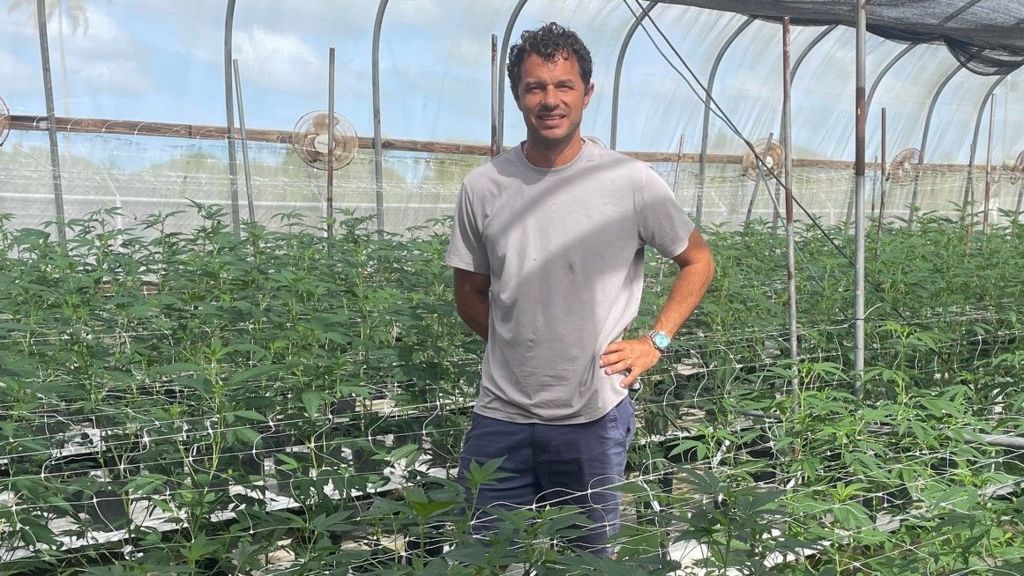
In the fertile countryside of Antigua, master cultivator Michaelus Tracey demonstrates the intricate art of cannabis strain identification through leaf texture and aromatic profiling. At Pineapple Road Farm, nine distinct cannabis varieties flourish under optimal Caribbean conditions—warm temperatures, abundant sunshine, and high humidity creating ideal cultivation terrain.
This agricultural precision represents a broader regional transformation. Since Jamaica’s groundbreaking decriminalization of recreational cannabis and medical legalization a decade ago, multiple Caribbean nations including Antigua and Barbuda (2018) have embraced regulatory reform. The region, long associated with cannabis culture, is now emerging as an unexpected leader in medicinal cannabis production and research.
Professor Rose-Marie Belle Antoine, University of the West Indies campus principal and Caribbean cannabis expert, argues current decriminalization measures remain insufficient. ‘Legalization with regulation is essential,’ she states, noting that historical drug policies previously stifled both industry development and scientific research.
The Caribbean’s cannabis landscape received significant international impetus from recent U.S. policy shifts. President Trump’s executive order reclassifying cannabis as a lower-risk drug has been hailed as a ‘significant milestone’ by industry leaders like Alexandra Chong, CEO of Jamaica-based Jacana. This federal recalibration may eventually enable Caribbean exports to U.S. markets, though current U.S. import restrictions remain under federal law.
Despite regulatory advances, challenges persist. High operational costs and medical-only sales restrictions have maintained illegal market dominance. Jacana estimates 90% of Jamaica’s annual 87-ton cannabis consumption flows through illicit channels, with many licensed operators ceasing operations due to regulatory constraints.
Antigua has implemented innovative solutions including amnesty programs converting illegal growers into legal operators through free educational courses. The island’s Medicinal Cannabis Authority is actively developing export frameworks leveraging the nation’s geographic advantages and existing legal infrastructure.
The regulatory evolution carries profound social justice implications. In 2018, Antigua’s government formally apologized to Rastafarian communities for historical persecution related to cannabis use, later granting sacramental cultivation rights and initiating criminal record expungement for minor possession offenses.
As Caribbean nations navigate this complex landscape, industry advocates emphasize the region’s unique competitive advantages—natural growing conditions, traditional knowledge, and evolving regulatory frameworks—positioning the Caribbean as an emerging force in the global medicinal cannabis market.