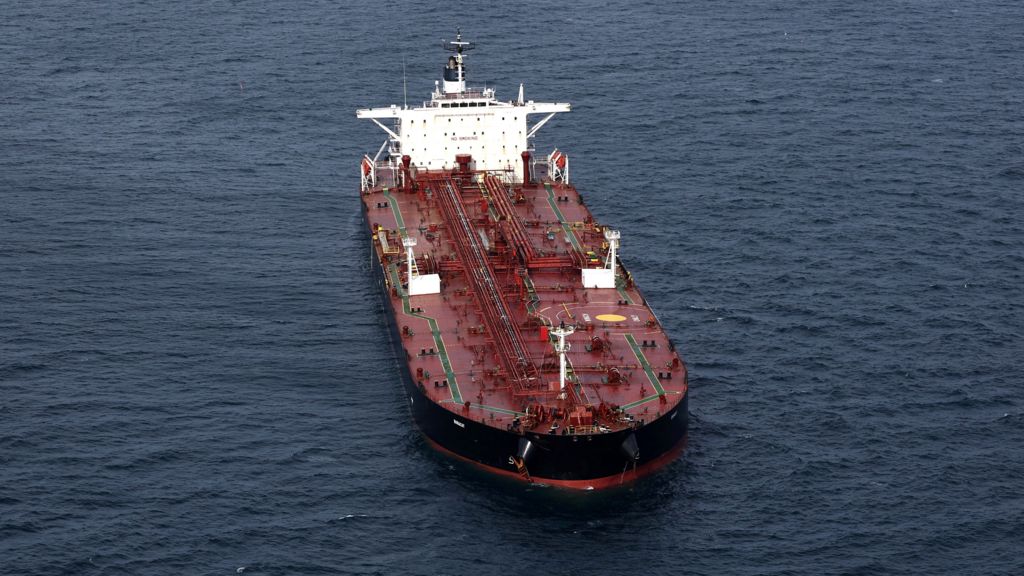
French authorities have charged the Chinese captain of the oil tanker Boracay, suspected to be part of Russia’s ‘shadow fleet’ used to circumvent international sanctions. The captain faces charges for refusing to comply with instructions from the French navy and is scheduled to appear in court in Brest next February. The Boracay, which departed Russia last month, was intercepted off the coast of Denmark following a series of drone incidents that temporarily shut down several airports. Earlier this week, French soldiers boarded the vessel, which is on the EU’s sanctions list for transporting Russian oil. Russian President Vladimir Putin condemned the action as ‘piracy,’ while the Kremlin denied any connection to the ship. The Boracay, currently registered in Benin, has undergone multiple name and flag changes in recent years, allegedly to evade sanctions imposed after Russia’s invasion of Ukraine. The French prosecutor noted that the captain failed to provide a coherent explanation regarding the ship’s flag. Both the captain and the second captain, also Chinese nationals, were detained for investigation but only the captain was charged. The Boracay is now anchored near Saint-Nazaire. Under international maritime law, naval forces can stop vessels suspected of lacking nationality. Western nations have imposed sanctions on Russian energy, prompting Moscow to develop a ‘shadow fleet’ of tankers registered in other countries to obscure ownership and movements. French President Emmanuel Macron estimates this fleet comprises 600 to 1,000 ships. The Boracay was previously detained by Estonian authorities for sailing without a valid flag. It departed Primorsk, Russia, on September 20, traversing the Baltic Sea, North Sea, and English Channel en route to Vadinar, India. The incident coincides with unresolved drone incursions into Danish airspace, though Danish authorities found no evidence of Russian involvement. Similar violations have been reported in Poland, Estonia, and Romania, with Moscow denying responsibility.