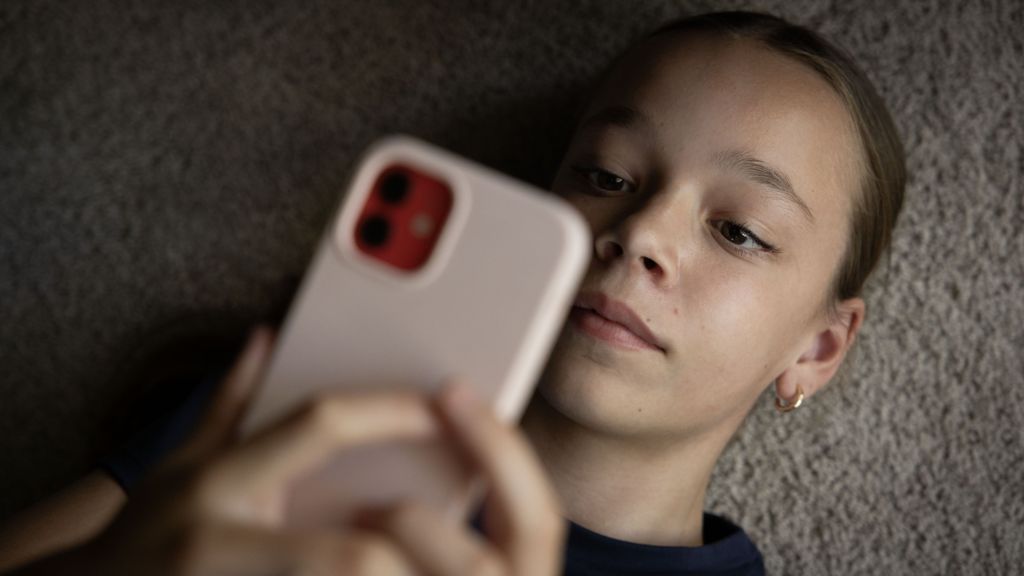
Australia’s groundbreaking legislation prohibiting children under 16 from accessing social media platforms has encountered immediate resistance from both teenagers and technology limitations. The policy, hailed as revolutionary by Prime Minister Anthony Albanese’s administration, was designed to shield minors from online dangers including cyberbullying, predatory behavior, and harmful content.
Thirteen-year-old Isobel demonstrated the system’s vulnerabilities by bypassing Snapchat’s age verification within minutes using her mother’s photograph. “I got a photo of my mum, stuck it in front of the camera, and it just let me through,” she recounted. Her mother Mel, who had permitted supervised social media use, expressed mixed feelings about the ban’s effectiveness despite initially supporting the measure.
The technical implementation relies on three primary age assurance methods: document verification, behavioral analysis, and facial assessment technology. A government-funded trial concluded that while all approaches were technically feasible, none proved entirely foolproof. Facial scanning systems, already deployed by Meta and Snapchat for suspected underage users, show reduced accuracy for individuals within two to three years of the 16-year threshold.
Privacy concerns represent another significant hurdle. Document verification, while most accurate, requires users to submit sensitive identification to platforms that Australians largely distrust with personal data. Alternative circumvention methods have proliferated online, including VPN usage, parental email registration, and migration to platforms not explicitly covered by the legislation.
Legal challenges have emerged from multiple fronts. Two teenagers have filed a constitutional challenge in Australia’s highest court, while Alphabet (parent company of YouTube and Google) considers its own legal action. Human rights organizations and legal experts have raised concerns about the policy’s potential overreach.
Critics argue the ban might inadvertently push children toward less regulated platforms and websites excluded from the legislation, including gaming chatrooms that law enforcement agencies identify as radicalization hotspots. The Australia Federal Police have specifically warned about dangers in these unregulated spaces.
Communications Minister Anika Wells acknowledges the implementation will appear “untidy” initially but defends the policy as a necessary starting point for broader digital safety reforms. The government has positioned the ban as establishing a new social norm rather than achieving perfect enforcement.
The international technology community watches closely as Australia’s experiment could influence similar legislation worldwide. With fines up to $49.5 million for serious violations, the policy represents one of the most aggressive attempts to regulate social media access for minors globally.