International pressure for diplomatic resolution is mounting as the Middle East plunges into one of its most severe security crises in recent years. The conflict, now entering its second week, has witnessed unprecedented military engagements between the United States, Israel, and Iran, resulting in significant civilian casualties and regional destabilization.
According to the Iranian Red Crescent, coordinated US-Israeli operations have claimed 1,332 Iranian lives since February 28, with at least 20 additional fatalities and 30 injuries reported in recent strikes. Israel’s air force confirmed conducting 26 targeted strikes in Lebanon’s Dahieh area, allegedly against Hezbollah infrastructure while claiming precautionary measures to minimize civilian impact.
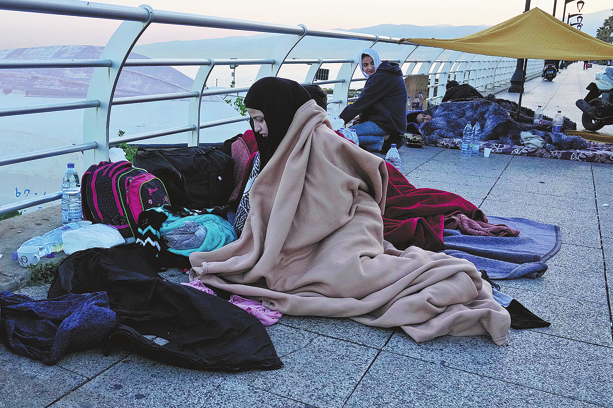
The humanitarian dimension continues to worsen as displaced populations seek refuge across border regions. In Beirut, families displaced by Israeli airstrikes are sheltering along the coastal corniche, highlighting the growing refugee crisis.
Global leaders are amplifying calls for de-escalation. Sri Lankan President Anura Kumara Dissanayake emphasized that “no civilian should die in wars” and urged all parties to demonstrate “firm commitment to peace” through social media channels. Turkish President Recep Tayyip Erdogan characterized the situation as having reached “alarming levels,” pledging to intensify multilateral diplomatic efforts to prevent irreversible escalation while reserving Turkey’s right to coordinate defensive measures with allies.
Egyptian President Abdel Fattah El-Sisi cautioned that the conflict reflects fundamental miscalculations and warned of potential economic repercussions, including price manipulation during the crisis. He emphasized Egypt’s emergency preparedness while ensuring essential public needs remain uncompromised.
Contrasting perspectives emerge from Washington, where President Donald Trump asserted Iran’s military capabilities are being “demolished at levels people have never seen before.” Meanwhile, Iranian Foreign Minister Abbas Araghchi rejected ceasefire possibilities following attacks during negotiation periods.
The human cost continues to mount, with investigations underway regarding a suspected US strike on an Iranian girls’ school in Minab that killed numerous children. Iran has conducted mass funerals for at least 165 victims, including students, as regional powers continue military posturing.