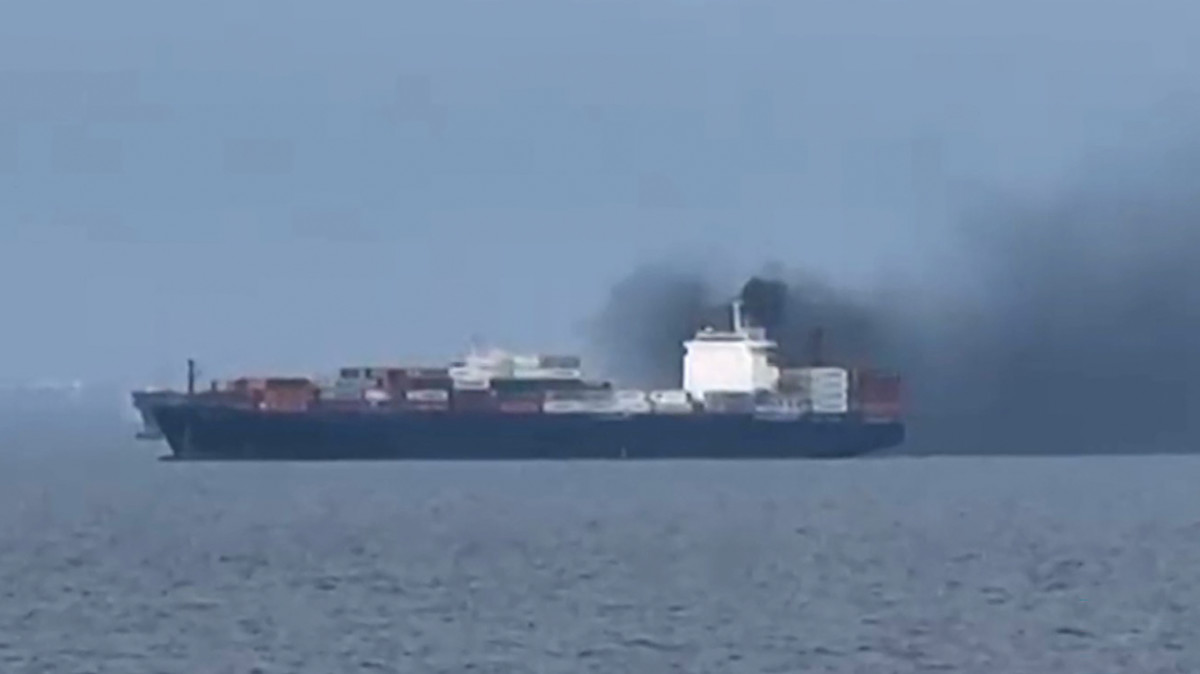
A decade-long strategic effort by Iran to construct a sophisticated ‘shadow fleet’ of oil tankers is now paying significant dividends, enabling the Islamic Republic to effectively bypass Western sanctions and maintain crucial oil exports amid heightened regional tensions. This parallel maritime network, operating outside the traditional Western financial and insurance systems, has become Tehran’s primary instrument for sustaining its economic lifeline while simultaneously challenging American hegemony in global trade governance.
The strategic significance of this development has become particularly evident in the Strait of Hormuz, where Iranian-affiliated vessels continue transit operations while Western counterparts face effective exclusion from this critical chokepoint. According to maritime analytics firm Kpler, more than twenty long-range tankers have successfully navigated the passage since the conflict’s escalation, with at least six vessels operating under US sanctions or as part of Iran’s alternative fleet network.
Iran’s export capabilities remain remarkably robust despite geopolitical pressures, with TankerTrackers.com data indicating sustained daily oil exports exceeding 1.02 million barrels—primarily destined for Chinese markets. This represents a strategic economic partnership that has proven resilient against Western pressure campaigns, with approximately 90% of Iranian crude now flowing to Chinese refiners through innovative barter arrangements and alternative currency mechanisms that circumvent the US dollar-dominated financial system.
The emergence of this parallel trade architecture represents a fundamental challenge to traditional Western economic dominance. As noted by Nicholas Mulder, Cornell University historian and author of ‘The Economic Weapon,’ extensive sanctions regimes have inadvertently fostered the development of sophisticated evasion mechanisms that ultimately reduce targeted nations’ vulnerability to economic pressure.
This realignment extends beyond bilateral Iran-China relations, with recent developments indicating broader geopolitical shifts. Pakistan’s state-owned National Shipping Corporation vessel recently transited the strait with its tracking systems active, followed by similar movements from Indian-flagged tankers—both nations having engaged in direct negotiations with Iranian authorities for safe passage guarantees.
The situation mirrors earlier experimentation by Houthi forces in the Red Sea, though Iranian implementation demonstrates considerably greater sophistication in intelligence capabilities and targeting precision. Maritime security analysts observe that Iran has effectively weaponized maritime access, creating a selective transit system that disadvantages Western-affiliated shipping while accommodating vessels from allied nations.
The Trump administration’s response has appeared inconsistent, simultaneously demanding NATO assistance in securing the waterway while questioning America’s strategic interest in maintaining the transit corridor. This ambivalence reflects broader tensions in US foreign policy regarding energy security, alliance commitments, and the costs of maintaining global trade infrastructure.
Geopolitical analyst Parag Khanna suggests these developments may signal emerging structural alternatives to US-led global governance, with regional powers increasingly crafting bottom-up solutions to maintain essential trade flows. The critical question remains whether new international coalitions can effectively provide the public good of secure maritime transit that Washington appears increasingly reluctant to underwrite.