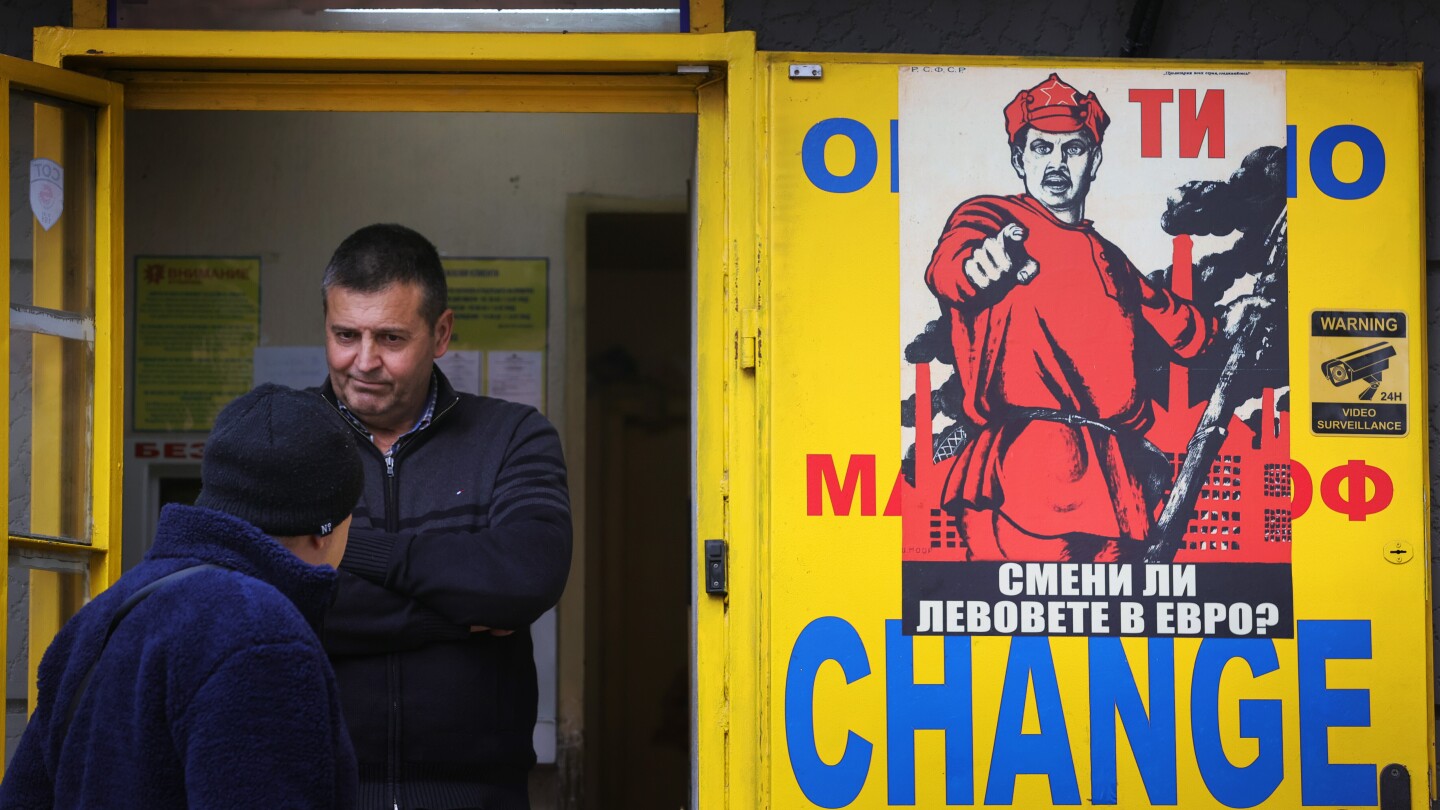
SOFIA, Bulgaria (AP) — Bulgaria marked a significant milestone in its European integration journey by joining the eurozone on January 1, becoming the 21st member of the single currency union. This strategic move represents the country’s most substantial economic advancement since transitioning from a Soviet-style economy to democracy and free markets in 1989.
Despite this historic achievement, the adoption occurs against a backdrop of political instability and widespread public apprehension. Recent nationwide anti-corruption protests precipitated the government’s resignation after less than a year in office, leaving the country without an approved budget for the upcoming year and hindering crucial structural reforms.
Public opinion remains sharply divided. EU Eurobarometer surveys conducted throughout 2023 consistently revealed approximately half of Bulgarians oppose euro adoption, with only 42-45% supporting the move. This skepticism stems from concerns about potential price increases exacerbating existing inflation, which recently rebounded to 3.7%. Many citizens fear businesses might exploit the currency transition to implement hidden price hikes.
The political landscape further complicates matters. Pro-Russian political factions, particularly the Vazrazhdane party, have actively disseminated disinformation suggesting euro adoption could lead to bank account confiscations and loss of national sovereignty. These groups have organized anti-euro rallies, capitalizing on economic anxieties among older demographics.
Economists note that the practical economic impact may be limited since the Bulgarian lev has been pegged to the euro at a fixed rate since 1999. However, analysts emphasize the strategic importance of this move in strengthening Bulgaria’s Western orientation and reducing Russian influence in the region.
As Bulgaria navigates this currency transition alongside its eighth election in five years expected next spring, the country faces the dual challenge of implementing the euro while addressing deep-rooted issues of political fragmentation and public trust.