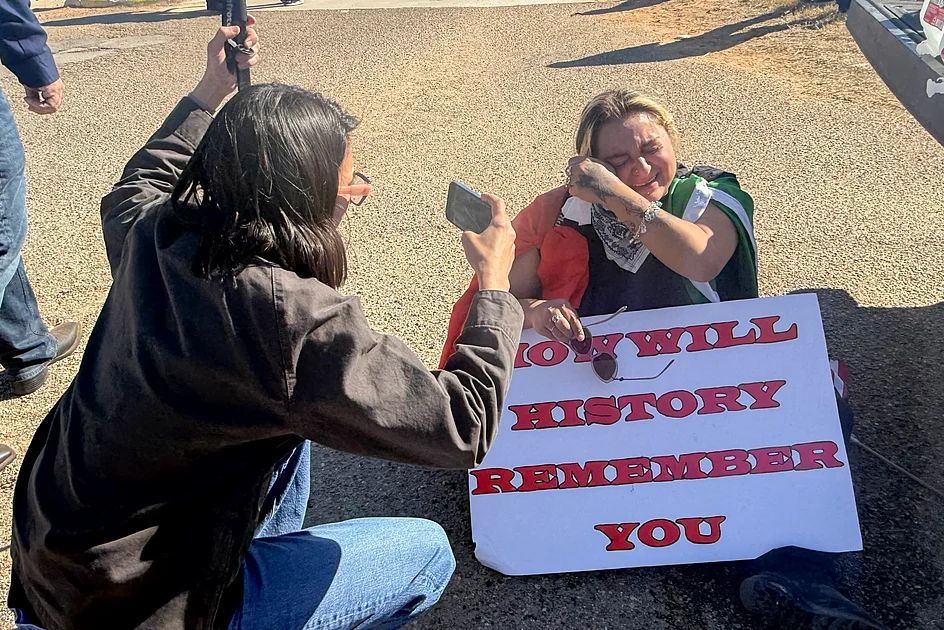
A controversial immigrant detention center in rural Texas has emerged as a focal point of the ongoing immigration policy debate, with numerous allegations of substandard conditions and questionable detention practices coming to light. The Dilley Immigration Processing Center, located approximately 85 miles from the Mexican border in a town of just 3,200 residents, has drawn international attention for its treatment of detainees, including families who entered the United States through legal channels.
According to legal advocacy groups and firsthand accounts, the facility has been the scene of multiple protests regarding food quality after insects were discovered in meals served to detainees. Additionally, around-the-clock lighting has made adequate sleep nearly impossible for those held at the center. The situation escalated when Texas health authorities identified two measles cases within the facility, prompting quarantine measures.
The legal director of RAICES (Refugee and Immigrant Center for Education and Legal Services), Javier Hidalgo, characterized the detained families as ‘political pawns,’ noting that many were in the midst of legitimate asylum processes with scheduled court dates when they were apprehended. CoreCivic, the private contractor operating the facility, maintains that ‘the health and safety of those entrusted to our care is our top priority.’
Among the detained are several high-profile cases, including the family of Mohamed Sabry Soliman, an Egyptian national accused of firebombing a protest in Colorado. Despite no evidence implicating his wife and five children, they have been held for months while authorities investigate their potential knowledge of the attack. In a concerning development, the family’s 18-year-old daughter was separated from them months after her birthday, despite previous inaction regarding her age status.
Medical neglect allegations further compound the facility’s troubles. Lawyers report instances where children with serious medical conditions, including appendicitis and Hirschsprung’s disease, received inadequate care and were told to simply ‘take a Tylenol and get over it.’ These accounts paint a picture of a system where vulnerable populations face significant challenges to their wellbeing and legal rights.