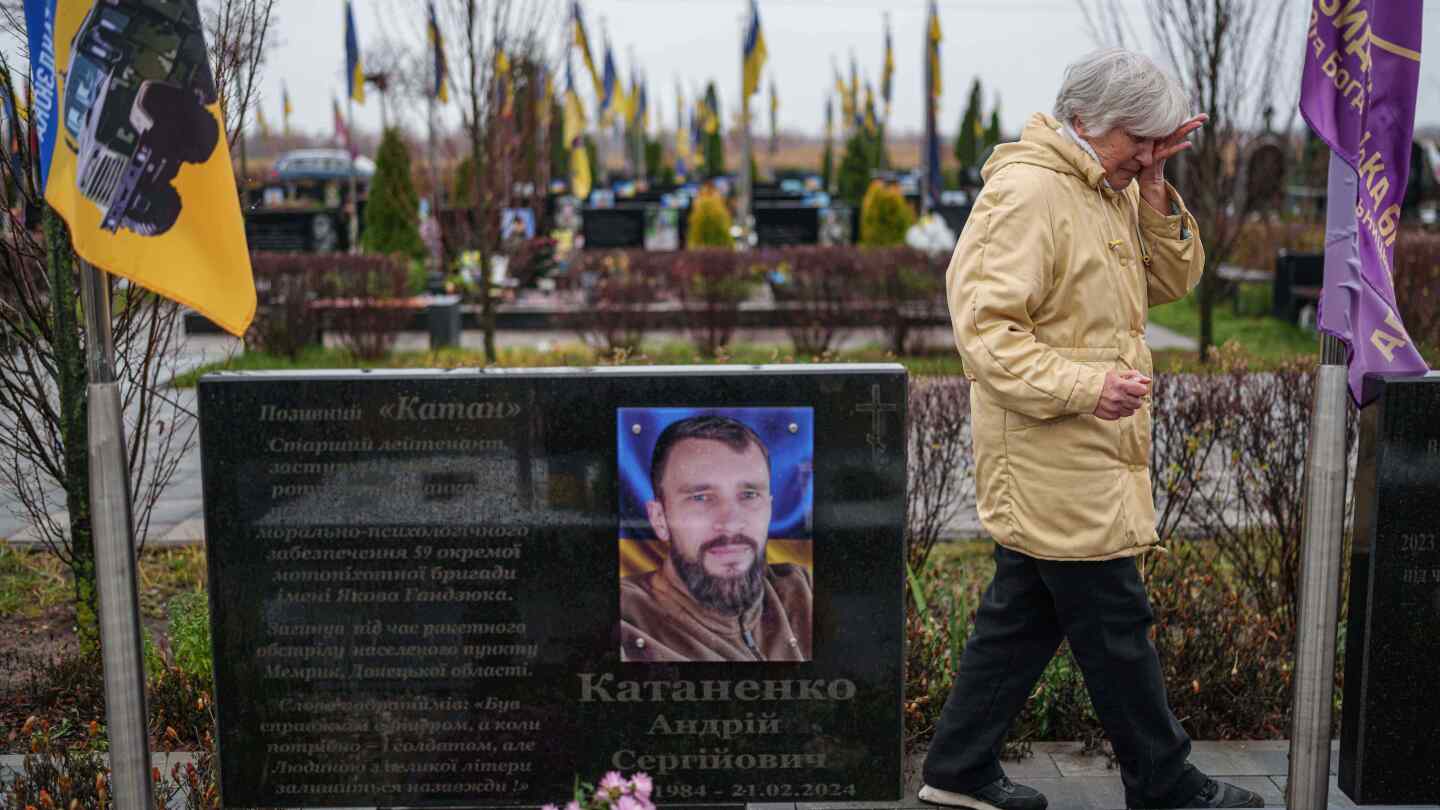
The Kyiv suburb of Bucha, scarred by mass graves and bullet-ridden churches, remains a haunting symbol of the brutality endured during Russia’s occupation. Now, its traumatized residents face a new source of anguish: a U.S.-led peace proposal that would grant blanket amnesty to the perpetrators of wartime atrocities. For the survivors of Bucha, where hundreds of Ukrainians were killed in 2022, the proposed amnesty is seen not as a path to reconciliation but as a betrayal of justice, fueling broader concerns in Ukraine about the implications of absolving Russian soldiers and officials of alleged crimes. The Church of Andrew the Apostle, still bearing the scars of war, stands beside a mass grave where civilians—some executed in the streets, others showing signs of torture—are buried. Father Andriy Halavin, the parish priest, warns that any amnesty would legitimize further violence as the conflict continues. “It’s a green light,” he said after a Sunday service. “It means you can keep bombing, keep executing soldiers, all with confidence that nothing will happen.” The mass killings in Bucha were uncovered after Russian forces withdrew following their failed attempt to seize Kyiv during the full-scale invasion in 2022. Father Andriy insists that justice is not about revenge but about proving accountability still matters, especially as Ukrainians grapple with painful trade-offs for peace. The proposed 28-point peace deal, reportedly the result of secret negotiations between Russian envoys and U.S. President Donald Trump’s administration, would require Ukraine to relinquish territory beyond what is currently controlled by Moscow, reduce its military, and abandon NATO membership. In return, Kyiv would receive international security guarantees and reconstruction assistance. At Bucha’s military cemetery, Vira Katanenko, 66, visited the grave of her son Andrii, who was killed in battle in the Donetsk region last year. For her, the peace plan and the proposed amnesty are unthinkable. “I can’t accept that,” she said. “They want forgiveness for all war crimes, including Bucha? That’s horrifying. Let them come here—let Trump himself come here. Let him and his family come, see our pain, and maybe then they’ll change their minds.” European leaders have emphasized that any peace talks must include Ukraine and protect its sovereignty. Ukrainian President Volodymyr Zelenskyy has described the plan as one of the war’s most challenging moments, pledging to work with Washington while seeking changes. Nearby, mourners gathered for the funeral of Ruslan Zhyhunov, a 41-year-old machine gunner killed in eastern Ukraine. The uncertainty surrounding the peace plan weighed heavily on relatives and neighbors as they watched the burial in the rain—a stark reminder of how fragile any promised future now feels. “How can you exchange the territory of your ancestors for something? For what?” asked Andrii Honcharuk, a 71-year-old retired territorial defense volunteer, who attended the service in uniform. “The war will not end soon. We will still be dying for a long time.”
Bucha’s sense of betrayal over peace plan’s amnesty clause reflects a dark mood across Ukraine