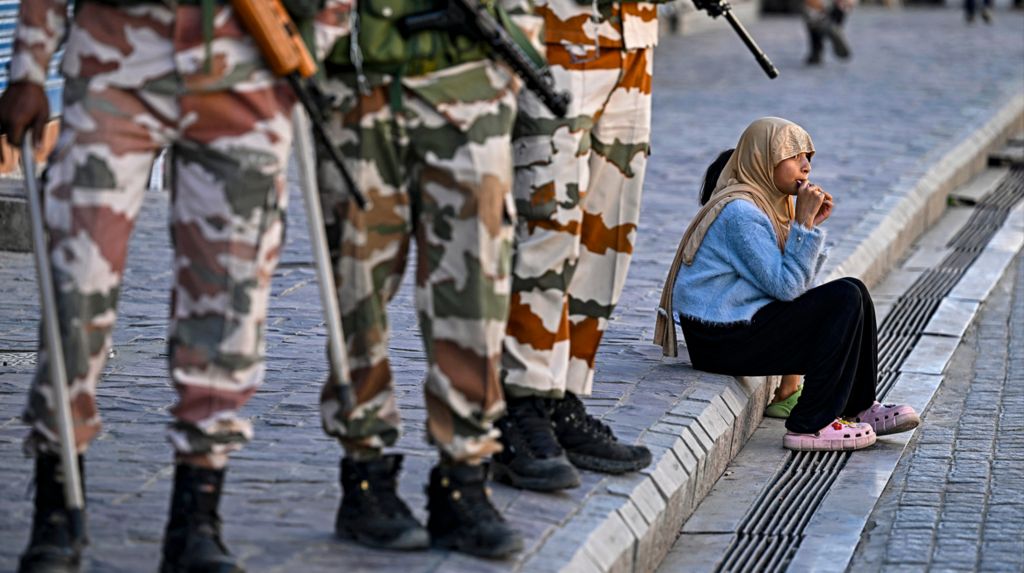
Ladakh, a serene Himalayan region renowned for its spiritual allure and breathtaking landscapes, has been thrust into turmoil following violent protests demanding greater autonomy from India. Last week, peaceful demonstrations escalated into deadly clashes between protesters and police, resulting in four civilian deaths and over 80 injuries. The unrest marks the deadliest violence in the region in decades. Authorities responded by arresting Sonam Wangchuk, a prominent scientist and activist accused of inciting the crowd, and imposing a curfew in Leh, Ladakh’s capital. Internet services were cut, and paramilitary troops were deployed to restore order. The protests stem from long-standing grievances over the region’s political status and cultural preservation. In 2019, Ladakh was separated from Indian-administered Kashmir and placed under direct federal rule, a move initially welcomed by residents who hoped for greater autonomy. However, disillusionment grew as promises of economic development and cultural protection remained unfulfilled. The region’s Buddhist and Muslim communities, historically divided, have united in their demand for statehood, job quotas, and inclusion in the Sixth Schedule, which grants protections to tribal areas. The recent violence has deepened mistrust and fear among locals, with many accusing the government of prioritizing industrial interests over their rights. Political and defense experts warn that further escalation could destabilize this strategically sensitive region, which borders both China and Pakistan. Despite the crackdown, protesters vow to continue their struggle peacefully, emphasizing their demands are rooted in legitimate concerns for their identity and future. The road to reconciliation remains uncertain, with hundreds of soldiers stationed in Leh and many protesters fearing reprisals.