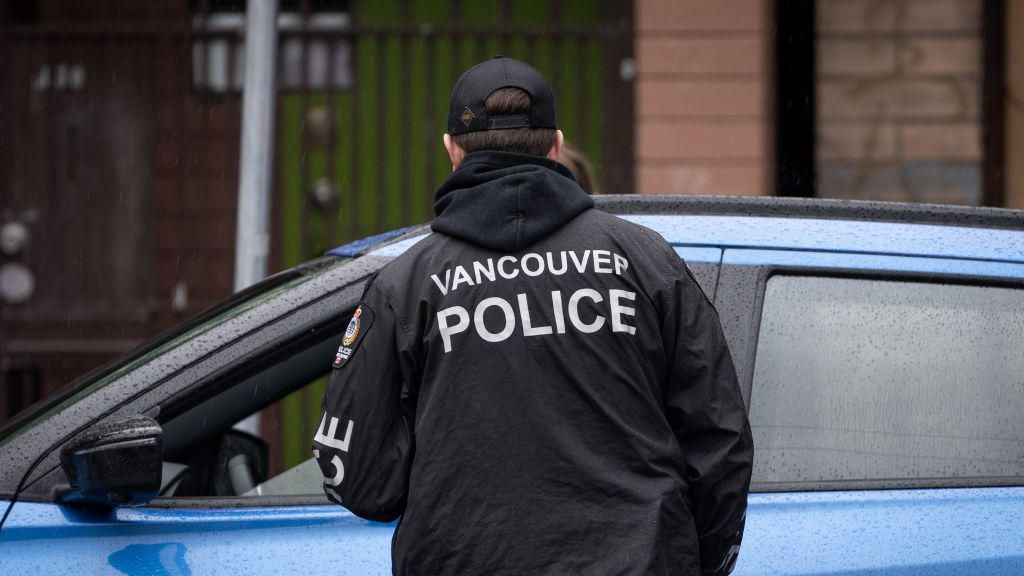
The Canadian province of British Columbia has announced the discontinuation of its groundbreaking drug decriminalization initiative, allowing the controversial three-year pilot program to expire at the end of January. Launched in 2023 as a progressive approach to addressing the province’s devastating opioid crisis, the policy permitted adults to carry up to 2.5 grams of illicit substances—including heroin, fentanyl, cocaine, and methamphetamine—without facing arrest, charges, or confiscation, except in designated sensitive areas such as schools and airports.
BC Health Minister Josie Osborne publicly acknowledged the program’s shortcomings during a Wednesday news conference, stating the initiative “hasn’t delivered the results that we hoped for” regarding connecting individuals with addiction treatment services. The minister conceded that determining whether the policy successfully guided more people toward recovery services proved “difficult, if not even possible.”
The decriminalization model, initially advocated by public health experts as a means to divert drug users from the criminal justice system toward therapeutic interventions, encountered substantial public opposition. Reports of open drug consumption in public spaces including parks, hospitals, and residential areas fueled concerns about community disorder and safety. Political opponents characterized the initiative as a “harmful experiment” that exacerbated public drug use issues.
This policy reversal occurs amid a broader national shift in Canadian drug strategy, with provinces including Ontario and Alberta moving away from harm reduction approaches—such as supervised consumption sites—toward recovery-oriented treatment models. According to the Public Health Agency of Canada, opioid-related fatalities in BC experienced a 5.8% increase from 2023 to 2024, while preliminary 2025 data indicate declining drug-related deaths nationwide, though BC maintains the country’s highest mortality rate.
The Canadian development mirrors similar policy reversals in the United States, where Oregon recently rescinded its drug decriminalization legislation following increased overdose rates and public dissatisfaction with visible street drug use. Similar proposals in Scotland have also faced rejection by UK authorities, indicating growing international reassessment of drug decriminalization approaches.