The UK Labour Party, which secured a decisive victory in the 2024 general election, is grappling with mounting economic and political challenges as it prepares to unveil its annual budget. Despite initial promises of tax hikes to stabilize public finances, reduce debt, and stimulate growth, the government now faces stubbornly high inflation, increased borrowing, and sluggish economic performance. Business leaders and Labour lawmakers alike express growing concerns, with some even contemplating the unthinkable: ousting Prime Minister Keir Starmer, who led the party to victory less than 18 months ago.
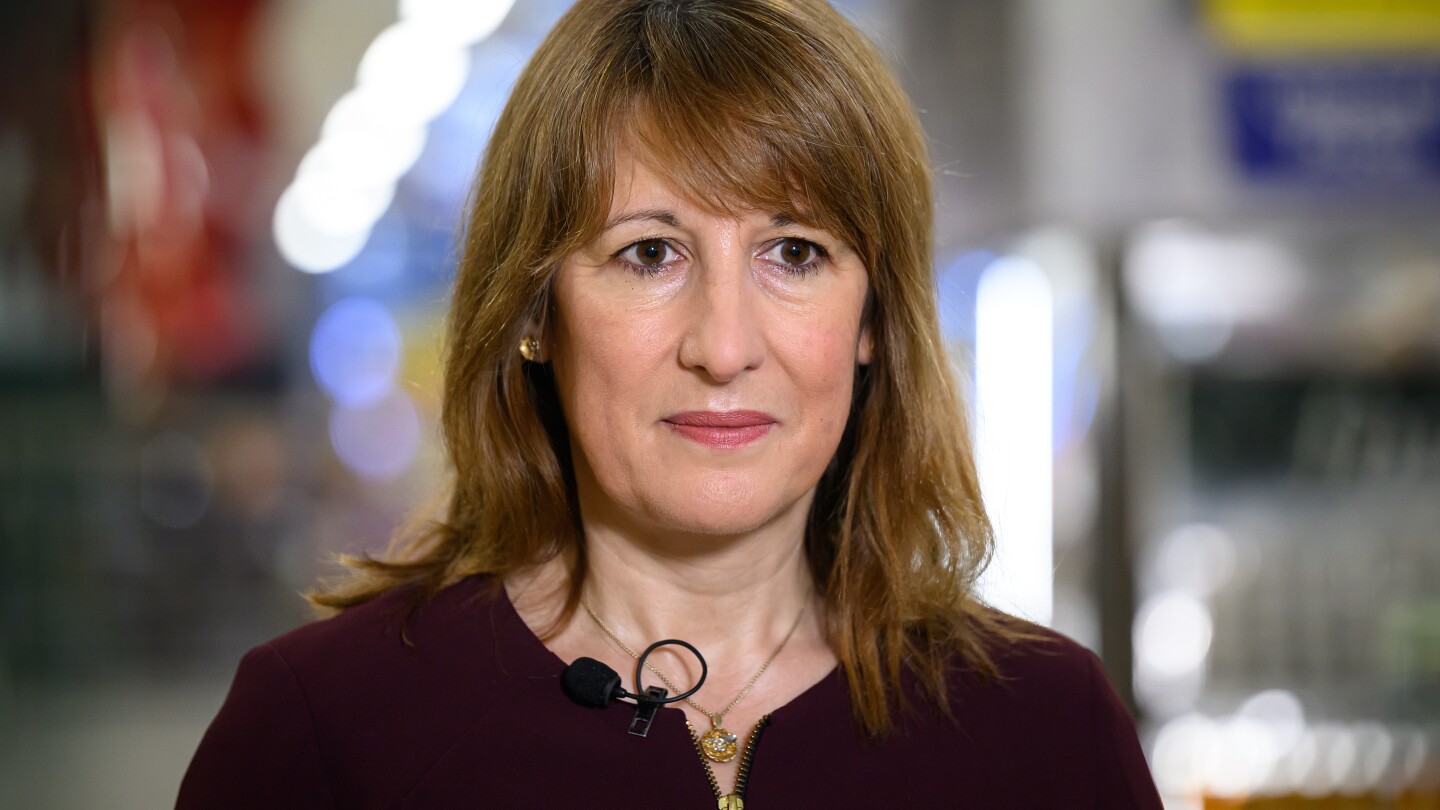
Treasury Chief Rachel Reeves is tasked with delivering a budget that balances tough fiscal decisions with measures to ease the cost of living and safeguard public services. However, her options are limited. The UK economy, the world’s sixth-largest, has underperformed since the 2008-2009 financial crisis, compounded by the lingering effects of Brexit, the COVID-19 pandemic, and geopolitical tensions. The government’s debt servicing costs exceed £100 billion annually, with national debt hovering around 95% of GDP.
Reeves must navigate the delicate balance between appeasing financial markets and satisfying voters. The specter of Liz Truss’s short-lived premiership, which ended in 2022 after unfunded tax cuts triggered market turmoil, looms large. Analysts warn that any misstep could erode investor confidence, driving up borrowing costs and forcing a policy reversal.
The government has ruled out significant public spending cuts, leaving tax increases as the primary revenue-raising tool. However, attempts to raise income taxes have sparked backlash, forcing a retreat in favor of smaller measures like a ‘mansion tax’ and pay-per-mile charges for electric vehicles. Sweeteners, such as above-inflation pension boosts and a freeze on train fares, aim to soften the blow.
Critics argue that further tax hikes risk pushing the economy into a low-growth cycle, while analysts highlight the difficulty of satisfying both markets and voters. Prime Minister Starmer’s leadership is also under scrutiny, with Labour trailing behind the hard-right Reform UK party in opinion polls. Speculation about a leadership challenge has further destabilized the party, raising fears of electoral defeat in 2029.
As the government pins its hopes on economic revival, the upcoming budget is seen as a critical test of its ability to deliver growth and restore public confidence. Analysts warn that failure could mark the beginning of the end for Starmer’s administration.