LONDON – As global conflict grows increasingly defined by technological innovation, the United Kingdom is set to roll out a landmark new defense strategy Tuesday that places autonomous military systems at the core of its future military capabilities. The long-delayed Defense Investment Plan, years in the making, has emerged amid bitter internal wrangling over funding, shifting geopolitical risks, and a wave of political upheaval that has shaken the current British government.
For months, the plan has been stalled after tense negotiations between top military commanders and Treasury officials, who clashed over the price tag of modernizing Britain’s armed forces to match a rapidly deteriorating global security landscape. Like many fellow NATO allies, the UK faces dual pressures: the need to counter an increasingly assertive Russia, and growing uncertainty over the reliability of long-standing security commitments from the United States.
Internal tensions boiled over in June when former Defense Secretary John Healey stepped down from his post, criticizing the ruling government for refusing to commit sufficient military funding at a moment of growing global danger. Healey pushed for the UK to raise defense spending to 3% of gross domestic product by 2030, pointing to British intelligence assessments that Russia could launch an attack on a NATO member nation by that date. He noted that the Treasury’s original proposal would only lift spending to 2.6% of GDP next year, reaching just 2.68% by 2030 — far short of the target he called necessary.
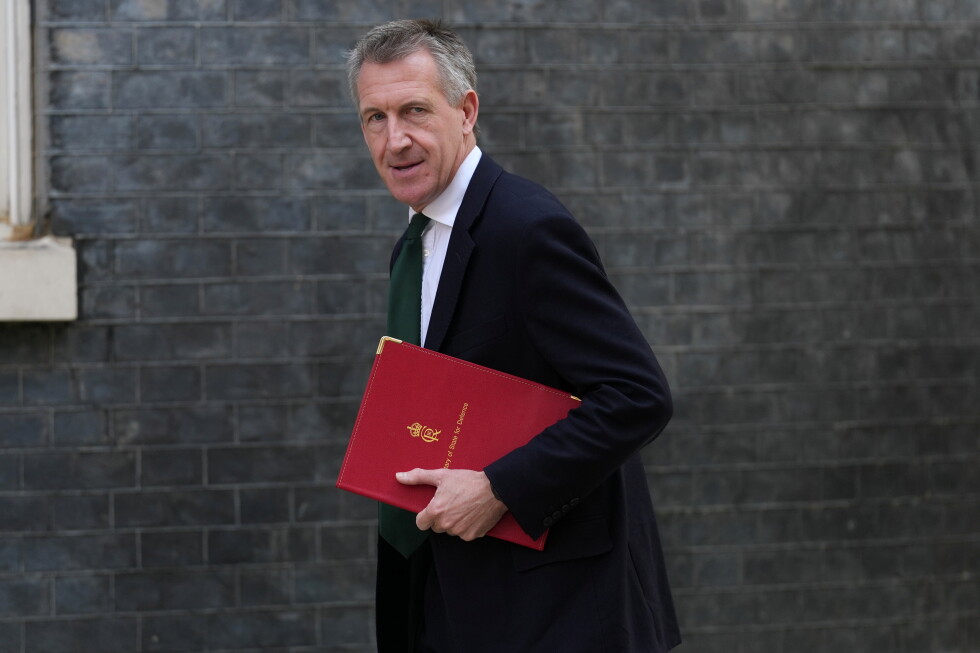
Under Healey’s successor, current Defense Secretary Dan Jarvis, the proposal has been refocused in recent weeks, with a small funding increase added to the original 13.5 billion pounds ($18 billion) package Healey was offered. Even with the adjustment, however, the final total is expected to fall far short of the 28 billion pounds ($37 billion) that senior defense leaders had requested.
In comments ahead of the plan’s official launch, Prime Minister Keir Starmer framed the strategy as a critical step to equip frontline personnel with cutting-edge tools to deter emerging threats and protect British citizens. The full text of the 10-year roadmap is scheduled for publication later Tuesday, confirming the UK’s commitment to reach a NATO spending target of 3.5% of GDP by 2035.
The push for modernization comes as the UK military seeks to reverse decades of capability decline, driven by Moscow’s 2022 full-scale invasion of Ukraine and its growing pattern of overt and covert military probes along NATO’s eastern flank. British military planners have drawn direct lessons from Ukraine’s war, where drone technology has upended traditional combat doctrine: Ukraine currently deploys roughly 200,000 drones per month to repel Russian advances. In response, the UK will direct billions in new investment to drone systems across the army, navy, and air force. In a shift from earlier plans to build a new fleet of conventional destroyers, the Royal Navy will instead develop hybrid vessels designed to serve as mobile command hubs for uncrewed drone and submarine systems.
Pressure to boost British defense spending has also come from across the Atlantic. Former U.S. President Donald Trump, who has long raised questions about NATO’s purpose and repeatedly criticized European allies for failing to meet their spending commitments, has made increased defense outlays a core condition of continued U.S. security support for the alliance.
The disputes over defense spending have contributed to a growing political crisis in London. The resignations of Healey and junior Defense Minister Al Carns were among a series of political setbacks that led Starmer to announce his resignation last week. Starmer is expected to fulfill one of his final prime ministerial duties by attending the upcoming NATO summit in Turkey scheduled for July 7 and 8, before stepping down.
The likely next prime minister, former Greater Manchester Mayor Andy Burnham, will inherit immediate pressure to uphold the binding spending commitments laid out in the new defense plan. The main opposition Conservative Party has already dismissed the strategy as insufficient, with defense spokesperson James Cartlidge calling it “too little, too late.” Cartlidge argued the plan has been rushed through nearly a year behind schedule, only to allow Starmer to secure a policy legacy ahead of his departure from office.